A recent report by Microsoft reveals a significant surge in the use of artificial intelligence (AI) by adversarial nations and criminal entities to orchestrate cyberattacks and disseminate disinformation. The findings, published in Microsoft’s annual digital threats report, highlight over 200 instances of AI-driven fake content creation in July alone—a stark increase compared to previous years. Russia, China, Iran, and North Korea are at the forefront of this trend, leveraging AI to automate cyberattacks, craft convincing phishing emails, and even generate digital clones of high-ranking officials. These tactics are employed to infiltrate sensitive systems, disrupt critical services, and spread inflammatory disinformation. Amy Hogan-Burney, Microsoft’s Vice President for Customer Security and Trust, emphasized the urgent need for robust cybersecurity measures as attackers increasingly target governments, businesses, and vital infrastructure like hospitals and transportation networks. Despite the escalating threats, many U.S. organizations continue to rely on outdated defenses. The U.S. remains the primary target for cyberattacks, followed by Israel and Ukraine, reflecting the spillover of geopolitical conflicts into the digital domain. While adversarial nations deny their involvement in cyber espionage, evidence suggests otherwise. North Korea, for instance, has pioneered the use of AI personas to create fake American identities, enabling hackers to infiltrate remote tech jobs and steal sensitive data. Nicole Jiang, CEO of Fable, a San Francisco-based security firm, underscored the dual role of AI in both enabling cyberattacks and defending against them. As AI continues to evolve, the digital landscape is poised for an intensified cat-and-mouse game between attackers and defenders.
博客
-
Magnitude 6.5 earthquake strikes Indonesia’s Papua
A significant earthquake measuring 6.5 on the Richter scale struck the eastern Indonesian province of Papua on Thursday, according to the United States Geological Survey (USGS). The seismic event occurred at approximately 2:48 PM local time (0548 GMT), with its epicenter located roughly 200 kilometers (125 miles) from Jayapura, the provincial capital. The quake originated at a depth of 35 kilometers. Despite the substantial magnitude, no tsunami warning was issued, and there have been no immediate reports of damage or casualties. Papua, a region known for its seismic activity due to its position along the Pacific Ring of Fire, frequently experiences earthquakes. The USGS continues to monitor the situation, and local authorities are assessing the impact on affected areas. This event serves as a reminder of the region’s vulnerability to natural disasters and the importance of preparedness in earthquake-prone zones.
-
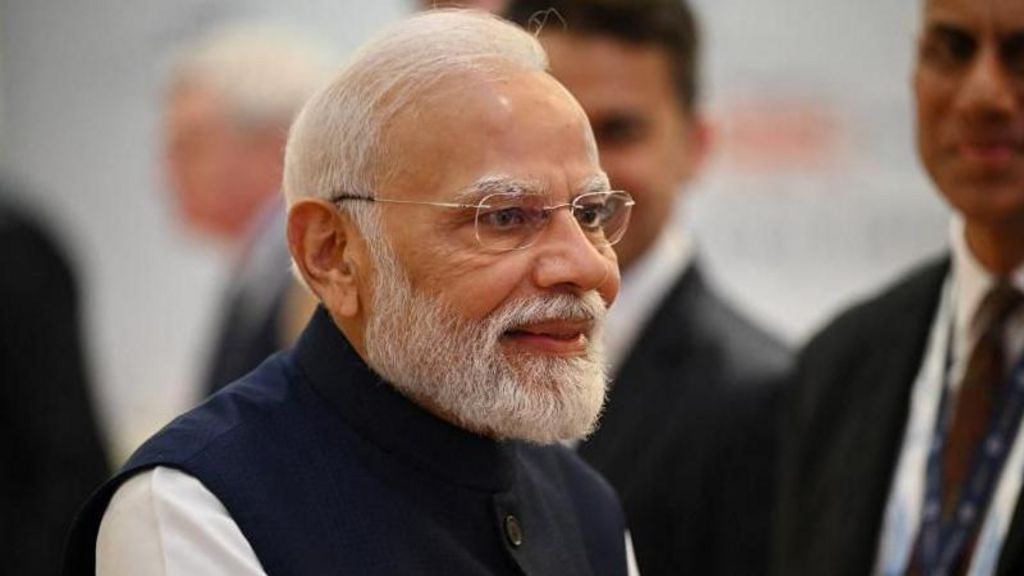
India casts doubt on Trump’s claim Modi will stop buying Russian oil
In a surprising turn of events, India has refuted claims made by former US President Donald Trump regarding a supposed agreement with Indian Prime Minister Narendra Modi to cease Russian oil imports. Trump asserted on Wednesday that Modi had ‘assured’ him of halting purchases of Russian oil, a move aimed at intensifying economic pressure on Russia to end the Ukraine conflict. However, India’s foreign ministry stated on Thursday that it was ‘not aware’ of any such conversation between the two leaders. This contradiction has cast doubt on the validity of Trump’s statement and raised questions about the status of ongoing discussions between the US and India on the matter. India has emerged as a significant buyer of Russian oil since the war began, providing Moscow with a crucial revenue stream despite Western sanctions. The Trump administration has been vocal in urging India to reduce its reliance on Russian energy, as part of broader efforts to isolate Russia economically. India, however, has defended its energy policies, emphasizing the need to protect its consumers in a volatile global energy market. The situation has further strained US-India relations, with the UK recently targeting an Indian oil refinery in its latest sanctions for facilitating Russian oil exports. The conflicting narratives highlight the complexities of international diplomacy and the challenges of aligning global energy policies amidst geopolitical tensions.
-

Saudi to add 900,000 praying spaces near Makkah Grand Mosque under new project
Saudi Arabia has embarked on a groundbreaking initiative to enhance the spiritual and infrastructural landscape of Makkah. Crown Prince Mohammed bin Salman officially launched the ‘King Salman Gate’ project, a massive development adjacent to the Grand Mosque, which will add approximately 900,000 indoor and outdoor praying spaces. Spanning 12 million square meters (4.6 square miles), this mixed-use project aims to improve access to the Grand Mosque while integrating residential, hospitality, commercial, and cultural facilities. The RUA AlHaram AlMakki Company, overseeing the project, highlighted its potential to elevate service quality and preserve Makkah’s cultural heritage by restoring 19,000 square meters of historical sites. Additionally, the initiative aligns with Saudi Vision 2030, contributing to economic transformation by generating over 300,000 jobs by 2036. While the project’s cost and completion timeline remain undisclosed, it represents a significant step in modernizing Makkah and establishing it as a global model for urban planning and spiritual tourism.
-
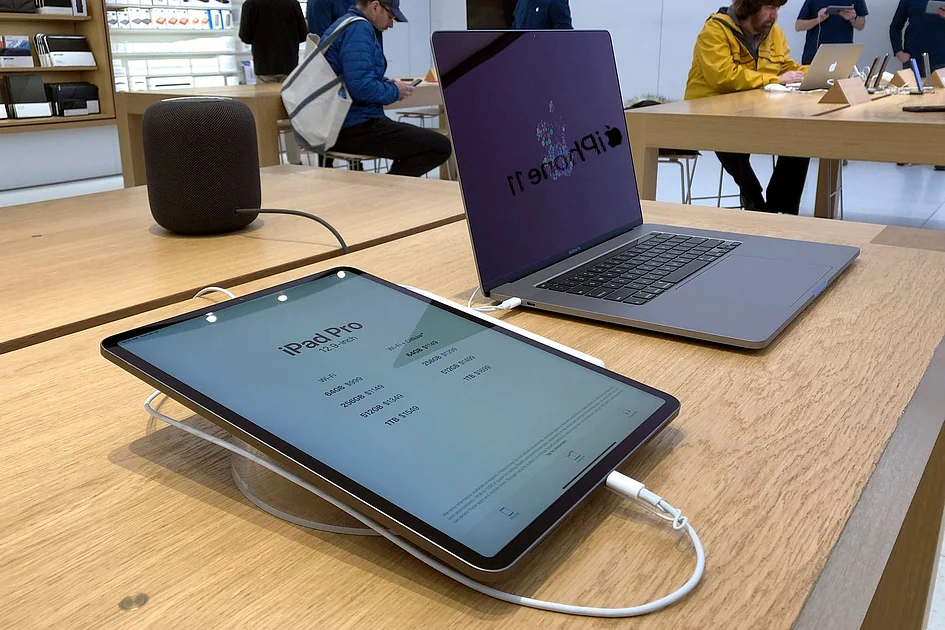
Apple rolls out MacBook Pro, iPad Pro with more powerful M5 chip
Apple has introduced its latest lineup of devices, including the refreshed MacBook Pro, iPad Pro, and the second-generation Vision Pro headset, all powered by the new M5 chip. The announcement, made on Wednesday, underscores Apple’s commitment to enhancing performance for creative professionals while maintaining competitive pricing. The M5 chip, built using a cutting-edge 3-nanometer process, promises significant improvements in both performance and energy efficiency, enabling advanced AI-based applications to run seamlessly on these devices. Notably, the MacBook Pro with the M5 chip can now support large language models directly on the device, a leap forward in on-device AI capabilities. Despite these upgrades, Apple has kept the prices unchanged from the previous M4-powered versions, with the 14-inch MacBook Pro starting at $1,599, the iPad Pro at $999, and the Vision Pro at $3,499. The Vision Pro, which debuted in 2023, has received positive feedback for its display quality but remains a niche product with limited adoption. Apple’s strategy of integrating its most advanced chips into premium devices like the MacBook Pro and iPad Pro aims to counter the performance gains of competitors using Qualcomm and Intel’s AI-oriented chips. The company also anticipates a rebound in iPad and Mac sales, driven by more affordable models and a global recovery in electronics demand.
-
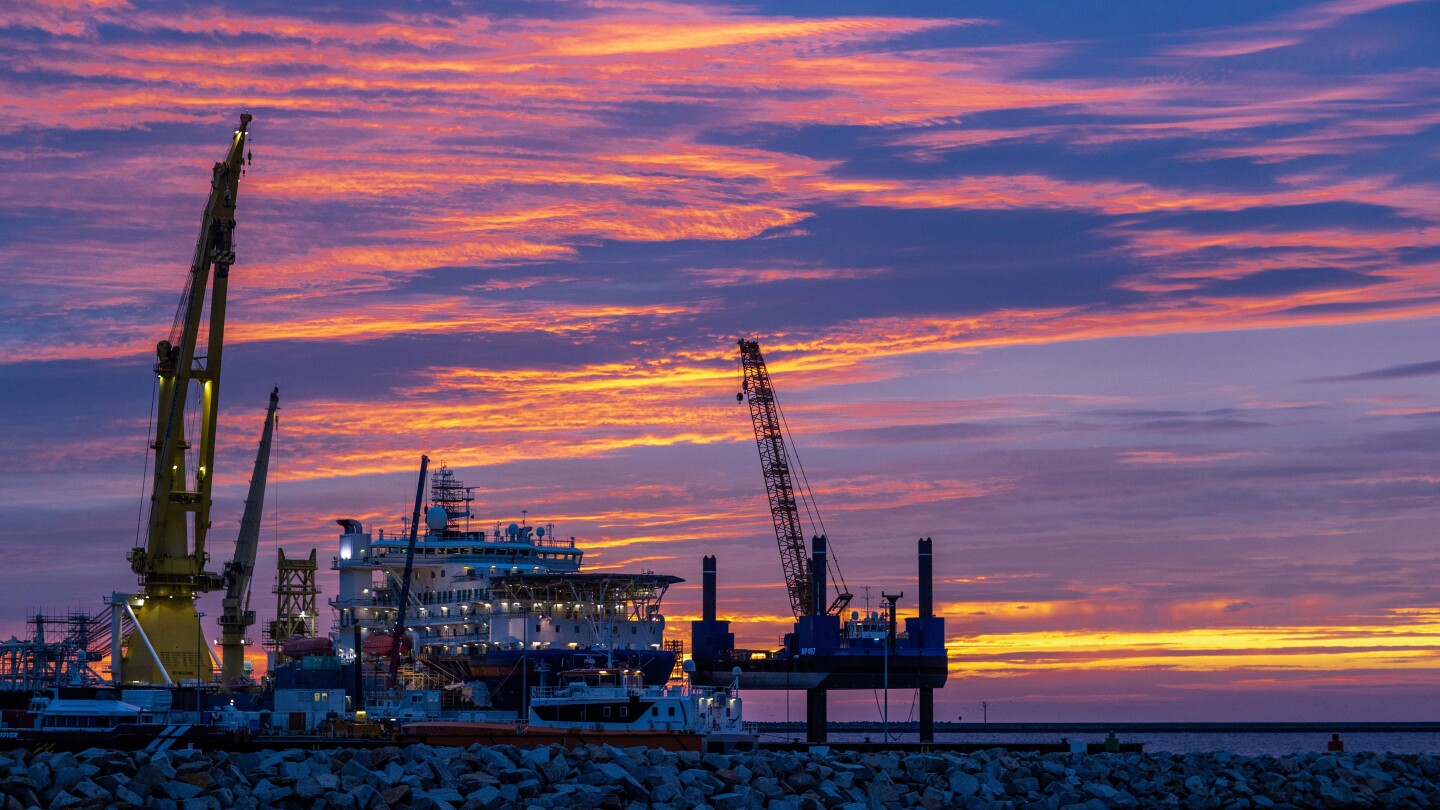
Italy’s top court blocks extradition of Ukrainian suspect in Nord Stream explosions’ case
In a significant legal development, Italy’s highest court has overturned the extradition of a Ukrainian man, Serhii Kuznietsov, to Germany. Kuznietsov, 49, was arrested on suspicion of orchestrating the 2022 explosions that damaged the Nord Stream gas pipelines, critical infrastructure transporting Russian natural gas to Germany. The Cassation Court in Italy annulled a prior ruling by the Bologna Court of Appeal, which had approved the extradition. The case has now been referred back to the appeal court for reassessment. Kuznietsov’s lawyer, Nicola Canestrini, stated that the court’s detailed reasoning for the decision is yet to be released but is anticipated in the coming weeks. Canestrini also indicated that he is considering requesting Kuznietsov’s release, as the legal grounds for his detention have been invalidated. The explosions, which occurred in September 2022, severely damaged the Nord Stream 1 pipeline and the unused Nord Stream 2 pipeline, both located in the Baltic Sea. German prosecutors allege that Kuznietsov organized the detonation of multiple bombs at significant depths near the Danish island of Bornholm. Kuznietsov, who was detained in August 2023 while vacationing with his family in Italy, has consistently denied involvement, claiming he was serving in the Ukrainian military at the time of the incident. This case has drawn international attention, with Poland also arresting another Ukrainian suspect linked to the explosions, whose extradition remains pending.
-

From complex to autonomous: The next chapter in telecom’s evolution
The telecommunications industry is undergoing a transformative shift as it embraces autonomous networks powered by artificial intelligence (AI). These networks, which go beyond traditional rule-based automation, are designed to sense, learn, and act with minimal human intervention. This evolution marks a significant departure from manual processes and siloed systems, enabling telecom operators to manage soaring traffic volumes, rising energy demands, and sophisticated security threats more effectively.
-

South Africa welcomes $115M US bridge plan to sustain its HIV programs for 6 months
South Africa has expressed gratitude for a $115 million U.S. bridging plan that ensures continued funding for HIV treatment and prevention programs until March. The initiative, part of the U.S. President’s Emergency Plan for AIDS Relief (PEPFAR), is seen as a positive step in bilateral relations despite recent strains. PEPFAR, credited with saving over 25 million lives globally, has been a lifeline for South Africa, which has the world’s highest number of people living with HIV. Earlier this year, U.S. President Donald Trump suspended foreign aid to South Africa, including PEPFAR, leading to job losses and service disruptions. Over 8,000 health workers were laid off, and 12 specialized HIV clinics funded by USAID were closed. South African Minister Khumbudzo Ntshavheni highlighted the bridge plan as a solution to the abrupt funding halt, emphasizing its role in maintaining bilateral ties. However, relations remain tense, with Trump accusing South Africa’s government of mistreating minority white Afrikaners and imposing tariffs on its exports. Health Minister Aaron Motsoaledi noted that the U.S. is revising its approach to PEPFAR, offering transition periods of up to five years before complete funding cessation. While the bridge plan provides temporary relief, uncertainties linger over long-term HIV program sustainability.
-
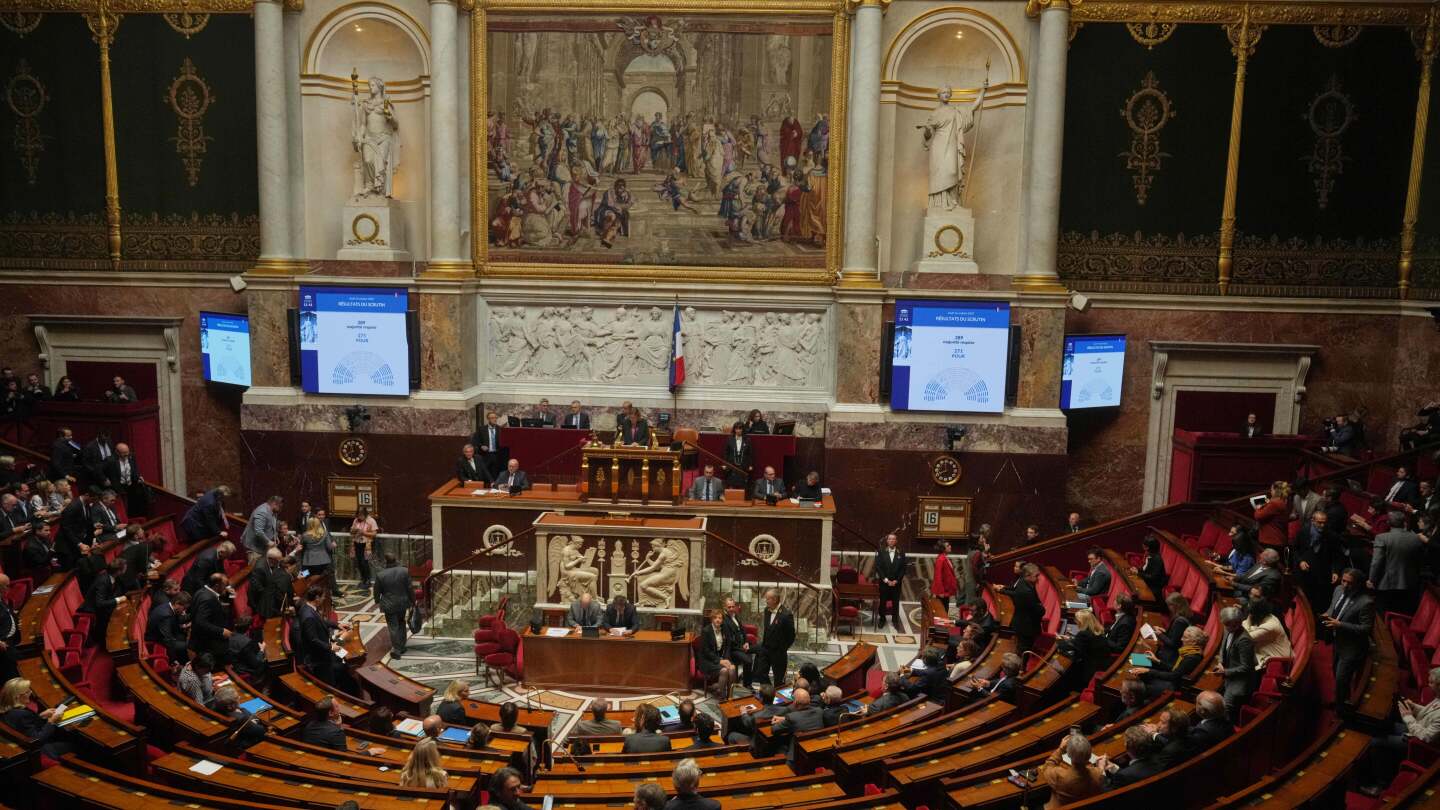
France steps back from the brink as parliament spares the prime minister. For now
France’s political landscape remains fraught with tension as Prime Minister Sébastien Lecornu narrowly survived two no-confidence votes on Thursday, temporarily averting a government collapse. The motions, filed by the hard-left France Unbowed party and the far-right National Rally, fell short of the required 289 votes, securing Lecornu’s position and providing President Emmanuel Macron with a brief respite. However, the underlying challenges persist, as Macron’s minority government continues to navigate a deeply divided parliament where no single bloc holds a majority. This fragmentation has turned every legislative decision into a high-stakes negotiation, with the upcoming budget debate poised to test the government’s resilience once again.
-
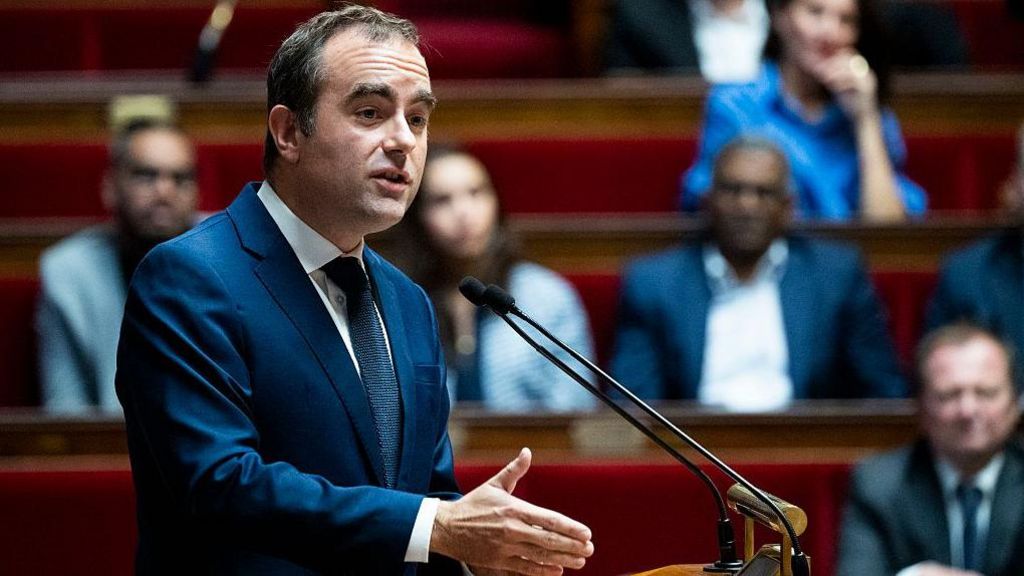
French PM survives confidence votes after freezing Macron’s pension reform
France’s newly appointed Prime Minister, Sébastien Lecornu, has narrowly survived two no-confidence motions tabled by opposition parties, marking a turbulent start to his tenure. In a closely contested vote, a motion led by the far-left fell 18 votes short of the 289 required to oust him. This victory provides Lecornu with temporary respite, allowing him to focus on passing the 2026 budget. However, challenges persist as both the far-left and far-right remain determined to destabilize his government. The Socialists, who supported Lecornu in this round, have signaled they will not be as lenient in future votes. Lecornu’s survival hinges on significant concessions to the left, including freezing President Emmanuel Macron’s key economic reform—raising the retirement age to 64—and relinquishing the use of the constitutional tool 49:3, which allows governments to bypass parliamentary votes. This shift in power reflects the waning influence of Macron’s presidency since his controversial dissolution of parliament in July 2024. Critics argue that these compromises undermine France’s fiscal discipline, jeopardizing efforts to reduce the deficit to 4.7% of GDP by 2026. The political gridlock has fueled public disillusionment, with Macron’s approval ratings plummeting to 14%. Analysts warn that France’s political instability could have far-reaching implications for Europe and beyond, as international observers express concern over the nation’s economic and strategic future.