博客

  • Trump says to meet Putin in Hungary

    Trump says to meet Putin in Hungary

    In a significant diplomatic move, former U.S. President Donald Trump announced plans to meet Russian President Vladimir Putin in Budapest, Hungary, to discuss potential resolutions to the ongoing Russia-Ukraine conflict. The announcement followed a ‘productive’ phone conversation between the two leaders, as Trump shared on his Truth Social platform. During the call, the leaders reportedly discussed not only the conflict but also future trade relations between the U.S. and Russia once the war concludes. Trump expressed optimism about the progress made during the conversation, stating, ‘I believe great progress was made with today’s telephone conversation.’

    As a precursor to the meeting, high-level advisors from both nations are set to convene next week, with U.S. Secretary of State Marco Rubio leading the American delegation. The location for this preparatory meeting remains undetermined. Trump emphasized the goal of the Budapest summit, saying, ‘President Putin and I will then meet in an agreed upon location, Budapest, Hungary, to see if we can bring this ‘inglorious’ War, between Russia and Ukraine, to an end.’

    The phone call occurred just ahead of Ukrainian President Volodymyr Zelensky’s scheduled visit to the White House, adding urgency to the diplomatic efforts. This meeting marks another attempt at dialogue between Trump and Putin, following their inconclusive talks in Alaska in August. In late September, Trump had expressed confidence in Ukraine’s ability to reclaim its territory with support from the European Union and NATO, stating that Ukraine ‘is in a position to fight and WIN all of Ukraine back in its original form.’

    The upcoming Budapest meeting underscores the complex geopolitical dynamics at play, as global leaders seek to navigate the protracted conflict and its far-reaching implications.

  • Family of missing British girl give ultimatum to key person of interest

    Family of missing British girl give ultimatum to key person of interest

    The family of Cheryl Grimmer, a British girl who vanished from a New South Wales beach in 1970, is intensifying its quest for justice. Cheryl was just three years old when she disappeared from Fairy Meadow beach in Wollongong. The case, which has haunted the family for over five decades, took a dramatic turn in 2017 when a man in his 60s was charged with her abduction and murder. However, the trial collapsed in 2019 after a confession made when the suspect was a teenager was deemed inadmissible in court. The suspect, known only as Mercury, denies any involvement in the crime.

  • Madagascar’s coup leader is set to be sworn in as president after military takeover

    Madagascar’s coup leader is set to be sworn in as president after military takeover

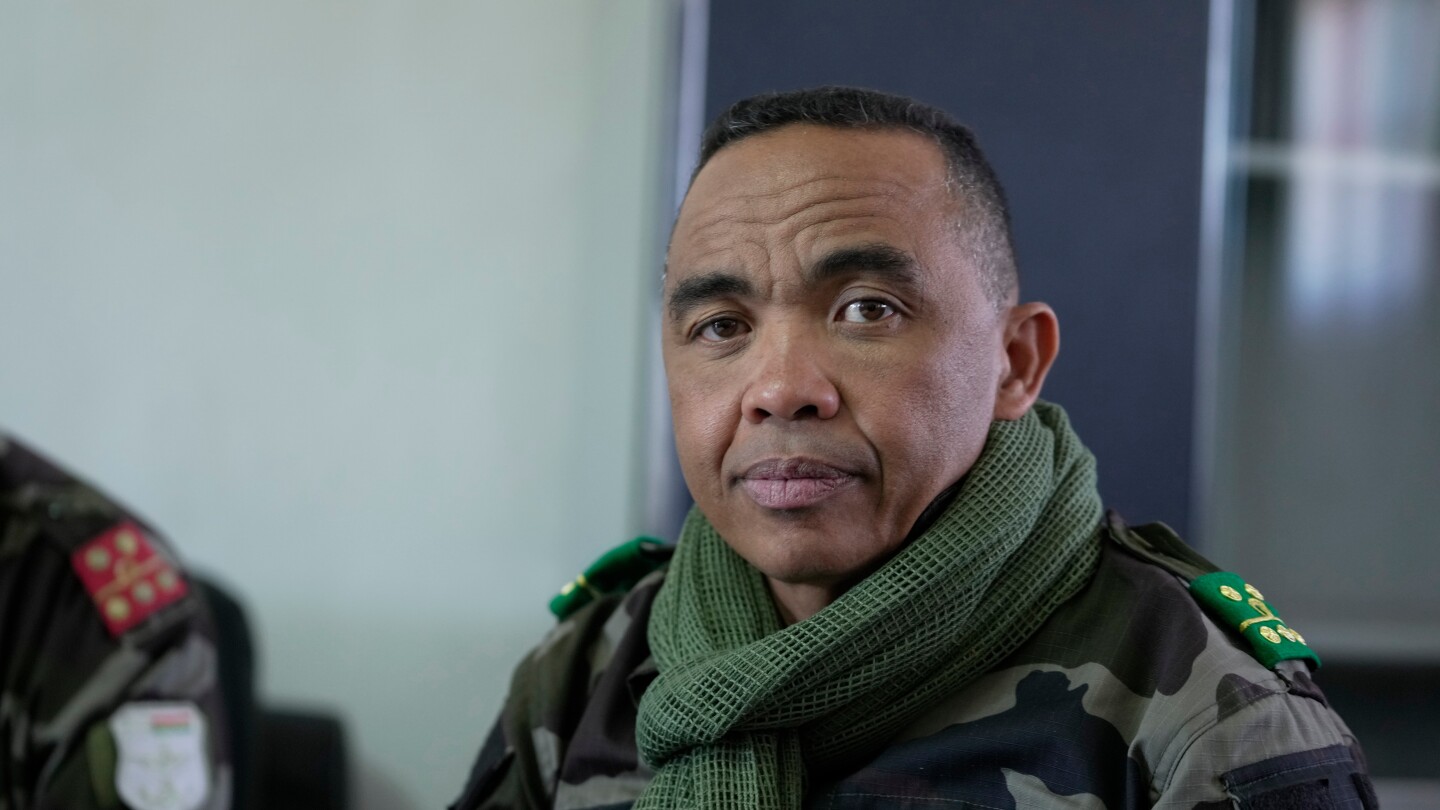
    Colonel Michael Randrianirina, the leader of a recent military coup in Madagascar, is poised to be sworn in as the nation’s new president on Friday. The swift power grab, which ousted President Andry Rajoelina and forced him into hiding, marks a dramatic shift in the political landscape of the Indian Ocean island nation. Randrianirina, commander of the elite CAPSAT military unit, announced the military’s takeover just three days prior, following weeks of anti-government protests led primarily by young citizens. The swearing-in ceremony is scheduled to take place at the High Constitutional Court, with soldiers securing the premises and officials gathering for the event. The coup, which unfolded after three weeks of unrest, has drawn condemnation from the United Nations and resulted in Madagascar’s suspension from the African Union. Rajoelina, whose whereabouts remain unknown, was impeached by parliament shortly before Randrianirina declared the military’s assumption of power. The colonel, who emerged from relative obscurity to lead the rebellion, has pledged to govern through a military council for 18 months to two years before holding elections. This timeline suggests a prolonged wait for the young protesters who initially fueled the uprising. The protests, which began last month, were driven by grievances over water and power shortages, rising living costs, and allegations of corruption and nepotism. Randrianirina’s decision to join the anti-government movement last weekend solidified his position, despite a brief clash with security forces loyal to Rajoelina that resulted in one casualty. While the streets have remained largely peaceful, the international community, including U.N. Secretary-General António Guterres, has called for a return to constitutional order. Madagascar, a former French colony with a history of political instability, faces significant challenges, including widespread poverty affecting 75% of its population. The nation’s future remains uncertain as it navigates this latest chapter in its tumultuous political history.

  • As the world discovers the Faroe Islands, there’s a push for local food

    As the world discovers the Faroe Islands, there’s a push for local food

    In the windswept Faroe Islands, a small farmers’ market in the capital of Torshavn stands as a testament to the challenges and aspirations of local food production. Known for their harsh climate and poor soil, the islands have long relied on imported goods, with most products bearing the stamp of Denmark, under which the Faroe Islands are self-governing. However, a growing movement is emerging to reduce this dependency and promote locally grown and produced food.

    Despite the unforgiving conditions, residents are experimenting with hardy crops like kale and cabbage, while traditional staples such as potatoes and rhubarb remain prevalent. The market, part of the Matkovin project, aims to highlight local producers and their efforts to cultivate a sustainable food culture. Products range from fermented meats and fish to seaweed, all influenced by the islands’ unique environment.

    Yet, the reality of food security remains a pressing concern. The COVID-19 pandemic and a recent labor strike in May 2024 exposed vulnerabilities in the supply chain, prompting discussions about self-sufficiency. While initiatives like Veltan are working to expand greenhouse farming, the majority of food is still imported, and local producers often remain invisible in the broader market.

    The Michelin-starred restaurant Paz exemplifies the islands’ culinary potential, offering a tasting menu that celebrates local seafood and traditional fermentation methods. However, the journey toward food independence is far from complete. Even in Klaksvik, the islands’ second-largest community, a server at a steakhouse revealed that their lamb was sourced from New Zealand.

    As the Faroe Islands navigate these challenges, the farmers’ market serves as a symbol of resilience and a growing pride in their unique food culture, shaped by remoteness and the harsh North Atlantic environment.

  • Author of I Want To Die But I Want To Eat Tteokbokki dies at 35

    Author of I Want To Die But I Want To Eat Tteokbokki dies at 35

    Baek Se-hee, the acclaimed South Korean author of the groundbreaking memoir *I Want to Die but I Want to Eat Tteokbokki*, has passed away at the age of 35. Her 2018 book, which chronicled her candid conversations with her psychiatrist about her struggles with depression, became a global sensation, resonating deeply with readers worldwide. Originally written in Korean, the memoir gained international recognition following its English translation in 2022. While the circumstances of her death remain unclear, Baek’s legacy continues through her selfless act of organ donation, which saved five lives, according to the Korean Organ Donation Agency. Her sister shared that Baek’s life mission was to inspire hope and share her heart with others through her work. The memoir, which has sold over a million copies and been translated into 25 languages, was praised for its honest portrayal of mental health struggles and its ability to normalize conversations about inner turmoil. Baek’s work highlighted the duality of human emotions, as encapsulated in the book’s iconic line: ‘The human heart, even when it wants to die, quite often wants at the same time to eat some tteokbokki, too.’ Born in 1990, Baek studied creative writing and worked in publishing before dedicating herself to writing. Her decade-long battle with dysthymia, a chronic form of depression, formed the foundation of her bestselling memoir. A sequel, *I Want to Die but I Still Want to Eat Tteokbokki*, was published in Korean in 2019 and in English in 2024, further cementing her impact on mental health discourse.

  • Revivals and farewells: Africa’s top shots

    Revivals and farewells: Africa’s top shots

    This week, the African continent witnessed a vibrant tapestry of cultural events, political shifts, and historic milestones. In Lagos, Nigeria, the Innovate Dance Company captivated audiences with a groundbreaking performance, showcasing the city’s thriving arts scene. Meanwhile, Ethiopian model Awar Odhiang turned heads on a U.S. catwalk, adorned in a celestial headdress that blended tradition with modernity. Nairobi, Kenya, became a hub for sustainable fashion as designers like Morgan Azedy showcased upcycled creations at the Wasteland Gikomba Fashion event, highlighting the growing trend of eco-conscious design. Madagascar experienced a dramatic political upheaval as weeks of youth-led protests culminated in a coup d’état, leading to the installation of a new military leader. The nation’s capital, Antananarivo, echoed with the triumphant sounds of marching bands during street rallies. In Kenya, the death of opposition leader Raila Odinga at 80 sparked widespread mourning, with thousands gathering to honor his legacy. Lagos also hosted the Fela Kuti Afrobeat Rebellion exhibition, celebrating the iconic musician’s enduring influence. Cape Verde made history as its football team qualified for their first World Cup, igniting jubilation among supporters of the small Atlantic nation. Cameroon’s presidential election saw millions casting their votes, though unofficial claims of victory by Issa Tchiroma Bakary stirred controversy. In Mali, the annual replastering of the 14th-century Djinguereber Mosque, a UNESCO World Heritage site, continued a centuries-old tradition. Burkina Faso’s Grand Mosque of Bobo-Dioulasso, built over 130 years ago, stood as a testament to the region’s rich architectural heritage. South Africa debated renaming the world-famous Kruger National Park, sparking discussions about identity and history. These events, captured through powerful imagery, reflect the diversity and dynamism of Africa.

  • After years of socialist rule, Bolivia’s presidential runoff tests how far and fast it veers right

    After years of socialist rule, Bolivia’s presidential runoff tests how far and fast it veers right

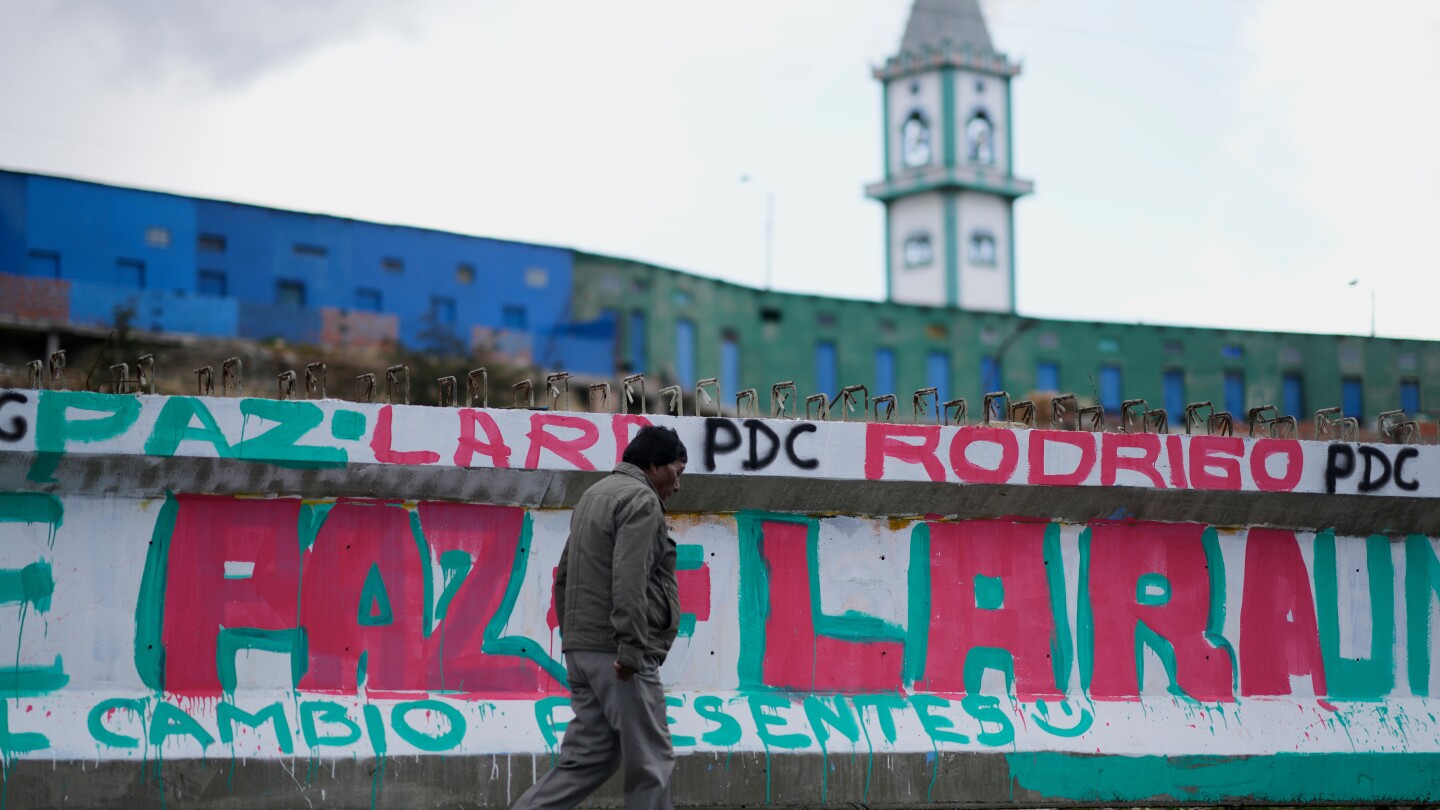
    Bolivia, after nearly two decades of dominance by the Movement Toward Socialism (MAS) party, is witnessing a significant political shift to the right. This change comes in the wake of a severe economic crisis, marked by a collapsing currency, fuel shortages, and widespread public discontent. The recent presidential runoff, held on Sunday, features two conservative, business-friendly candidates, signaling a stark departure from the leftist policies of former President Evo Morales. The MAS party, which has ruled since 2005, suffered a dramatic decline in support in the August 17 elections, barely retaining its legal status as Bolivians expressed a strong desire for change. The incoming president faces the immediate challenge of stabilizing the economy by attracting foreign investment, addressing fuel shortages, and implementing fiscal reforms. Jorge ‘Tuto’ Quiroga, a right-wing former president, advocates for an IMF bailout and stringent fiscal adjustments. His rival, centrist senator Rodrigo Paz, proposes legalizing the black market, phasing out subsidies, and encouraging Bolivians to repatriate their dollars. Amid the worst economic crisis in four decades, many voters remain skeptical about the candidates’ ability to deliver meaningful change. The election outcome will determine the pace and extent of Bolivia’s political and economic transformation, with significant implications for its international relations, particularly with the U.S., China, and Russia.

  • After winning Trump’s $20 billion, President Milei must win votes as Argentine industry reels

    After winning Trump’s $20 billion, President Milei must win votes as Argentine industry reels

    The once-bustling textile mill of the Galfione Group in southern Buenos Aires now stands eerily quiet. Luciano Galfione, the owner, walks through the factory, reminiscing about the days when 200 employees operated state-of-the-art machinery to produce fabrics for Argentina’s middle class. Today, only a handful of workers remain, spooling yarn and dyeing cloth. The factory’s operations have been slashed by 80%, and half the staff has been laid off or suspended. Galfione is now dipping into his personal savings to keep the 78-year-old family business afloat. This grim scenario is emblematic of Argentina’s broader economic crisis, exacerbated by President Javier Milei’s austerity measures and free-market reforms. Since Milei took office nearly two years ago, over 17,600 businesses, including 1,800 manufacturers and 380 textile companies, have shut down, according to Fundación Pro Tejer, a nonprofit representing textile manufacturers. The crisis has been fueled by falling domestic orders, surging competition from cheap imports, and reduced consumer spending due to higher unemployment and lower wages. As Argentina approaches midterm elections on October 26, widely seen as a referendum on Milei’s policies, the textile industry’s collapse highlights the broader challenges facing the nation. The economy has stagnated, manufacturing has been gutted, and consumer confidence has plummeted. Milei’s initial success in curbing inflation has been overshadowed by rising unemployment, stagnant wages, and increased costs for essentials like transportation and healthcare. The president’s reliance on high interest rates and central bank interventions to stabilize the peso has further eroded the competitiveness of Argentine industries. Meanwhile, the removal of trade barriers has flooded the market with cheaper foreign products, leaving local manufacturers struggling to compete. As Milei seeks financial support from the U.S., many Argentines remain skeptical about the potential benefits of foreign aid, emphasizing the need for domestic economic revival. The crisis has left thousands of workers unemployed, with families struggling to make ends meet. The future of Argentina’s economy remains uncertain, as the government grapples with the dual challenges of stabilizing inflation and fostering growth.

  • Australia sharing tips on curbing social media for children before age limit starts in December

    Australia sharing tips on curbing social media for children before age limit starts in December

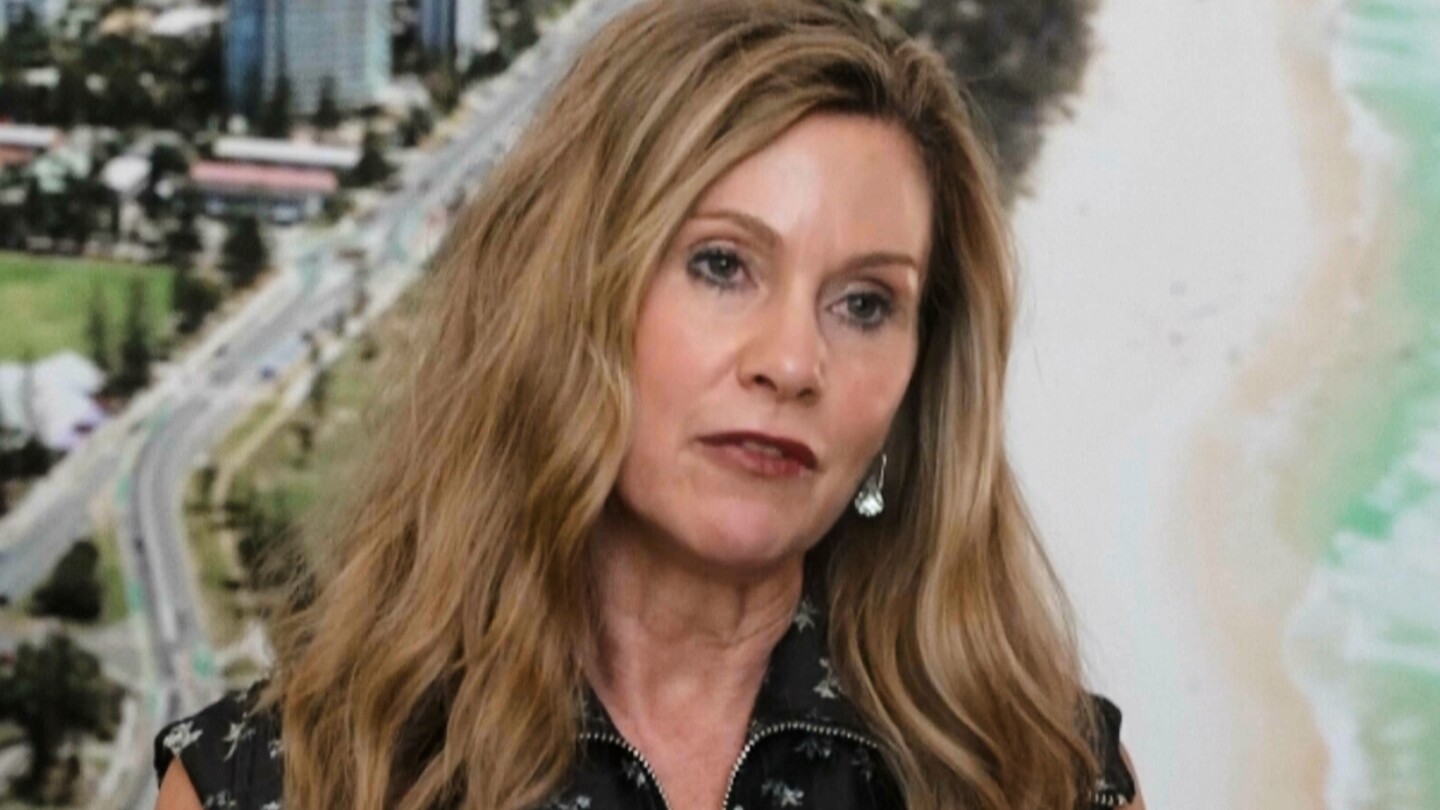
    The Australian government has initiated a comprehensive public education campaign to guide parents and children in transitioning away from social media ahead of the implementation of a groundbreaking national age restriction. Starting December 10, social media platforms such as Facebook, Instagram, Snapchat, TikTok, X, and YouTube will face fines of up to 50 million Australian dollars ($33 million) if they fail to enforce measures preventing users under 16 from creating accounts. The current de facto age limit, based on U.S. privacy laws, is 13. Australian eSafety Commissioner Julie Inman Grant emphasized the significance of this change, describing it as a “very monumental event for a lot of young people.” The campaign, which includes digital, television, radio, and billboard messages, aims to raise awareness and provide resources for families to navigate the new regulations. Communications Minister Anika Wells highlighted the goal of allowing children to experience childhood without the pressures of social media, while also giving young Australians more time to develop their identities. However, the policy has sparked debate, with over 140 academics opposing the age limit as overly simplistic. Despite these concerns, the law passed with strong support last year. Australia’s approach is being closely monitored by other nations, including Denmark, which is considering similar measures to protect children in the digital age.

  • Police call off search for four-year-old missing in Australian outback

    Police call off search for four-year-old missing in Australian outback

    South Australian police have officially suspended the search for four-year-old Gus Lamont, who vanished from his family’s remote sheep station nearly three weeks ago. Despite a renewed effort involving 80 Australian Defense Force personnel, no trace of the boy has been found. Gus was last seen playing outside his home near Yunta, approximately 300 kilometers from Adelaide, on September 27. His grandmother had left him unattended for about 30 minutes before discovering his absence, triggering one of the largest search operations in the region’s history. Authorities, who do not suspect foul play, have transitioned the case into a ‘recovery operation.’ The search covered an expansive area of 470 square kilometers—twice the size of Edinburgh—but the rugged, harsh terrain and unpredictable weather conditions have significantly hindered efforts. A 12-person taskforce has been established to continue the investigation, with future searches not ruled out. Gus, described as adventurous yet shy, was last seen wearing a gray hat, light gray pants, boots, and a blue long-sleeve T-shirt featuring a yellow Minion character. His disappearance has captivated national attention, with widespread media coverage and online speculation. Police have urged the public to refrain from sharing unverified information, particularly after fake AI-generated images of Gus circulated on social media. The Lamont family remains ‘devastated,’ expressing their profound grief and longing for Gus. Commissioner Grant Stevens acknowledged the family’s resilience, describing the situation as ‘traumatic’ and emphasizing the emotional toll of not knowing Gus’s whereabouts.