
A Polish court deliberated on Friday whether to extradite a Ukrainian man, identified only as Volodymyr Z., who is suspected by German prosecutors of involvement in the 2022 attack on the Nord Stream gas pipelines. The case has the potential to strain diplomatic relations between Poland and Germany. The 46-year-old suspect, described as a trained diver, was arrested near Warsaw on September 30 under a German warrant. German authorities allege he was part of a group that planted explosives on the pipelines near Denmark’s Bornholm island. The Warsaw District Court’s decision, which could be appealed, remains pending. Volodymyr Z.’s lawyer, Tymoteusz Paprocki, stated that his client denies any involvement in the attack and questions the charges. He also argued that no Ukrainian should be prosecuted for actions against Russia. Poland, historically opposed to the Nord Stream pipelines, has shown reluctance to extradite the suspect. Prime Minister Donald Tusk emphasized that such a move would not align with Poland’s interests. The Nord Stream 1 and 2 pipelines were severely damaged in September 2022, escalating tensions amid Europe’s efforts to reduce reliance on Russian energy following the invasion of Ukraine. Germany’s push for Nord Stream 2 had previously faced criticism for increasing Europe’s dependence on Russian gas. Volodymyr Z., a resident of Poland, is one of two Ukrainians sought by German authorities in the case. Another suspect, arrested in Italy, saw his extradition annulled by Italy’s top court, which ordered a reassessment of the case.
博客
-
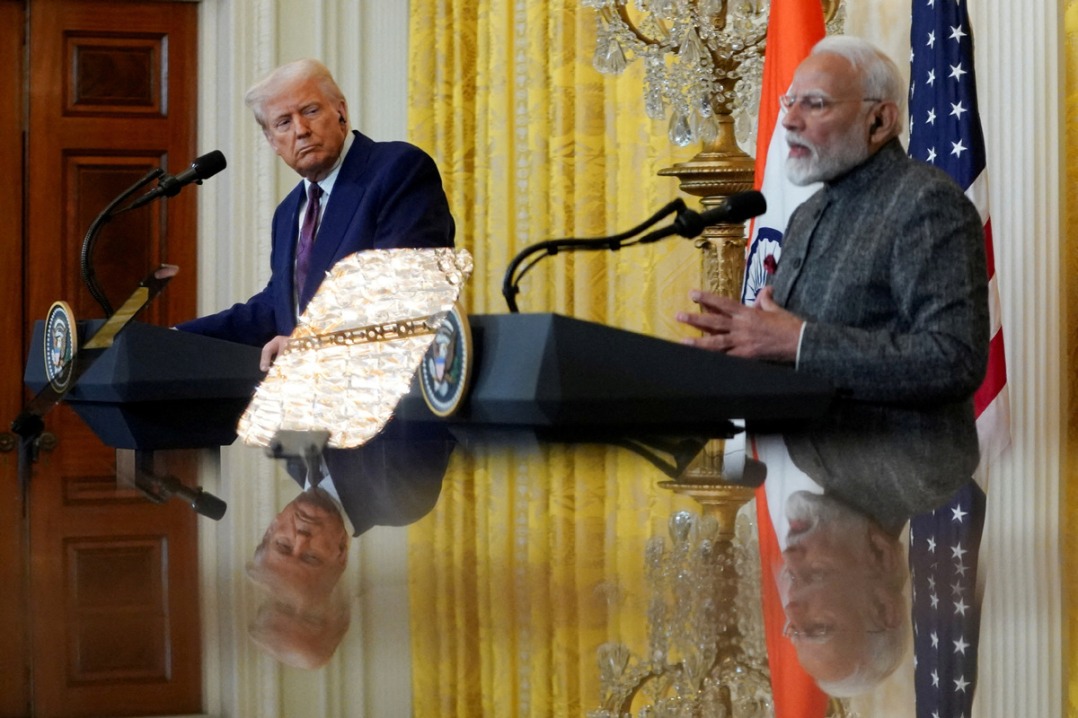
Trump says Modi pledges to stop buying Russian oil
In a significant diplomatic development, US President Donald Trump revealed that Indian Prime Minister Narendra Modi has pledged to cease purchasing oil from Russia. This announcement comes as the US intensifies its efforts to curb Moscow’s energy revenues and pressure Russia into negotiating a peace deal in Ukraine. Trump, who has recently imposed tariffs on Indian exports to discourage its Russian oil imports, shared the news during a White House event, stating, ‘I was not happy that India was buying oil, and he (Modi) assured me today that they will not be buying oil from Russia.’ The Indian embassy in Washington has yet to confirm Modi’s commitment, while India’s foreign ministry emphasized its focus on safeguarding consumer interests in a volatile energy market. India, which sources one-third of its oil imports from Russia, has expressed willingness to increase purchases of US oil and gas if prices are competitive. Meanwhile, Kremlin spokesman Dmitry Peskov defended Russia’s ability to supply affordable, high-quality oil, warning that restricting trade would violate free market principles.
-

Australian rainforests no longer a carbon sink: study
A groundbreaking study published in Nature has revealed that Australia’s tropical rainforests are now emitting more carbon dioxide than they absorb, marking a significant shift in their ecological role. This alarming trend, linked directly to climate change, positions these rainforests as the first of their kind globally to transition from carbon sinks to net carbon emitters. The research, led by Hannah Carle of Western Sydney University’s Hawkesbury Institute for the Environment, underscores the escalating vulnerability of these ecosystems to extreme temperatures, atmospheric dryness, and prolonged droughts. The study, which analyzed nearly five decades of data from Queensland’s rainforests, found that increased tree mortality has outpaced growth, resulting in a net release of carbon into the atmosphere. This contradicts the expected response of enhanced plant growth under higher carbon dioxide levels. The findings have profound implications for global emissions reduction strategies, which rely heavily on the carbon-absorbing capacity of forests. Carle warned that current climate models may overestimate the ability of tropical forests to offset fossil fuel emissions, especially as cyclones, exacerbated by climate change, further diminish their carbon sink potential. The study calls for urgent global monitoring of other tropical forests to assess similar risks. Despite its ecological challenges, Australia remains a leading exporter of gas and thermal coal, with per capita carbon emissions among the highest worldwide. The research highlights the pressing need for accelerated climate action to meet the Paris Agreement’s goals of limiting global warming to safer levels.
-

Airline apologises for asking dead flight attendant for paperwork
The tragic death of a 34-year-old Eva Air flight attendant, surnamed Sun, has ignited widespread outrage in Taiwan, particularly after the airline’s insensitive request for documentation following her passing. Ms. Sun reportedly fell ill during a flight from Milan to Taoyuan City on September 24 and was hospitalized upon arrival. She succumbed to her condition on October 8, with speculation mounting that overwork may have contributed to her death. Anonymous social media users, claiming to be her colleagues, have alleged that Ms. Sun was pressured to continue working despite her illness. Taiwanese authorities and Eva Air are investigating whether she was denied medical assistance or discouraged from taking sick leave. Flight records indicate that Ms. Sun averaged 75 hours of flying per month, within regulatory limits. In a shocking turn of events, Ms. Sun’s family received a text message from an Eva Air representative days after her death, requesting proof of her leave application during her hospitalization. The family responded with a copy of her death certificate. Eva Air President Sun Chia-Ming publicly apologized at a press conference, calling the message ‘a mistake by an internal employee’ and expressing deep sorrow over Ms. Sun’s passing. The airline has faced multiple fines since 2013, primarily for overtime-related violations. The incident has raised serious concerns about employee welfare in the aviation industry.
-

French police arrest 4 in alleged plot targeting exiled Russian activist Vladimir Osechkin
French authorities have apprehended four individuals suspected of involvement in a plot targeting Vladimir Osechkin, a prominent Russian human rights activist living in exile. Osechkin, the founder of Gulagu.net, has been a vocal critic of abuses within the Russian prison system. The arrests were made on Monday, as confirmed by France’s national anti-terror prosecution office, though details regarding the suspects’ nationalities and potential motives remain undisclosed. The investigation is being spearheaded by the General Directorate for Internal Security (DGSI), France’s counter-espionage and counterterrorism agency. Osechkin, who resides in Biarritz, a coastal town in southwestern France, has long expressed concerns about his safety, citing repeated death threats since 2022. Despite previous arrests following these threats, he believes the danger persists, often necessitating relocations to secure locations for himself and his family. Osechkin’s activism has drawn significant attention, particularly his revelations about Russia’s military recruiting prisoners to fight in Ukraine. His organization, Gulagu.net, has also facilitated the relocation of Russian fugitive paratrooper Pavel Filatiev to France, who has publicly criticized the Russian military’s leadership for incompetence and corruption. The DGSI’s ongoing investigation underscores broader concerns about Russian efforts to destabilize France through cyberattacks and other hybrid warfare tactics, part of a larger campaign targeting Ukraine’s European allies.
-

Powerful blast at apartment building in Romania’s capital kills 3 and injures at least 13
A devastating explosion shook an eight-story apartment building in Bucharest, Romania, on Friday, resulting in three fatalities and injuring at least 13 others, according to local authorities. The blast, which occurred on Calea Rahovei in Sector 5, severely damaged the fifth and sixth floors of the structure. Emergency services, including 11 fire engines and four mobile intensive care units, swiftly responded to the scene. The cause of the explosion remains under investigation, though the gas supply to the area was promptly shut off as a precautionary measure. Romania’s Ministry of Health reported that victims suffered polytrauma and burns, with one body discovered beneath a concrete slab on the sixth floor. All residents were evacuated, and search operations were conducted to ensure no one remained trapped. Nearby schools were also evacuated as a safety measure. Video footage revealed extensive damage to the building’s facade, with debris scattered across the street. Authorities noted that a neighboring apartment block was also affected by the blast, with fragments of the building’s exterior detaching and causing additional damage.
-

Madagascar military leader sworn in as president after youth-led protests
Colonel Michael Randrianirina has officially assumed the role of Madagascar’s new president following a military takeover in the Indian Ocean nation. The swearing-in ceremony, held at the Constitutional Court in Antananarivo, marked the beginning of a transitional period fraught with political and legal challenges. Randrianirina succeeds Andry Rajoelina, who fled the country after being impeached amid widespread youth-led protests demanding greater government accountability. In his inaugural address, Randrianirina pledged to establish a new government and organize elections within two years. He emphasized the need for electoral commission reforms and a thorough review of the voters’ roll as prerequisites for credible elections. While the nation faces uncertainty, there is cautious optimism about Randrianirina’s leadership. The ceremony drew a significant crowd, including protest leaders who played a pivotal role in the recent upheaval. This transition marks a critical juncture for Madagascar as it navigates the path toward stability and democratic governance.
-
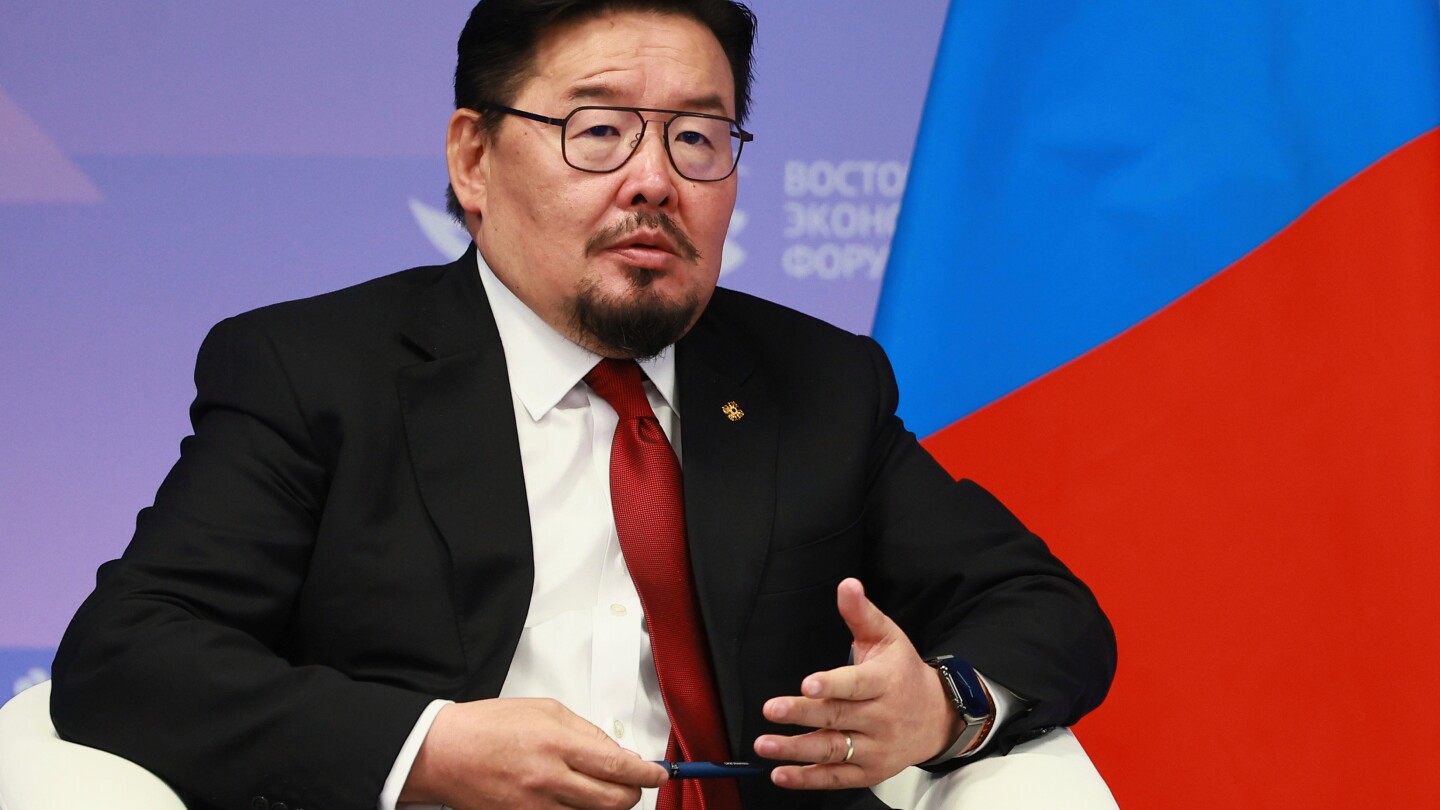
Mongolia’s leader ousted after 4 months in ruling party feud
In a dramatic turn of events, Mongolia’s parliament has voted to remove Prime Minister Zandanshatar Gombojav from office, marking a significant escalation in the internal power struggle within the ruling Mongolian People’s Party. The decision, made on Friday, followed the passage of a contentious resolution that effectively dismissed the prime minister. This political upheaval comes at a critical juncture, as the country grapples with unresolved budget issues for the upcoming year, including demands for salary increases from teachers and medical professionals. The conflict within the party intensified after Zandanshatar lost a leadership election to Amarbayasgalan Dashzegve, the speaker of parliament and his chief rival. Zandanshatar’s supporters have accused Amarbayasgalan of corruption in the coal mining industry, prompting a government investigation. Despite a parliamentary committee initially voting against his dismissal, the full parliament ultimately supported the resolution, with lawmakers who abstained being counted as ‘no’ votes. The prime minister’s fate was sealed when a clear majority of ‘no’ votes emerged. The political instability has raised concerns about the future of Mongolia’s governance and its ability to address pressing economic and social challenges.
-

Thousands gather for state funeral of former Kenyan Prime Minister Odinga
Thousands of mourners gathered at Nyayo National Stadium in Nairobi, Kenya, to honor the late former Prime Minister Raila Odinga during his state funeral. The event, marked by an outpouring of grief and respect, saw attendees waving national flags, holding portraits of Odinga, and wearing T-shirts emblazoned with his image. Security measures were heightened, with police and military personnel deployed to maintain order following unrest during the body-viewing ceremony on Thursday, which resulted in three fatalities after police used gunshots and tear gas to control the crowds. Regional leaders, including the presidents of Somalia and Ethiopia, attended the service. Odinga, a pivotal figure in Kenya’s multi-party democracy and a longtime opposition leader, passed away at 80 in India, where he was receiving medical treatment. His body was earlier taken to parliament for viewing by MPs and dignitaries. Mourners carried branches and palm fronds, traditional symbols of mourning among the Luo ethnic group. Odinga’s body will be transported to Kisumu, his political stronghold, for public viewing before his burial on Sunday at his farm in Bondo. A seven-day mourning period has been declared. Odinga’s legacy includes five presidential campaigns and his persistent claims of electoral manipulation, which he believed cost him victory. His death marks the end of an era in Kenyan politics.
-
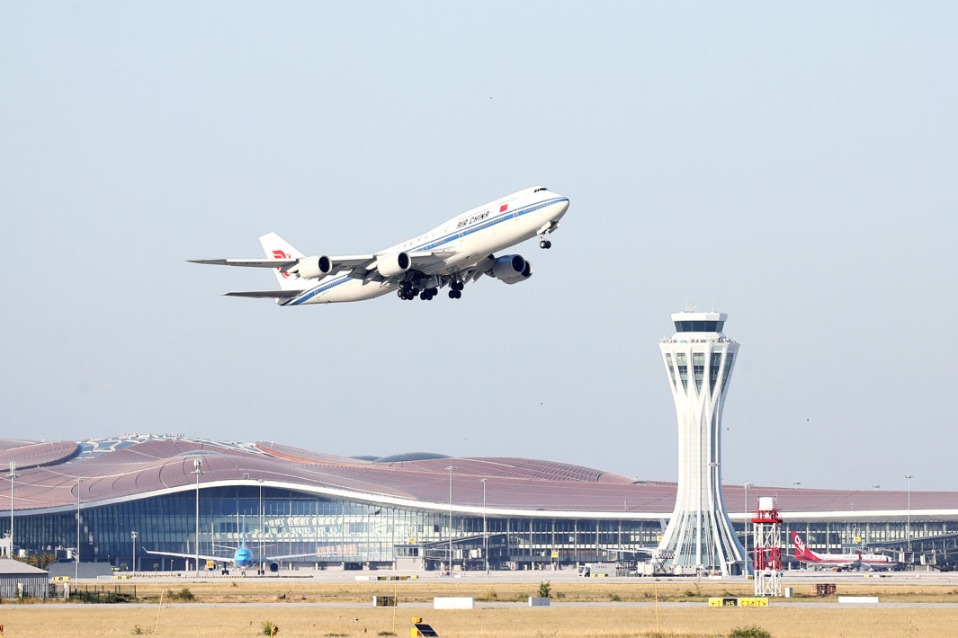
Chinese airlines oppose US ban on flights over Russia
Major Chinese airlines have strongly opposed a recent US proposal to prohibit them from using Russian airspace for round-trip flights between China and the United States. The proposed ban, which could be enforced as early as November, has sparked significant backlash from the aviation industry and raised concerns about its broader implications. The US claims that Chinese carriers gain an unfair cost advantage over US airlines, which are barred from Russian airspace due to existing restrictions. In response, seven Chinese airlines, including Air China, China Eastern Airlines, and China Southern Airlines, have formally requested an extension of the comment period from two to seven business days to assess the impact and prepare a comprehensive response. Industry experts warn that the ban would disrupt travel for thousands of passengers, increase airfares, and force travelers to opt for longer connecting flights via hubs like Hong Kong, Japan, or South Korea. Qi Qi, a senior civil aviation analyst, criticized the US demand as unreasonable and unprofessional, emphasizing the need for rational and practical solutions. The proposal comes amid escalating tensions in US-China trade and economic relations. Chinese Foreign Ministry spokesman Lin Jian highlighted that the restrictions would harm people-to-people exchanges and ultimately damage US interests. As of September, Chinese airlines operated 50.73% of direct China-US flights, with US carriers accounting for the remaining 49.27%. Analysts argue that rerouting flights would increase travel time and costs, negatively impacting business and trade exchanges between the two nations. Lin Zhijie, an independent aviation analyst, suggested that Chinese airlines should be granted reciprocal rights to operate stopover routes via Tokyo, similar to US carriers.