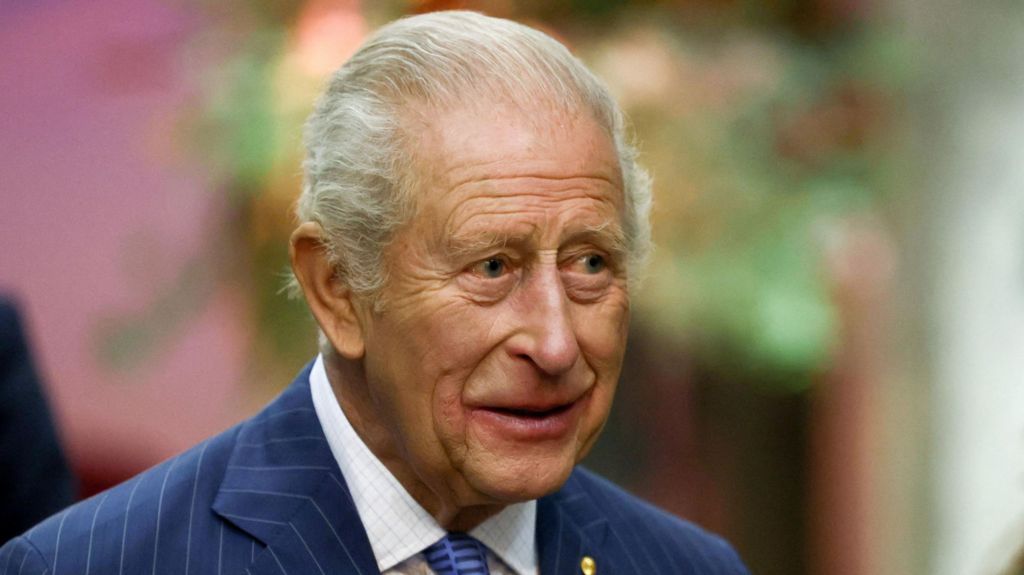
In a landmark event bridging centuries of religious history, King Charles III and Pope Leo XIV will pray together at a church service in the Vatican’s Sistine Chapel next week. This unprecedented moment marks the first time a British monarch and a pontiff have shared such a spiritual gathering since the 16th-century Reformation. The service, held under Michelangelo’s iconic ceiling, will unite clergy and choirs from both the Roman Catholic Church and the Church of England, of which King Charles is the supreme governor. The visit, scheduled for October 22 and 23, is being hailed as a powerful symbol of reconciliation between the two faiths. The King and Queen Camilla will also meet Pope Leo, the first US-born pontiff, and senior Vatican officials, further strengthening ties between the UK and the Catholic Church. The ecumenical service will focus on environmental protection, reflecting King Charles’s longstanding commitment to environmental causes. Additionally, the King will attend a service at St. Paul’s Outside the Walls, a church historically linked to the English monarchy, where he will receive an honorary spiritual title as a “royal confrater.” This visit underscores the King’s dedication to fostering interfaith dialogue and unity.
博客
-
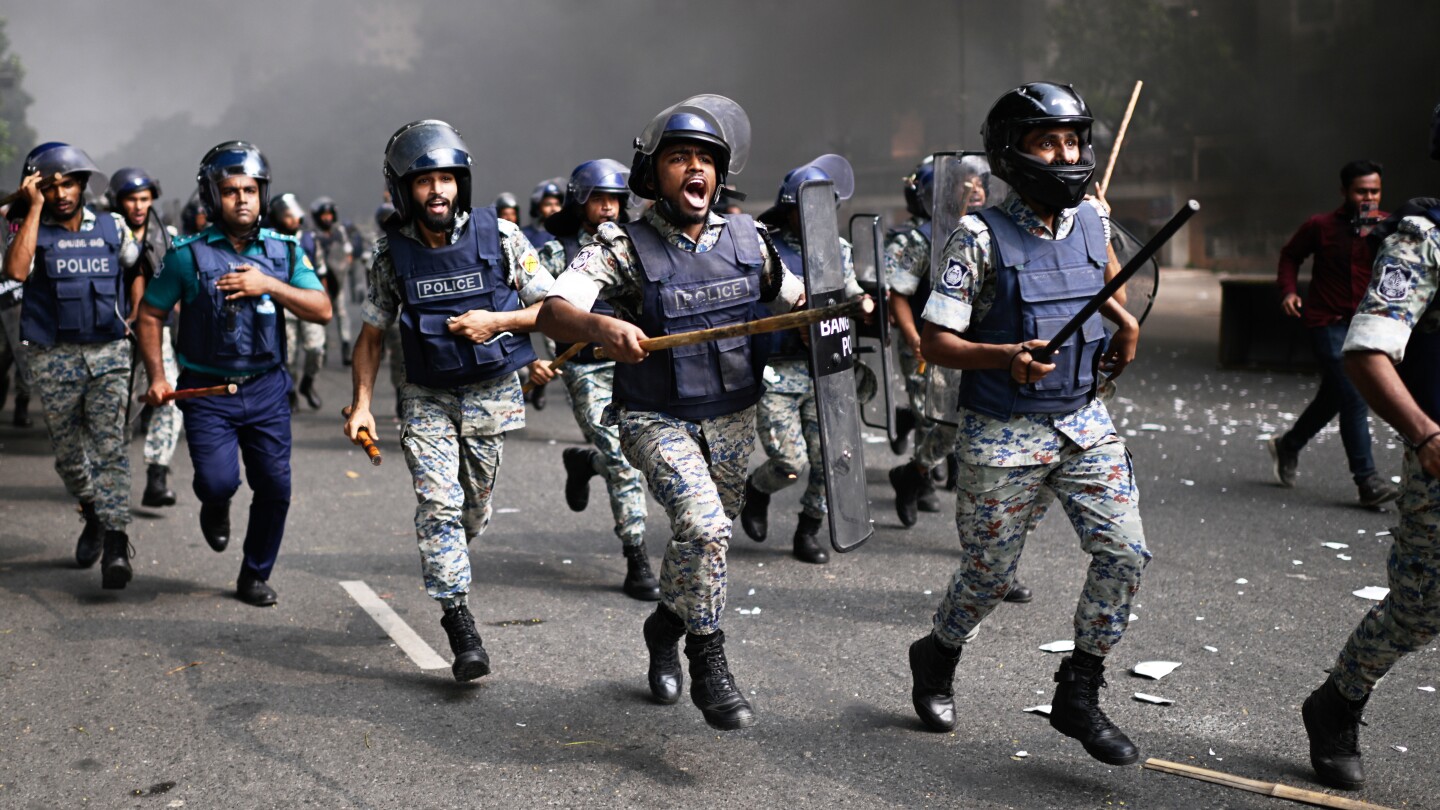
Clashes break out near Bangladesh parliament as major parties sign a roadmap for change
In a significant development in Bangladesh’s political landscape, major political parties endorsed a roadmap for political reforms proposed by the interim government on Friday. However, the signing ceremony was marred by violent clashes between police and protesters demanding greater recognition for activists who played a pivotal role in ousting former Prime Minister Sheikh Hasina in August 2024. The protests, centered outside the national Parliament building in Dhaka, saw police deploying tear gas, stun grenades, and batons to disperse demonstrators, resulting in injuries and property damage. The protesters, identifying themselves as part of the 2024 movement that ended Hasina’s 15-year autocratic rule, sought additional welfare guarantees and program provisions for movement participants. The interim government, led by Nobel Peace Prize laureate Muhammad Yunus, facilitated the signing of the ‘July National Charter,’ a nonbinding document aimed at introducing constitutional and legal reforms. The charter proposes measures to enhance checks and balances, impose term limits on legislators, and combat corruption and conflicts of interest. Notably, the Awami League, Hasina’s former party, was excluded from the process, raising questions about the inclusivity of the upcoming February elections. While the Bangladesh Nationalist Party and several other parties signed the charter, some left-wing and student-led groups abstained. Yunus hailed the signings as a step toward a ‘civilized society,’ but concerns persist over the exclusion of key political factions and the broader implications for Bangladesh’s democratic transition.
-

Ice hockey player Carter Hart to join Golden Knights after sexual assault acquittal
Carter Hart, one of five ice hockey players acquitted of sexual assault charges in Canada, has inked a new contract with the Vegas Golden Knights of the National Hockey League (NHL). The players, all members of Canada’s 2018 World Junior Championship gold-medal team, were accused of assaulting a woman, referred to as EM, in a hotel room in Ontario. Following an eight-week trial that garnered significant public attention, the players were cleared of all charges in July. Hart, 27, is the first among the acquitted players to secure an NHL contract since the league ruled that they could not join teams before October 15 or participate in games until December as part of a reinstatement process. Speaking at a press conference, Hart expressed his excitement to return to the sport, stating, ‘It’s been a long road to get back to this point, to get back to playing the game of hockey, a game that I love.’ He added that he had ‘learned a lot’ during his time away from the game. The Vegas Golden Knights emphasized their commitment to organizational values in a statement on X, affirming their expectations for players to uphold these standards. Meanwhile, Michael McLeod, another acquitted player, signed a three-year deal with Avangard Omsk of Russia’s Kontinental Hockey League last week, while the remaining three players remain unsigned. The trial centered on whether EM, who was 20 at the time, had consented to all sexual acts that occurred in the hotel room. While EM testified that she was intoxicated and fearful, the judge ruled that her evidence was not credible or reliable, leading to the acquittals. The case has sparked significant scrutiny of Hockey Canada, which faced a parliamentary probe, lost sponsors, and had its federal funding frozen after it was revealed that the organization had quietly settled with the alleged victim in 2022. The NHL also condemned the players’ conduct, stating that it ‘did not meet the highest level of moral integrity.’
-
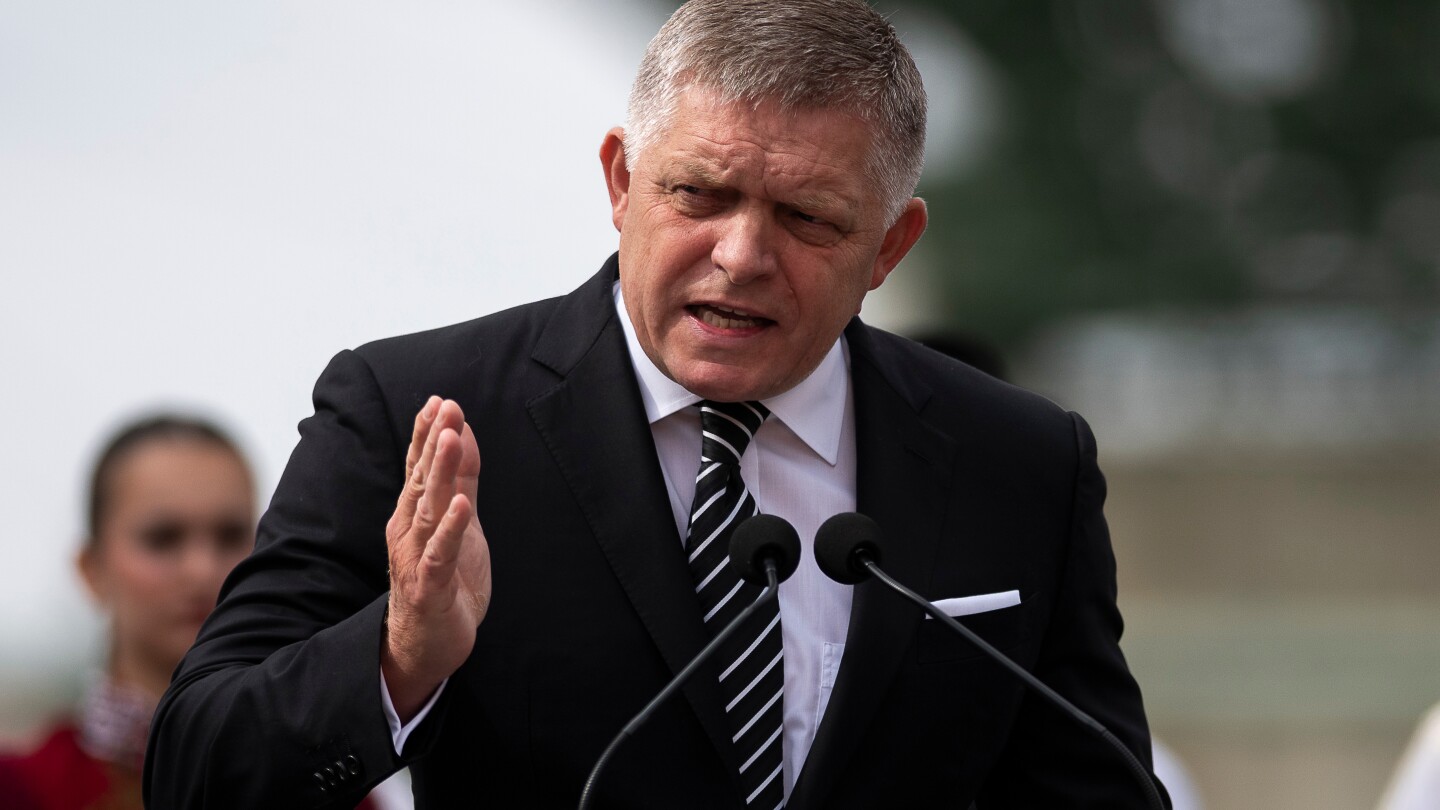
Europe’s main center-left political family expels Slovak leader’s party for breaching its values
In a decisive move, the Party of European Socialists (PES) has expelled Slovak Prime Minister Robert Fico’s Smer party from its ranks. The unanimous decision, made during a congress in Amsterdam, underscores the growing rift between Fico’s pro-Russian policies and the core values of the European center-left political family. PES Secretary-General Giacomo Filibeck emphasized that Smer’s recent political positions “severely and deeply contradict the values and principles our family stands for.” This expulsion sends a clear message: alignment with PES requires adherence to shared democratic principles. Fico, a controversial figure both domestically and internationally, has long been criticized for his pro-Russian stance. In May, he defied EU calls for a boycott by attending Moscow’s 80th anniversary celebrations of Nazi Germany’s defeat in World War II. His return to power in 2003 was marked by a pro-Russia and anti-American platform, and his government has consistently challenged EU policies on Ukraine, even delaying the latest package of sanctions against Russia.
-
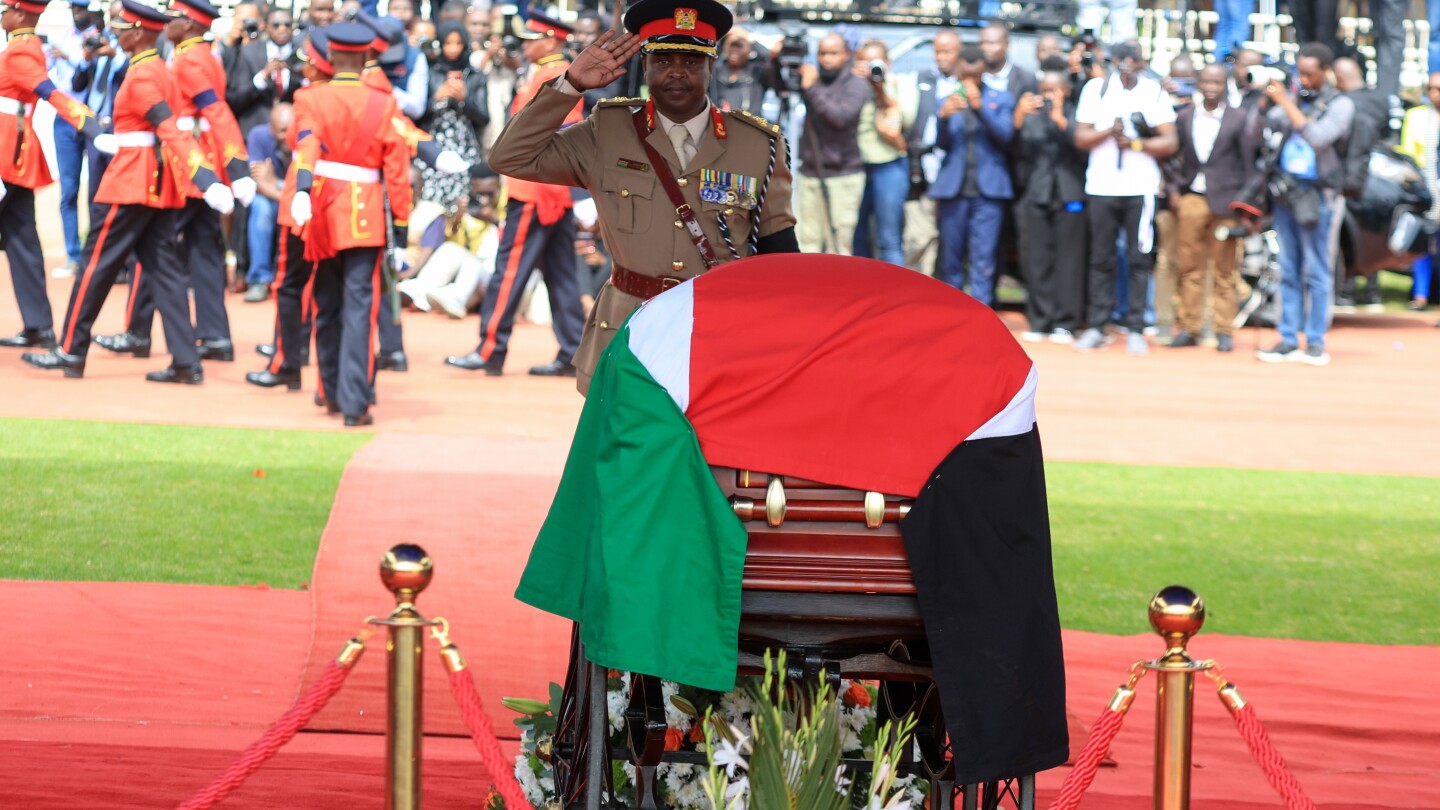
Kenyans bid farewell to statesman and democracy activist Raila Odinga at state funeral
NAIROBI, Kenya — Thousands of mourners, including African heads of state and dignitaries, gathered in Nairobi on Friday to honor the life and legacy of Raila Odinga, Kenya’s former Prime Minister and a towering figure in the nation’s democratic journey. Odinga, who passed away at the age of 80 in India earlier this week, was celebrated for his unwavering commitment to political reform and national unity. His casket, draped in the Kenyan flag, was the centerpiece of an emotional Anglican Church service held at a packed soccer stadium, where attendees chanted his name and displayed portraits of the revered leader. The ceremony was marked by traditional symbols of peace, such as twigs, and underscored by heavy security following a tragic incident during Thursday’s public viewing, which claimed three lives. Odinga’s body had earlier lain in state at Parliament, a rare honor typically reserved for presidents, reflecting his profound impact on Kenya’s political landscape. Despite never securing the presidency in his five attempts over three decades, Odinga’s activism was instrumental in transforming Kenya into a vibrant multiparty democracy. President William Ruto, who once campaigned for Odinga in 2007 and later became his political rival, praised the late leader for his selflessness and pivotal role in shaping Kenya’s laws. The two leaders had recently reconciled after months of anti-government protests, leading to opposition members being appointed to cabinet positions. Anglican Bishop David Kodia, who presided over the service, urged leaders to emulate Odinga’s integrity and reject corruption. Political analyst Herman Manyora highlighted Odinga’s legacy, stating, “You can’t point at a man more willing to sacrifice everything just for the sake of his people.” Odinga’s family, including his wife Ida and children Winnie, Rosemary, and Raila Junior, were among the mourners. Winnie, who was with him in India, shared that her father passed away “strong, with dignity and pride,” while Junior vowed to uphold the family’s legacy. The ceremony concluded with President Ruto leading the crowd in singing Odinga’s favorite song, “Jamaica Farewell,” a fitting tribute to a man who dedicated his life to Kenya’s progress.
-
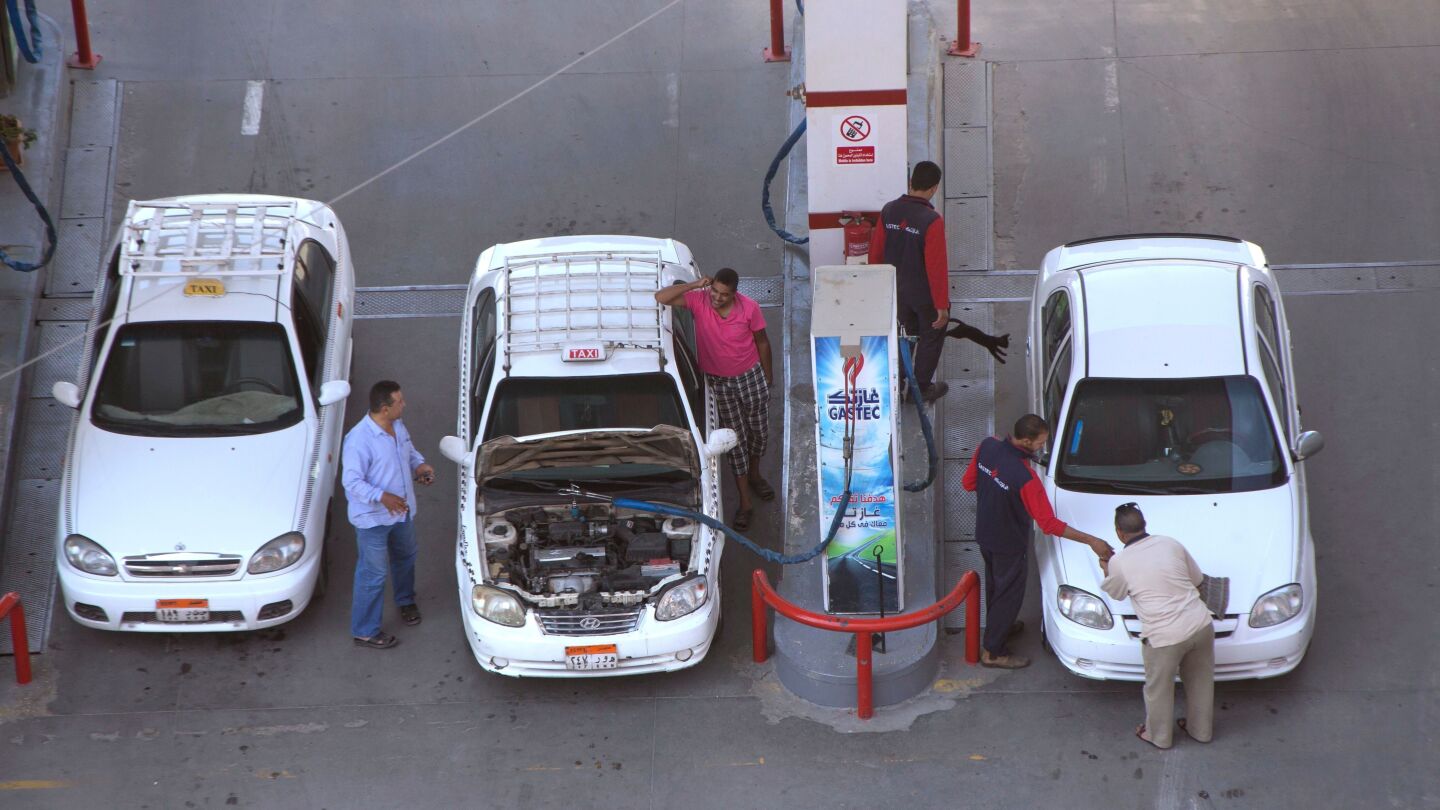
Egypt raises fuel prices for the second time this year
Egypt announced a 12% increase in fuel prices on Friday, marking the second such hike this year. The decision, communicated via a government Facebook post, did not specify the rationale behind the move but assured citizens that fuel prices would remain unchanged for at least one year. This adjustment is expected to exacerbate the already high cost of living, as Egyptians continue to face escalating inflation and rising daily expenses. Last year, the country witnessed significant price surges in fuel, subway fares, and a depreciation of the Egyptian pound against foreign currencies. According to the Central Bank of Egypt, annual urban consumer price inflation stood at 11.7% in September, down from 12% in August and 13.9% in July. The latest fuel price adjustments include diesel, which rose from 15.50 pounds ($0.33) to 17.50 pounds ($0.37) per liter, and 92-octane gasoline, which increased from 17.25 pounds ($0.36) to 19.25 pounds ($0.40) per liter. The government emphasized its commitment to maintaining refinery operations at full capacity and incentivizing partners to boost production, reduce import costs, and stabilize prices. Earlier this year, the minimum monthly wage was raised to 7,000 pounds ($138) from 6,000 pounds ($118.58) to alleviate some economic pressures. Egypt’s economy has been severely impacted by years of austerity measures, the COVID-19 pandemic, the Ukraine conflict, and the Israel-Hamas war. Additionally, Houthi attacks on Red Sea shipping routes have significantly reduced Suez Canal revenues, a critical source of foreign currency. In response to these challenges, Egypt secured an $8 billion bailout from the IMF, with fuel price hikes deemed necessary to meet the fund’s conditions for further financial assistance.
-
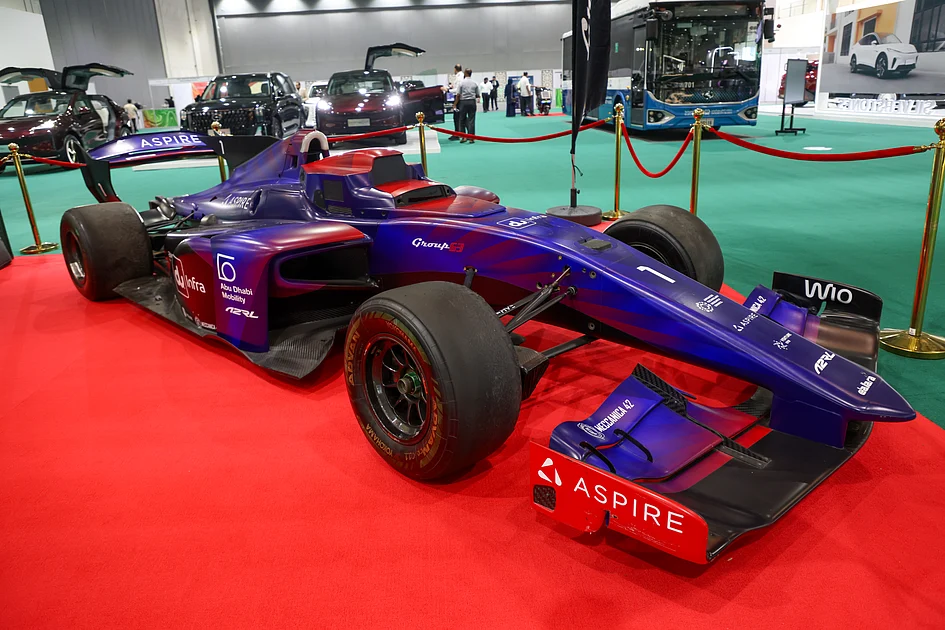
Look: UAE-made $25 million self-driving F1 race car ready to compete in Abu Dhabi
The United Arab Emirates has unveiled a groundbreaking innovation in the world of motorsports: a $25 million self-driving Formula One (F1) race car powered entirely by artificial intelligence (AI). Developed by the Advanced Technology Research Council (ATRC) in Abu Dhabi, the EAV-25 is a sleek, futuristic vehicle designed to compete without human intervention. Its striking hammerhead shark-inspired design and cutting-edge technologies, including advanced sensor systems, edge computing, and fast mobility stacks, make it a marvel of modern engineering. Unlike traditional F1 cars, which cost between $12 million and $15 million, the EAV-25’s components, such as its $50,000 steering wheel and $500,000 wings, reflect its unparalleled sophistication. The car is currently on display at the Evolve Future Mobility Show in Sharjah and will compete in the Abu Dhabi Autonomous Racing League at Yas Marina Circuit on November 15, with a $2.25 million prize pool at stake. The EAV-25 can reach speeds of 370 km/h, outperforming human-driven cars by leveraging AI algorithms that analyze millions of operations per second. This innovation marks a significant milestone in the evolution of motorsports, where data and algorithms are becoming the new competitive edge.
-
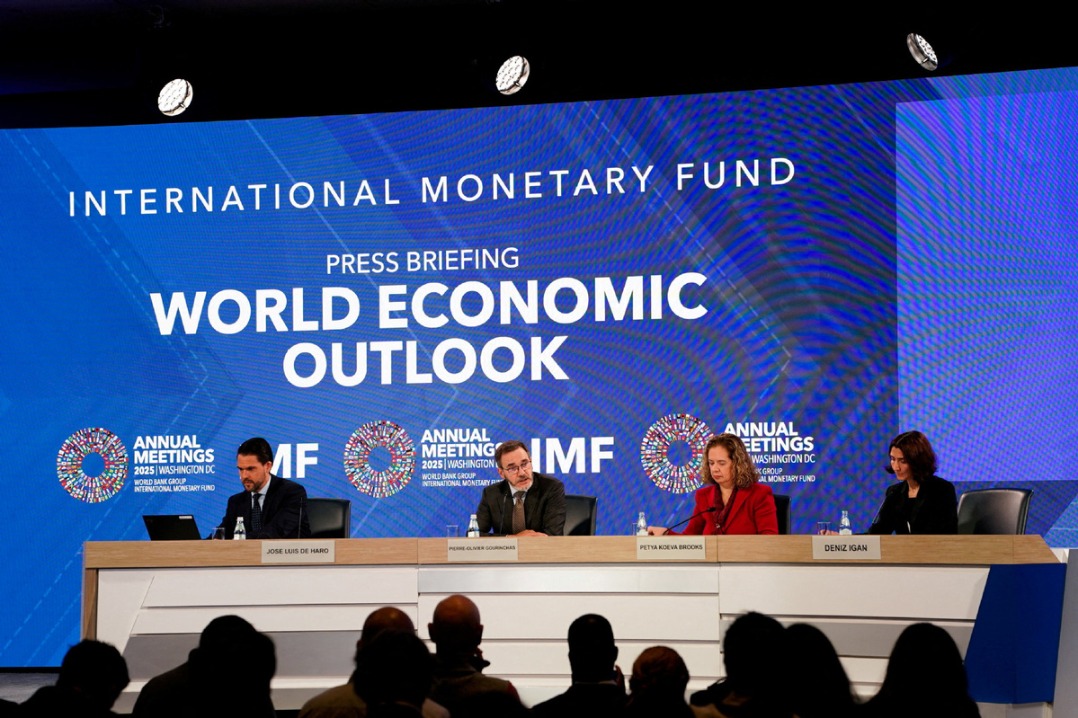
Experts: Washington’s policy shifts shroud global outlook
Recent shifts in US economic policies, including heightened tariffs and stricter immigration controls, are generating significant uncertainty and volatility in the global economic landscape, experts warn. During a recent webcast, Adam S. Posen, President of the Peterson Institute for International Economics, emphasized that the US economy is currently the primary source of global instability. These policy changes are dampening international trade and investment, with potential ripple effects across both advanced and emerging markets. The Peterson Institute’s semiannual forecast, released on October 9, 2025, highlighted that while optimism around artificial intelligence (AI) has temporarily buoyed the US economy, escalating trade barriers and reduced labor inflows are likely to exacerbate inflation and slow growth. The International Monetary Fund (IMF) echoed these concerns in its World Economic Outlook, projecting a gradual decline in global growth from 3.3% in 2024 to 3.1% in 2026, citing protectionism and policy uncertainty as key headwinds. US tariffs, now at their highest levels in nine decades, have sparked retaliatory measures and temporary trade front-loading, masking underlying economic weaknesses. Immigration restrictions have further strained labor markets, with net inflows reduced by an estimated 2 million in 2025. Despite these challenges, global GDP growth has been revised upward to 3.1% for 2025, driven by temporary factors such as inventory buildup and trade front-loading. However, experts caution that these practices are unsustainable and that inflationary pressures may intensify in the coming years. Emerging markets, particularly China and India, continue to sustain growth despite these headwinds, with China’s exports performing ‘surprisingly well.’ The IMF forecasts emerging market growth above 4%, with China playing a pivotal role in offsetting global economic slack. However, fragmentation in global trade is expected to limit gains, with trade growth projected at just 2.9% in 2025–2026. Posen concluded that US economic volatility remains the dominant force shaping the global outlook, with its policy responses to growth and inflation likely to have far-reaching consequences.
-

South Africa thumps Sri Lanka in rain-affected Women’s Cricket World Cup match
In a rain-interrupted Women’s Cricket World Cup match on Friday, South Africa secured a commanding 10-wicket victory against Sri Lanka, inching closer to the semifinals. The game, held in Colombo, saw South Africa chase down a revised target of 121 runs in just 14.5 overs, finishing at 125 without loss. Captain Laura Wolvaardt led the charge with a swift 60 off 47 balls, while Tazmin Brits remained unbeaten with 55 off 42 deliveries, marking their fourth consecutive win in the tournament. Sri Lanka, opting to bat first, struggled to build momentum, posting 105-7 in 20 overs after a lengthy rain delay. The match was initially paused for over five hours, reducing the game to a 20-over contest. Despite the interruption, South Africa’s aggressive batting and Sri Lanka’s bowling challenges, exacerbated by the wet ball, sealed the outcome. Sri Lanka’s Vishmi Gunaratne, who was injured early in the game, returned to top-score with 34 runs. South Africa now sits second in the standings, trailing only Australia, while Sri Lanka remains winless. The tournament continues on Saturday with Pakistan facing New Zealand in Colombo.
-
Too many eggs in one basket: Colombia and Brazil get trade lesson
Recent US-imposed tariffs are significantly altering trade dynamics in Latin America, particularly affecting Colombia and Brazil. These tariffs have led to a sharp decline in exports to the US, prompting both nations to seek diversification in their trade partnerships, particularly with China and the European Union. In August, Colombia’s exports to the US plummeted by 13.7%, the steepest drop this year, coinciding with the implementation of a 10% tariff on Colombian imports. This downturn underscores the fragility of Colombia’s export recovery and its heavy reliance on the US market. Jose Manuel Restrepo, Colombia’s former finance minister, highlighted the vulnerability of small- and medium-sized enterprises (SMEs) in sectors like apparel, processed foods, plastics, and metals, which are most affected by these tariffs. Restrepo emphasized the need for Colombia to diversify its export markets and integrate more deeply with Latin American value chains and the Asia-Pacific region. Similarly, Brazil has experienced a consecutive decline in exports to the US, with a 20.3% drop in September. Jorge Arbache, former chief economist in Brazil’s Ministry of Planning, noted the potential for damaging factory relocations from Brazil to the US due to these tariffs. Both countries are now focusing on strengthening ties with other trading partners and enhancing their industrial diplomacy to mitigate the impact of US protectionist policies.