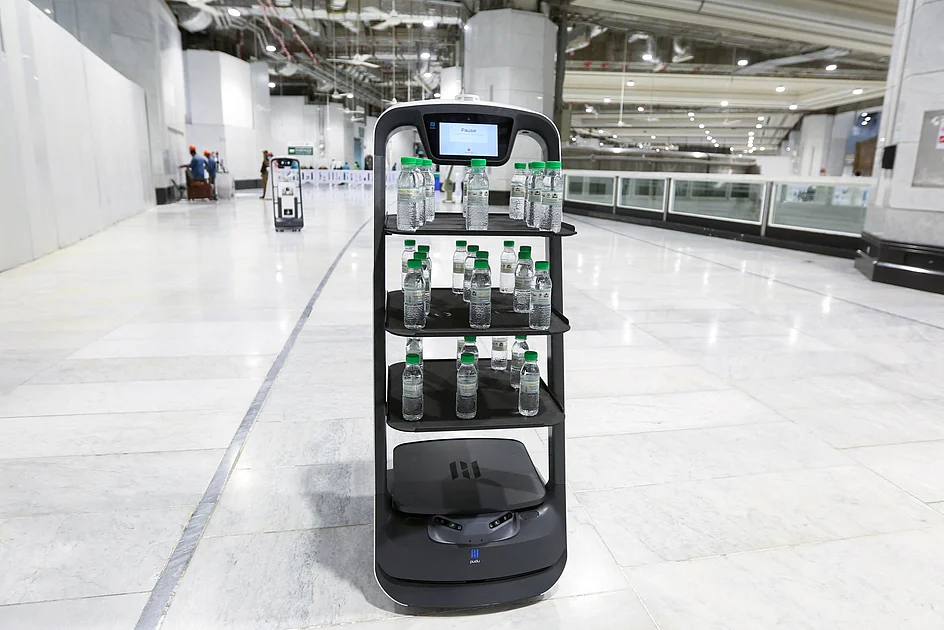
Saudi Arabia has unveiled a groundbreaking service allowing residents and citizens to order unlimited quantities of Zamzam water through the Nusuk app. This initiative, launched by Dr. Tawfig Al-Rabiah, the Saudi Minister of Hajj and Umrah, aims to provide greater convenience for those living within the Kingdom. The service enables users to request 330-millilitre bottles of the sacred water, which holds immense religious significance for Muslims worldwide, and have them delivered to any location in Saudi Arabia. Previously, Zamzam water was often sold in larger containers, but the introduction of smaller bottles makes it more portable and accessible. The Nusuk app, which has evolved into a comprehensive platform for Hajj and Umrah services, now includes this feature alongside its existing offerings such as accommodation bookings and Umrah visa issuance. This development reflects Saudi Arabia’s commitment to leveraging technology to enhance the experience of its residents and pilgrims.
博客
-
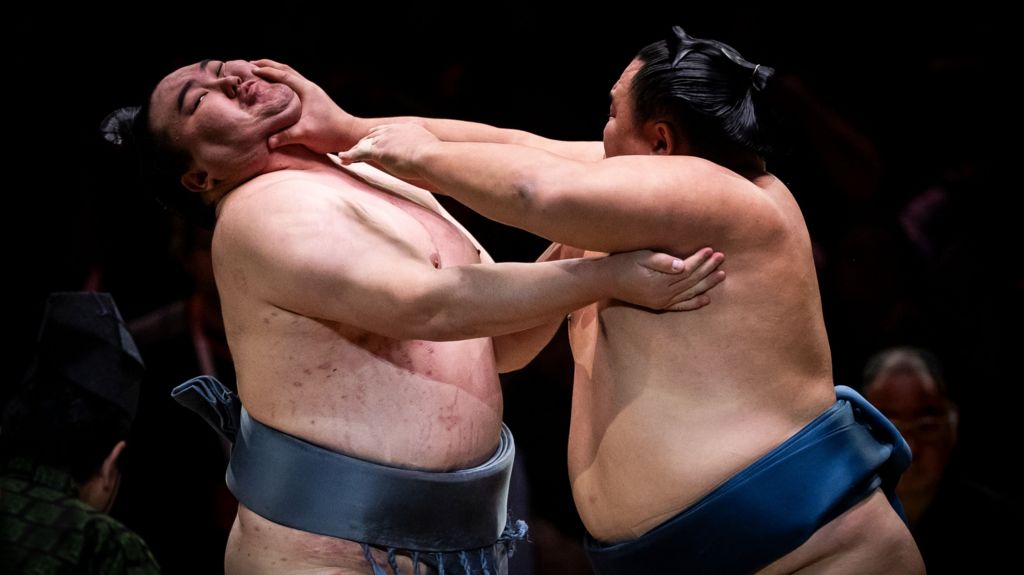
‘Only sport we watch’: Grand Sumo comes to London as search for fans beyond Japan pays off
The Royal Albert Hall in London has been transformed into a sumo wrestling arena, hosting the Grand Sumo Tournament, a five-day event featuring 40 of the world’s best sumo wrestlers. The venue, typically known for its classical concerts, now boasts a six-tonne Japanese temple roof suspended above the clay ring, where wrestlers perform ancient rituals to purify the space and invoke the gods. Adding a modern twist, a giant revolving LED screen displays real-time stats and replays, blending tradition with contemporary technology.
Sumo wrestling, a sport with origins dating back to 23 BC, continues to captivate audiences worldwide. The London tournament, only the second of its kind in the city since 1991, has drawn fans from across the globe. For many, this is their first opportunity to witness the speed, power, and intricate rituals of sumo up close. The event has also highlighted the sport’s growing international appeal, with fans like Sian Spencer and Julia and Cezar discovering sumo through YouTube and trips to Japan, respectively.
Despite its ancient roots, sumo faces modern challenges, including scandals related to bullying and match-fixing, as well as declining interest among young Japanese. However, the London tournament has reignited enthusiasm, with fans praising the unique blend of tradition and spectacle. The event also underscores the sport’s global reach, with wrestlers from Mongolia and Ukraine making significant impacts.
The tournament’s success in London demonstrates sumo’s ability to transcend cultural boundaries, offering a rare glimpse into a centuries-old tradition while embracing the modern world. For fans, it’s a once-in-a-lifetime experience that brings them closer to the sport they love.
-
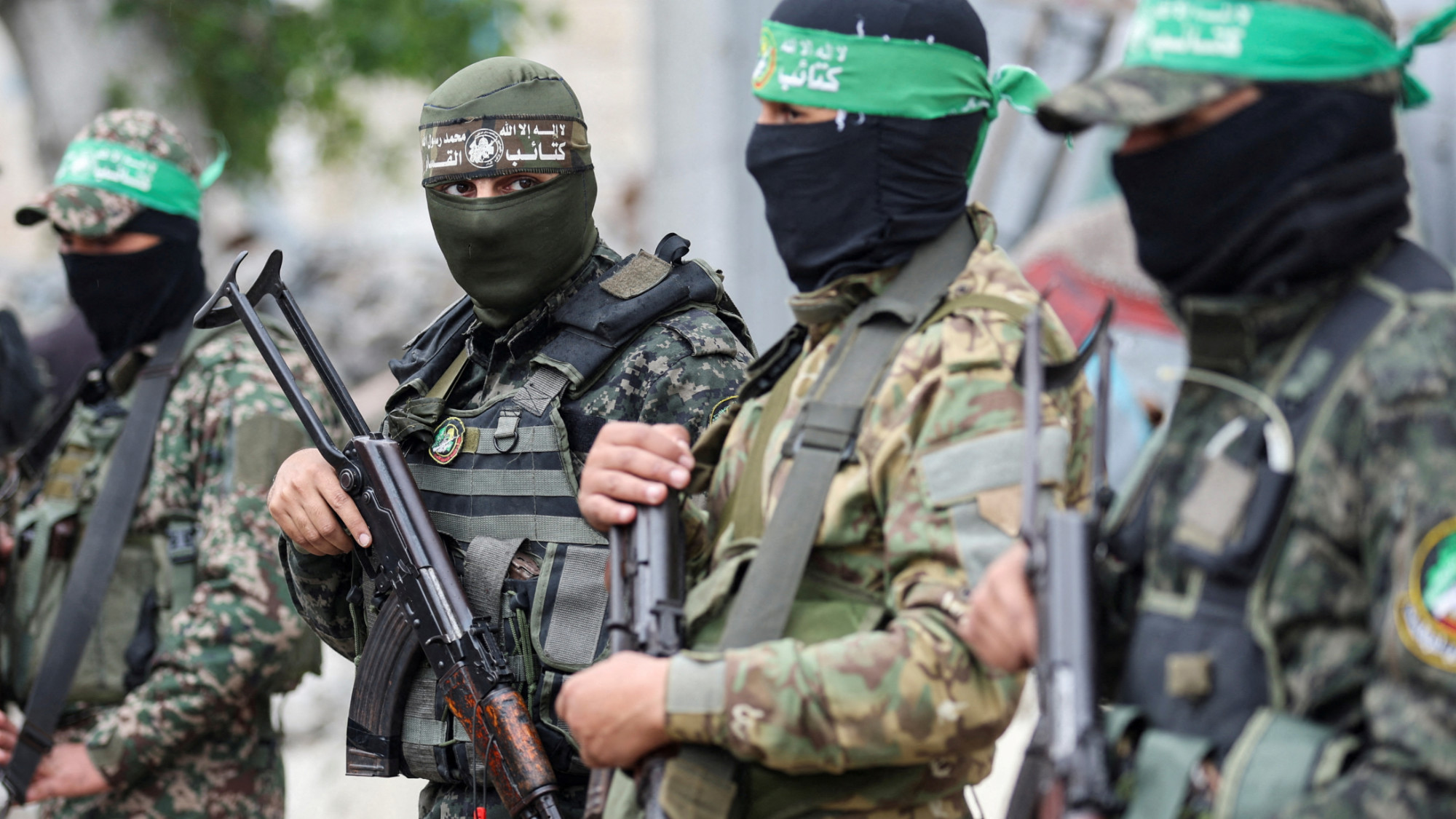
With ceasefire secured, what’s next for Hamas?
In the wake of a fragile ceasefire with Israel, Hamas has swiftly resumed its patrols across Gaza, signaling its enduring presence and authority in the war-torn enclave. This move serves as both a warning to Israeli-linked gangs and a declaration of its governance amidst ongoing international efforts to marginalize the group. Despite U.S. President Donald Trump’s 20-point plan envisioning a Gaza without Hamas’s military or political influence, analysts argue that the group’s deep-rooted presence and the lack of viable alternatives make its sidelining highly improbable. Azzam Tamimi, a scholar and author on Hamas, emphasized that the group was not defeated, pointing to Israel’s eventual agreement to a ceasefire as evidence of Hamas’s resilience. The deal, which ended a two-year conflict, included humanitarian relief, a phased Israeli withdrawal, and a prisoner exchange. Israeli Prime Minister Benjamin Netanyahu’s failure to crush Hamas’s resistance underscores the group’s tenacity. In the immediate aftermath of the truce, Hamas has launched a crackdown on criminal gangs and collaborators, reasserting its security control. This includes public executions of alleged collaborators, a move that has drawn both criticism and support. Muhammad Shehada, a Palestinian analyst, noted that Hamas’s actions aim to restore order and disarm rival factions, while also consolidating its influence. Despite Trump’s threats of disarmament, Hamas remains steadfast in its refusal to relinquish weapons until a Palestinian state is established. The group’s leadership has signaled its readiness to continue resisting Israeli occupation, even as discontent grows among Gaza’s population. Polls indicate that while Hamas has lost some support, it remains more popular than its rival Fatah, with many Palestinians opposing disarmament. Shehada highlighted the paradoxical dynamics of Hamas’s popularity, noting that some of its harshest critics have become vocal supporters due to the perceived genocide in Gaza. As Hamas navigates its post-ceasefire strategy, its role in Palestinian governance remains a contentious issue, with the group seeking to maintain influence while avoiding international delegitimization.
-
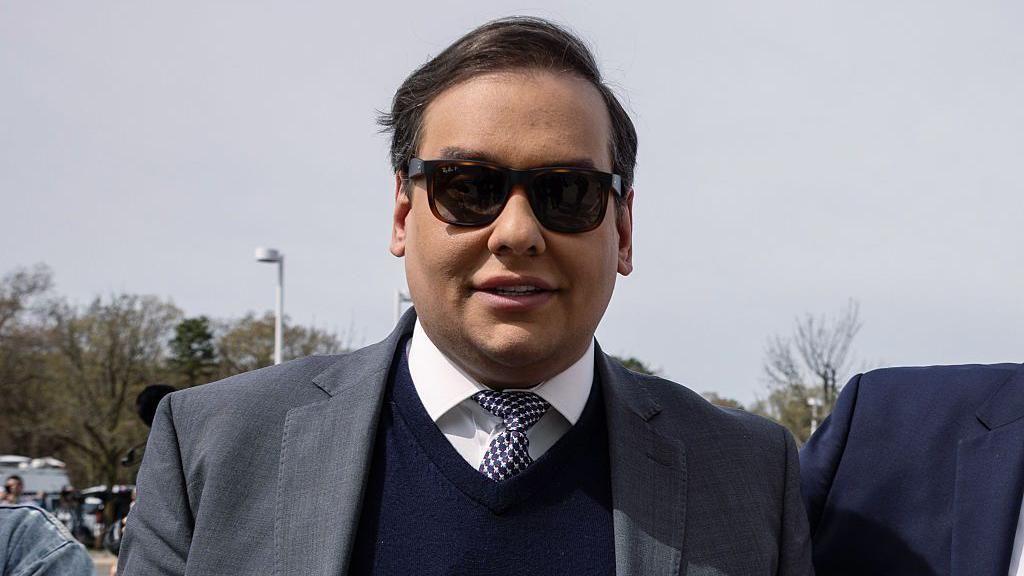
‘Have a great life!’ Trump orders prison release of disgraced ex-congressman George Santos
In a controversial move, former US President Donald Trump has commuted the prison sentence of George Santos, a disgraced ex-Republican congressman, ordering his immediate release. Santos was serving a seven-year sentence for fraud and identity theft, crimes that included stealing the identities of 11 individuals, including family members. Trump announced the decision on social media, claiming Santos had been ‘horribly mistreated’ and deserved a second chance. ‘Therefore, I just signed a Commutation, releasing George Santos from prison, IMMEDIATELY. Good luck George, have a great life!’ Trump wrote. Santos, who was expelled from Congress in 2023 following a damning ethics report, had been incarcerated at a minimum-security facility in New Jersey. His downfall began in 2022 when investigations revealed he had fabricated his resume, lied about his professional background, and misused campaign funds for personal expenses, including Botox treatments and OnlyFans subscriptions. In his defense, Santos had previously apologized in court, stating, ‘I cannot rewrite the past, but I can control the road ahead.’ Trump justified his decision by criticizing Democratic Senator Richard Blumenthal, whom he accused of fabricating his military service, claiming Santos’s actions were less severe. Santos’s lawyer, Andrew Mancilla, praised Trump’s decision, calling the original sentence ‘far too long.’ This marks the latest in a series of pardons issued by Trump, including former congressman Michael Grimm and ex-Connecticut Governor John Rowland. Santos had recently published an open letter to Trump, pleading for a pardon and expressing his desire to ‘rebuild’ his life.
-
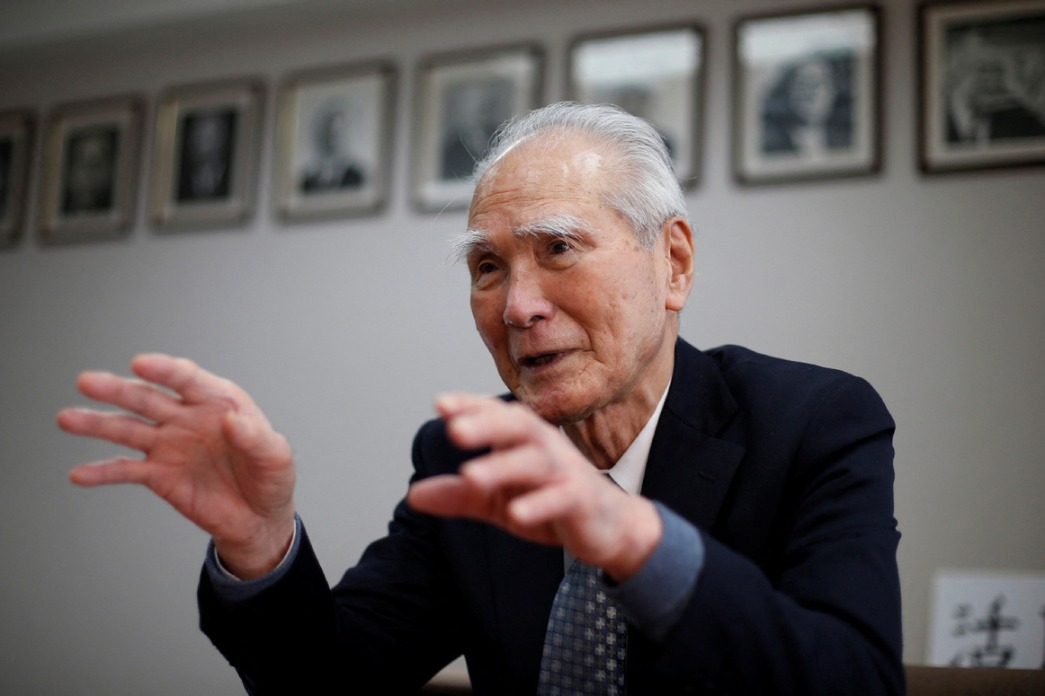
China mourns Murayama whose statement lives on
China has expressed profound sorrow over the death of former Japanese Prime Minister Tomiichi Murayama, a pivotal figure in Japan’s post-war reconciliation efforts. Murayama, who passed away at the age of 101 in his hometown of Oita, was the first Japanese leader to issue an official apology for Japan’s wartime atrocities, earning global recognition and fostering trust between Japan and its neighbors. The Chinese Foreign Ministry extended heartfelt condolences to his family, praising Murayama as a principled statesman and a steadfast friend of China. His 1995 ‘Murayama Statement,’ which acknowledged Japan’s colonial rule and aggression in Asia, remains a cornerstone of Japan’s commitment to historical accountability. Foreign Ministry spokesman Lin Jian emphasized the enduring significance of the statement, urging Japan to honor its pledge with sincerity. Lin also called for strengthened bilateral ties between China and Japan, rooted in mutual respect and a shared vision for peace. Takakage Fujita, secretary-general of the Association for Inheriting and Propagating the Murayama Statement, highlighted the importance of preserving Murayama’s legacy, particularly in educating younger generations about Japan’s wartime history. Mizuho Fukushima, leader of the Social Democratic Party, mourned Murayama as her ‘political father,’ underscoring the profound impact of his leadership. As Japan’s political landscape shifts toward conservatism, experts like Zhou Yongsheng of China Foreign Affairs University stress the need for Japanese leaders to uphold Murayama’s principles of peace and historical reflection. The Chinese Foreign Ministry also urged Japan to address contentious issues such as visits to the Yasukuni Shrine, which honors war criminals, and to reject militarism unequivocally.
-
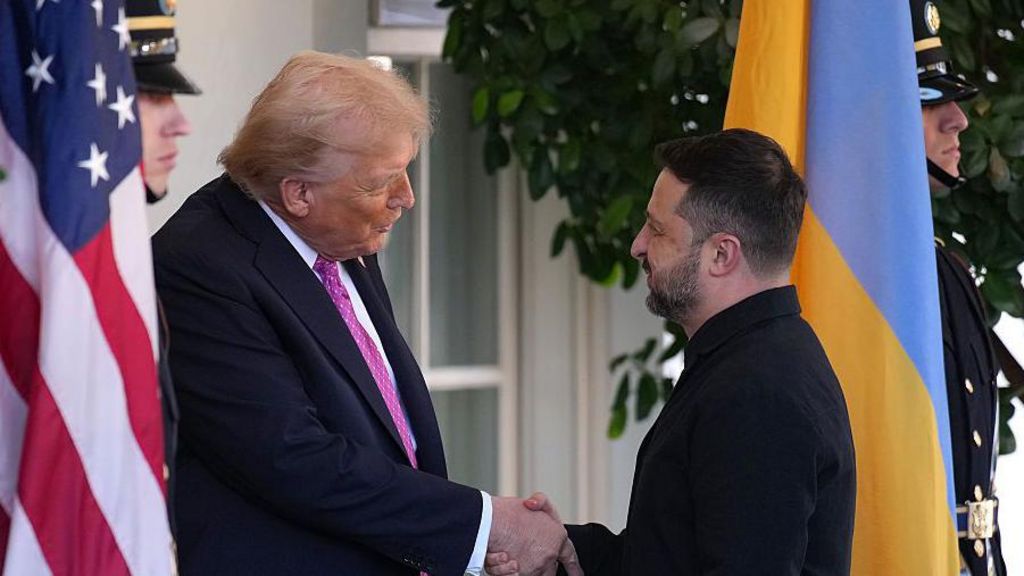
Zelensky guarded on Tomahawk missile talks with Trump after White House meeting
Ukrainian President Volodymyr Zelensky departed the White House without securing the much-desired Tomahawk cruise missiles after a meeting with US President Donald Trump. During the cordial bilateral discussion, Zelensky revealed that the two leaders addressed the issue of long-range missiles but refrained from making public statements to avoid escalating tensions. Trump, in a subsequent social media post, urged Kyiv and Moscow to halt hostilities and bring the war to an end. This meeting followed Trump’s phone conversation with Russian President Vladimir Putin, during which they agreed to meet in Hungary soon. While Trump did not outright reject the possibility of supplying Tomahawks to Ukraine, his remarks were notably non-committal. He expressed hope that the conflict could be resolved without the need for such weaponry, emphasizing that the US also requires these missiles. Trump acknowledged that providing the missiles could escalate the situation but assured that discussions would continue. When questioned by the BBC about whether the prospect of Tomahawks influenced Putin’s decision to meet, Trump highlighted the deterrent value of the missiles. Zelensky, in turn, suggested a potential exchange of drones for Tomahawks, eliciting a positive response from Trump. The Ukrainian leader also praised Trump’s efforts in brokering Middle East peace, suggesting that similar momentum could be applied to ending the war in Ukraine. Outside the White House, Zelensky admitted uncertainty about Putin’s intentions regarding the upcoming Budapest meeting but noted that the potential acquisition of Tomahawks has instilled fear in Russia due to their formidable capabilities. He maintained a realistic stance on the likelihood of obtaining the missiles, emphasizing their potential to cripple Russia’s war economy by targeting oil and energy facilities. Earlier, Trump had shown openness to the idea of selling Tomahawks, despite Putin’s warning that such a move would strain US-Russian relations. Trump described his recent phone call with Putin as productive, with plans for their teams to meet next week. He also addressed the complex dynamics between Putin and Zelensky, suggesting that while the three leaders would need to convene, their interactions might occur separately. Meanwhile, in Ukraine, the BBC spoke with a Kyiv store owner, Volodymyr, whose business was destroyed by Russian missiles. Overcome with emotion, he expressed hope for peace and a desire to live without fear, asserting that truth and democracy would ultimately prevail.
-
Campaigners say celebrities quit British Museum event after climate and pro-Palestine pressure
The British Museum’s upcoming Pink Ball, a high-profile fundraising event, has sparked significant controversy, leading to the apparent withdrawal of several celebrities from its organizing committee. Campaigners attribute these pullouts to heightened scrutiny over the museum’s ties to British Petroleum (BP) and its association with companies linked to Israel’s actions in Gaza. Pro-Palestine and climate justice groups, including Energy Embargo for Palestine (EEFP) and Culture Unstained, have urged committee members to step down, citing BP’s alleged complicity in both the Gaza conflict and environmental degradation. The museum, however, denies any connection between the withdrawals and the campaign, stating that committee membership is voluntary and reflects active support for the event. The Pink Ball, marketed as a rival to New York’s Met Gala, aims to celebrate London’s cultural prominence and features a pink theme inspired by the museum’s ‘Ancient India: Living Traditions’ exhibition. Despite its glamorous aspirations, the event has drawn criticism for its ethical implications. Campaigners highlight the involvement of the Ambani family, whose businesses have ties to the Israeli military, and Carole Bamford, director of JCB, a company accused of supplying equipment used in demolishing Palestinian homes. Museum staff have also expressed concerns about the event’s impact on the safety of artifacts and its insensitivity to cultural restitution disputes. The controversy has reignited anger among staff over the museum’s handling of a previous event for the Israeli embassy, further fueling calls for greater accountability and ethical responsibility.
-
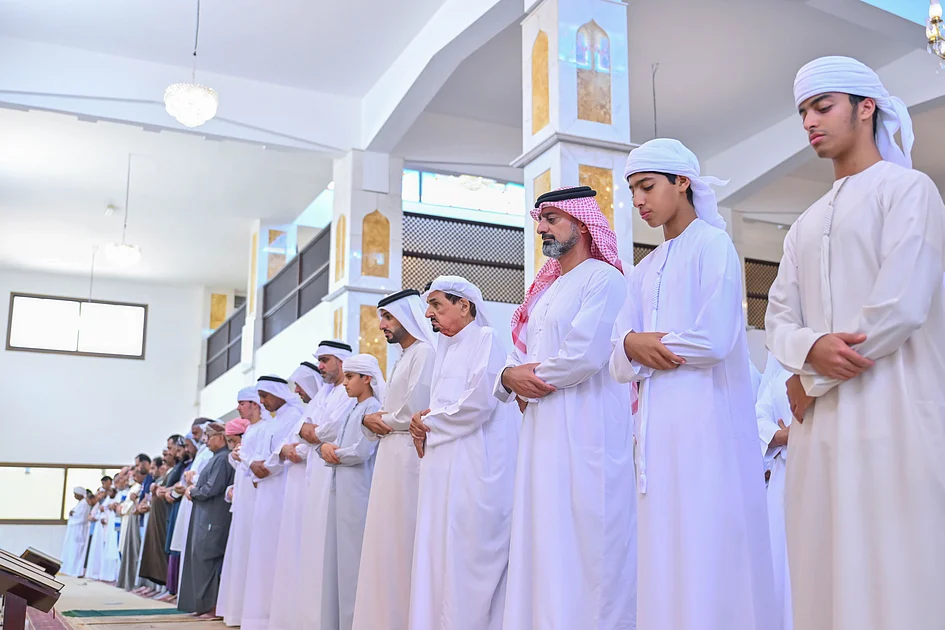
UAE: Ajman Ruler performs Salat Al Istisqa, prays for rain
In a significant spiritual gathering, Sheikh Humaid bin Rashid Al Nuaimi, Supreme Council Member and Ruler of Ajman, led the Salat Al Istisqa (rain-seeking prayer) at the Sheikh Humaid bin Rashid Al Nuaimi Mosque in Ajman. This prayer, deeply rooted in Islamic tradition, was conducted in alignment with the Sunnah of Prophet Muhammad and in response to a nationwide call by UAE President Sheikh Mohamed bin Zayed Al Nahyan. The event saw the participation of Sheikh Ammar bin Humaid Al Nuaimi, Crown Prince of Ajman, Sheikh Rashid bin Humaid Al Nuaimi, Chairman of the Municipality and Planning Department, alongside numerous sheikhs, senior officials, and a congregation of citizens and residents. Following the prayer, attendees raised their hands in supplication, beseeching Allah for rain as a divine mercy to benefit the people, land, and all creatures. They also prayed for the protection and guidance of the UAE’s leadership and for eternal peace for the nation’s founding leaders.
-
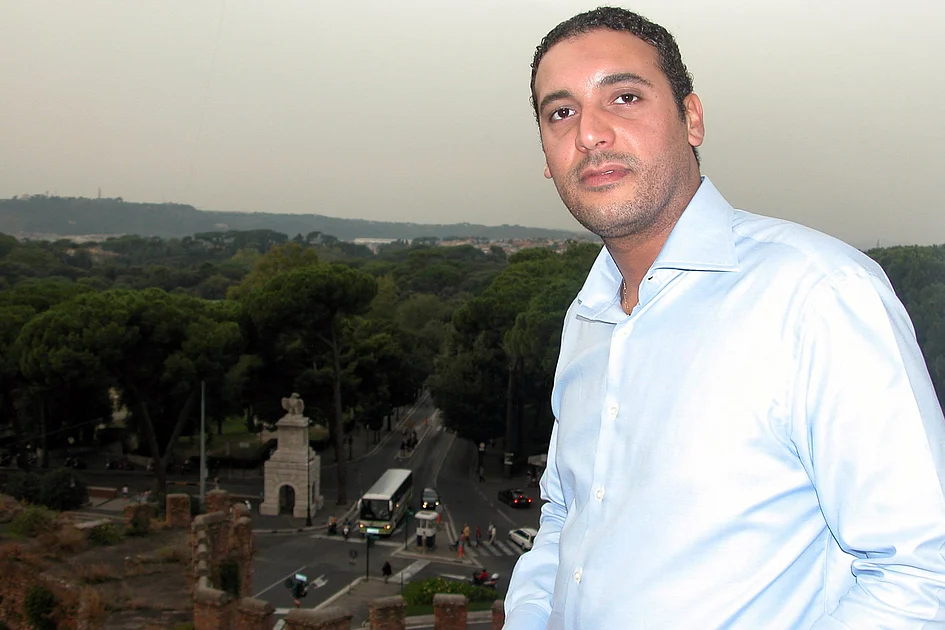
Lebanese judge orders release of Gaddafi’s son on $11 million bail, issues travel ban
A Lebanese judge has ordered the release of Hannibal Gaddafi, son of the late Libyan leader Moamer Gaddafi, on a $11 million bail after nearly a decade of pre-trial detention. The decision, announced on Friday, also includes a travel ban. Gaddafi was arrested in 2015 on allegations of withholding information about the disappearance of Lebanese Shiite cleric Mussa Sadr, who vanished during a visit to Libya in 1978. Despite his release, Gaddafi’s lawyer, Laurent Bayon, criticized the bail as “totally unacceptable” in a case of arbitrary detention, citing international sanctions that prevent his client from accessing such funds. Bayon vowed to challenge the decision. Gaddafi, now 49, has faced significant health issues, including severe depression and recent hospitalization for abdominal pain. His prolonged detention has drawn criticism from Human Rights Watch, which called for his immediate release in August, citing unsubstantiated allegations. The case has strained relations between Lebanon and Libya, with Beirut blaming Moamer Gaddafi for Sadr’s disappearance. Hannibal Gaddafi, married to Lebanese model Aline Skaf, fled to Syria after the 2011 Libyan uprising and was later kidnapped and brought to Lebanon. His name has also surfaced in the case of former French President Nicolas Sarkozy, who was convicted of accepting illegal campaign funds from Moamer Gaddafi. French investigations revealed attempts to corrupt Lebanese judges to secure Hannibal’s release and clear Sarkozy’s name. The case remains a complex web of international intrigue and unresolved tensions.
-
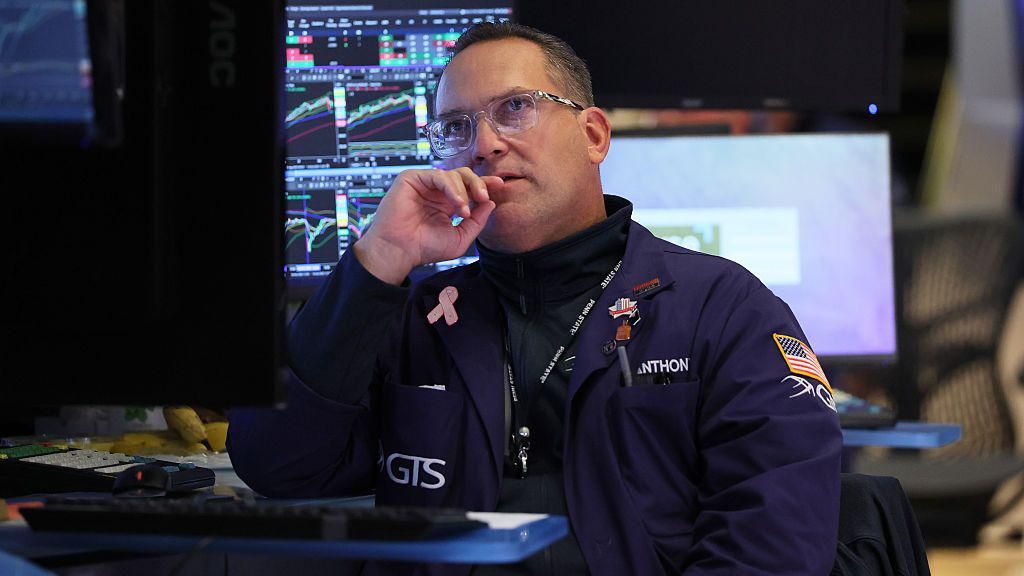
How nervous are investors about the stock market?
US financial markets have been grappling with persistent volatility in recent weeks, driven by a mix of sector-specific concerns and broader economic uncertainties. The latest wave of anxiety emerged from the banking sector, as two regional lenders warned of potential losses due to alleged fraud. This follows earlier market turbulence sparked by renewed US-China tensions over tariffs, advanced technology, and access to rare earths. Additionally, the bankruptcies of car parts supplier First Brands and subprime car lender Tricolor in September further fueled investor unease. Despite these challenges, major US stock indexes have shown resilience, with the S&P 500 posting a 13% gain year-to-date, albeit lower than 2024’s performance. Sam Stovall, chief investment strategist at CFRA Research, attributes this strength to improved corporate profits and the burgeoning enthusiasm surrounding artificial intelligence (AI). However, the market’s robust performance has paradoxically heightened concerns about overvaluation. Analysts have increasingly warned of a potential AI bubble, with major players investing heavily in the sector without clear long-term profitability. The Bank of England, JP Morgan Chase CEO Jamie Dimon, and US Federal Reserve Chair Jerome Powell have all echoed these concerns, emphasizing the risk of a sharp market correction. The International Monetary Fund (IMF) also highlighted complacency in its recent financial stability report, citing trade tensions, geopolitical uncertainty, and rising sovereign debt as key risks. Despite these warnings, many investors remain optimistic. Analysts at Goldman Sachs and Wells Fargo have raised their year-end forecasts for the S&P 500, while David Lefkowitz of UBS Global Wealth Management anticipates the index to reach around 6,900 points, a 4% increase from current levels. Lefkowitz noted that while fraud allegations in the banking sector are concerning, overall default levels remain healthy, and AI demand shows no signs of waning. Stovall, however, cautioned that while the current bull market has been resilient, corrections and bear markets are inevitable, even if delayed. With sticky inflation and political uncertainties in Washington, the market rally remains ‘unloved,’ yet investors continue to navigate the complexities of an evolving economic landscape.