博客

  • Belgian court clears extradition of diamond trader Mehul Choksi to India

    Belgian court clears extradition of diamond trader Mehul Choksi to India

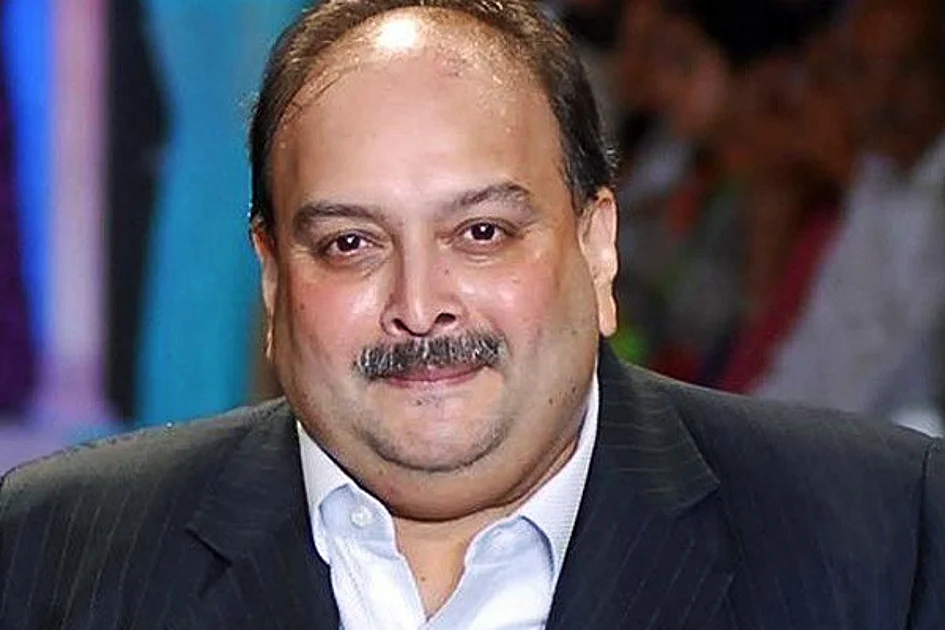
    In a landmark decision, a Belgian court in Antwerp has granted India’s request for the extradition of fugitive diamond trader Mehul Choksi, marking a significant step in the ongoing Punjab National Bank (PNB) fraud case. The court ruled that Choksi’s arrest by Belgian authorities earlier this year was lawful, paving the way for his potential return to India. However, the extradition process is not immediate, as Choksi retains the right to appeal the decision before a higher court.

    Choksi, along with his nephew Nirav Modi, is accused of masterminding one of India’s largest banking frauds, involving fraudulent letters of undertaking that allegedly defrauded PNB of over Rs13,000 crore. Following a formal request from Indian authorities, Choksi was arrested by Antwerp police on April 11, 2025, and has since been held in a Belgian prison. Multiple bail pleas have been rejected due to concerns over his potential flight risk.

    To address human-rights concerns raised during the extradition proceedings, India’s Ministry of Home Affairs (MHA) provided a detailed letter of assurance to Belgian authorities. The document outlined specific safeguards for Choksi’s detention in India, including access to medical care, adequate living conditions, and oversight by human rights commissions. Choksi is expected to be held in Barrack No. 12 at Arthur Road Jail in Mumbai, a facility designed for non-violent offenders, equipped with modern amenities and 24×7 medical support.

    The Indian government has also assured that Choksi will receive specialised medical treatment at Sir J J Group of Hospitals, with judicial and human rights oversight to ensure compliance with international standards. This ruling represents a critical development in India’s efforts to bring Choksi to justice, as he faces multiple charges under the Indian Penal Code and the Prevention of Corruption Act, 1988.
  • In New York City mayoral debate, Mamdani is again pressed on Israel and Hamas

    In New York City mayoral debate, Mamdani is again pressed on Israel and Hamas

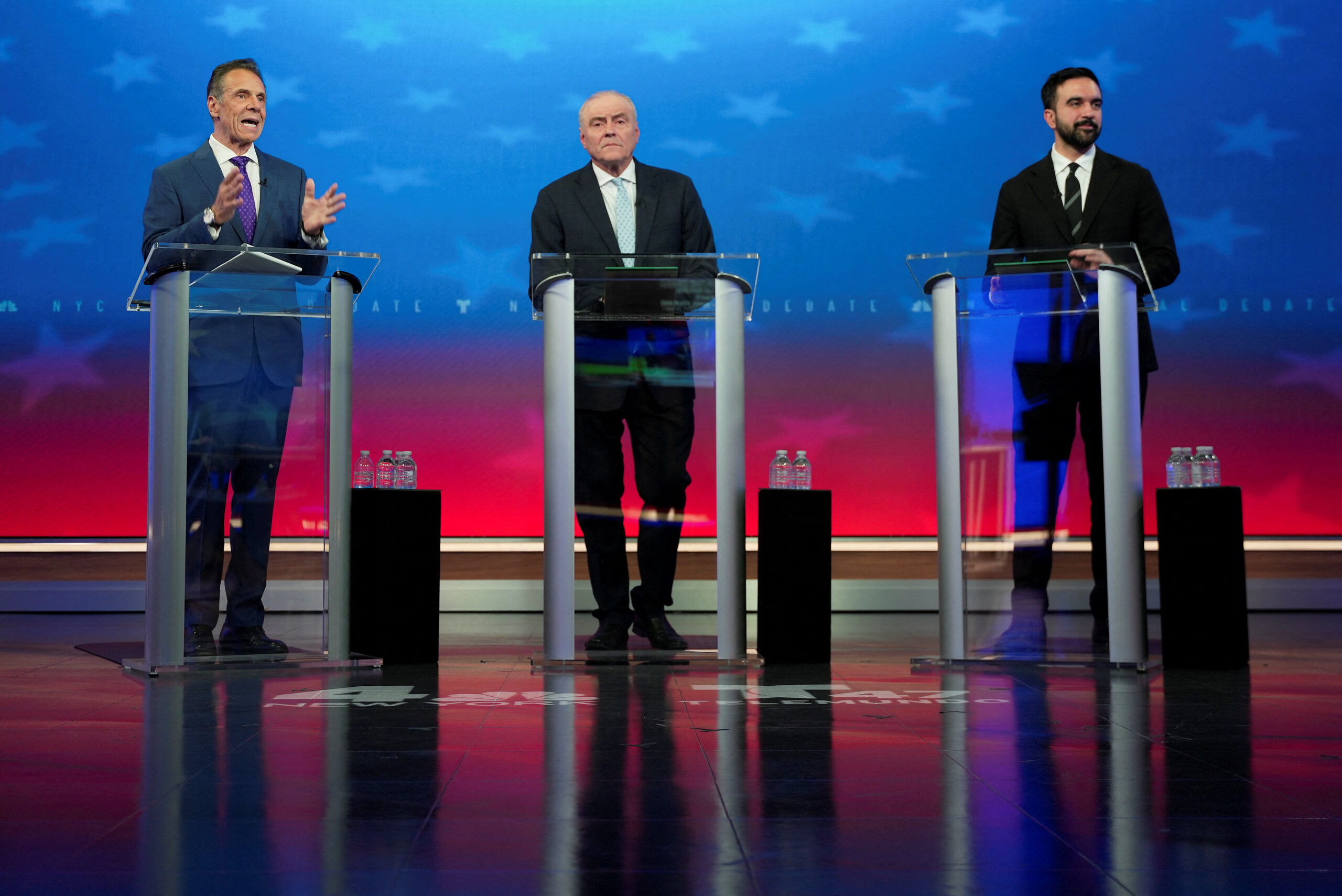
    In a highly anticipated mayoral debate, New York City assemblyman Zohran Mamdani demonstrated his prowess as a compelling communicator, earning widespread recognition from diverse media outlets, including The New York Times, The Wall Street Journal, and Politico. At 33, Mamdani, a Democratic Socialist, has become a surprising frontrunner in a race that has captured global attention. His ability to articulate his vision on critical issues such as America’s class divide and the Palestinian struggle has set him apart from his competitors, former New York governor Andrew Cuomo and Republican Curtis Sliwa. A recent Fox News poll, conducted prior to the debate, revealed Mamdani surpassing the 50 percent threshold among likely voters, solidifying his lead. Cuomo, who resigned in disgrace in 2020 and lost the Democratic primary to Mamdani, re-entered the race as an Independent, positioning himself as a stark contrast to Mamdani’s progressive platform. The debate highlighted their divergent stances on key issues, particularly regarding Israel and Palestine. Cuomo, backed by pro-Israel lobbying groups, accused Mamdani of not adequately denouncing Hamas and controversial statements by figures like Hasan Piker. Mamdani, in turn, criticized Cuomo’s lack of engagement with the Muslim community and his defense of Israeli policies. Mamdani’s campaign, focused on addressing economic inequality and affordable housing, has resonated with many New Yorkers, though it has drawn ire from the city’s wealthiest residents. As the November 4 general election approaches, the race remains highly contentious, with Mamdani positioning himself as a champion for the working class and a formidable opponent to both Cuomo and the potential backlash from former President Donald Trump.

  • From barracks to palace: Soldiers who led military coups to become state leaders

    From barracks to palace: Soldiers who led military coups to become state leaders

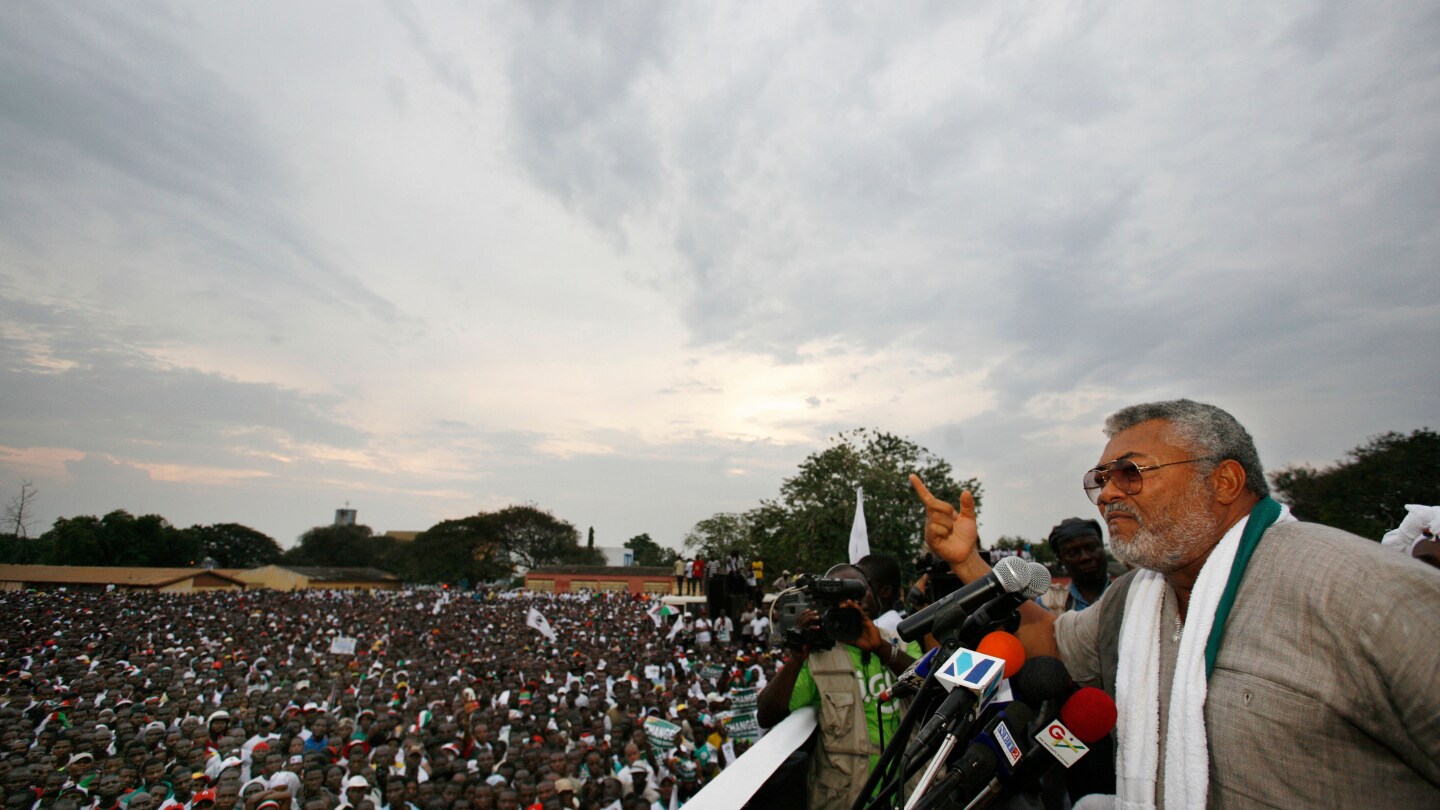
    In a dramatic turn of events, Madagascar has witnessed a military coup following weeks of nationwide protests led by Gen-Z, primarily fueled by severe power and water shortages. The unrest culminated in the exile of President Andry Rajoelina, with Army Colonel Michael Randrianirina sworn in as the new leader. This incident is not an isolated case in history, as several military leaders have similarly ascended to power through coups. Here are five notable examples: Myanmar’s Min Aung Hlaing, who seized control in 2021, declaring a state of emergency and establishing a military government. Uganda’s Idi Amin, who overthrew President Milton Obote in 1971, only to plunge the country into a brutal dictatorship. Turkey’s Kenan Evren, who led a coup in 1980, rewrote the constitution, and ruled as a dictator until his eventual imprisonment. Ghana’s Jerry Rawlings, who transitioned from a military ruler to a democratically elected president, leaving a complex legacy. Chile’s Augusto Pinochet, who orchestrated a bloody coup in 1973, leading to a 17-year dictatorship marked by human rights abuses and economic reforms.

  • UAEFA head congratulates Qatar, Saudi Arabia on qualifying for World Cup

    UAEFA head congratulates Qatar, Saudi Arabia on qualifying for World Cup

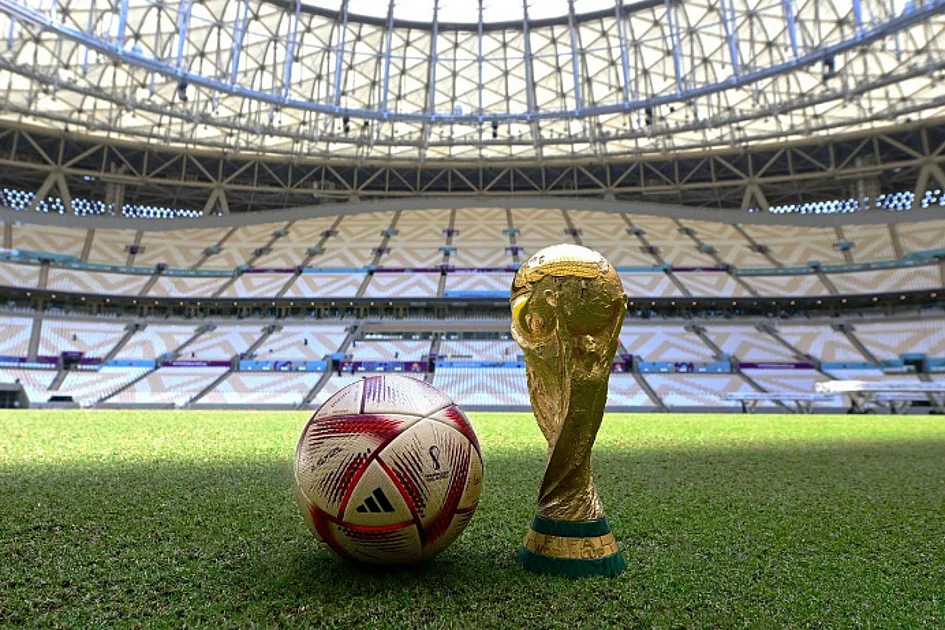
    The President of the UAE Football Association (UAEFA), Sheikh Hamdan bin Mubarak Al Nahyan, has extended his congratulations to Qatar and Saudi Arabia for securing their spots in the 2026 FIFA World Cup. This milestone was achieved during the fourth round of the Asian qualifiers, making them the only Gulf nations to qualify for the prestigious tournament, which will be hosted across the United States, Canada, and Mexico starting June 11, 2026. Saudi Arabia sealed their qualification with a 0-0 draw against Iraq in Jeddah, while Qatar triumphed with a 2-1 victory over the UAE in Doha. Despite the loss, the UAE remains in contention for a World Cup berth through the fifth-round play-offs, where they will face Iraq. A win in this round would propel them to the final qualifiers in Mexico next March. The UAEFA has supported Emirati fans by providing large-screen viewing locations in Doha, ensuring they could cheer for their team despite limited stadium access.

  • ‘A rock and a hard place:’ Arab peacekeepers will face pitfalls and perils in Gaza

    ‘A rock and a hard place:’ Arab peacekeepers will face pitfalls and perils in Gaza

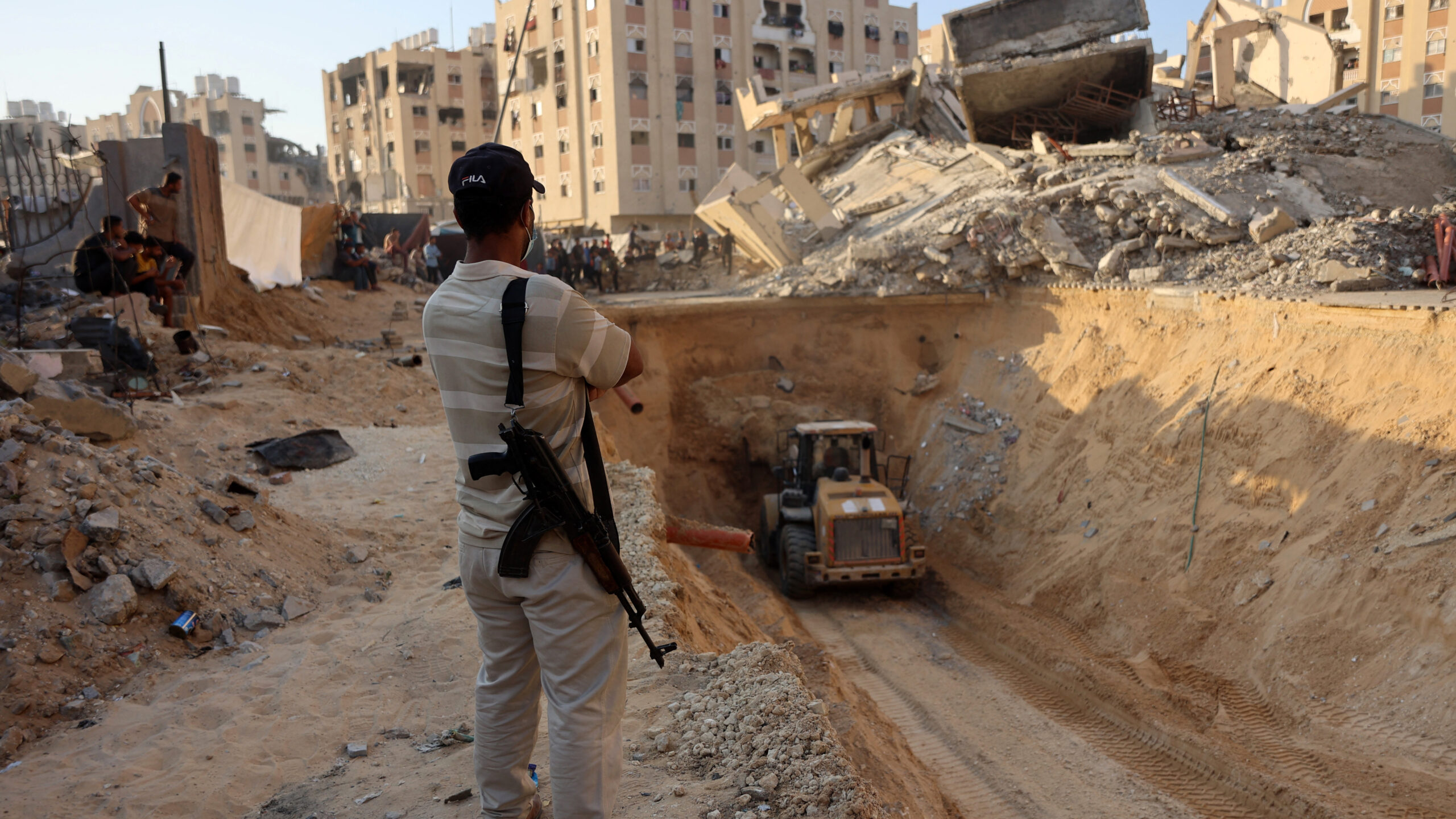
    The proposal to deploy an International Stabilisation Force, comprising Arab and Muslim troops, to Gaza has sparked intense debate and raised critical questions about its feasibility and potential repercussions. A key concern is how these forces would respond if confronted with Israeli fire, given the region’s volatile history. This scenario is not merely hypothetical; UN peacekeepers in southern Lebanon, such as those from the United Nations Interim Force in Lebanon (Unifil), have faced Israeli strikes in recent years. While Irish and Italian troops demonstrated restraint in such situations, the response of Egyptian or Jordanian soldiers remains uncertain, despite their countries’ peace treaties with Israel. These agreements are primarily managed by high-ranking officials, as public sentiment and rank-and-file soldiers in these nations harbor deep hostility toward Israel due to its occupation of Palestinian territories. The killing of two Egyptian soldiers during an exchange of fire with Israel in May 2024 underscores the risks involved.

  • Watch: Oman Police airlift man injured while hiking mountain

    Watch: Oman Police airlift man injured while hiking mountain

    In a swift and efficient rescue operation, the Royal Oman Police Air Wing successfully airlifted an injured hiker from a remote mountainous area in Al Dakhiliyah Governorate. The Omani citizen sustained a foot injury while trekking in the IMTI region, prompting authorities to deploy a helicopter for his medical evacuation. A video shared on X (formerly Twitter) by the Royal Oman Police showcased the meticulous operation, highlighting the professionalism of the rescue team. The injured man was promptly transported to Nizwa Hospital, where he is receiving the necessary medical attention. This incident underscores the critical role of emergency services in ensuring public safety, particularly in challenging terrains. Notably, this rescue comes just two days after Omani authorities detained several individuals for reckless driving through hazardous wadis, despite repeated warnings. The contrasting events highlight the importance of adhering to safety guidelines in both recreational and everyday activities.

  • US sinks international deal on decarbonising ships

    US sinks international deal on decarbonising ships

    A pivotal international agreement aimed at reducing maritime emissions has been postponed for a year following strong opposition from the United States. The decision, which came during a vote at the International Maritime Organization (IMO) in London, highlights deepening divisions between oil-producing nations and their counterparts. The IMO, a United Nations body overseeing global shipping, had initially proposed a global carbon pricing system in April to curb greenhouse gas emissions. However, the vote to formalize this plan was delayed after U.S. President Donald Trump threatened sanctions against countries supporting the initiative. Trump criticized the proposed carbon tax as a ‘scam,’ reinforcing his administration’s pro-fossil fuel stance. The U.S. withdrawal from IMO negotiations in April set the stage for this week’s contentious discussions, which culminated in a hastily arranged resolution to postpone the vote, passing 57 to 49. Major oil producers like Russia, Saudi Arabia, and the United Arab Emirates joined the U.S. in opposing the measure, citing economic and food security concerns. IMO Secretary-General Arsenio Dominguez expressed disappointment, urging delegates to avoid repeating the week’s chaotic proceedings. The International Chamber of Shipping, representing over 80% of the global fleet, also voiced frustration, emphasizing the need for clarity to drive investments in decarbonization. The proposed Net Zero Framework (NZF) would require ships to reduce carbon emissions progressively from 2028, with financial penalties for non-compliance. Shipping accounts for nearly 3% of global greenhouse gas emissions, and the carbon pricing plan aims to incentivize the use of cleaner fuels. The Philippines and Caribbean nations, heavily reliant on maritime industries, would face significant impacts from U.S. visa restrictions and sanctions. Despite the setback, supporters like the European Union, China, and Brazil reaffirmed their commitment to the NZF. Pacific Island states, initially hesitant, were expected to back the plan this time. If adopted, the global emissions pricing system would be challenging to evade, as IMO conventions allow signatories to inspect and detain non-compliant vessels.

  • Salesforce CEO apologises for saying Trump should send troops to San Francisco

    Salesforce CEO apologises for saying Trump should send troops to San Francisco

    Salesforce CEO Marc Benioff issued a public apology on Friday for his earlier suggestion that President Donald Trump should deploy National Guard troops to San Francisco. The controversial remark, made ahead of Salesforce’s annual Dreamforce conference, sparked widespread criticism from Democratic leaders and the public. Benioff clarified his stance in a social media post, stating, ‘Having listened closely to my fellow San Franciscans… I do not believe the National Guard is needed to address safety in San Francisco.’

    The incident unfolded against the backdrop of the Trump administration’s ongoing military deployments to various U.S. cities, many of which are governed by Democrats. On Friday, Trump urged the Supreme Court to overturn lower court rulings that blocked a National Guard deployment in Chicago, citing concerns over civil unrest. The Dreamforce convention, typically a celebratory event, was marred by canceled appearances from San Francisco Mayor Daniel Lurie and comedians Kumail Nanjiani and Ilana Glazer.

    Benioff faced public rebukes from prominent Democratic figures, including California Governor Gavin Newsom, who once served as San Francisco’s mayor. Venture capitalist Ron Conway resigned from the Salesforce Foundation board, expressing disillusionment with Benioff’s values. Despite his apology, Benioff defended his initial comments as stemming from an ‘abundance of caution’ regarding Dreamforce security.

    The controversy has highlighted the political tightrope walked by tech executives like Benioff, who have historically supported Democratic causes but occasionally align with Republican initiatives. Benioff, a prolific donor to San Francisco civic projects, has funded homeless services and owns Time Magazine. However, his recent appearance with Trump during a state visit to London and Salesforce’s reported pitch to the Trump administration for immigration enforcement services have further complicated his political standing.

    As the debate over National Guard deployments continues, the incident underscores the growing tension between Silicon Valley leaders and the political landscape they navigate.

  • Which are the key sectors to invest in the GCC in Q4?

    Which are the key sectors to invest in the GCC in Q4?

    As the fourth quarter of 2025 unfolds, financial and real estate sectors are poised to dominate the Gulf Cooperation Council (GCC) markets, according to industry analysts. Philip Philippides, CEO of Mashreq Capital, highlighted the resilience of Dubai’s commercial real estate and the robust fundamentals of regional banks as key drivers of growth. In contrast, the materials sector is expected to underperform due to weak operational momentum. Sector rotation is anticipated to favor defensive and reform-linked plays, particularly in financial services and real estate. GCC markets remain relatively insulated from global trade tensions, with diversified export profiles and strategic trade relationships providing a buffer against escalating global conflicts. Anticipated Federal Reserve rate cuts and synchronized global monetary easing are expected to positively impact GCC financial markets, easing financial conditions and stimulating consumption, investment, and asset valuations. GCC central banks, tied to the US dollar, will mirror Fed moves, transmitting rate cuts directly into local money markets. Lower rates are expected to boost consumer spending, SME investment, real estate activity, and tourism. In fixed income, sovereign and quasi-sovereign credits offer attractive carry and mid-duration opportunities, with expected spread compression and renewed global inflows enhancing credit profiles and reducing refinancing risk. Despite tight spreads and a strong year-to-date rally, low-single-digit returns are achievable in Q4, primarily driven by carry, with additional potential upside from anticipated Fed rate cuts. On the equity side, the oil price outlook is largely priced in, with Saudi Arabia’s underperformance reflecting subdued oil sentiment. However, double-digit earnings growth, attractive valuations, and ongoing diversification reforms across tourism, finance, and logistics sectors provide structural support to regional equity markets. Monetary easing will further enhance credit growth and equity performance. The divergence in performance across GCC markets is likely to persist, with Oman and Kuwait retaining upside potential due to their reform-driven narratives. Mena credit continues to offer value, with current index yields at approximately 5.5% providing a compelling carry proposition. The 5–10 year segment of sovereign and quasi-sovereign bonds from countries like Saudi Arabia, Turkey, Egypt, and Morocco presents strong total return potential. GCC sukuk issuance is expected to remain robust in Q4, with Saudi Arabia and the UAE leading the charge. Investor appetite for sustainability-linked sukuk (SLS) and digital sukuk is poised to accelerate, driven by global ESG mandates and net-zero commitments. The ESG sukuk market is expected to surpass $50 billion outstanding in 2025, with GCC issuers playing a leading role. A sustained and disorderly decline in oil prices could materially impact government revenues, leading to reduced spending and weaker sentiment around IPOs and project awards. However, the base case remains for stable oil prices, with Saudi Arabia’s leadership emphasizing flexibility in fiscal policy and a continued focus on infrastructure, mega events, and gas output expansion.

  • Salama shareholders approve capital restructuring

    Salama shareholders approve capital restructuring

    Islamic Arab Insurance Company (Salama), a prominent Takaful provider in the UAE, has secured shareholder approval for a comprehensive capital restructuring plan aimed at restoring solvency and enhancing its financial standing. The decision, ratified during the General Assembly on October 16, 2025, includes a capital reduction to offset accumulated losses and the cancellation of treasury shares. Following final approval by the Securities and Commodities Authority (SCA), Salama will issue up to Dh175 million in Mandatory Convertible Sukuk (MCS) through a special purpose vehicle. These sukuk will be allocated to a select group of strategic investors and will be mandatorily converted into new shares under agreed terms. This move is a pivotal step in Salama’s strategy to ensure regulatory compliance, stabilize its financial foundation, and support future growth. Mohamed Ali Bouabane, Group CEO of Salama, emphasized that the restructuring underscores the company’s commitment to strengthening its balance sheet and meeting regulatory capital requirements. He highlighted the unwavering support of shareholders and investors as a testament to their confidence in Salama’s long-term stability. The company’s financial performance in the first half of 2025 reflects this progress, with total equity rising to Dh351.84 million, a 5.2% year-on-year increase, and a net profit of Dh8.25 million. Takaful revenue also reached Dh515.36 million, showcasing disciplined operations and improved profitability. S&P Global Ratings has affirmed Salama’s long-term issuer credit and insurer financial strength rating at ‘BBB-’ with a Developing outlook, further validating its improving fundamentals and capital position.