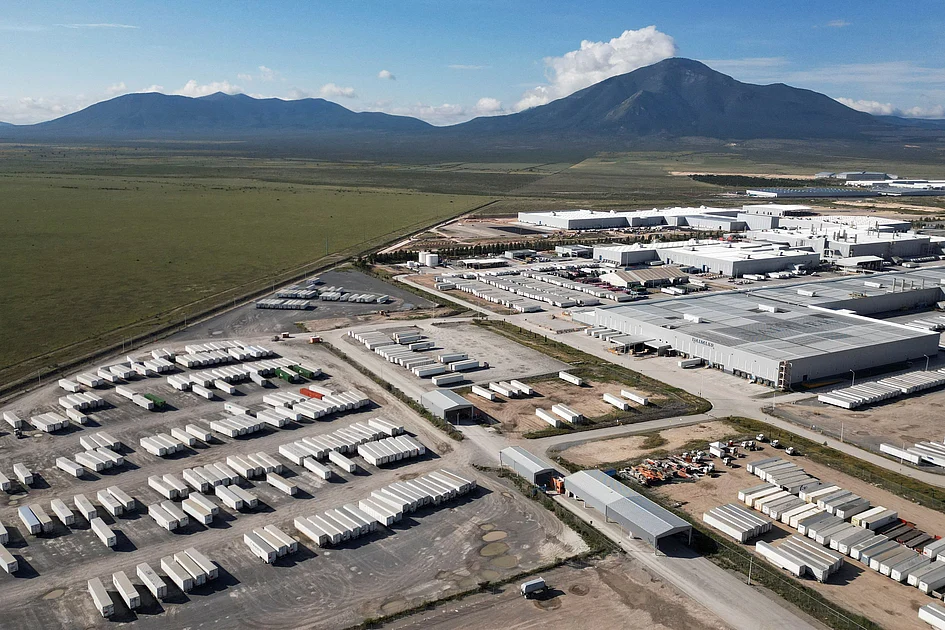
In a significant move impacting the automotive industry, former US President Donald Trump signed an executive order on Friday, October 18, 2025, extending tariff relief on imported vehicle parts while formalizing new duties on medium and heavy-duty trucks. The order prolongs the 3.75-percent offset program for automakers until 2030, maintaining the percentage without reductions. Simultaneously, a 25-percent tariff on imported trucks and their parts will take effect starting November 1, 2025. This decision follows a Section 232 investigation initiated earlier this year to assess the national security implications of truck imports. Trump has frequently utilized such probes, authorized under the Trade Expansion Act of 1962, to impose tariffs aimed at bolstering domestic manufacturing and addressing perceived trade imbalances. The automotive sector, alongside steel and aluminum industries, has been a focal point of these measures. The extension of the offset program is seen as a continuation of Trump’s April 2025 initiative to ease tariff burdens on US automakers. Under this program, companies importing parts for vehicles assembled in the US can offset 3.75 percent of a vehicle’s list price, a benefit now secured until 2030. Additionally, a similar offset framework is being established for medium and heavy-duty trucks, also extending through 2030. While the new tariff regime imposes steep duties on imported trucks, certain favorable treatments under the US-Mexico-Canada Agreement (USMCA) will remain. For instance, trucks qualifying for USMCA benefits will only face the 25-percent tariff on non-US content. However, imported buses will not receive such favorable treatment and will be subject to a 10-percent tariff. The trade pressures have already impacted Mexico, with its heavy vehicle exports to the US declining by nearly 26 percent year-on-year from January to August 2025. Canada and Mexico continue to negotiate with Washington to mitigate the effects of these tariffs.
博客
-
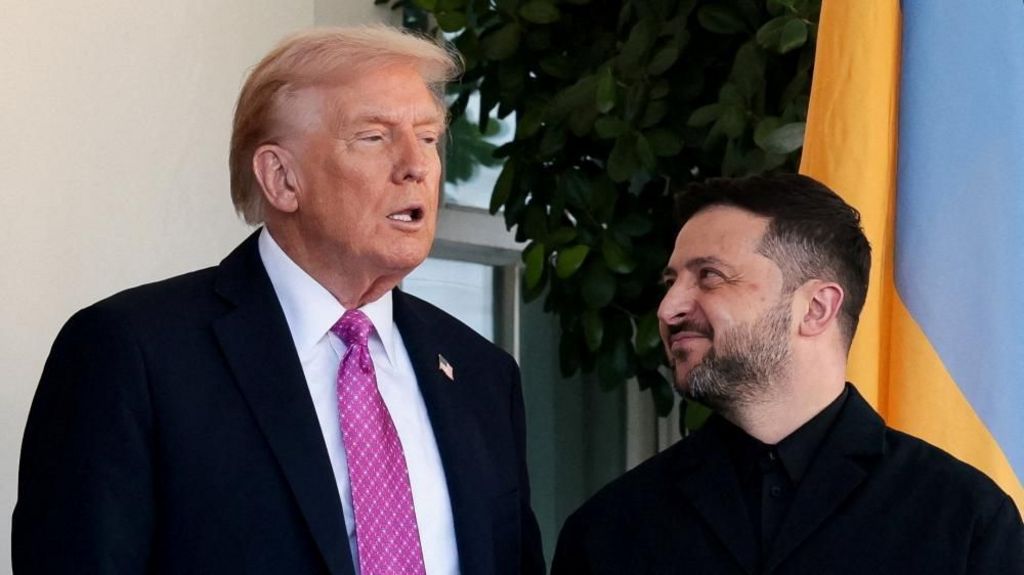
Deference and disappointment as Zelensky leaves White House empty-handed
Ukrainian President Volodymyr Zelensky’s high-stakes visit to the White House ended in disappointment as he failed to secure the much-needed American long-range Tomahawk missiles. The meeting, described by Zelensky as ‘pointed,’ starkly contrasted with the optimism his delegation had harbored before their arrival in Washington. Just hours before landing, news broke of a two-and-a-half-hour phone call between President Donald Trump and Russian President Vladimir Putin, followed by an announcement of an upcoming summit between the two leaders. This development cast a shadow over Zelensky’s visit, leaving Ukrainian hopes for decisive U.S. support unfulfilled.
Trump, who had previously expressed frustration with Putin, now appeared confident that the Russian leader was ready to negotiate. ‘I think he wants to make a deal,’ Trump stated, framing the conflict as a personal dispute rather than a geopolitical crisis. Zelensky, cautious not to challenge Trump directly, praised the U.S. president’s peacemaking efforts but made it clear that he did not share Trump’s trust in Putin’s intentions. ‘We understand that Putin is not ready,’ Zelensky said.
The meeting concluded with Trump suggesting that the war be frozen along existing battle lines, a proposal that falls short of Ukraine’s demands for security guarantees and military aid. For Ukraine and its allies, the conflict is not a personal grievance but a war of aggression by an authoritarian state with imperial ambitions. The absence of U.S. commitments leaves Ukraine to continue its fight against Russia, relying on its own resilience and determination.
In Kyiv, residents expressed mixed feelings about the outcome of the talks. Volodymyr Tsepovatenko, a shop owner repairing damage from recent missile strikes, warned that any peace deal now would only allow Russia to prepare for future aggression. Oleksandr Vilko, whose car was destroyed in the attacks, emphasized that Ukraine’s fate ultimately lies in the hands of its army. ‘With or without [Tomahawks], Ukrainians will fight on,’ he said. Despite the challenges, Ukraine remains steadfast in its resolve to defend its sovereignty and freedom.
-
Afghanistan to not play in tri-nation series after 3 cricketers killed in attack by Pakistan
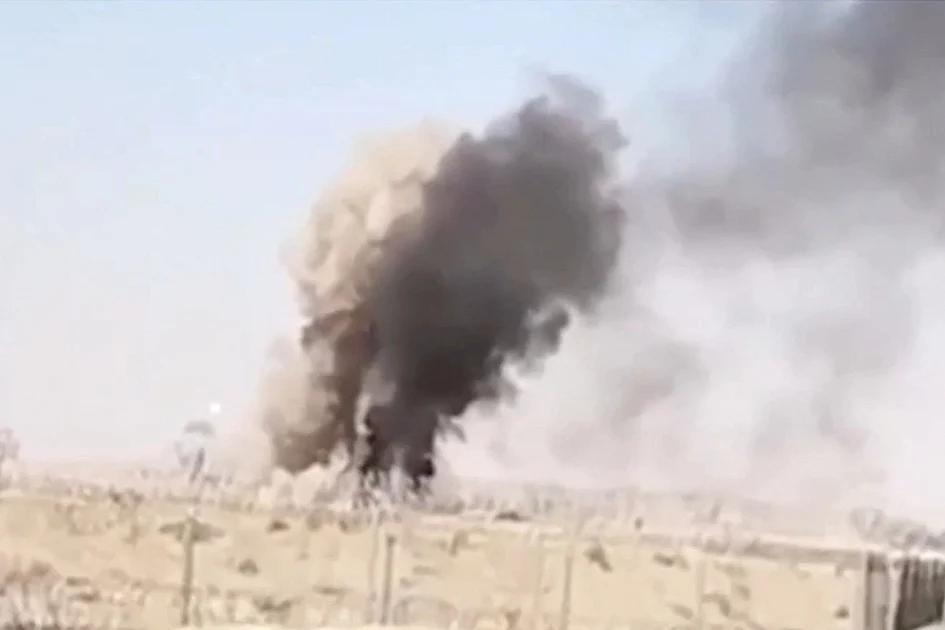
In a tragic turn of events, Afghanistan has announced its withdrawal from the upcoming tri-nation cricket series involving Pakistan and Sri Lanka. This decision comes after three Afghan cricketers were killed in a targeted attack allegedly carried out by Pakistani forces. The incident occurred in the eastern Paktika province, near the Pakistan border, where the players had traveled to participate in a friendly match. Upon their return to Urgun, the athletes were attacked during a gathering, described by the Afghanistan Cricket Board (ACB) as a ‘cowardly act by the Pakistani regime.’ The ACB identified the victims as Kabeer, Sibghatullah, and Haroon, expressing profound grief over the loss of these promising athletes. The board stated that the withdrawal from the series is a gesture of respect for the victims and their families. The attack has further escalated tensions between Afghanistan and Pakistan, with Afghan officials accusing Pakistan of violating a ceasefire agreement. Pakistani air strikes in the region reportedly resulted in the deaths of ten civilians, including two children, and left twelve others wounded. Afghan cricketers and officials have condemned the attack, labeling it a ‘heinous crime’ and a national tragedy. The incident has cast a shadow over the cricketing community, with calls for justice and solidarity echoing across the nation.
-
Thousands flee Philippine coast as storm Fengshen approaches
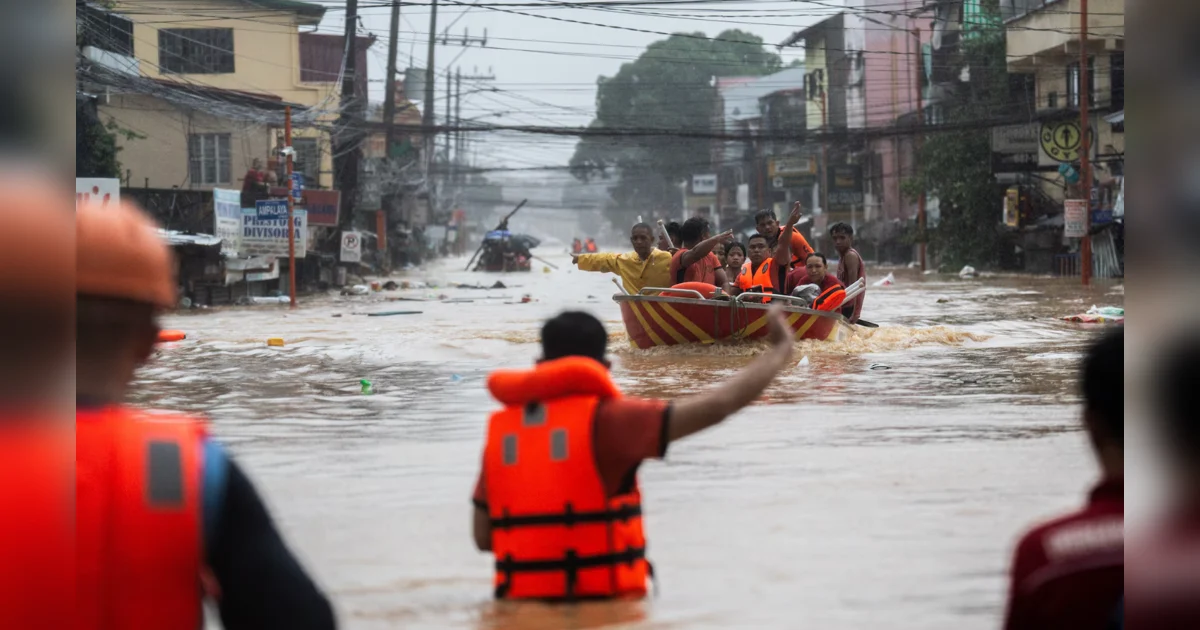
Thousands of residents in the Philippines’ Catanduanes Island were forced to evacuate their homes on Saturday as Tropical Storm Fengshen approached, bringing fears of coastal flooding and severe weather. The storm, with wind gusts reaching up to 80 km/h (50 mph), was predicted to pass near the island, home to 270,000 people, later in the day. Government weather services warned of heavy rainfall and a ‘minimal to moderate risk’ of coastal flooding due to waves measuring 1-2 meters (3-6 feet).
Local disaster officials reported that over 9,000 residents had already relocated to safer areas, following well-practiced evacuation protocols. Catanduanes, often the first landmass hit by cyclones forming in the western Pacific, activated evacuation plans for high-risk zones, including coastal areas, low-lying communities, and landslide-prone slopes. Neighboring provinces of Sorsogon and Albay also initiated preemptive evacuations, though official numbers were not immediately available.
The Philippines, an archipelago prone to natural disasters, faces an average of 20 storms and typhoons annually, many of which strike impoverished regions. Scientists have linked the increasing intensity of such storms to human-driven climate change. The arrival of Fengshen follows a series of devastating earthquakes in the country, which claimed at least 87 lives over the past three weeks, compounding the challenges for disaster response efforts.
-
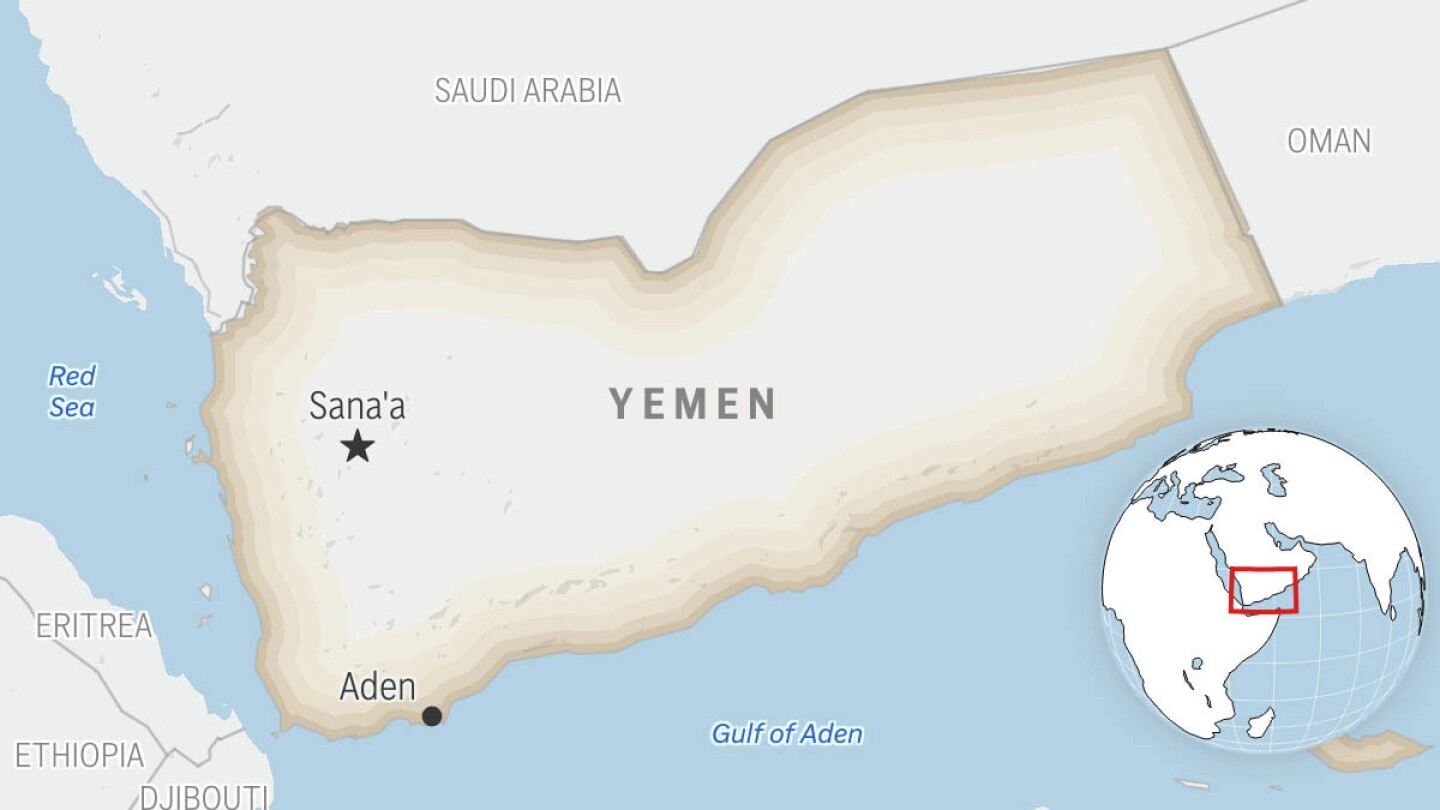
Burning ship loaded with gas abandoned in Gulf of Aden off Yemen as 1 mariner missing
A Cameroonian-flagged vessel, the Falcon, caught fire in the Gulf of Aden off Yemen on Saturday, following a suspected projectile strike. At least one mariner is missing, and another is believed to remain aboard the burning tanker after the rest of the 26-member crew, predominantly Indian with one Ukrainian, abandoned the ship. The incident has sparked conflicting explanations, with British authorities suggesting a projectile hit the vessel, while the European Union described it as an accident. The ship, fully loaded with liquefied petroleum gas, poses a significant explosion risk, prompting warnings to nearby vessels. The British military’s United Kingdom Maritime Trade Operations (UKMTO) reported the incident occurred approximately 210 kilometers east of Aden, with investigations ongoing. The EU’s Operation Aspides, which patrols the region, noted the Greek frigate HS Spetsai and a French aircraft were nearby. The Falcon has previously been linked to an alleged Iranian ‘ghost fleet’ evading international sanctions, though its Indian-based owners could not be reached for comment. The Houthi rebels, known for targeting ships in the Red Sea, have not claimed responsibility, though their activities have disrupted global shipping routes, with $1 trillion in goods passing through annually before the conflict. The Israeli military denied involvement in the incident. The Houthis’ campaign has already claimed nine mariners’ lives and sunk four ships, exacerbating regional tensions.
-
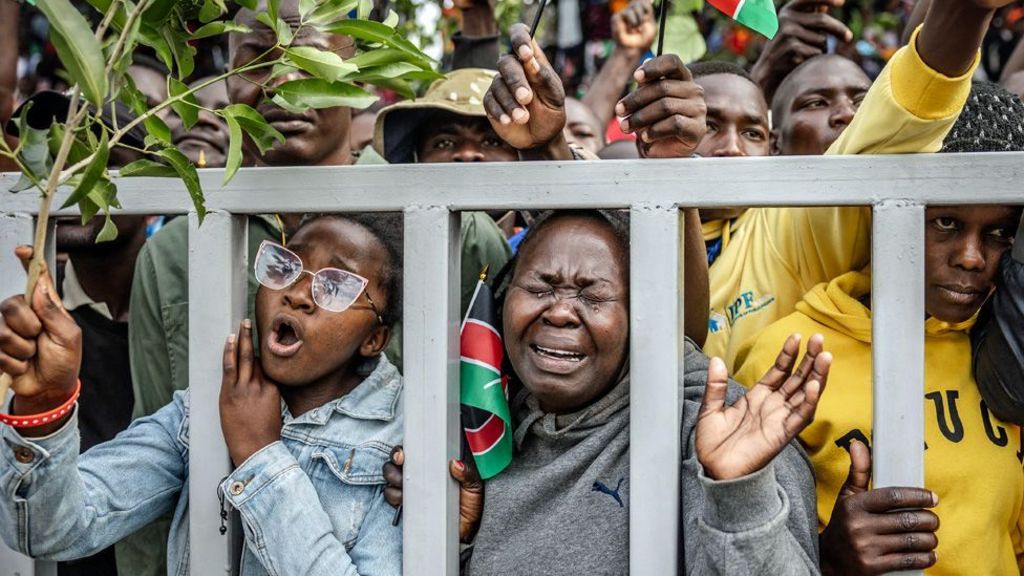
‘We are orphans’: Kenyans bid farewell to ex-PM Odinga in his political heartland
The Kenyan city of Kisumu witnessed an overwhelming outpouring of grief as tens of thousands gathered at the Jomo Kenyatta Stadium to honor the late Prime Minister Raila Odinga. The 80-year-old political icon, who passed away in a hospital in India, was laid to rest following a state funeral in Nairobi on Friday. His body now lies in state in Kisumu, his political stronghold, ahead of a private burial scheduled for Sunday at his farm in Bondo, approximately 60 kilometers west of Kisumu.
Mourners began arriving at the stadium before dawn on Saturday, many adorned in orange, the signature color of Odinga’s Orange Democratic Movement. They waved branches, a traditional symbol of mourning among the Luo ethnic group, to which Odinga belonged. The atmosphere was charged with emotion, with cries of ‘we are orphans’ echoing through the crowd. Dixon Ochieng, one of the mourners, described Odinga as ‘an icon of Africa,’ a sentiment shared by many who viewed him as a pivotal figure in Kenya’s journey toward multi-party democracy.
Odinga’s political career was marked by resilience and controversy. He served as the country’s main opposition leader for decades, contesting five presidential elections, the most recent being three years ago. Despite repeated claims of electoral fraud, Odinga remained a steadfast advocate for democratic principles. Following the contentious 2007 election, which was marred by violence, he assumed the role of prime minister in a unity government. His legacy is deeply rooted in his unwavering commitment to freedom and self-governance, earning him a devoted following, particularly in western Kenya.
Among the dignitaries paying tribute to Odinga was former U.S. President Barack Obama, who lauded him as ‘a true champion of democracy.’ In a heartfelt message on X, Obama highlighted Odinga’s willingness to prioritize national interests over personal ambitions and his dedication to peaceful reconciliation. ‘Time and again, I personally saw him put the interests of his country ahead of his own ambitions,’ Obama wrote.
As Kenya bids farewell to one of its most influential leaders, the nation reflects on the indelible mark Odinga left on its political landscape. His legacy of resilience, democracy, and unity continues to inspire countless Kenyans, ensuring that his impact will be felt for generations to come.
-
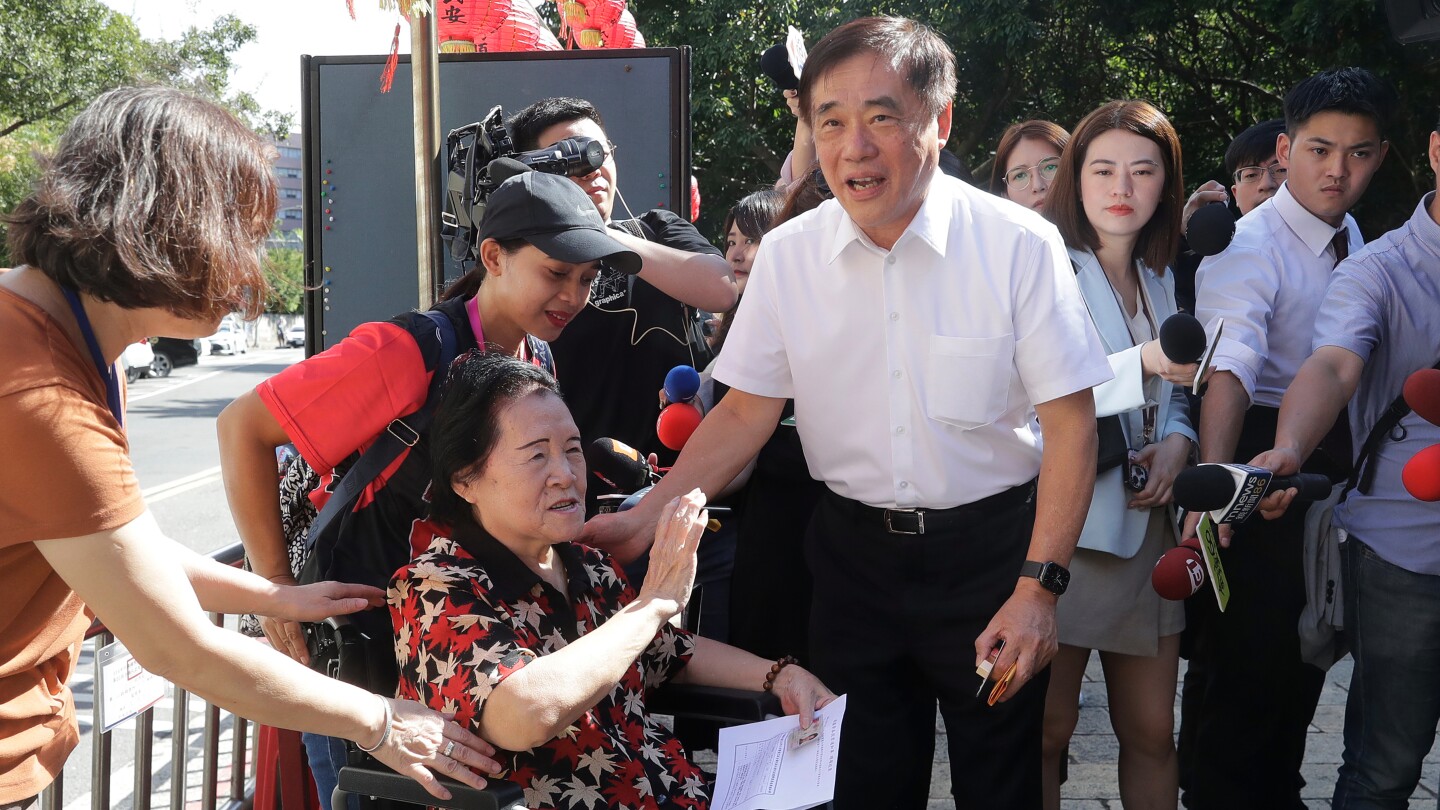
Taiwan’s main opposition party elects new leader in a race clouded by claims of China meddling
In a pivotal leadership election marred by accusations of external interference, Taiwan’s primary opposition party, the Nationalist Party (KMT), has chosen former lawmaker Cheng Li-wun as its new chairperson. Cheng, the sole female candidate in the race, secured a decisive victory over former Taipei Mayor Hau Lung-bin and four other contenders. Positioning herself as a reformist, Cheng aims to rejuvenate the party, which has suffered three consecutive presidential election defeats to the ruling Democratic Progressive Party (DPP), known for its pro-independence stance. Despite these losses, the KMT retains significant political influence, holding a legislative majority with its allies and surviving recent recall elections triggered by controversial legislative changes perceived as favoring China. Cheng’s leadership, set to begin in November, is expected to shape Taiwan’s approach to cross-strait relations with Beijing, domestic policies, and the 2026 local and 2028 presidential elections. During her campaign, Cheng vowed to transform the KMT from a passive “flock of sheep” into a dynamic “pride of lions,” emphasizing the need to reconnect with younger voters. The election unfolded against a backdrop of heightened tensions between Taiwan and China, with Beijing accusing incumbent President Lai Ching-te of separatism and threatening military action if necessary. Allegations of Chinese interference in the KMT election emerged, with reports of over 1,000 TikTok videos and 23 YouTube accounts discussing the race, many based outside Taiwan. Cheng has called for party unity, warning that internal divisions could weaken the KMT. China’s Taiwan Affairs Office dismissed the allegations, stating that the election was an internal KMT matter and that online opinions from mainland users do not reflect official government positions. Historically, the KMT has maintained warmer ties with Beijing, a stance that supporters argue benefits Taiwan’s stability and economy, while critics caution against Beijing’s growing influence. The party’s roots trace back to its rise under Chiang Kai-shek in 1920s China, before retreating to Taiwan after the Communist victory in 1949. Taiwan’s transition to multiparty democracy began in the 1980s, culminating in its first direct presidential election in 1996.
-
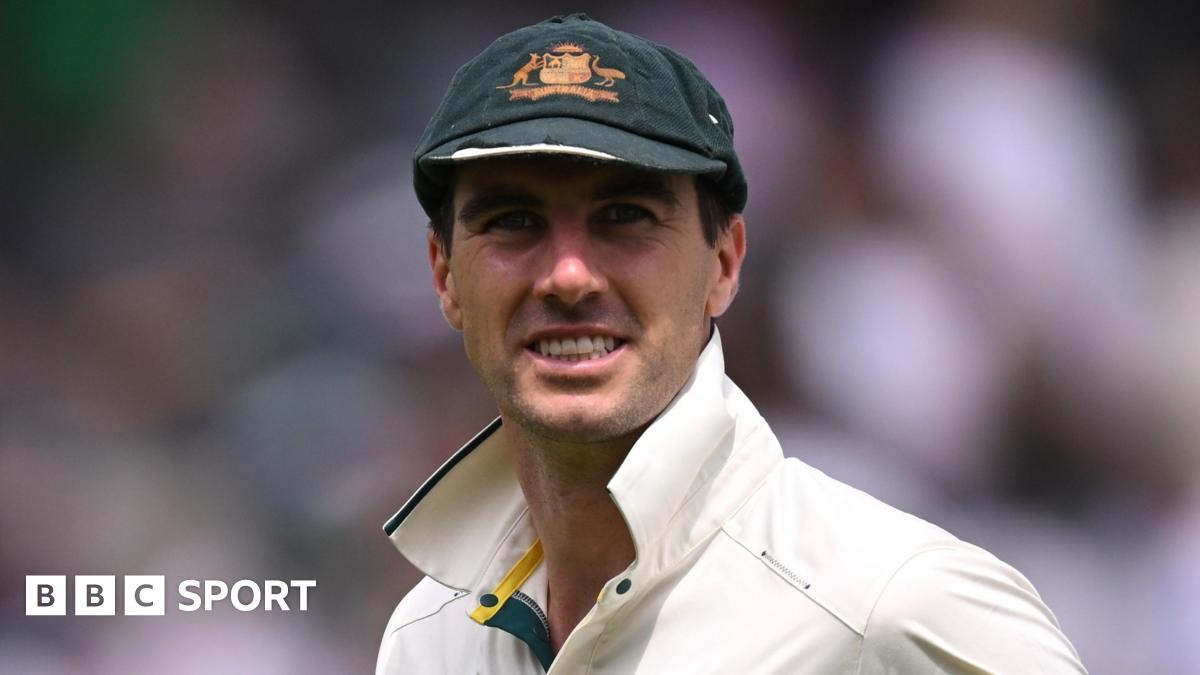
Cummins will play ‘major part’ in Ashes
Australian cricket captain Pat Cummins is expected to play a significant role in the upcoming Ashes series against England, according to George Bailey, the chair of selectors. Despite concerns over a lingering back stress injury, Bailey expressed optimism about Cummins’ participation in the five-Test series, which begins on November 21 in Perth. Cummins, who has a storied history of back issues, was sidelined from recent limited-overs matches against New Zealand and India after scans revealed a lumbar bone stress. However, Bailey emphasized that Cummins is ‘building up’ and remains a key figure in Australia’s plans. ‘We are really confident that he’s going to play a major part,’ Bailey stated, adding that Cummins’ recovery is progressing positively. Should Cummins not be fit for the first Test, former captain Steve Smith is poised to lead the team. Meanwhile, all-rounder Cameron Green, who was withdrawn from the ODI series against India due to side soreness, is expected to be ready for the Ashes after participating in the Sheffield Shield. Bailey described Green’s injury as ‘minor’ and expressed confidence in his readiness. The Ashes series, a historic rivalry between Australia and England, promises high stakes and intense competition, with Cummins’ fitness being a critical factor for Australia’s success.
-

Oviedo and Espanyol players stand still in protest
In a striking display of dissent, players from Oviedo and Espanyol staged a symbolic protest during their La Liga match on Friday, refusing to move for the first 15 seconds in response to the league’s decision to host a game in Miami. The protest targeted La Liga’s lack of transparency and dialogue regarding the relocation of Villarreal’s fixture against Barcelona to the Hard Rock Stadium on December 20. The Spanish Footballers’ Association (AFE) coordinated the protest, emphasizing their rejection of a project they claim lacks player approval and adequate labor protections. La Liga, however, refuted these accusations, expressing a willingness to engage in dialogue with the AFE. The protest was not broadcast live, as cameras shifted to the stadium’s exterior. The AFE announced that similar demonstrations would occur in remaining La Liga games this weekend, though Barcelona and Villarreal players were excluded to avoid misinterpretation. The controversy follows the Italian football federation’s decision to host a Serie A match in Perth, Australia. Barcelona coach Hansi Flick voiced his displeasure with the Miami game, while Real Madrid and Uefa expressed opposition and reluctant approval, respectively. RFEF president Rafael Louzan and Barcelona president Joan Laporta defended the move, calling it beneficial for football.
-
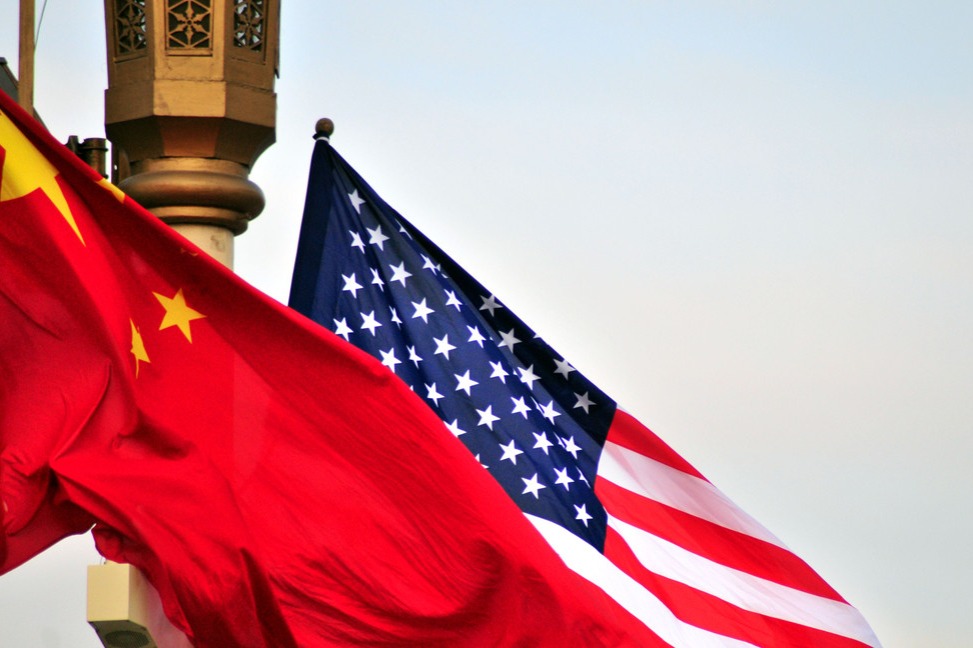
China-US officials hold economic talks
In a significant development for bilateral relations, China’s Vice-Premier He Lifeng, who oversees China-US economic and trade affairs, engaged in a high-level video conference with US Treasury Secretary Scott Bessent and US Trade Representative Jamieson Greer on Saturday morning. The meeting, reported by Xinhua News Agency, underscored the commitment of both nations to addressing critical issues in their economic partnership. The discussions were characterized by their candid, in-depth, and constructive nature, focusing on implementing the key agreements reached by the leaders of both countries during their earlier phone conversation this year. Both sides agreed to expedite the scheduling of a new round of economic and trade consultations, signaling a proactive approach to resolving ongoing challenges and fostering mutual economic growth. This dialogue marks a pivotal step in reinforcing the economic ties between the two global powers, amidst a complex international landscape.