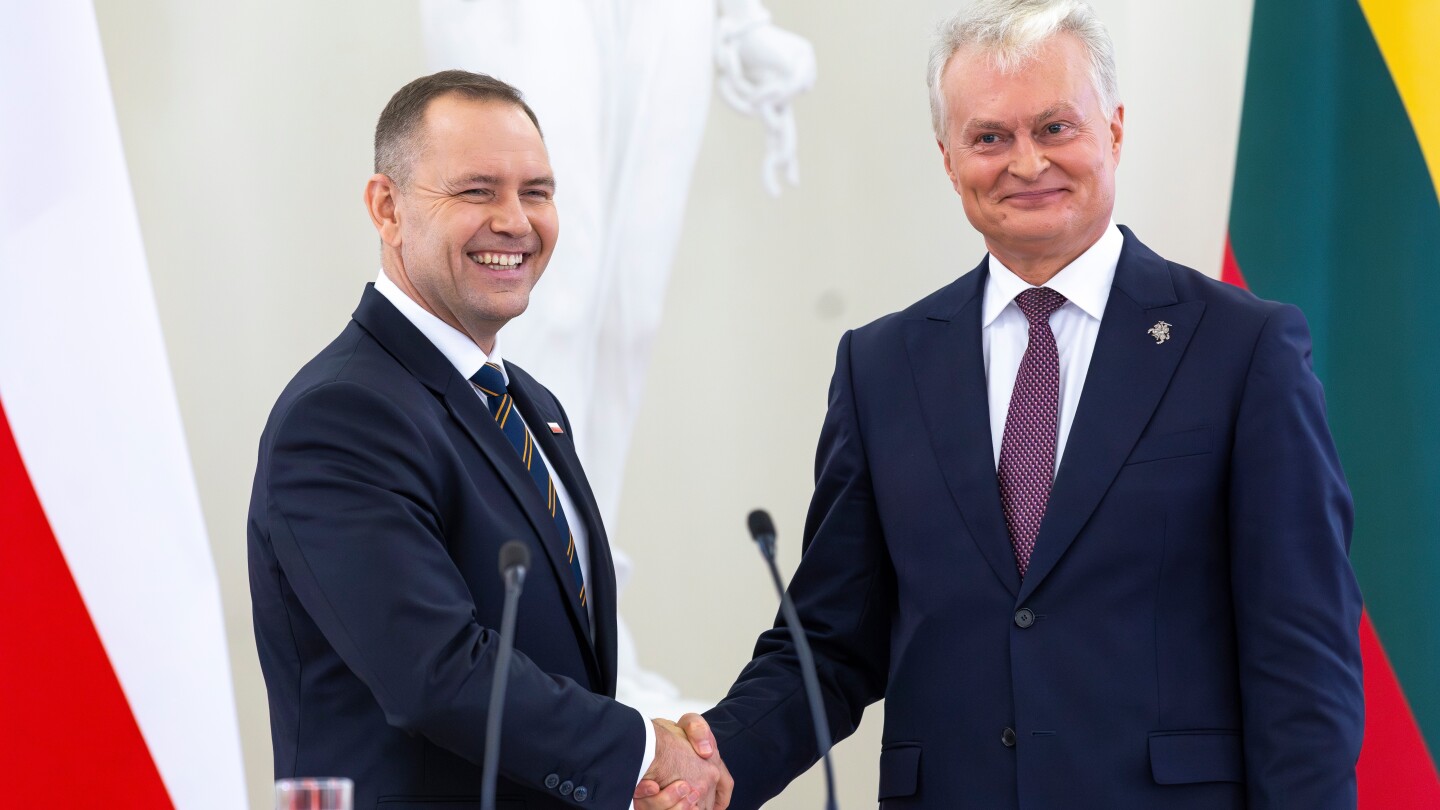
In a significant development for regional connectivity and security, the Via Baltica, a major road linking the Baltic states to Poland, was inaugurated on Monday. This opening comes at a time of heightened tensions between Europe and Russia, particularly following recent incursions of Russian drones into Polish territory and fighter jets into Estonian airspace in September. The 970-kilometer (600-mile) route, which forms part of the European E67 highway, stretches from Warsaw, Poland, through Lithuania, Latvia, and Estonia, culminating in Tallinn. The road traverses the strategically sensitive Suwalki Gap, a narrow strip of land between Belarus and Russia’s Kaliningrad exclave, often cited as a potential flashpoint in any conflict involving NATO and Russia. At the inauguration ceremony on the Polish-Lithuanian border, Polish President Karol Nawrocki and Lithuanian President Gitanas Nausėda emphasized the dual significance of Via Baltica, highlighting its role in bolstering both economic growth and regional defense. Nawrocki stated, ‘This road has a dual purpose – it will help our economy and strengthen the defense capabilities of our region.’ Nausėda echoed these sentiments, describing the road as a symbol of ‘freedom, prosperity, and security,’ while underscoring its economic and logistical importance in connecting Lithuania to the broader European market. The four-lane A5 highway, linking Kaunas, Lithuania’s second-largest city, to Suwalki in Poland, is a key component of Via Baltica. However, some northbound sections remain two lanes and are slated for future expansion, according to Lithuania’s Transportation Ministry. The road’s strategic value lies in its potential to facilitate faster NATO troop movements in the event of a crisis, reinforcing the Baltics’ defense posture amidst ongoing regional instability.
博客
-
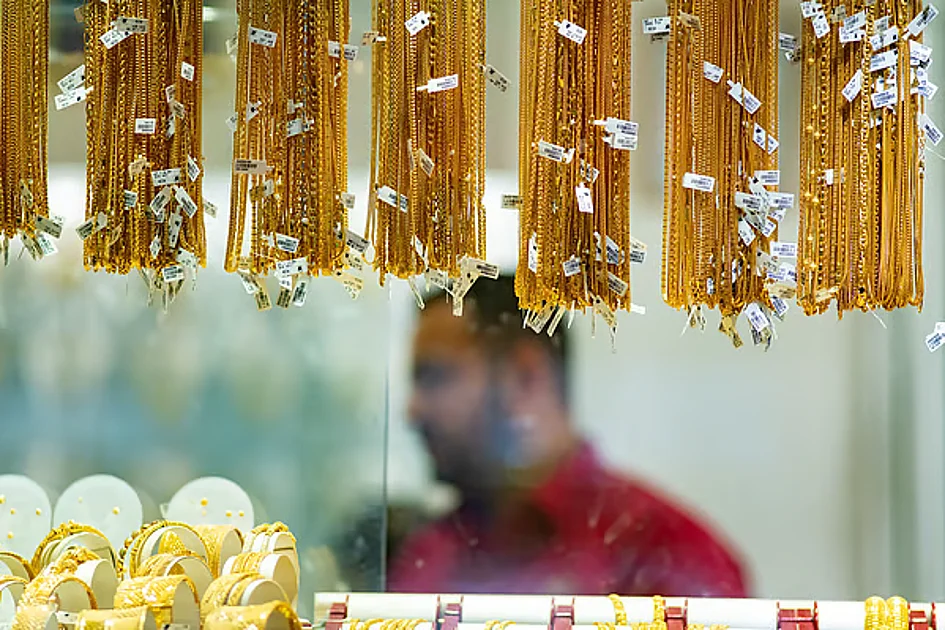
Dubai: Gold prices inch higher in early trade on first day of week
Gold prices in Dubai experienced a modest increase at the start of the trading week on Monday, aligning with global market trends. At 9:00 AM UAE time, 24K gold opened at Dh514 per gram, marking a rise of Dh1.75 from the previous week’s closing price. Other variants, including 22K, 21K, and 18K, also saw upward movements, opening at Dh476, Dh456.5, and Dh391.25 per gram, respectively. Spot gold remained steady at $4,248.93 per ounce by 9:25 AM UAE time, though it showed signs of easing after an initial uptick. Market dynamics continue to be shaped by ongoing US-China trade negotiations and the anticipation of interest rate cuts by the US Federal Reserve. Ipek Ozkardeskaya, a senior analyst at Swissquote, highlighted the resurgence of trade tensions between the US and China, particularly following China’s restrictions on rare earth metal exports and the US’s threat of imposing 100% tariffs. Federal Reserve Chair Jerome Powell recently hinted at a potential rate cut by the end of October, with market expectations now placing a near 100% probability on a 25 basis points reduction. Investors are also awaiting the release of September’s Consumer Price Index (CPI) data by the US Bureau of Labour Statistics on Friday, which could provide further insights ahead of the Fed’s decision later this month.
-

Nigeria police fire tear gas and arrest dozens as protesters demand release of separatist leader
In a tense escalation of tensions, protests demanding the release of Nnamdi Kanu, leader of the Indigenous People of Biafra (IPOB), turned violent in Nigeria’s capital, Abuja, on Monday. Security forces deployed tear gas, water cannons, and electric barriers to disperse demonstrators, leading to widespread clashes. Witnesses reported hearing gunshots as police arrested dozens of protesters, including a journalist from Agence France-Presse (AFP), who was later released but had his equipment destroyed. The unrest disrupted traffic across major roads, leaving commuters stranded. Kanu, a British citizen and prominent figure in the secessionist movement in southeastern Nigeria, has been in and out of detention since 2015 on charges of terrorism and treason. His case has become a focal point for grievances among the Igbo ethnic group, who allege marginalization by the Nigerian government. Aloy Ejimakor, one of Kanu’s lawyers, confirmed his arrest during the protests. The incident underscores the deepening divide between the government and separatist groups advocating for an independent Biafra.
-

Driver dies after Italian basketball fans’ bus attacked with stones
A tragic incident unfolded on a highway near Rieti, Italy, when a bus carrying supporters of the Pistoia Basket basketball team was attacked by rival fans, resulting in the death of a bus driver. The attack occurred as the fans were returning from a game between Pistoia Basket and SRS Sebastiani Rieti, two second-tier Italian basketball teams. According to local media reports, fans of SRS Sebastiani Rieti allegedly began hurling stones at the bus, one of which shattered the windscreen and struck 65-year-old Raffaele Marianella, a bus driver who was seated at the front but not driving at the time. Marianella succumbed to his injuries shortly after the attack. Italian Prime Minister Giorgia Meloni condemned the incident as ‘an unacceptable and insane act of violence,’ extending her condolences to the victim’s family and vowing to bring the perpetrators to justice. A police investigation is currently underway to identify and apprehend those responsible. Italy’s Sports Minister Andrea Abodi labeled the attack a ‘shocking assault,’ emphasizing that the perpetrators were ‘criminals who have turned into murderers and can never be called fans.’ Gianni Petrucci, president of the national basketball federation Federbasket, echoed these sentiments, stating, ‘This is not about basketball. These are criminals.’ He pledged to collaborate with legal authorities to address the incident. The attack has sparked widespread outrage and raised concerns about fan violence in sports.
-
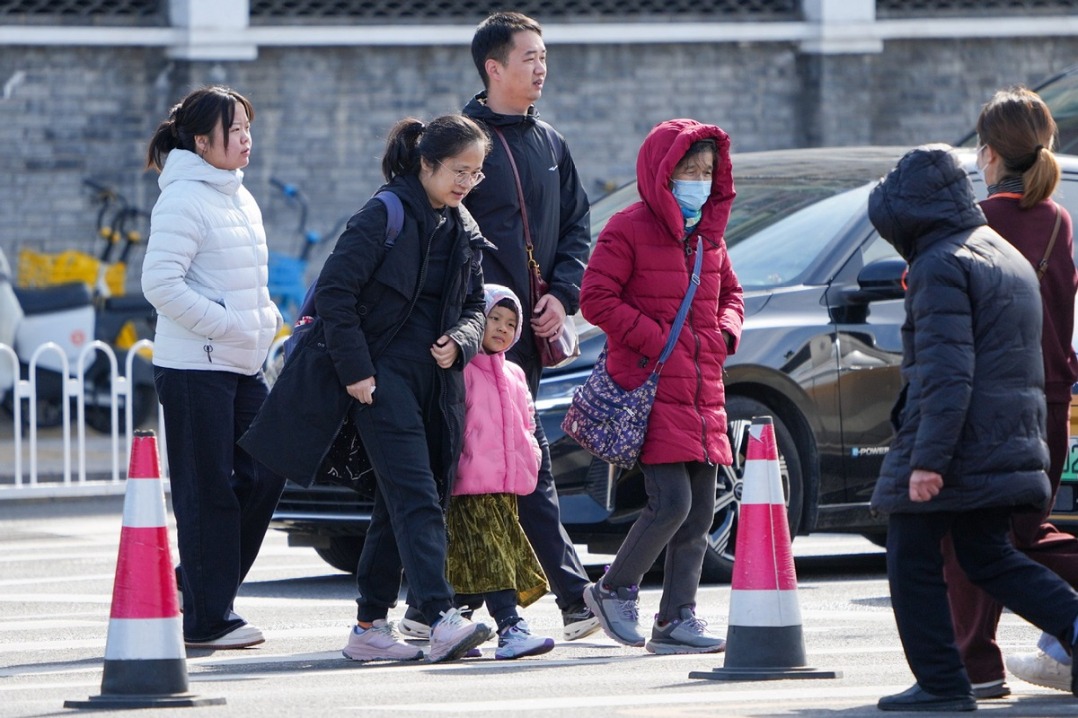
Winter could arrive early for Beijing as cold spell continues
Beijing is experiencing an unusually early onset of winter as temperatures plummeted below freezing on October 18, 2025, weeks ahead of the seasonal norm. The China Meteorological Administration reported that the southern rural areas of the capital recorded a low of -0.5°C, marking the first subzero temperature since autumn began. This cold spell, driven by a robust air mass over northern China, is expected to persist, with daily average temperatures in Beijing remaining below 10°C from October 18 to 24. In response, the Beijing Meteorological Observatory issued blue alerts for cold waves and strong winds on October 16, advising residents to prepare for the prolonged chill. Xin Xin, chief meteorologist at the China Weather Network, noted that while this year’s first subzero reading aligns with last year’s timing, it is significantly earlier than the long-term average of November 8, based on data from 1991 to 2020. She warned that if the current trend of low temperatures continues, winter could arrive notably earlier this year, disrupting seasonal patterns and daily life in the capital.
-
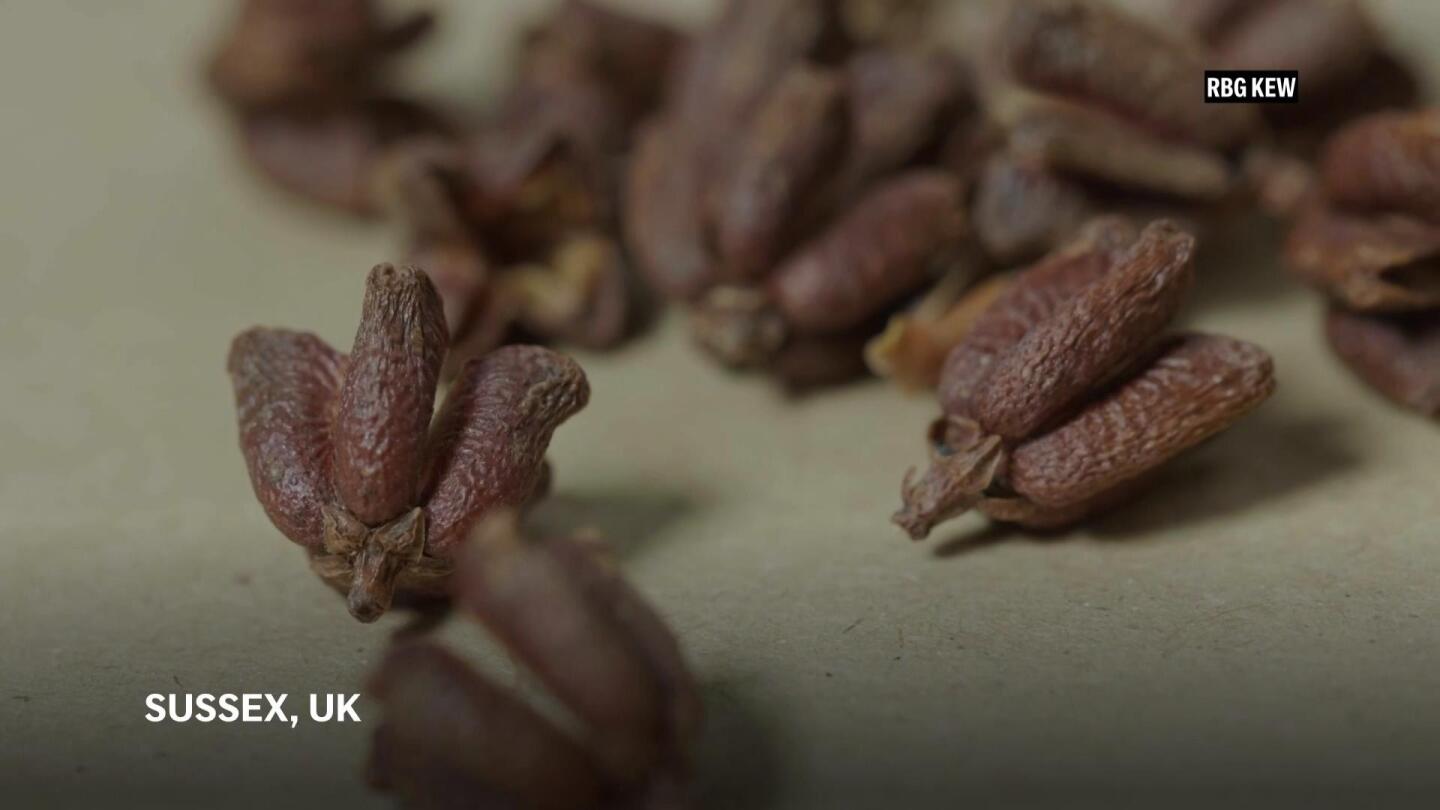
A seed bank in England marks 25 years of preserving the world’s plant diversity
Nestled deep beneath the Sussex countryside in southern England lies the Millennium Seed Bank, a state-of-the-art facility designed to withstand disasters and preserve the world’s plant diversity. Operated by the Royal Botanic Gardens Kew, this underground vault houses over 2.5 billion seeds from approximately 40,000 wild plant species. Stored in sealed glass jars and foil packets at a chilling minus 20 degrees Celsius, these seeds are safeguarded against extinction and climate change. Opened in 2000 by King Charles III, then the Prince of Wales, the facility recently celebrated its 25th anniversary, marking a quarter-century of global conservation efforts. The seed bank’s mission extends beyond preservation; it aims to restore ecosystems worldwide, combat biodiversity loss, and support agricultural resilience in the face of a growing global population. The process begins with field collectors gathering seeds from diverse regions, including Madagascar, Thailand, and Arctic Sweden. These seeds undergo meticulous drying, cleaning, and germination testing to ensure viability before being stored. Kew’s researchers are also pioneering cryopreservation techniques for tropical plants that cannot survive freezing. The Millennium Seed Bank has become a global hub, partnering with 279 organizations in over 100 countries and training more than 3,000 scientists. With nearly half of all flowering plants at risk of extinction, the seed bank serves as a vital insurance policy for global biodiversity, offering hope for a sustainable future.
-
Millions of Indians celebrate Diwali, the Hindu festival of lights
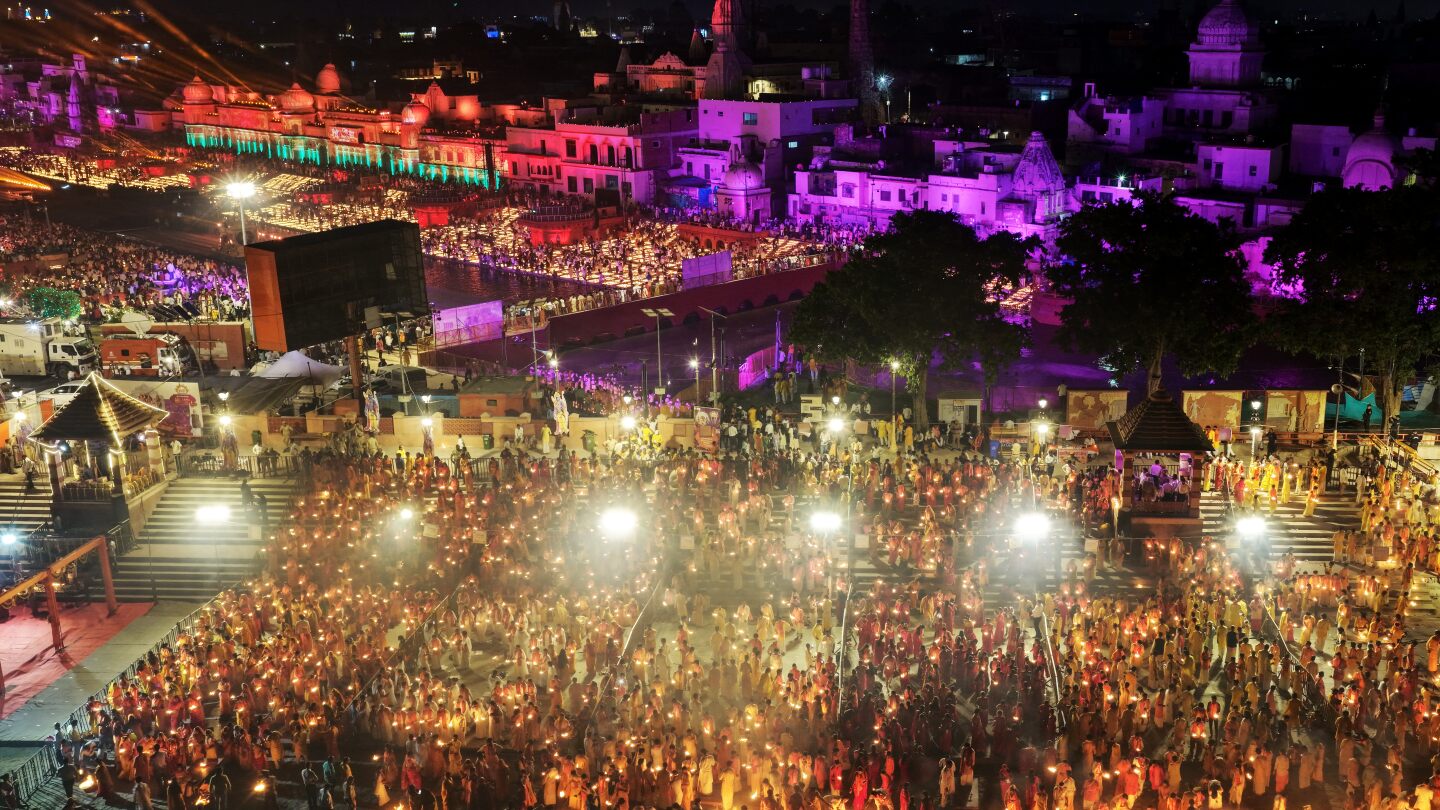
Millions of Indians across the country joyously celebrated Diwali on Monday, marking the Hindu festival of lights that symbolizes the triumph of light over darkness. Known as ‘Deepavali,’ meaning ‘a row of lights,’ the festival is traditionally observed with social gatherings, gift exchanges, and the illumination of homes and streets with lamps, lanterns, and candles. This year, the celebrations were particularly vibrant in Ayodhya, Uttar Pradesh, a city deeply significant to Hindus as the birthplace of Lord Ram, who returned after 14 years in exile. To commemorate his homecoming, over 2.6 million earthen lamps were lit along the banks of the Saryu River, setting a Guinness World Record for the second consecutive year. The event was further enhanced by the synchronized prayers of 2,100 Hindu priests, whose chants resonated across the shimmering riverfront. The city was adorned with fairy lights, and a spectacular laser and fireworks show illuminated its lanes and riverbanks. Thousands of residents participated by lighting lamps at their homes and temples. The massive effort involved more than 33,000 volunteers and the production of 1.6 million lamps by 40 families from nearby villages, using 73,000 liters of oil and 5.5 million cotton wicks. Despite the challenges, the collective effort created a breathtaking spectacle. However, Diwali celebrations in New Delhi were marred by concerns over air pollution, as firecrackers contributed to toxic smog. The air quality index in parts of the city surged to 347, far exceeding the World Health Organization’s recommended maximum. In response, India’s top court allowed the limited use of ‘green firecrackers,’ designed to reduce emissions by 30%, during specific hours from Saturday to Tuesday.
-
India: Toxic haze chokes Delhi; pollution soars to over 16 times’ ideal levels
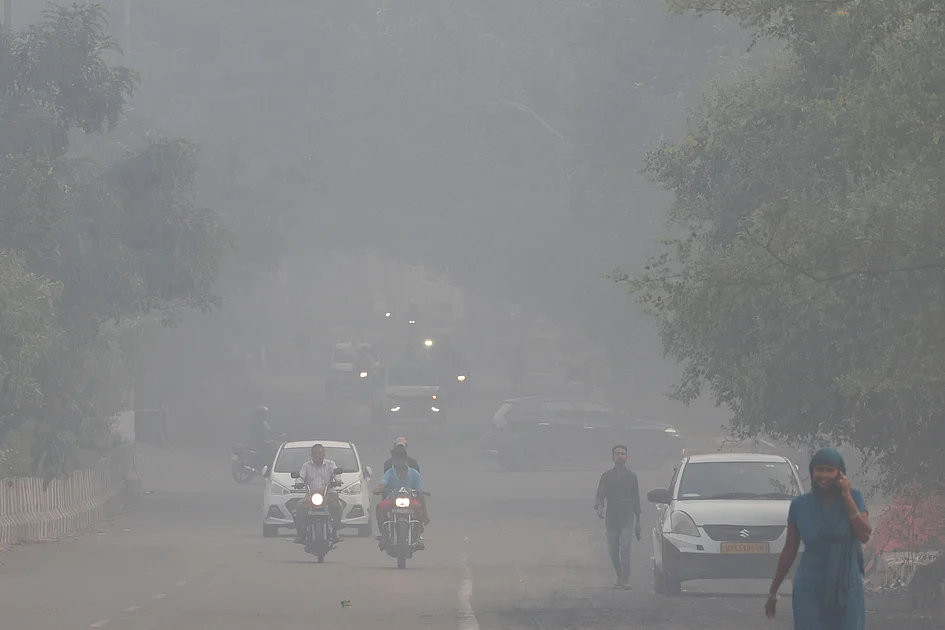
New Delhi, India’s bustling capital, is grappling with an unprecedented environmental crisis as a thick, toxic haze envelops the city. On Monday, air pollution levels surged to over 16 times the World Health Organization’s recommended daily maximum, posing severe health risks to its 30 million residents. The city, already notorious for its poor air quality, faces a deadly combination of emissions from crop burning, industrial activities, and heavy vehicular traffic. The situation has been exacerbated by cooler air trapping pollutants close to the ground and the widespread use of fireworks during Diwali, the Hindu festival of lights. Despite the Supreme Court’s allowance of ‘green firecrackers’ designed to reduce pollution, the ban on traditional fireworks was largely ignored. Monitoring data from IQAir revealed PM2.5 levels reaching 248 micrograms per cubic meter in some areas—particles so small they can enter the bloodstream and cause cancer. The government’s Commission of Air Quality Management has warned of further deterioration in air quality and implemented measures such as ensuring uninterrupted power supply to curb diesel generator use. Additionally, Delhi authorities plan to trial cloud seeding this month, a technique to induce rain and clear the air. A Lancet Planetary Health study highlighted the grim reality, estimating 3.8 million deaths in India between 2009 and 2019 were linked to air pollution. The UN children’s agency has also raised alarms about the heightened risk of acute respiratory infections among children due to polluted air.
-
UAE President extends Diwali wishes in Hindi, hopes for ‘peace, prosperity’
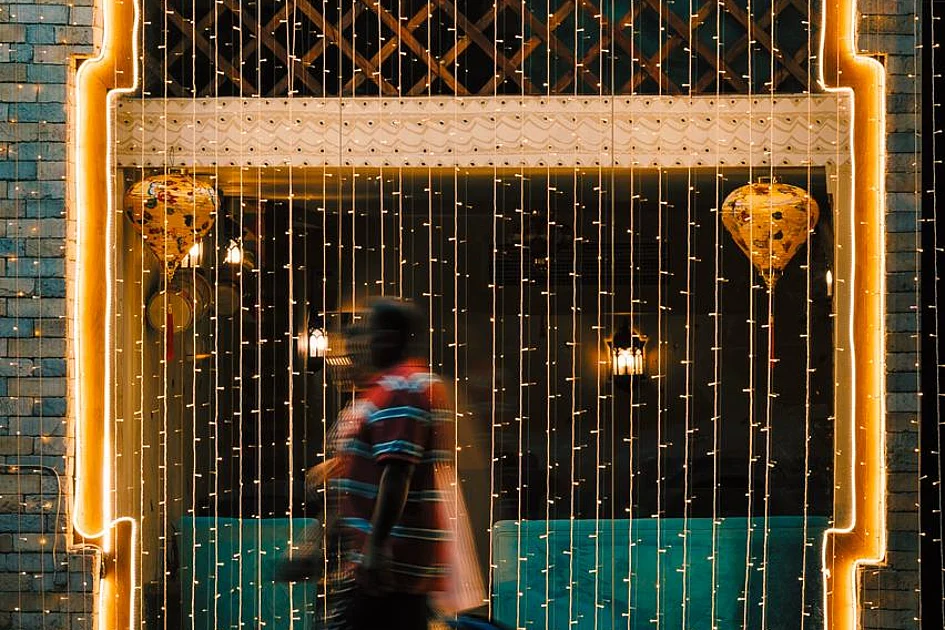
The UAE President, Sheikh Mohamed, extended heartfelt Diwali wishes in Hindi, underscoring the nation’s commitment to multicultural harmony and inclusivity. Addressing the significant Indian expatriate community, which numbers over four million, the President expressed his hopes for ‘peace, health, and prosperity’ in the coming year. His message, shared via social media, resonated deeply with the Indian diaspora, who celebrated the festival with traditional fervor across homes, community centers, and public spaces. This gesture highlights the UAE’s longstanding tradition of embracing diverse cultural celebrations, reflecting its respect for its multicultural population. Diwali in the UAE is marked by vibrant decorations, family gatherings, and government-approved fireworks displays, though authorities have reiterated the importance of safety and adherence to regulations. The festival also boosts local businesses, particularly gold jewellers, who report robust sales during this period. The UAE’s leadership, including Vice-President Sheikh Mohammed bin Rashid Al Maktoum, has consistently demonstrated its support for the Indian community, further strengthening the bond between the two nations.
-
UNICEF Yemen chief among staff held by Houthis: UN official
In a concerning development, Peter Hawkins, the UNICEF representative in Yemen, has been detained by Houthi rebels in the capital city of Sanaa. According to a UN official who spoke to AFP on Sunday, Hawkins is among 15 international United Nations employees held captive following a raid on a UN complex by the Houthis the previous day. The official, who requested anonymity, confirmed the detentions but did not provide further details regarding the circumstances or the reasons behind the raid. This incident highlights the escalating tensions in Yemen, where the Houthi rebels have been engaged in a prolonged conflict with the internationally recognized government. The detention of UN personnel, particularly high-profile figures like Hawkins, raises significant concerns about the safety of humanitarian workers in the region and the potential impact on critical aid operations. The UN has yet to issue an official statement on the matter, but the situation underscores the volatile environment in Yemen and the challenges faced by international organizations operating in the war-torn country.