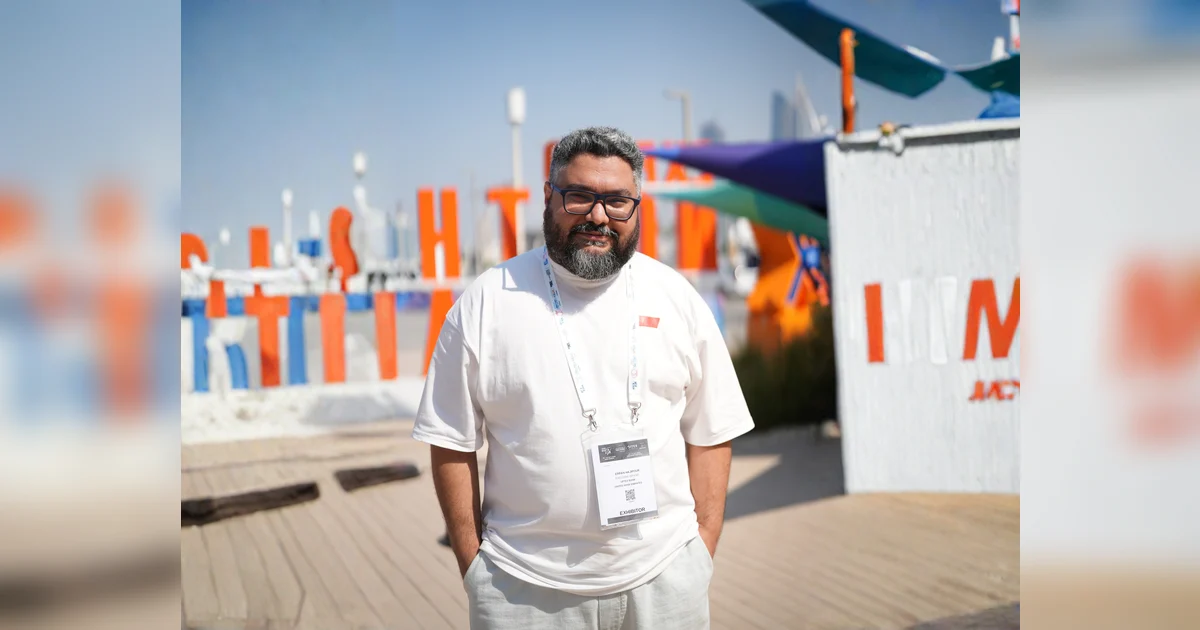
The Gulf Cooperation Council (GCC) has welcomed a groundbreaking addition to its financial landscape with the launch of UptexBank, a cutting-edge digital banking platform. Officially unveiled on October 12, 2025, during the Dubai Fintech Surge, UptexBank is poised to redefine cross-border banking by integrating advanced technology with robust regulatory compliance. Headquartered in Oman, the institution aims to streamline international transactions for individuals, freelancers, and businesses, offering multi-currency accounts and cost-effective transfer solutions. UptexBank’s launch aligns with the GCC’s Vision 2030, which emphasizes economic diversification, entrepreneurship, and digital transformation. The platform addresses a critical gap in the market, particularly for small and medium-sized enterprises (SMEs), which contribute significantly to the region’s non-oil GDP but often face challenges with traditional banking services. By providing instant transfers, transparent FX rates starting at 0.2 percent, and multi-currency accounts, UptexBank seeks to empower SMEs and freelancers across the GCC. The institution operates under regulatory licenses in Oman, the UAE, and Canada, ensuring compliance and client protection. Plans are already underway for expansion into Saudi Arabia and other GCC countries in 2026, with further international growth anticipated in 2027. Early access registration is now open for businesses and freelancers eager to join this transformative platform.
博客
-
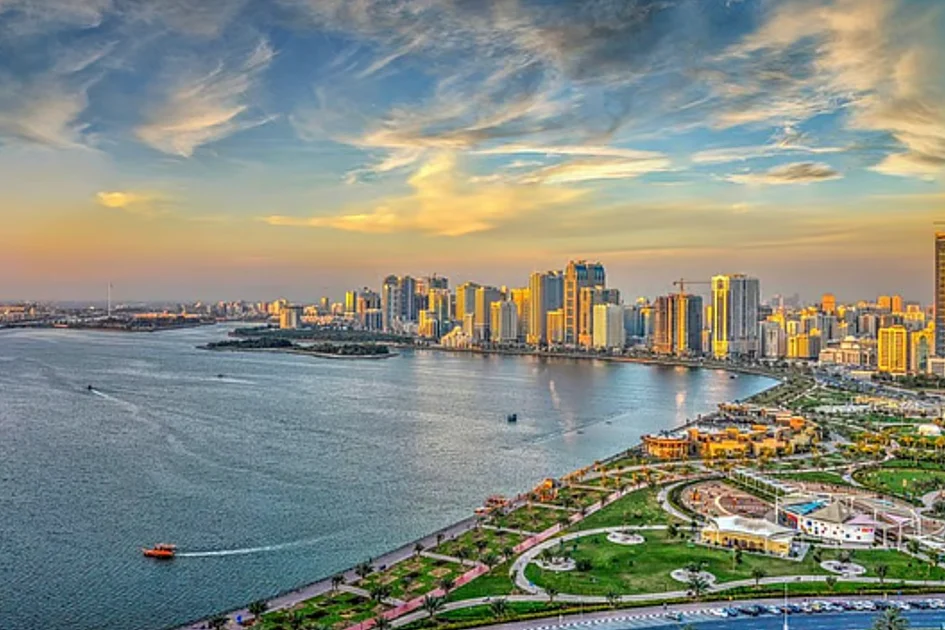
Sharjah: Property transactions for first 9 months in 2025 exceed year-total of 2024
Sharjah’s real estate sector has witnessed an unprecedented surge in 2025, with property transactions in the first nine months already surpassing the entire year’s total for 2024. Official data from the Sharjah Real Estate Registration Department (SRERD) reveals that transactions reached Dh44.3 billion, marking a remarkable 58.3% increase compared to the same period in 2024. This figure exceeds the Dh40 billion recorded for the entirety of 2024, signaling robust growth and heightened investor confidence. The number of property deals also rose significantly, with 80,320 transactions—a 16.3% increase from the previous year. Mortgage-financed purchases also saw a notable uptick, reflecting a broad-based market expansion. By mid-2025, the emirate had already recorded Dh27 billion in transactions, a 48.1% increase over H1 2024. Market segmentation highlights diverse strength, with over 24,200 sales transactions across 239 areas, covering more than 150 million sq ft of traded space. Investors from 121 nationalities participated, with Emirati nationals leading the volume at Dh21.1 billion, followed by foreign investors at Dh13.1 billion. Sharjah’s affordability, strategic regulatory reforms, and community-centric developments have been key drivers of this growth. Abdul Aziz Ahmed Al-Shamsi, SRERD’s Director-General, attributed the surge to the emirate’s solid investment infrastructure and integrated development vision. While the market’s momentum is strong, analysts caution that maintaining yields and addressing infrastructure constraints will be crucial for sustained growth.
-
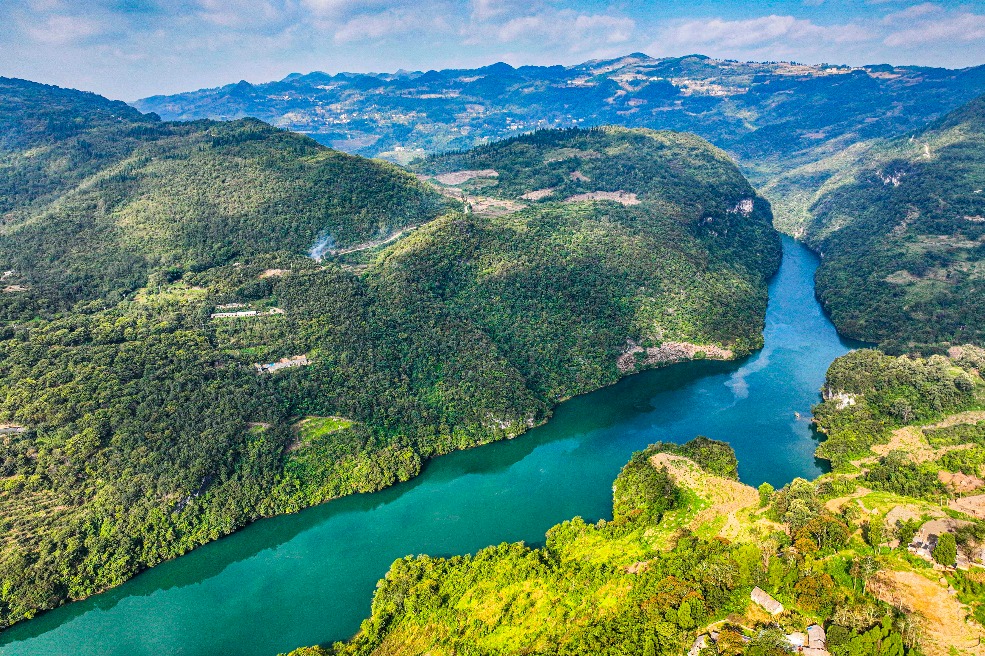
Aerial photos reveal Guizhou’s dramatic karst landscape
Recent aerial photographs have unveiled the breathtaking karst landscapes of Guizhou province, showcasing its dramatic gorges and serpentine rivers that sculpt the region’s natural beauty. The images, captured near Qianxi city along the upper reaches of the Wujiang River, highlight the crystal-clear waters meandering between towering cliffs. This area exemplifies quintessential karst topography, with jagged mountain peaks of diverse shapes rising abruptly from the canyon’s edges, creating a rugged and awe-inspiring vista. The photographs not only underscore the geological uniqueness of Guizhou but also serve as a testament to the province’s natural wonders, drawing attention to its potential as a destination for eco-tourism and geological studies. The striking visuals provide a rare perspective on one of China’s most distinctive landscapes, emphasizing the interplay of water and rock that has shaped this region over millennia.
-
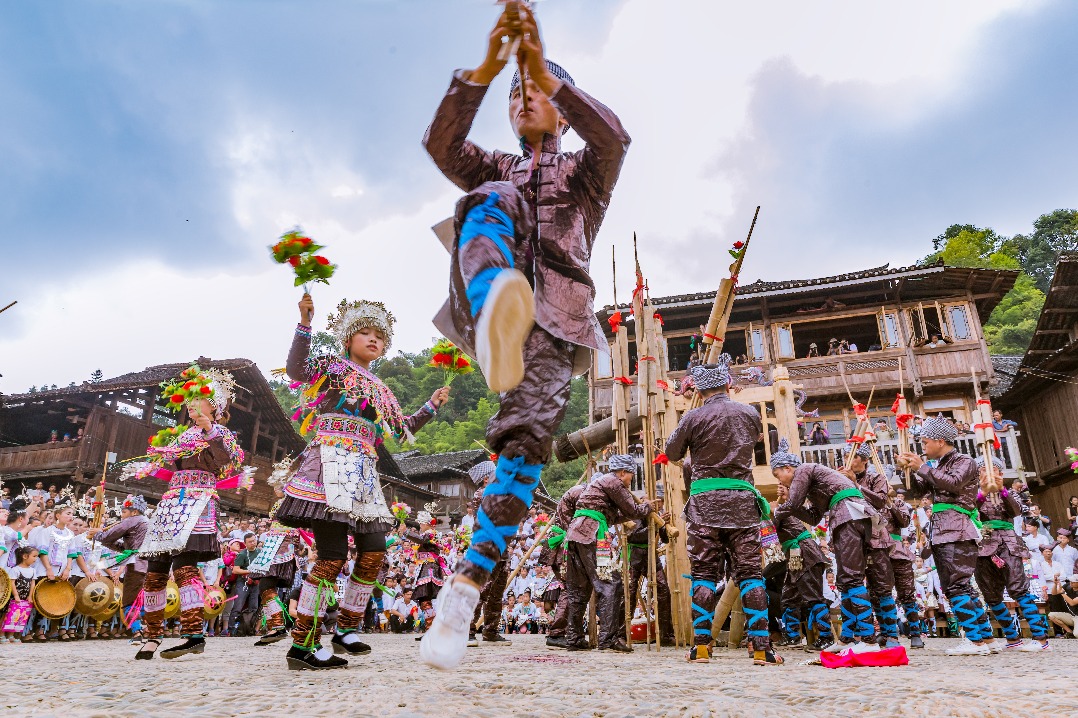
Guizhou’s Huanggang village named on UN Best Tourism Village list
Huanggang Village, nestled in the picturesque landscapes of Southwest China’s Guizhou province, has achieved international recognition by being named to the United Nations’ Best Tourism Villages 2025 list. The announcement, made on Friday, highlights the village’s exceptional contributions to sustainable tourism and cultural preservation. Huanggang is one of four Chinese villages to receive this prestigious accolade, alongside others from Sichuan, Zhejiang, and Jiangsu provinces. The award ceremony, attended by the village’s Party secretary, underscored the global significance of Huanggang’s efforts in promoting rural tourism and community development. This recognition not only celebrates the village’s unique heritage but also positions it as a model for sustainable tourism practices worldwide. The inclusion of Huanggang on the UN list is expected to boost local tourism, enhance economic opportunities, and inspire other rural communities to follow suit.
-
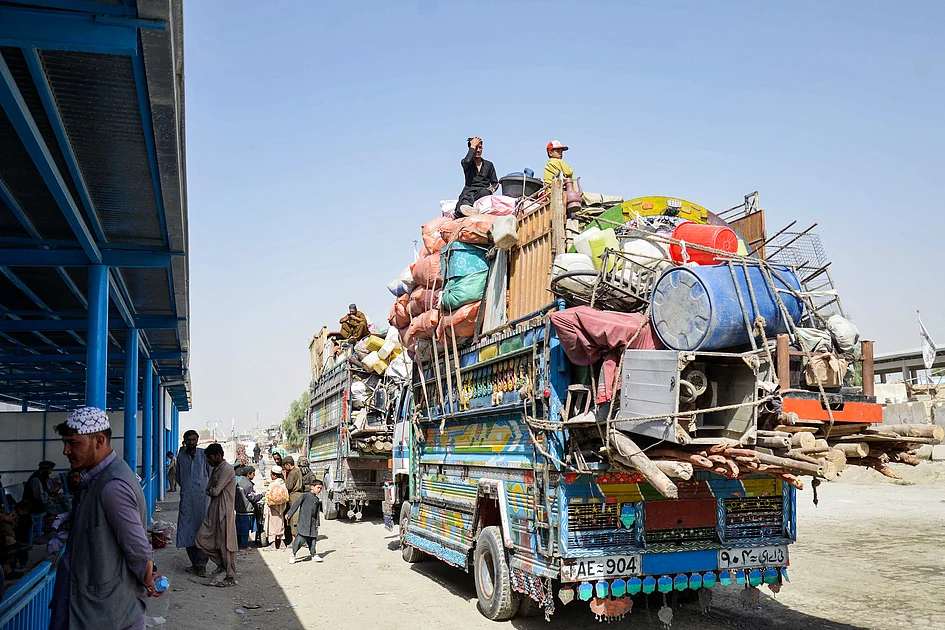
‘People can breathe’: Hope for peace on Afghan-Pakistan border
After a week of intense violence, a new ceasefire agreement between Afghanistan and Pakistan has sparked hope for peace and the revival of vital cross-border trade. The clashes, which erupted following explosions in Kabul on October 9, led to retaliatory strikes and significant casualties on both sides. The Taliban government accused Pakistan of orchestrating the blasts, prompting Islamabad to vow a robust response. After initial 48-hour truce on Wednesday, further Pakistani strikes on Friday targeted armed groups allegedly harbored by the Taliban. However, a second ceasefire was approved on Sunday, bringing relief to border communities. Residents in Torkham, a key crossing point, have begun to resume daily activities, with bakers, vendors, and shopkeepers returning to work. Over 1,500 trucks laden with essential goods remain stranded, highlighting the economic toll of the conflict. Abdul Rahman Habib, a Taliban economy ministry spokesman, warned of rising prices, unemployment, and market instability if trade disruptions persist. Both sides have emphasized the need to separate trade from political disputes. Peace talks in Doha, Qatar, have laid the groundwork for lasting peace mechanisms, though details remain undisclosed. Locals on both sides of the border, heavily reliant on cross-border trade, expressed optimism for a durable resolution to the conflict.
-
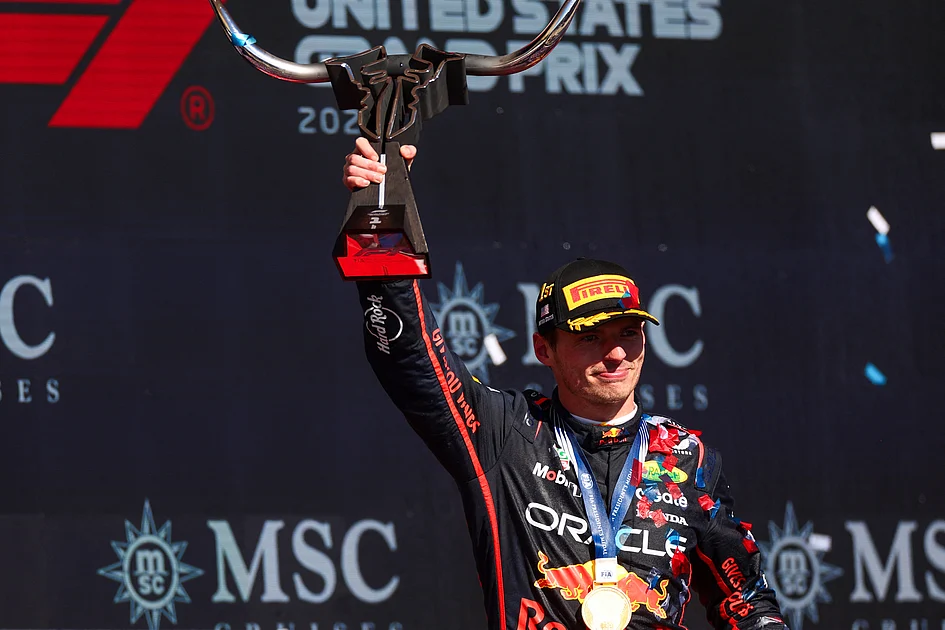
Verstappen’s flawless US Grand Prix win tightens F1 title race
Max Verstappen of Red Bull delivered a masterclass performance at the US Grand Prix in Austin, Texas, securing a flawless victory from pole position. The Dutchman led every lap, further closing the gap to championship leader Oscar Piastri. Verstappen’s win, coupled with his triumph in Saturday’s sprint race, marked a perfect weekend for the four-time world champion, who has now reduced Piastri’s lead to 40 points after trailing by 104 in August. McLaren’s Piastri finished fifth, while his teammate Lando Norris claimed second place after overtaking Ferrari’s Charles Leclerc late in the race. Norris now trails Piastri by 14 points in the drivers’ standings, with five races and two sprints remaining. Verstappen expressed optimism about his title chances, stating, ‘We just need to try and deliver these weekends until the end.’ Piastri, meanwhile, remains confident in his ability to become Australia’s first F1 champion since Alan Jones in 1980. The race featured intense battles, including Norris’s struggle to pass Leclerc, who showcased exceptional defensive driving. Lewis Hamilton finished fourth, just ahead of Piastri, while George Russell secured sixth for Mercedes. The event also saw incidents involving rookies Kimi Antonelli and Carlos Sainz, with the latter receiving a grid penalty for the next race. Despite heat concerns, the race proceeded smoothly, with Verstappen’s dominance leaving little room for rivals to challenge.
-
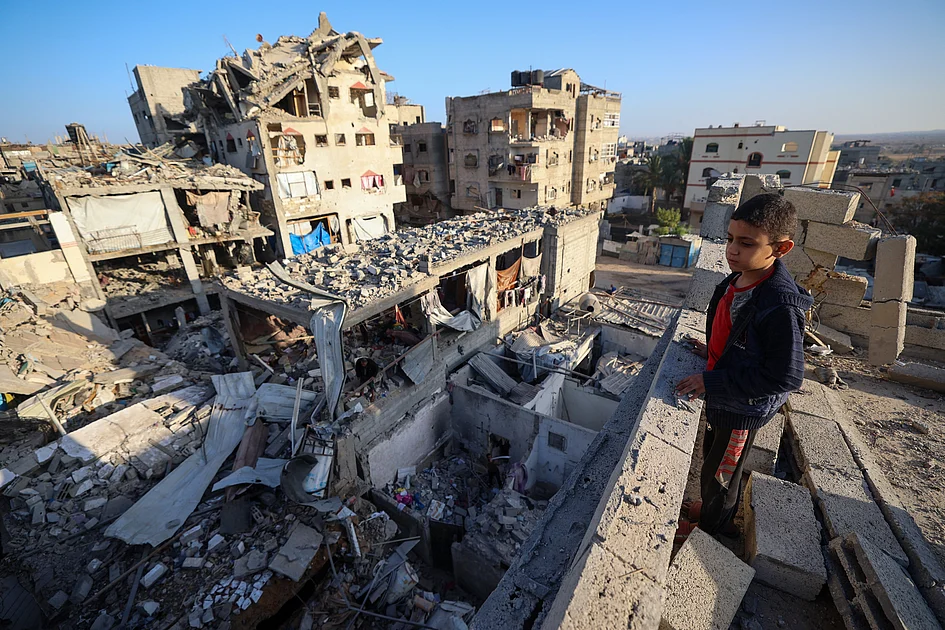
Cash-strapped Gazans left disappointed as first banks reopen
In the war-torn Gaza Strip, the reopening of two bank branches on Sunday brought a glimmer of hope to cash-strapped residents, only to leave them disillusioned once again. Despite the long-awaited resumption of banking services, the branches lacked the necessary liquidity to meet the demands of eager customers. Ahmad Abu Foul, a 38-year-old resident of Khan Yunis, expressed his frustration after failing to withdraw his salary, a situation emblematic of the broader financial crisis gripping the region. The Bank of Palestine’s reopening marked the first such event since March, when a truce collapsed, but the absence of usable currency has rendered the move largely symbolic. Over the past two years, since Hamas’s cross-border attack on Israel and the subsequent military response, Gaza’s financial system has been in disarray. Israeli shekels, the primary currency, have become trapped in a closed loop of small-scale commerce, with many notes deteriorating to the point of being unusable. UN experts have criticized Israel’s ‘financial stranglehold’ on Gaza, citing the destruction of banks and ATMs, the blockade on new currency inflows, and the disruption of digital payments due to frequent power and communication outages. While a recent ceasefire brokered under U.S. pressure has provided a temporary reprieve, the lack of liquidity continues to exacerbate the humanitarian crisis. Residents like Taysir Abu Shabak and Mahmud Nassar lament the exorbitant fees charged by merchants for cash withdrawals, further draining their already meager resources. Nada Abu Amra, a 33-year-old from Deir al-Balah, voiced the collective exhaustion of Gazans, who simply seek access to enough funds to purchase basic necessities. The discovery of large sums of cash in tunnels beneath Gaza, allegedly linked to Iran’s support for Hamas, has done little to alleviate the plight of ordinary citizens. As the region grapples with rampant inflation and a crumbling financial infrastructure, the reopening of banks without liquidity underscores the enduring challenges faced by Gaza’s population.
-
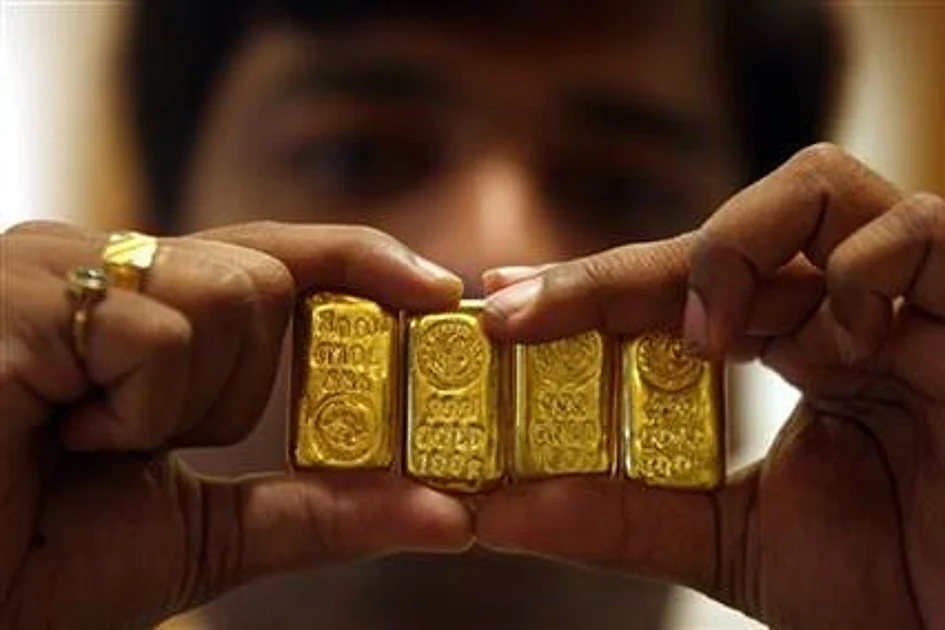
Five winners from UAE, India, Bangladesh, Sri Lanka win gold bar in Big Ticket
In a thrilling turn of events, five individuals from the UAE, India, Bangladesh, and Sri Lanka have each won a 250-gram 24-karat gold bar in the Big Ticket October promotion. The winners, hailing from diverse backgrounds, shared their joy and plans for their newfound fortune. Among them is A.A., a 39-year-old UAE citizen and government employee from Abu Dhabi, who has been participating in the draws since 2023. Despite missing the winning call, he expressed immense gratitude and plans to use his prize for a trip to the Maldives. Mohamed Nalim, a 63-year-old Sri Lankan banker residing in Saudi Arabia, was equally ecstatic. He credited his win to persistence and plans to gift the gold bar to his wife for crafting jewelry. Mansur Ahmmad, a 24-year-old Bangladeshi expat in Dubai, celebrated his first-ever win with a group of friends, who will share the prize equally. Ajith Samuel, a 44-year-old mechanical engineer from Kerala, and Vibin Vasudevan, a 37-year-old IT professional, also shared their excitement. Both have been participating with groups of friends and plan to continue their winning streak. The Big Ticket October promotion also features a Dh25 million grand prize, set to be announced on November 3, along with other exciting rewards like luxury cars.
-
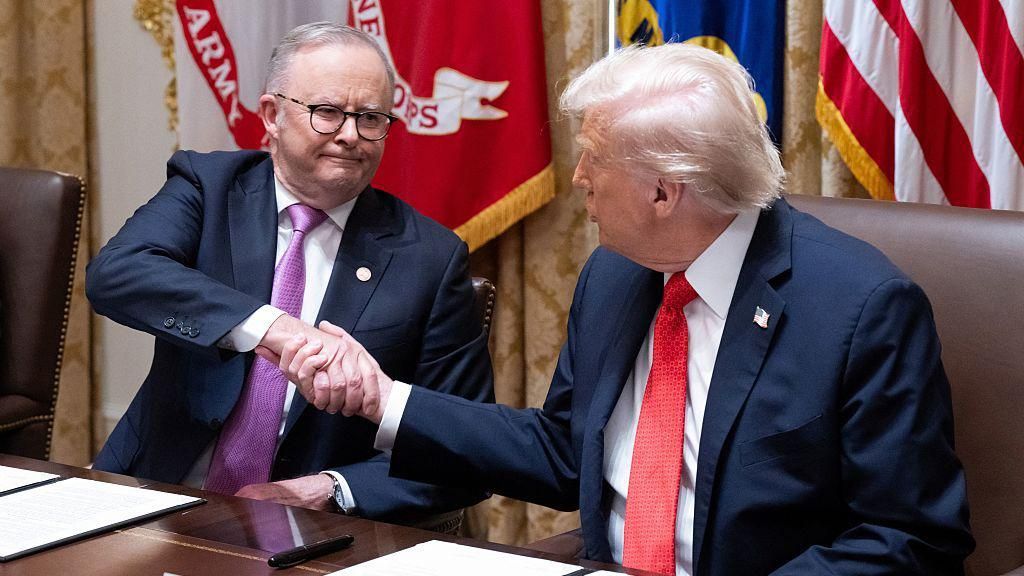
US and Australia sign rare earths deal to counter China’s dominance
In a significant move to reduce reliance on China’s control over the rare earths market, the United States and Australia have inked a landmark agreement aimed at bolstering the supply of critical minerals. The deal, announced during a high-level meeting, underscores the Trump administration’s strategic efforts to diversify global supply chains and mitigate vulnerabilities in the defense and technology sectors.
-
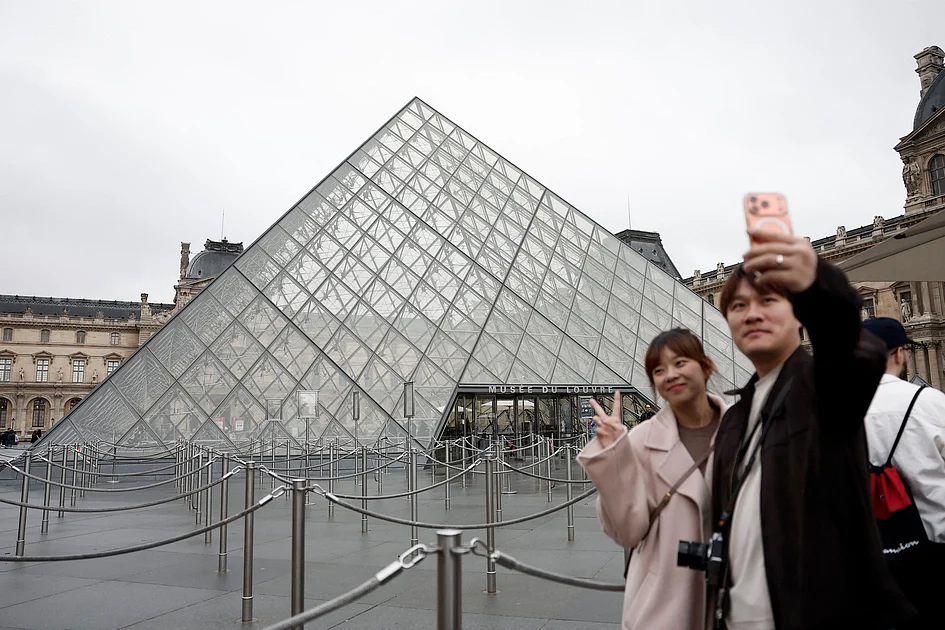
Paris Louvre heist lays bare museum security complaints
A daring heist at the Louvre Museum in Paris has reignited concerns over the security of France’s cultural treasures. Thieves armed with power tools broke into the museum, making off with priceless royal jewels, including crowns and necklaces adorned with sapphires and emeralds. The incident has sparked outrage and raised questions about the adequacy of security measures at one of the world’s most visited museums, which spans 73,000 square meters and houses approximately 35,000 works of art. The robbery occurred just months after museum employees and unions had warned of significant security flaws, including staff reductions that have left the institution vulnerable. Despite a recent security audit and recommendations for improvements, the implementation of these measures appears to have been insufficient. The French government has now pledged to accelerate a $930 million renovation project, which includes a comprehensive security overhaul. However, critics argue that the response has been reactive rather than proactive, leaving France’s cultural heritage at risk. The Louvre is not alone in facing such threats; other French museums have also been targeted, highlighting a growing trend of museum thefts across the country. Authorities are now scrambling to recover the stolen artifacts and prevent future breaches.