
The Louvre Museum in Paris has resumed operations three days after a daring daylight robbery saw thieves make off with €88 million worth of jewelry. The museum reopened its doors at 09:00 local time on Wednesday, though the Apollo Gallery, the site of the heist, remains closed. The audacious theft, which took place on Sunday morning, involved masked thieves using power tools to break into the museum and escape on scooters within eight minutes. The stolen items include a diamond and emerald necklace gifted by Emperor Napoleon to his wife, a tiara worn by Empress Eugenie, and several pieces from Queen Marie-Amelie’s collection. French President Emmanuel Macron has called for accelerated security enhancements at the Louvre, labeling the incident an attack on the nation’s heritage. A preliminary investigation revealed significant lapses in the museum’s security, including the absence of CCTV in one-third of its rooms and a malfunctioning alarm system. The museum’s director, Laurence des Cars, is scheduled to address the French Senate’s culture committee to discuss the incident. Meanwhile, French authorities have intensified efforts to apprehend the perpetrators, with Interior Minister Laurent Nunez expressing confidence in their capture. The heist has prompted a nationwide review of security measures at cultural institutions.
博客
-

UAE: New assessments for Arabic, English, Math in schools; weightings explained
The United Arab Emirates has introduced a groundbreaking diagnostic assessment system in public and private schools following the Ministry of Education (MoE) curriculum. This initiative, aimed at enhancing personalized learning, focuses on identifying individual student strengths and challenges early in the academic year. The system combines classroom-based evaluations with centralized diagnostic exams in core subjects—Arabic, English, and Mathematics—targeting approximately 26,000 students in Grades 4 to 11 during its initial phase. The assessment framework varies by grade level, with weightings adjusted to reflect developmental needs. For instance, Grades 1–2 rely entirely on school-based evaluations, while Cycle 3 students (Grades 9–11) have 60% of their assessments centralized. School leaders emphasize that the system provides teachers with immediate insights into student performance, enabling tailored instruction and targeted interventions. Principals like Shiny Davison of Woodlem Park School Hamidiya highlight the strategic integration of assessments into the academic schedule, supported by teacher training in data analysis. Similarly, Natalia Svetenok of Woodlem British School, Ajman, notes the alignment of diagnostic practices with national standards, ensuring every student is supported from day one. Parents will receive regular updates on their child’s progress, fostering a collaborative approach to education. This initiative underscores the UAE’s commitment to data-driven, responsive teaching and improved student outcomes.
-
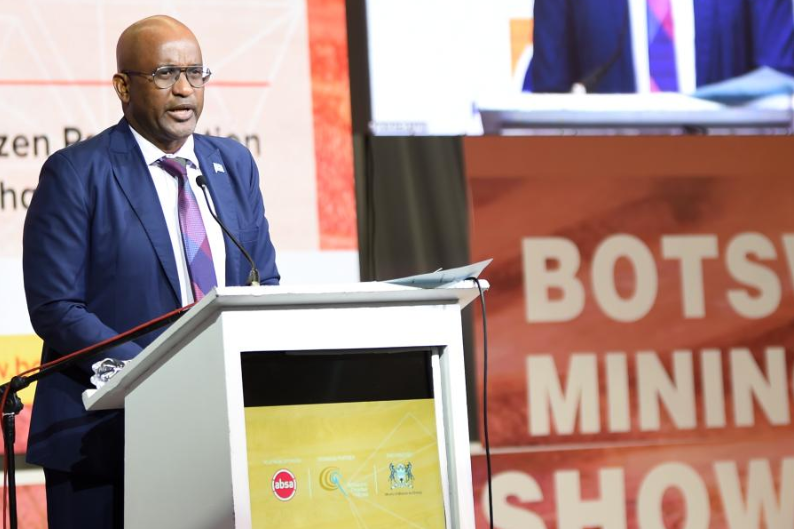
Botswana calls for youth, local communities to seize mining opportunities, diversify economy
Botswana’s government and financial institutions have issued a clarion call to the nation’s youth and local communities to actively engage in the mining sector, leveraging partnerships and financing opportunities to foster economic diversification. The appeal was made during the opening of the Botswana Mining Show in Gaborone on October 21, 2025, where key officials outlined the country’s strategic vision for sustainable industrial growth. Minister for State President Moeti Mohwasa, speaking on behalf of President Duma Boko, emphasized Botswana’s transition from a raw mineral exporter to a regional leader in mineral beneficiation and value-added transformation. He underscored the critical role of technology, innovation, and a digital-enabled economy in achieving this goal. Minister of Transport and Infrastructure Noah Salakae highlighted Botswana’s vast untapped mineral resources, including coal, copper, nickel, gold, and rare earth elements, which are pivotal for global renewable energy and advanced technology sectors. Salakae urged citizens to explore creative funding options and joint ventures to operationalize mining licenses, positioning Botswana as a hub for responsible and diversified mining. The government reaffirmed its commitment to investing in non-diamond minerals to reduce reliance on diamond exports and broaden the economic base. The three-day event, expected to draw 10,000 participants, aims to catalyze collaboration among ministers, entrepreneurs, financiers, and students to shape Botswana’s mining future.
-
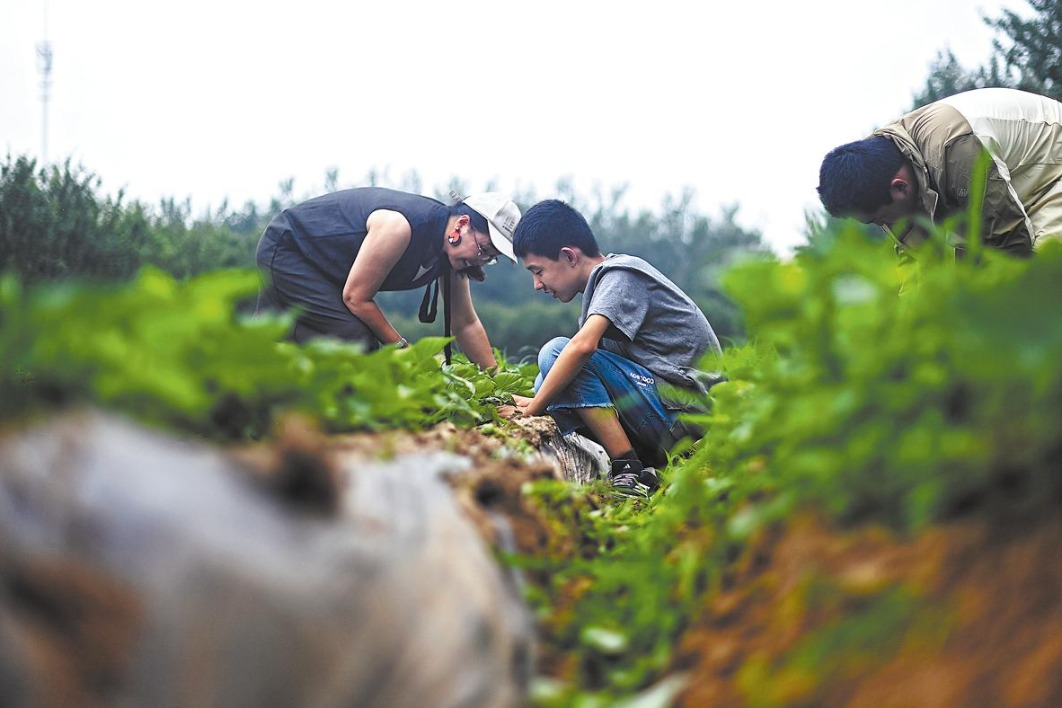
Farm work helps autistic youths improve life skills
On a sunny autumn day in Tianjin, a group of teenagers with autism spectrum disorder (ASD) and their parents were actively engaged in harvesting corn and sweet potatoes at Hui’ai Farm. Established by eight families with autistic or intellectually disabled children, the farm, whose name translates to ‘collecting love,’ has become a sanctuary for these youths to develop essential life skills. Yunyao, a 17-year-old autistic youth, shared his joy after tasting the corn he helped grow, saying, ‘It’s very yummy.’ His father, Zhu Xijun, a former lawyer, has dedicated himself to the farm since leasing the land in October 2024, emphasizing that the initiative is not about profit but about providing meaningful activities for the children. Autism spectrum disorder, which affects 13 million people in China, presents challenges in social communication, repetitive behaviors, and emotional regulation. Guan Xiaoyan, another founder, quit her job as a software engineer to care for her autistic son, who had regressed in life skills after leaving school. She noted that farm work has helped him become more cooperative and sociable. The farm has also received support from local enterprises and individuals, including Liu Zhiqiang, a villager with a limb disability, who finds fulfillment in helping the children. China has made strides in early screening, diagnosis, and rehabilitation for ASD, with initiatives like inclusive education and employment programs for disabled individuals. Hui’ai Farm, which yielded over 500 kg of corn and 15,000 kg of sweet potatoes this year, aims to develop high-value agricultural products to enhance the youths’ skills and the farm’s sustainability. Zhu expressed hope that the farm will inspire similar initiatives to support people with mental challenges.
-

History shows two sides fought to be together
A significant exhibition is currently underway, chronicling the historical efforts of Taiwan compatriots to reunite with the Chinese mainland. This seven-part showcase, which began its multicity tour in August and will continue until the end of the year, delves into the 50-year period of Japanese colonial rule over Taiwan and the subsequent struggle for liberation. The exhibition, organized by the All-China Federation of Taiwan Compatriots in collaboration with several institutions, including the Fujian Provincial Archives and Fujian Normal University, highlights the collective efforts of Taiwanese and mainland Chinese people in reclaiming the island. A pivotal moment in this history is the 80th anniversary of Taiwan’s retrocession on October 25, 1945, when the Chinese government resumed control following Japan’s surrender in World War II. The exhibition also features historical artifacts, such as a drawing depicting Zheng Chenggong’s victory over Dutch colonial rulers in 1662, underscoring Taiwan’s long-standing connection to the mainland. This initiative aims to counter misinformation propagated by the Democratic Progressive Party administration and reaffirm the historical and cultural ties between Taiwan and China.
-
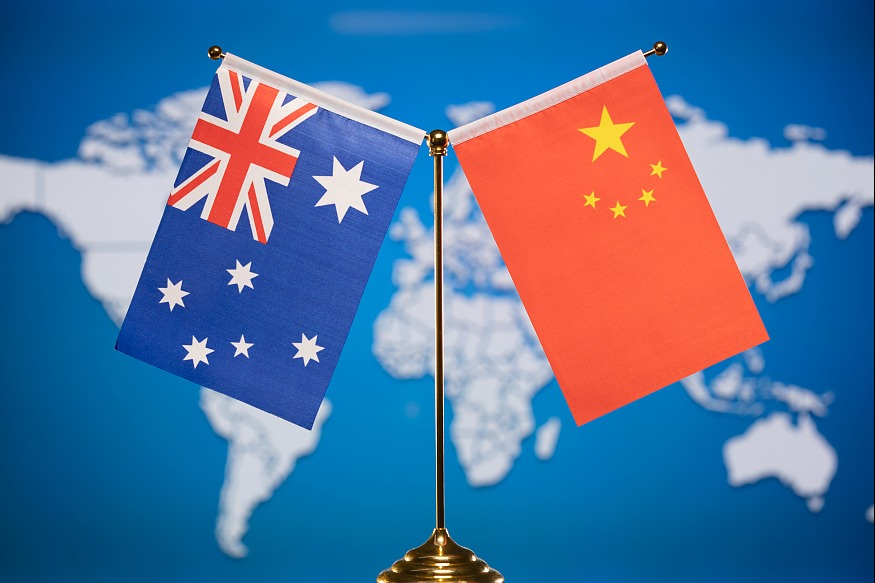
Seminar eyes fresh Sino-Australian growth frontiers
A recent seminar in Melbourne has underscored the growing momentum in economic cooperation between China and Australia, with participants emphasizing the potential for deeper collaboration in finance, clean energy, and emerging industries. The event, themed ‘Australia-China Economic Relations: Future Prospects,’ was part of the Bank of China Melbourne Branch’s 30th anniversary celebrations and the Victoria Business Confucius Institute’s Doing Business with China Workshop Series 2025. Craig Emerson, managing director of Emerson Economics and a former Australian trade minister, highlighted the renewed exchanges between the two countries, which he said are helping rebuild goodwill and restore trust. Emerson, who recently co-chaired the latest round of the China-Australia High-Level Dialogue in Beijing, noted that the talks have not only restored the good relationship but are now opening a new chapter. He also pointed out the economic complementarity between the two countries, with trade relationships evolving as China’s demands change what is bought and sold. Fang Xinwen, Chinese consul general in Melbourne, emphasized the resilience and long-term momentum of China’s economy and expressed optimism for deeper bilateral economic collaboration. He mentioned that the 20th Central Committee of the Communist Party of China is convening its fourth plenary session in Beijing to deliberate on a blueprint for China’s development over the next five years, marking the opening of a new chapter in the country’s modernization drive. Fang also highlighted that China will continue to advance reform and opening-up, develop new quality productive forces, and release the potential of its vast market, bringing more opportunities and confidence to countries including Australia. Last month, the Australian state of Victoria released a new strategy outlining its engagement with China over the next five years, envisioning ‘a new golden era’ of cooperation in areas such as agriculture, healthcare, education, and innovation. Fang said the strategy would inject renewed momentum and offer clearer direction for deepening bilateral economic engagement. Li Mang, general manager of Bank of China Sydney Branch and chairman of the China Chamber of Commerce in Australia, noted that China is developing new quality productive forces through technological innovation and green transformation, while Australia is prioritizing clean energy, critical minerals, and local manufacturing—areas that align closely with China’s development strategy. Li emphasized that by leveraging complementary strengths and promoting innovation, digital transformation, and sustainable investment, both countries can unlock new drivers of growth and enhance long-term competitiveness. He also stressed the importance of strengthening not only trade and investment ties but also cultural and educational exchanges to enhance mutual understanding and trust between the business and academic communities of both countries. Emerson added that future cooperation could expand into health services and artificial intelligence, noting that home-based rehabilitation, aged care, and AI-assisted medical diagnostics could benefit both countries and the wider region under Asia-Pacific Economic Cooperation-related mechanisms.
-

Ukraine unveils upgraded sea drone it says can strike anywhere in the Black Sea
Ukraine’s state security service, the SBU, has introduced an upgraded version of its maritime drone, the ‘Sea Baby,’ which now boasts enhanced capabilities, including artificial intelligence (AI) for precision targeting, extended operational range, and the ability to carry heavier payloads. This cutting-edge unmanned vessel has been instrumental in Ukraine’s strategic strikes against Russian naval assets and infrastructure in the Black Sea, forcing Russia to relocate its primary naval base from Sevastopol to Novorossiysk. The Sea Baby’s range has been expanded to 1,500 kilometers (930 miles), and it can now carry up to 2,000 kilograms (4,400 pounds) of payload, making it a formidable tool in modern naval warfare. At a recent demonstration attended by The Associated Press, variants of the drone were showcased, including models equipped with multiple-rocket launchers and stabilized machine-gun turrets. Brig. Gen. Ivan Lukashevych of the SBU highlighted the drone’s advanced features, such as AI-assisted targeting systems, the ability to deploy small aerial attack drones, and multilayered self-destruct mechanisms to prevent capture. The Sea Baby has evolved from a single-use strike craft to a reusable, multipurpose platform, marking a significant advancement in asymmetric naval warfare. The SBU emphasized that the drone’s development has been partially funded by public donations through a state-run initiative and is closely coordinated with Ukraine’s military and political leadership. The Sea Baby has already been used in successful attacks against 11 Russian vessels, including frigates and missile carriers, and has played a key role in high-profile strikes, such as repeated attacks on the Crimean Bridge. The SBU’s pioneering efforts in this new form of naval warfare underscore Ukraine’s commitment to leveraging technology to counter Russian aggression effectively.
-
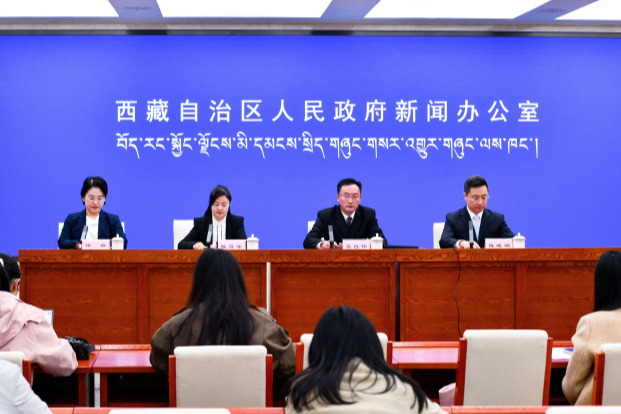
Rapid advancement in scientific literacy transforms Xizang
The Xizang Autonomous Region has witnessed a remarkable transformation in public scientific literacy over the past six decades, evolving from a largely uninformed population to a society where science drives social stability and high-quality development. This progress was highlighted by Zhang Hongwei, vice-chairman of the regional association for science and technology, during a recent press conference. He emphasized that the region’s efforts to promote science began shortly after Xizang’s peaceful liberation, with the establishment of basic science boards in towns. Today, the proportion of scientifically literate residents has surged from a mere 0.1% in 2010 to 7.6% in 2023, marking a 75-fold increase. This growth is particularly pronounced among young adults aged 18 to 39, as well as farmers and herders. Xizang now boasts a regional natural science museum, 14 mobile science museum exhibits, and over 300 school-based science museums, ensuring county-level coverage. Additionally, 86 science caravans traverse the region, supported by bilingual science materials and multimedia programs. The region has also extended science outreach to monks, nuns, and grassroots officials, achieving full social group coverage. Digital platforms have further bridged geographical barriers, enabling remote communities to explore advanced fields like astronomy and artificial intelligence. Science education in schools has become a cornerstone of curiosity and discovery, with students like Tsering Yudron expressing newfound fascination with scientific principles. This comprehensive approach underscores Xizang’s commitment to fostering a scientifically literate society.
-
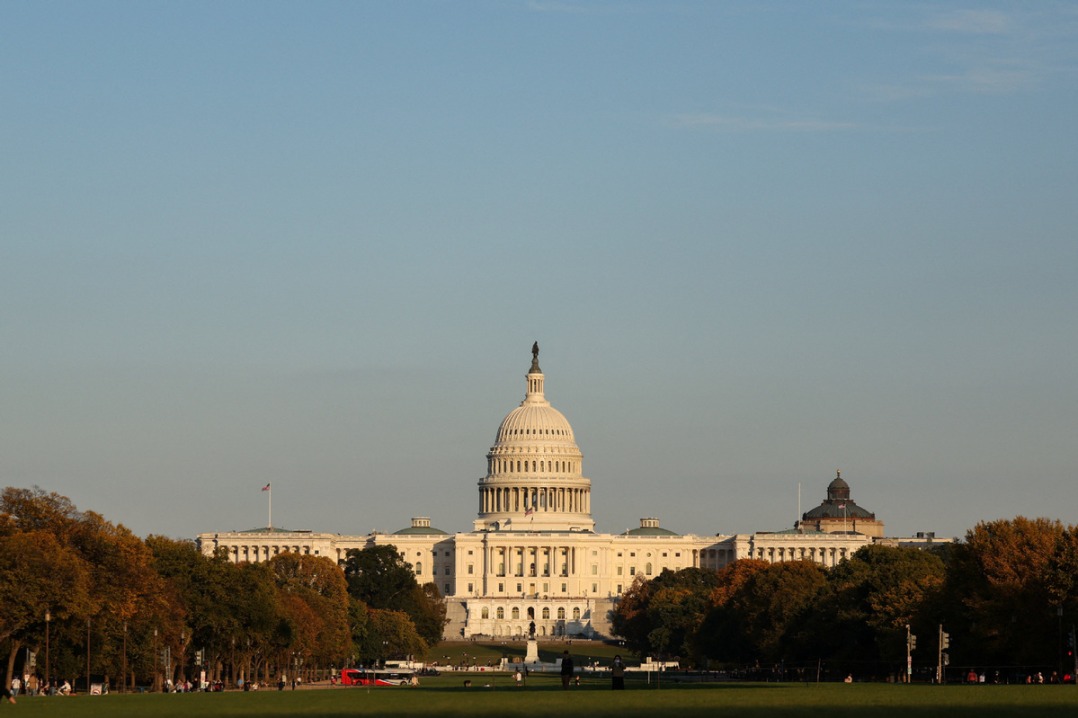
Government shutdown reaching historic record
The United States is grappling with its longest full government shutdown in history, now entering its third week with no resolution in sight. The shutdown, which began on October 1, 2025, has surpassed previous records, becoming the third-longest in US history. If it continues beyond Tuesday, it will surpass the 21-day shutdown of 1995, positioning it as the second-longest shutdown ever. The longest shutdown remains the 35-day partial closure during Donald Trump’s first term from December 2018 to January 2019.
The repercussions of the shutdown are intensifying, affecting critical sectors across the nation. The National Nuclear Security Administration (NNSA), a key agency under the Department of Energy responsible for overseeing the US nuclear stockpile, has begun furloughing employees. Energy Secretary Chris Wright confirmed that up to 1,400 workers could be furloughed, with only 400 federal employees and contractors remaining on duty. The NNSA also plays a crucial role in managing nuclear materials globally, raising concerns about international security.
In the health sector, researchers from the Centers for Disease Control and Prevention (CDC) were forced to skip IDWeek, the largest annual gathering of infectious disease experts. This comes at a critical time, following recent surges in measles and whooping cough across the US. The CDC, which typically sends numerous researchers to such events, had only a handful of scientists listed as speakers, none of whom attended due to the shutdown.
The cultural and tourism sectors are also feeling the strain. Major attractions like the Smithsonian Institution museums and the National Zoo have closed their doors to the public. The US Travel Association estimates that the travel economy is losing $1 billion weekly as visitors cancel trips to national parks, historic sites, and Washington, DC. Additionally, the Small Business Administration has halted its loan programs, affecting 1,600 small businesses that rely on approximately $860 million in weekly funding.
The Federal Aviation Administration (FAA) has reported air traffic controller shortages, leading to flight delays in major cities such as Nashville, Dallas, and Newark. The shutdown has also disrupted flood insurance policy issuances and renewals, delaying mortgage closings and real estate transactions.
Public opinion remains divided on who is to blame for the impasse. According to a poll by The Associated Press-NORC Center for Public Affairs Research, roughly 60% of US adults hold Republicans in Congress responsible, while 54% attribute the shutdown to Democrats.
The economic impact is significant, with Oxford Economics estimating that the shutdown reduces economic growth by 0.1 to 0.2 percentage points weekly. A prolonged shutdown could lead to a 1.2 to 2.4 percentage point reduction in quarterly growth. Major infrastructure projects, including a new rail tunnel beneath the Hudson River and an extension of New York City’s Second Avenue subway, have been put on hold, along with $7.6 billion in grants for clean energy projects across 16 states.
As the shutdown continues, nearly 750,000 of the federal government’s 2.3 million civilian employees are furloughed daily, while others deemed ‘excepted’ continue to work to protect life, property, and essential services. The nation awaits a resolution as the shutdown’s effects ripple through every sector of American life.
-

New chip sharpens, widens views of the universe
Chinese researchers have unveiled a groundbreaking spectroscopic chip, named RAFAEL (Yuheng in Chinese), which promises to revolutionize the way we observe the universe. Developed by a team at Tsinghua University, this chip, no larger than a mobile phone SIM card, combines exceptional resolution with a panoramic view, enabling sharper, faster, and wider scans of the cosmos. The findings were published in the prestigious journal Nature on October 15, 2025.
Traditional high-resolution spectrometers are often cumbersome and heavy, but RAFAEL’s compact design allows it to be mounted on satellites or deep-space probes, opening new possibilities for mapping the universe’s spectral data. According to Fang Lu, the research leader and professor at Tsinghua University’s Department of Electrical Engineering, the chip can capture full spectral data with sub-angstrom resolution for approximately 10,000 stars per second. This capability could reduce the time needed to compile complete spectra for all stars in the Milky Way from thousands of years to under a decade.
The chip’s core innovation lies in its ability to resolve the long-standing trade-off between resolution and field breadth in spectral imaging. By employing advanced computational imaging methods and reconfigurable integrated photonics based on lithium niobate, the team achieved snapshot spectroscopy with 10-megapixel-level spatial resolution and sub-angstrom spectral resolution across visible and near-infrared wavelengths. This allows the chip to discern light wavelengths down to ten-millionths of a millimeter and detect the slightest energy variations while capturing wide-field scenes in high detail.
Fang emphasized that this new technique surpasses existing international counterparts in snapshot spectroscopy, improving spectral resolution by two orders of magnitude. The on-chip prototype measures just 2 centimeters in length and width, with a depth of 0.5 centimeters, making it highly portable and adaptable for future space and astronomical applications.
The technology’s potential extends beyond astronomy, with promising applications in material identification, plant health, autonomous driving, and atomic spectroscopy. Operations are already underway to integrate the chip into large-aperture telescopes at observatories in Xinglong County (Hebei Province), Lijiang (Yunnan Province), and the Canary Islands (Spain).
Fang concluded that this study marks the beginning of a new era in intelligent photonics, pushing the boundaries of what light can reveal about the universe.