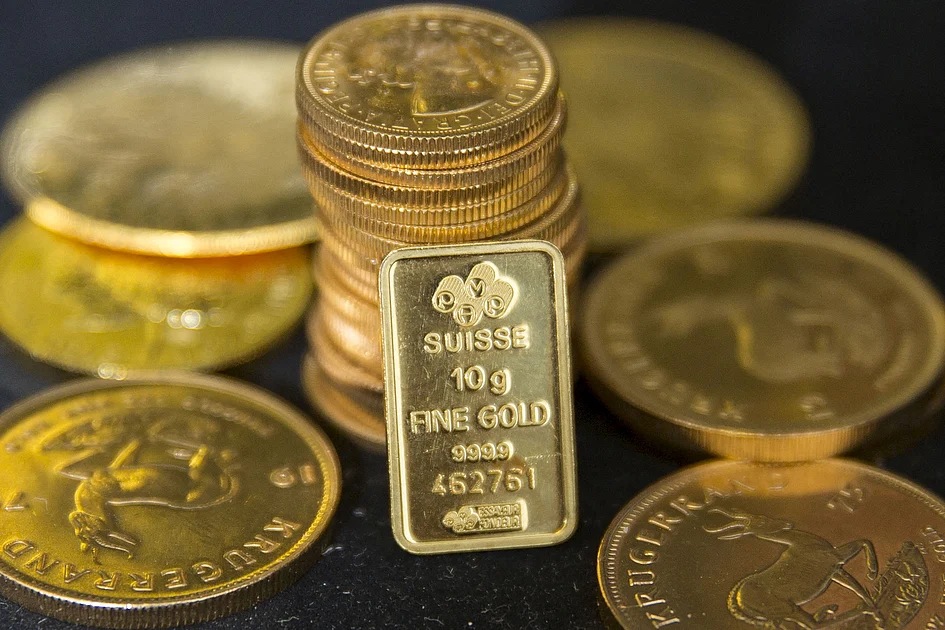
Dubai’s jewellery stores witnessed an unprecedented surge in demand for gold coins during Diwali, leading to a temporary shortage of smaller denominations. Despite gold prices soaring over 50% this year, the festive season saw a remarkable increase in purchases, particularly for gifting purposes. Jewellers reported that five and 10-gram coins were the most sought-after, with demand surpassing last year’s figures. The rush peaked in the days leading up to Diwali, as customers flocked to buy coins for Lakshmi Puja and festive gifts. While larger denominations and bars remained well-stocked, the sudden spike in demand for smaller coins created a brief supply gap. Industry experts attributed this trend to gold’s dual role as a traditional gift and a safe investment. Suppliers and refineries are now working to replenish stocks, ensuring availability improves swiftly. The festive spirit, coupled with rising gold prices, has reinforced consumer confidence in gold as a valuable asset. Jewellers anticipate this momentum to continue through the wedding and year-end season, driven by both cultural and investment motivations.
博客
-
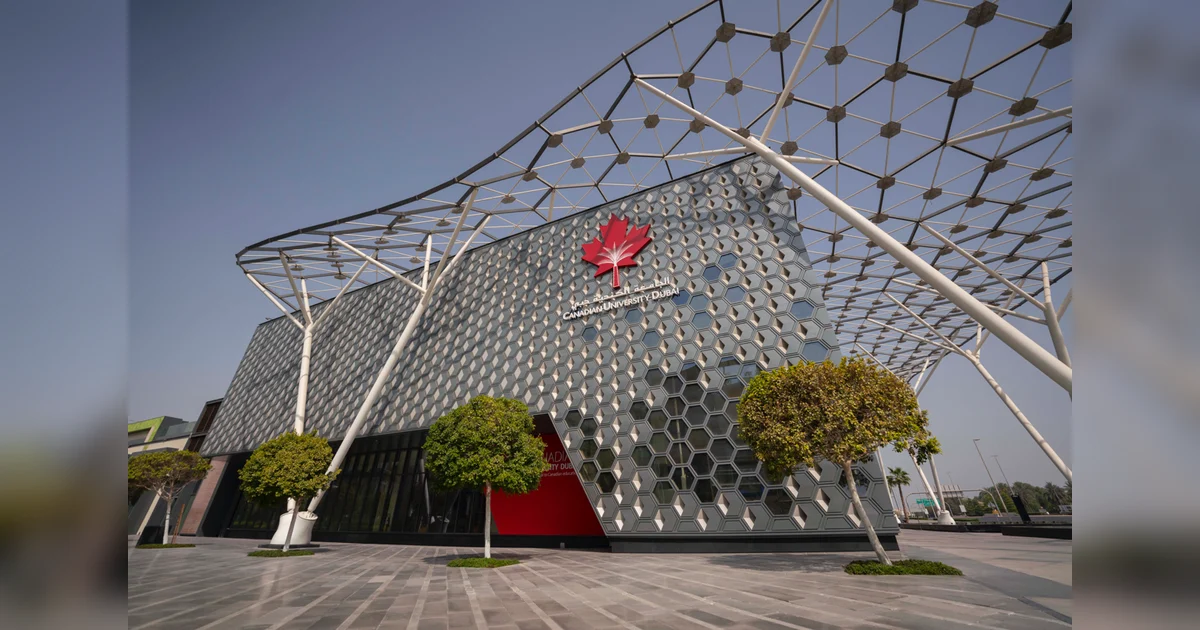
Canadian University Dubai remains #1 in QS ranking for fifth consecutive year
Canadian University Dubai (CUD) has once again clinched the top spot in Dubai’s higher education landscape, marking its fifth consecutive year as the city’s leading institution in the 2026 Quacquarelli Symonds (QS) Arab Region University Rankings. Additionally, CUD has secured the 21st position across the Arab region, solidifying its reputation as a hub for entrepreneurship, innovation, and future-focused academic programs. This achievement underscores the university’s commitment to aligning its educational offerings with the evolving demands of the global workforce. A key driver of CUD’s success is its state-of-the-art Incubator Hub, located in its downtown Dubai campus, which fosters collaboration between academics and industry leaders to mentor and fund the next generation of impactful business ventures. In response to emerging global trends, CUD has introduced cutting-edge academic programs in artificial intelligence, sustainability, public health, and a Doctor of Business Administration (DBA) designed to cultivate tomorrow’s global leaders. These programs, developed in partnership with industry experts and aligned with the UN Sustainable Development Goals, aim to equip students with the skills needed to tackle complex global challenges. Chancellor Buti Saeed Al Ghandi highlighted the university’s dedication to empowering future leaders and innovators, while President Prof. Karim Chelli emphasized CUD’s strategic focus on academic excellence and global partnerships. The QS Arab Region Rankings, launched in 2014, provide a comprehensive evaluation of universities using internationally recognized criteria tailored to the unique context of higher education in the Arab world.
-

63 dead, others injured in bus collision in Uganda
A devastating road accident on one of Uganda’s busiest highways has resulted in the deaths of at least 63 people, with numerous others injured, according to police reports on Wednesday. The collision occurred just after midnight on the highway connecting the capital city of Kampala to the northern city of Gulu. Preliminary investigations indicate that the crash was caused by two buses traveling in opposite directions attempting to overtake other vehicles, including a lorry and a sport utility vehicle (SUV). The Uganda Police Force stated on X that both buses collided head-on during these overtaking maneuvers, leading to the tragic loss of all occupants from the involved vehicles. This incident highlights the ongoing challenges of road safety in the region.
-
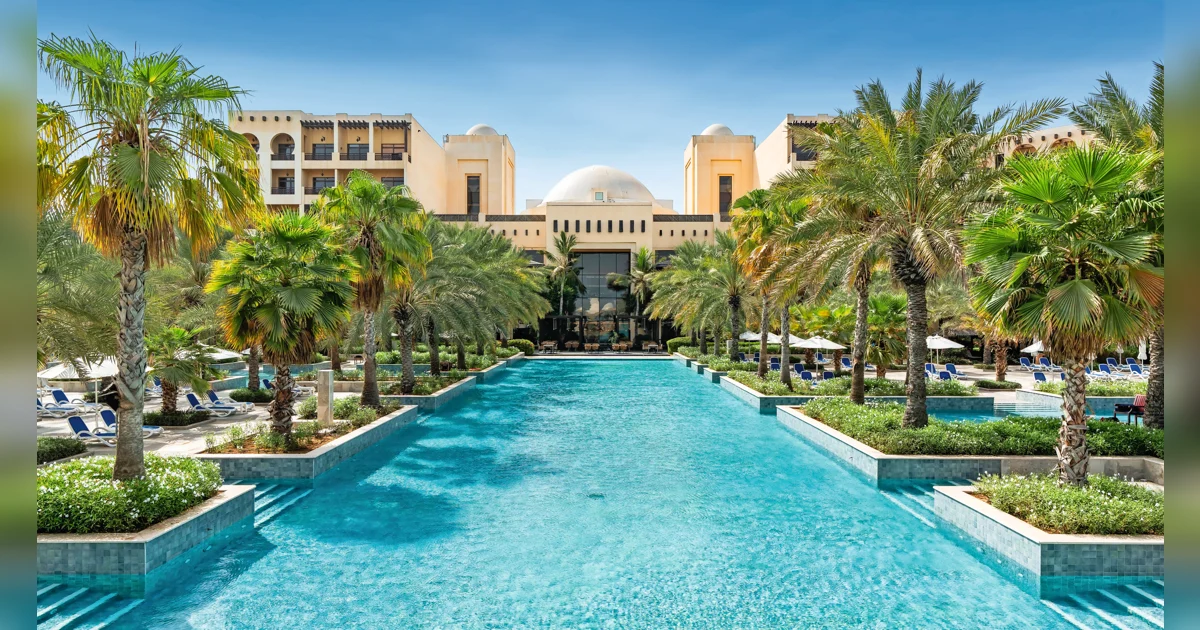
Rixos Al Mairid Ras Al Khaimah: Setting new benchmarks in staycations
Rixos Al Mairid Ras Al Khaimah has emerged as a transformative destination in the UAE, redefining the concept of staycations for both residents and international travelers. Nestled in the picturesque emirate of Ras Al Khaimah, where desert landscapes meet the Arabian Gulf, the resort has quickly become a beacon of ultra-all-inclusive luxury. Its philosophy transcends the traditional notion of ‘all you can eat and drink,’ offering a holistic lifestyle where every detail of a guest’s stay is meticulously curated. With 466 rooms, suites, and villas, the resort ensures an intimate experience despite its scale, catering to families, couples, and groups of friends alike. Families find solace in dedicated spaces like the Rixy Kids Club and Teens Club, while couples enjoy serene moments by the adults-only pool or romantic strolls along the 1.5-kilometre beach. Groups of friends revel in dynamic activities, from sunrise workouts to vibrant evenings at X Lounge, the resort’s nightlife hub. Culinary excellence is a cornerstone of the experience, with 10 globally inspired restaurants offering everything from South American steaks at Toro Loco to authentic Italian pasta at L’Olivo. Entertainment is elevated to new heights, with X Lounge hosting live music and immersive performances. Wellness is seamlessly integrated into the experience, with Naturelife Spa offering Turkish hammams and modern therapies, while the Exclusive Sports Club provides yoga, Pilates, and masterclasses. As Rixos Al Mairid celebrates its first anniversary, it continues to innovate, introducing new wellness concepts, family programs, and entertainment productions. This resort has not only reshaped the narrative of Ras Al Khaimah but also set a new standard for luxury staycations in the UAE and beyond.
-
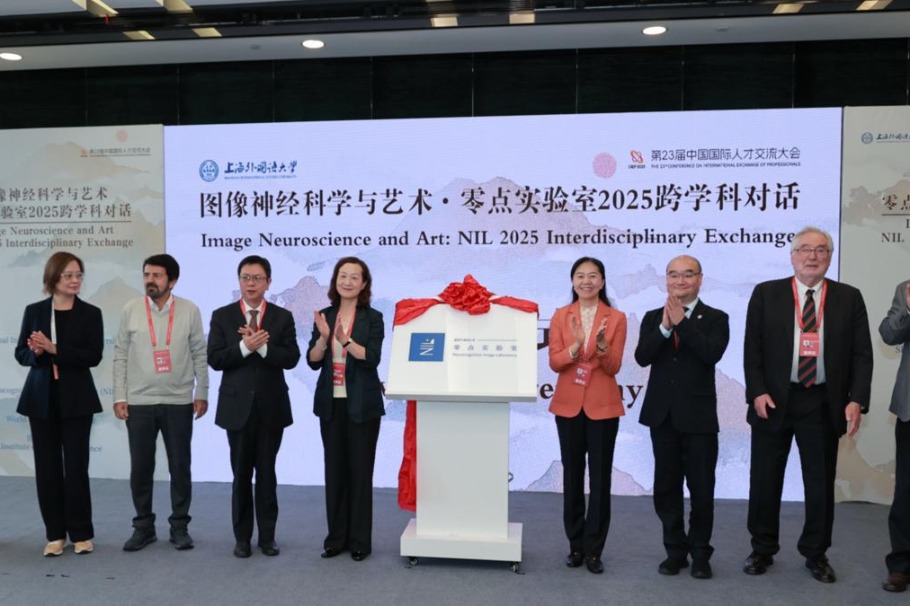
SISU launches neurocognitive image laboratory
Shanghai International Studies University (SISU) has inaugurated its state-of-the-art Neurocognitive Image Laboratory, marking a significant stride in bridging the gap between science and humanities in the era of artificial intelligence. The launch event, held in Shanghai on Tuesday, highlighted the laboratory’s mission to integrate liberal arts with scientific and engineering disciplines, addressing national strategic needs and fostering interdisciplinary research. The facility will delve into pivotal areas such as cognitive neuroscience, image perception, intelligence, and neuroaesthetics, employing advanced methodologies to explore behavior, cognition, and neuroscience across multiple dimensions. Leveraging the synergy between languages, images, and cognitive sciences, the lab aims to propel both fundamental and applied research in human factors engineering and AI. It will also cultivate a global collaboration network, connecting institutions across Europe, Asia, and North America, and establishing an open, shared research platform. Supported by various European organizations, the initiative is led by a consortium of Chinese and international scholars. SISU President Li Yansong emphasized the laboratory’s role in harnessing the university’s international network and humanities expertise to tackle pressing global challenges. ‘This endeavor embodies our commitment to interdisciplinary, international, and integrative research, reflecting the future trajectory of our institution,’ he stated.
-
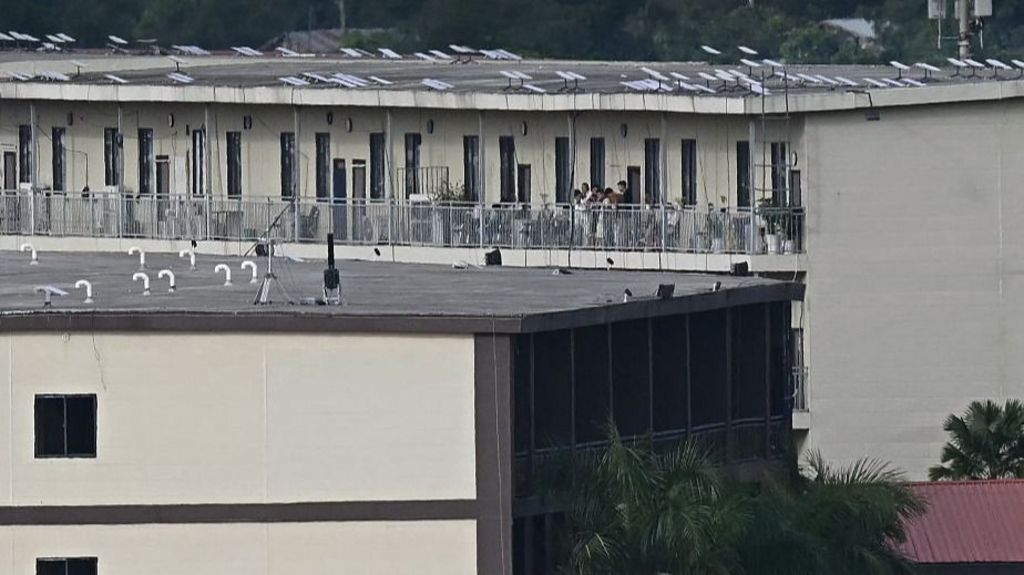
SpaceX says it has cut Starlink services to Myanmar scam camps
SpaceX, under Elon Musk’s leadership, has severed Starlink satellite communication links to more than 2,500 devices utilized by scam compounds operating along the Thai-Myanmar border. These compounds, numbering over 30, are notorious for trafficking individuals from across the globe and coercing them into fraudulent activities that generate billions of dollars annually. Lauren Dreyer, head of Starlink business operations, emphasized the company’s commitment to enforcing its policies, stating that action is taken whenever violations are identified. This decisive move follows the Myanmar military’s recent takeover of KK Park, one of the largest scam compounds, as part of its efforts to reclaim territory lost to insurgent groups in recent years. Campaigners have long criticized the use of Starlink technology by Chinese crime syndicates, enabling them to operate from remote border areas. Victims, often lured under false pretenses of legitimate employment, endure harrowing conditions, including torture and forced labor. Many survivors hail from African nations. Dreyer, in a post on X, reiterated SpaceX’s dedication to maintaining Starlink as a force for good, ensuring global trust by connecting the unconnected while preventing misuse by malicious actors. While the Myanmar military claims to have liberated over 2,000 workers from KK Park and confiscated 30 Starlink terminals, at least 30 other compounds remain active, protected by militia groups loyal to the junta. These centers have become integral to Myanmar’s wartime economy, sustained by Chinese support as the military battles rebel factions. The extent to which these remaining compounds have lost access to Starlink services remains unclear.
-
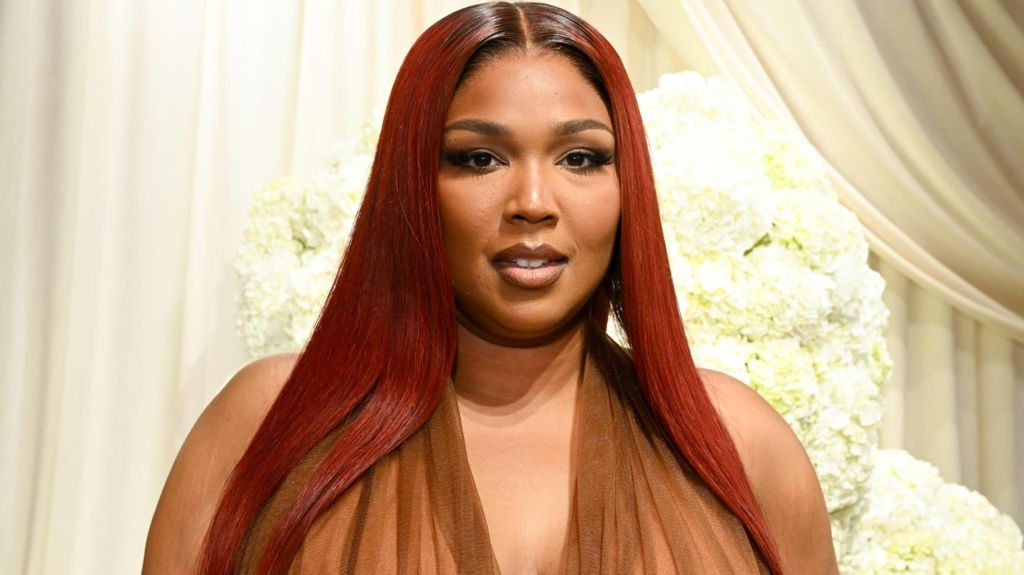
Lizzo sued over copyright for Sydney Sweeney song
Pop sensation Lizzo is embroiled in a legal battle after being sued by the GRC Trust for allegedly sampling a 1970s song without permission. The controversy centers on an unreleased track that gained attention on social media for its reference to actress Sydney Sweeney’s American Eagle Jeans campaign. The snippet, posted in August, included the line ‘I got good jeans like I’m Sydney,’ sparking debates over its intent. The GRC Trust claims Lizzo unlawfully sampled Sam Dees’ 1970s song ‘Win or Lose (We Tried),’ for which they hold the copyright. They are seeking an injunction to block further distribution of the song and a financial settlement for lost profits. Lizzo’s spokesperson expressed surprise, noting the song has not been commercially released or monetized. This is not Lizzo’s first copyright dispute; in 2019, producers sued over her hit ‘Truth Hurts,’ though the case was later dismissed. The GRC Trust is also pursuing legal action against Kanye West for sampling another Sam Dees song.
-
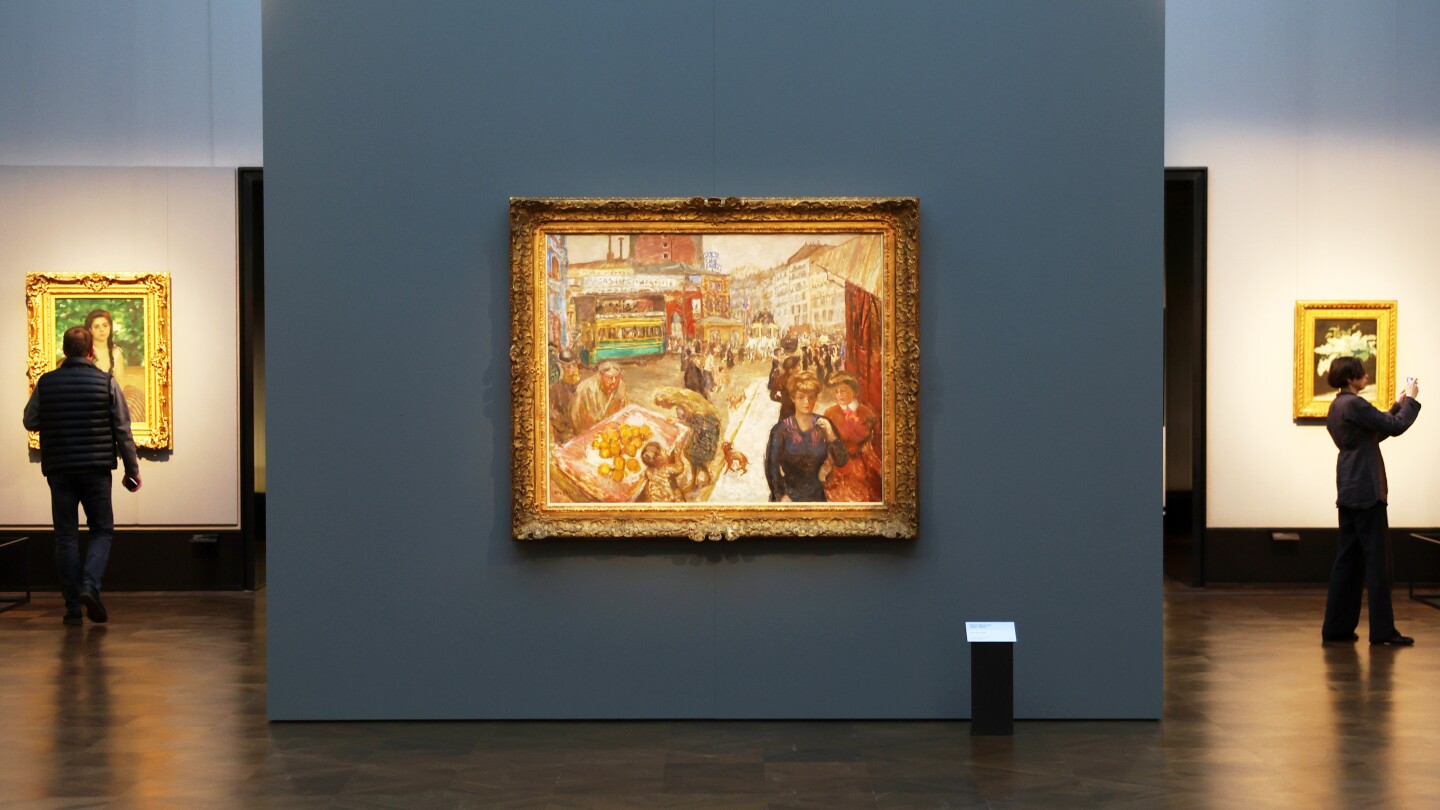
Who’s who of French artists in focus as a major private art collection goes on show in Berlin
Berlin is set to host a landmark exhibition showcasing the Scharf Collection, a private art treasure trove spanning four generations. This extraordinary collection, rooted in the early 20th century by Otto Gerstenberg, a prominent Berlin insurance magnate, has been meticulously expanded by his great-grandson, René Scharf, and his wife, Christiane. For the first time, the public will have the opportunity to view approximately 150 works at the Alte Nationalgalerie, ranging from Francisco de Goya’s 19th-century masterpieces to contemporary abstract art by Katharina Grosse and Anselm Reyle. The exhibition, titled ‘The Scharf Collection. Goya — Monet — Cézanne — Bonnard — Grosse,’ opens on Friday and will run until February 15, 2026. Highlights include iconic pieces by French masters such as Eugène Delacroix, Gustave Courbet, Claude Monet, and Pablo Picasso, alongside modern works by Sam Francis and Jasper Johns. René Scharf emphasized the collection’s evolution, noting his passion for impressionism, cubism, and contemporary art. He expressed hope that visitors would draw connections between Grosse’s vibrant abstract pieces and Monet’s timeless impressionist works. The exhibition will later move to Düsseldorf’s Kunstpalast, offering art enthusiasts another chance to experience this unparalleled collection.
-
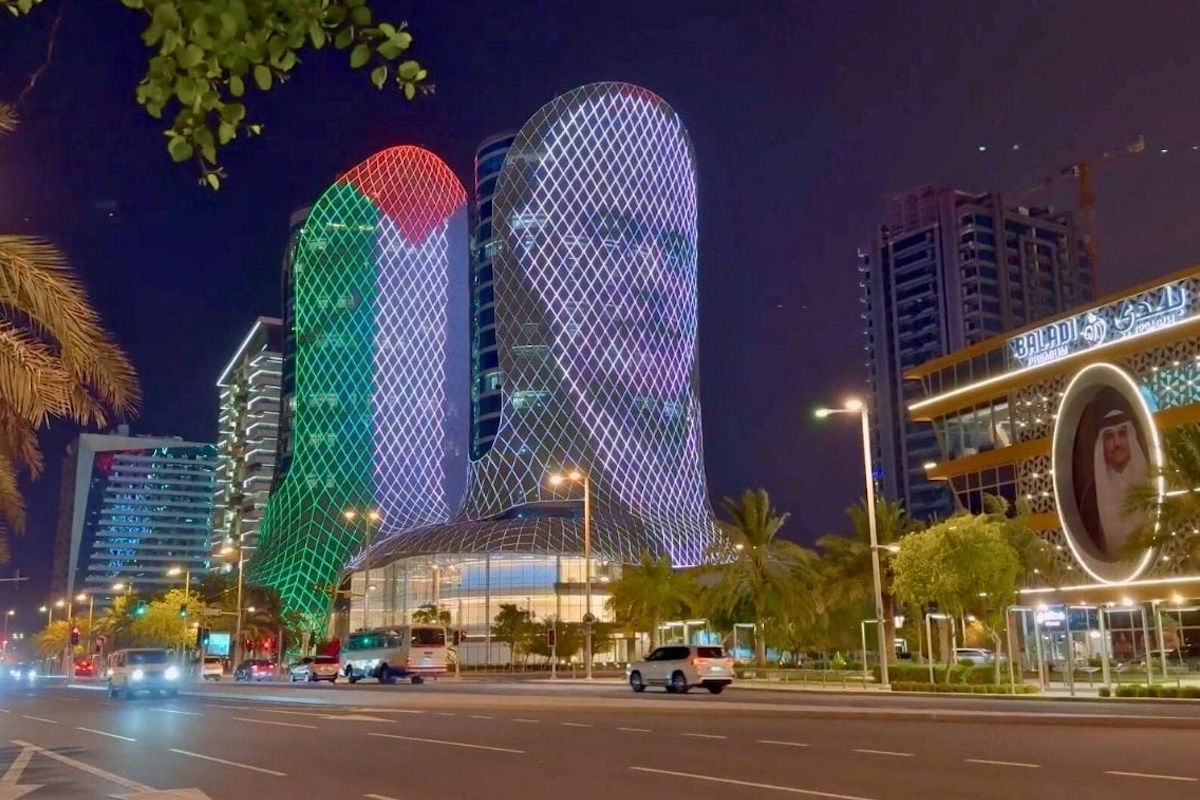
The real winner of the Gaza ceasefire: Qatar
As the fragile ceasefire between Israel and Hamas enters its second week, the geopolitical landscape of the Middle East reveals an unexpected victor: Qatar. While President Donald Trump, Israeli Prime Minister Benjamin Netanyahu, and Hamas leaders in Doha have all claimed victory, the true strategic winner lies in the small Gulf emirate of Qatar. Through years of hosting Hamas leadership, funding the organization, and broadcasting its narrative via Al Jazeera, Qatar has positioned itself as the indispensable mediator in the region. Despite its controversial ties, Qatar has emerged as the key power broker, facilitating the ceasefire and now setting the terms for reconstruction aid and humanitarian assistance. This role has elevated Qatar’s influence, overshadowing traditional allies like Egypt and Saudi Arabia. The ceasefire, however, remains unstable, with the underlying issues of the Israeli-Palestinian conflict unresolved. Israel’s military campaign failed to destroy Hamas, and the organization retains control over Gaza, albeit at a devastating cost to the Palestinian population. Meanwhile, the Trump administration’s peace plan lacks clarity and enforcement mechanisms, leaving the region in a state of strategic ambiguity. The real tragedy lies with the Palestinian people, who face immense suffering without a clear path to self-determination. As the cycle of violence and temporary peace continues, Qatar’s ability to mediate between antagonists has solidified its position as a dominant player in Middle Eastern politics. This outcome underscores the uncomfortable truth that in the region’s endless conflicts, the real winners are not those who fight but those who broker the peace.
-
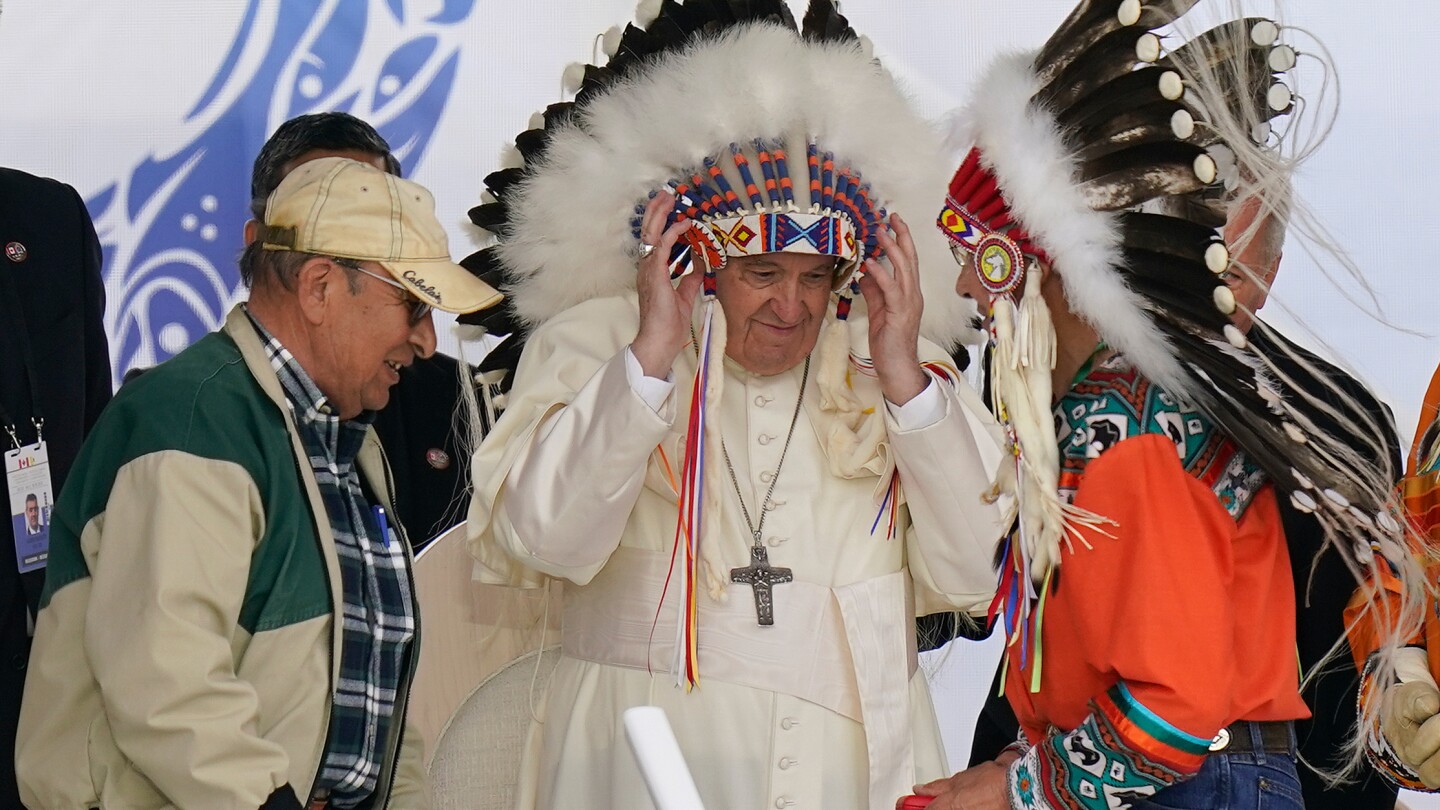
Vatican will return dozens of artifacts to Indigenous groups in Canada as gesture of reconciliation
The Vatican is poised to announce the return of several dozen Indigenous artifacts to Canada, marking a significant step in addressing the Catholic Church’s historical role in suppressing Indigenous cultures in the Americas. The items, including an Inuit kayak, are part of the Vatican Museum’s ethnographic collection, known as the Anima Mundi museum. This move comes amid growing global debates over the restitution of cultural goods taken from Indigenous peoples during colonial periods. The decision follows Pope Francis’s 2022 meeting with Indigenous leaders, during which he apologized for the Church’s involvement in Canada’s residential school system. The leaders, shown artifacts such as wampum belts, war clubs, and masks, requested their return. Francis later expressed support for returning items on a case-by-case basis, emphasizing the importance of making gestures of reconciliation. The Canadian Conference of Catholic Bishops has been collaborating with Indigenous groups to facilitate the return, with an official announcement expected soon. The artifacts, accompanied by provenance information, will first be sent to the Canadian Museum of History in Gatineau, Quebec, where experts and Indigenous communities will determine their origins and future. This process follows the “church-to-church” model used in 2023 when the Vatican returned Parthenon Marbles to Greece. The return of these items, acquired during an era of “Catholic Imperialism,” is seen as a pivotal moment in recognizing Indigenous sovereignty and fostering healing.