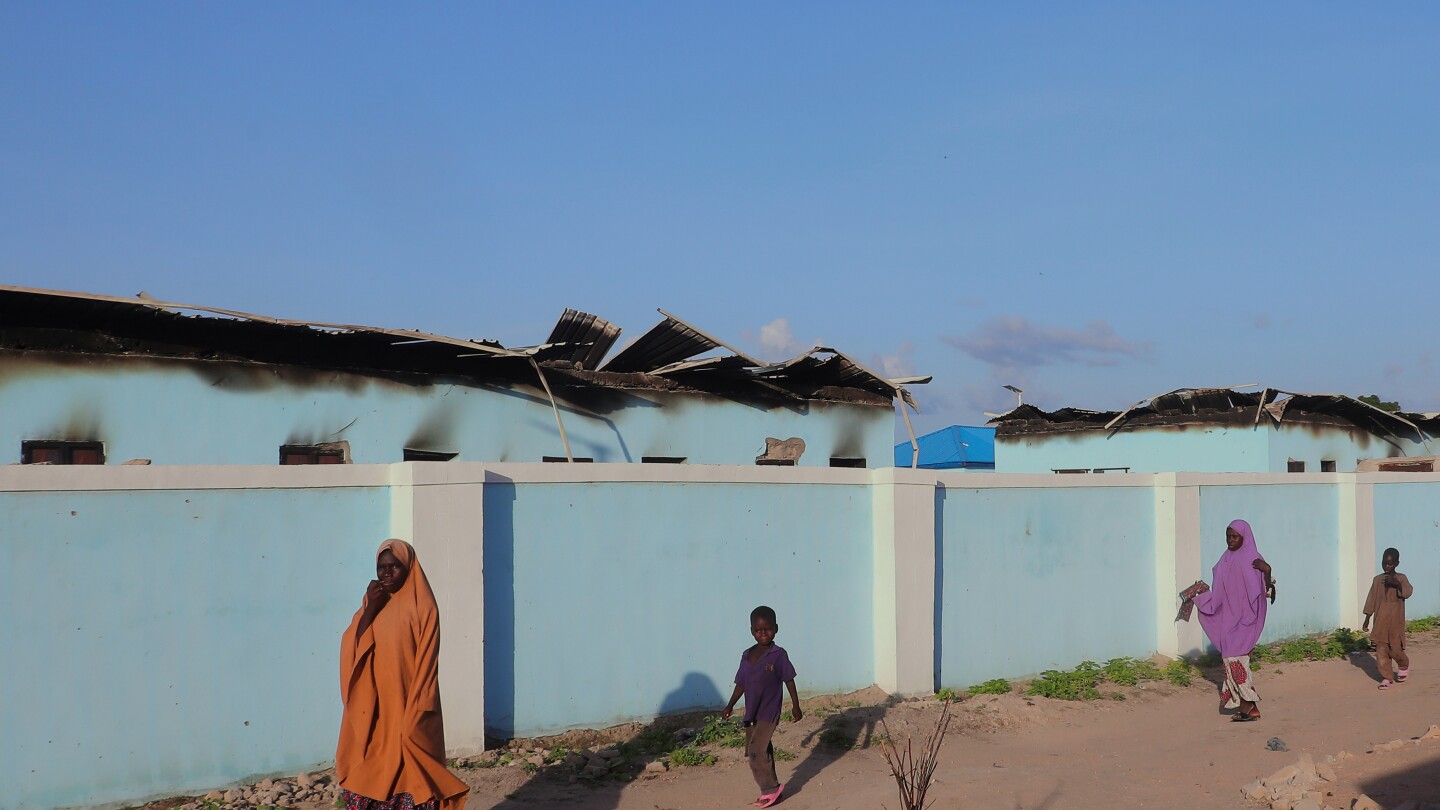
In a decisive response to recent drone attacks on military installations, Nigeria’s armed forces have reportedly eliminated more than 50 Boko Haram militants. The operation, which took place on Thursday, targeted insurgents who had launched simultaneous assaults on military bases in Borno and Yobe states. According to Army spokesperson Sani Uba, the militants initiated their attacks from northern Cameroon and Katarko, a village in Yobe State. The Nigerian military employed a combination of ground and aerial tactics to neutralize the threat, with ground troops and the Air Component continuing to pursue over 70 wounded militants in a coordinated effort. This counteroffensive follows a brutal nighttime attack by Boko Haram last month in Darul Jamal, a northeastern Nigerian village, which claimed at least 60 lives. Boko Haram, a jihadist group that emerged in 2009, seeks to impose its radical interpretation of Islamic law and opposes Western education. The decade-long insurgency has not only devastated Nigeria but also spilled into neighboring countries like Niger, resulting in approximately 35,000 civilian deaths and displacing over 2 million people, according to the United Nations. The group has since fractured into two factions following the death of its longtime leader, Abubakar Shekau, in 2021. One faction, the Islamic State West Africa Province, aligned with the Islamic State group, has intensified its attacks on military positions. In a related development, the U.S. has approved a potential $346 million arms sale to bolster security in Nigeria, Africa’s most populous nation.
博客
-
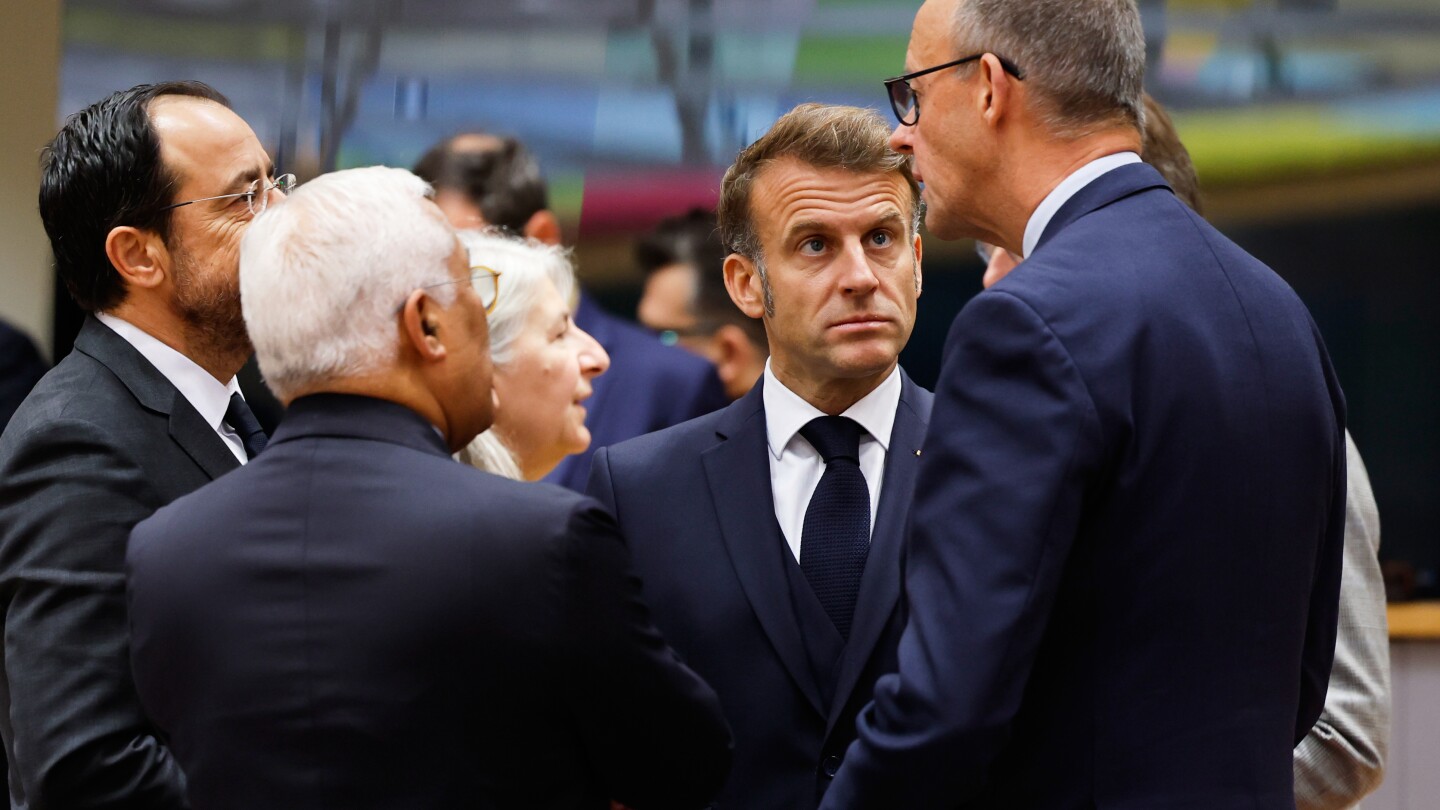
EU leaders endorse a plan to ensure that Europe can defend itself from outside attack by 2030
In a decisive move to bolster Europe’s defense capabilities, European Union leaders have endorsed a comprehensive strategy titled ‘Readiness 2030.’ This initiative aims to fortify the 27-nation bloc against potential external aggressions by the end of the decade, with a particular focus on countering Russian threats. The plan was unveiled during a summit in Brussels, where leaders emphasized the existential challenge posed by Russia’s ongoing war in Ukraine and its broader implications for global security.
-

Why some Brazilians have stopped drinking alcohol
Brazil is witnessing a concerning rise in methanol poisoning incidents, particularly in São Paulo, which has resulted in multiple fatalities. This alarming trend has prompted a significant number of Brazilians to reconsider their alcohol consumption habits. Methanol, a toxic substance often found in counterfeit or illegally produced alcoholic beverages, has been identified as the primary cause of these poisoning cases. Authorities have intensified efforts to crack down on the production and distribution of illicit alcohol, but the damage has already taken a toll on public health. The situation has also sparked widespread awareness campaigns urging citizens to avoid unregulated alcohol products. This health crisis underscores the importance of stringent regulatory measures and public vigilance in combating the dangers of counterfeit alcohol.
-

Pakistan bans hard-line Islamist party after recent deadly clashes with police
In a decisive move, Pakistan’s federal Cabinet has officially banned the radical Islamist party Tehreek-e-Labbaik Pakistan (TLP) following a series of violent protests that resulted in significant casualties. The decision, enacted under the country’s anti-terrorism law, comes after clashes between TLP supporters and law enforcement on the outskirts of Lahore left at least one police officer and four civilians dead, with over 100 officers and dozens of protesters injured. The unrest erupted as TLP members attempted to march to Islamabad to hold a pro-Palestinian rally. Prime Minister Shehbaz Sharif’s office condemned the group for its involvement in extremist activities, marking the second time in recent years that TLP has faced prohibition. The party was previously banned in 2020 after violent protests over caricatures of Islam’s Prophet Muhammad in France, though the ban was lifted in 2021 following negotiations with the government. Authorities are now searching for TLP leader Saad Rizvi, who has gone into hiding since the clashes began on October 13. The Punjab government has already shut down TLP offices, signaling a firm stance against the group’s disruptive actions. Known for its aggressive rallies, TLP gained prominence in Pakistan’s 2018 election by advocating for the strict enforcement of blasphemy laws.
-

China’s national anthem: A battle cry
The March of the Volunteers, China’s national anthem, is more than just a melody — it is a powerful rallying cry that unites millions. When its notes rise, they evoke a profound sense of patriotism and determination. The anthem, with its stirring lyrics, calls upon the people to rise together, face adversity, and march forward with unwavering courage. Each word and note carries the weight of history, embodying the spirit of resilience and unity that has defined China’s journey. Beyond its role as a national symbol, the anthem serves as a reminder of the collective strength and shared purpose that continue to inspire the nation. Its timeless message resonates deeply, igniting hearts and uniting minds in a common cause.
-
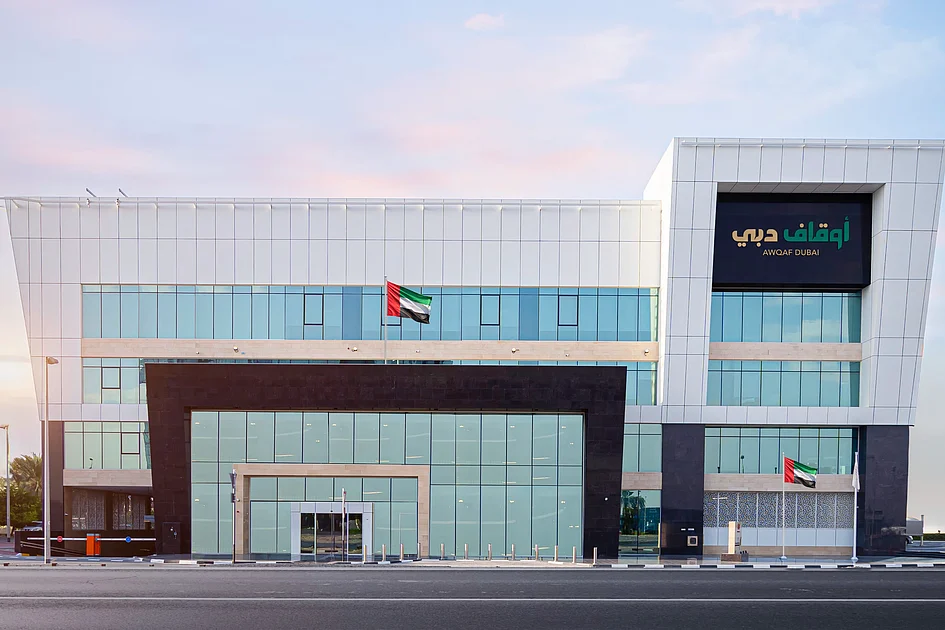
UAE businessman donates 7 buildings in Dubai worth Dh110 million for charity
In a remarkable act of philanthropy, Emirati businessman and former diplomat Hamad bin Ahmed bin Salem Al Hajri has donated seven buildings in prime locations across Dubai, with an estimated market value of Dh110 million. The generous endowment, facilitated through Awqaf Dubai (the Endowments and Minors’ Affairs Foundation), is one of the largest real estate contributions of the year. The donated properties, located in Sheikh Mohammed bin Rashid Gardens, Al Hebiah Fourth, and Al Murraqad, are officially registered and will generate sustainable revenue for community development projects. Al Hajri described the initiative as a Sadaqah Jariyah, a form of continuous charity, dedicated to himself and his late parents, aiming to create a lasting philanthropic legacy. The proceeds will support various charitable causes under Awqaf Dubai, ensuring long-term benefits for future generations. Ali Al Mutawa, Secretary-General of Awqaf Dubai, praised the donation as a reflection of the UAE’s spirit of generosity and its commitment to sustainable charitable work. He emphasized that such initiatives inspire both individuals and institutions to contribute to humanitarian, educational, healthcare, and service projects. Awqaf Dubai currently manages endowment assets valued at Dh11.1 billion across 1,043 Waqfs from 578 donors, showcasing the community’s strong cohesion and humanitarian responsibility. This donation continues the legacy of giving established by the UAE’s founding father, Sheikh Zayed bin Sultan Al Nahyan, and upheld by the nation’s leadership.
-

‘A hugely symbolic moment’: King Charles and Pope pray together
In a groundbreaking moment of interfaith unity, King Charles III, the head of the Church of England, joined Pope Francis in a public prayer session. This historic event marks the first time a British monarch, who also serves as the Supreme Governor of the Church of England, has engaged in such a public display of spiritual solidarity with the leader of the Roman Catholic Church. The meeting, described as ‘hugely symbolic,’ underscores the ongoing efforts to bridge divides between Christian denominations. Both leaders emphasized the importance of mutual respect, dialogue, and collaboration in addressing global challenges. This unprecedented act of unity is seen as a significant step toward fostering greater understanding and cooperation between the Anglican and Catholic communities worldwide.
-

Hong Kong revving up the talent engine
Hong Kong is undergoing a transformative educational overhaul aimed at positioning itself as a global hub for innovation and technology. Spearheaded by Chief Executive John Lee Ka-chiu, the reforms focus on bridging the talent gap by increasing the intake of international students, enhancing academia-industry collaboration, and addressing critical infrastructure needs such as student housing. The initiative aligns with the nation’s 14th Five-Year Plan, emphasizing the cultivation of a diverse, market-ready talent pool to drive strategic sectors like artificial intelligence, new energy technology, and pharmaceuticals. Projections from the Labour and Welfare Bureau highlight the urgency of these reforms, with demand for inno-tech professionals expected to surge to over 100,000 by 2028. Key measures include raising the admission ceiling for nonlocal students to 50% of funded local student places and expanding research postgraduate programs. Additionally, the government is incentivizing the conversion of underused commercial buildings into student dormitories and designating universities of applied sciences to foster vocational learning. The reforms also promote cross-boundary collaboration within the Guangdong-Hong Kong-Macao Greater Bay Area, facilitating seamless employment and study opportunities. A HK$40 million grant will bolster international marketing efforts under the theme ‘Hong Kong: Your World-class Campus,’ showcasing the city’s academic excellence. Tech leaders emphasize the need for a supportive entrepreneurial ecosystem, including safety nets for failed ventures, improved investment platforms, and streamlined cross-boundary channels. These comprehensive measures aim to transform Hong Kong into a thriving innovation powerhouse, leveraging its unique position to commercialize cutting-edge technologies and attract global talent.
-

Ghana’s former First Lady Nana Konadu Rawlings dies aged 76
Ghana is in mourning following the passing of Nana Konadu Agyeman-Rawlings, the nation’s former First Lady, who died at the age of 76. Mrs. Agyeman-Rawlings, the widow of Ghana’s longest-serving leader, Jerry John Rawlings, passed away on Thursday morning after a brief illness, as confirmed by Ghanaian presidential spokesperson Felix Kwakye Ofosu. Her death has sparked an outpouring of tributes across social media, reflecting her significant impact on the country. Mrs. Agyeman-Rawlings became First Lady in June 1979, a role she held during her husband’s tumultuous political career, which included leading two coups and being elected president twice in multiparty elections. During her tenure, she founded the 31st December Women’s Movement, a non-governmental organization established in 1981, named after the date of her husband’s second coup. The organization has been instrumental in empowering women, teaching them skills to generate income and contribute to community development. Her legacy as a champion for women’s rights and social progress continues to resonate across Ghana and beyond.
-

Marathon record holder Chepngetich given three-year ban
In a significant blow to the world of athletics, Kenyan marathon runner Ruth Chepngetich has been handed a three-year ban after admitting to anti-doping rule violations. The suspension follows her provisional suspension in July 2024, triggered by a positive test for Hydrochlorothiazide (HCTZ), a banned diuretic often used as a masking agent, on March 14, 2024. Despite the ban, Chepngetich’s prior achievements, including her world record time of 2:09:56 set at the Chicago Marathon in October 2024, remain intact. The Athletics Integrity Unit (AIU) initially sought a four-year ban but reduced it to three years after Chepngetich admitted to the violations. However, the AIU continues to investigate suspicious evidence recovered from her phone, including messages dating back to 2022, which suggest the possibility of intentional doping. Brett Clothier, head of the AIU, emphasized that while the HCTZ case has been resolved, the investigation into other potential violations is ongoing. Chepngetich, the first woman to run a marathon in under 2:10, failed to provide a credible explanation for the positive test during her April interview with the AIU. Her sample showed an HCTZ concentration of 3,800 ng/mL, far exceeding the minimum reporting level of 20 ng/mL. Traces of the substance were also found in a sample collected two weeks earlier. In July, Chepngetich changed her story, claiming she had taken her housemaid’s HCTZ medication after falling ill. The AIU dismissed this explanation as lacking credibility, labeling her actions as ‘recklessness’ under anti-doping rules. Her three-year ban, effective from April 19, 2024, includes the forfeiture of all results, awards, and prize money since March 14. AIU chair David Howman praised the anti-doping system for its effectiveness in uncovering violations, stating, ‘Nobody is above the rules.’