
The Global Mayors Dialogue Zhengzhou and the 2025 International Mayor’s Forum on Tourism brought together mayors and urban planners from around the world to explore the delicate balance between urban modernization and the preservation of cultural heritage. Held in Zhengzhou, Henan province, the four-day event showcased innovative strategies for urban renewal and tourism development, emphasizing the importance of integrating historical memory into contemporary cityscapes. The forum concluded on Saturday, leaving participants with actionable insights for sustainable urban growth. Zhuang Jianqiu, mayor of Zhengzhou, highlighted the city’s transformation of old factories and neighborhoods into vibrant cultural and entertainment hubs. One notable example is Fuminli, a once-dilapidated area near the 3,600-year-old ancient city wall, now a thriving tourist destination attracting over a million visitors annually. The city preserved the architectural essence of old Zhengzhou while introducing modern amenities, creating a nostalgic yet dynamic urban environment. International participants, including Frank Amoakohene from Ghana and Maurizio Rasero from Italy, shared their experiences in reviving traditional construction techniques and repurposing historical sites for tourism. The event underscored the importance of a people-oriented approach to urban renewal, ensuring that disused buildings are transformed into spaces that enhance citizens’ daily lives. With around 300 attendees, the forum served as a platform for exchanging practical solutions to urban challenges and promoting global tourism sustainability.
博客
-
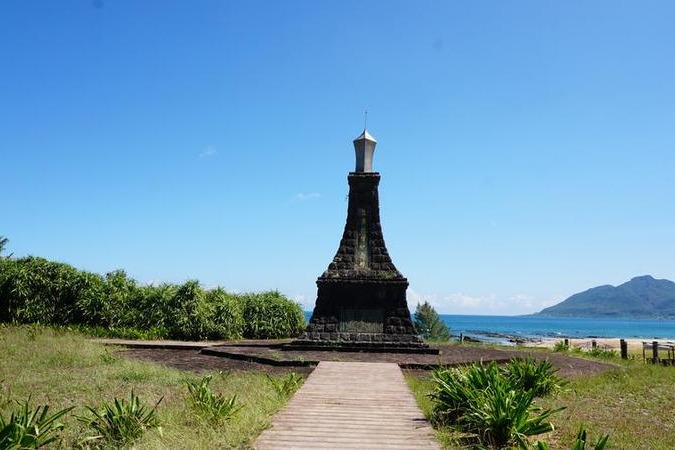
Oct 25 named as Taiwan restoration day
In a landmark decision, China’s National People’s Congress (NPC) has officially designated October 25 as the Commemoration Day of Taiwan’s Restoration. The announcement was made during the five-day session of the Standing Committee of the 14th NPC, which commenced on Friday in Beijing. This day will now be marked with various commemorative activities to honor the historic event of Taiwan’s return to Chinese sovereignty in 1945. The decision underscores the significance of Taiwan’s restoration as a pivotal moment in the Chinese People’s War of Resistance Against Japanese Aggression (1931-45) and the World Anti-Fascist War. It also reaffirms Taiwan’s status as an inseparable part of China, both historically and legally. Shen Chunyao, director of the NPC Standing Committee’s Legislative Affairs Commission, highlighted that the surrender ceremony of Japan in the Taiwan Province of the China war theater of the Allied powers on October 25, 1945, marked the return of Taiwan and the Penghu Islands to China’s jurisdiction. The establishment of this commemoration day reflects the collective aspirations of all Chinese people, including those in Taiwan, and aims to strengthen the shared national memory and uphold the one-China principle. Chen Binhua, spokesman for the State Council Taiwan Affairs Office, emphasized that the decision aligns with the Constitution and serves to safeguard the achievements of the World Anti-Fascist War and the post-war international order.
-

China reportedly caught reverse-engineering ASML’s DUV lithography
A Chinese firm reportedly sought technical assistance from ASML, the global leader in chipmaking equipment, after failing to reassemble a deep-ultraviolet (DUV) lithography machine following an internal teardown. The incident highlights China’s ongoing challenges in replicating advanced semiconductor technology amid US sanctions. Brandon Weichert, a senior national security editor at The National Interest, revealed in a social media post that the Chinese firm dismantled an older ASML DUV machine in an attempt to reverse engineer it but encountered significant difficulties in reassembling the complex system. Weichert suggested that the firm’s actions were driven by efforts to circumvent US restrictions on advanced chipmaking equipment. However, the attempt appears to have backfired, as the machine was reportedly damaged during the process. The incident underscores the immense technical hurdles China faces in developing its own lithography systems, despite substantial investments in domestic research and development. While Chinese commentators acknowledge the challenges, they remain optimistic about the country’s progress in mastering key components of lithography technology. For instance, Professor Zhao Yongpeng of the Harbin Institute of Technology successfully developed a discharge plasma extreme ultraviolet (EUV) light source in 2024, marking a significant milestone. Nevertheless, reverse engineering ASML’s immersion DUV machines remains a formidable task due to their extreme precision, complex mechanics, and highly integrated technology. Despite these obstacles, China continues to expand its domestic lithography supply chain, with several firms making strides in optical systems, laser technology, and precision components. The Ministry of Industry and Information Technology has also endorsed domestically produced lithography systems capable of producing 130 nm and 65 nm chips, signaling gradual progress in the sector.
-

Ivory Coast’s Ouattara seeks fourth term as allegations of opposition clampdown rise
Ivory Coast is set to hold a pivotal presidential election on Saturday, with incumbent President Alassane Ouattara vying for a fourth term amidst significant political tension. The election, scheduled to run from 0800 to 1800 GMT, will see 8.7 million registered voters cast their ballots. However, the process has been overshadowed by the exclusion of key opposition figures, sparking widespread protests and raising concerns about the fairness of the electoral process. Ouattara, 83, who has led the world’s largest cocoa producer since 2011, is widely expected to retain power, extending his rule to nearly two decades. His party, the Rally of Houphouetistes for Democracy and Peace (RHDP), already holds a majority in parliament, further consolidating his position. Despite overseeing economic growth averaging 6% annually, challenges such as poverty, which affects 37.5% of the population, and youth unemployment persist. The election has also drawn attention to the broader trend of aging leaders in Africa, with figures like Cameroon’s Paul Biya, 92, and Uganda’s Yoweri Museveni, 81, continuing to dominate the political landscape. The build-up to the vote has been marked by unrest, with hundreds arrested during protests against the disqualification of prominent candidates like Tidjane Thiam and Laurent Gbagbo. The government has deployed over 40,000 security personnel to maintain order, but fears of electoral violence reminiscent of past crises remain. Ouattara has denied allegations of suppressing opposition and has emphasized his achievements in infrastructure and public sector investment. The international community, including former colonial ruler France, has largely remained silent, focusing on other priorities. With four other candidates, including former first lady Simone Gbagbo and ex-commerce minister Jean-Louis Billion, in the race, analysts predict a decisive victory for Ouattara, who has pledged to continue driving economic growth.
-

Grandmothers in Colombia get the quinceañera they never had
In a heartwarming celebration of resilience and joy, 72-year-old Rosalba Casas and 28 other women finally experienced their long-awaited quinceañeras in Bogotá, Colombia. Organized by the Sueños Hechos (Dreams Come True) Foundation, the event brought together women aged 60 to 85 who had missed this cherished Latin American tradition due to childhood hardships. For many, it was their first time wearing formal gowns, professional makeup, or riding in a limousine. The festivities included a red carpet entrance, a waltz, and emotional moments as the women danced with family members and police officers. The foundation, founded by retired police officer Freddy Alfonso Páez, initially focused on underprivileged girls but expanded to older women to honor those who never had the chance to celebrate their 15th birthdays. The event, supported by sponsors and local police, highlighted the deep inequalities in Colombia, where 31% of the population lives in poverty. Despite health challenges, the women embraced the celebration with laughter and gratitude, making it a day to remember.
-

‘My skateboard journey round the Wild Atlantic Way to honour my friend’
Becky Gilmour, a 26-year-old from Banbridge, is nearing the completion of her extraordinary skateboarding journey along Ireland’s Wild Atlantic Way. Embarking on this 2,500-kilometer (1,553-mile) coastal route in June, Becky aims to finish by December, before the winter weather worsens. Her mission is deeply personal: to raise awareness about suicide, a cause she was inspired to champion after losing a friend during the Covid-19 pandemic. Becky hopes her journey will encourage open conversations about mental health and demonstrate that outdoor adventures are accessible to everyone, regardless of perceived barriers like cost or athletic ability. Despite not considering herself an athlete, Becky has skated between 20 to 60 kilometers (12 to 37 miles) daily, relying on her trusty longboard, which has required minimal maintenance. Her journey has taken her through picturesque counties like Mayo, where she praised the smooth road surfaces, though she admitted to enduring a few challenging falls. Along the way, Becky has engaged with local communities, visited schools, and even taken to the sea on a paddleboard with her friend Adam, exploring islands like Aran, Inishbofin, and Clare. She has also left behind murals in each county she visits, funded by donations, to spread hope and support for those struggling with mental health issues. Becky’s journey will culminate in Portrush, County Antrim, where she purchased her first longboard with her late friend. Her story has resonated with many, inspiring others to embrace adventure and advocate for mental health awareness.
-

Blue Jays blow away Dodgers in World Series opener
In a historic moment that will be etched in World Series lore, Addison Barger delivered the first-ever pinch-hit grand slam in the championship’s history, leading the Toronto Blue Jays to a commanding 11-4 victory over the Los Angeles Dodgers in Game 1 of the 2025 World Series. The electrifying performance unfolded at Toronto’s Rogers Centre, marking the first World Series game in Canada since 1993. The Blue Jays’ explosive sixth inning, which saw nine runs scored, turned the tide decisively in their favor. Despite an early lead by the Dodgers, highlighted by Teoscar Hernandez and Mookie Betts being driven home in the second and third innings, Toronto’s Daulton Varsho tied the game with a two-run homer in the fourth. The sixth-inning rally began when Dodgers’ starter Blake Snell was pulled after hitting Varsho, loading the bases. Reliever Emmet Sheehan struggled, allowing Toronto to take the lead, and Barger’s grand slam off Anthony Banda sealed the Dodgers’ fate. Shohei Ohtani’s two-run homer in the seventh inning provided a glimmer of hope for the Dodgers, but it was too little, too late. The Blue Jays’ fans reveled in the victory, chanting ‘We don’t need him!’ as Ohtani stepped up to bat in the ninth. Game 2 is set for Saturday evening in Toronto, with the series shifting to Los Angeles for subsequent games.
-

Russia faces a shrinking and aging population and tries restrictive laws to combat it
For over two decades, Russia has grappled with a deepening demographic crisis characterized by a shrinking and aging population. Since President Vladimir Putin assumed power in 2000, the country has faced persistent challenges in reversing this trend. In 1999, Russia recorded its lowest number of births, a figure that has continued to haunt the nation despite temporary improvements. By 2015, births peaked at 1.94 million, but economic instability, the ongoing war in Ukraine, and an exodus of young men have since reversed these gains. In 2023, Russia recorded only 1.22 million births, barely surpassing the 1999 low. The population has also aged significantly, with 30% now over 55, compared to 21.1% in 1990. Putin has implemented various measures to encourage larger families, including financial incentives, free school meals, and Soviet-style ‘hero-mother’ medals for women with 10 or more children. However, critics argue that these efforts, coupled with restrictive laws on abortion and LGBTQ+ activism, are unlikely to solve the crisis. The war in Ukraine has further exacerbated the problem, with hundreds of thousands of young men either killed or fleeing the country. Immigration, a potential solution, remains unpopular due to rising anti-migrant sentiment. As Russia’s fertility rate stagnates at 1.4, well below the replacement rate of 2.1, the demographic crisis continues to pose a significant threat to the nation’s future.
-
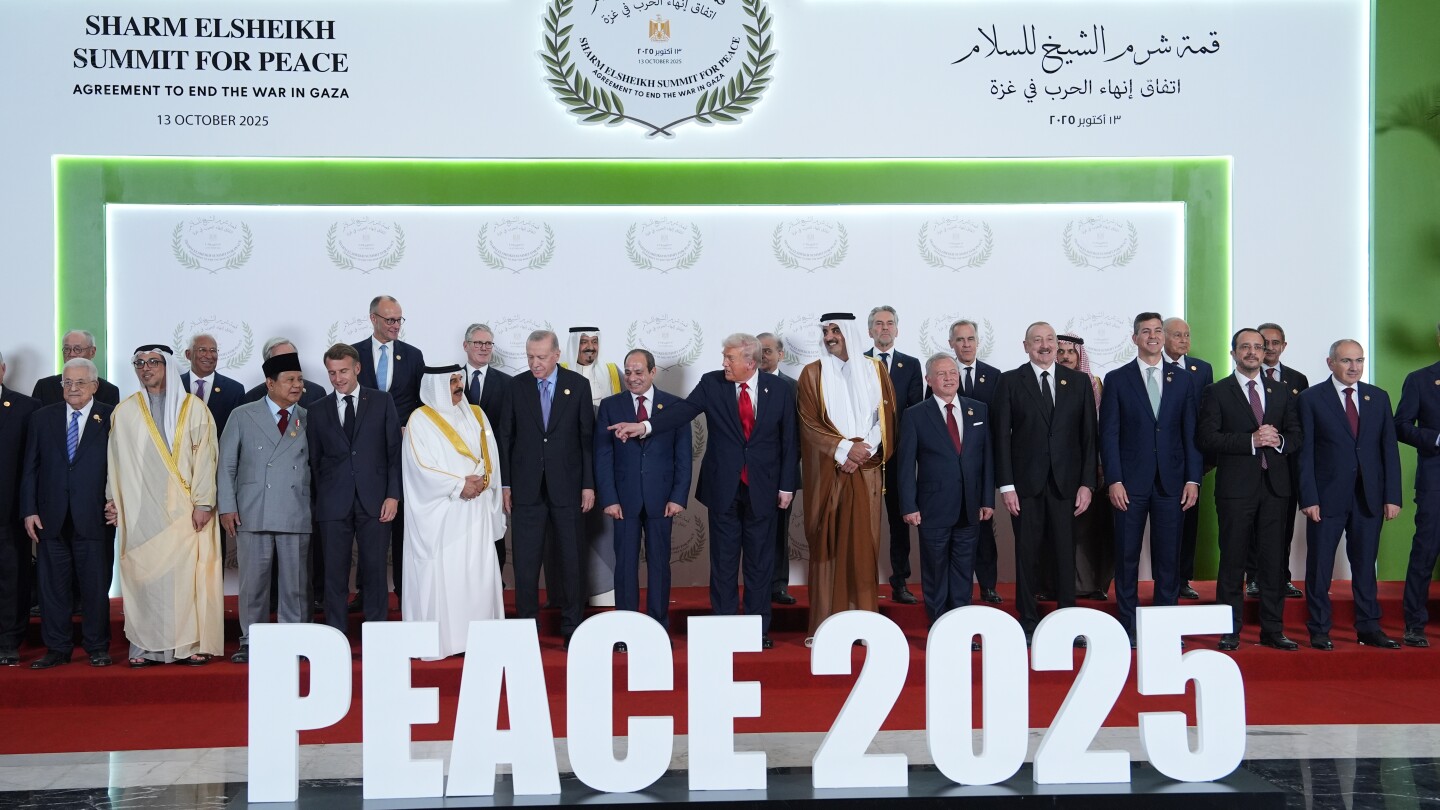
Europe fights to avoid being sidelined by Trump’s world-shaping plans
In a striking display of U.S. diplomatic dominance, President Donald Trump recently took center stage in Egypt to announce a U.S.-brokered ceasefire between Israel and Hamas. The scene, with world leaders standing behind him, underscored Europe’s waning influence in global diplomacy. Trump’s ‘America First’ approach has effectively sidelined European allies, leaving them struggling to shape his policies on critical issues like the Ukraine war and the Gaza conflict. Geopolitical expert Lindsay Newman noted that Trump’s foreign policy is largely defined by his personal agenda, leaving little room for European input. Despite mixed results, European leaders have attempted to influence Trump’s stance on Ukraine, with limited success. Trump’s recent sanctions on Russia’s oil and gas industry, while significant, appeared more motivated by frustration with Russian President Vladimir Putin than by European lobbying. Meanwhile, Europe’s role in the Israel-Hamas ceasefire has been minimal, with Trump focusing on Middle Eastern allies like Egypt and Qatar. The ceasefire has temporarily muted European criticism of Israel, offering a brief respite in U.S.-Europe tensions. While Europe has made some progress in forging a unified stance toward Trump, its influence remains limited. However, Trump’s threats to NATO and global tariffs have spurred European nations to increase military spending and strengthen intra-European ties. Kathleen Burk, a historian, suggested that Europe’s unity could still sway Trump, who may recognize the value of allies over adversaries.
-
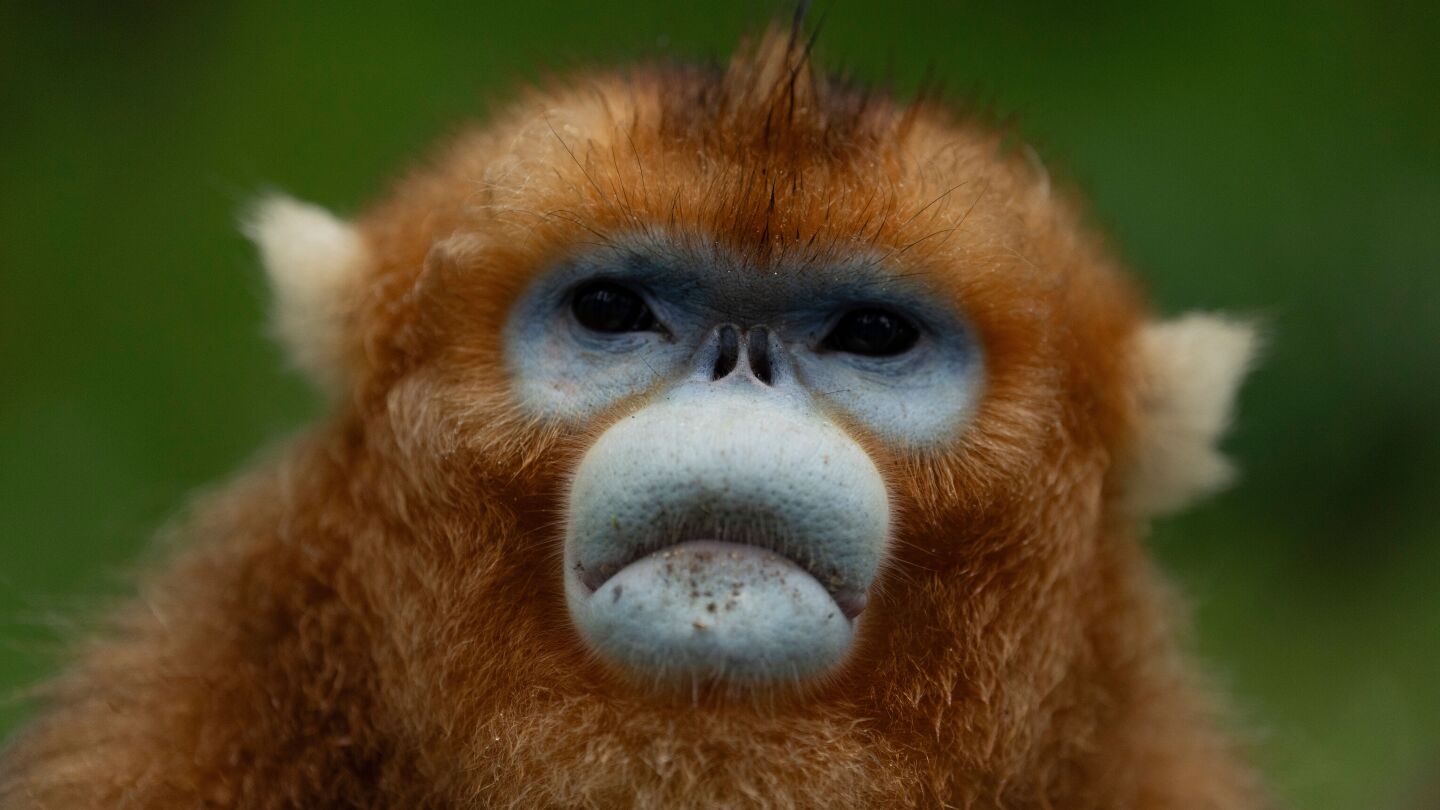
China’s rare golden monkeys debut at European zoos, a possible successor to ‘panda diplomacy’
China’s endangered golden snub-nosed monkeys, known for their striking orange manes and pale blue faces, have embarked on a historic journey to Europe as part of a diplomatic initiative. These rare primates, native to the frigid mountains of central China, have joined the ranks of the country’s iconic pandas as animal ambassadors. Six monkeys have been loaned to zoos in France and Belgium for a decade, marking the first time these species have been showcased outside Asia. The initiative aims to foster scientific collaboration and conservation efforts while celebrating 60 years of diplomatic relations between China and France. The monkeys, after a monthlong quarantine, have made their public debut and are reportedly adapting well to their new environments. Their enclosures feature traditional Chinese architecture, blending cultural elements with their natural habitats. While some experts praise the potential for conservation and research, others express concerns about the welfare of these individual animals during international transport. The golden snub-nosed monkey, deeply rooted in Chinese art and culture, joins the panda as a symbol of China’s soft power. However, unlike pandas, which have long been global icons, these monkeys are yet to achieve similar recognition. The initiative reflects China’s ongoing efforts to leverage its unique wildlife for diplomatic and conservation purposes, though debates about the ethical implications of such practices persist.