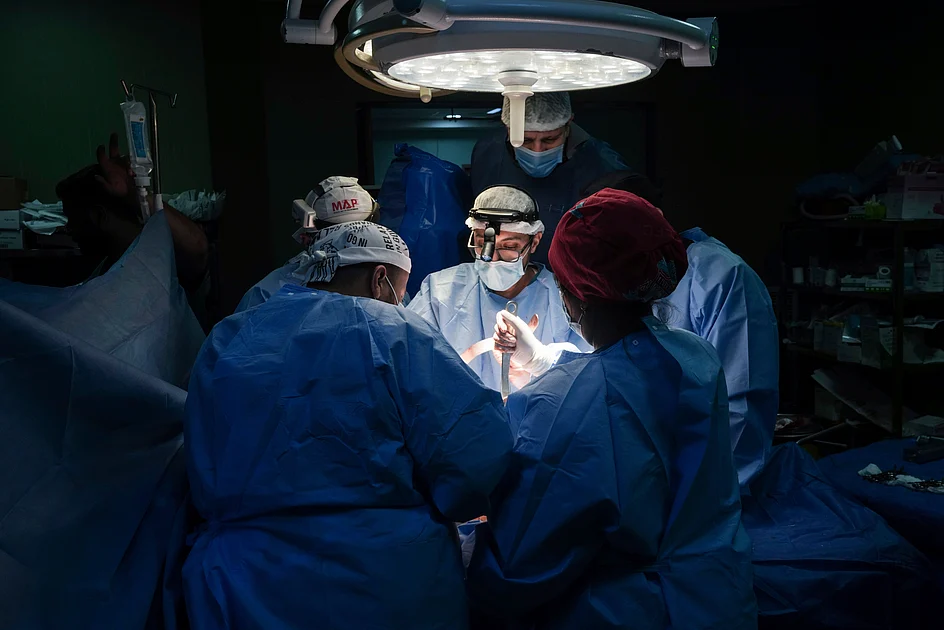
In a landmark ruling, the Dubai Courts have upheld a Dh1 million compensation award to a patient left permanently disabled due to medical negligence during a joint replacement surgery. The case, which has drawn significant attention, highlights the severe consequences of medical malpractice and the judiciary’s commitment to protecting patient rights. The patient underwent surgery on December 20, 2021, but soon after experienced excruciating pain and mobility issues. Despite corrective surgeries, including treatments abroad in Italy, the patient lost approximately 80% of the leg’s function. The Supreme Committee for Medical Liability concluded that the attending physician’s care deviated grossly from recognized standards, leading to permanent disability. The patient initially sought Dh20 million in damages, but the court awarded Dh1 million, dismissing appeals from both the hospital and the physician. The court emphasized the hospital’s joint liability, citing its supervisory authority over the physician. This ruling reinforces the importance of accountability in medical practices and sets a precedent for future cases of medical negligence in Dubai.
博客
-

English tourist dies months after alleged Dublin attack
An English tourist in his 40s has tragically passed away months after sustaining severe injuries in an alleged assault in Dublin’s Temple Bar district. The incident occurred in the early hours of August 21 at Temple Bar Square, a popular area known for its vibrant nightlife. The victim was initially rushed to Beaumont Hospital in critical condition before being transferred back to the United Kingdom for further medical care. Despite extensive treatment, he succumbed to his injuries recently. In connection with the case, a man in his 20s has been brought before the court, facing charges related to the assault. Irish broadcaster RTÉ reported the legal proceedings, highlighting the ongoing investigation by gardaí (Irish police). The case has drawn attention to safety concerns in Dublin’s bustling tourist areas.
-
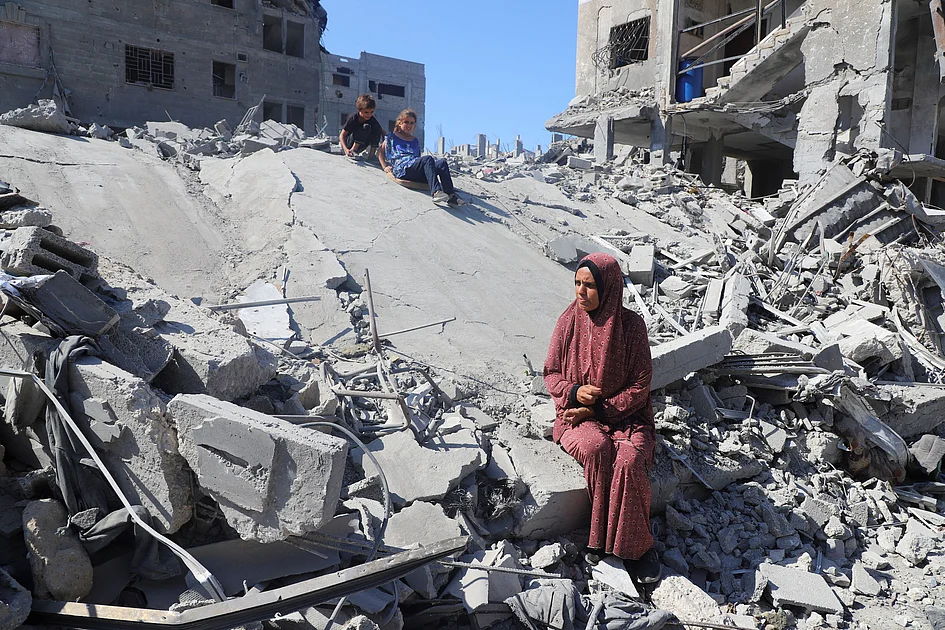
Hamas returns hostage body as families urge pause to Gaza truce
In a significant development amidst the fragile Gaza ceasefire, Hamas has handed over the remains of a deceased hostage, marking the sixteenth of 28 bodies promised under the truce agreement. The Israeli Prime Minister’s office confirmed the receipt of the coffin, which was transported from Gaza to Israel for identification and eventual return to the hostage’s family. The Hostages and Missing Families Forum has urged Hamas to expedite the transfer of the remaining 13 deceased captives, emphasizing that the group knows their locations despite claims to the contrary. Hamas spokesperson Hazem Qassem countered that the destruction caused by Israel’s bombardment has complicated the recovery process, but reiterated the group’s commitment to fulfilling the ceasefire terms. The October 7, 2023 attack by Hamas resulted in 251 hostages, with most already released or recovered. The conflict has claimed over 68,000 lives in Gaza, according to Hamas-run health ministry figures. Meanwhile, Israel has lifted the state of emergency near the Gaza border for the first time since the attack, signaling a tentative step toward normalization. Egypt has deployed recovery crews to assist in the search for remaining bodies, with Israeli approval. The U.S. is working to establish an international security force to oversee the truce, though Israel has opposed Turkey’s participation, citing its hostile stance. Humanitarian agencies continue to push for greater access to Gaza for aid delivery, as Israel maintains control over half the territory.
-
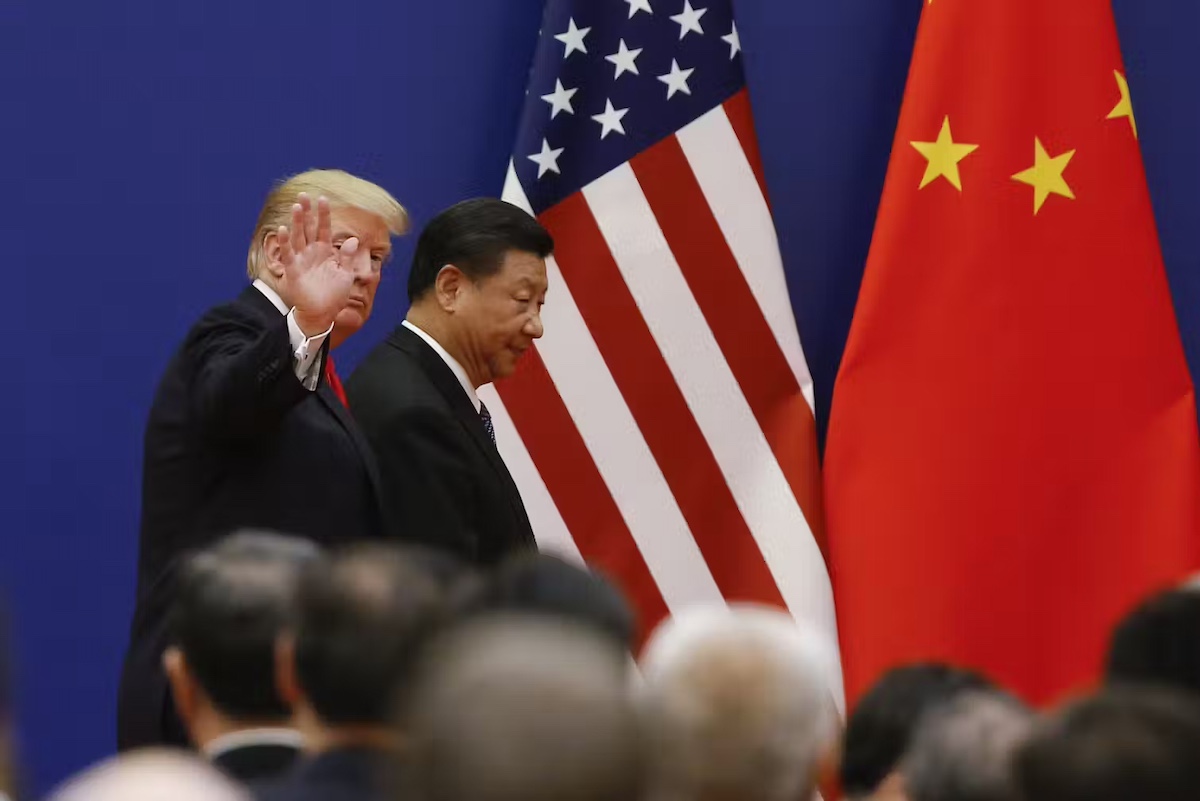
Xi-Trump summit: What’s changed since their last meeting
As Presidents Xi Jinping and Donald Trump prepare for their anticipated meeting on October 30, 2025, the agenda remains strikingly similar to their last encounter in 2019. Trade, Taiwan, and China-Russia relations continue to dominate discussions, with Trump seeking China’s assistance in brokering peace with Russia. However, the geopolitical landscape has evolved significantly since their previous meeting, prompting a closer examination of these critical issues.
**Taiwan: A Shifting US Stance**
One of the most notable changes since 2019 is the softening of the US position on Taiwan. During Trump’s first term, figures like Secretary of State Mike Pompeo advocated a hawkish approach, emphasizing support for Taiwan’s autonomy without endorsing outright independence. However, under the Biden administration, events such as the spy balloon incident and Nancy Pelosi’s controversial visit to Taiwan strained US-China relations, escalating tensions across the Taiwan Strait.
In Trump’s second term, Secretary of State Marco Rubio, traditionally a hardliner on Taiwan, appears to be moderating his stance. This shift is partly attributed to Trump’s potential desire for a compromise with China regarding Taiwan. Earlier this year, the Trump administration denied Taiwan President William Lai Ching-te a stopover in New York and canceled a $400 million arms deal with Taiwan, signaling a possible concession to Beijing.
**Trade: A Complex Tariff Landscape**
The trade dynamics between the US and China have also undergone significant changes. In 2019, the two nations were negotiating a ‘phase one’ trade agreement, which ultimately failed to materialize into a broader deal. The COVID-19 pandemic further disrupted global trade and supply chains, complicating negotiations.
Today, tariffs are universally applied, and Trump’s insistence on their enforcement has weakened his leverage in pressuring China. For instance, the UK, once a key ally in restricting Chinese tech giant Huawei, now faces a 10% tariff from the US, reducing its willingness to align with Trump’s anti-China strategies. Additionally, China’s increasing integration into global supply chains, particularly in sectors like rare earth materials, has made it harder for the US to exert economic pressure.
**China-Russia Relations: A Delicate Balance**
China’s approach to Russia has remained consistent since Trump’s first term, with Beijing prioritizing its economic and strategic interests over US concerns. Despite Russia’s invasions of Crimea in 2014 and Ukraine in 2022, China has maintained a cautious stance, abstaining from UN condemnations and refraining from recognizing Russia’s territorial claims. Beijing views Russia as a vital market for Chinese goods and a source of dual-use technology, benefiting from Russia’s isolation and dependence on Chinese exports.
As the Xi-Trump meeting approaches, these three issues—Taiwan, trade, and China-Russia relations—will undoubtedly shape the discussions. While the core topics remain unchanged, the evolving geopolitical context adds new layers of complexity to the negotiations.
-
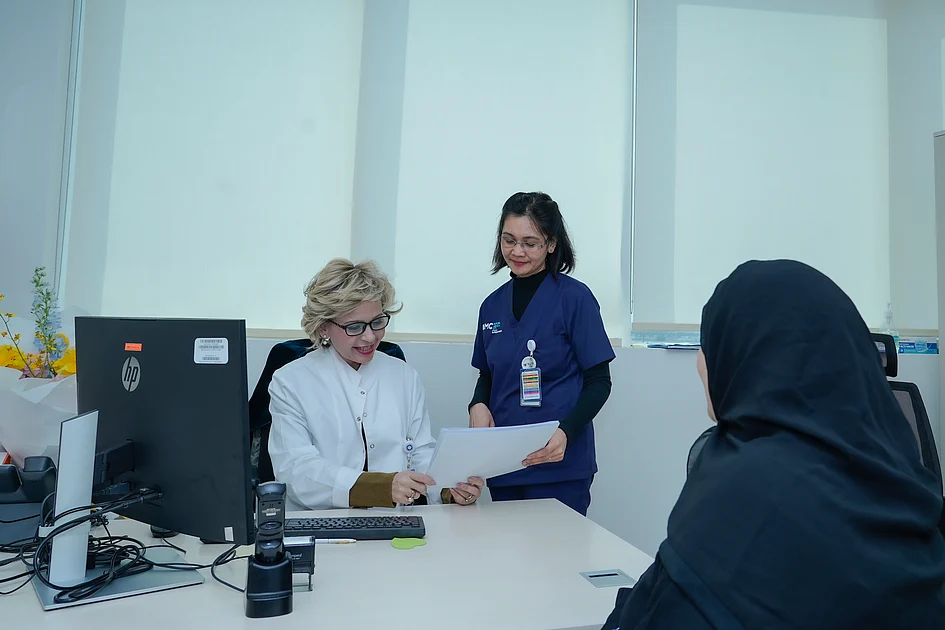
UAE: Breast cancer detected during pregnancy, early screening saves Emirati mother
In a powerful testament to the importance of early detection, two Emirati mothers have shared their harrowing yet inspiring journeys of battling breast cancer during critical phases of their lives. Maryam Rashid Al Habsi, a mother of eight, was 29 weeks pregnant when she was diagnosed with an 8-centimeter invasive ductal carcinoma. Initially attributing the swelling to her pregnancy, Maryam’s diagnosis came as a shock. ‘It was devastating, but I put my trust in God,’ she recalled. A multidisciplinary team of specialists, including oncologists, obstetricians, and gynecologists, devised a treatment plan that prioritized both her health and her unborn child’s safety. Limited imaging options during pregnancy meant relying on ultrasounds and minimal radiation scans. Maryam began chemotherapy in her third trimester, delivering a healthy baby boy at 35 weeks. Post-delivery, she underwent a mastectomy, radiation therapy, and long-term hormone therapy to prevent recurrence. Despite battling depression and body image issues, Maryam credits counseling and faith for her recovery. ‘Early detection saved my life,’ she emphasized. For Moza Alshehi, a mother of six, the first sign of cancer was not a lump but severe knee pain. Initially dismissed as a muscle strain, further tests revealed HER2-positive invasive ductal carcinoma that had spread to her bones, lungs, and skull. ‘When the doctor said I needed surgery immediately, I realized the gravity of the situation,’ Moza shared. She chose to stay in the UAE for treatment, undergoing a combination of chemotherapy and targeted drugs. After seven months, scans showed no visible cancer, and Moza was declared cancer-free. Both women now advocate for regular screenings, stressing that early detection can save lives. ‘Don’t wait for symptoms,’ Moza urged. ‘Early detection gave me a second chance at life.’ As Breast Cancer Awareness Month concludes, their stories serve as a poignant reminder of the critical role of timely medical intervention.
-
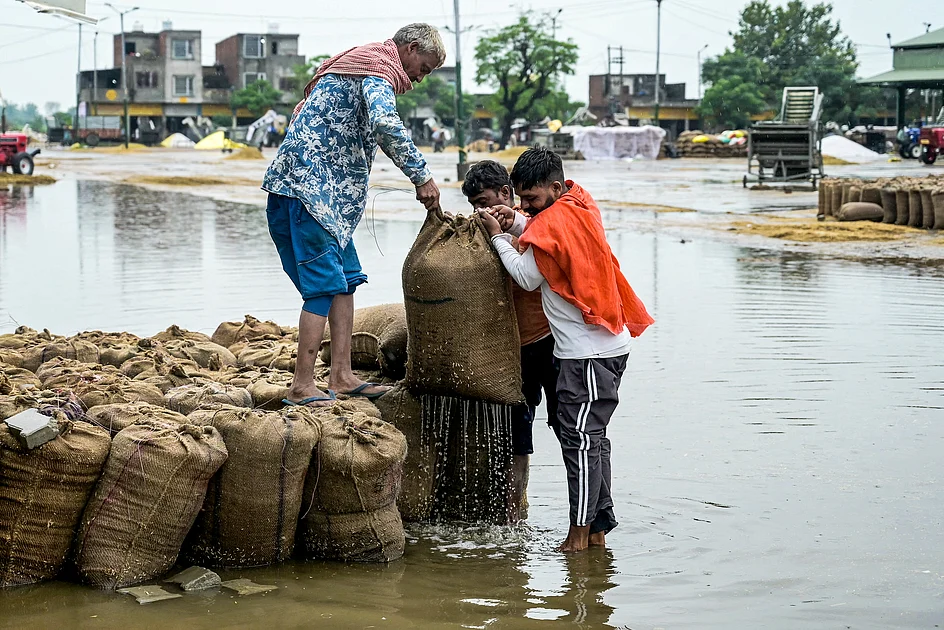
Monsoon promise turns sour for India’s crops ruined by late downpours
Indian farmers, who had initially welcomed an abundant monsoon season, are now grappling with the devastating aftermath of late downpours that have ruined their crops. The unexpected heavy rains, which arrived just before harvest, have severely damaged key crops such as cotton and soybean, leaving millions of farmers in distress. This agricultural setback is expected to halve the sector’s growth in the December quarter, with projections dropping to 3% to 3.5% from 6.6% the previous year, according to Garima Kapoor, an economist at Elara Securities in Mumbai. The crop losses are not only threatening farmers’ livelihoods but also exacerbating rural debt and dampening consumption, which had been poised to rise following the Indian government’s recent tax cuts on consumer goods. Farmers like Kishore Hangargekar from Maharashtra, who had anticipated a bountiful soybean harvest, are now facing significant financial strain. ‘We hoped for 10 to 12 quintals per acre, but now we’ll be lucky to get 2 to 3 quintals,’ he lamented. The situation is further complicated by the fact that damaged crops are being sold at prices far below the government’s minimum support price, leaving farmers with little recourse. Sachin Nanaware, another farmer, sold his soybean at 3,200 rupees per 100 kg, well below the government-fixed rate of 5,328 rupees. The financial strain has forced many farmers to mortgage their gold jewelry to afford seeds and fertilizers for the upcoming winter sowing season. While the excessive rain has improved soil moisture for winter crops like wheat and rapeseed, the lack of funds remains a critical issue. Industry analyst Thomas Mielke of Oil World predicts that the damage to soybean and cotton crops will drive India’s vegetable oil imports to a record 18 million tons in the upcoming marketing year. As farmers scramble to salvage what they can, the broader implications for India’s agricultural sector and rural economy remain deeply concerning.
-
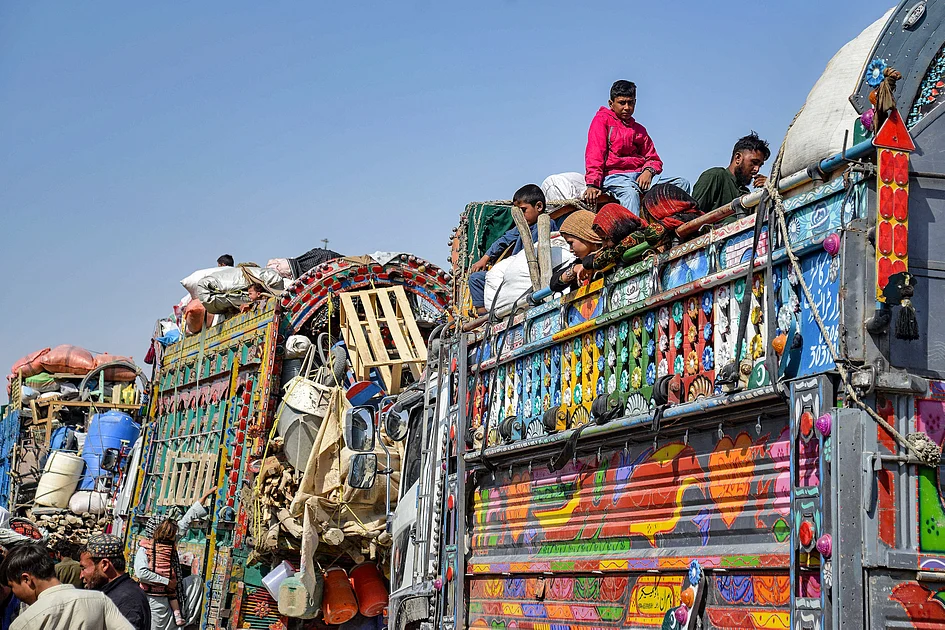
No resolution as Afghanistan, Pakistan end peace talks in Istanbul: Sources
Peace negotiations between Afghanistan and Pakistan, mediated by Turkey and Qatar in Istanbul, concluded without a resolution on Tuesday, October 28, 2025. This development marks a significant setback for regional stability, following deadly border clashes earlier this month. The talks aimed to establish a long-term truce between the two South Asian neighbors, who have been embroiled in escalating violence since the Taliban assumed power in Kabul in 2021. Despite agreeing to a ceasefire brokered in Doha on October 19, the second round of discussions failed to yield common ground, with both sides attributing the impasse to the other. A Pakistani security source claimed that the Afghan Taliban refused to commit to restraining the Pakistani Taliban, a militant group hostile to Pakistan. Conversely, an Afghan source cited “tense exchanges” over the issue, emphasizing that Kabul has no control over the Pakistani Taliban. The breakdown in talks could jeopardize the fragile ceasefire and escalate tensions between the two nations. Over the weekend, clashes near the border resulted in the deaths of five Pakistani soldiers and 25 militants, underscoring the volatility of the situation. Neither the Afghan Taliban government nor Pakistani officials provided immediate comments on the failed negotiations.
-
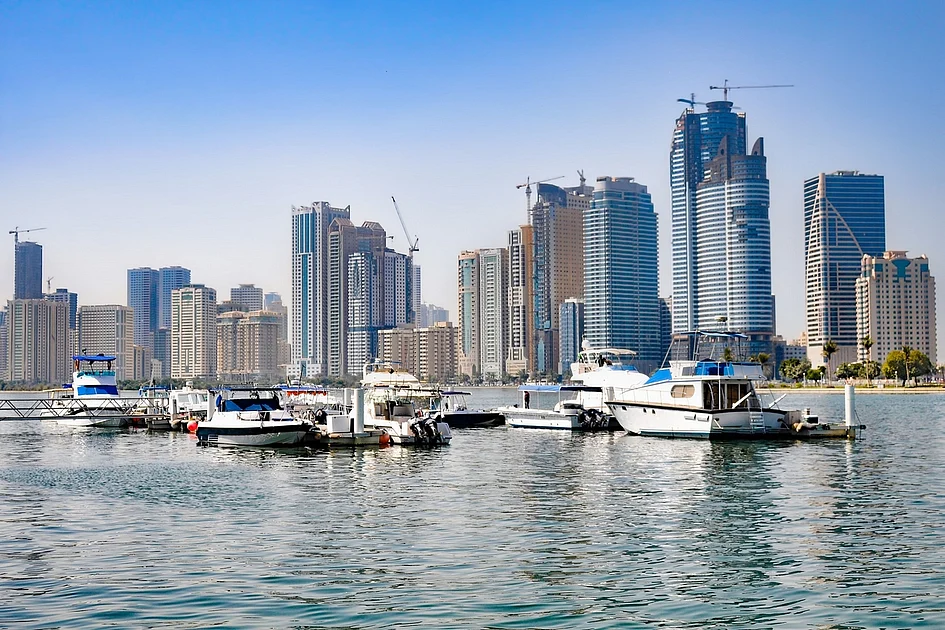
Sharjah tenants to get full fine exemption, 50% fee relief for expired leases
In a significant move to support tenants, the Sharjah Executive Council has approved a comprehensive settlement for unauthorized lease contracts. Effective from November 1, 2025, to December 31, 2025, tenants who regularize expired leases signed before September 19, 2024, will benefit from a 50% reduction in authentication fees and a complete waiver of administrative fines. This initiative applies to all lease types, including residential, commercial, industrial, and investment agreements. The decision aligns with the implementation of Law No. (5) of 2024 on real estate leasing and its executive regulations. Additionally, the Council greenlit the Hasad Center project, aimed at bolstering food security, advancing the agricultural sector, and aiding local farmers. The center will serve as a hub for collecting and distributing fruits and vegetables, streamlining support for producers. The meeting, chaired by Sheikh Sultan bin Mohammed bin Sultan Al Qasimi, Crown Prince and Deputy Ruler of Sharjah, also reviewed plans for the 54th UAE National Day celebrations, emphasizing national unity and cultural heritage. These measures underscore Sharjah’s dedication to fostering economic growth, supporting residents, and celebrating national achievements, in line with the vision of Sheikh Dr Sultan bin Mohammed Al Qasimi, Ruler of Sharjah.
-
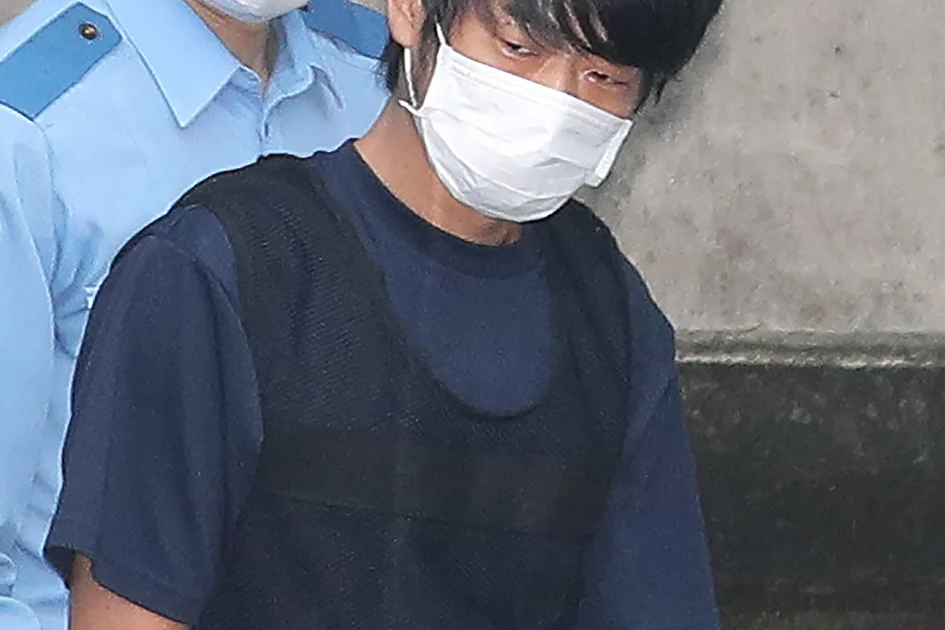
Gunman pleads guilty to Japan ex-prime minister’s murder
In a landmark court hearing on Tuesday, Tetsuya Yamagami, the 45-year-old gunman accused of assassinating Japan’s former Prime Minister Shinzo Abe, pleaded guilty to the charges. The shocking murder, which occurred in broad daylight in July 2022, sent ripples across a nation unaccustomed to gun violence and exposed deep-seated issues surrounding the influence of the Unification Church on Japanese politics. Yamagami, handcuffed and with a rope around his waist, appeared in the Nara court, where he admitted to the crime in a barely audible voice. His lawyer indicated plans to contest certain charges, including violations of arms control laws, as Yamagami had allegedly used a handmade weapon. The trial, delayed due to a suspicious item found in 2023, has been a focal point of national attention, particularly for its exploration of Yamagami’s motivations. Prosecutors revealed that Yamagami harbored deep resentment toward the Unification Church, blaming it for derailing his life. He initially sought to target Church executives but, unable to procure a firearm, decided to craft his own. Yamagami believed that killing a figure as influential as Abe would draw public scrutiny to the Church. Abe had faced criticism for his perceived ties to the sect, which has been accused of exploiting its members. Yamagami’s lawyers argued that his life was devastated by the Church, citing his mother’s extreme financial devotion to the sect and the subsequent collapse of their family. The assassination prompted a national reckoning, leading to the resignation of four ministers and the dissolution of the Church’s Japanese arm. It also spurred Japan to further tighten its already stringent gun control laws, introducing penalties for sharing firearm-making tutorials online.
-
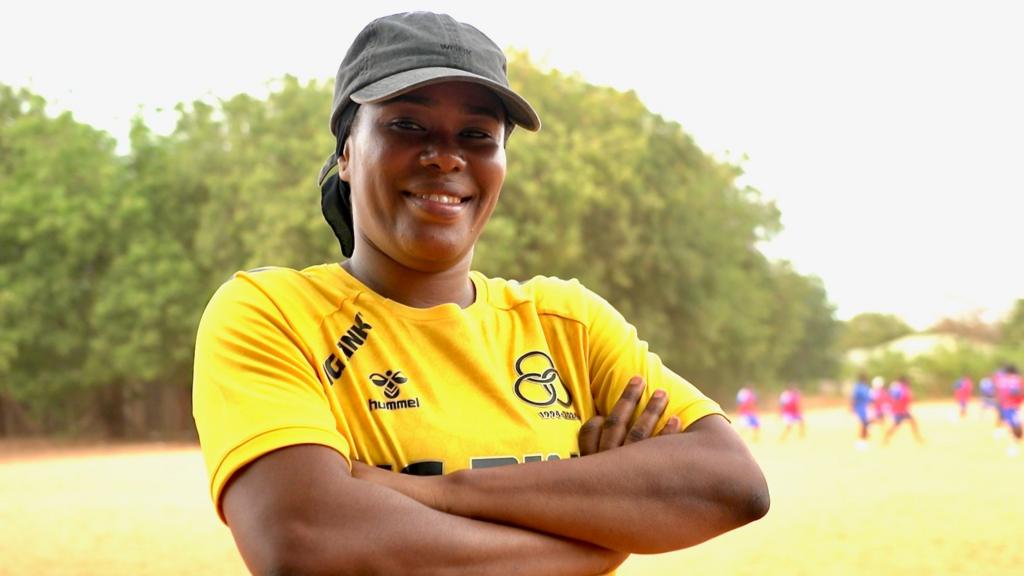
‘Football is life’ – The Gambian administrator on a mission
Sainey Sissohore Mboge, a Gambian football administrator, has turned her childhood struggles into a powerful mission to empower young girls through the sport. Growing up, Mboge was unfairly branded a ‘bad influence’ simply for her passion for football. However, she defied societal expectations, representing The Gambia at a youth World Cup and carving out a successful career in the game. Today, she leverages her position to support and inspire young girls who share her love for football. Her story, captured in a video by Joshua Akinyemi and edited by Ian Williams and Isaiah Akinremi, highlights her dedication to breaking barriers and fostering inclusivity in African sports. Published just a day ago, her journey serves as a testament to resilience and the transformative power of football.