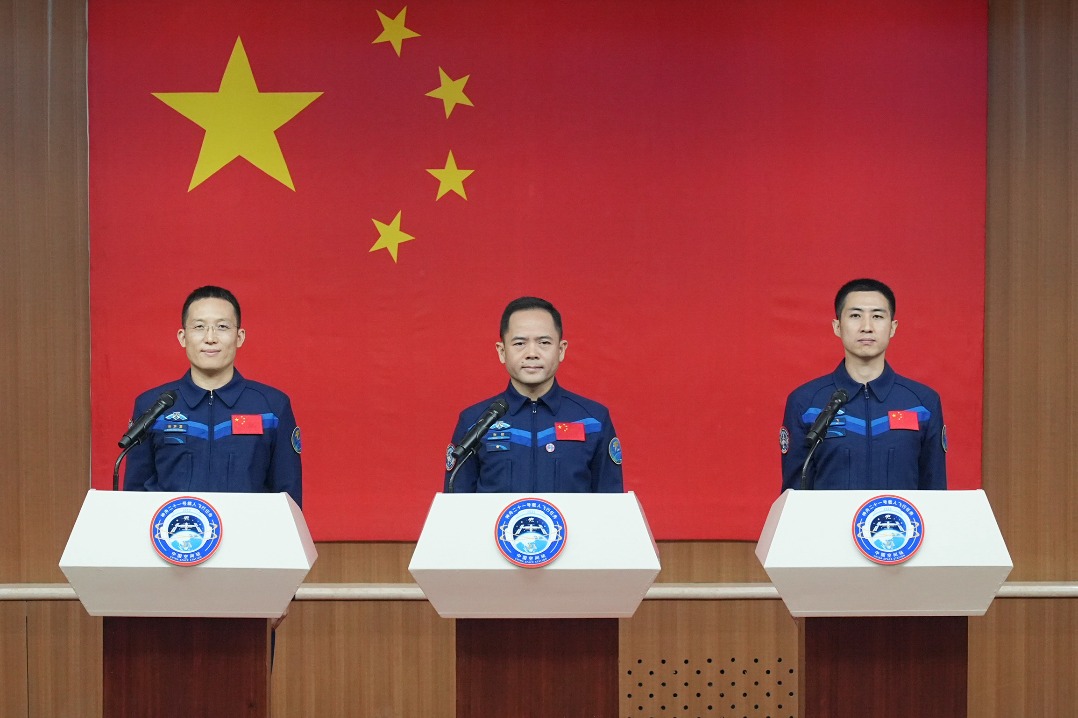
The astronauts of China’s Shenzhou XXI mission, Zhang Lu, Wu Fei, and Zhang Hongzhang, addressed the media on October 30, 2025, ahead of their scheduled launch. The mission, set to depart from the Jiuquan Satellite Launch Center in Northwest China, marks another significant step in China’s ambitious space exploration program. The launch is scheduled for 11:44 pm on Friday, Beijing Time, as announced by the China Manned Space Agency during a press conference. The Shenzhou XXI mission is part of China’s ongoing efforts to expand its presence in space, particularly with the Tiangong space station. This mission underscores China’s commitment to advancing its space capabilities and contributing to global space exploration. The astronauts’ press appearance highlights the meticulous preparation and national pride associated with this endeavor.
博客
-
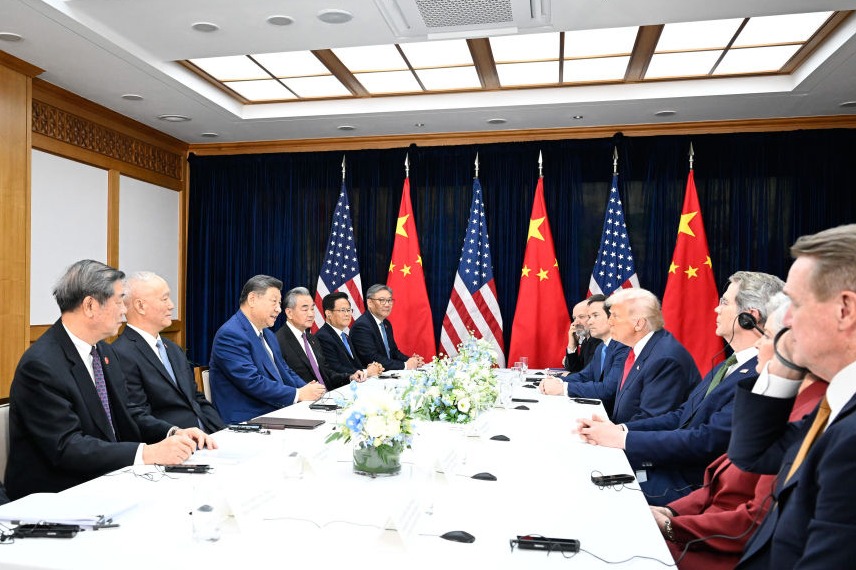
Xi urges China, US to work together to accomplish more great, concrete things
During a pivotal meeting in Busan, South Korea, Chinese President Xi Jinping emphasized the necessity for China and the United States to collaborate on significant and tangible initiatives that benefit both nations and the global community. This meeting occurred on the sidelines of the 32nd APEC Economic Leaders’ Meeting and a state visit to South Korea. President Xi highlighted the enthusiasm of US President Donald Trump in addressing various regional hotspot issues and acknowledged China’s role in promoting peace talks to resolve these issues. President Xi stressed that in the face of numerous global challenges, both countries have a responsibility to act as major powers and work together towards common goals.
-
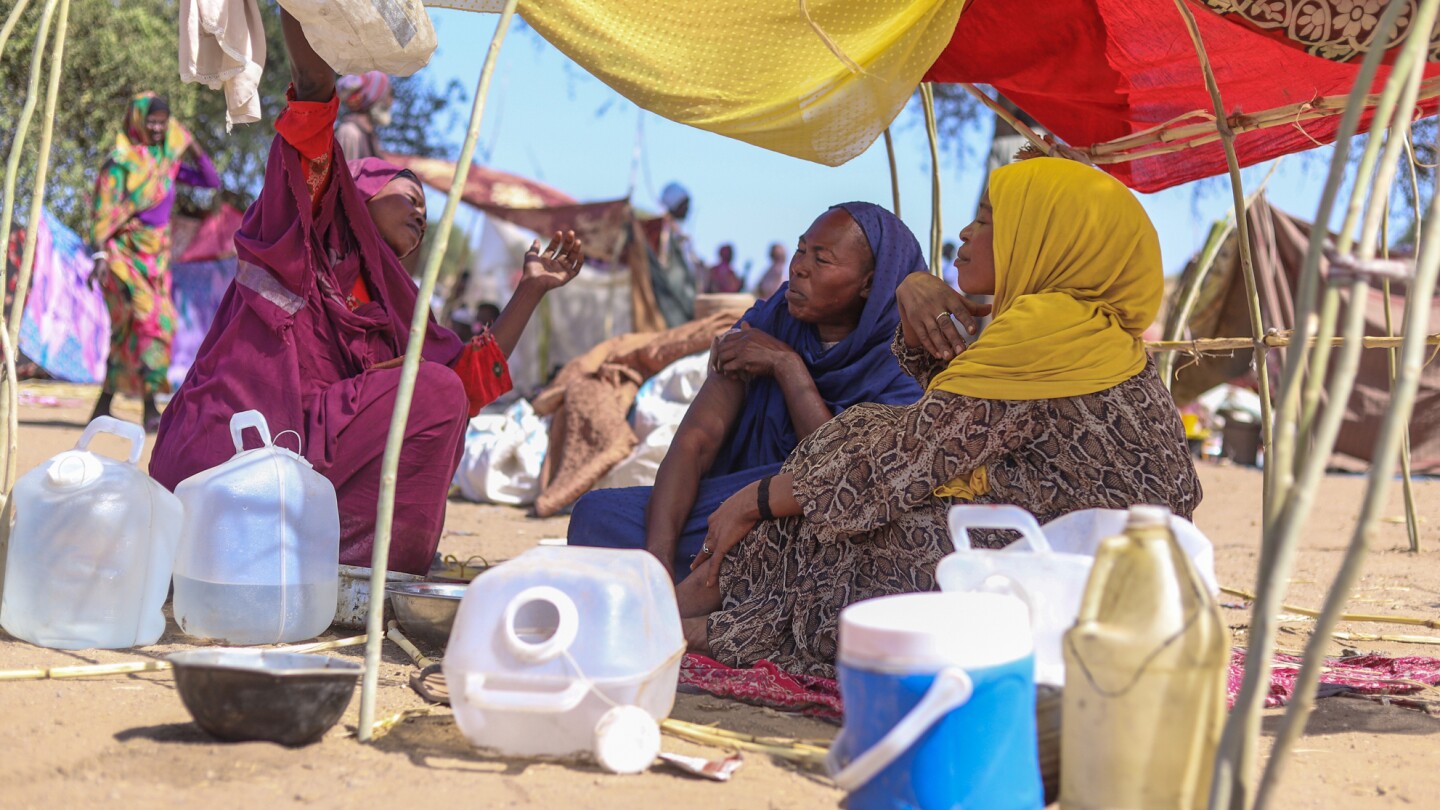
Aid workers fear for those missing from a city in Sudan’s Darfur region seized by paramilitary force
In the wake of a brutal paramilitary assault on el-Fasher, Sudan’s Darfur region, aid workers have expressed grave concerns over the fate of thousands who fled the violence. The Rapid Support Forces (RSF), a group embroiled in conflict with Sudan’s military since 2023, reportedly killed hundreds during the attack and subsequent escape attempts. Witnesses described RSF fighters conducting house-to-house raids, targeting civilians, including women and children. The World Health Organization (WHO) has confirmed the deaths of 460 people at a hospital in el-Fasher, though the exact toll remains unverified due to disrupted communications. Satellite imagery has revealed bodies strewn across the city, corroborating reports of mass executions. Only a small number of displaced individuals have reached Tawila, a town 60 kilometers west of el-Fasher, raising fears for the safety of those still trapped. The International Rescue Committee (IRC) warned that hundreds of thousands remain in grave danger, with survivors recounting arbitrary killings during their escape. RSF commander Gen. Mohammed Hamdan Dagalo acknowledged “abuses” by his forces and announced an investigation, but the situation remains dire. The ongoing conflict, which has claimed over 40,000 lives and displaced 14 million, threatens to further destabilize Sudan, Africa’s third-largest nation, raising fears of a potential split akin to South Sudan’s independence in 2011.
-
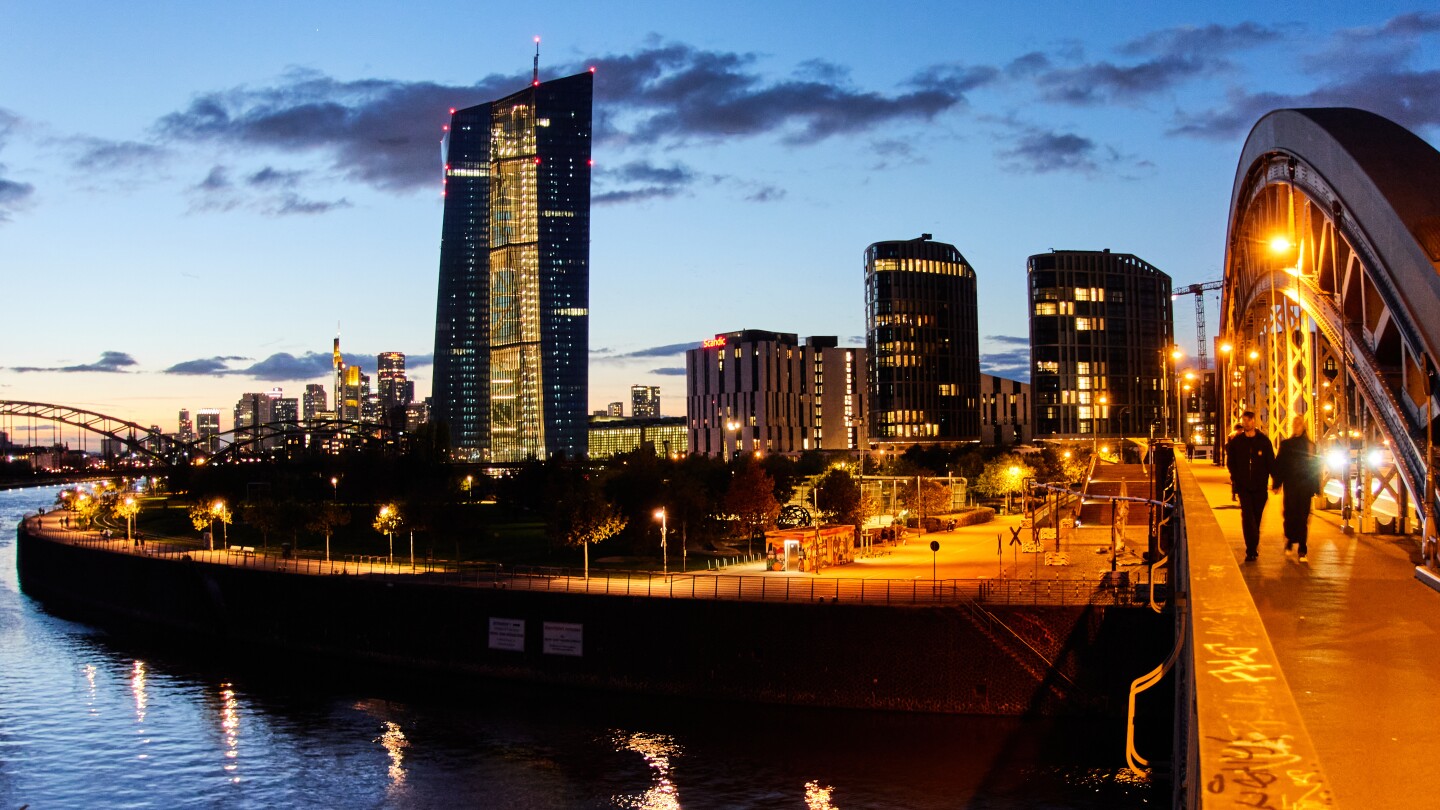
Europe’s economy shows modest growth of 0.2%, held back by laggard Germany
Europe’s economy expanded by a modest 0.2% in the third quarter of 2023, according to official data released on Thursday. The growth in the eurozone, comprising 20 countries, was constrained by higher U.S. tariffs and lackluster performances from key economies like Germany and Italy, both of which narrowly avoided technical recessions. Germany’s economy stagnated with zero growth in the July-September period, following a 0.2% contraction in the second quarter. Italy similarly recorded zero growth after a 0.1% decline in the previous quarter. Germany’s manufacturing and export-driven economy faces multiple challenges, including elevated energy prices, competition from Chinese producers, a shortage of skilled labor, and bureaucratic inefficiencies. Additionally, Europe is grappling with the impact of a 15% tariff imposed by the U.S. on European goods and ongoing uncertainty surrounding potential tariff hikes. Despite the weak growth, the European Central Bank (ECB) has maintained its key interest rates at 2%, signaling no immediate plans for further cuts. This stance contrasts sharply with the U.S. Federal Reserve, which recently reduced its benchmark rate by a quarter percentage point and is considering additional cuts. ECB President Christine Lagarde has emphasized that monetary policy is ‘in a good place,’ with annual inflation at 2.2% in September, close to the bank’s 2% target. Analysts predict that the ECB’s next rate adjustments may involve moderate increases in late 2024, driven by anticipated growth from German infrastructure and defense spending.
-
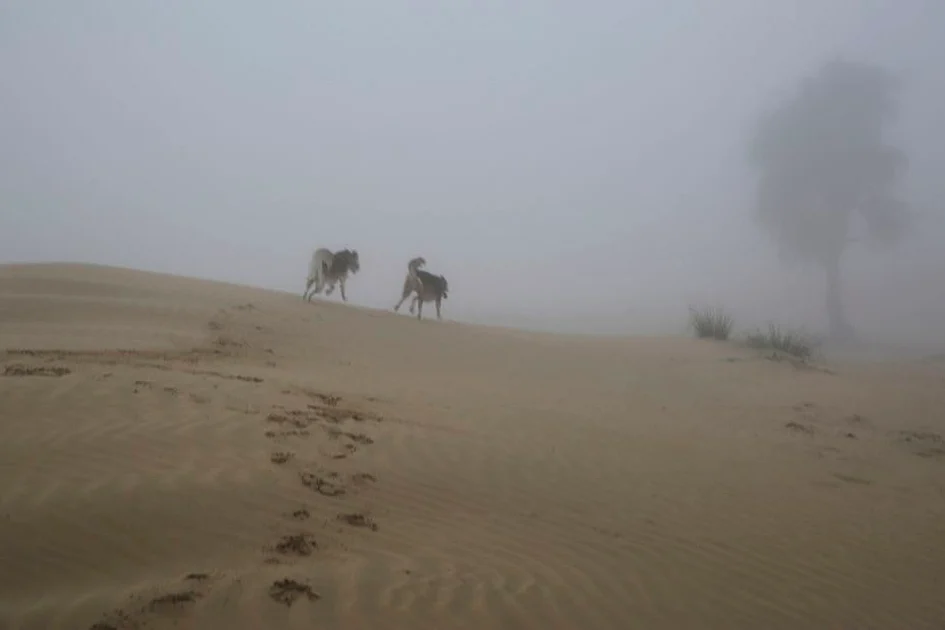
UAE weather: Fog predicted as temperatures drop to 17°C in some parts
As November approaches, the United Arab Emirates (UAE) is preparing for a shift in weather patterns, marked by foggy conditions and cooler temperatures. On Thursday, October 30, 2025, the skies across the UAE are expected to be fair to partly cloudy, with fog or mist likely to form over coastal and internal areas, particularly in the northern regions. Humidity levels are predicted to rise significantly by night and into Friday morning, reaching up to 85% in major cities like Abu Dhabi and Dubai. Temperatures will vary across the country, with Abu Dhabi experiencing a range of 25°C to 33°C, while Dubai will see temperatures between 26°C and 34°C. Sharjah is expected to cool down to 23°C, and some southern and internal areas may even see temperatures drop to as low as 17°C to 21°C. Light to moderate southeasterly-to-northwesterly winds are forecasted, with calm seas in the Arabian Gulf and the Oman Sea. Residents are advised to stay cautious during early morning commutes due to reduced visibility caused by fog.
-

Environment forum in Hong Kong fosters green collaboration across GBA
The 2025 United Nations China Youth Environment Forum, held in Hong Kong on October 29, 2025, brought together approximately 150 participants to discuss carbon neutrality education and regional ecological cooperation. Titled ‘Beautiful China, Zero Carbon Action,’ the event featured representatives from ecological and educational departments across the Chinese mainland, Hong Kong, and Macao, alongside experts, youth delegates, and educators. The forum was co-organized by the United Nations Environment Program’s Chinese Office and China’s Ministry of Ecology and Environment, with support from the Hong Kong SAR government and a Shenzhen-based overseas friendship association. Keynote speeches and experience-sharing sessions highlighted China’s progress in ecological civilization education and showcased the collaborative efforts of its youth in building a sustainable future. China’s Vice Minister of Ecology and Environment, Yu Huiwen, underscored Hong Kong’s pivotal role in the Guangdong-Hong Kong-Macao Greater Bay Area (GBA) as a bridge for ecological protection and international cooperation. Hong Kong’s Secretary for Environment and Ecology, Tse Chin-wan, reiterated the city’s commitment to achieving carbon neutrality by 2050, aligning with national dual carbon goals. The forum also provided a platform for global environmental experts to share insights on climate change, fostering a deeper understanding of carbon neutrality among young participants and inspiring a sense of mission.
-
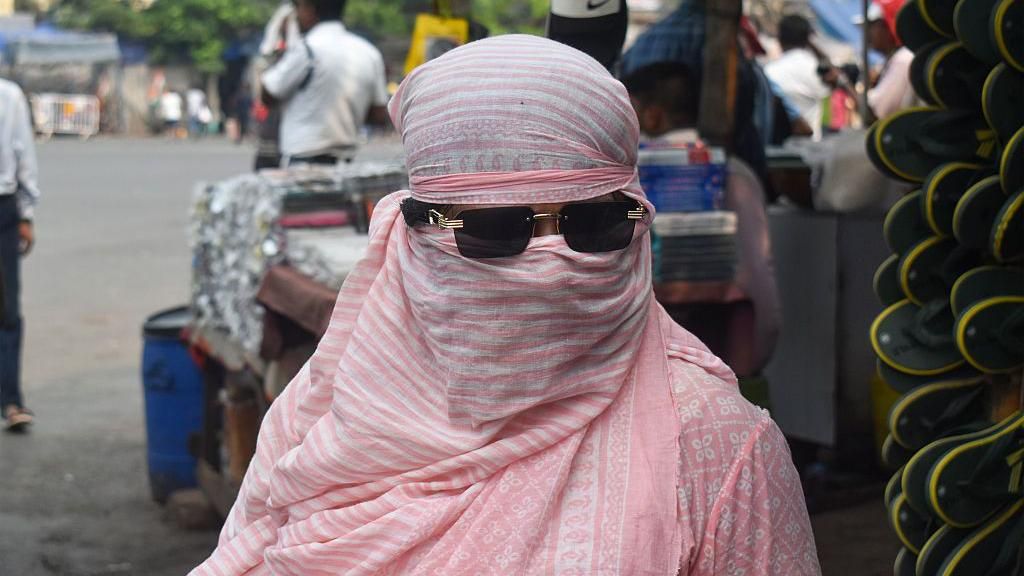
Climate change intensified India’s heatwaves in 2024 – Lancet study
India has been grappling with increasingly severe heatwaves, a phenomenon exacerbated by climate change, according to a recent report by The Lancet. The study revealed that nearly one-third of the 19.8 heatwave days recorded in India in 2024 were directly attributable to human-induced climate change, equating to 6.6 days that would not have occurred otherwise. These extreme temperatures have had profound consequences, resulting in the loss of 247 billion potential labor hours, primarily in agriculture and construction, and causing an estimated economic loss of $194 billion. The report also highlighted the escalating health risks associated with prolonged exposure to extreme heat, including dehydration, heatstroke, cardiovascular stress, and increased mortality, particularly among vulnerable populations such as the elderly, infants, and outdoor workers. The Lancet Countdown report, a key scientific reference on the health impacts of climate change, emphasized that the health risks posed by rising global temperatures are now more severe than ever. It noted that 152 record-breaking extreme weather events occurred across 61 countries in 2024, with life-threatening heat events becoming more intense than previously predicted. Jeremy Farrar, assistant director-general for Health Promotion and Disease Prevention and Care at the World Health Organization (WHO), stated, ‘The climate crisis is a health crisis. Every fraction of a degree of warming costs lives and livelihoods.’ The report also found that heat-related mortality has increased by 23% worldwide since the 1990s, with an average of around 546,000 deaths annually. Additionally, the report shed light on India’s worsening air quality, particularly in the Indo-Gangetic plains, where air pollution levels have remained in the ‘poor’ to ‘very poor’ categories, sometimes reaching hazardous levels. In 2022, atmospheric pollution, primarily caused by PM2.5 pollutants, was responsible for 1.7 million deaths, with 44% of these deaths linked to harmful emissions from burning fossil fuels. The report also highlighted the deadly impact of heavy reliance on biofuels such as wood, dung, and crop residue for cooking, which continues to claim thousands of lives, especially among women and children in rural areas. The findings were released ahead of the COP30 summit in Brazil, underscoring the urgent need for global action to address the intertwined crises of climate change and public health.
-
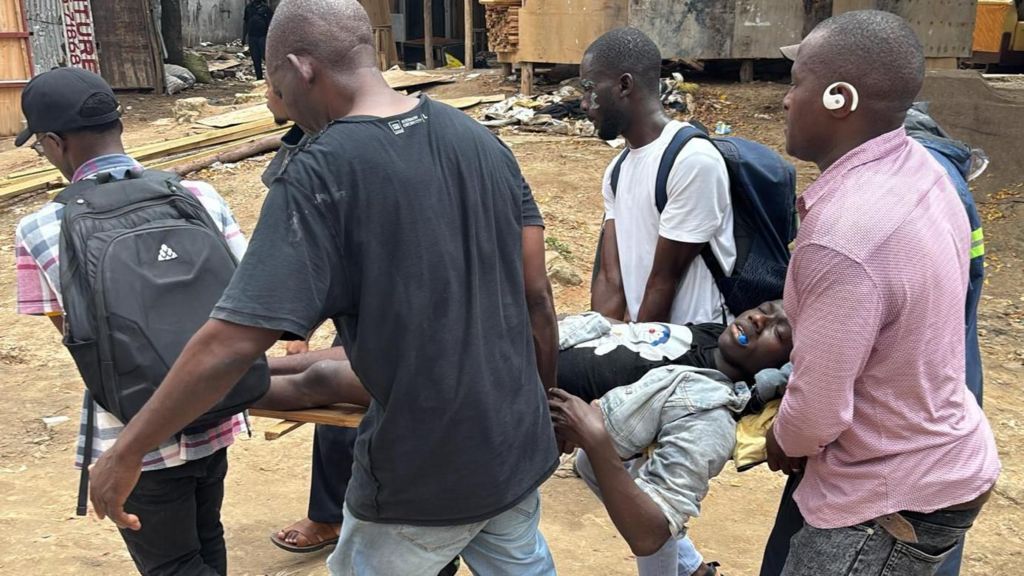
Tanzania tells civil servants to work from home after protests mar election
Tanzania’s recent elections have been marred by widespread violence, internet disruptions, and political unrest, leading to significant casualties and a tense atmosphere across the country. Protesters clashed with police on voting day, setting vehicles ablaze and damaging public infrastructure, as they accused the government of undermining democracy. The main opposition leader, Tundu Lissu, remains incarcerated on treason charges, while another key opposition figure, Luhaga Mpina, was disqualified from the presidential race, leaving President Samia Suluhu Hassan with a clear path to a second term. The government has ordered civil servants to work from home, and a night-time curfew has been imposed in Dar es Salaam, the nation’s largest city, where heavy security measures remain in place. Reports of deaths, including a civilian and a police officer, have drawn condemnation from rights groups like Amnesty International, which has called for an independent investigation into the police response. The US Embassy has confirmed that major routes, including the road to Dar es Salaam’s international airport, remain closed. Internet connectivity has been severely disrupted, raising concerns about the suppression of information and further escalation of tensions. President Samia, who assumed office in 2021 as Tanzania’s first female president, initially garnered praise for easing political repression but has since faced criticism for narrowing the political space and targeting critics through arrests and abductions. With vote counting underway, the electoral body is expected to announce results by Saturday, but the election has been widely seen as a foregone conclusion, given the absence of significant opposition.
-
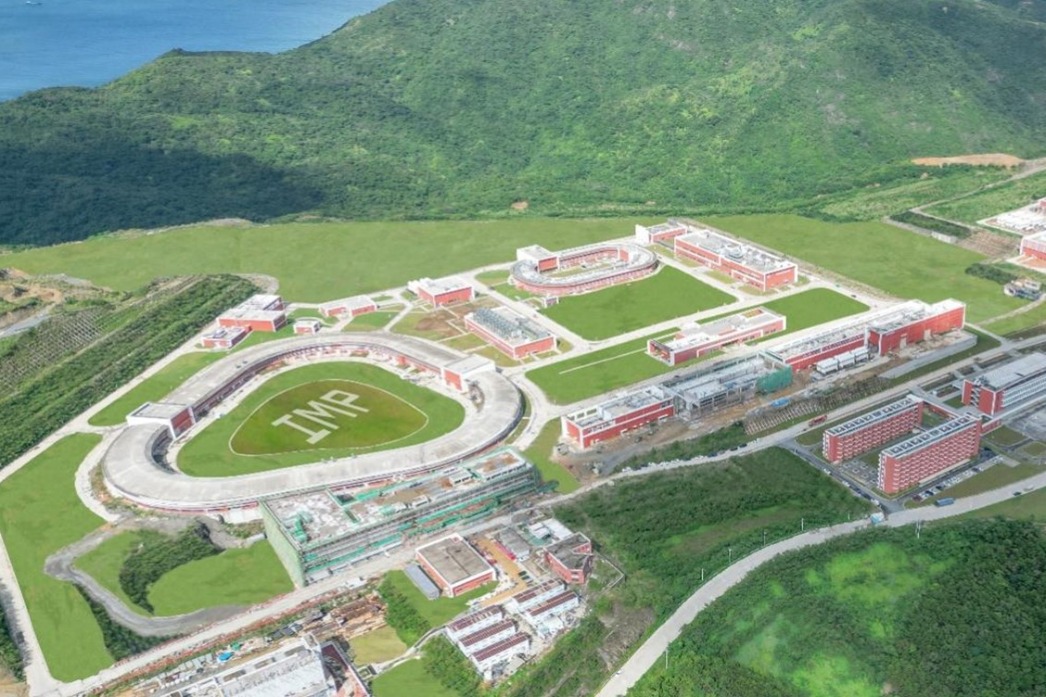
Advanced heavy-ion accelerator successfully tested in South China
In a groundbreaking achievement for scientific research, the High Intensity Heavy-Ion Accelerator Facility (HIAF), the world’s largest full ion accelerator, has successfully completed its beam commissioning phase. The milestone was announced by the Institute of Modern Physics (IMP) under the Chinese Academy of Sciences on Tuesday in Huizhou, Guangdong province. The HIAF, a flagship national science and technology project, began construction in December 2018 and features over 6,000 large-scale equipment units, nearly 5 million component parts, and a pipeline network exceeding 1 million meters in length. The project utilized digital twin technology, significantly reducing installation time from the typical two to three years to just eight months. The HIAF is set to conduct beam performance tests and is expected to initiate its first scientific experiment by the end of 2025. Once fully operational, it will provide the world’s highest pulse intensity heavy ion beams and the most precise multi-functional nuclear mass spectrometer. This facility will serve as a global hub for cutting-edge research in atomic nuclei exploration, nuclear astrophysics, nuclear energy development, and multidisciplinary applications. Additionally, the HIAF will offer a shared platform for facilities, services, data, and talent, fostering international collaboration among top scientists and research teams.
-
Protests in Tanzania enter a second day after disputed election
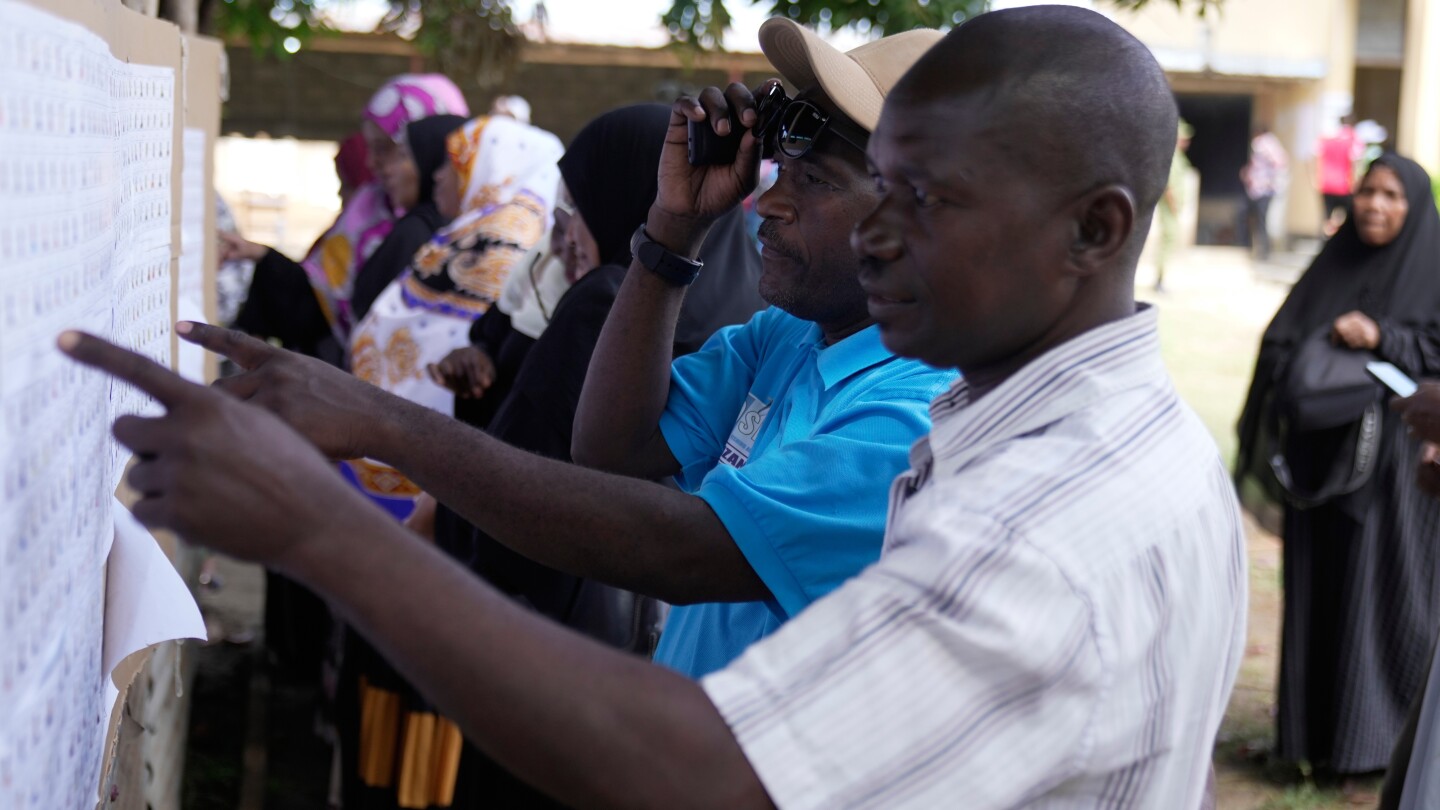
Tanzania has been plunged into turmoil following a contentious election, with hundreds of protesters taking to the streets for a second consecutive day on Thursday. The unrest comes as Amnesty International confirmed the deaths of two individuals during the demonstrations. The government, led by the long-ruling Chama Cha Mapinduzi (CCM) party, has responded with a heavy-handed approach, shutting down the internet, imposing a curfew, and deploying military forces to quell the protests. The CCM, in power since Tanzania’s independence in 1961, sought to extend its dominance in Wednesday’s election, which was marred by allegations of unfairness and the exclusion of major opposition candidates. Incumbent President Samia Suluhu Hassan faced minimal competition from 16 candidates representing smaller parties, none of whom mounted significant campaigns. Early results announced by the electoral body on Thursday showed Hassan with a commanding lead, securing 96.99% of the votes in 8 out of 272 constituencies. The European Parliament condemned the election as neither free nor fair, urging international partners to defend democracy and human rights. Meanwhile, the protests have escalated into violence, with demonstrators burning a bus and a gas station, attacking police stations, and vandalizing polling centers. The government has imposed a curfew in Dar es Salaam, the commercial capital, and restricted public movement, while roadblocks manned by the military have been erected nationwide. Amnesty International has called for investigations into the use of force by police, as tensions remain high and the country grapples with the fallout from the disputed election.