
The global fascination with Asian culture is reaching unprecedented heights, as people from diverse corners of the world—ranging from Germany and France to Canada and Brazil—are increasingly engaging with it through digital platforms. A Brazilian enthusiast eloquently expressed this sentiment: ‘Watching through the screen, I can feel the culture coming alive in real time.’ This immersive experience is not only enriching their understanding but also inspiring them to add more destinations to their travel itineraries. The allure of Asian traditions, arts, and lifestyles is resonating deeply, fostering cross-cultural connections and mutual appreciation. To witness this cultural phenomenon firsthand, viewers are encouraged to explore the accompanying video, which showcases how Asian culture is captivating hearts globally.
博客
-
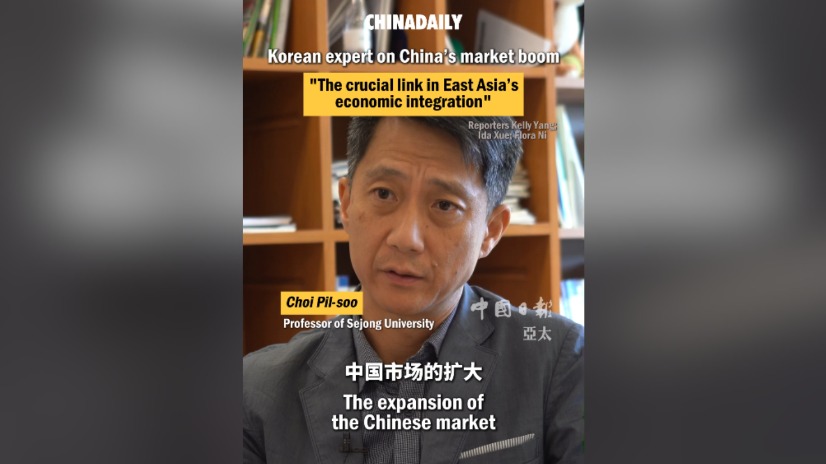
Expert: China’s market is reshaping East Asia’s economic integration
The burgeoning influence of China’s market is fundamentally transforming the economic integration of East Asia, according to Choi Pil-soo, a distinguished professor of Chinese trade and commerce at South Korea’s Sejong University. In a recent statement, Choi highlighted that the future of regional cooperation depends on the synergistic development of ideas, technology, and talent. He underscored the critical role of cross-border collaboration among industry, government, and academic sectors in driving sustainable growth. This evolving dynamic signals a shift in the economic paradigm of East Asia, with China’s market playing a pivotal role in shaping the region’s economic future.
-
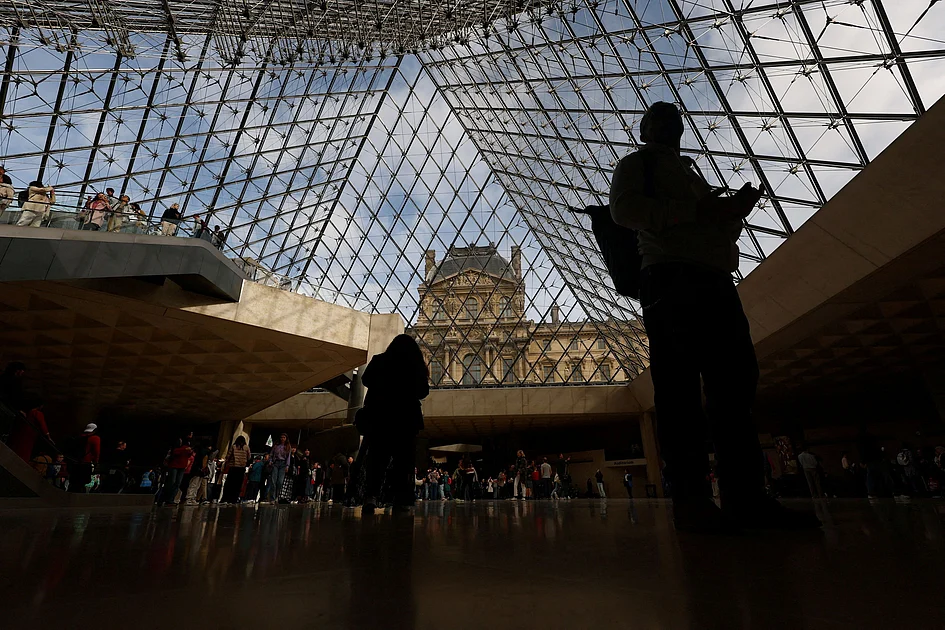
Louvre heist suspects ‘partially admit’ involvement; stolen jewels still missing
Two individuals arrested in connection with the audacious theft of jewels from the Louvre Museum have partially admitted their involvement, according to Paris prosecutor Laure Beccuau. The stolen treasures, valued at an estimated $102 million, remain unaccounted for. The heist, which occurred on October 19, saw four hooded thieves break into the museum’s Apollo Gallery during opening hours, exploiting significant security lapses. The thieves used a stolen elevator truck to access an exterior balcony, smashed a window, and made their escape on motorbikes within six to seven minutes. The museum’s surveillance system failed to detect the intrusion promptly, raising concerns about its security measures. The two suspects, aged 34 and 39, were identified through DNA evidence and are currently in custody. One was apprehended while attempting to board a flight to Algeria, and the other was already under judicial supervision for a prior theft case. Both reside in Aubervilliers, a low-income suburb of Paris. Prosecutor Beccuau emphasized that there is no evidence suggesting the heist was an inside job but indicated the possibility of a larger group, including a potential commissioner of the theft. The Louvre has since transferred some of its most valuable jewels to the Bank of France under police escort. The incident has sparked global attention and introspection in France, with many viewing it as a national embarrassment.
-
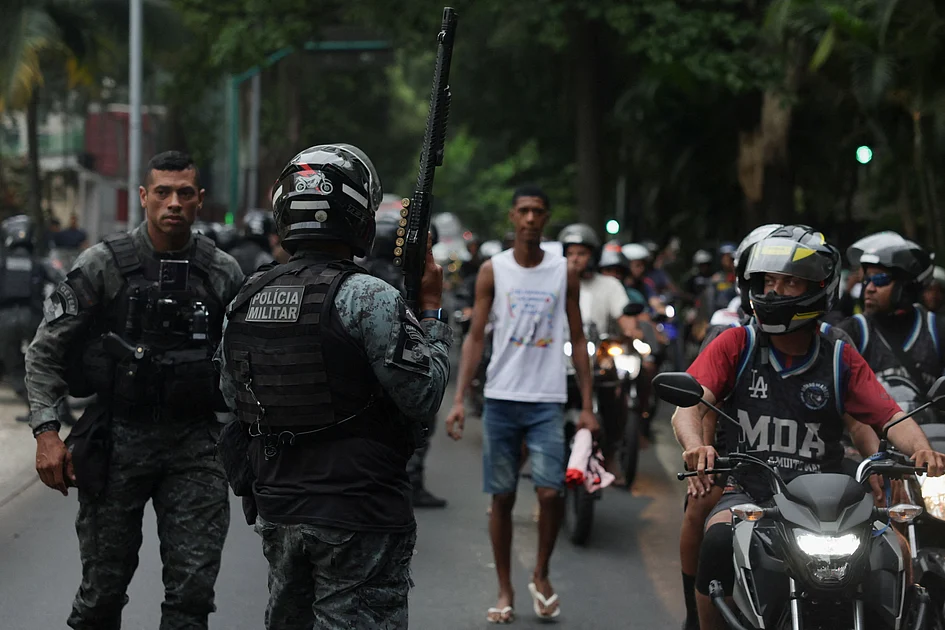
‘They slit my son’s throat’ says mother of teen killed in Rio police raid
A devastating police raid in Rio de Janeiro has left at least 119 people dead, exposing the violent underbelly of a city renowned for its picturesque beaches and vibrant culture. The operation, which targeted drug gangs entrenched in the city’s impoverished favelas, has drawn widespread condemnation from families of the victims and international observers. Among the dead were 115 suspected criminals and four police officers, according to provisional figures released by state authorities. The raid, described by officials as a success against organized crime, has been criticized for its excessive use of force, with families alleging that many victims were executed in cold blood. President Luiz Inacio Lula da Silva has called for a coordinated approach to combat drug trafficking without endangering civilians or police officers. The incident has cast a shadow over Brazil’s security challenges, just days before the country is set to host the COP30 UN climate talks in the Amazon. The United Nations has expressed deep concern over the high number of casualties, urging swift investigations into the matter. Meanwhile, residents of the affected communities continue to mourn their loved ones, with harrowing accounts of brutality emerging from the scene.
-
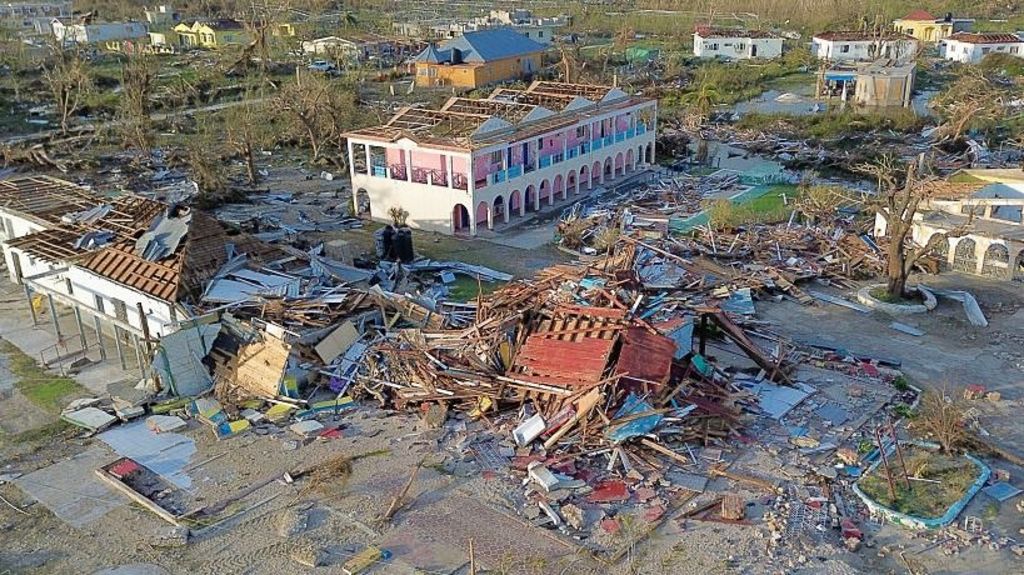
Hurricane leaves trail of destruction across Caribbean
The Caribbean region is reeling from the catastrophic impact of Hurricane Melissa, a record-setting storm that has claimed at least 32 lives and caused widespread devastation across Jamaica, Haiti, and Cuba. Despite being downgraded from a Category 5 to a Category 1 hurricane, Melissa’s ferocity has left communities in ruins, with sustained winds reaching 298 km/h (185 mph) at its peak—surpassing even the destructive force of Hurricane Katrina in 2005. The storm’s path of destruction has been particularly severe in Jamaica’s southwestern parish of St Elizabeth, where knee-deep mud and washed-out bridges have isolated towns like Black River. In Cuba, Santiago de Cuba, the nation’s second-largest city, suffered extensive damage, with residents using machetes to clear debris-clogged streets. President Miguel Díaz-Canel described the hurricane’s impact as “considerable,” though no official casualty figures have been released. The Bahamas, while spared the worst of the storm, saw nearly 1,500 people evacuated in one of the largest operations in the country’s history. Despite flooding in some areas, major tourist destinations like Nassau and Freeport remain largely unaffected. Haiti, already grappling with gang violence and a humanitarian crisis, reported at least 23 deaths, including 10 children, primarily due to flooding from relentless rains. Communication and power networks in Jamaica’s hardest-hit regions remain severed, leaving families unable to contact loved ones. Amid the devastation, a glimmer of hope emerged as a baby was safely delivered under emergency conditions, earning the name “Baby Melissa.” The US National Hurricane Center (NHC) warns that hazardous conditions will persist in Cuba, Jamaica, and Hispaniola for several days, even as floodwaters in the Bahamas begin to recede.
-

India to impose 30% import duty on yellow peas from November 1
In a significant move to safeguard domestic agricultural interests, the Indian government has announced a 30% import duty on yellow peas, effective November 1, 2025. According to a government notification issued late on Wednesday, shipments with a bill of lading dated on or before October 31, 2025, will be exempt from this duty. This decision comes after domestic farmers raised concerns over the influx of cheap imports, which have been exerting downward pressure on local prices. Previously, India had allowed duty-free imports of yellow peas until March 31, 2026. As the world’s largest importer of yellow peas, India primarily sources this commodity from Canada and Russia. The new tariff is expected to provide relief to local farmers by reducing competition from imported goods and stabilizing market prices.
-

Police in Mumbai rescue 17 children taken hostage by man
In a dramatic operation, Mumbai Police successfully rescued 17 children and two adults from a hostage situation at an acting school in the bustling Powai neighborhood. The incident unfolded in the Mahavir Classic building, where the children were reportedly attending an audition. Authorities received a distress call at 13:45 local time (08:15 GMT) alerting them to the crisis. Initial attempts to negotiate with the hostage-taker proved futile as he remained unyielding, prompting police to use force to enter the premises. The suspect, who claimed to have ‘simple moral and ethical demands,’ was subsequently taken to a hospital for treatment, with media reports indicating he sustained injuries. Police are currently conducting a thorough investigation at the scene and have refrained from providing further details until the inquiry is complete. The motive behind the hostage-taking remains unclear, though the individual denied any terrorist affiliations or financial demands.
-
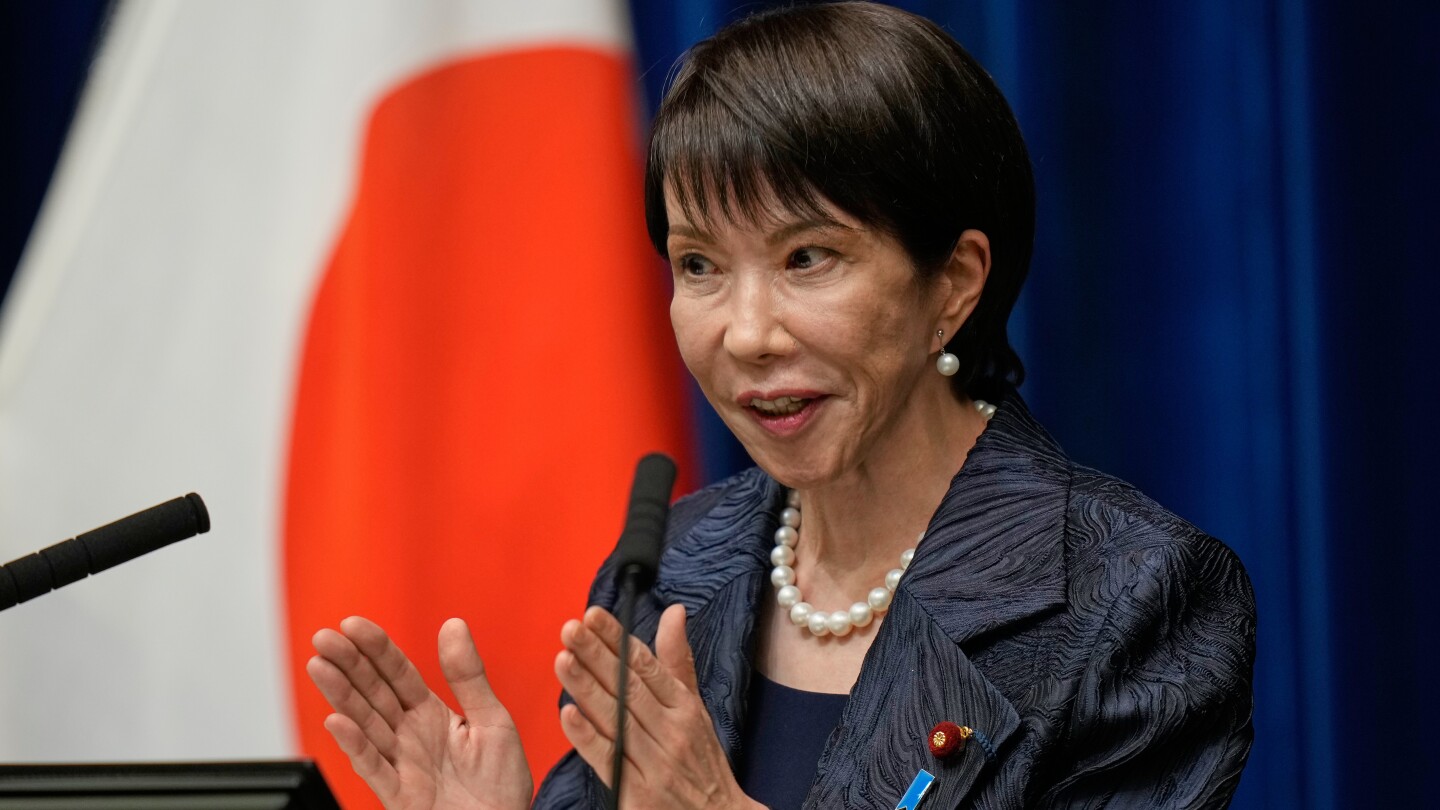
South Korean and Japanese leaders vow to improve ties in face of global uncertainty
In a landmark meeting held in Gyeongju, South Korea, President Lee Jae Myung and Japan’s newly elected Prime Minister Sanae Takaichi convened for their first summit on Thursday, vowing to enhance bilateral relations historically marred by their contentious wartime past. The meeting, which took place ahead of the Asia-Pacific Economic Cooperation (APEC) summit, underscored the urgency of fostering cooperation in the face of shifting global dynamics and trade uncertainties. Both leaders emphasized the importance of future-oriented collaboration, with Takaichi highlighting the growing significance of trilateral cooperation involving the United States. The two nations agreed to sustain their ‘shuttle diplomacy’ model, alternating hosting duties for future summits. Takaichi described the discussions as ‘very enjoyable and meaningful’ and expressed anticipation for Lee’s reciprocal visit to Japan. The summit followed a series of diplomatic engagements with U.S. President Donald Trump, who urged both allies to fulfill substantial investment commitments. South Korea and Japan have pledged billions in U.S. investments, with South Korea agreeing to $200 billion in direct investments and $150 billion in loan guarantees to revitalize the U.S. shipbuilding industry. In return, the U.S. has committed to reducing tariffs on Korean vehicles and auto parts. Despite historical tensions and differing views on wartime history, experts predict continued cooperation as both nations navigate shared challenges, including supply chain vulnerabilities and North Korea’s nuclear ambitions. Lee’s pragmatic diplomacy has also sought to mend ties with Japan and the U.S., signaling a shift from his earlier perceived alignment with North Korea and China.
-
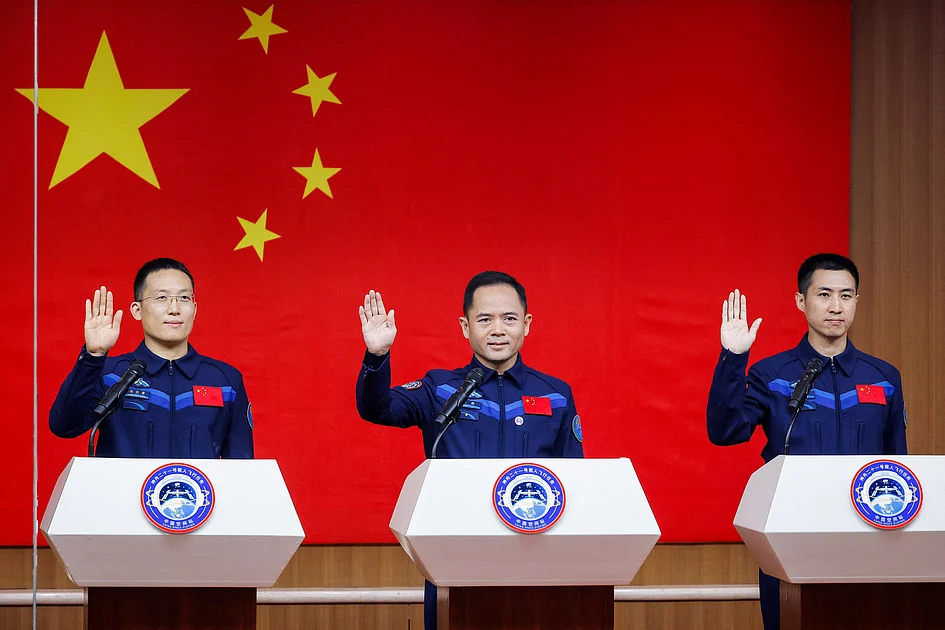
China announces plans to have Pakistan astronaut on short-term missions
In a significant development in space cooperation, China has announced plans to include a Pakistani astronaut in its upcoming short-term missions aboard the Chinese space station. According to a report by the state-run Xinhua News Agency on Thursday, October 30, 2025, the astronaut from Pakistan will undergo rigorous training alongside Chinese astronauts, marking a milestone in the bilateral space partnership between the two nations. This initiative underscores China’s commitment to fostering international collaboration in space exploration. The inclusion of a Pakistani astronaut not only strengthens the strategic ties between China and Pakistan but also highlights China’s growing influence in the global space arena. The training program is expected to enhance Pakistan’s space capabilities while contributing to the broader objectives of China’s space station missions. This announcement comes amid China’s ongoing efforts to expand its space program and engage with other countries in joint space endeavors.
-
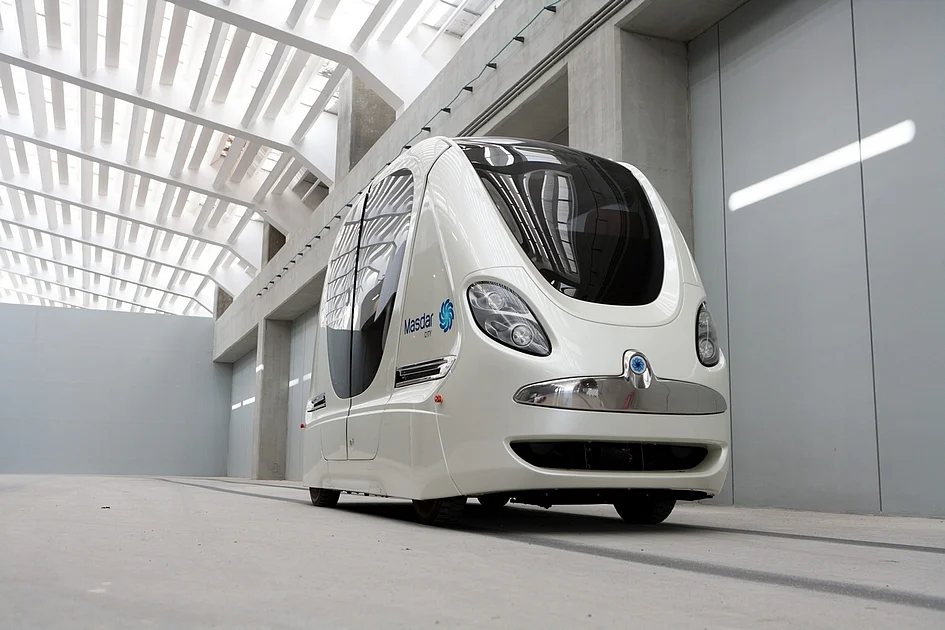
Robotaxis to electric pods, 8 smart mobility options driving Abu Dhabi into future
Abu Dhabi is spearheading a transformative journey in urban mobility, leveraging cutting-edge technologies to redefine transportation. Under the leadership of Abu Dhabi Mobility, the emirate has set an ambitious target: ensuring 25% of all trips are autonomous by 2040. This bold vision is part of a broader strategy to create a sustainable, connected, and efficient transport network. The initiative encompasses a diverse array of smart mobility solutions, ranging from autonomous vehicles to digital twin systems, positioning Abu Dhabi as a global leader in smart city innovation. Among the pioneering projects already in operation are driverless TXAI robotaxis, Autonomous Rapid Transit (ART) buses, and Personal Rapid Transit (PRT) pods in Masdar City. These services are complemented by a growing network of micromobility options, including e-scooters and bikes, all integrated into the city’s transport ecosystem. Looking ahead, Abu Dhabi is developing the Smart and Autonomous Vehicle Industries (SAVI) cluster, a dedicated zone in Masdar City focused on advancing autonomous land, air, and sea transport. Additionally, plans are underway to enhance airport connectivity through light rail, Bus Rapid Transit (BRT), and automated shuttles. The emirate is also exploring intelligent marine transport solutions and has launched the ‘Abu Dhabi Digital Twin’ project, a comprehensive platform using AI and advanced simulations to optimize transport infrastructure. These initiatives underscore Abu Dhabi’s commitment to embracing innovation and sustainability, setting a benchmark for smart mobility worldwide.