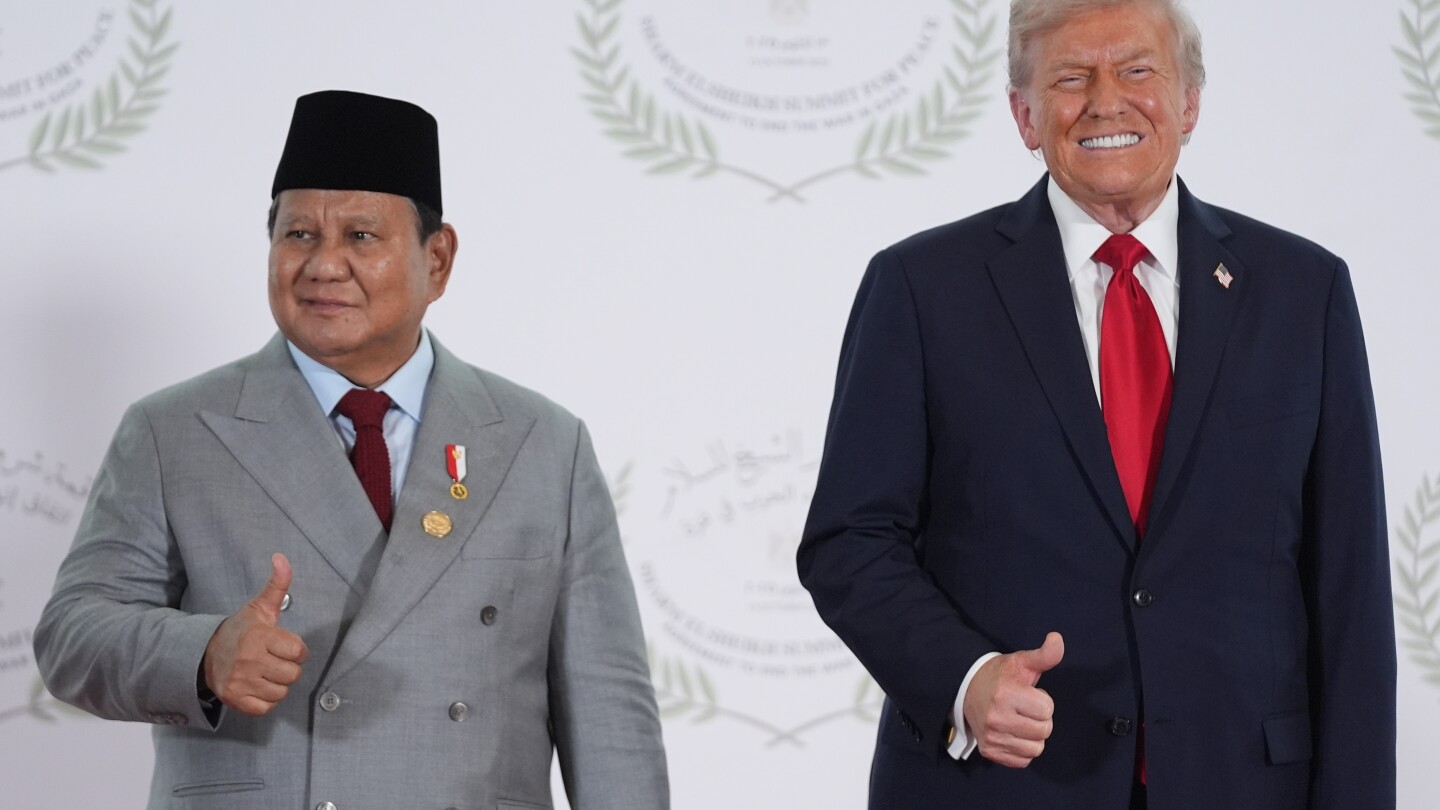
During his recent visit to Asia, President Donald Trump highlighted the contributions of regional allies in advancing his efforts to achieve a lasting resolution to the Israel-Hamas conflict. At the Association of Southeast Asian Nations (ASEAN) summit in Malaysia, Trump specifically acknowledged Indonesia’s President Prabowo Subianto for his support in Gaza. “I want to thank Malaysia and Brunei as well as my friend, President Prabowo of Indonesia, for their incredible support of these efforts to secure a new day for the Middle East,” Trump stated. Indonesia, home to the world’s largest Muslim population, has emerged as a key partner in the White House’s push for Middle East peace, particularly following the recent fragile ceasefire and hostage deal between Israel and Hamas. Trump’s strategy builds on the Abraham Accords, which established diplomatic and commercial ties between Israel and several Arab nations during his first term. White House officials believe that a permanent peace agreement in Gaza could facilitate Indonesia and Saudi Arabia normalizing relations with Israel. However, Indonesia has publicly maintained that any normalization with Israel must be contingent on a clear pathway to Palestinian statehood. Prabowo has expressed eagerness to strengthen ties with Trump and expand Indonesia’s global influence, including seeking U.S. support for Indonesia’s bid to join the Organization for Economic Co-operation and Development (OECD). Additionally, Indonesia’s ambitions in the global nickel market and rare earths industry present opportunities for deeper U.S.-Indonesia collaboration. Despite these developments, Prabowo faces domestic skepticism over potential normalization with Israel, given Indonesia’s historical support for Palestinian independence. Trump’s transactional approach to diplomacy, combined with Indonesia’s strategic interests, could pave the way for significant progress in the region.
博客
-
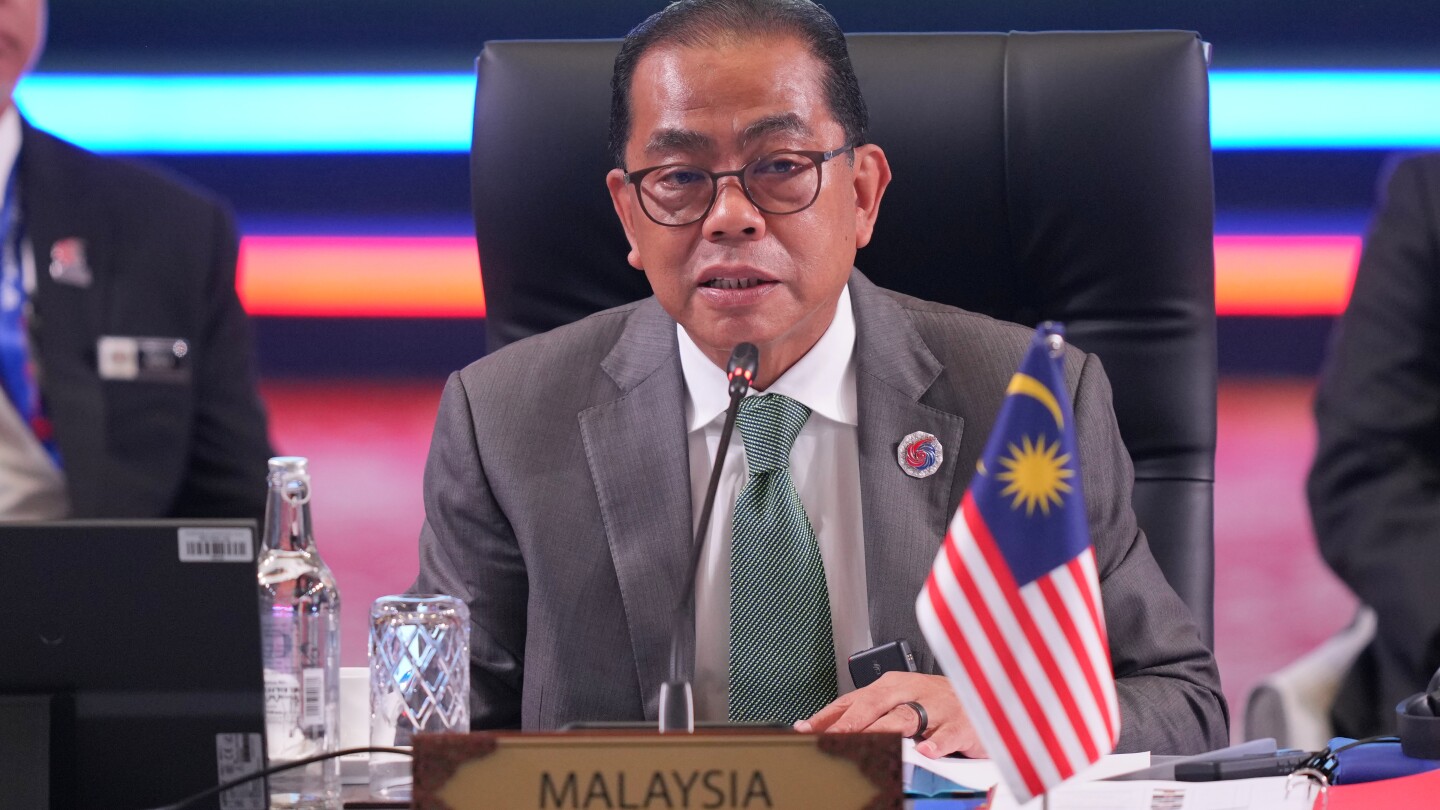
Malaysia urges ASEAN to expand defense cooperation in cyberspace
KUALA LUMPUR, Malaysia — Malaysia has called on its fellow Association of Southeast Asian Nations (ASEAN) members to broaden their security collaborations beyond maritime concerns to include cyberspace. The appeal was made during the annual ASEAN Defense Ministers’ Meeting, where Defense Minister Mohamed Khaled Nordin highlighted the escalating pressures on regional peace from both traditional and emerging threats. These include rising tensions in the disputed South China Sea and the increasing prevalence of cyberattacks, which Nordin warned could “disrupt societies, topple governments, and undermine critical infrastructure.”
Nordin emphasized that modern threats transcend physical borders, stating, “The challenges in the South China Sea are evident, but we must also recognize that our digital realm is equally at risk. The invisible threats to our networks and systems are just as dangerous as those in our maritime zones.”
The ASEAN defense ministers are set to engage in discussions on Saturday with dialogue partners, including the United States, China, Japan, India, Australia, South Korea, and Russia. U.S. Defense Secretary Pete Hegseth and Chinese Defense Minister Dong Jun are among the attendees. Hegseth and Nordin held a bilateral meeting on Thursday, reaffirming their nations’ commitment to maritime security in the South China Sea.
In a joint statement issued Friday, Nordin indirectly criticized China, referencing “grey-zone tactics” such as hydrographic research conducted under the protection of foreign coast guard vessels, which he described as a “clear provocation and threat to sovereignty.” Malaysia has historically preferred quiet diplomacy over public confrontations, unlike the Philippines, which has faced significant maritime disputes with China in recent years.
Nordin also urged ASEAN nations to accelerate the formation of an observer team to assist Thailand and Cambodia in resolving their border crisis. Additionally, he reiterated ASEAN’s commitment to supporting a peaceful resolution to the civil war in Myanmar, emphasizing the bloc’s determination to help the country “return to its rightful place in ASEAN.” Myanmar’s military leaders have been excluded from ASEAN meetings since 2021 due to their failure to comply with the bloc’s Five-Point Consensus on peace and dialogue, following the military takeover that ousted the elected government and plunged the nation into conflict.
-

Trump administration to allow just 7,500 refugees in drastic cut
The Trump administration unveiled a controversial policy on Thursday, announcing plans to drastically reduce the number of refugees admitted annually to the United States to a historic low of 7,500 by fiscal year 2026. This marks a sharp decline from the over 100,000 refugees accepted annually under President Joe Biden. The new policy also prioritizes white South Africans, particularly Afrikaners, who the administration claims face persecution in their homeland.
-
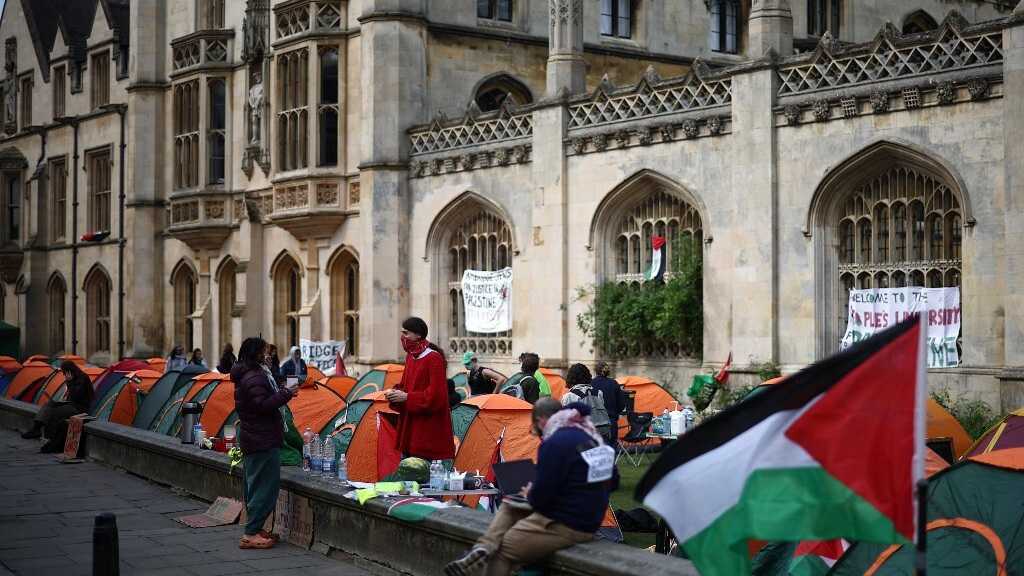
Cambridge Student Union splits from National Union of Students over Gaza
In a landmark decision, students at the University of Cambridge have voted to disaffiliate from the National Union of Students (NUS), citing its alleged failure to support pro-Palestinian protests and campaigns. The motion, passed by the Cambridge Student Union (SU) on Thursday night, garnered 1,772 votes in favor, with 1,284 against and 719 abstentions. The decision follows widespread criticism of the NUS for its perceived inaction on student-led pro-Palestinian movements and its lack of support for students facing disciplinary actions for protests. The SU trustee board initiated the motion, accusing the NUS of ignoring nationwide student calls to campaign for Palestine and prioritizing selective causes aligned with its internal agenda. Additionally, the NUS was criticized for offering ‘poor value for money,’ with annual fees estimated at £20,000 ($26,000). This move comes after 55 university student groups and union officers signed an open letter urging the NUS to take a stand on Gaza or face mass disaffiliation. In response, the NUS demanded that signatories remove their names or face bans from its events. Olivia Ledger, vice president of the Cambridge SU, highlighted the lack of NUS support during seven student encampments and five High Court injunctions. She also criticized the NUS for failing to address Islamophobia and its minimal national campaigning impact. Meanwhile, Cambridge students passed a motion for the SU to campaign against university investments in institutions involved in occupation and weapons manufacturing. This follows the university’s recent decision to divest from companies producing ‘controversial weapons’ and its upcoming vote on divesting from all arms manufacturers. The university council has already adopted a policy to divest from companies manufacturing weapons illegal under UK law, including chemical and biological weapons and cluster munitions. A final decision on divestment from all arms manufacturers is expected on November 20.
-
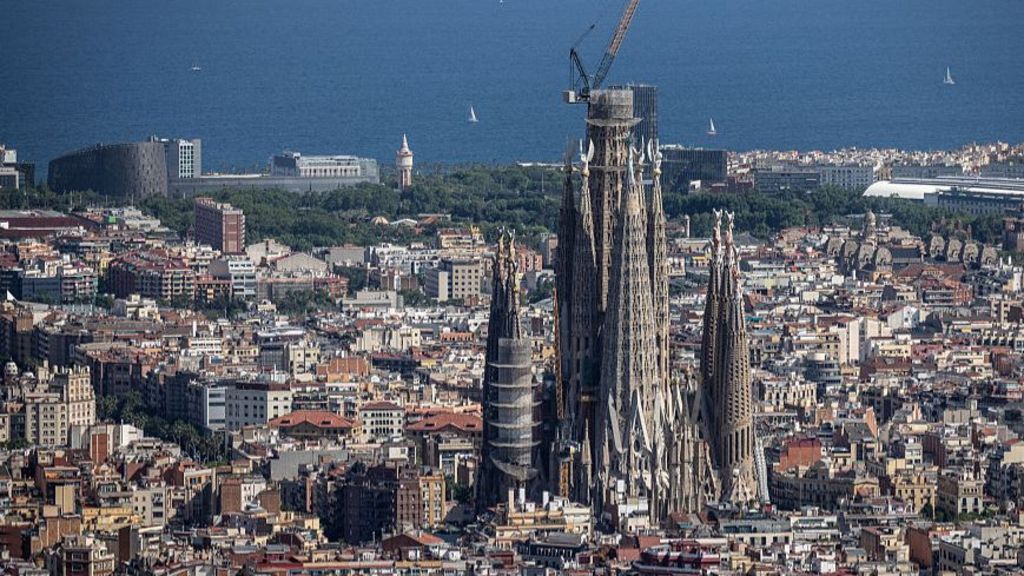
Barcelona’s Sagrada Família becomes world’s tallest church
In a historic moment for architecture and religious heritage, Barcelona’s iconic Sagrada Familia has officially been crowned the tallest church in the world. Workers recently placed the first section of a cross atop its central tower, bringing the structure’s height to 162.91 meters. This achievement surpasses the Ulm Minster in Germany, which had held the record since 1890. Designed by the legendary architect Antoni Gaudí, the basilica has been under construction for over a century, with its main building slated for completion next year. The central Tower of Jesus Christ will eventually reach 172 meters once the cross is fully installed in the coming months.
The Sagrada Familia’s journey began in 1882, with Gaudí taking over the project a year later. His visionary designs transformed the original plans into a grand architectural masterpiece, initially funded by donations from devout worshippers. However, the project faced numerous challenges, including Gaudí’s untimely death in 1926, when only one of the planned 18 towers had been built. The Spanish Civil War further disrupted progress, as Catalan anarchists destroyed Gaudí’s models and plans. More recently, the Covid-19 pandemic halted construction due to a sharp decline in tourism and funding.
Despite these setbacks, the Sagrada Familia Foundation has persevered, relying on contributions from visitors and private donors. General Director Xavier Martínez announced that the Tower of Jesus Christ will be completed by 2026, marking the centenary of Gaudí’s death. The foundation plans to host commemorative events to honor the architect, who is buried in the church’s crypt. Over the next decade, work will continue on decorative elements, sculptures, and a grand stairway leading to the main entrance, ensuring the basilica remains a symbol of resilience and artistic brilliance.
-

Japan plans to hire hunters as bear attacks rise
The Japanese government is taking decisive action to address the escalating issue of bear attacks across the country, particularly in Hokkaido and Akita prefecture. In response to a record number of incidents this year, including 12 fatalities, the Environment Ministry has announced plans to allocate funds for hiring licensed hunters and other personnel to manage bears encroaching on residential areas. This initiative follows a high-level meeting convened to tackle the growing threat to public safety. Authorities are also considering empowering police officers to use rifles against bears, with final counter-measures expected by mid-November. The problem has been exacerbated by bears breaking into supermarkets, schools, and attacking residents, including a foreign tourist near a bus stop. Akita prefecture, with its extensive mountain ranges, has reported the highest number of casualties. To assist, Japan’s Self-Defense Forces will be deployed to help capture and repel bears, although current laws prohibit them from shooting the animals. The aging and declining number of hunters, coupled with climate change affecting food sources like beech nuts, has left populations more vulnerable to attacks. In September, Japan relaxed gun regulations to facilitate the shooting of bears in residential areas, reflecting the urgency of the situation.
-

India stun Australia to reach Women’s World Cup final
In a thrilling encounter at the DY Patil Stadium in Mumbai, India pulled off a remarkable five-wicket victory over Australia in the ICC Women’s World Cup semifinal on Thursday. Jemimah Rodrigues, playing her first World Cup, delivered a career-defining performance, scoring an unbeaten 127 off 134 balls to guide India to a historic win. Chasing a daunting target of 339, India reached 341 with nine balls to spare, setting up a final clash with South Africa. Rodrigues shared a crucial 167-run partnership with captain Harmanpreet Kaur (89 off 88 balls), which proved decisive in overcoming Australia’s total of 338. Earlier, Australian opener Phoebe Litchfield had set the stage with a blistering 119 off 93 balls, but her efforts were overshadowed by Rodrigues’ brilliance. The Indian team, backed by a roaring home crowd, showcased resilience and determination to secure their place in the final. Rodrigues, overwhelmed with emotion, dedicated her performance to her family, coach, and supporters, calling the victory a ‘dream come true.’ Harmanpreet Kaur expressed immense pride in the team’s achievement, highlighting their long journey to reach this milestone. India will now face South Africa on Sunday, aiming to claim their maiden Women’s World Cup title.
-

Fourteen police officers among 20 arrested in Mississippi drug bribery sting
In a shocking revelation of systemic corruption, 20 individuals, including 14 current and former law enforcement officers, have been charged in Mississippi and Tennessee for allegedly accepting bribes from drug traffickers in exchange for police protection. This scandal, described by officials as a ‘monumental betrayal of public trust,’ stems from a multi-year undercover operation led by federal agents posing as narcotics dealers. Among the accused are two Mississippi sheriffs, highlighting the depth of the corruption. The investigation was initiated after federal officials received complaints from actual drug traffickers about being forced to pay bribes to officers. The bribery network reportedly extended beyond the Mississippi Delta region into Memphis, Tennessee, and Miami, Florida. US Attorney Clay Joyner for the Northern District of Mississippi disclosed that some officers had accepted bribes ranging from $20,000 to $37,000. The sting operation involved undercover agents presenting fake narcotics, which the defendants allegedly believed to be 25kg of cocaine. FBI Deputy Director Andrew Bailey condemned the accused officers, stating they had ‘sold out the public’ and disgraced the badge, undermining the integrity of law enforcement across the region. This crackdown coincides with broader US efforts to combat drug trafficking, including recent air strikes in South America targeting alleged narcotics operations.
-
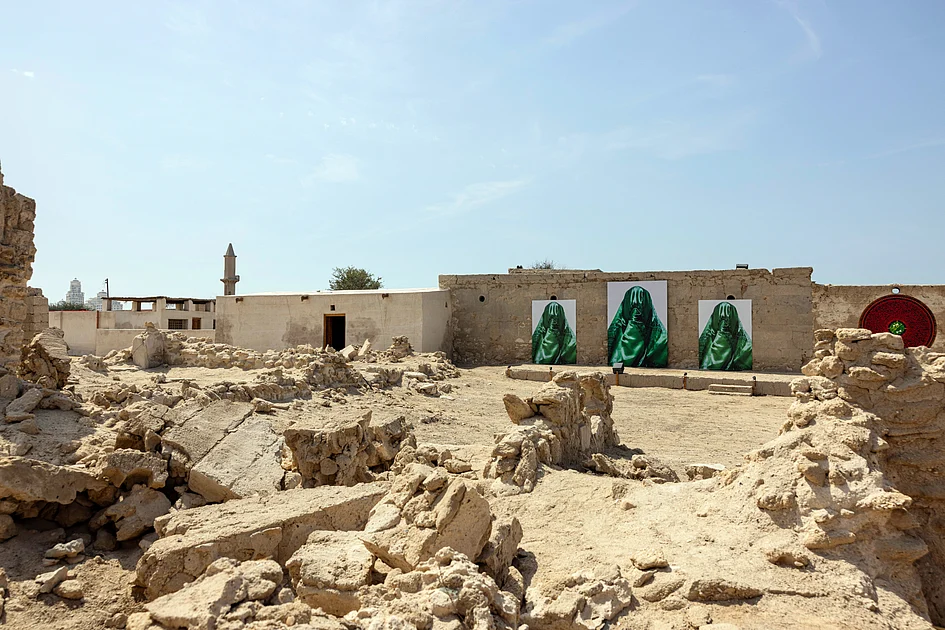
Beyond all that UAE glitter, glimpses of life before oil
The United Arab Emirates (UAE), often synonymous with the glittering skylines of Dubai and Abu Dhabi, holds a lesser-known history rooted in the pearl industry. Long before oil transformed the nation into a global economic powerhouse, the UAE thrived on the luster of pearls harvested from the Arabian Gulf. Today, the smaller, less-visited emirates offer a glimpse into this bygone era, providing a stark contrast to the modern opulence of its more famous cities. On a warm morning in Ras Al Khaimah, the northernmost emirate, visitors can step aboard a traditional wooden dhow and witness the art of pearl diving at Suwaidi Pearl Farm. Here, a guide clad in a pristine white headscarf demonstrates the delicate process of extracting pearls from oysters, a practice that once sustained the region. This experience is part of a broader journey through Sharjah, Ajman, Fujairah, and Ras Al Khaimah—emirates that remain less developed but rich in cultural heritage. Sharjah, for instance, is a hub of authenticity with its coral-walled buildings and the Sharjah Museum of Islamic Civilisation, which showcases the region’s deep-rooted history. Ajman, the smallest emirate, offers a laid-back vibe with its golden beaches and burgeoning tourism scene. Fujairah, located on the Gulf of Oman, is home to the UAE’s oldest mosque, Al Bidyah, while Ras Al Khaimah boasts the world’s longest zip-line and a thriving pearl farming industry. These emirates, often overshadowed by Dubai’s grandeur, provide a window into the UAE’s past, revealing a harmonious blend of tradition and modernity. As the nation continues to evolve, these hidden gems remind us that the UAE’s true wealth lies not just in its oil reserves but in its rich cultural tapestry and the resilience of its people.
-

UAE: Marjan Island visitors could double as Wynn Resorts to transform RAK
Ras Al Khaimah is poised for a transformative leap in its tourism and economic landscape with the development of the Wynn integrated resort on Al Marjan Island. Industry experts predict that this project will more than double the emirate’s visitor numbers, positioning it as a key player in the UAE’s hospitality sector. Tariq Bsharat, Chief Strategy and Business Development Officer at Marjan, emphasized that the resort is not merely a luxury addition but a ‘game-changer’ designed to elevate Ras Al Khaimah’s global tourism profile. Speaking at the International Real Estate Investment Summit, Bsharat drew parallels with global destinations like Singapore, Macau, and Las Vegas, where integrated resorts have significantly boosted tourism. The Wynn project, set to open in 2027, will feature 1,530 rooms, 22 dining venues, luxury retail, a spa, and entertainment areas. Extensive studies by EY, Colliers, and JLL forecast a surge in visitors from 1.3 million in 2023 to 3.8 million in 2027, eventually reaching 5.5 million. Colliers estimates that the resort could increase UAE-wide visitor arrivals by up to 9 per cent, highlighting its national significance. Beyond tourism, the project is expected to drive population growth, demand for residential units, and job creation, creating a virtuous cycle of development. Marjan is also advancing flagship projects like RAK Central and Marjan Beach to support this growth. Investor confidence has surged since the Wynn announcement, with increased land transactions and development activity across Al Marjan Island. Abdulla Al Abdouli, CEO of Marjan, highlighted the emirate’s diverse landscape as a magnet for varied investments, from luxury retreats to waterfront developments.