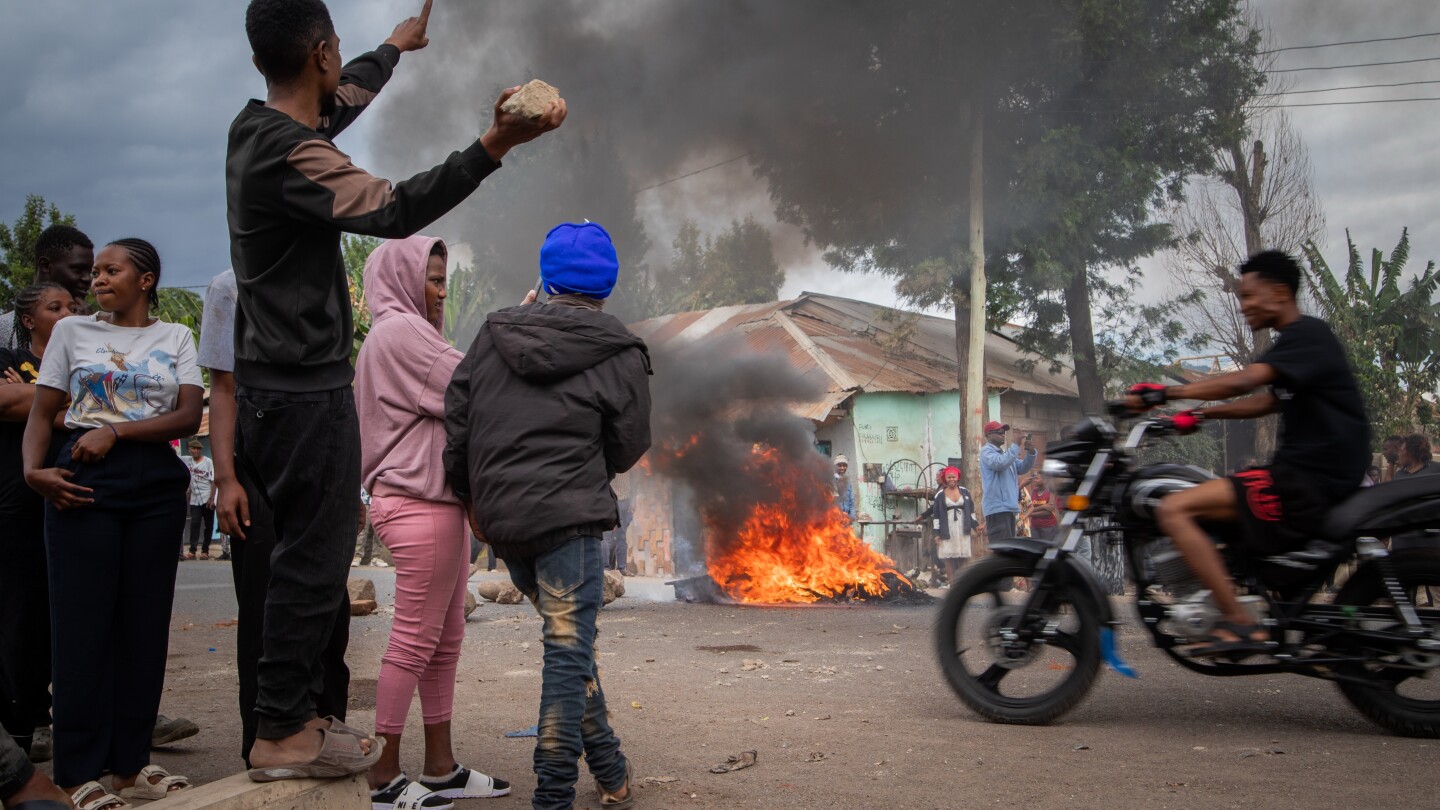
Tanzania’s commercial capital, Dar es Salaam, witnessed intense clashes on Friday as hundreds of demonstrators confronted police forces, demanding the national electoral body halt the announcement of contested election results. The protests, which began on Wednesday, have led to the deployment of the military and a nationwide internet shutdown. State television continued to broadcast the mainland results of the vote, where the Chama Cha Mapinduzi (CCM) party, in power since Tanzania’s independence in 1961, sought to extend its rule. The election was marred by the exclusion of presidential candidates from the two main opposition parties, leaving incumbent President Samia Suluhu Hassan to face 16 candidates from smaller parties with minimal campaign presence. In Zanzibar, the semi-autonomous archipelago, the CCM retained the presidential seat, with incumbent President Hussein Mwinyi securing 78.8% of the votes. However, the opposition has accused the government of “massive fraud” and vowed to reveal its next steps. The protests, initially sparked by the harassment of opposition leaders and limited election choices, have escalated into widespread violence, with vehicles, gas stations, and police stations set ablaze. Amnesty International reported two fatalities during Wednesday’s unrest. The government has yet to comment on the extent of the damage or casualties. In response to the escalating crisis, the military has been deployed, and the reopening of colleges and universities, scheduled for next Monday, has been postponed. Army Chief Gen. Jacob John Mkunda condemned the violence, pledging the military’s collaboration with other security agencies to restore order. Meanwhile, Tanzanians abroad have been organizing daily discussions on X Spaces to analyze the protests and explore ways to financially support the demonstrators.
博客
-
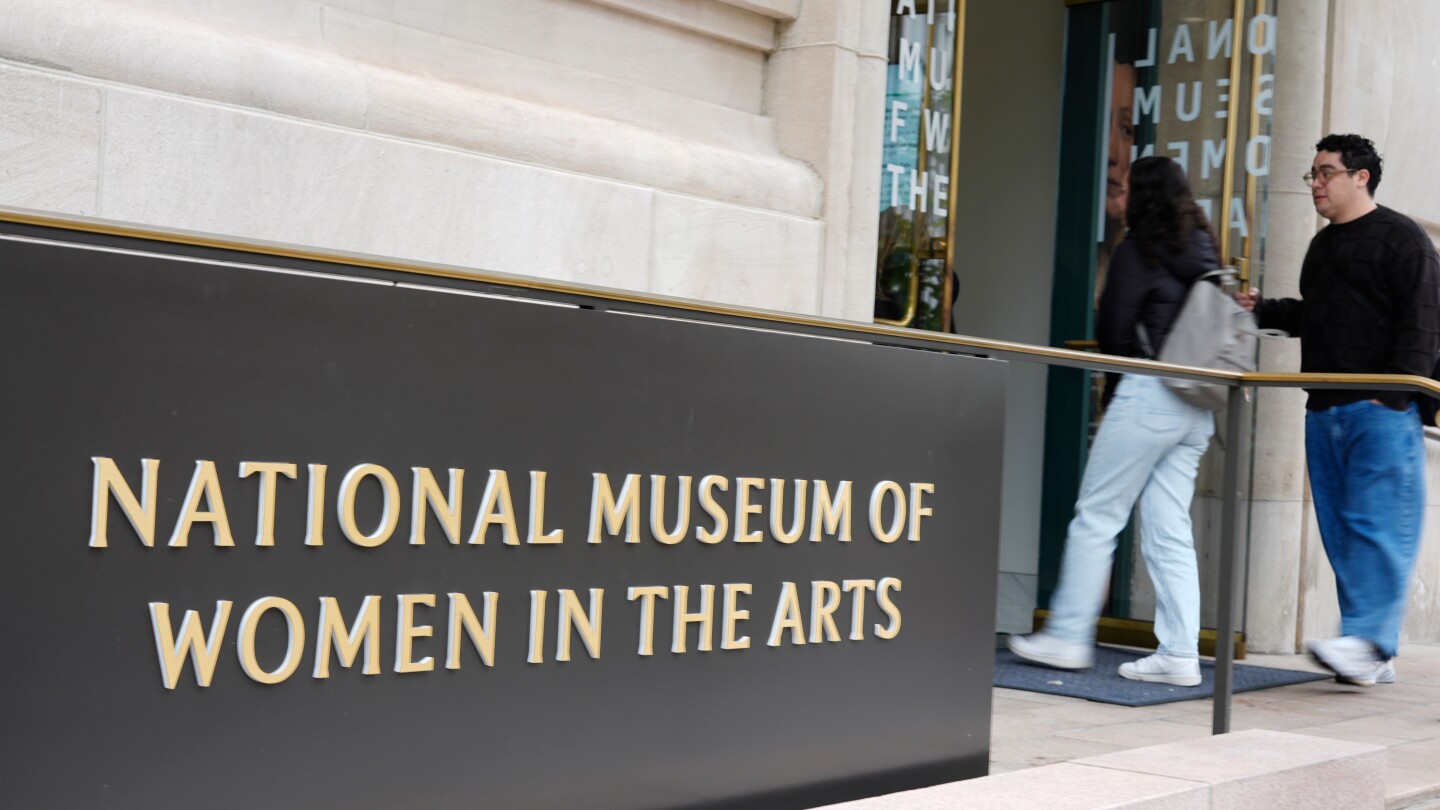
Louvre heist highlights thorny issue for museums: How to secure art without becoming fortresses
In the wake of a high-profile jewelry heist at the Louvre in Paris, museums worldwide are reassessing their security protocols. The incident has sparked urgent discussions among institutions, including Washington’s National Museum of Women in the Arts, the Smithsonian, and the National Gallery of Art. Doug Beaver, a security specialist, revealed that detailed reviews and strategic plans were swiftly implemented following the theft. Similar dialogues are unfolding globally as museums grapple with the dual challenge of safeguarding art while maintaining an open and welcoming environment for visitors. The Louvre’s director, Laurence des Cars, acknowledged significant security lapses, prompting French police and legislators to address vulnerabilities. A letter of support from 57 international museums, published in Le Monde, emphasized the importance of museums as accessible spaces of wonder, not fortresses. However, many museums, particularly those housed in historic buildings like the Louvre, face unique challenges in modernizing security without compromising their architectural integrity. Experts like François Chatillon, France’s chief architect of historical monuments, caution against hasty, invasive measures. Meanwhile, security professionals are focusing on balancing risk management with visitor experience. Doug Beaver highlighted the need for intelligent risk management, citing measures such as enhanced weapons detection and restricted visitor items. The incident has also reignited discussions about international cooperation and investment in advanced security technologies. Despite these efforts, the broader challenge remains: preserving the magic of museums while ensuring their safety.
-

APEC evolutions: New outlooks for the gathering
China Daily Information Co (CDIC) holds exclusive rights to all content published on its platform, including text, photos, and multimedia materials. Unauthorized reproduction or use of this content in any form is strictly prohibited without prior written consent from CDIC. The website recommends using browsers with a resolution of 1024*768 or higher for optimal viewing. Additionally, China Daily provides various services such as advertising opportunities, job offers, and expatriate employment resources. Users can also stay connected through the platform’s social media channels. For inquiries, the site offers a dedicated contact section. The publication operates under the online multimedia publishing license number 0108263 and is registered under the number 130349.
-
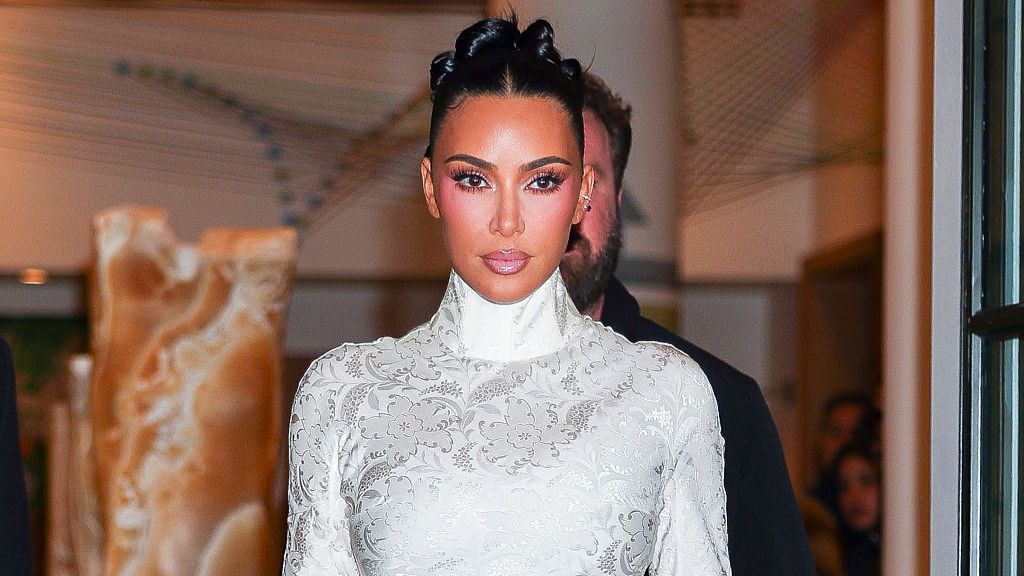
Nasa hits back at Kim Kardashian’s moon landing conspiracy
Reality TV star Kim Kardashian has ignited a fresh wave of controversy by suggesting that the historic 1969 Moon landing was staged. During a recent episode of her show *The Kardashians*, Kardashian told co-star Sarah Paulson that she believes the Apollo 11 mission “didn’t happen.” She referenced an interview with astronaut Buzz Aldrin, quoting him as saying, “There was no scary moment because it didn’t happen.” However, the authenticity of the quote remains unverified. Kardashian later told a producer, “I center conspiracies all the time,” doubling down on her skepticism. NASA Acting Administrator Sean Duffy swiftly responded on social media, stating, “Yes, we’ve been to the Moon before… 6 times!” He also highlighted NASA’s ongoing Artemis program, aimed at returning humans to the Moon. Despite decades of scientific evidence debunking Moon landing conspiracy theories, such claims have persisted, fueled in part by social media. Duffy invited Kardashian to witness the Artemis mission launch, but the star shifted focus by inquiring about the interstellar object 3I/Atlas, dubbed the oldest comet ever observed. Experts, including the Institute of Physics, have repeatedly refuted claims that the Apollo 11 mission was a hoax, asserting that every argument has been discredited.
-
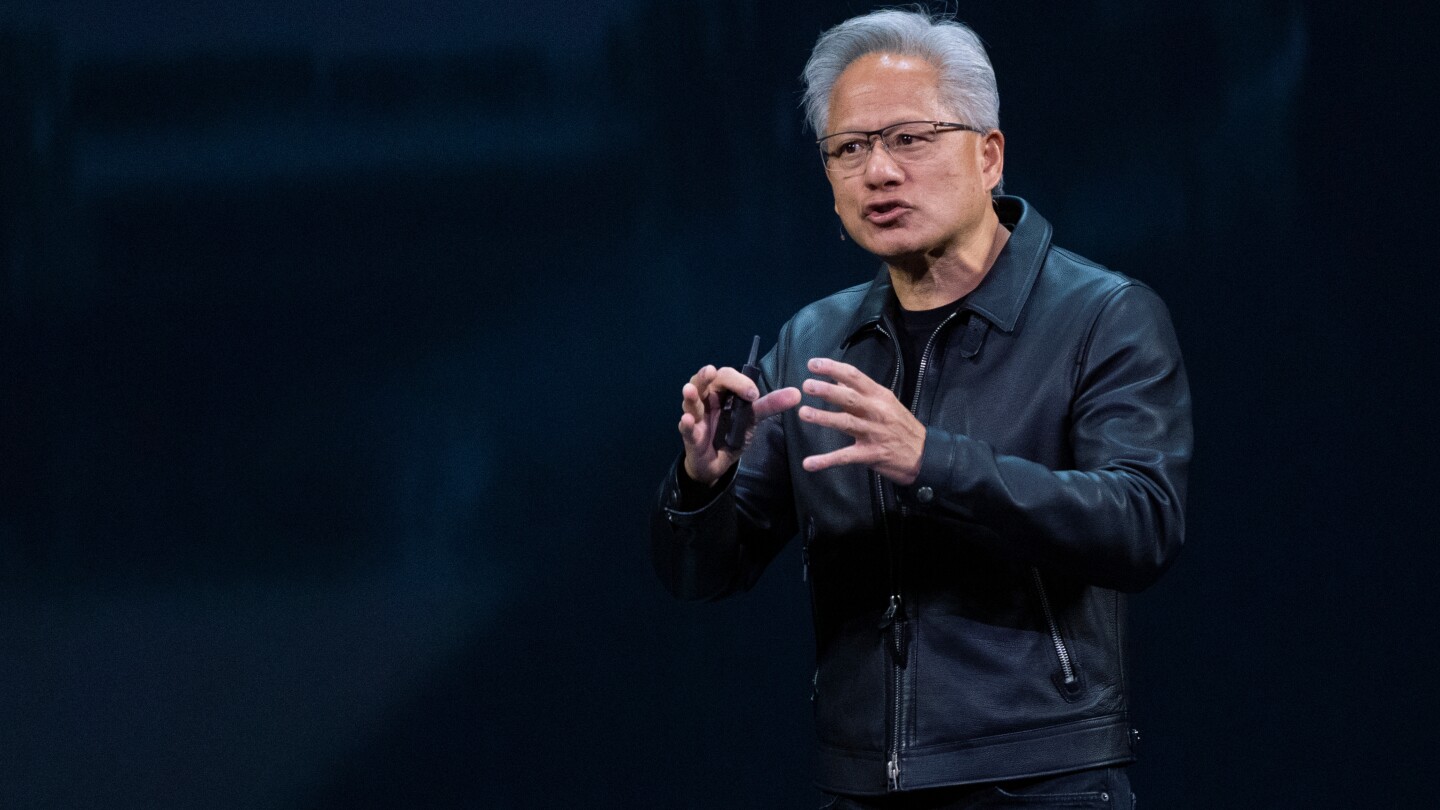
Nvidia partners with South Korean government, companies to boost AI development
In a landmark collaboration, Silicon Valley-based chipmaker Nvidia has announced plans to supply hundreds of thousands of its advanced graphics processing units (GPUs) to South Korea, aiming to bolster the nation’s artificial intelligence (AI) infrastructure and technological capabilities. The agreement, unveiled on Friday, involves key South Korean entities such as Samsung Electronics, SK Hynix, and Hyundai Motor, alongside the South Korean government. The announcement followed a high-profile meeting between South Korean President Lee Jae Myung and Nvidia CEO Jensen Huang, who has been receiving celebrity-like attention during his visit to the country. Huang’s presence in South Korea coincides with the Asia-Pacific Economic Cooperation (APEC) forum in Gyeongju, where the nation is showcasing its AI ambitions. According to the agreement, Nvidia will provide approximately 260,000 GPUs, with 50,000 units allocated to a government initiative to establish a national AI cloud computing center. Samsung and SK Hynix will each receive 50,000 GPUs to enhance their manufacturing processes and accelerate the development of cutting-edge semiconductors. Additionally, Hyundai and Nvidia will collaborate on self-driving cars, smart factories, and robotics, powered by 50,000 of Nvidia’s latest Blackwell GPUs. This partnership underscores Nvidia’s pivotal role in the global AI industry, as the company recently became the first to reach a $5 trillion valuation, driven by the AI boom. However, concerns about a potential AI bubble persist, with warnings from financial institutions about the sustainability of tech stock prices fueled by AI hype.
-
Chinese pundits claim victory after Trump’s trade concessions
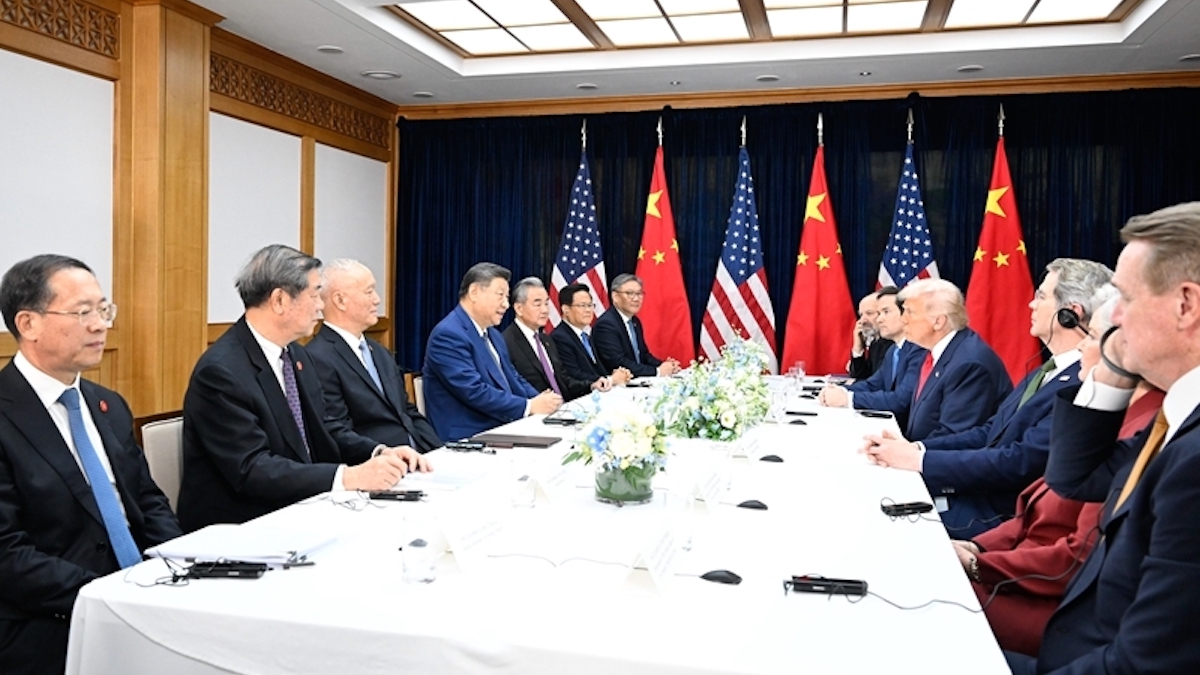
The recent summit between Chinese President Xi Jinping and US President Donald Trump has led to significant trade concessions, sparking widespread celebration among Chinese media and commentators. Washington agreed to halve the 20% fentanyl-related tariff and extend the suspension of the 24% reciprocal tariffs by a full year, rather than the initially anticipated 90 days. This decision came after the two leaders met in South Korea on Thursday morning, marking a pivotal moment in the ongoing trade negotiations between the two economic giants. Chinese analysts hailed the compromises as substantial, particularly given the backdrop of the tariff war that began in 2018. Despite a de-escalation agreement in May, Chinese exporters still faced an average tariff rate of 55%, including a 20% fentanyl-related tariff, a 10% reciprocal tariff, and a 25% tariff from the 2018 trade war. The new concessions are expected to save Chinese exporters $43.5 billion annually, providing a much-needed boost to China’s export economy, which saw a 16.9% year-on-year decline in the first nine months of this year. The trade truce also highlighted China’s strategic use of its rare-earth dominance, with the US recognizing the critical role China plays in global rare-earth refining. This leverage has allowed Beijing to secure time for supply chain reforms and industrial upgrades. Meanwhile, the one-year tariff suspension has reignited optimism across China’s manufacturing hubs, with business leaders viewing it as a lifeline for stabilizing production and securing global orders. The US, facing its own industrial challenges, has softened its stance, acknowledging the need for cooperation. However, analysts caution that the US policy of suppressing China’s technological development remains unchanged. The truce also includes agreements to postpone new sanctions rules and reciprocal port fees, further easing trade tensions. As both nations navigate this fragile truce, the focus remains on leveraging the coming year to strengthen economic resilience and deepen bilateral cooperation.
-
Former Australian politician jailed for more than five years for sex crimes
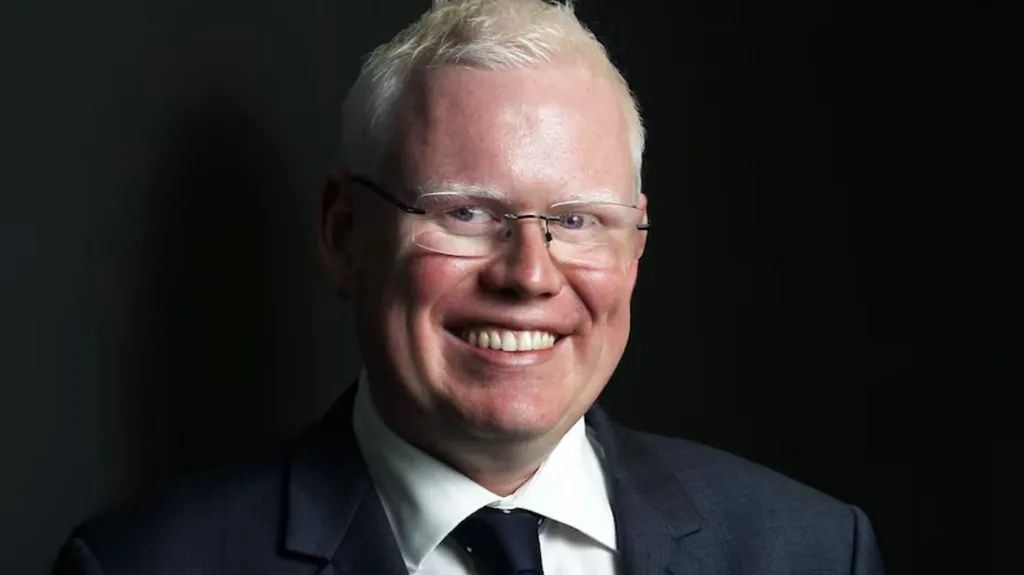
Gareth Ward, a former Australian politician, has been sentenced to five years and nine months in prison for the sexual abuse of two young men. The 44-year-old, who represented the coastal town of Kiama in the New South Wales (NSW) parliament from 2011, was found guilty in July of raping a 24-year-old political staffer in 2015 and indecently assaulting an 18-year-old man in 2013. Both incidents occurred after he met the victims through his work. Ward had been in custody since his conviction and appeared via video-link at Parramatta District Court for sentencing. Judge Kara Shead SC, who presided over the case, emphasized that imprisonment was the only appropriate penalty, despite Ward’s legal blindness. She described his actions as ‘callous and predatory’ and noted that he had ‘escaped justice for a decade.’ Ward will serve at least three years and nine months before being eligible for parole. The judge also stressed the need to send a ‘stern message’ to deter similar offenses. Ward’s resignation from parliament in July triggered a by-election in Kiama, which was won by a Labor candidate. His legal team has indicated plans to appeal the verdict, as Ward maintains his innocence. The trial revealed harrowing details of the assaults, with both victims describing long-term emotional and psychological impacts. The prosecution highlighted striking similarities in the accounts of the two men, who did not know each other, as evidence of their credibility. Despite Ward’s lack of remorse, the judge acknowledged his potential for rehabilitation.
-
Arsenal visit Burnley with early momentum in Premier League title race
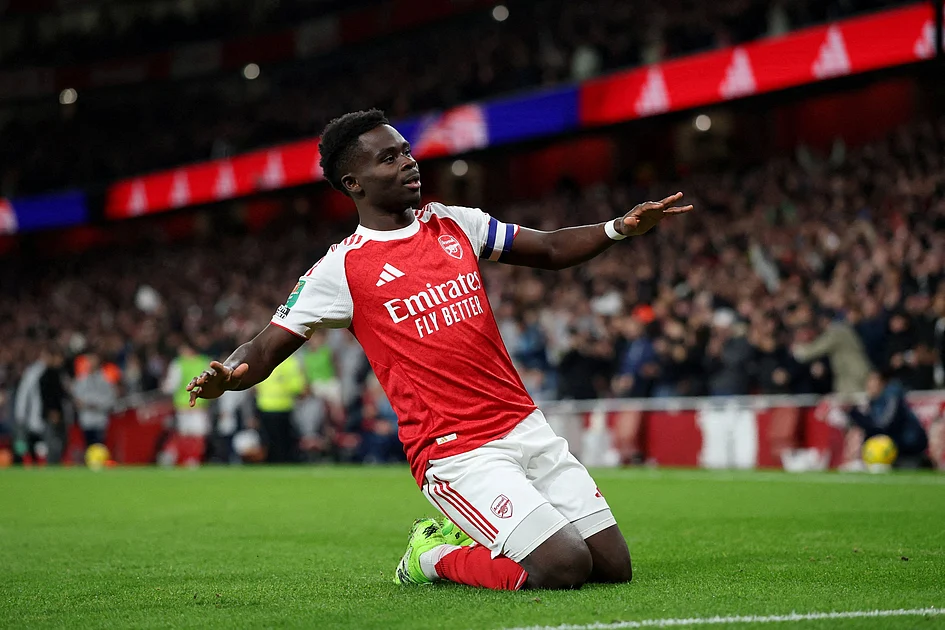
Arsenal, riding high on a wave of confidence, will face Burnley this Saturday as they continue their dominant run in the Premier League. Under Mikel Arteta’s leadership, the Gunners have secured four consecutive victories, conceding just one goal in the process. Key players Bukayo Saka and Leandro Trossard have been in exceptional form, driving the team’s success. However, Saka has cautioned against complacency, emphasizing that the title race is decided in the latter stages of the season. Injuries to Gabriel Jesus, Kai Havertz, and Martin Odegaard, along with concerns over William Saliba and Declan Rice, could pose challenges for Arsenal. Meanwhile, Burnley, led by Scott Parker, are battling to avoid relegation. Despite a recent dramatic win over Wolverhampton Wanderers, they remain 16th in the table with only three victories. In other fixtures, Liverpool, struggling with four consecutive league defeats, face a tough test against Aston Villa, who are on a four-match winning streak. Manchester City, currently fifth, will host Bournemouth, while resurgent Manchester United take on Nottingham Forest, a team in disarray with four straight league losses. Other notable matches include Sunderland versus Everton and West Ham United’s clash with Newcastle United as they seek to improve under new manager Nuno Espirito Santo.
-
‘Give your money away,’ Billie Eilish tells billionaires
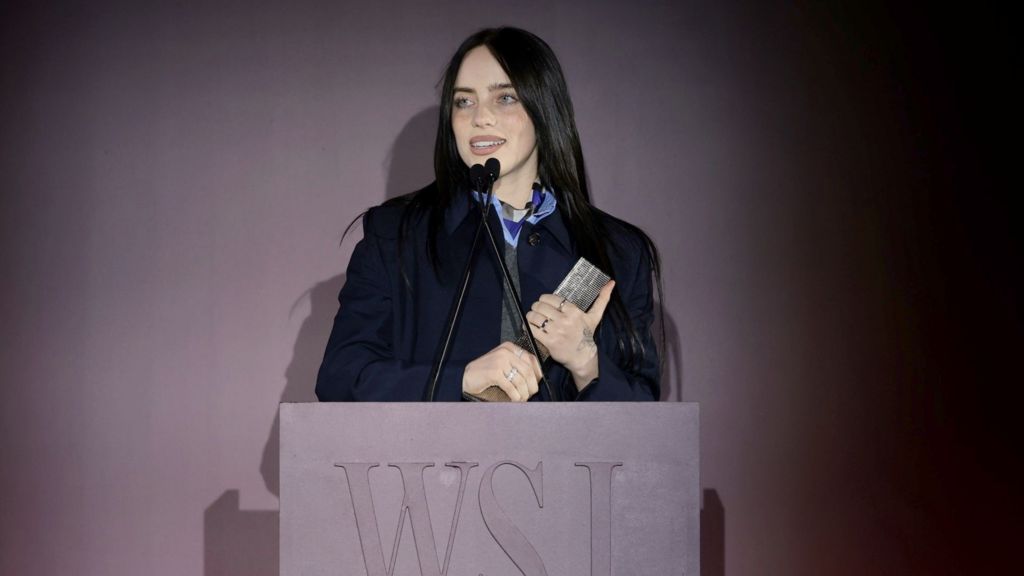
During her address at the prestigious WSJ Awards, renowned singer Billie Eilish made a compelling appeal to the world’s billionaires, urging them to significantly increase their charitable donations. The event, which saw the presence of prominent figures such as Mark Zuckerberg and George Lucas, provided a platform for Eilish to voice her concerns about wealth disparity and the urgent need for philanthropic efforts. Eilish emphasized that the ultra-wealthy have a moral obligation to redistribute their fortunes to address pressing global issues, ranging from poverty to climate change. Her speech resonated with many, sparking a broader conversation about the role of wealth in societal betterment and the responsibilities of those who possess it. This call to action highlights the growing expectation for the affluent to contribute more substantially to charitable causes, reflecting a shift in public sentiment towards greater accountability and social responsibility.
-

Australian influencer family move to UK to avoid social media ban
The ‘Empire Family,’ a popular Australian YouTube family, has announced their relocation to the United Kingdom in response to Australia’s impending social media ban for individuals under 16 years old. The ban, set to take effect in December, is the first of its kind globally and will require platforms like Facebook, Instagram, Snapchat, TikTok, X, and YouTube to deactivate accounts of users under 16 and prevent them from creating new ones. The family, consisting of mothers Beck and Bec Lea, 17-year-old son Prezley, and 14-year-old daughter Charlotte, expressed their concerns about the ban’s impact on their daughter’s ability to continue creating content. While the family acknowledges the ban’s intent to protect young people from online harm, they emphasize their use of social media for positive purposes. The move to the UK, where Charlotte can continue her online presence, was facilitated by the family’s dual British-Australian citizenship and Charlotte’s recent transition to online schooling. The family’s YouTube channels, which feature makeup tutorials, gaming sessions, and family vlogs, boast millions of subscribers, with Prezley’s account alone attracting 2.8 million followers. The ban’s implementation methods, including ID verification and facial recognition, have raised concerns about data privacy and accuracy. The family’s decision highlights the broader debate over balancing online safety with creative freedom for young content creators.