
In 1925, power in Asia was visibly exerted through gunboats on rivers, foreign police patrolling Chinese streets, and tram boycotts that could be photographed. Fast forward to 2025, and power has become programmable—manifested through licenses that renew automatically, standards embedded in software, and compliance tracked via dashboards. This transformation marks the most significant shift over the past century. The battleground, once drawn on maps, is now fought through systems—supply chains, export lists, and audit trails. The Trump-Xi Busan meeting exemplified this change. It wasn’t about physical barricades but about levers that could be adjusted: export controls, time-bound licenses, refinery disclosures, precursor chemicals, and chip supplies. The meeting wasn’t a morality play of capitulation or defiance but a calculated reciprocity—each side offering reversible cooperation in exchange for time and predictability. Key chokepoints illustrate this logic. China refines the majority of rare earths essential for magnets, motors, and missiles, allowing it to control throughput as a form of escrow. South Korea, now a manufacturing democracy, hosts negotiations and holds practical leverage, a stark contrast to its role in 1925. The Netherlands’ licensing grip on advanced lithography tools creates predictable pulses of capability. Regional customs and port enforcement on fentanyl precursors can be targeted quietly to elicit movement elsewhere without grand declarations. This new paradigm requires calendars, counters, and credible follow-through rather than slogans. License renewals, minerals throughput, targeted port seizures, and customs dwell times serve as behavioral meters. If these indicators move in the right direction, the truce holds. If they stall, officials can reverse the levers without disrupting supply chains. Two practical implications emerge: first, treat interdependence as a tool, not a trap, by structuring market access, licensing, and standards as reversible and measurable sequences. Second, publish a minimal dashboard to anchor expectations. A one-page, monthly scoreboard on license renewals, minerals throughput, targeted seizures, and median dwell times would be more effective than numerous press conferences. The continuity with 1925 lies in the fact that mobilization still shapes outcomes—but today, it’s the mobilization of firms, insurers, and investors. Local nodes, such as a packaging line in Icheon or a refinery in Shandong, can alter the cost of escalation, much like a strike in Guangzhou once forced London and Tokyo to recalculate. Busan’s significance lies not in its language but in its quiet recoding of power in Asia as a sequence of programmable conditions. China can escrow minerals instead of weaponizing them outright. The United States can license chips in short cycles instead of banning them indefinitely. South Korea can pace advanced packaging and materials flows to maintain honesty. Regional authorities can apply surgical enforcement to signal seriousness without inviting spectacle. A century ago, power was made legible through street and port shutdowns by students and stevedores. Today, engineers, auditors, and logistics managers wield power by moving—or pausing—ones and zeros, parts, and permits. The stakes remain unchanged: who sets the terms of Asia’s future. Busan’s quiet dials—not its adjectives—will determine whether Asia becomes a supplicant, a spectator, or, finally, a system architect.
博客
-
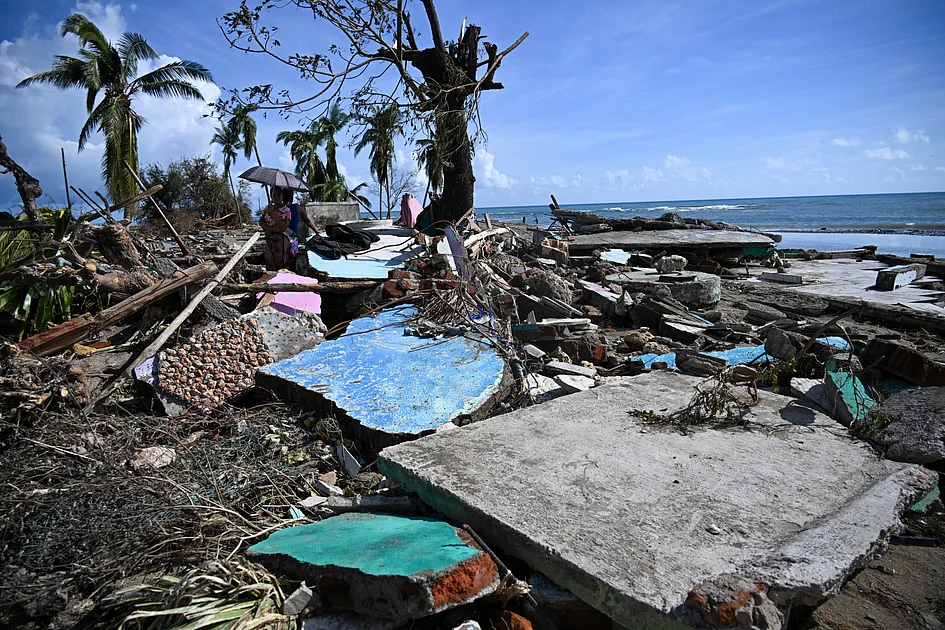
UAE swiftly responds to aid people affected by hurricane Melissa
In a swift and decisive move, the United Arab Emirates (UAE) has mobilized emergency relief efforts to assist communities devastated by Hurricane Melissa, which recently wreaked havoc across Jamaica, Haiti, and Cuba. Through the UAE Aid Agency and in collaboration with the Caribbean Disaster Emergency Management Agency (CDEMA), the UAE has dispatched critical supplies, including food, shelter materials, and infrastructure support, to aid recovery efforts. This initiative underscores the UAE’s commitment to global humanitarianism and its dedication to assisting vulnerable populations during times of crisis. Dr. Tareq Ahmed Al Ameri, Chairman of the UAE Aid Agency, emphasized the nation’s proactive approach to disaster response, highlighting its role in providing essential resources such as food, medicine, and shelter to those in need. The UAE’s efforts reflect its longstanding tradition of solidarity with nations facing natural disasters, wars, and conflicts, reinforcing its ethical and international responsibilities.
-
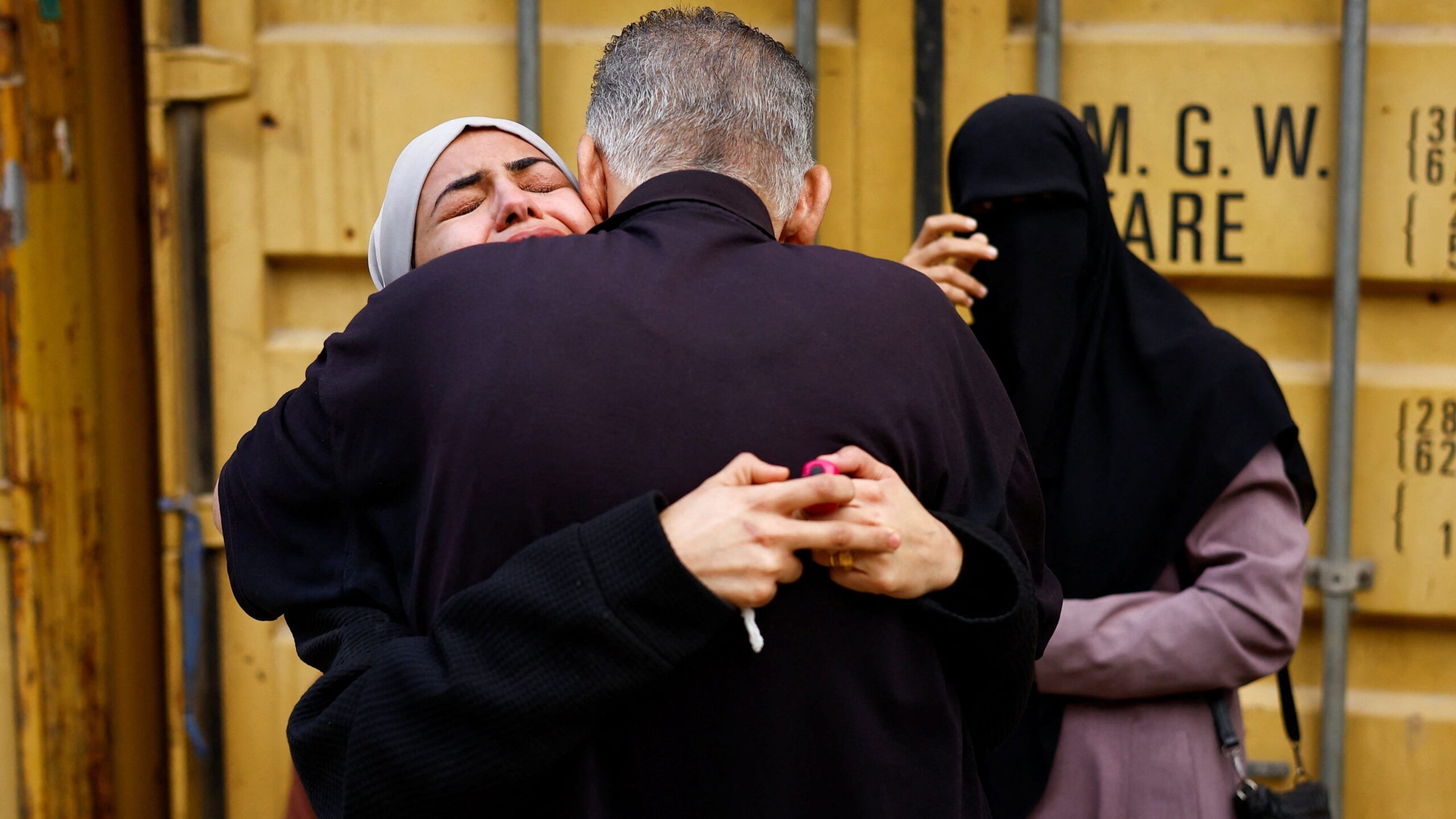
Israel once again violates Gaza ceasefire in fresh attacks and killings
The Gaza Strip witnessed renewed violence on Friday as Israeli military operations resulted in the deaths of at least five Palestinians, despite earlier announcements of a ceasefire resumption. Local media reported that Israeli forces carried out demolitions, artillery shelling, and aerial bombardments across the region, with the highest casualties recorded in Gaza City and Khan Younis. Among the victims was a young man killed in an air strike on his home in Abasan al-Kabira, east of Khan Younis, while another succumbed to injuries from a prior attack. Israeli troops also opened fire in the Shujaiya neighborhood, east of Gaza City, killing one and injuring another. A fourth fatality occurred near al-Jalaa Street, and a fifth Palestinian was killed in Jabalia, north Gaza, after Israeli forces targeted civilians. These assaults have exacerbated the humanitarian crisis affecting over two million people in the besieged enclave. Since October 11, Israel has committed at least 125 ceasefire violations, with the death toll surpassing 100 Palestinians and dozens more injured. Displaced families in Khan Younis expressed fears of a return to full-scale conflict, citing sleepless nights and dwindling supplies. Health officials have raised alarms over the severe shortage of necessities, with only a limited number of food aid trucks entering Gaza through the Kissufim crossing. Al Jazeera reported that Israel’s blockade continues to restrict humanitarian efforts, despite agreements to allow aid. Over 1,000 Palestinians in need of medical treatment have died due to Israel’s restrictions on essential supplies. Since October 2023, Israeli forces have killed nearly 70,000 Palestinians and wounded over 170,000. In a related development, the bodies of 30 Palestinians were handed over to the Palestinian Ministry of Health as part of a prisoner exchange deal with Hamas. The ministry confirmed that some bodies showed signs of severe torture, with missing organs and limbs. Hamas has released 20 Israeli captives in exchange for approximately 2,000 Palestinian prisoners and has returned 15 out of 28 deceased Israeli captives, with the remainder expected to be handed over once recovered.
-

Regulator strengthens IP protection in Greater Bay Area
In a significant move to enhance intellectual property (IP) protection, China’s National Intellectual Property Administration (CNIPA) has intensified its efforts in the Guangdong-Hong Kong-Macao Greater Bay Area (GBA). This initiative aims to foster high-quality regional development by optimizing public services and supporting innovation across key industries such as high-end equipment manufacturing, new energy, and next-generation information technology. Heng Fuguang, CNIPA’s spokesperson, announced these developments at a recent press conference, highlighting the establishment of six national-level IP protection centers, eight rapid IP protection stations, and six platforms to assist entities in resolving overseas IP disputes. A priority examination channel has also been implemented, expediting the review of 16,000 patents in the first half of 2025. Additionally, the GBA has seen the formation of an IP mediation center, with over 60 mediators from Hong Kong and Macao successfully resolving more than 1,700 disputes. To cultivate IP talent and support high-level international cooperation, CNIPA has partnered with Peking University to establish an international IP academy and collaborated with the Ministry of Justice to train lawyers specializing in foreign-related matters. Internship opportunities for Hong Kong patent examiners and technical training for Macao IP officials have also been provided. As of June 2025, the GBA boasts 817,000 valid invention patents and over 8.52 million registered trademarks, accounting for one-sixth of the national total. The Hong Kong-Guangzhou-Shenzhen innovation cluster, ranked first globally in the 2025 Global Innovation Index, underscores the region’s growing prominence in the global innovation landscape.
-
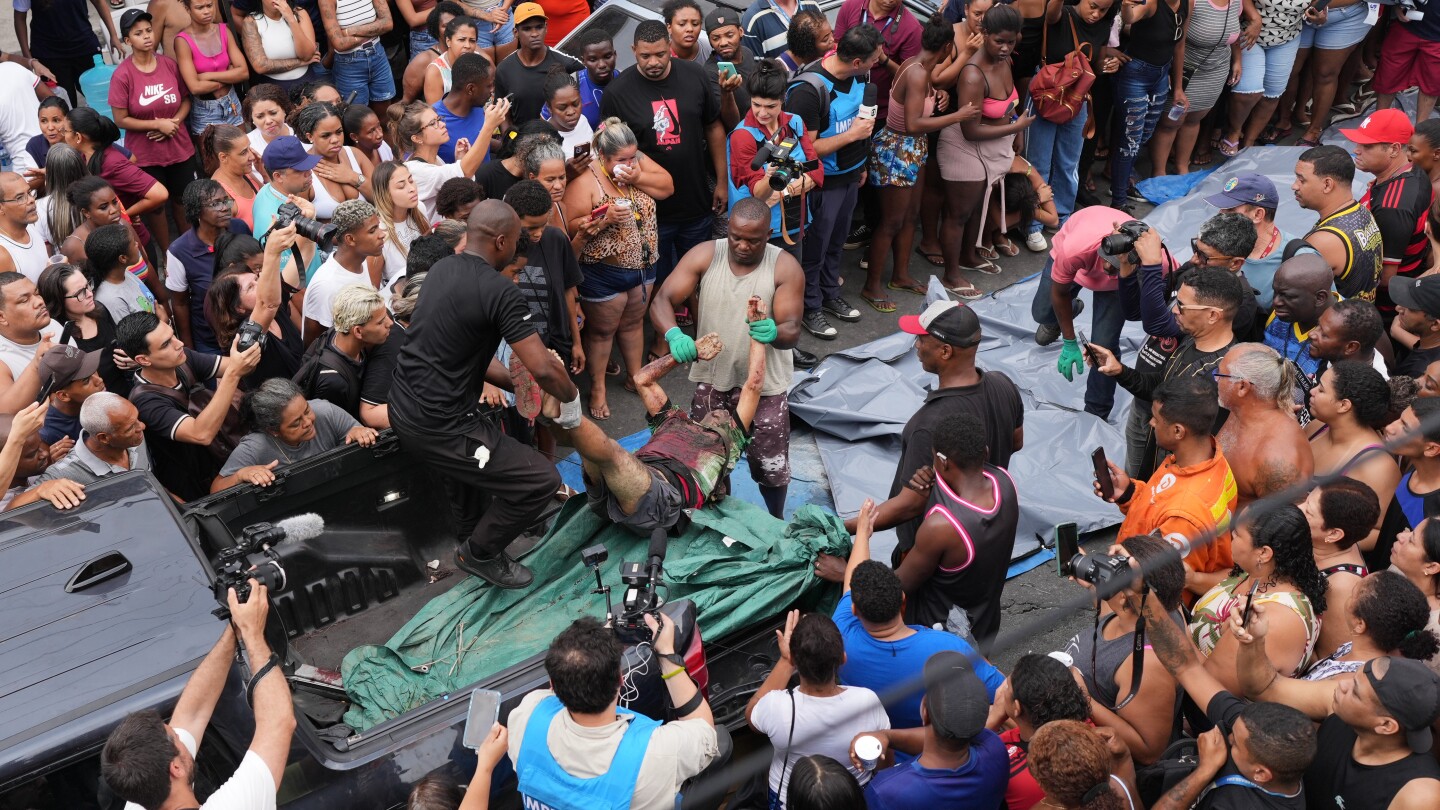
What to know about Rio’s deadliest police raid that exposed limits of anti-gang tactics in Brazil
In a dramatic escalation of Brazil’s ongoing battle against organized crime, Rio de Janeiro police conducted a massive operation in two of the city’s favelas on Tuesday, resulting in 121 fatalities, including four police officers, and numerous injuries. The raid, targeting the notorious Comando Vermelho (Red Command) gang, involved helicopters, armored vehicles, and ground troops. While official figures report 121 deaths, Brazil’s public defender’s office claims the toll reached 132, raising questions about the operation’s transparency and effectiveness. The Comando Vermelho, which originated in the late 1970s within Rio’s prison system, has since expanded its influence internationally, particularly in Europe, and now competes with rival gang First Capital Command (PCC) for control over drug routes. The recent raids have left communities like Penha and Complexo do Alemao in a state of mourning, with residents and activists criticizing the psychological toll and questioning the long-term impact on crime. Community leader William de Oliveira emphasized that favelas are home to diverse populations, not just criminals, and called for equal scrutiny of crime across all societal strata. The operation has also ignited a political debate, with Rio Governor Cláudio Castro labeling it a “success” despite the high casualty count, while critics like retired police officer Claudio Ferraz described it as “barbaric” and politically motivated. As Brazil approaches presidential and local elections in 2024, violence remains a top concern for voters, and high-profile raids may serve as a strategy to garner political support. Human rights organizations have called for investigations into the operation, which they describe as one of the most violent in recent Brazilian history. Meanwhile, the federal government has announced new measures to combat organized crime, including the establishment of an emergency office and the signing of a law to strengthen anti-crime efforts. The Senate is also set to launch an inquiry into the expansion of organized crime, signaling a renewed focus on addressing the root causes of violence in Brazil.
-

‘I’m not a terrorist’: Mumbai filmmaker held 17 kids hostage, killed in rescue operation
A tense hostage situation unfolded in Mumbai on Thursday, resulting in the death of a 50-year-old filmmaker, Rohit Arya, during a police rescue operation. Arya had held 19 people, including 17 children aged between 10 and 12, hostage in a studio in Powai. The incident began when Arya, who was conducting auditions for a short film, extended the sessions and refused to release the children, causing panic among parents. Mumbai Police responded to distress calls and launched a rescue operation, forcing entry through the studio’s bathroom. All hostages, including a senior citizen and another individual, were safely rescued. However, Arya was seriously injured during the confrontation and later pronounced dead at the hospital. Reports indicate that Arya fired an air gun at the police, prompting them to return fire, which struck his chest. In a video released prior to the incident, Arya admitted to taking the children hostage, claiming he wanted to speak with certain individuals and have his ‘questions answered.’ He denied being a terrorist or seeking financial gain, stating his demands were ‘moral and ethical.’ Authorities described Arya as mentally unstable. Investigations revealed that Arya had been involved in a government-funded urban sanitation project, Project Let’s Change, through his company, Apsara Media Entertainment Network. He allegedly demanded Rs 2 crore (approximately Dh828,895) for the project, but the government identified discrepancies in his claims and paperwork. Maharashtra Education Secretary Ranjit Singh Deol clarified that no such payment agreement existed. The incident has raised concerns about mental health and the vetting process for government-funded initiatives.
-

Guinea-Bissau arrests officers for alleged coup attempt
Guinea-Bissau’s armed forces announced on Friday the arrest of several military officers accused of orchestrating a coup attempt. The alleged plot, led by Brig. Gen. Daba Na Walna, director of a military training school, involved senior officers who had been reported missing since Monday. The announcement came just a day before the official start of the general election campaign, raising concerns about the nation’s stability. The armed forces’ General Staff condemned the incident, stating that it threatened the peace and socio-economic development crucial for attracting foreign investment. This marks the second known coup attempt against President Umaro Sissoco Embaló, who assumed power in 2020. The details of the accused plotters’ fate remain undisclosed. Guinea-Bissau, a small West African nation, has a history of political instability, with multiple coups since gaining independence from Portugal over 50 years ago. The current political climate is further strained by controversy over Embaló’s term. The opposition claims his term should have ended in February, but the Supreme Court extended it until September. Embaló, however, set the election date for November 30, declaring his first term would last until then. This decision has heightened tensions, with the opposition refusing to recognize his presidency. Earlier this year, a mediation mission from a West African regional bloc abruptly left the country after reportedly facing expulsion threats from Embaló.
-
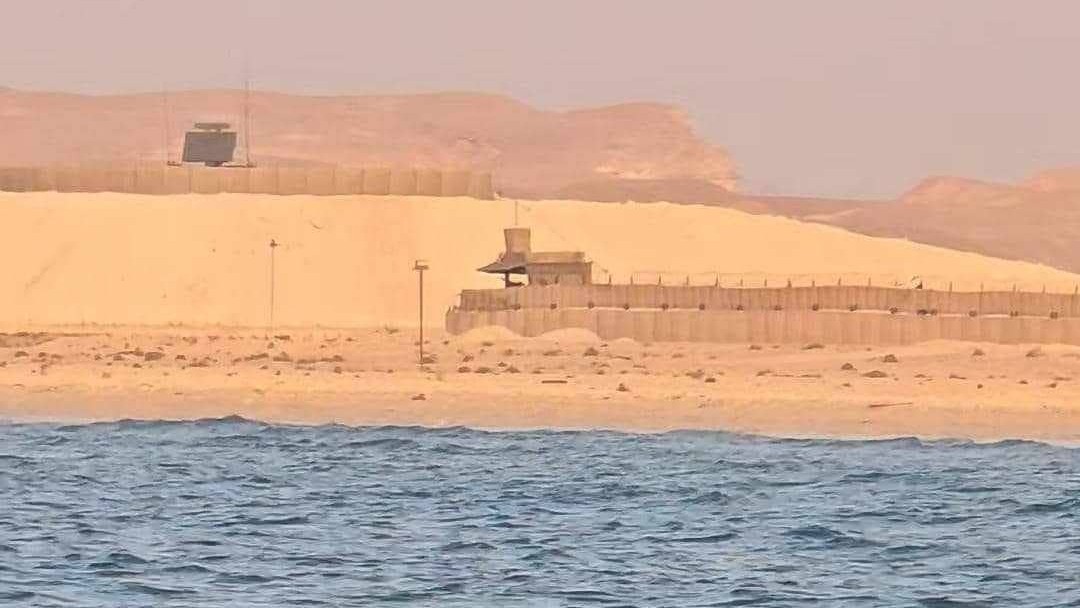
Exclusive: Inside the UAE’s secret Sudan war operation at Somalia’s Bosaso
At Bosaso Airport in Somalia’s Puntland state, the roar of heavy cargo planes has become a familiar sound. These aircraft, identified as IL-76 transport planes, are part of a clandestine operation that has raised eyebrows among local residents and international observers alike. According to multiple sources, including flight tracking data and satellite imagery, these planes originate from the United Arab Emirates (UAE) and are destined for Sudan’s Rapid Support Forces (RSF), a paramilitary group accused of committing atrocities in the ongoing conflict in Darfur. The logistics materials transported are immediately transferred to standby aircraft, ensuring swift delivery to the RSF. The operation is shrouded in secrecy, with heavy security measures in place during loading and offloading. Local authorities, including the Puntland Maritime Police Force (PMPF), have expressed concerns over the nature of these shipments, which are not for domestic use but rather serve as a covert transit point. The UAE has long funded the PMPF to combat piracy, but the recent influx of weapons and logistical support has strained relations between Mogadishu and Abu Dhabi. The presence of Colombian mercenaries at Bosaso Airport further complicates the situation, as they are reportedly involved in the conflict in Sudan. The UAE’s expanding influence in the region, driven by strategic interests and financial leverage, has drawn criticism from analysts who warn of the potential for broader geopolitical rivalries. Despite the concerns, Mogadishu has been unable to challenge the UAE’s activities in Puntland, highlighting the complex dynamics at play in the Horn of Africa.
-

US judge blocks Trump administration from halting Snap food benefits
In a significant legal development, federal judges have intervened to prevent the Trump administration from halting the Supplemental Nutrition Assistance Program (SNAP), a vital food aid initiative relied upon by over 40 million low-income Americans. The decision comes amid an ongoing government shutdown that has now stretched into its second month. On Friday, a Rhode Island judge issued a temporary restraining order, deeming the administration’s plan to suspend SNAP benefits likely unlawful. This ruling followed a similar decision by a Massachusetts federal judge, who mandated that the administration must provide at least partial benefits, citing legal obligations. The US Department of Agriculture had earlier announced that SNAP funds would not be distributed in November, claiming the ‘well has run dry’ due to the shutdown. The program, which provides reloadable debit cards for purchasing essential groceries, is a lifeline for millions, with an average family of four receiving $715 per month. While some states have pledged to cover the shortfall using their own funds, the federal government has warned that reimbursements will not be made. Half of US states have sued the administration, urging it to tap into a $6 billion emergency contingency fund for SNAP. The Massachusetts judge has given the administration until Monday to report on whether it will authorize partial benefits for November. In Rhode Island, a lawsuit brought by cities and NGOs challenged the ‘unlawful suspension’ of the program, with plaintiffs hailing the ruling as a ‘lifeline’ for vulnerable populations. The case underscores the broader political stalemate over the shutdown, with Republicans and Democrats continuing to trade blame without meaningful progress toward a resolution.
-
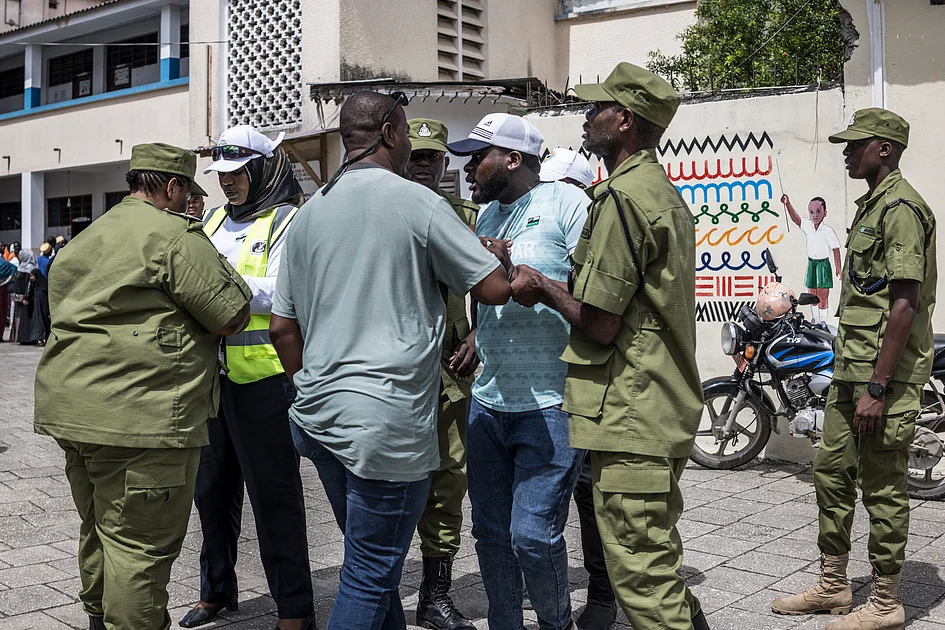
‘Around 700 dead’ in Tanzania election protests, opposition party says
In a tragic escalation of tensions surrounding Tanzania’s recent elections, the main opposition party, Chadema, has reported that approximately 700 people have lost their lives during three days of violent protests. The unrest, which erupted in the economic capital Dar es Salaam and other regions, saw demonstrators marching towards the city center on Friday, according to party spokesman John Kitoka. Kitoka stated that the death toll in Dar es Salaam alone is estimated at 350, with an additional 200-plus fatalities in Mwanza and other areas across the country. A security source corroborated these figures, indicating a widespread and devastating impact. The protests have underscored deep political divisions and raised concerns about the state of democracy and human rights in Tanzania. Authorities have yet to officially confirm the numbers or provide a detailed response to the crisis.