
Hong Kong’s stand-up comedy scene has experienced a remarkable resurgence since the pandemic, with more frequent gigs, refined humor, and comedians gaining international recognition. The city’s audience, known for its discerning taste, has embraced both local and international talent, creating a vibrant and inclusive comedy culture.
博客
-
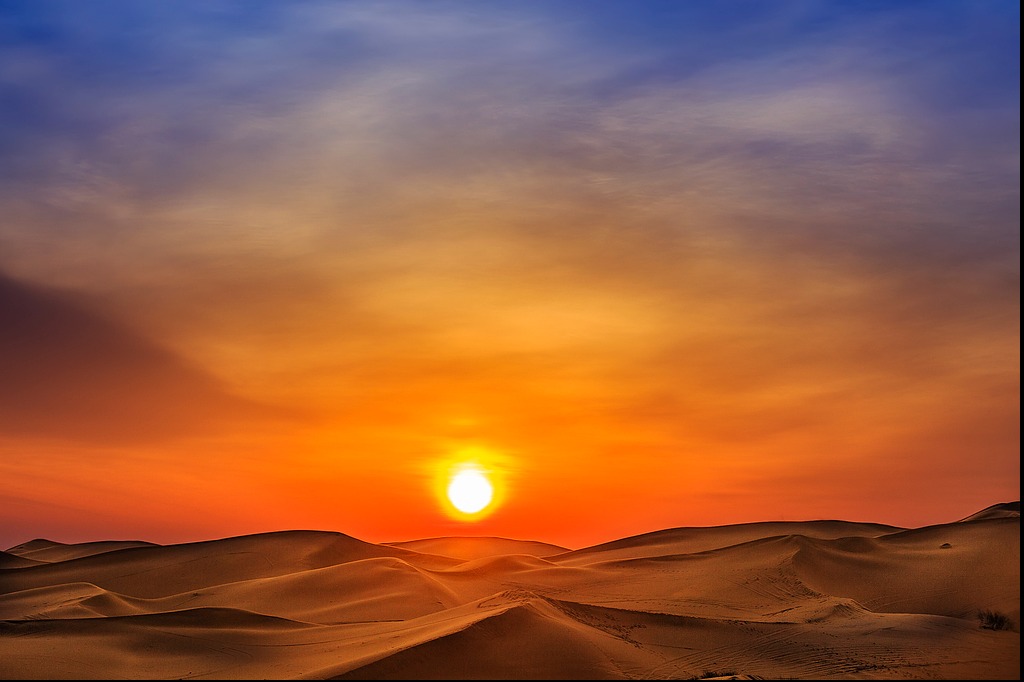
Ordos lures travelers to its stunning landscapes
As the sun sets over the desert dunes of Ordos in Inner Mongolia, casting the sky in hues of amber and orange, South Korean tourists eagerly capture the moment on their phones. This breathtaking desert sunset, often highlighted on social media, has become a must-see attraction for many. ‘I saw a video of the desert’s starry sky and knew I had to come,’ shared Son Hye-ryeong, a visitor from Seoul. ‘It feels like being in a movie.’ Son is among the increasing number of South Korean tourists flocking to Ordos in recent months. According to Hou Le, head of the Ordos Culture and Tourism Bureau’s resource development division, the city has experienced a ‘dramatic surge’ in tourism. Last year, Ordos welcomed 35,000 inbound tourists, marking a 327 percent increase from the previous year, with over 10,000 visitors arriving from South Korea on 108 charter flights. This momentum has continued into this year, with 11,737 South Korean tourists arriving by early October on 83 charter flights, boasting a remarkable 98 percent seat occupancy rate. Tourists are not only drawn to Ordos for its stunning landscapes but also for its immersive cultural experiences. ‘They are not just here for the scenery. They are here to have an experience,’ said Li Yanhong, head of the Ordos grassland tourist area at Inner Mongolia Mengzhilyu Holiday Travel Co. The grassland area features 158 Mongolian yurts, catering to visitors’ interest in traditional accommodations. Another highlight is the large-scale equestrian show ‘Hero,’ which blends horsemanship with storytelling, offering highly shareable moments for social media. The desert itself also attracts tourists with activities like camel riding, sandboarding, and stargazing. ‘Many South Korean tourists love to walk barefoot on the sand. They find the texture soothing,’ said Quan Tianshi, head of Ordos Lianxing International Travel Agency. ‘But the most memorable moments are often the silent ones — watching the sunset or lying on the dunes under a full sky of stars. It’s an escape they can’t find in the city.’ A viral video from a South Korean travel blogger last year led to a several-fold increase in bookings, showcasing the powerful influence of social media. Recognizing this demand, Ordos has expanded its air corridor, launching direct flights from Seoul, Cheongju, Gwangju, Jeju, and recently, Incheon, Daegu, and Busan. Key scenic spots like the Ordos grassland and Xiangshawan scenic area now feature Korean-language signs and guides, and over 2,500 hotels accept passport check-ins, with improvements underway for foreign card payments and currency exchange. These thoughtful touches have not gone unnoticed. ‘We had Korean-speaking guides throughout our four-day trip, and there were signs in Korean. It felt very thoughtful,’ said South Korean tourist Park Sang-woo. The combination of natural beauty, cultural depth, and visitor-friendly services is reshaping Ordos’ tourism. As evening falls on the grasslands, tourists gather around bonfires, joining locals in song and dance — a shared moment connecting different cultures under the same vast sky.
-
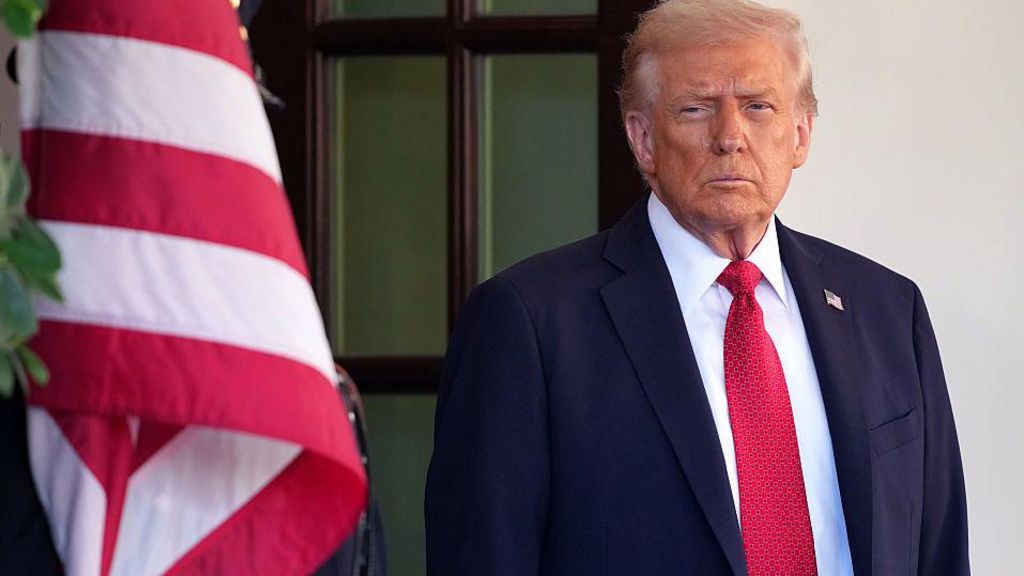
Trump’s planned tests are ‘not nuclear explosions’, US energy secretary says
In a bid to assuage global apprehensions, US Energy Secretary Chris Wright has categorically stated that the United States does not intend to conduct nuclear explosions. This declaration follows President Donald Trump’s recent directive to the military to resume nuclear weapons testing, a move that has sparked widespread concern. Wright, in an interview with Fox News on Sunday, emphasized that the planned tests are ‘non-critical explosions,’ aimed at ensuring the reliability of nuclear weapon components without triggering a nuclear detonation. ‘Americans near historic test sites such as the Nevada National Security Site have no cause for concern,’ Wright assured, addressing fears of a mushroom cloud resurgence. Trump’s call for testing, articulated on Truth Social, was perceived by many as a precursor to full-scale nuclear blasts, a practice dormant since 1992. However, Wright’s remarks aim to clarify that the tests are not of the same magnitude. Trump, in a subsequent interview with CBS’s 60 Minutes, reiterated his stance, asserting that the US should not lag behind other nations in nuclear testing. ‘Russia’s testing, and China’s testing, but they don’t talk about it,’ Trump remarked, adding North Korea and Pakistan to the list of nations allegedly conducting such tests. Both China and Russia have denied these allegations, with China’s foreign ministry spokesperson Mao Ning affirming China’s commitment to a self-defence nuclear strategy and a moratorium on nuclear testing. Russia’s Kremlin spokesman Dmitry Peskov also refuted claims of recent nuclear tests, emphasizing that certain weapon tests should not be misconstrued as nuclear detonations. The global nuclear landscape remains tense, with the US and Russia holding the largest arsenals, followed by China, which is rapidly expanding its nuclear capabilities. The Federation of American Scientists estimates that Russia possesses approximately 5,459 warheads, while the US has about 5,177. China, with around 600 warheads, is projected to exceed 1,000 by 2030, according to the Center for Strategic and International Studies. As the world watches, the US’s approach to nuclear testing continues to be a focal point of international discourse.
-
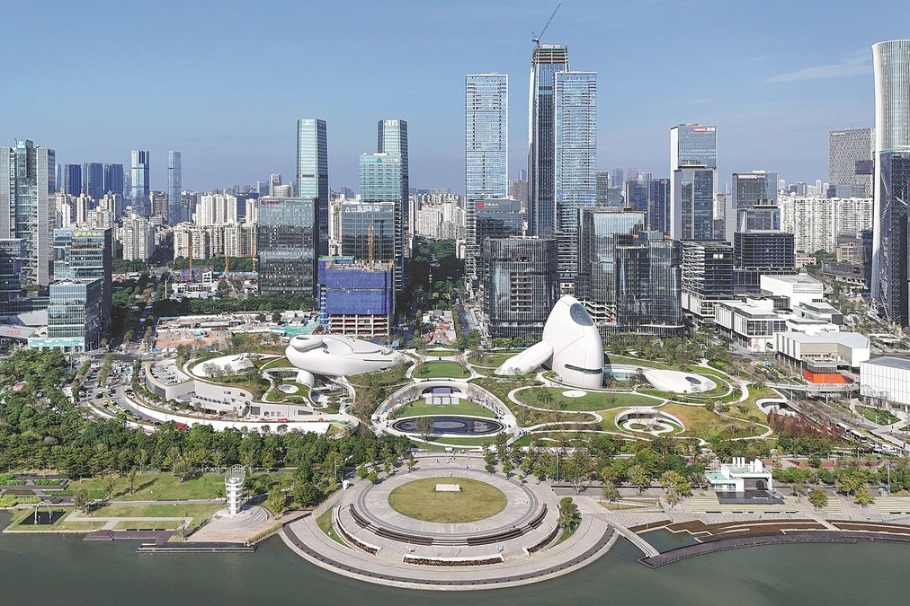
Shenzhen to take APEC center stage
Shenzhen, the coastal metropolis in Guangdong Province, has been selected to host the 33rd Asia-Pacific Economic Cooperation (APEC) Economic Leaders’ Meeting in 2026. This marks the third time China has hosted the prestigious event, following Shanghai in 2001 and Beijing in 2014. The announcement has thrust Shenzhen into the global spotlight, positioning it as a symbol of China’s economic transformation and technological prowess.
-
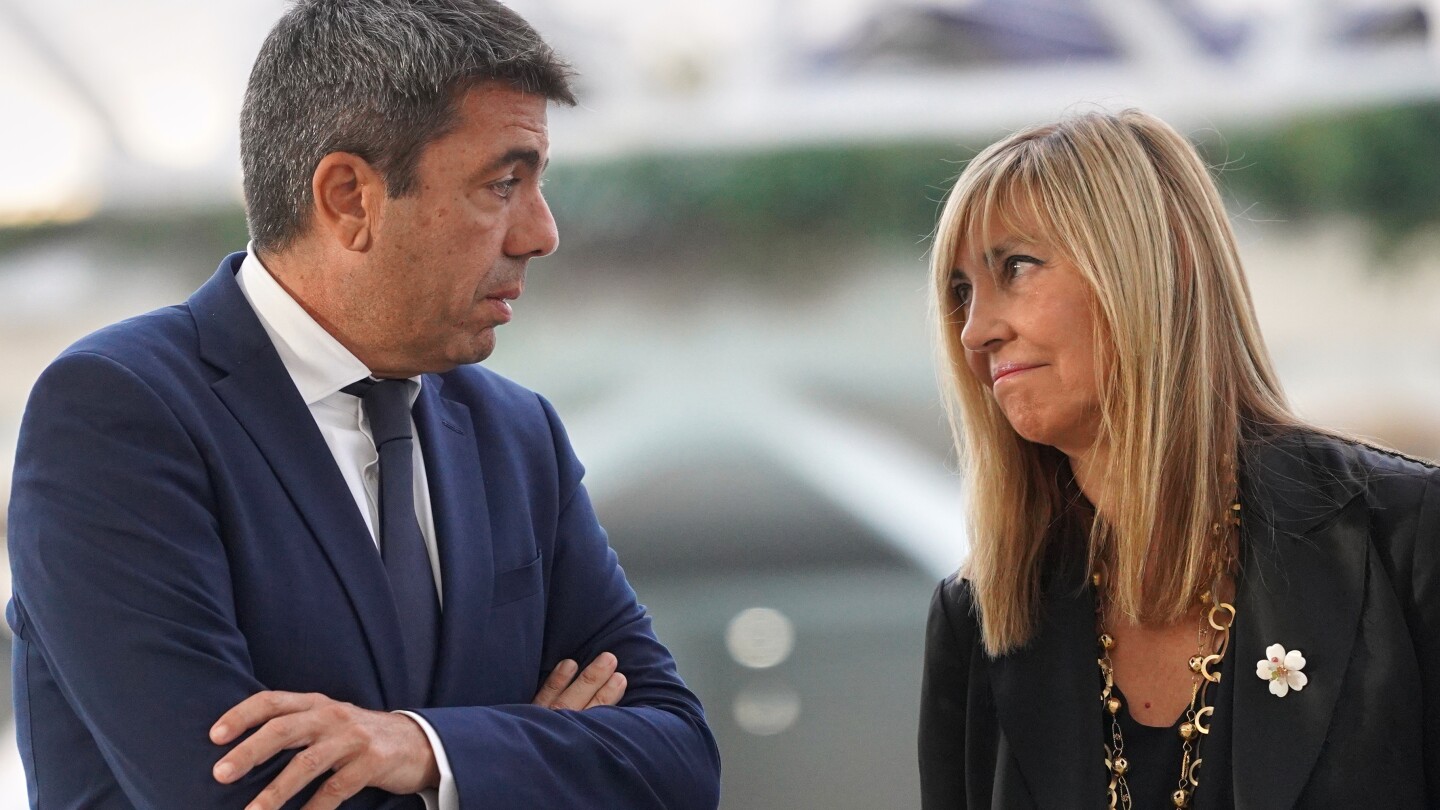
Spainish regional leader steps down over his handling of last year’s Valencia flash floods
MADRID (AP) — Carlos Mazón, the leader of Spain’s Valencia region, announced his resignation on Monday following intense scrutiny over his administration’s handling of the catastrophic flash floods that claimed 229 lives last year. The decision comes after months of mounting pressure from both the public and political opponents, who have accused him of mismanaging the crisis. The devastating floods, which occurred on October 29, 2024, overwhelmed the region, sweeping away vehicles and destroying homes. Mazón faced widespread criticism for the delayed issuance of flood alerts to residents’ mobile phones, which came after the waters had already breached their banks. Additionally, his decision to attend a lengthy lunch on the day of the disaster, while emergency officials were coordinating relief efforts, further fueled public outrage. The backlash reached a peak during a state memorial ceremony held on the first anniversary of the tragedy, where family members of the victims openly jeered and insulted him. Mazón’s resignation marks a significant moment in Valencia’s political landscape, as the region continues to grapple with the aftermath of the disaster and the need for improved emergency response systems.
-
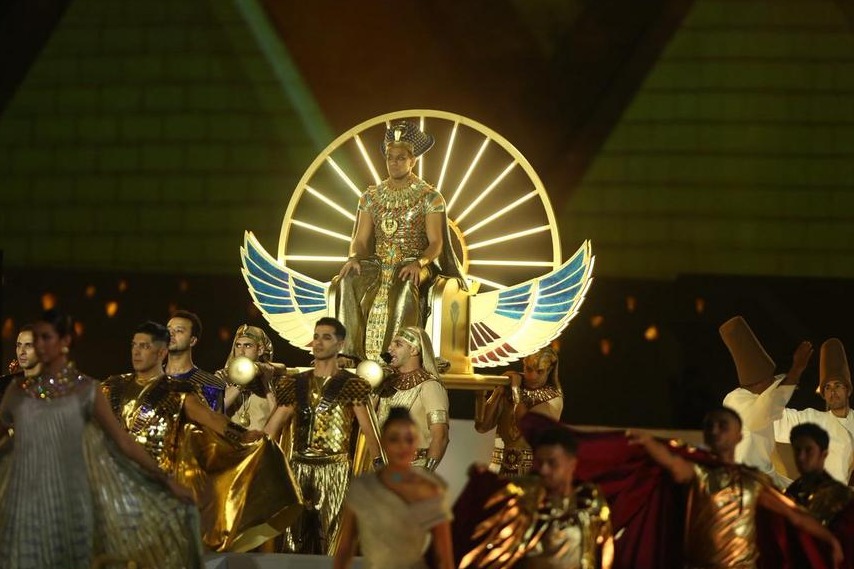
Egypt opens Grand Egyptian Museum, eyes tourism boom, economic lift
Egypt has officially unveiled the Grand Egyptian Museum (GEM), a monumental project poised to revitalize the nation’s tourism sector and stimulate economic growth. Situated on the Giza Plateau, a mere 2 kilometers from the iconic Pyramids and the Sphinx, the GEM spans an impressive 500,000 square meters, making it the largest museum dedicated to a single civilization globally. The inauguration ceremony, held on November 1, 2025, was graced by numerous international delegations, including heads of state and government, marking a significant cultural milestone.
The GEM houses over 100,000 artifacts that chronicle thousands of years of Egyptian history, including a towering 12-meter statue of King Ramses II, dating back 3,200 years. The museum’s design, which overlooks the Pyramids, symbolically bridges the ancient and modern worlds. Mohamed Othman, head of the Cultural Tourism Marketing Committee in Upper Egypt, emphasized the museum’s potential to extend visitor stays and boost cultural tourism, aligning with Egypt’s ambitious goal of attracting 30 million tourists annually.
The economic implications of the GEM are substantial. Tour operators are already crafting week-long itineraries centered around the museum, reflecting its significant impact on the tourism sector. The museum has also spurred job creation in Giza, generating tens of thousands of direct and indirect employment opportunities. Furthermore, it is encouraging visitors to explore other historical sites in Luxor and Aswan, thereby creating a new tourism flow from Cairo to Upper Egypt.
Tourism is a cornerstone of Egypt’s economy, contributing significantly to foreign currency earnings alongside remittances, Suez Canal revenues, and exports. Despite regional instability, the sector has shown resilience, with tourism revenues reaching $15.3 billion in 2024, a 9% increase from the previous year. The government aims to attract approximately 18 million visitors in 2025, with the GEM expected to draw around 15,000 visitors daily, or roughly 5 million annually.
The museum’s centerpiece is the complete collection of King Tutankhamun’s artifacts, including his iconic golden mask, gilded coffins, and royal chariots, displayed together for the first time since their discovery in 1922. Abdel Fattah al-Assi, a former assistant minister of tourism and antiquities, highlighted the GEM’s unique focus on ancient Egyptian civilization, which enhances Egypt’s competitive edge in global tourism. He likened the museum’s economic role to that of the Suez Canal, emphasizing its potential to inject much-needed foreign currency into the economy.
Infrastructure upgrades, such as new highways, hotels, and the Sphinx International Airport, further bolster the GEM’s appeal by simplifying travel and lodging. These developments are expected to encourage tour operators to combine Cairo trips with resort packages to destinations like Hurghada and Sharm el-Sheikh. ‘The GEM will reshape Egypt’s tourism map, especially in Cairo,’ al-Assi remarked. ‘Its impact on the country’s tourism industry and economy will be profound.’
-

Tanzania president being sworn in after election marred by violence
Tanzanian President Samia Suluhu Hassan has been inaugurated for a second term following a contentious election marked by violent protests and allegations of electoral fraud. The swearing-in ceremony took place at a military parade ground in Dodoma, the capital, and was broadcast live by the state-run Tanzania Broadcasting Corporation (TBC). The event was closed to the public, underscoring the tense atmosphere surrounding the proceedings. Samia was declared the winner with an overwhelming 98% of the vote, a result that has been widely criticized by opposition groups and international observers. Key rival candidates were either imprisoned or disqualified from running, leaving little competition in the race. The election’s aftermath has been marred by significant violence, with reports of hundreds of casualties. Opposition leaders and activists claim that security forces were responsible for the deaths of at least 800 people, while diplomatic sources suggest the toll could be as high as 500. The United Nations has also reported credible evidence of at least 10 deaths in three cities. In her victory speech, Samia defended the election as “free and democratic” and labeled the protesters as “unpatriotic.” The Tanzanian government has sought to minimize the scale of the violence, but the situation remains unclear due to a nationwide internet shutdown that has hindered information flow and verification of the death toll. International observers have expressed concerns about the transparency of the electoral process and the violent crackdown on dissent. The inauguration comes at a critical juncture for Tanzania, as the country grapples with political instability and questions about the legitimacy of its leadership.
-
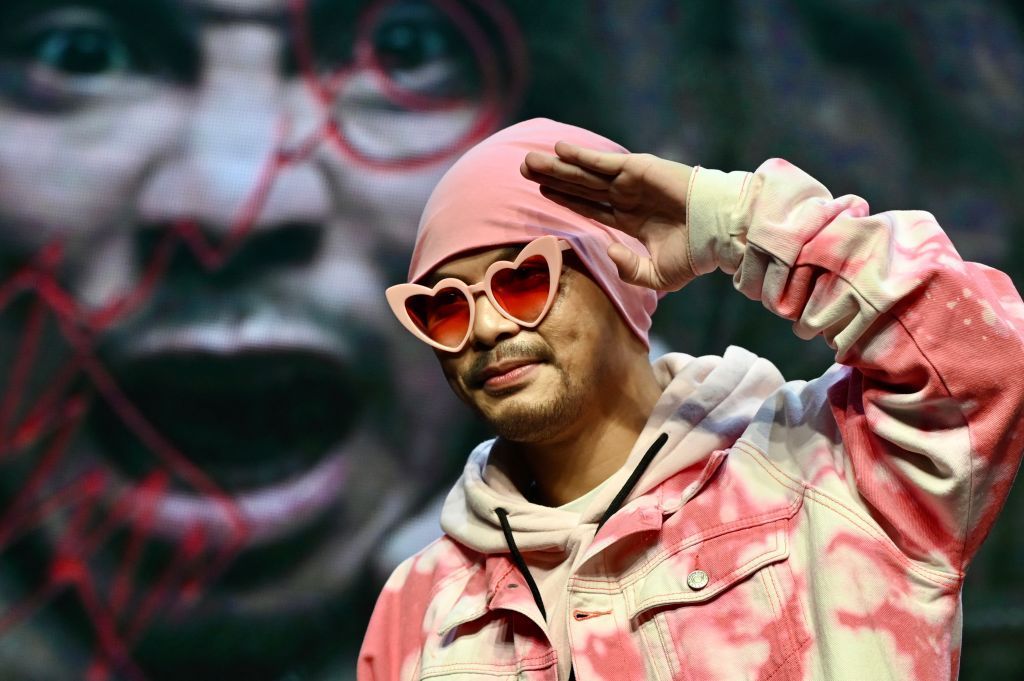
Popular Malaysian rapper charged with drug use
Malaysian rapper Namewee, renowned for his provocative and satirical music, has been charged with illegal drug use and possession, according to reports from Kuala Lumpur police. The 42-year-old artist, whose real name is Wee Meng Chee, pleaded not guilty to both charges and was released on bail following his arrest last month. Namewee is widely recognized for addressing taboo subjects in Malaysia, ranging from obscenity to religion and China’s censorship, through his music and videos. In a recent Instagram post, he vehemently denied any involvement with drugs, stating, ‘The truth will be out when the police report is released.’
Kuala Lumpur police chief Fadil Marsus revealed that Namewee was apprehended on October 22 in a hotel room, where authorities discovered pills suspected to be ecstasy (MDMA). Subsequent drug tests reportedly detected amphetamines, methamphetamine, ketamine, and THC in his system, leading to a two-day remand. If convicted, Namewee could face up to five years in prison and corporal punishment.
The case has drawn additional attention due to its connection to the death of Taiwanese influencer Iris Hsieh, who was found dead in her hotel room bathtub during the same period. Namewee expressed his condolences on Instagram, lamenting the delayed ambulance response. He also mentioned receiving threats and vowed to ‘fight to the end,’ though it remains unclear whether his statement pertains to the drug charges or Hsieh’s death.
Namewee’s career has been marked by controversy. In 2016, he was arrested for his music video ‘Oh My God,’ which was filmed at various places of worship and accused of offending religious sentiments. In 2021, his song ‘Fragile,’ which mocked Chinese nationalists and addressed politically sensitive topics like Taiwan’s sovereignty and the persecution of Uyghurs in Xinjiang, went viral but was banned in China. Despite his legal troubles, Namewee continues to be a polarizing figure in the music industry.
-
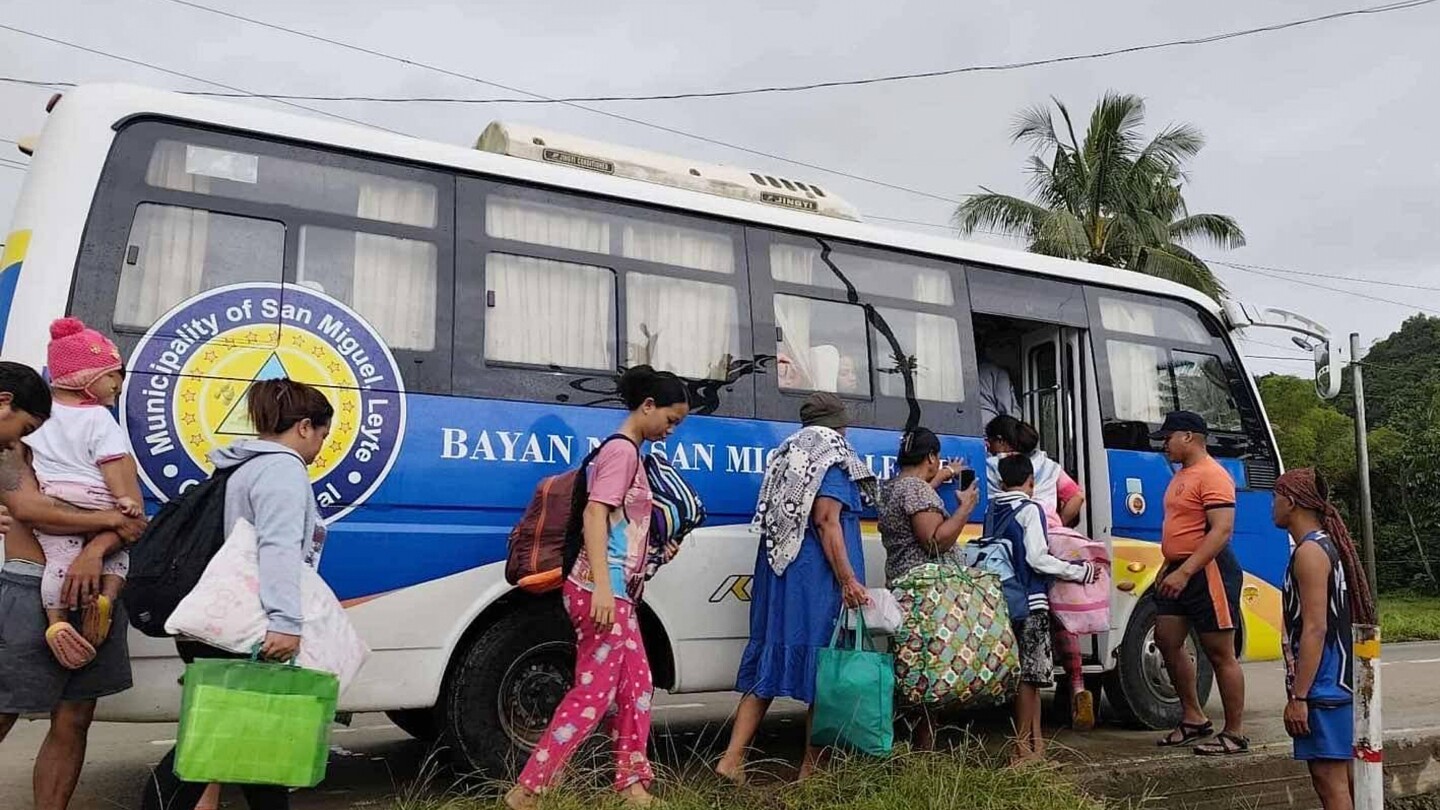
Tens of thousands of people evacuate to safety as typhoon approaches eastern Philippines
Philippine authorities have initiated large-scale evacuations and imposed fishing bans in the east-central region as Typhoon Kalmaegi, locally known as Tino, approaches from the Pacific. The storm, with sustained winds of up to 120 kilometers per hour and gusts reaching 150 kph, was last observed approximately 235 kilometers east of Guiuan in Eastern Samar province. Forecasters predict it will make landfall later Monday, bringing torrential rains and life-threatening storm surges of up to 3 meters (nearly 10 feet). Eastern Samar Governor RV Evardone has issued mandatory evacuation orders, mobilizing army troops, police, firefighters, and disaster-response teams to assist residents. Over 70,000 people in coastal towns such as Guiuan, Mercedes, and Salcedo have been directed to seek refuge in evacuation centers or sturdy buildings. The typhoon is expected to strengthen over the Philippine Sea before impacting central island provinces, including Cebu, which is still recovering from a devastating 6.9-magnitude earthquake in late September. The Philippines, a disaster-prone nation, faces approximately 20 typhoons annually, alongside frequent earthquakes and volcanic activity. The memory of Typhoon Haiyan in 2013, which claimed over 7,300 lives and displaced millions, has heightened public compliance with evacuation orders. ‘Nobody’s complaining because of their experience with Yolanda,’ Governor Evardone remarked, emphasizing the importance of preparedness.
-
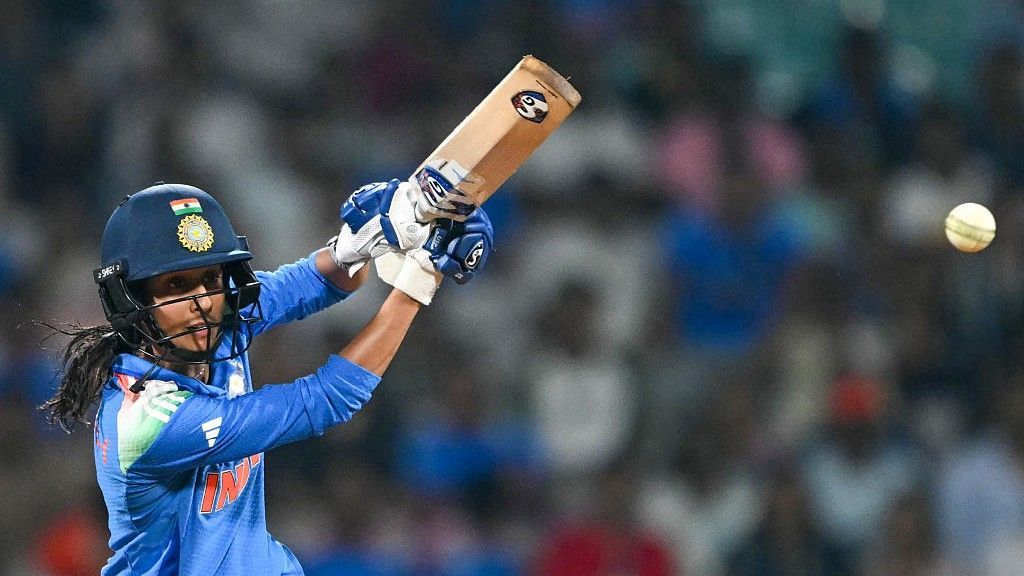
Five moments that defined India’s women’s World Cup glory
In a stunning display of grit and determination, India’s women’s cricket team scripted a historic turnaround to claim their maiden Women’s World Cup title. Overcoming three consecutive group-stage defeats, the team rallied with a flawless knockout performance, culminating in a 52-run victory over South Africa in the final at Mumbai’s DY Patil Stadium. The triumph marked a watershed moment for Indian cricket, as the women’s team finally stood shoulder to shoulder with their male counterparts in global glory.
The journey to the title was paved with pivotal moments and standout performances. Shafali Verma, a part-time spinner thrust into the spotlight due to an injury, delivered a match-defining spell, removing key South African batters and earning the Player of the Match award. Amanjot Kaur’s gravity-defying catch to dismiss South Africa’s captain Laura Wolvaardt was another turning point, halting a threatening chase and igniting euphoria among fans.
Jemimah Rodrigues emerged as the tournament’s batting sensation, particularly in the semi-final against Australia, where her unbeaten 127 powered India to a record chase of 338. Her resilience, both mental and technical, epitomized India’s fighting spirit. Captain Harmanpreet Kaur’s astute leadership was instrumental, as she made bold tactical decisions, including promoting Jemimah to No. 3 and backing Shafali Verma in the final. Deepti Sharma, the tournament’s leading wicket-taker, also shone with her all-round brilliance, delivering crucial runs and wickets in the knockout stages.
This victory was more than just a sporting achievement; it was a testament to the team’s resilience and a beacon of inspiration for a cricket-crazy nation. The roar of the Mumbai crowd echoed the dawn of a new era in Indian cricket, one where the women’s team has etched its name in history.