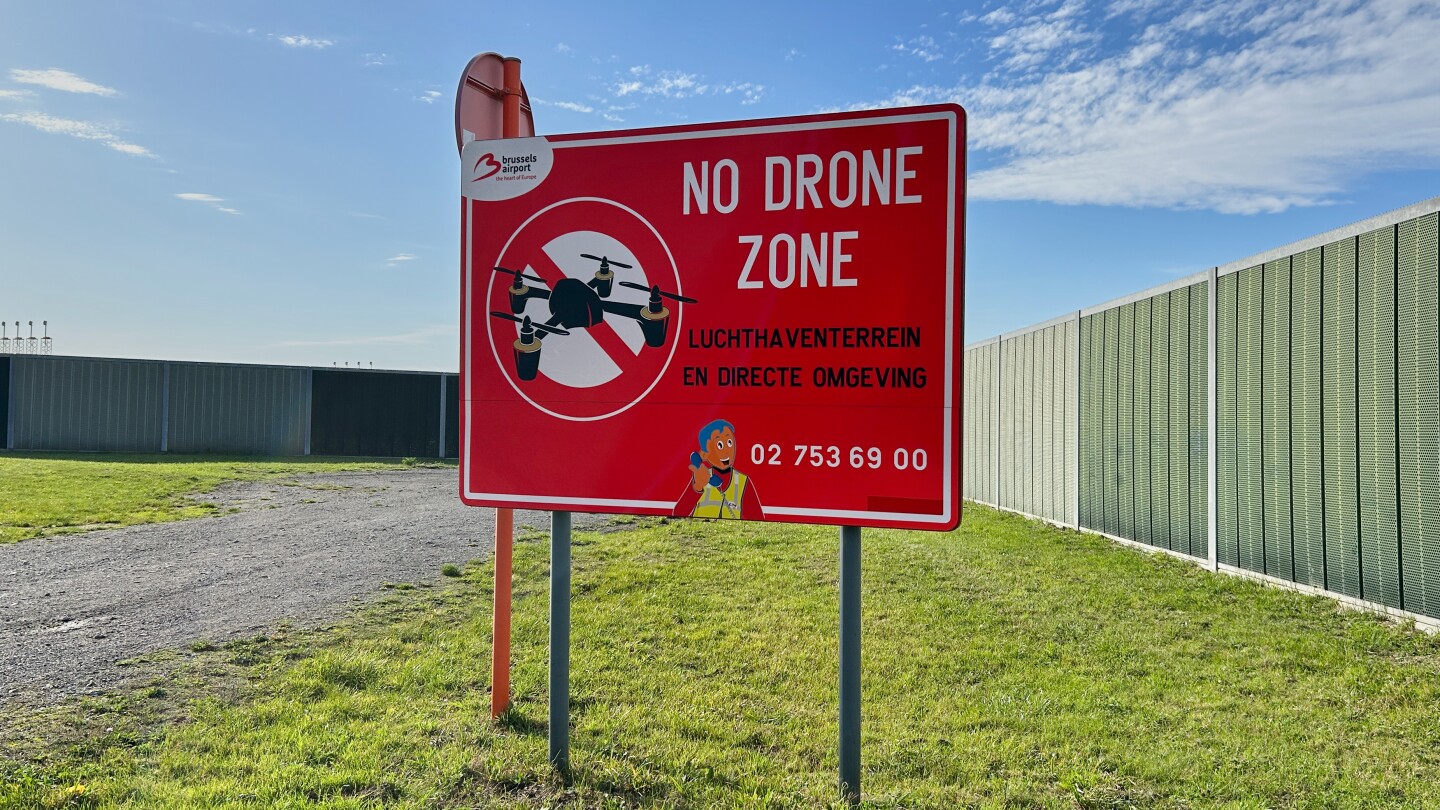
In response to a surge in drone sightings near critical Belgian airports, the United Kingdom has pledged to send military personnel and specialized equipment to assist Belgium. The decision was announced by Air Chief Marshal Richard Knighton, head of the UK armed forces, following a formal request from Belgian authorities. Recent drone incursions have forced temporary closures at Brussels’ main international airport and Liege, one of Europe’s largest cargo hubs. Additionally, unidentified drones have been spotted near a military base housing US nuclear weapons, raising concerns over national security. Knighton emphasized that while the source of the drones remains unknown, the UK is committed to providing its expertise and resources to address the issue. The deployment of UK assets has already commenced. Belgian Defense Minister Theo Francken speculated that some incidents may be part of a sophisticated espionage operation, ruling out amateur involvement. Belgium, home to NATO and EU headquarters, as well as a major financial clearinghouse holding billions in frozen Russian assets, has become a focal point of geopolitical tensions. While many EU nations advocate using these assets to support Ukraine, Belgium has resisted such measures. The drone incidents have underscored the growing security challenges facing Europe, with Russia often implicated in similar occurrences across the continent.
博客
-
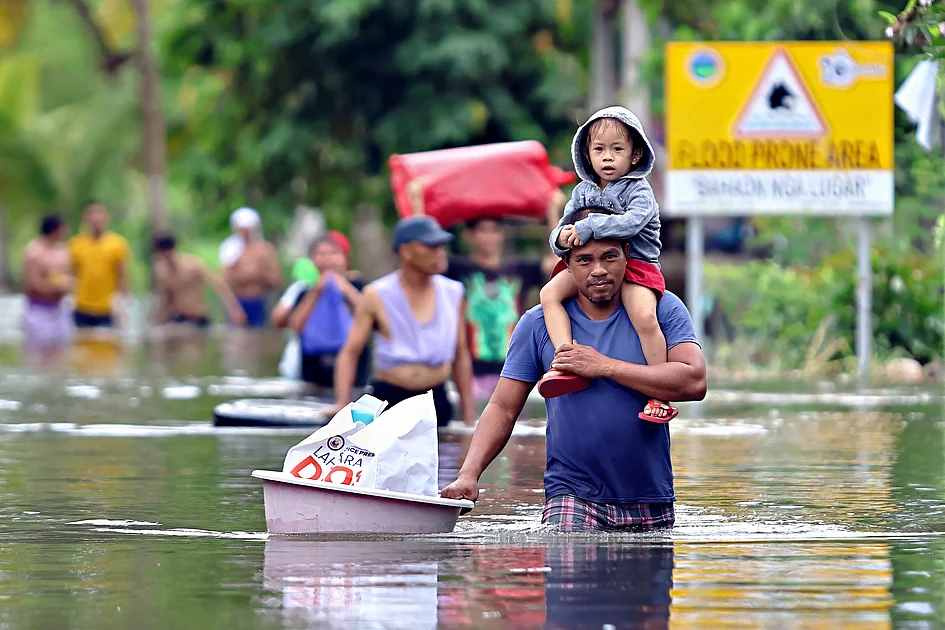
Philippines: Fun-wong becomes super typhoon ahead of late-night landfall
Super Typhoon Fung-wong, a formidable storm with a radius nearly encompassing the entire Philippines, intensified to super typhoon status on Sunday, poised for a late-night landfall. The storm, packing sustained winds of 185 kilometers per hour and gusts reaching 230 kph, is expected to unleash over 200 millimeters of rainfall, triggering widespread flooding and potential river basin overflows, according to government meteorologist Benison Estareja. Catanduanes, a small island likely to bear the brunt of the typhoon, has already experienced fierce winds and storm surges, with waves crashing over coastal streets. Residents, bracing for the storm’s impact, have resorted to traditional methods of securing their homes, such as strapping down roofs with ropes. In Sorsogon, southern Luzon, some sought refuge in churches, while rescuers in Aurora province urged coastal residents to evacuate to higher ground. The arrival of Fung-wong comes just days after Typhoon Kalmaegi wreaked havoc across the Philippines, claiming 204 lives and leaving 109 missing. Search and rescue operations for Kalmaegi’s victims were suspended due to the impending threat of Fung-wong. Scientists attribute the increasing intensity of such storms to human-driven climate change, which warms oceans and amplifies rainfall potential. The back-to-back typhoons underscore the growing vulnerability of the Philippines to extreme weather events.
-
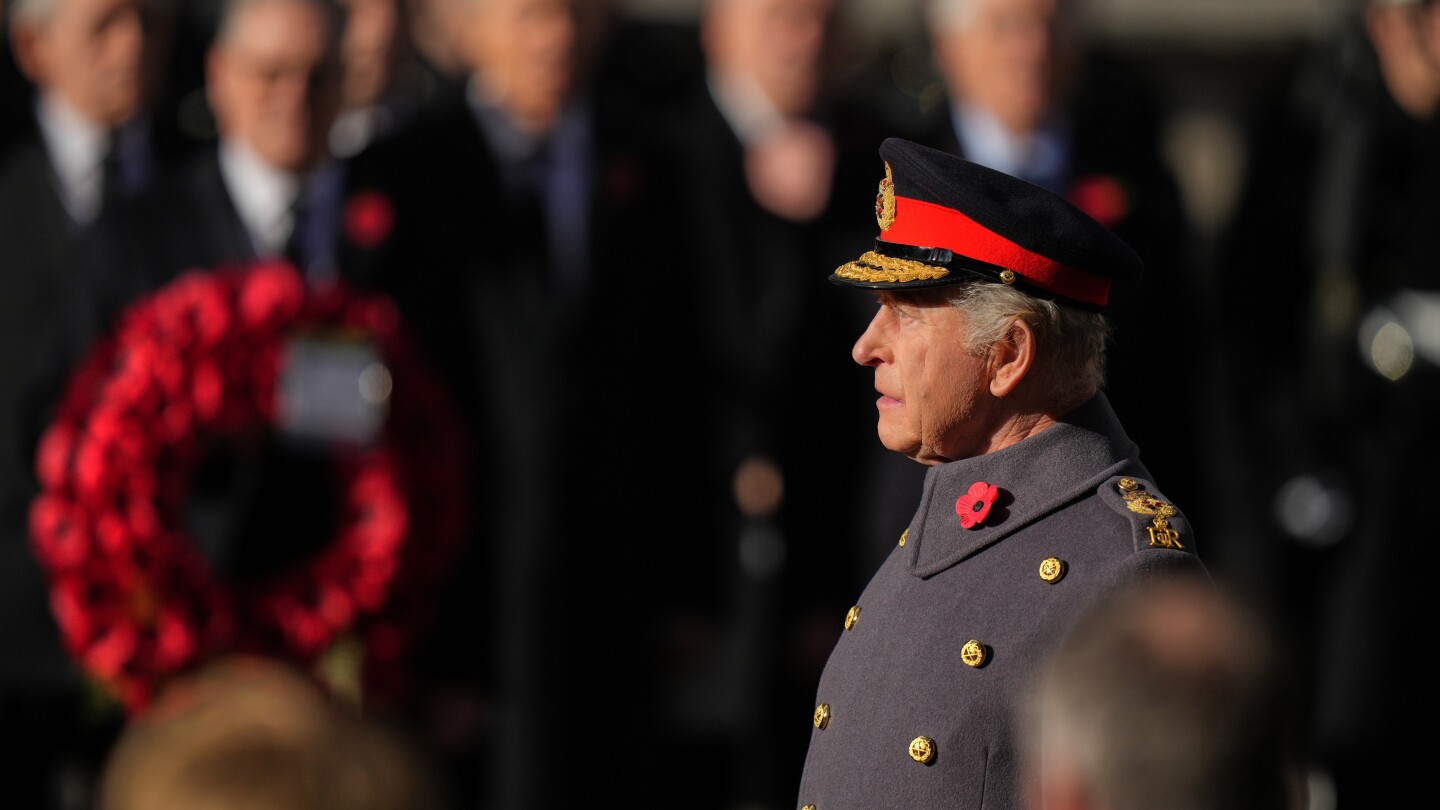
King Charles III leads Britain’s Remembrance Sunday ceremony for war dead
Under clear skies in London, King Charles III presided over Britain’s annual Remembrance Sunday ceremony, honoring the nation’s war dead. The event, held near the iconic Cenotaph war memorial, saw thousands of military personnel, veterans, and civilians gather in solemn tribute. At precisely 11 a.m., marked by the tolling of Big Ben, the crowd observed a poignant two-minute silence, punctuated by an artillery blast and the haunting notes of “The Last Post” played by Royal Marines buglers. The 76-year-old monarch, adorned in the uniform of an army field marshal, laid a wreath of red poppies at the base of the Cenotaph, a monument erected over a century ago to commemorate those who perished in World War I and subsequent conflicts. The ceremony, held annually on the Sunday closest to November 11, the anniversary of the end of World War I, is replicated across Britain and at UK military bases worldwide. Prince William, heir to the throne, followed his father in laying a wreath, inscribed with the words “the glorious dead.” Other members of the royal family, including Prince Edward, participated, though notably absent was the former Prince Andrew, who was stripped of his titles last month due to his association with convicted sex offender Jeffrey Epstein. Prime Minister Keir Starmer, political leaders, and diplomats from Commonwealth nations also paid their respects. Queen Camilla and the Princess of Wales observed the ceremony from a balcony. The red poppy, a symbol of remembrance inspired by the World War I poem “In Flanders Fields,” adorned wreaths and lapels, serving as a poignant reminder of the sacrifices made.
-

Kiwis and Jillaroos triumph at Pacific Championships
In a thrilling conclusion to the 2025 Pacific Championships, New Zealand’s men’s team staged a remarkable comeback to defeat Samoa 36-14, while Australia’s women’s team continued their dominance with a commanding 40-8 victory over New Zealand. The men’s final, held at Parramatta’s Western Sydney Stadium, saw the Kiwis overcome a 12-0 deficit with a stunning second-half performance, scoring 30 unanswered points. This victory marked a fitting farewell for veteran half-back Kieran Foran, who played his 34th and final Test match, capping off a 16-year international career. Foran, who will transition to an assistant coaching role at NRL side Manly Sea Eagles, played a pivotal role in New Zealand’s triumph, their second men’s title in three years. Meanwhile, Australia’s women’s team, the Jillaroos, reaffirmed their status as world number ones with a dominant display. Julia Robinson starred with two tries, contributing to Australia’s seven-try haul. The Jillaroos, who began their year with a resounding 90-4 victory over England in Las Vegas, have now won the past three World Cups and continue to set the standard in women’s rugby league. Samoa, despite their early lead in the men’s final, were unable to sustain their momentum against a resurgent New Zealand side. Key players like Naufahu Whyte, Erin Clark, and man of the match Dylan Brown were instrumental in the Kiwis’ comeback. The women’s final saw Australia take control early, leading 24-0 after 33 minutes, and despite New Zealand’s efforts in the second half, the Jillaroos remained untroubled. Olivia Kernick’s early try set the tone, with Robinson’s spectacular leap for her first try highlighting Australia’s attacking prowess. The victories for both New Zealand’s men and Australia’s women underscore the competitive spirit and high standards of rugby league in the Pacific region.
-
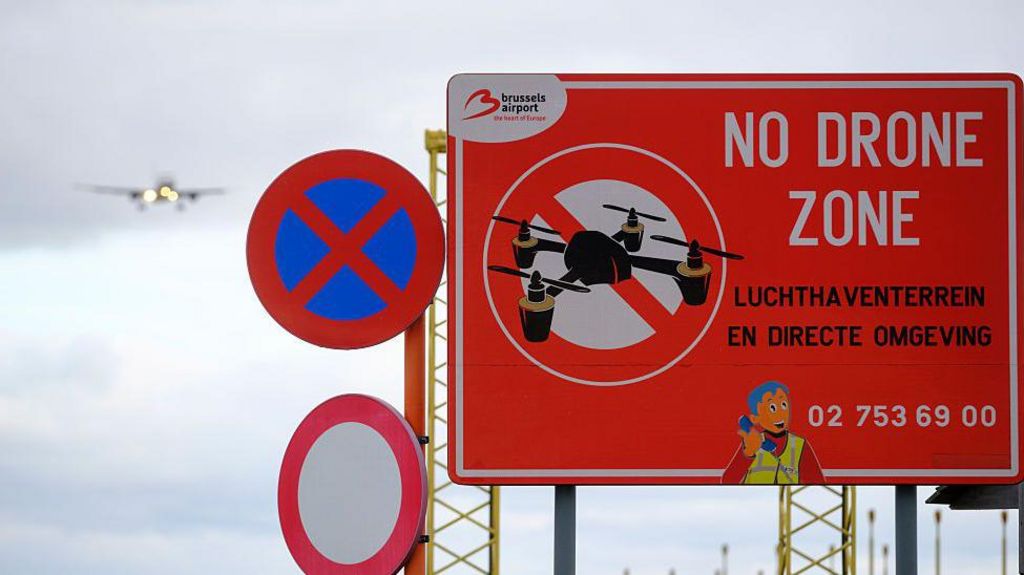
UK military to help protect Belgium after drone incursions
The United Kingdom is dispatching military personnel and equipment to Belgium to assist in strengthening its defenses following a series of drone incursions into Belgian airspace, suspected to be orchestrated by Russia. Sir Richard Knighton, the newly appointed head of the UK military, revealed in an interview with BBC’s Sunday with Laura Kuenssberg that Belgium had requested assistance earlier this week. The UK has responded by deploying resources to aid its NATO ally. The incursions, which occurred on Thursday night, forced the temporary closure of Brussels’ Zavantem Airport and were also reported near a military base. While the origin of the drones remains unconfirmed, Sir Richard acknowledged that it is ‘plausible’ they were directed by Moscow. The decision to support Belgium was made in collaboration with UK Defence Secretary John Healey. Germany has also pledged to provide anti-drone measures following a request from Brussels. The disruptions have impacted approximately 3,000 Brussels Airlines passengers, with the carrier incurring significant costs due to flight cancellations and diversions. Belgian Defence Minister Theo Francken emphasized that the drone incursions, initially perceived as a localized issue, have now escalated into a broader threat affecting civilian infrastructure across Europe. Sir Richard further highlighted Russia as the ‘most pressing threat’ to Europe, citing its ‘barbaric’ actions in Ukraine and its involvement in sabotage and killings on UK soil. Recent months have seen a surge in drone sightings across Europe, including in Sweden, Norway, and Denmark, with some officials attributing these incidents to Russian ‘hybrid warfare.’ The Kremlin has denied any involvement. German Defence Minister Boris Pistorius suggested that the incursions could be linked to EU discussions about using frozen Russian assets to support Ukraine. Despite the lack of public evidence, suspicions have been fueled by Russia’s increased airspace violations in Eastern Europe, involving fighter jets and larger attack drones. In response, the UK has deployed RAF Typhoon jets to participate in NATO defense missions over Poland, reinforcing the alliance’s eastern flank.
-

Kenyan activists released from Ugandan detention after Museveni confirms arrest
Two Kenyan activists, Bob Njagi and Nicholas Oyoo, have been released from detention in Uganda after being held for over a month. The arrests occurred on October 1, shortly after the activists attended a rally organized by Bobi Wine, President Yoweri Museveni’s most prominent political challenger. Museveni accused the duo of collaborating with the opposition to destabilize his government ahead of the January general election. Initially, the Ugandan government denied any involvement in the arrests. However, after weeks of diplomatic negotiations led by Kenya’s Foreign Affairs Minister Musalia Mudavadi, the activists were released to the Kenyan ambassador. The pair returned to Kenya on Saturday, alleging they were detained in a military facility under “inhumane conditions” guarded by Ugandan special forces. Museveni, who has been in power since 1986 and is seeking a seventh term, warned that any attempts to protest in Uganda would “end up badly,” referencing the deadly November 2020 protests following Bobi Wine’s arrest. He also stated that Kenyan officials had requested the activists’ release or prosecution. Museveni’s critics accuse him of authoritarianism, citing his suppression of opposition voices within and outside his National Resistance Movement party.
-

UAE: After hitting a 5-year low, gold jewellery sales pick up as prices ease
Gold jewellery sales in the UAE have experienced a resurgence following a significant drop in prices after reaching a peak in October 2025. According to data from the World Gold Council, demand for gold jewellery in the UAE plummeted to a five-year low of 6.3 tonnes in the third quarter of 2025, marking a 10% year-on-year decline and an 18% quarter-on-quarter drop. This was the lowest quarterly figure since the third quarter of 2020, when sales stood at 3.8 tonnes. The decline was attributed to record-high gold prices, which deterred buyers during the summer months. However, as prices began to ease, consumer interest in gold jewellery has gradually returned. Jewellers in Dubai report a noticeable uptick in sales, with customers strategically opting for lighter and more affordable pieces. Chirag Vora, Managing Director of Bafleh Jewellers, noted that the dip in prices has attracted bargain hunters, while Anil Dhanak of Kanz Jewels highlighted the seasonal boost from increased tourism and festive demand. In October, 24K gold prices in Dubai peaked at Dh525 per gram but have since dropped to Dh482 per gram. Spot gold closed at $4,001.21 per ounce over the weekend. Despite the recovery in jewellery sales, demand for gold coins and bars also declined, albeit at a slower pace, as investors anticipated further price rallies. Overall, UAE gold demand fell 9% year-on-year to 9.7 tonnes in the third quarter of 2025, the lowest since the second quarter of 2021.
-
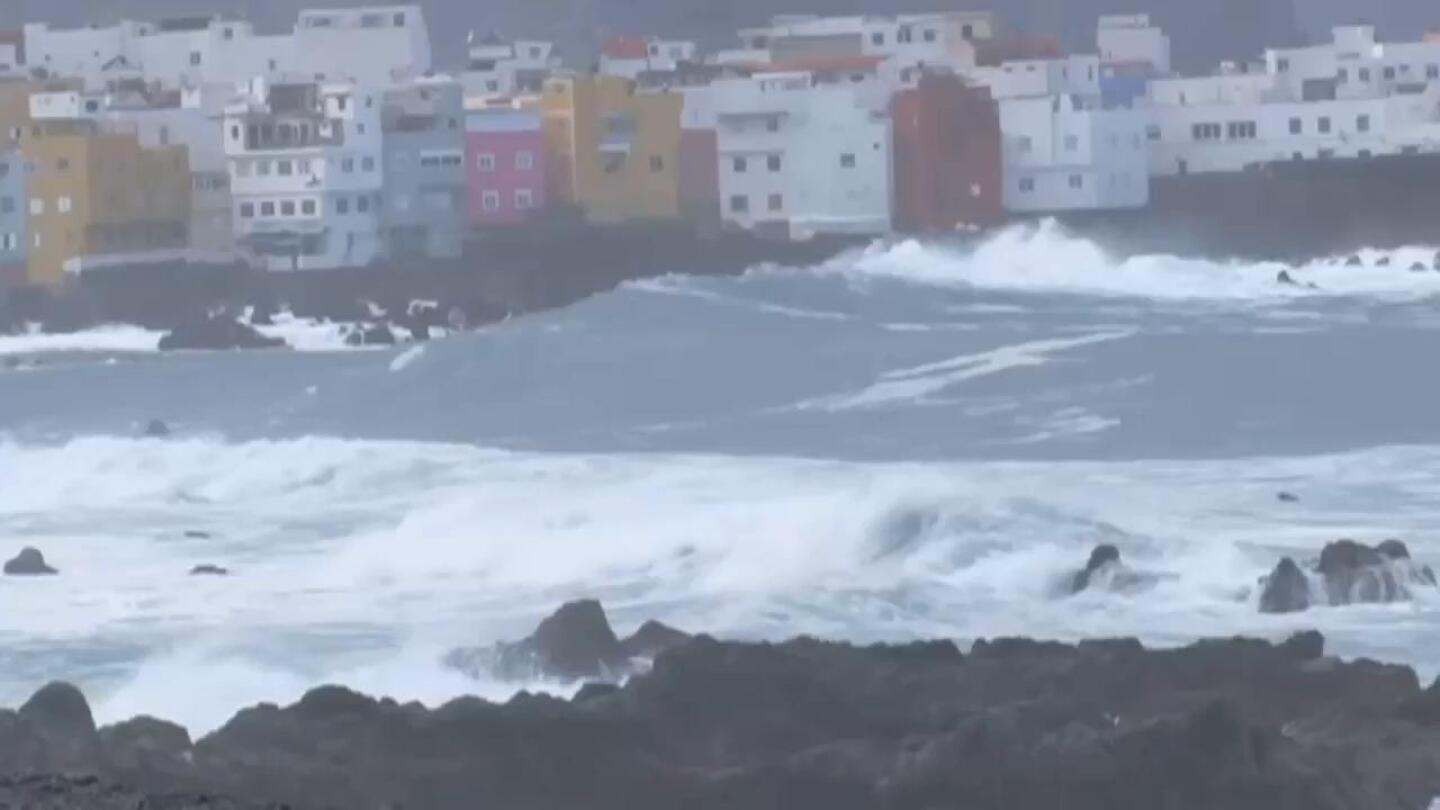
3 dead and 15 injured in tidal surge on Spain’s Canary Islands
BARCELONA, Spain — A devastating tidal surge on Spain’s Canary Islands has claimed the lives of three individuals and left 15 others injured, according to emergency services. The incidents occurred on Saturday along the coast of Tenerife, where powerful waves swept people into the Atlantic Ocean. Among the victims were a man and a woman who were pulled into the sea in the municipalities of La Guancha, Puerto de la Cruz, and Santa Cruz de Tenerife. A third man was discovered lifeless in the waters near a beach in Granadilla. Authorities had previously issued warnings about the hazardous conditions, urging the public to avoid coastal paths and refrain from photographing or filming the turbulent seas to prevent unnecessary risks.
-
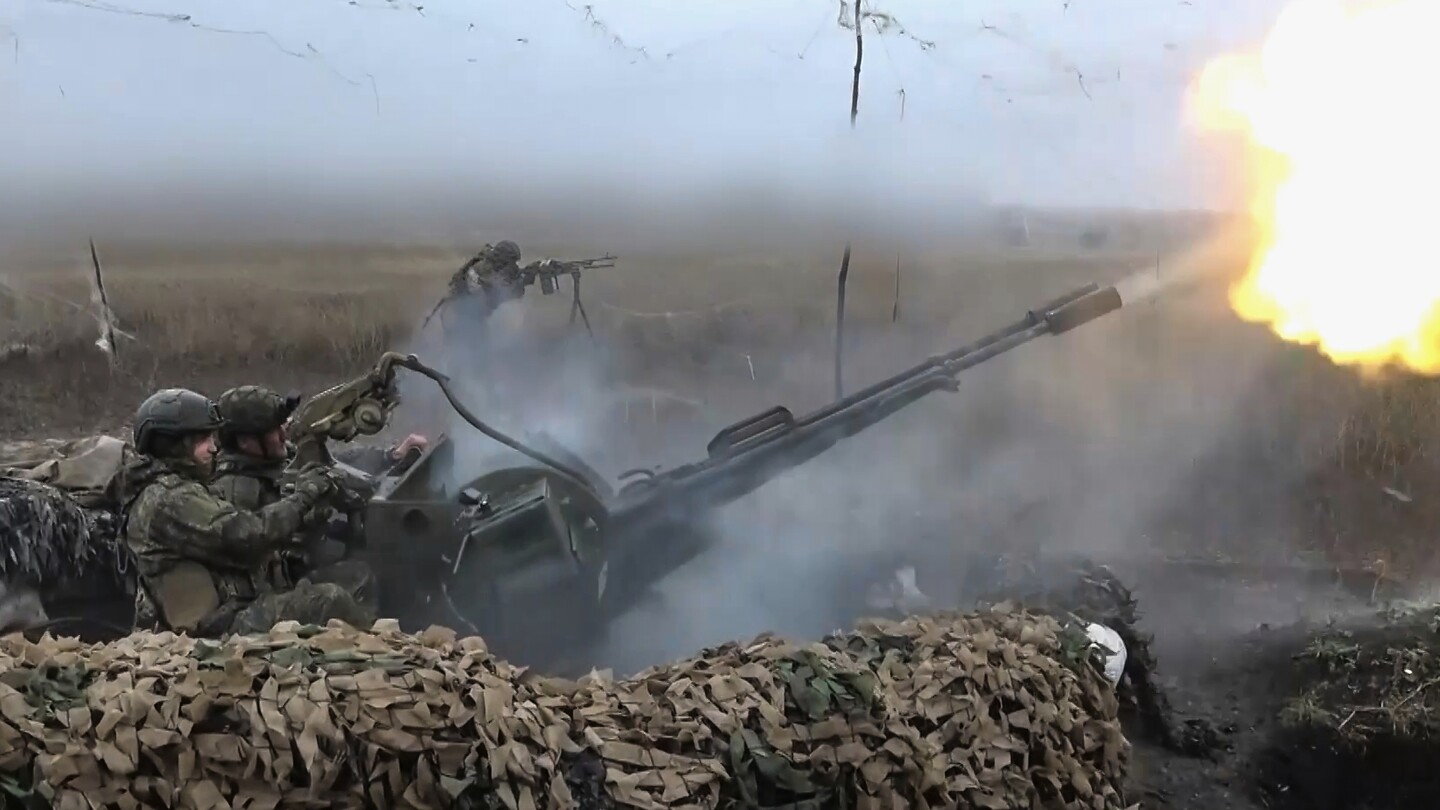
Ukrainian strikes disrupt power and heating to 2 major cities in Russia
In a series of escalating attacks, Ukrainian strikes have disrupted power and heating systems in two major Russian cities near the Ukrainian border, according to local officials. The incidents occurred over the weekend, with drone and missile strikes targeting infrastructure in Voronezh and Belgorod. Voronezh, a city with a population of over 1 million, experienced temporary blackouts and heating cuts after a drone strike caused a fire at a local utility facility. Meanwhile, Belgorod, home to around 340,000 people, suffered significant damage to its power and heating systems, affecting approximately 20,000 households. These strikes are part of a broader pattern of reciprocal attacks on energy infrastructure between Russia and Ukraine, as U.S.-led diplomatic efforts to end the nearly four-year conflict have failed to make progress. Russia’s defense ministry reported intercepting 44 Ukrainian drones in southwestern regions but did not mention the affected cities. The ongoing conflict continues to strain both nations, with Ukraine targeting Russian oil refineries to cut off Moscow’s war funding, while Russia aims to cripple Ukraine’s power grid, a strategy Kyiv officials describe as an attempt to ‘weaponize winter.’
-
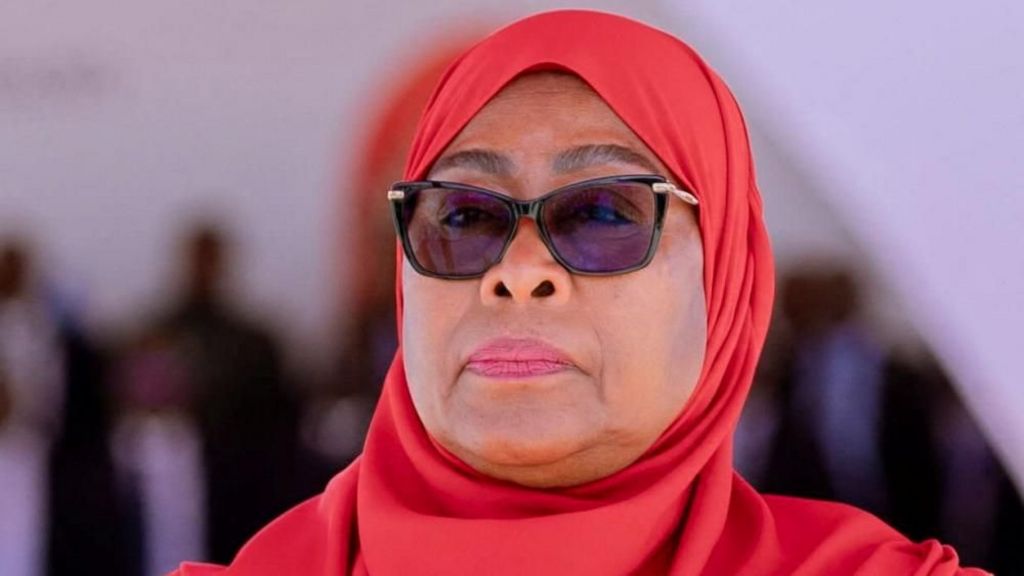
The gentle but ruthless president blamed for shattering Tanzania’s aura of stability
Tanzania, once hailed as a bastion of peace and stability in Africa, is now grappling with its most severe post-election violence in decades. The crisis erupted following the 29 October election, where President Samia Suluhu Hassan secured a landslide victory with 98% of the vote. However, the triumph has been overshadowed by widespread unrest, accusations of electoral malpractice, and a death toll that remains unconfirmed. Families across the nation are mourning loved ones lost in the violence, while regional and continental organizations have issued rare rebukes against the Tanzanian government. Samia, who initially inspired optimism with her calm demeanor and promises of reform upon assuming power in 2021, now faces mounting criticism for presiding over a repressive regime. Analysts attribute the unrest to years of simmering youth discontent, stalled reforms, and the ruling Chama Cha Mapinduzi (CCM) party’s authoritarian tendencies. The protests, led by young Tanzanians, echo global Gen Z movements against unresponsive leadership. The CCM, a post-colonial liberation party, has long dominated Tanzania’s political landscape, but its recent actions—including the disqualification of opposition candidates and a brutal crackdown on dissent—have exposed a darker side of the nation. As Samia begins her second term, her legitimacy is under scrutiny both domestically and internationally, with calls for accountability and democratic reform growing louder.