博客

  • Should you ‘feed a cold and starve a fever’? Find out if the adage is true

    Should you ‘feed a cold and starve a fever’? Find out if the adage is true

    The age-old adage ‘feed a cold and starve a fever’ has been passed down through generations as a piece of sick-day wisdom. However, experts now reveal that this advice is little more than an old wives’ tale. Dr. David Schneider, chair of the department of family and community medicine at the University of Texas Southwestern Medical Center, emphasizes that there is no scientific basis for this claim. Instead, the focus should be on maintaining proper nutrition and hydration to support the body’s immune system during illness.

    Benjamin Hurrell, an assistant professor of nutrition and immunology at the University of California, Davis, points out the logical flaw in the adage: it’s possible to have both a cold and a fever simultaneously, making the advice impractical. Research shows that being well-nourished is crucial for immune function. Chronic undernutrition or severe nutritional deficiencies can impair the body’s ability to fight infections, such as pneumonia or gastrointestinal illnesses, by reducing the production of infection-fighting immune cells.

    Dr. Geeta Sood, assistant professor of medicine at Johns Hopkins University, notes that while eating nutritious foods like fruits and vegetables can help meet the body’s energy needs during illness, there is no strong evidence that specific foods significantly impact recovery. If you lack appetite for a day or two, it’s generally safe to rely on your body’s energy reserves. However, prolonged weakness warrants medical attention.

    Supplements like zinc or vitamin C have limited proven benefits. While some studies suggest zinc may slightly reduce the duration of colds, others show no effect. Honey, on the other hand, has been shown to soothe coughs, according to a 2021 review of clinical trials.

    Hydration is critical during illness, especially when experiencing a fever or cold. Dr. Michael Hanak, a family medicine physician at Rush University Medical Center, recommends drinking two to four liters of fluids daily to thin mucus and replenish lost fluids. Electrolyte drinks can be particularly helpful for fever-related dehydration.

    Ultimately, the best advice for recovering from a cold or fever is to stay hydrated, rest, and let time do its work. As Dr. Hanak aptly puts it, ‘Time heals all wounds.’

  • Guangdong urged to drive high-quality development

    Guangdong urged to drive high-quality development

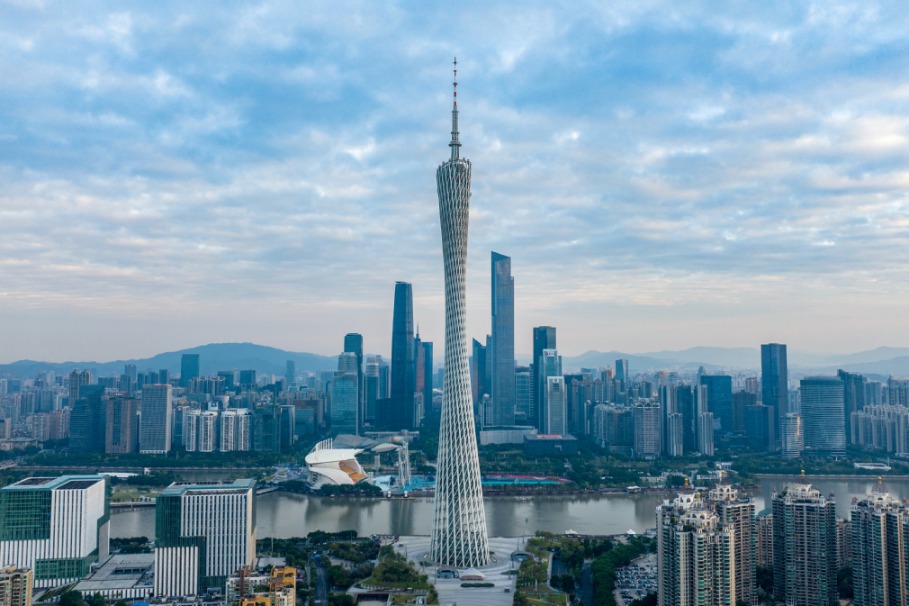
    President Xi Jinping has emphasized the need for Guangdong province to spearhead high-quality development through comprehensive reform and opening-up. During a two-day inspection tour concluding on Saturday, Xi, who also serves as the General Secretary of the Communist Party of China Central Committee and Chairman of the Central Military Commission, highlighted Guangdong’s pivotal role in shaping the nation’s 15th Five-Year Plan (2026-30). This plan, adopted during the fourth plenary session of the 20th CPC Central Committee, outlines China’s developmental trajectory over the next five years. Guangdong, with a GDP of 14.16 trillion yuan ($1.99 trillion) in 2024, has consistently led the nation’s economic rankings for 36 years. Xi urged the province to leverage its strengths in science and technology, foster a modern industrial system, and deepen cooperation with Hong Kong and Macao to advance the Guangdong-Hong Kong-Macao Greater Bay Area (GBA) into a world-class city cluster. The GBA, comprising Hong Kong, Macao, and nine cities in Guangdong’s Pearl River Delta, is seen as a bridgehead for China’s reform and high-level opening-up. Xi’s visit also included a stop in Meizhou, where he inspected efforts to revitalize rural areas and support old revolutionary base areas. Experts noted that Xi’s tour underscores China’s commitment to deepening reform and opening-up, with the GBA playing a crucial role in integrating global industrial chains and driving domestic innovation.

  • Trial for suspect of deadly Magdeburg market attack begins

    Trial for suspect of deadly Magdeburg market attack begins

    A high-profile trial commenced on Monday in Magdeburg, Germany, for a Saudi Arabian doctor accused of orchestrating a devastating attack on a Christmas market last December. The incident, which occurred on December 20, 2024, resulted in the deaths of six individuals and left over 300 others injured. The suspect, identified as Taleb A. in accordance with German privacy laws, allegedly drove a rented BMW at speeds of up to 48 km/h through the crowded market in the heart of Magdeburg. The attack, which lasted just over a minute, took place at 19:02 local time, when the market was bustling with holiday revelers. Taleb A., now 51, faces charges of murdering six people, including a nine-year-old boy and five women aged between 45 and 75. Additionally, he is accused of attempted murder in relation to 338 others, as well as causing grievous bodily harm to 309 individuals and dangerous interference with road traffic. Prosecutors in Naumburg, Saxony-Anhalt, stated that Taleb A. was not under the influence of alcohol or similar substances during the rampage. They believe he acted out of frustration over a civil dispute and the failure of various criminal complaints, aiming to kill an indeterminate number of people. The crime was reportedly planned and prepared meticulously over several weeks without accomplices. Taleb A. has been in custody since the day of the attack and faces life imprisonment if convicted. Due to the large number of victims, a temporary courthouse has been erected in Magdeburg for the trial. This incident adds to a history of attacks on Germany’s Christmas markets, primarily by extreme Islamists. However, Taleb A. was described as an ‘untypical’ attacker, being a refugee from Saudi Arabia who was critical of Islam and expressed support for the far-right Alternative for Germany (AfD) party on social media, praising their efforts to ‘protect Germany.’

  • A Kremlin target? Exiled Church man hits back at claims of spying

    A Kremlin target? Exiled Church man hits back at claims of spying

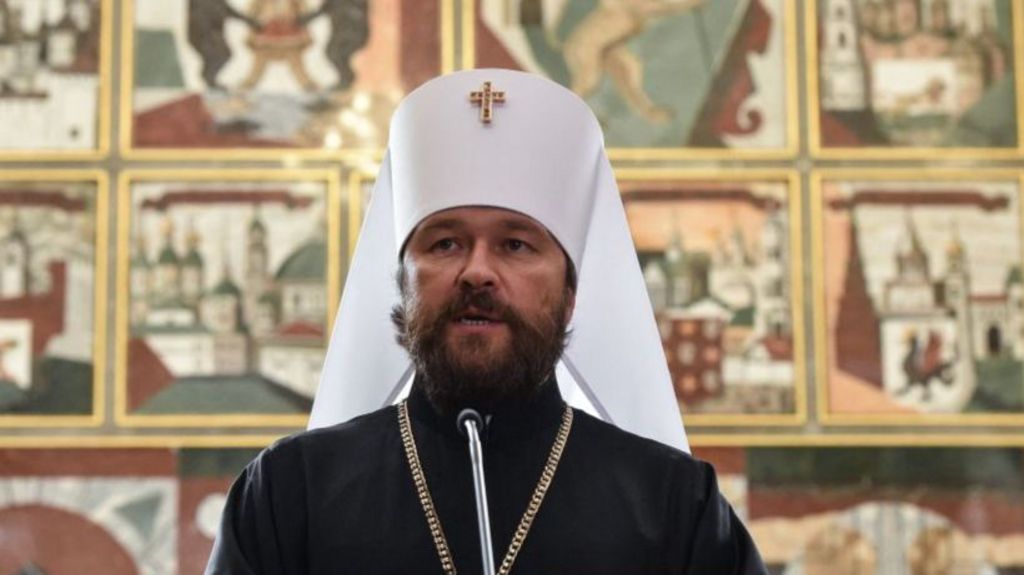
    Metropolitan Hilarion, the former head of foreign relations for the Russian Orthodox Church, has broken his silence following a series of serious allegations against him. Once a prominent figure in the Church and a potential successor to Patriarch Kirill, Hilarion’s fall from grace began after Russia’s full-scale invasion of Ukraine in 2022. While no official reason was given for his exile to Hungary, many observers attribute it to his neutral stance on the war, which contrasted sharply with Patriarch Kirill’s vocal support for Vladimir Putin’s policies. In Putin’s Russia, where criticizing the war is a criminal offense, Hilarion’s refusal to endorse the conflict likely cost him his position. The allegations against Hilarion escalated in June 2024 when George Suzuki, a former aide, accused him of sexual misconduct and collaboration with Russia’s FSB intelligence agency. Suzuki, a 23-year-old Japanese citizen, began working for Hilarion after his arrival in Budapest and has since posted video and audio clips on his YouTube channel to support his claims. Hilarion denies all allegations, stating that some of the evidence has been doctored. He has vowed to refute the accusations in court. Hilarion admits to mistakes in his treatment of Suzuki, including agreeing to financial demands from Suzuki’s family, but maintains his innocence regarding harassment and espionage. The case has gained urgency as the Czech government considers imposing sanctions on Hilarion, potentially forcing him to return to Russia. Despite the ordeal, Hilarion remains loyal to the Russian Orthodox Church and Patriarch Kirill. His supporters fear that Kremlin hardliners are targeting him to tarnish his reputation. The former Archbishop of Canterbury, Rowan Williams, suggested that the Kremlin’s modus operandi is recognizable in this case. Hilarion’s future remains uncertain as he navigates legal battles and political pressures.

  • DiveCampus CEO Islam Etman achieves elite PADI TecRec Trimix instructor trainer status

    DiveCampus CEO Islam Etman achieves elite PADI TecRec Trimix instructor trainer status

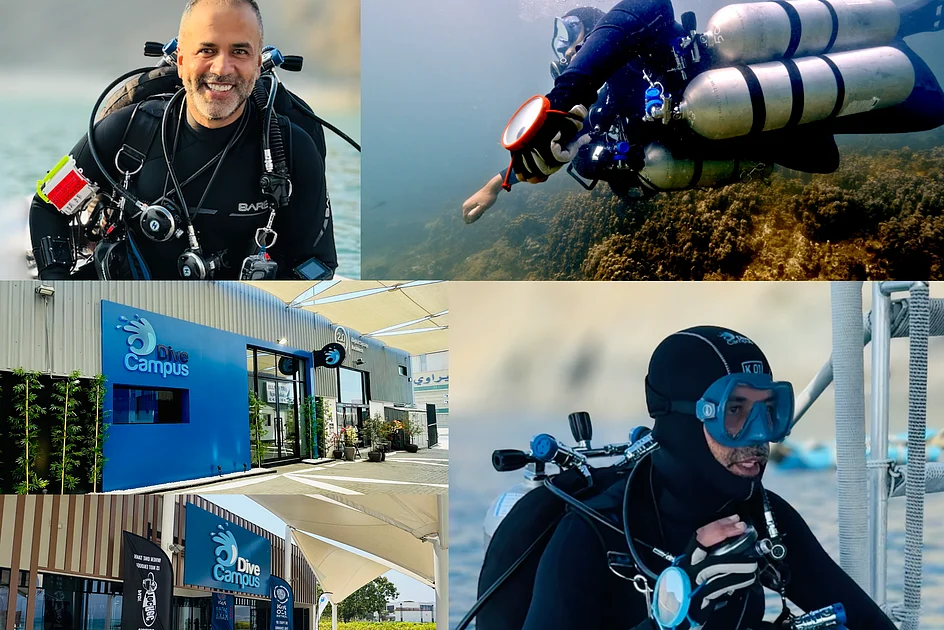
    Islam Etman, Co-Founder and CEO of DiveCampus, has achieved the highly esteemed PADI TecRec Trimix Instructor Trainer certification, marking a significant milestone in his career and reinforcing his status as a leading figure in technical diving education. This accomplishment places him among a select group of dive instructors globally who are qualified to train across the most extensive range of PADI Specialty courses, including Self-Reliant, Tec Sidemount, Dive Propulsion Vehicle, Full Face Mask, Dry Suit, and Freediving. Such expertise provides divers with access to specialized skills and top-tier training opportunities. Etman, who is already a PADI Master Instructor and PADI Freedive Instructor, emphasized the UAE’s potential to become a global hub for technical diving, citing its advanced dive infrastructure, strategic location, and year-round favorable diving conditions. He expressed his commitment to fostering a community that prioritizes safety, exploration, and excellence. Firas Jundi, PADI EMEA Regional Manager, highlighted the rapid growth of technical diving and specialty training in the UAE, crediting DiveCampus under Etman’s leadership for setting new benchmarks in safety, innovation, and excellence, and inspiring the next generation of divers and instructors to expand their horizons responsibly.

  • Ahead of the G20, is Johannesburg’s city centre in ruins?

    Ahead of the G20, is Johannesburg’s city centre in ruins?

    As Johannesburg prepares to host the G20 summit, a stark contrast emerges between the polished, secure venue and the city’s inner-city decay. Just kilometers away from the summit site, over 100 derelict buildings stand as a testament to neglect, crime, and systemic failure. These structures, many hijacked by criminal gangs, are plagued by overflowing sewage, piles of rubbish, and unsafe living conditions. Residents like Sinqhiwe Goodman Sithole endure life without running water or electricity, relying on portable gas stoves for cooking and facing constant fire risks. The city’s attempts to address these issues, including a recent clean-up campaign, have yielded limited results. President Cyril Ramaphosa and Mayor Dada Morero have acknowledged the challenges, but progress remains slow. The roots of the problem trace back to post-apartheid urban migration, underinvestment, and corruption, with former hijackers revealing collusion between criminals and local authorities. Evictions, though seemingly a solution, are legally and financially complex, leaving thousands of residents trapped in unsafe conditions. As global leaders gather to discuss economic cooperation, the plight of Johannesburg’s forgotten residents underscores the urgent need for meaningful urban reform.

  • How the US overtook China as Africa’s biggest foreign investor

    How the US overtook China as Africa’s biggest foreign investor

    The global competition for critical minerals and metals, essential for powering modern technology, has intensified between the United States and China, with Africa emerging as a strategic battleground. The continent, rich in resources like lithium, cobalt, and rare earths, plays a pivotal role in the supply chains for electric vehicles, AI data centers, and advanced weapon systems. China has long dominated this market, leveraging its domestic reserves and extensive investments in African mining operations. However, the US has recently surpassed China as the largest foreign direct investor in Africa, marking a significant shift in the geopolitical landscape. According to the China Africa Research Initiative at Johns Hopkins University, the US invested $7.8 billion in Africa in 2023, compared to China’s $4 billion. This marks the first time since 2012 that the US has reclaimed the lead. The US International Development Finance Corporation (DFC), established in 2019, has been instrumental in this effort, explicitly aiming to counter China’s influence in strategic regions. One beneficiary of this investment is Rwandan mining company Trinity Metals, which secured a $3.9 million grant from the DFC to develop its tin, tantalum, and tungsten mines. The company now exports tungsten to a processing plant in Pennsylvania, reflecting a growing trend of US-focused supply chains. However, economists like Sepo Haimambo of FNB Namibia caution African nations to assert their interests in negotiations with US entities. She advocates for diversified frameworks, such as joint ventures and local equity participation, to ensure long-term economic benefits. Meanwhile, US companies like ReElement Africa are building refineries in Africa to process minerals locally, aiming to capture more value and foster industrial development. Despite these efforts, some experts argue that US trade tariffs on African nations have dampened enthusiasm for American investments, potentially hindering the US from capitalizing on African discontent with Chinese projects. As the competition heats up, other nations like Brazil, India, and Japan are also increasing their presence in Africa, signaling a broader scramble for the continent’s mineral wealth.

  • John Laws, veteran Australian talkback radio host nicknamed ‘Golden Tonsils’, dies aged 90

    John Laws, veteran Australian talkback radio host nicknamed ‘Golden Tonsils’, dies aged 90

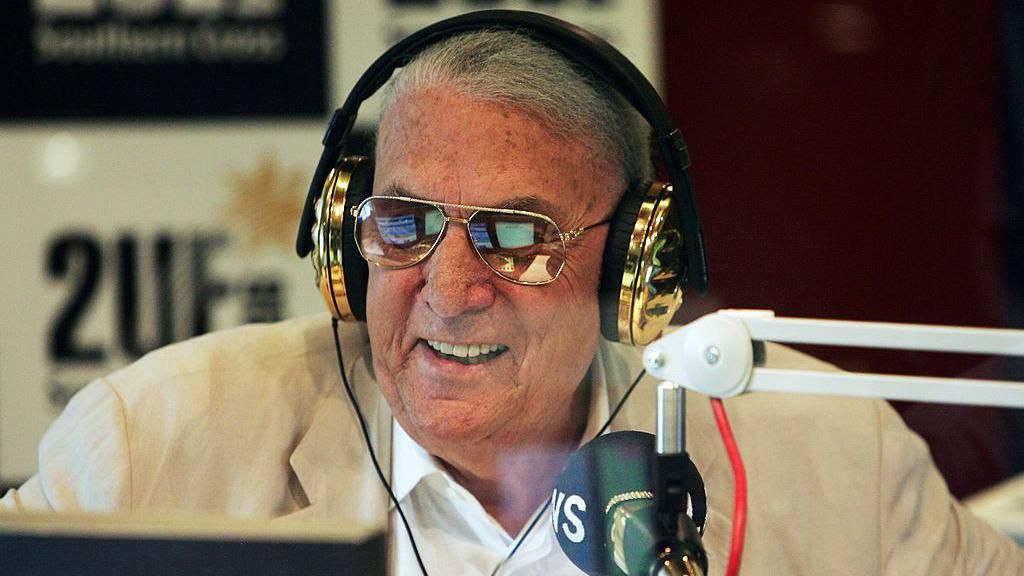
    John Laws, the iconic Australian radio host renowned for his distinctive voice and dubbed the ‘Golden Tonsils,’ has died at the age of 90. Laws, whose broadcasting career spanned over seven decades, passed away peacefully at his Sydney home on Sunday, as confirmed by his family. His illustrious career included interviews with 17 Australian prime ministers and numerous celebrities, making him one of the highest-paid commercial radio hosts during his peak. Prime Minister Anthony Albanese and actor Russell Crowe were among those who paid tribute, with Crowe describing Laws as a ‘mischievous mate’ and a ‘legend in the most Australian sense.’ Laws’ career was not without controversy, including a ‘cash-for-comment’ scandal in the 1990s and various breaches of broadcasting regulations. Despite these challenges, he remained a dominant figure in Australian radio, particularly in rural New South Wales, where his morning show attracted two million listeners at its height. Laws retired in November 2022 after a final 13-year stint at 2SM, capping off a career that also saw him inducted into the Australian Media Hall of Fame and awarded the Commander of the Order of the British Empire (CBE). The New South Wales premier, Chris Minns, announced that Laws’ family will be offered a state funeral.

  • COP30: Trump and many leaders are skipping it, so does the summit still have a point?

    COP30: Trump and many leaders are skipping it, so does the summit still have a point?

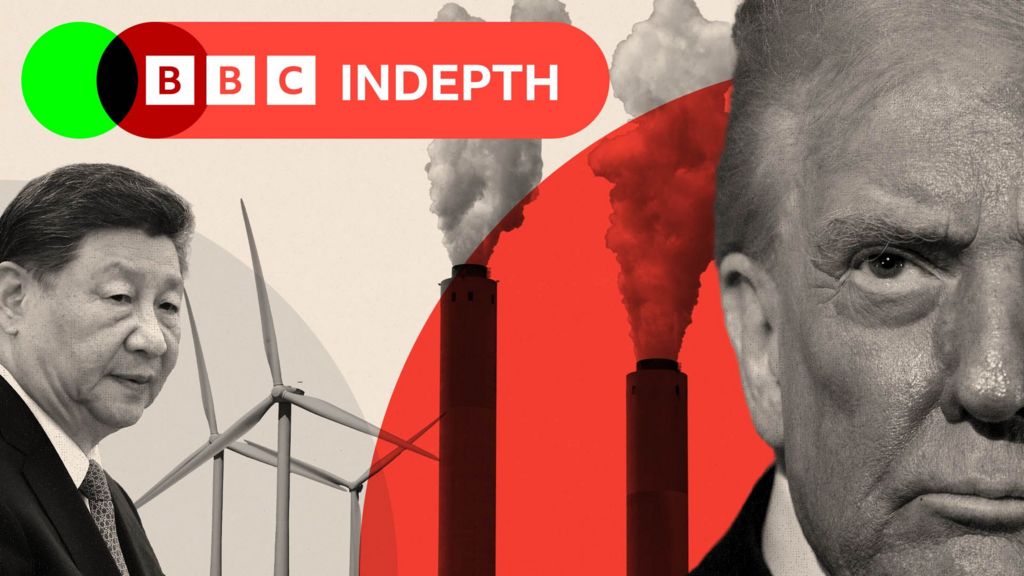
    A decade ago, the COP21 summit in Paris symbolized a united global front against climate change, with leaders like David Cameron, Xi Jinping, and Barack Obama standing shoulder to shoulder. Fast forward to COP30 in Brazil, and the scene is starkly different. Key figures such as Xi Jinping, Narendra Modi, and US President Donald Trump were notably absent, reflecting a broader disengagement from multilateral climate efforts. Trump’s administration has withdrawn from the Paris Agreement, rolled back clean energy initiatives, and prioritized fossil fuel dominance, positioning the US as a global energy superpower. This shift has created a rift with China, which is aggressively advancing its clean energy agenda, now accounting for 40% of its economic growth. The EU, caught in the middle, faces the dilemma of balancing economic security with climate goals. As global emissions continue to rise, the efficacy of annual COP summits is being questioned, with calls for more focused, smaller-scale discussions. Despite these challenges, COP30 aims to secure funding for rainforest preservation, underscoring the ongoing importance of international climate cooperation.

  • McIlroy swaps fairways for the fast lane at Yas Marina Circuit

    McIlroy swaps fairways for the fast lane at Yas Marina Circuit

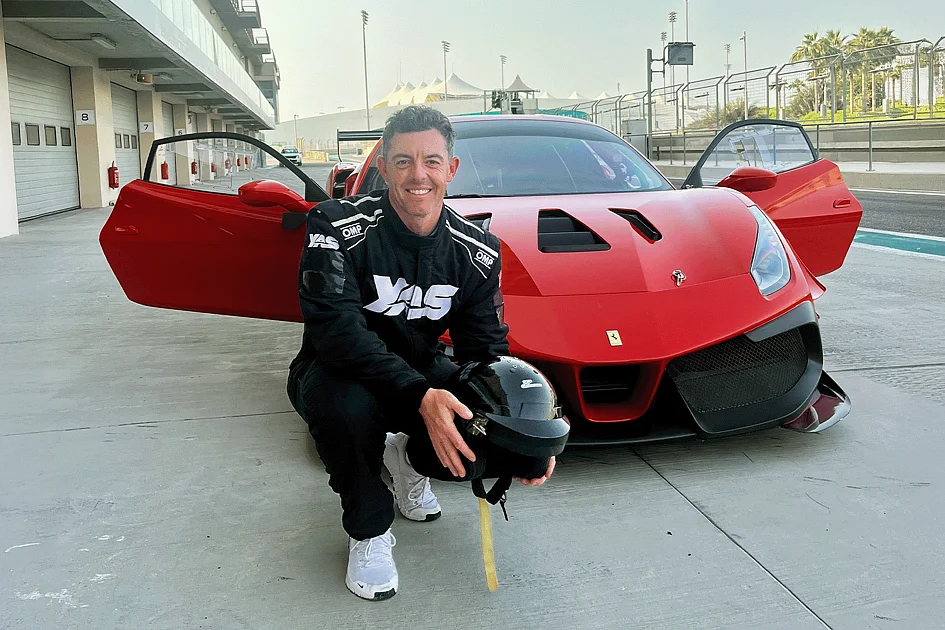
    Renowned golfer Rory McIlroy, a Career Grand Slam winner and the reigning Race to Dubai champion, recently swapped the tranquility of the golf course for the high-octane world of motorsport. McIlroy joined professional driver Francesca Pardini at the iconic Yas Marina Circuit in Abu Dhabi for an exhilarating experience. The event, captured by European Tour Productions, showcased McIlroy’s transition from the fairways to the fast lane, where he reached speeds of up to 180 mph. The exclusive behind-the-scenes footage highlighted McIlroy’s preparation, from suiting up to walking the track, and the intense forces he experienced during high-speed laps. Integrated WHOOP biometric data provided insights into McIlroy’s heart rate and stress levels, illustrating the adrenaline rush of the experience. This unique event not only highlighted McIlroy’s versatility but also showcased Yas Island as a premier multi-sport destination, offering world-class facilities from championship golf at Yas Links to motorsport at the Yas Marina Circuit.