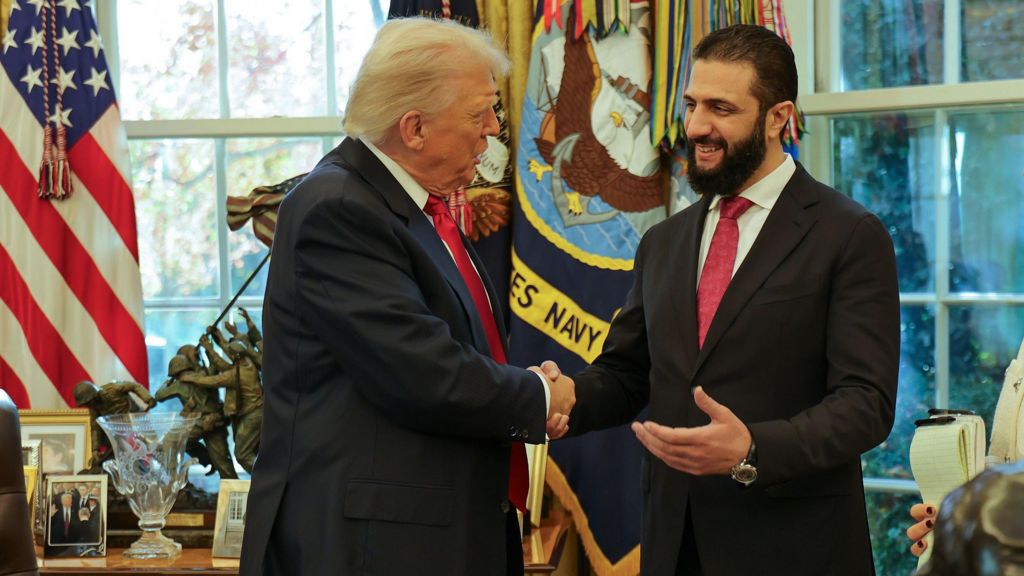
In a historic shift in US foreign policy, Syria has been welcomed into the international coalition to combat the Islamic State (ISIS), marking a significant turning point in Middle Eastern geopolitics. This development was confirmed by a senior Trump administration official following a landmark meeting between US President Donald Trump and Syrian President Ahmed al-Sharaa at the White House. This visit marks the first time a Syrian leader has been hosted in the US, symbolizing a new chapter in bilateral relations.
博客
-
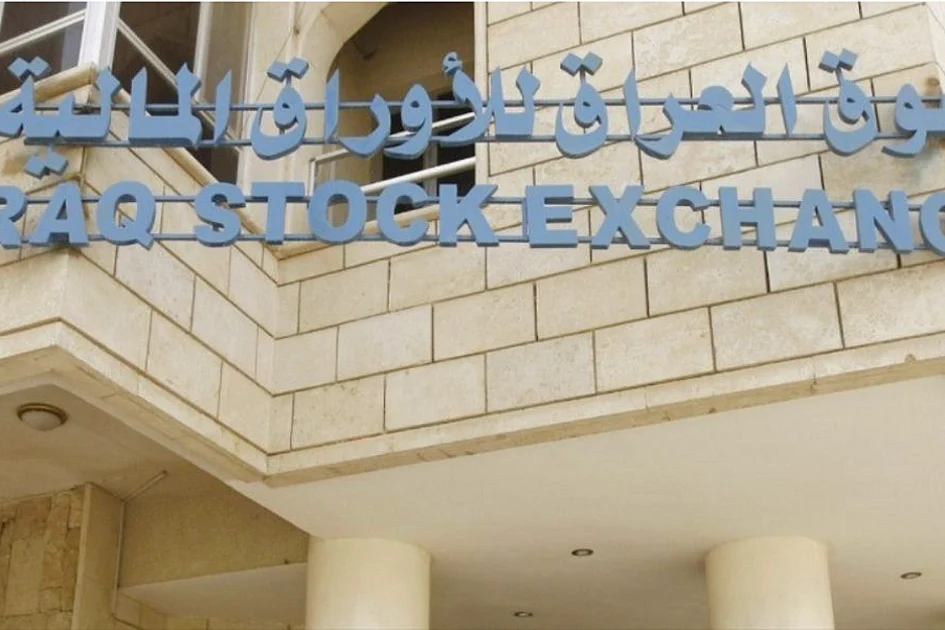
RSISX index posts modest 0.6 per cent growth ahead of Iraq’s parliamentary elections
The Rabee Securities Iraq Stock Exchange Index (RSISX Index) experienced a modest 0.6 per cent growth in October 2025, reflecting cautious investor sentiment ahead of Iraq’s parliamentary elections on November 11. Key contributors to this performance included National Bank of Iraq, Baghdad Soft Drinks, Asiacell, and Al-Mansour Hotel. The total trading volume on the Iraq Stock Exchange (ISX) surged by 87 per cent to $40.2 million, driven by cross transactions. Excluding these, trading still grew by 28 per cent to $19.1 million. The banking sector dominated trading activity with a 61.6 per cent share, followed by industry (28.5 per cent), telecom (4.8 per cent), and other sectors. Meanwhile, the over-the-counter (OTC) market saw a 15 per cent decline in trading volume to $177,700. Among the 27 companies that saw share price increases, Modern Construction Materials led with a 61.4 per cent rise, followed by Electronic Industries at 23.9 per cent. Tugba Tan Karakaya, Equity Analyst at Rabee Securities, noted that the rise in trading volume indicates improved market activity and stronger local investor participation. Significant developments in October included the Iraqi Securities Commission’s approval of membership requirements for brokerage firms to trade on the Tabadul platform of the Abu Dhabi Securities Exchange (ADX) and the launch of a €40 million Credit Guarantee Fund by the International Labour Organization (ILO) to support small and medium enterprises (SMEs). According to the World Bank’s MENAAP Economic Update, Iraq’s real GDP is projected to grow by 6.7 per cent in 2026, the highest among Arab countries, driven by energy sector recovery, rising oil exports, and government efforts to diversify income sources.
-
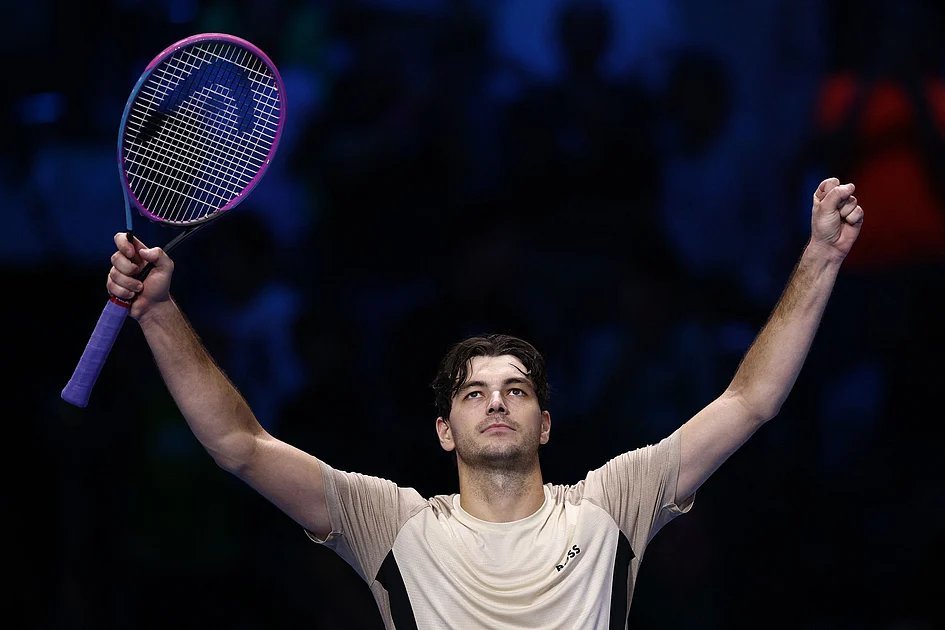
Fritz overpowers Musetti to start with a win at ATP Finals
In a commanding performance at the ATP Finals in Turin, Taylor Fritz secured a decisive victory over Italian Lorenzo Musetti, winning 6-3, 6-4 in their opening round-robin match on Monday. Musetti, who stepped in as a late replacement following Novak Djokovic’s withdrawal, initially showed promise but struggled to maintain momentum against Fritz’s relentless play. The American’s strong serve and strategic gameplay proved too much for Musetti, who despite the support of a partisan crowd, couldn’t turn the tide. The match’s pivotal moment came early when Fritz saved four break points and subsequently broke Musetti’s serve to take a 3-1 lead. Fritz’s dominance continued throughout the match, with nine aces in the second set alone, sealing the win with two final aces. Musetti, though defeated, showcased moments of brilliance with clever drop shots and lobs, keeping the audience engaged. Fritz’s victory marks a strong start to his campaign at the season-ending championships, where he aims to build on his semifinal appearance in 2022. Meanwhile, top seed Carlos Alcaraz also began his tournament with a win, defeating Alex de Minaur in the Jimmy Connors Group. The round-robin format ensures intense competition, with the top two players from each group advancing to the semifinals. Italian fans will look forward to Jannik Sinner’s match later in the day as he begins his title defense against Felix Auger-Aliassime.
-
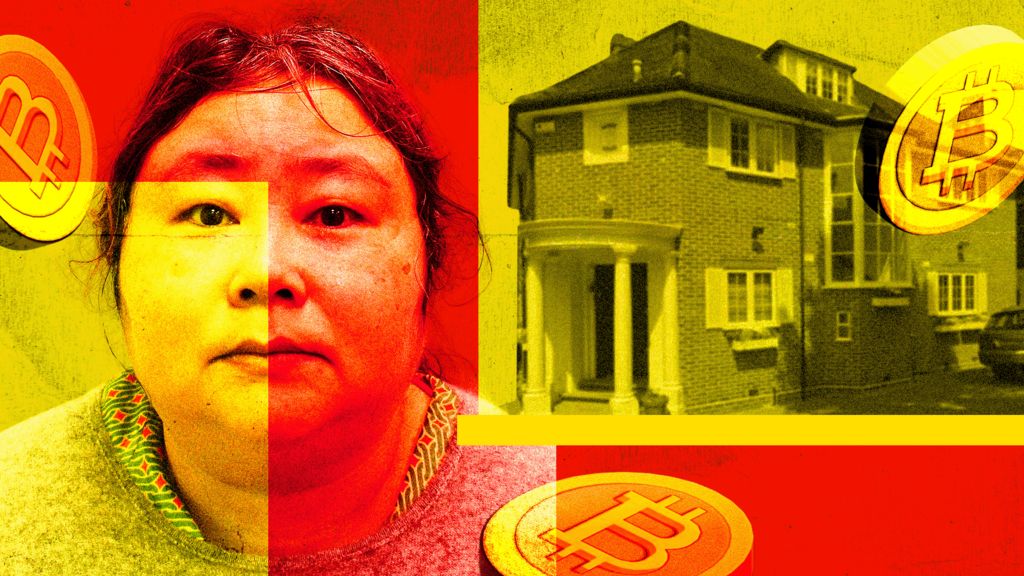
Cryptoqueen who fled China for London mansion to be sentenced over £5bn Bitcoin stash
Qian Zhemin, a 47-year-old woman accused of orchestrating one of the largest cryptocurrency frauds in history, is set to be sentenced this week in the UK. The case, which involves billions of pounds in stolen funds from over 100,000 Chinese pensioners, has drawn international attention. Qian fled China in 2017 under a fake passport and settled in a luxurious mansion in Hampstead, London, where she lived a lavish lifestyle funded by her ill-gotten gains. Her company, Lantian Gerui, promised investors high returns from cryptocurrency mining and high-tech health products, but in reality, it was an elaborate Ponzi scheme. The Metropolitan Police raided her property in 2024, seizing tens of thousands of Bitcoin—the largest cryptocurrency haul in UK history. Qian’s assistant, Wen Jian, was sentenced to six years in prison for money laundering, while Qian herself pleaded guilty to illegally acquiring and possessing cryptocurrency. Investors, many of whom lost their life savings, are now hoping to reclaim at least a portion of their funds through a civil case. However, the process is fraught with challenges, as many victims did not directly transfer money to Qian’s company but to local promoters. The case has also raised questions about the fate of the seized cryptocurrency, which has multiplied in value since Qian’s arrest. Any unclaimed funds could default to the UK government, prompting speculation about a potential windfall for the Treasury. The emotional toll on victims has been immense, with some losing not only their financial security but also their families. Qian’s audacious plans, including aspirations to become the queen of Liberland, a microstate on the Croatian-Serbian border, have added a surreal dimension to the case. As the sentencing hearing unfolds, the victims’ hopes for justice remain intertwined with the complexities of international law and cryptocurrency regulation.
-

Maccabi Haifa fans attack Palestinian restaurant goers after match ends in draw
A violent altercation broke out shortly after a tense football match between Maccabi Haifa and Bnei Sakhnin, a predominantly Arab club, ended in a 3-3 draw in Sakhnin, Israel. Dozens of Maccabi Haifa fans, clad in the team’s green and black colors, stormed the Amigo restaurant near Bnei Sakhnin’s Doha Stadium, attacking patrons with knives, sticks, and bottles. Eyewitnesses described the scene as chaotic and brutal, with several people sustaining injuries, including deep head wounds and fractures. The restaurant owner, Ayham Abu Rayya, recounted the sudden and organized nature of the attack, accusing the police of failing to intervene promptly. Despite six arrests, many criticized the authorities for their delayed response. The incident has sparked outrage among Sakhnin residents, who condemned the violence and accused Israeli media of downplaying the event due to its Arab victims. The Referees’ Association also condemned the attack, revealing that several referees attending the match were severely beaten. This incident highlights a broader trend of rising anti-Arab rhetoric in Israeli football, with a 67% increase in racist chanting reported this season. Maccabi Haifa’s management has distanced itself from the violence, expressing confidence in the police to hold those responsible accountable.
-
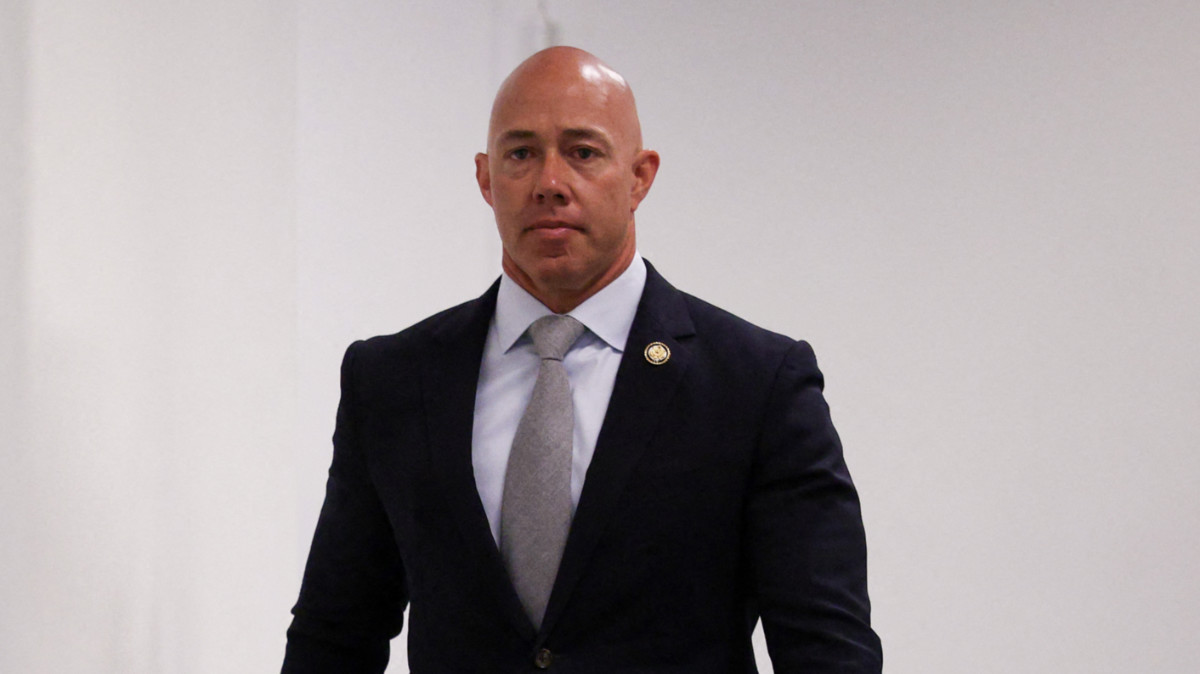
Syria’s Sharaa met pro-Israel Congressman in bid to repeal Caesar sanctions
Syrian President Ahmed al-Sharaa met with Republican Congressman Brian Mast on Sunday, intensifying efforts to repeal the US Caesar sanctions ahead of his visit to the White House. Mast, a pro-Israel representative from Florida, has become a significant obstacle to the repeal of the 2019 Caesar Act, which imposed severe economic penalties on Syria following evidence of human rights violations by a Syrian defector. Despite former President Donald Trump’s May pledge to lift sanctions and a subsequent 180-day waiver issued in June, the law remains in effect and can only be fully repealed by Congress. Business leaders and diplomats argue that the uncertain status of the sanctions is hindering investment in Syria, where the economy is struggling. The World Bank estimates Syria’s reconstruction costs at $200 billion, but Gulf states’ pledged investments have been slow to materialize due to the sanctions. Reports suggest Mast’s stance is influenced by lobbying from Israeli Prime Minister Benjamin Netanyahu’s advisor, Ron Dermer. Mast, a US Army veteran who lost both legs in Afghanistan, has a strong connection to Israel, often wearing an Israeli army uniform in Congress. Israel has capitalized on Syria’s instability, occupying a UN buffer zone and conducting air strikes reaching Damascus. Additionally, Israel has positioned itself as a protector of Syria’s Druze minority, backing Druze leader Sheikh Hikmat Salaman al-Hajri with arms. During recent Druze-Bedouin conflicts, Israel blocked Sharaa’s deployment of Sunni security forces, angering Saudi Arabia, Turkey, and the Trump administration. Sharaa’s meeting with Mast was reportedly arranged by supporters of Trump, who is pushing Congress to lift the sanctions. Although Congress is currently in recess due to a government shutdown, efforts are underway to amend the 2026 Defense Act to repeal the sanctions. Mouaz Moustafa of the Syrian Emergency Task Force emphasized the need for a “clear-cut repeal” to restore investor confidence, warning that any possibility of sanctions returning would deter companies from entering Syria.
-
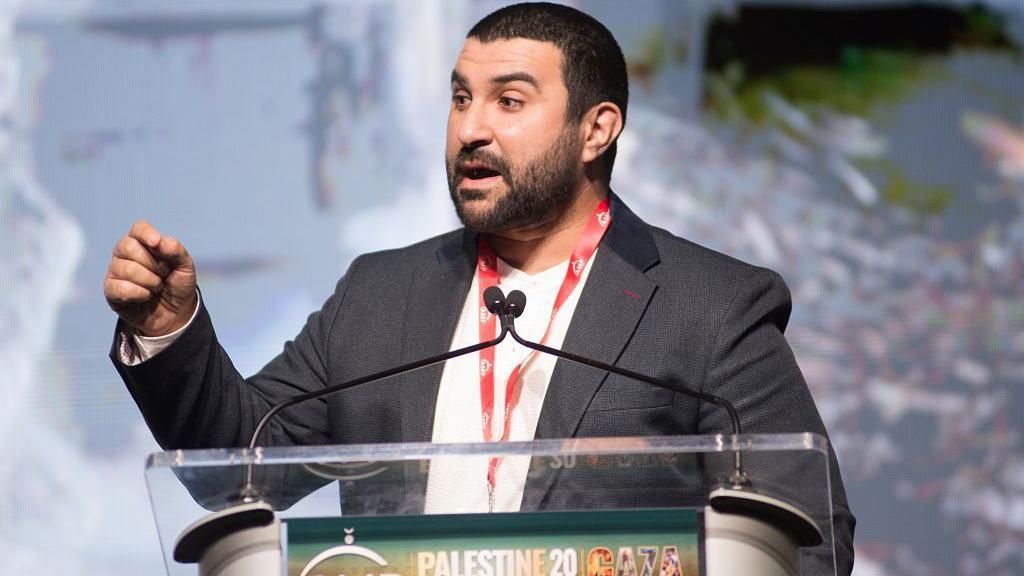
British journalist to be freed from US immigration detention
British journalist and political commentator Sami Hamdi is set to be released from US Immigration and Customs Enforcement (ICE) custody, his representatives announced on Monday. Hamdi, a vocal critic of Israel and its actions in Gaza, was detained on October 26 at San Francisco International Airport while on a speaking tour for the Council on American-Islamic Relations (CAIR), a prominent Muslim advocacy group. The US government had revoked his visa prior to his arrest, citing allegations of supporting terrorism and posing a national security threat. However, Hamdi’s legal team and CAIR have refuted these claims, arguing that he was targeted for his outspoken criticism of Israel. According to his representatives, Hamdi will be released in the coming days and will voluntarily return to the UK, avoiding deportation. CAIR emphasized that the immigration charges against him were solely related to overstaying his visa, with no evidence of criminal conduct or security risks. Hussam Ayloush, CEO of CAIR’s California chapter, condemned the detention, stating that Hamdi’s only ‘offense’ was speaking out against Israel’s actions in Gaza. The UK’s Foreign, Commonwealth and Development Office confirmed it was providing consular assistance but did not comment further on the case. Hamdi’s family expressed relief at his impending release but criticized the US government for what they described as an unjust and defamatory arrest.
-
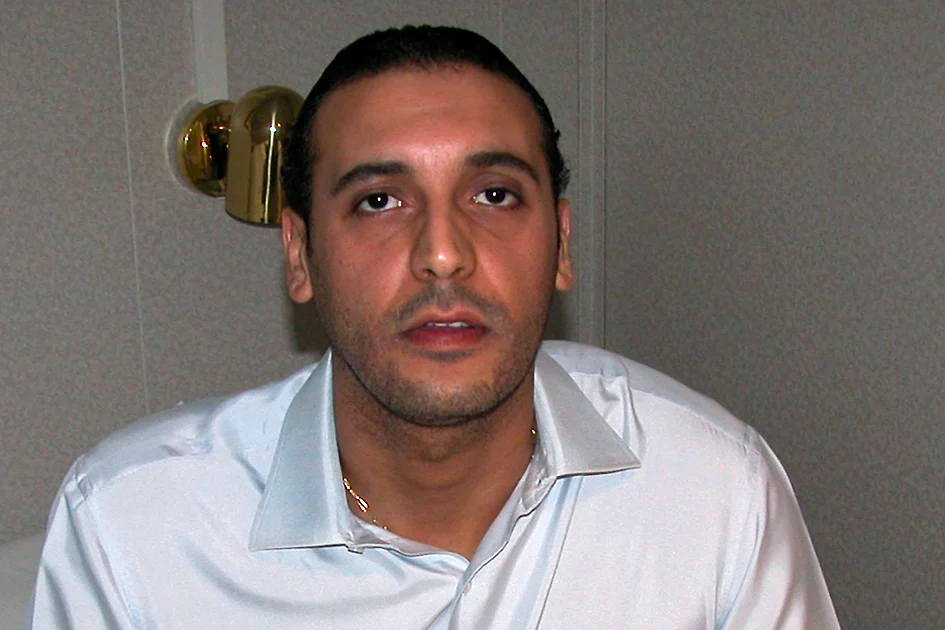
Lebanon set to free Hannibal Gaddafi after bail paid
Hannibal Gaddafi, the 49-year-old son of Libya’s late dictator Muammar Gaddafi, is poised to be freed from a Lebanese prison following the payment of his bail on Monday, according to his lawyer and a judicial official. Gaddafi, who has been in pre-trial detention for nearly a decade, was arrested in Lebanon on charges related to withholding information about the 1978 disappearance of Lebanese Shia cleric Mussa Sadr in Libya. He was only two years old at the time of Sadr’s disappearance.
Gaddafi’s French lawyer, Laurent Bayon, confirmed to AFP that the bail was paid, marking the end of a ’10-year nightmare’ for his client. Initially set at $11 million, the bail amount was reduced to $900,000 last week after an appeal by Gaddafi’s defense team. A Lebanese judicial source verified the payment and stated that Gaddafi’s legal team is finalizing the release procedures.
Bayon revealed that Gaddafi, who holds a Libyan passport, will leave Lebanon for an undisclosed destination. The lawyer criticized Lebanon’s justice system, claiming that Gaddafi’s prolonged detention was a result of a lack of judicial independence. He noted that the move toward his client’s release reflects progress under Lebanon’s reformist government, which was formed in January.
The case stems from the disappearance of Mussa Sadr, the founder of the Amal movement and an ally of Hezbollah, during an official visit to Libya in 1978. Sadr, along with an aide and a journalist, vanished under mysterious circumstances, leading Beirut to accuse Muammar Gaddafi of involvement. The incident has strained relations between Lebanon and Libya for decades.
Hannibal Gaddafi, who is married to Lebanese model Aline Skaf, fled to Syria after the 2011 Libyan uprising that led to his father’s overthrow and death. He was kidnapped in December 2015 by armed men who took him to Lebanon, where authorities later detained him. His impending release marks a significant development in a case that has drawn international attention.
-
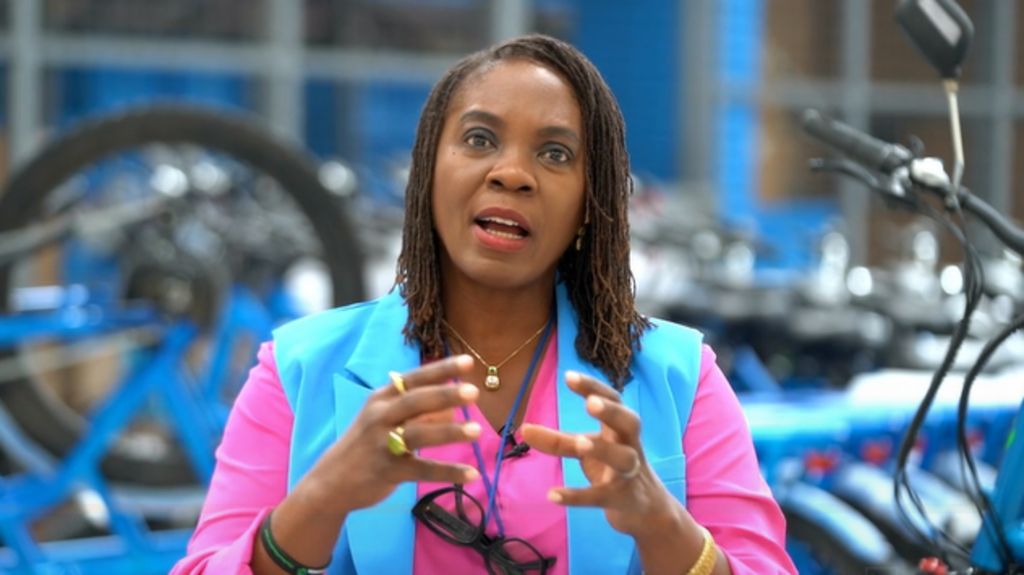
The Kenyan start-up aiming to electrify African transport
In a bold move to transform Africa’s transportation landscape, Kenyan startup eWaka is spearheading the electrification of the continent’s delivery sector. With a vision to cater to both large-scale fleets and individual riders, eWaka is positioning itself as a key player in Africa’s burgeoning e-mobility market. The company’s innovative approach focuses on providing eco-friendly electric bikes (e-bikes) tailored to meet the diverse needs of the delivery industry. By leveraging cutting-edge technology and sustainable solutions, eWaka aims to reduce carbon emissions and address the challenges of urban congestion. The startup’s ambitious plans include expanding its reach across multiple African countries, tapping into the growing demand for efficient and environmentally conscious transport options. As Africa grapples with the dual challenges of urbanization and climate change, eWaka’s initiative represents a significant step towards a greener and more sustainable future for the continent’s transport sector.
-
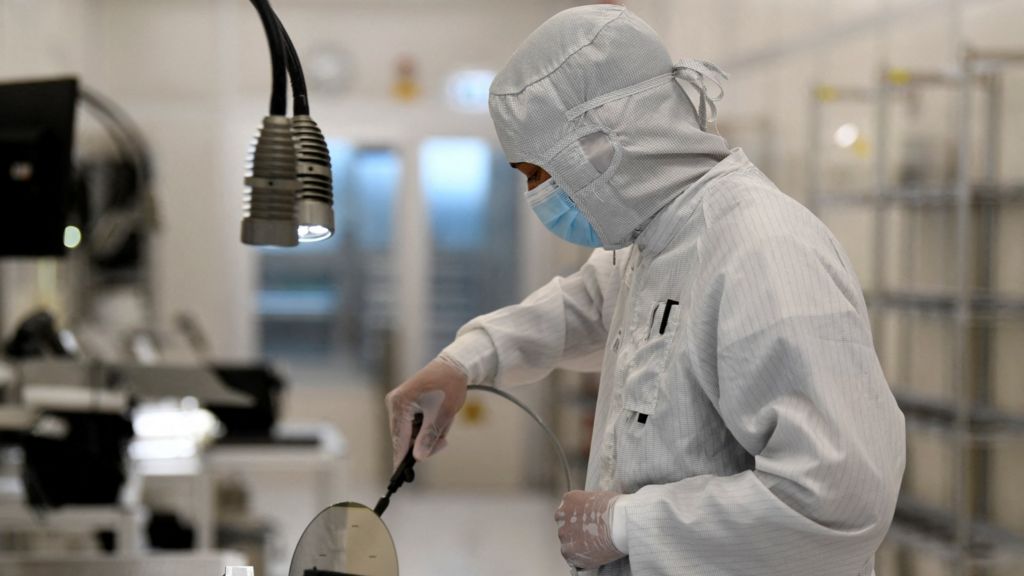
A battle over a Chinese chip maker that rocked the global car industry
In a dramatic escalation of geopolitical tensions, the Dutch government invoked a Cold War-era emergency law in late September to seize control of Nexperia, a Chinese-owned semiconductor company operating in the Netherlands. This unprecedented move, justified by alleged ‘serious governance shortcomings’ and threats to critical technologies, has sent shockwaves through the global automotive industry, already reeling from US tariffs and China’s restrictions on rare earth exports. The Dutch Minister of Economic Affairs emphasized the necessity of this action to safeguard supply continuity and protect vital technologies for the Dutch and European economies. Beijing responded with fury, accusing the Netherlands of political interference and imposing export controls on Nexperia’s chips from its Chinese facilities to Europe. The Dutch government, in turn, froze shipments of essential supplies needed for chip production in China. This disruption has exposed vulnerabilities in the global chip supply chain, particularly for automotive manufacturers, who rely heavily on Nexperia’s ‘legacy’ semiconductors for critical components like power-steering and airbags. Despite China’s recent exemptions for civilian chip exports, tensions remain high, with Beijing demanding the Dutch government reverse its takeover of Nexperia. The incident underscores the broader struggle for digital sovereignty and the risks of over-reliance on Chinese supply chains. Analysts warn that this episode exemplifies the growing decoupling between Western and Chinese economies, with significant implications for global trade and geopolitical stability. As negotiations between China and the EU continue, the Nexperia dispute highlights the fragility of international supply chains and the complex interplay of politics, technology, and commerce in an increasingly polarized world.