
China has taken decisive action against the misuse of artificial intelligence (AI) in creating misleading marketing content. The Cyberspace Administration of China (CAC) announced on Friday that it has penalized a series of online accounts that utilized AI to impersonate public figures in livestreams and short videos. These accounts were found to be engaged in false promotion and online infringement, significantly harming the online ecosystem and generating negative impacts. The CAC has also urged online platforms to intensify their efforts in combating such activities, resulting in the punishment of over 11,000 impersonation accounts to date. The regulator emphasized its commitment to holding platforms accountable and maintaining a stringent enforcement stance against AI-enabled impersonation in livestream sales. A recent incident involving an AI-generated deepfake of Chinese actress Wen Zhengrong, used by unscrupulous merchants to impersonate her in livestream sales, sparked widespread online discussion. The deepfake was so convincing that it appeared as though Wen was simultaneously hosting multiple livestreams, promoting different products while wearing different outfits. The CAC’s actions underscore China’s proactive approach to regulating the ethical use of AI and protecting the integrity of online content.
博客
-
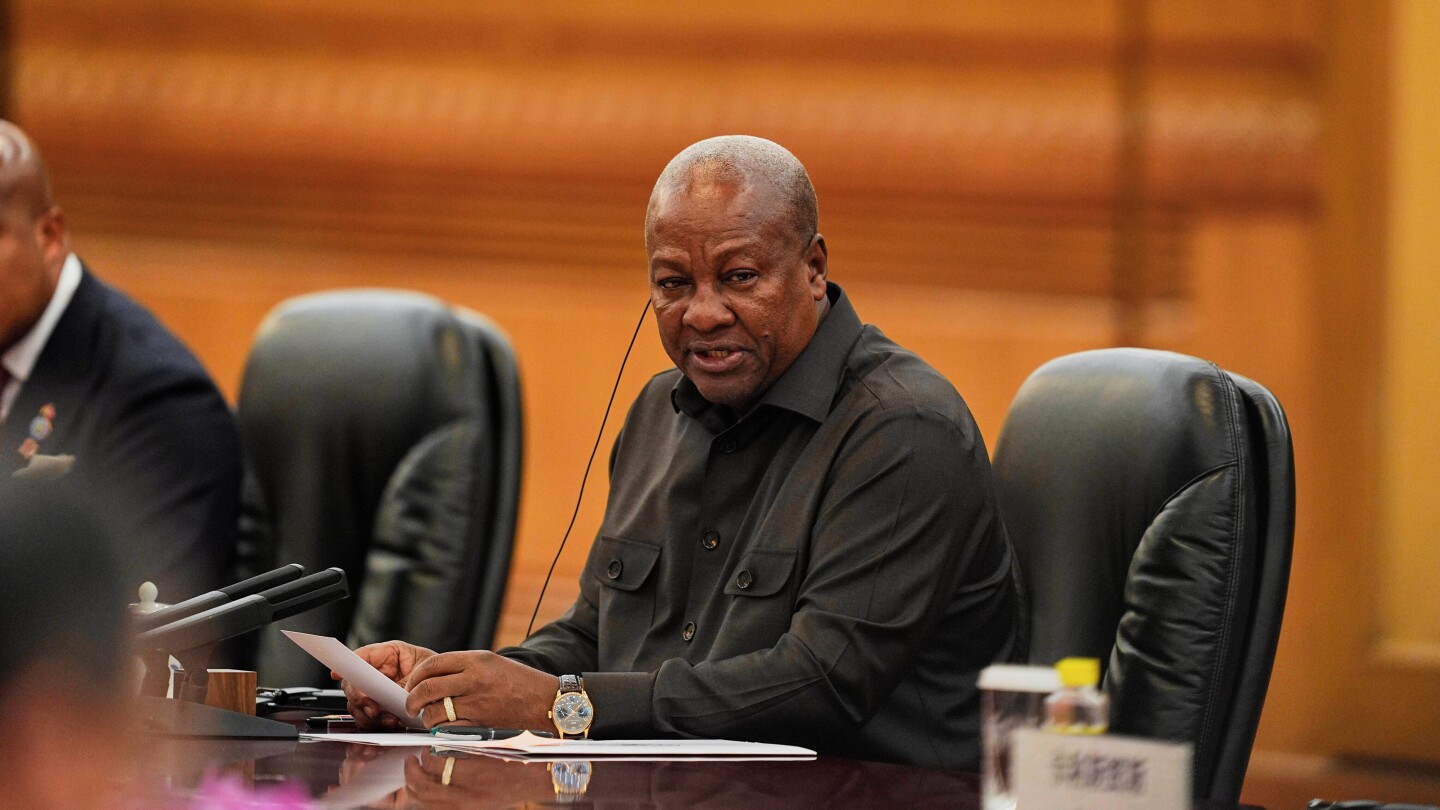
19 migrants deported by US to Ghana have been moved to an unknown location, lawyer says
In a recent development, nineteen West African nationals deported by the United States to Ghana have been relocated to undisclosed locations, raising concerns over their safety and legal protections. Ana Dionne-Lanier, a lawyer representing one of the deportees, revealed to The Associated Press that the group arrived in Ghana on November 5 and were initially housed in a hotel. These individuals are shielded from deportation to their home countries due to the risk of torture, persecution, or inhumane treatment. However, their current whereabouts remain unknown, as neither their families nor legal representatives have been able to contact them. Dionne-Lanier disclosed that part of the group was transported by bus to an unidentified border location between last weekend and Monday, while a second group, including her client, was moved ‘under heavy armed guard’ from the hotel around Wednesday. The Ghanaian government has yet to comment on the situation. This incident is part of a broader U.S. deportation initiative under the Trump administration, which has established secretive agreements with several African nations, including Eswatini, Rwanda, and South Sudan, to send migrants to third countries. The program has faced significant criticism from human rights advocates, who argue that it violates international protections for asylum-seekers and lacks proper screening processes. In September, Ghanaian rights group Democracy Hub filed a lawsuit against the Ghanaian government, alleging that its agreement with the U.S. is unconstitutional and may breach conventions prohibiting the return of individuals to countries where they could face persecution. The U.S. Department of Justice has countered that it cannot control how another country treats deportees, asserting that Ghana has pledged not to return them to their home countries.
-
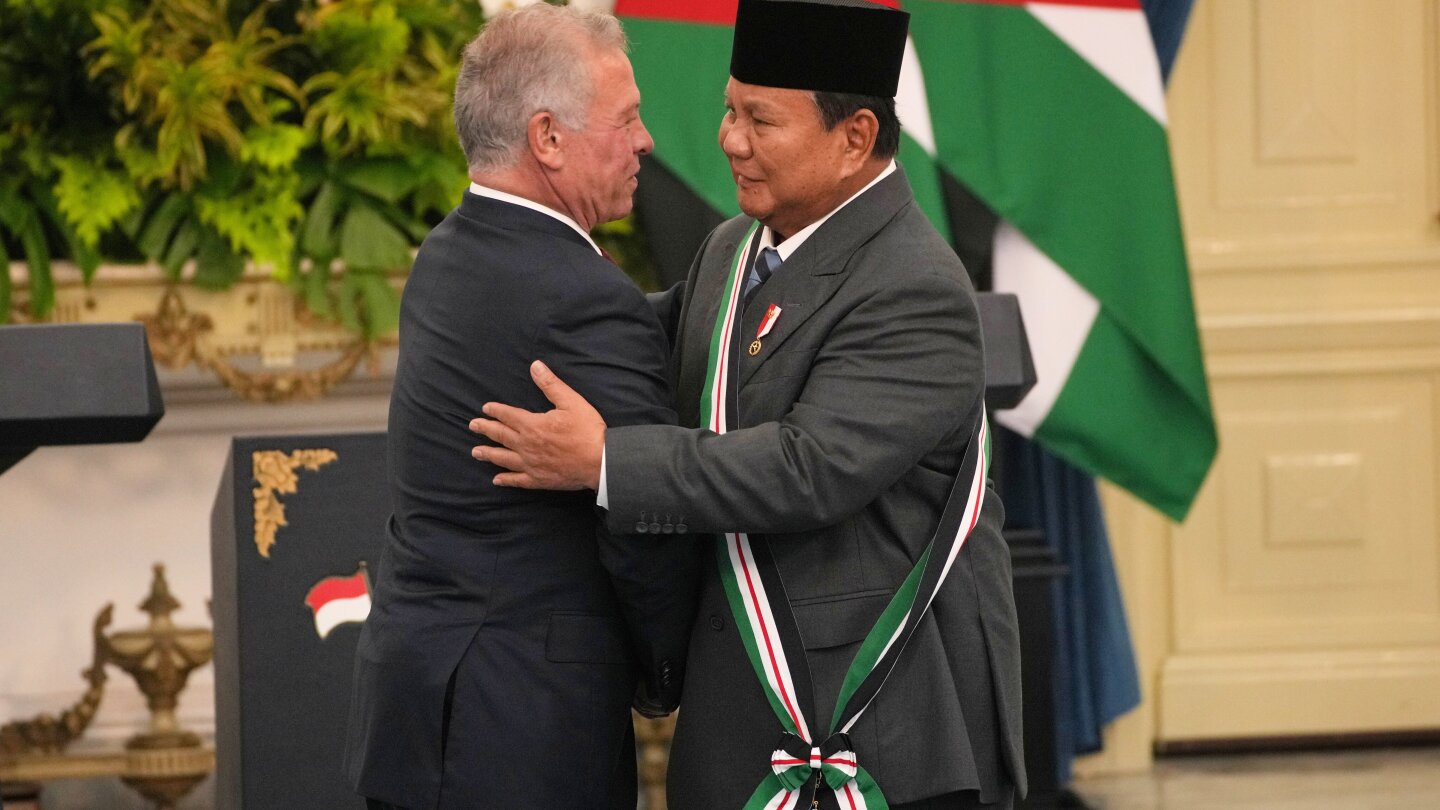
Jordan’s king and Indonesia’s leader hold talks on economic ties and Gaza
JAKARTA, Indonesia — King Abdullah II of Jordan and Indonesian President Prabowo Subianto convened on Friday to bolster military cooperation and economic partnerships between their two Muslim-majority nations. The leaders, who share a decades-long personal bond rooted in their time as alumni of the U.S. Fort Benning military academy, emphasized the importance of deepening bilateral ties during Abdullah’s state visit to Indonesia. This visit marks the fourth leg of the king’s Asian tour, which includes stops in Japan, Vietnam, Singapore, and Pakistan. The discussions between the two leaders underscored their shared commitment to enhancing collaboration in defense, intelligence, and economic development. Notably, the leaders oversaw the signing of agreements, including intelligence-sharing initiatives related to Gaza, reflecting Jordan’s pivotal role in supporting Indonesia’s humanitarian efforts in the region. Additionally, Abdullah’s visit included meetings with representatives of Indonesia’s sovereign wealth fund, Danantara Indonesia, to explore opportunities for sustainable investments that align with Indonesia’s economic growth and global partnerships. Despite modest Jordanian investments in Indonesia, totaling $5.41 million in the first quarter of 2024, both nations expressed optimism about expanding trade and economic cooperation. The visit also highlighted the leaders’ personal rapport, with Subianto hosting Abdullah at his private residence—a rare gesture underscoring their close relationship. Abdullah’s trip concluded with his departure to Pakistan for further diplomatic engagements.
-
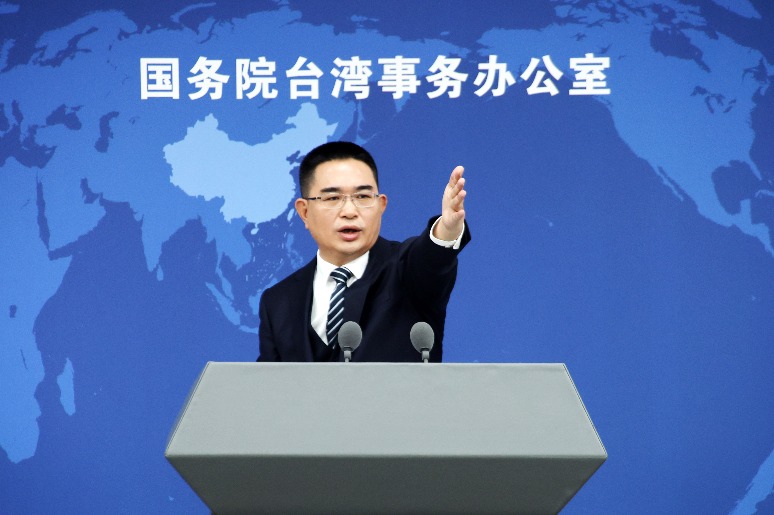
Mainland warns ‘Taiwan independence’ separatists of self-destruction
In a strongly worded statement on Friday, Chen Binhua, spokesman for the State Council Taiwan Affairs Office, issued a stark warning to ‘Taiwan independence’ separatists, emphasizing that their continued actions would lead to their own downfall. Chen specifically targeted Shen Pao-yang, a prominent figure in the ‘Taiwan independence’ movement, who is currently under criminal investigation by mainland authorities for alleged acts of secession. Shen, also known as Puma Shen, recently made provocative remarks during a hearing at the German federal parliament, the Bundestag, asserting his defiance against Chinese pressure. Chen dismissed Shen’s activities and those of the Democratic Progressive Party as ‘sneaky’ and a ‘self-directed farce,’ highlighting their growing desperation as they face the consequences of their separatist agenda. ‘The more frenzied the ‘Taiwan independence’ separatists become on this dead-end path, the sooner they will perish,’ Chen stated, adding that they would face the ‘judgment of justice and a fate of disgrace.’ The mainland’s firm stance underscores its unwavering commitment to national sovereignty and territorial integrity, reiterating that any attempts to divide China are doomed to fail.
-

China vows to continue crackdown on hunting of protected birds
In a concerted effort to safeguard the environment and ecosystem, Chinese government and judicial authorities have reaffirmed their commitment to combating the illegal hunting and trafficking of protected bird species. On Friday, the Supreme People’s Court (SPC), the Ministry of Public Security, and the National Forestry and Grassland Administration released five significant cases to highlight their collaborative approach in addressing this issue. Wu Zhaoxiang, chief judge at the SPC’s Environment and Resources Division, emphasized the critical role of wild birds in maintaining ecosystems essential for human survival. He urged the public to learn from these cases, enhance legal awareness, and actively participate in conservation efforts. Courts across the nation have been instructed to impose severe penalties on individuals involved in the illegal hunting and trafficking of key protected species. One notable case involved a man surnamed Dong, who used glue nets to capture over 880 wild birds, including the nationally protected yellow-breasted bunting. Dong was sentenced to seven years in prison and fined 30,000 yuan ($4,285). Li Chunjie, deputy head of the Ministry of Public Security’s division for investigating cases related to food and medicine safety and environmental protection, stressed the importance of eliminating threats to public security. Police have adopted a ‘zero-tolerance’ stance, confiscating illegal tools such as modified drones, snares, traps, and bird nets to deter wildlife crimes.
-
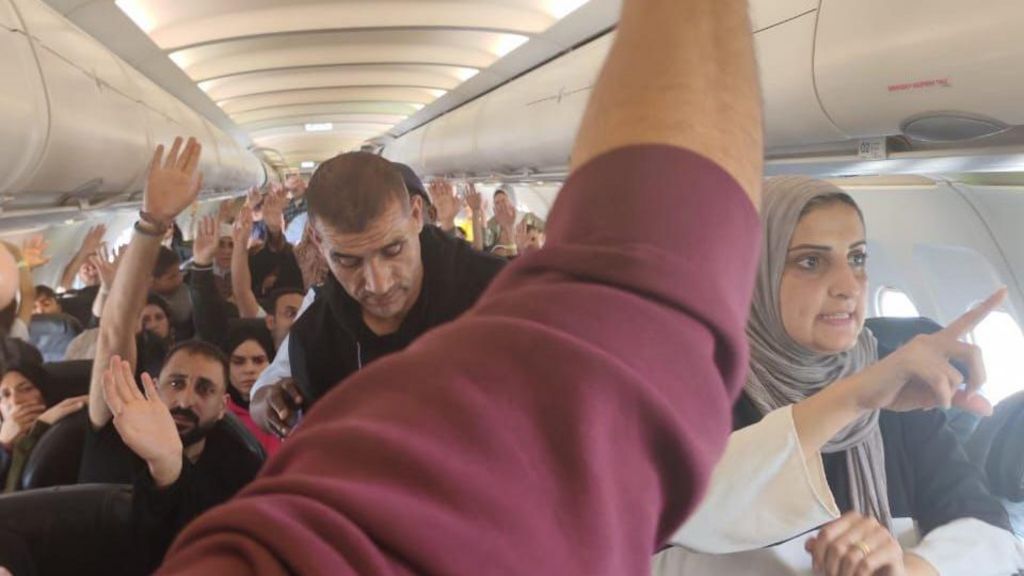
South Africa to investigate ‘mystery’ of planeload of Palestinians
South African President Cyril Ramaphosa has announced an investigation into the unexpected arrival of a chartered plane carrying 153 Palestinians from Gaza at OR Tambo International Airport. The group, initially denied entry due to missing departure stamps in their passports, was stranded on the plane for over 10 hours. Following intervention by local charity Gift of the Givers and the government’s ’empathy and compassion,’ most were eventually allowed into the country. The circumstances of their departure from Gaza and travel to South Africa remain unclear. Israeli military body Cogat stated that the group left Gaza with approval from a third country, while the Palestinian embassy in South Africa accused an unregistered organization of exploiting the situation and facilitating irregular travel. Of the 153 passengers, 23 continued to other destinations, leaving 130 in South Africa. Ramaphosa emphasized that the government would conduct a ‘proper evaluation’ of the incident and update the public. Home Affairs Minister Leon Schreiber clarified that while Palestinian passport-holders qualify for visa-exempt access, the lack of certain documentation initially led to the refusal. Once it was confirmed that the travelers did not intend to seek asylum and their accommodation was secured, they were granted entry. South African civil societies have called for investigations into the conditions the Palestinians fled and the aircraft’s route. One Palestinian expressed relief at being in South Africa, describing it as a country of ‘peace, laws, and justice.’ Gift of the Givers has criticized the treatment of the group at the airport and called for an investigation into the home affairs ministry and border authority. South Africa has long supported the Palestinian cause, with recent pro-Palestinian marches and a case filed against Israel at the International Court of Justice accusing it of genocide in Gaza.
-
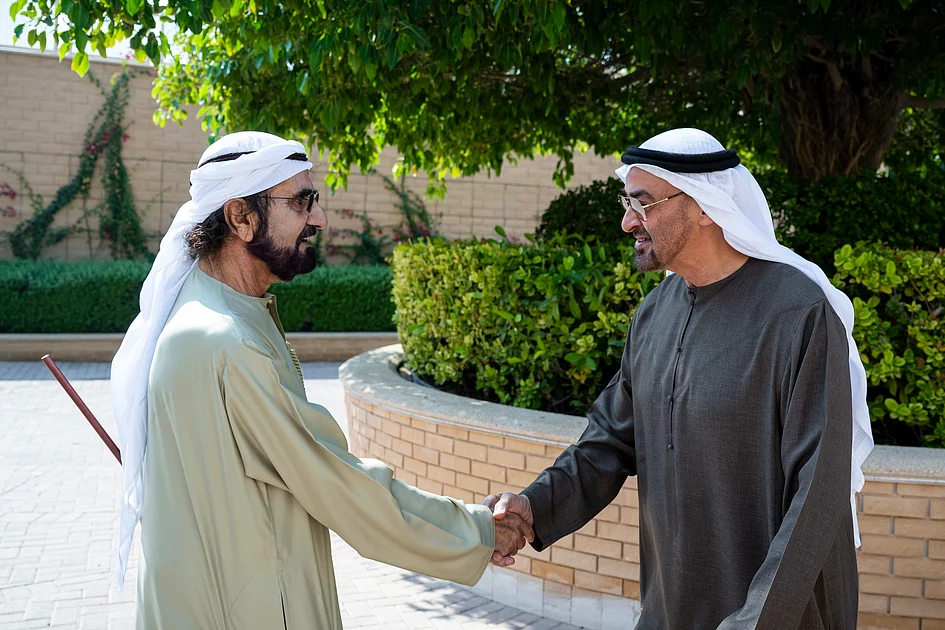
Watch: UAE President meets Sheikh Mohammed, Dubai Crown Prince
In a significant gathering of the UAE’s top leadership, President Sheikh Mohamed bin Zayed Al Nahyan met with Sheikh Mohammed bin Rashid Al Maktoum, Vice President, Prime Minister, and Ruler of Dubai. The meeting, held on November 14, 2025, was attended by Sheikh Mansour bin Zayed Al Nahyan, Vice President, Deputy Prime Minister, and Chairman of the Presidential Court, along with other prominent figures including Sheikh Hamdan bin Mohammed bin Rashid Al Maktoum, Crown Prince of Dubai, and Sheikh Maktoum bin Mohammed bin Rashid Al Maktoum, First Deputy Ruler of Dubai. The leaders engaged in cordial and fraternal discussions on a wide range of topics, reflecting the unity and collaborative spirit within the UAE’s leadership. The meeting underscored the nation’s commitment to addressing key issues through dialogue and cooperation. A video of the event was shared by the Emirates News Agency (WAM), highlighting the warm and productive nature of the discussions.
-

Diabetes 360: From screening to daily wins
Diabetes remains a growing global health crisis, with over 540 million adults affected worldwide—a figure projected to surge to 780 million by 2045, according to the International Diabetes Federation. The condition, if left unmanaged, can lead to severe complications, including vision loss, nerve damage, and kidney failure. However, early detection, lifestyle adjustments, and proactive care can significantly mitigate these risks. In the UAE, the rise in diabetes among young adults is particularly concerning, attributed to stress, sedentary lifestyles, and poor dietary habits. Medical experts emphasize the importance of awareness, routine screenings, and consistent management to combat this escalating issue. Dr. Patanjali Panduranga, an endocrinologist at Aster Hospital, Qusais, highlights that small, steady changes—such as balanced diets, regular exercise, and health check-ups—can transform the trajectory of diabetes. Beyond blood sugar control, specialists like Dr. Nikulaa Parachuri stress the need for annual eye exams to prevent diabetic retinopathy, a condition that damages retinal blood vessels. Similarly, Dr. Qamar Bashir Mirza underscores the significance of managing diabetic neuropathy, which can cause numbness, tingling, and even foot ulcers if untreated. Preventive measures, including daily foot care and vascular assessments, are crucial in avoiding severe complications like amputations. Dr. Kingini Bhadran and Dr. Mohammed Ashwaque advocate for holistic approaches, combining glucose monitoring, medication adherence, and lifestyle modifications to foster long-term well-being. Additionally, Dr. Shahin Mohammed emphasizes the link between diabetes and kidney health, urging regular check-ups and hydration to maintain renal function. Clinical dietician Ms. Jaseera Maniparambil advises mindful eating habits, such as portion control and choosing whole grains, to stabilize blood sugar levels. To support individuals in their diabetes journey, Aster Hospitals & Clinics has introduced the Diabetes 360 Care Clinic in Qusais, offering personalized, multidisciplinary care. This initiative aims to simplify diabetes management by integrating internal medicine, endocrinology, and specialized care for eye, nerve, and kidney health. The clinic’s patient-centered approach focuses on achievable goals and steady progress, empowering individuals to take control of their health. With the right guidance and support, managing diabetes becomes less daunting, paving the way for healthier, more balanced lives.
-
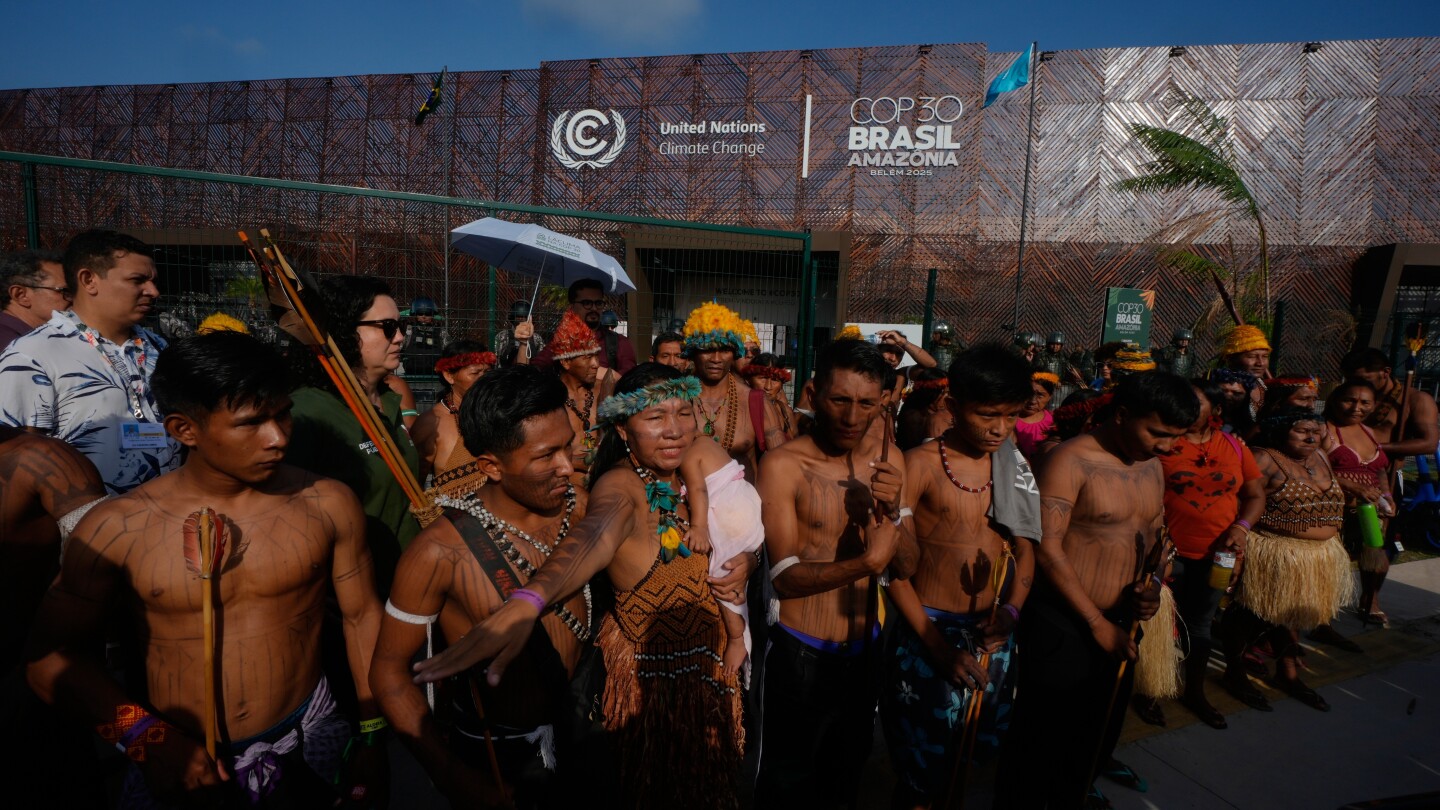
Indigenous groups demand attention at UN climate talks in Brazil
In Belem, Brazil, the 2025 United Nations Climate Change Conference (COP30) has become a platform for Indigenous communities to amplify their voices. On Friday, Indigenous protesters disrupted access to the main venue, demanding urgent action on climate change and greater respect for their rights. The peaceful demonstration, led by members of the Munduruku Indigenous group, blocked the entrance, forcing attendees to use a side door and causing significant delays. Cris Julião Pankararu, a representative of the Pankararu people, described the protest as ‘a scream’ against the violation of Indigenous rights and exclusion from decision-making processes. Brazilian military personnel prevented demonstrators from entering the site, while activists formed human chains around the venue. COP30 President André Corrêa do Lago engaged with the protesters, even holding a baby during discussions, before the entrance reopened at 9:37 a.m. The Munduruku group presented a list of demands to Brazilian President Luiz Inácio Lula da Silva, including the cancellation of commercial river development projects, a grain railway initiative, and deforestation carbon credits. They emphasized their role as protectors of the Amazon and climate, rejecting the destruction of their lands for corporate gain. Conference CEO Ana Toni highlighted the inclusivity of COP30, with over 900 Indigenous participants, a record number. However, activists like Harjeet Singh expressed frustration over the lack of progress in past COPs, calling for tangible actions rather than mere discussions. Meanwhile, Indigenous leaders from the Ecuadorian Amazon warned of an irreversible tipping point due to oil drilling, mining, and agribusiness expansion. They urged for direct climate finance and stronger protections for Indigenous rights and nature. The protests underscore the growing urgency for global climate action and the need to center Indigenous voices in environmental decision-making.
-
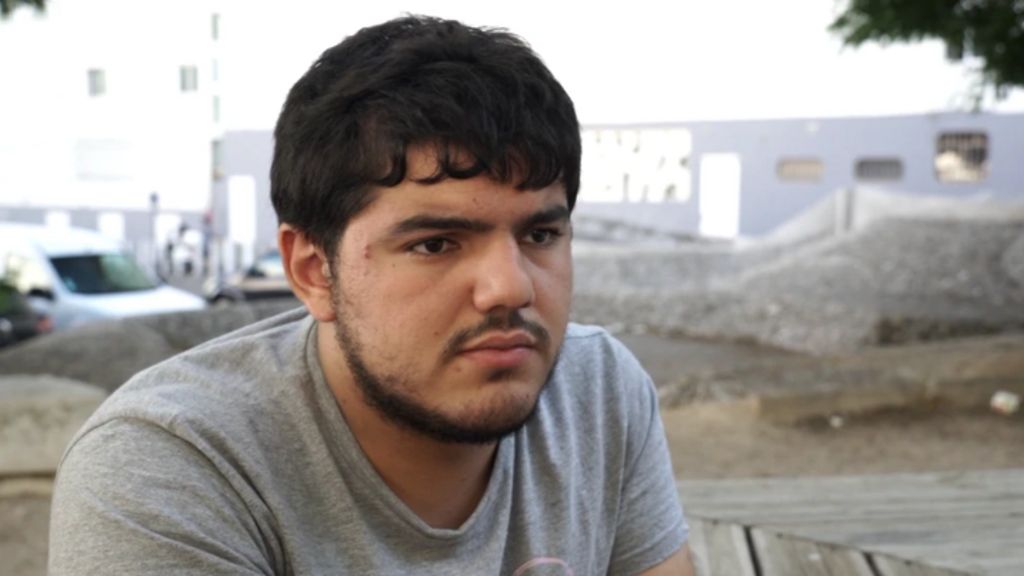
Second brother of French anti-drugs campaigner shot dead in Marseille
Amine Kessaci, a prominent French anti-drugs campaigner, has suffered another devastating loss as his second brother, Mehdi Kessaci, was shot dead in Marseille on Thursday. The 20-year-old was parking his car in the city center when a motorcycle pulled up, and the pillion passenger opened fire with a 9mm pistol. This tragic incident follows the 2020 murder of Amine’s elder brother, Brahim, whose charred body was found in a burned-out car—a grim hallmark of gang-related killings locally referred to as a ‘barbecue.’
Amine, who was just 17 when Brahim was killed, founded an association called Conscience to help young people in Marseille’s impoverished neighborhoods escape the grip of powerful drug gangs. Investigators believe Mehdi’s murder may have been a targeted warning to Amine, who has recently received death threats and is under police protection. Marseille’s chief prosecutor, Nicolas Bessone, stated that this hypothesis is not being ruled out, adding that such acts evoke dark periods in France’s history when familial vendettas led to brutal killings.
Marseille, France’s second-largest city, has become infamous for its escalating drug wars, with rival gangs from high-immigration neighborhoods battling for control. This year alone, there have been 14 drug-related murders, often involving teenagers as young as 15. Amine’s association, Conscience, operates in several cities, offering support to families affected by drug violence and bridging connections between former delinquents and employers.
Amine, who ran unsuccessfully for the Green Party in European and legislative elections last year, recently published a book titled *Marseille Wipe your Tears – Life and Death in a Land of Drugs*. He has become a symbol of resilience, having met President Emmanuel Macron in 2021 to discuss initiatives to improve life in Marseille. Reflecting on his journey, Amine wrote in his book, ‘Politics never held out its hand to me, so I decided to grab it by the throat. Brahim – it was you who threw me into politics the day you burned in a car.’
The killings of his brothers have not only devastated Amine but also highlighted the pervasive violence plaguing Marseille. Christine Juste, a Green Party city councillor, expressed her sorrow and anger, stating, ‘No mother should go through that—losing two children. And I’m so angry that in France’s second city, people can be murdered so easily in plain daylight.’