
Two previously unknown organ compositions by Johann Sebastian Bach have been unveiled and performed in Germany for the first time in over three centuries. The pieces, identified as the Chaconne in D minor BWV 1178 and Chaconne in G minor BWV 1179, were discovered by Peter Wollny, a renowned Bach scholar, while cataloging manuscripts at the Royal Library of Belgium in Brussels in 1992. After three decades of meticulous research, Wollny confirmed their authenticity, attributing them to Bach’s early career when he served as an organ teacher in Arnstadt, Thuringia. The compositions were performed at Leipzig’s St. Thomas Church, where Bach is buried and where he worked as a cantor for 27 years. Dutch organist Ton Koopman, who premiered the works, praised their high quality and suitability for smaller organs. Wollny, now director of the Leipzig Bach Archive, highlighted stylistic elements unique to Bach’s early period, further solidifying their attribution. The pieces, believed to have been transcribed by Bach’s pupil Salomon Günther John in 1705, have been added to the official catalogue of Bach’s works. Germany’s Culture Minister Wolfram Weimer hailed the discovery as a monumental moment for the global music community.
博客
-
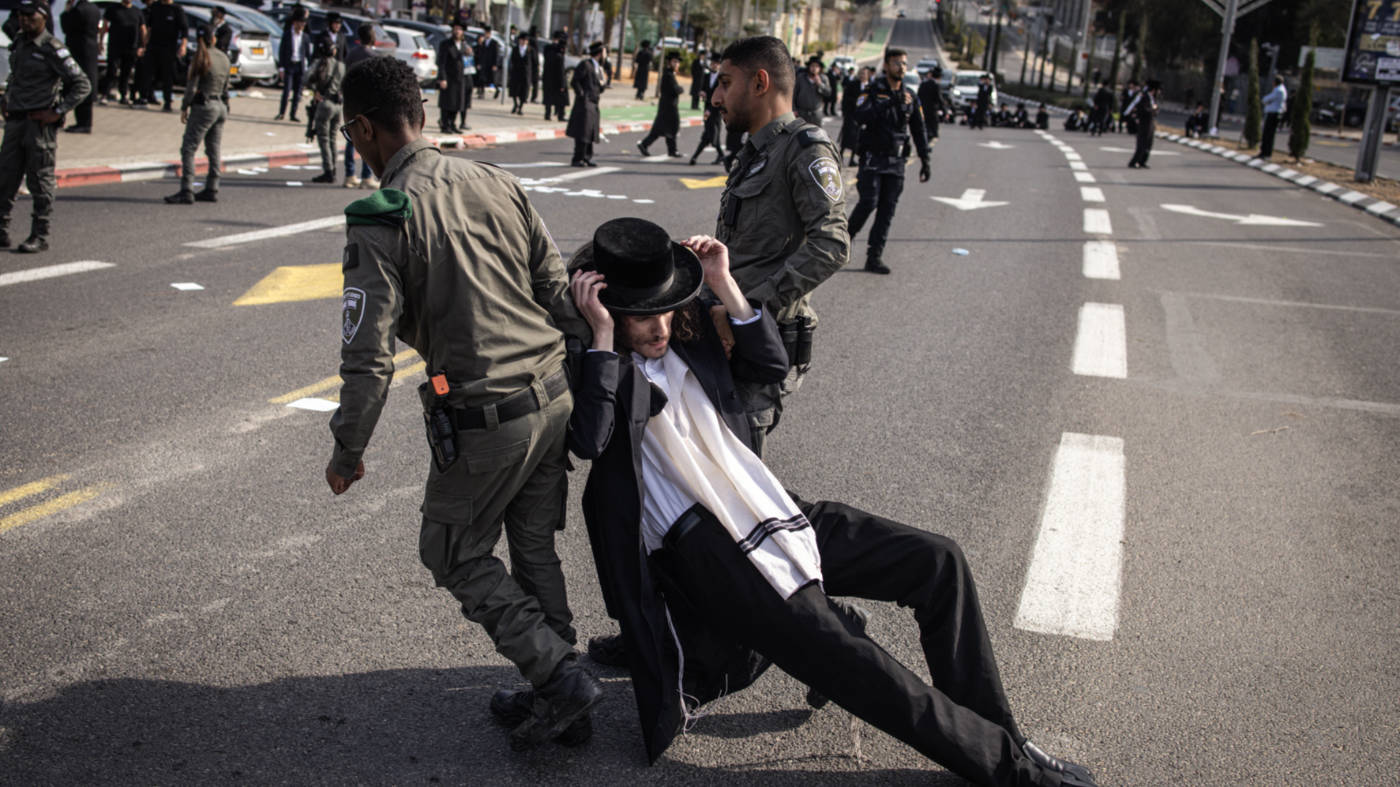
Israel’s genocide in Gaza: Why are ultra-Orthodox Jews against conscription?
Israel’s military, stretched thin by its ongoing conflicts in Gaza, the West Bank, Lebanon, Iran, Yemen, and Syria, faces a deepening internal crisis over the conscription of ultra-Orthodox Jews, known as Haredim. Historically exempt from mandatory military service, the Haredim have become a focal point of societal and political tension following a June 2024 Supreme Court ruling that mandated their enlistment. This decision has sparked mass protests, with hundreds of thousands of Haredi men taking to the streets of Jerusalem in October 2025, marking one of the largest demonstrations in years. The issue has placed Israeli Prime Minister Benjamin Netanyahu in a precarious position, as his governing coalition relies heavily on ultra-Orthodox political parties. The Haredim, numbering around 1.3 million in Israel, represent 13% of the population and are known for their conservative lifestyle, strict adherence to religious laws, and reliance on government subsidies for their yeshivas (religious schools). While some Haredim support Israel’s military actions, others, like the Neturei Karta, oppose secular Zionism on religious grounds. The draft exemption, rooted in a 1948 policy by Israel’s first prime minister, David Ben-Gurion, has long been justified by the belief that Torah study contributes to national security. However, with the Israeli military facing troop shortages and public support for the exemption waning, the government has begun criminal proceedings against draft evaders. The crisis has exacerbated divisions within Netanyahu’s coalition, with ultra-Orthodox parties threatening to withdraw their support. As protests continue and political tensions escalate, the issue of Haredi conscription remains a critical challenge for Israel’s leadership and societal cohesion.
-
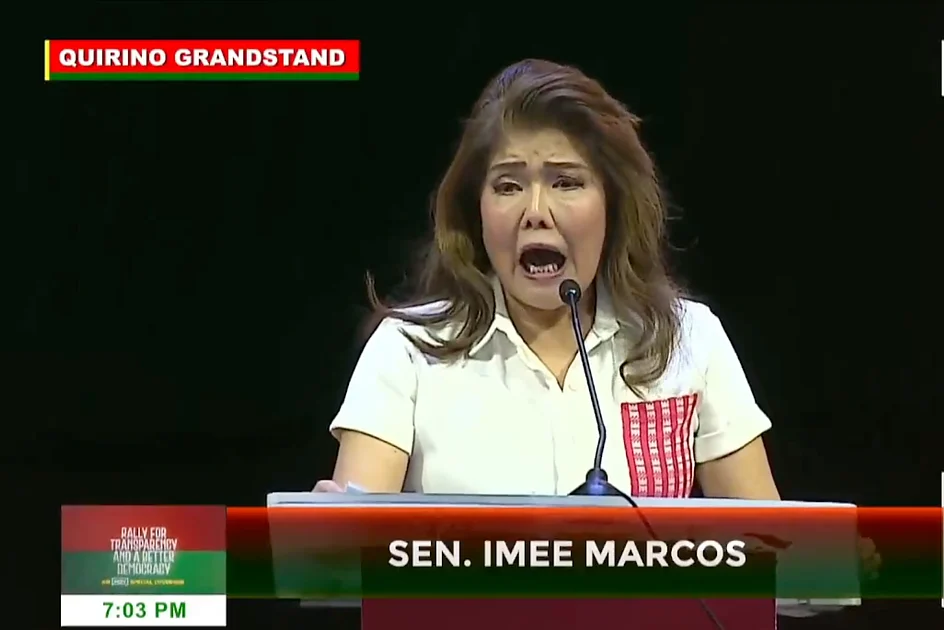
Philippine President Marcos accused of drug use by sister, Senator Imee
In a startling revelation, Senator Imee Marcos, sister of Philippine President Ferdinand ‘Bongbong’ Marcos Jr., publicly accused him of drug use during a rally in Manila. The allegations were made on November 17, 2025, at the Iglesia Ni Cristo’s ‘Rally for Transparency and a Better Democracy’ held at Quirino Grandstand. Senator Marcos claimed that the President’s drug problem has been a long-standing issue within the family, dating back to their youth. She expressed deep concern for her brother’s wellbeing, urging him to seek professional help and clear drugs from his system. The senator also implicated First Lady Liza Araneta-Marcos, alleging that both the President and his wife are involved in drug use. This accusation follows similar claims made by former President Rodrigo Duterte a year prior, which President Marcos had dismissed as influenced by Duterte’s reported fentanyl use. As of now, President Marcos has not responded to these latest allegations.
-
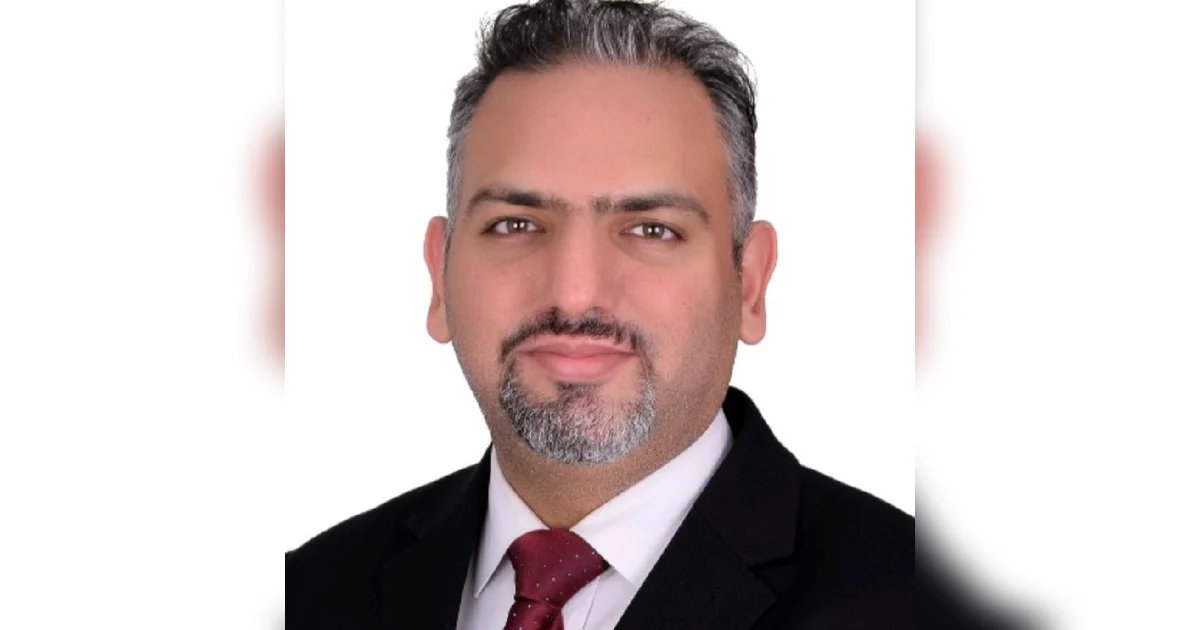
Traders Hub strengthens UAE’s trading ecosystem with focus on client experience and market expansion
The United Arab Emirates (UAE) is witnessing a significant transformation in its financial landscape, driven by the rapid adoption of digital trading and a shift toward diversified, technology-driven investment portfolios. Industry experts highlight a surge in online trading activity, fueled by fintech advancements, enhanced accessibility, and growing trust in the nation’s regulatory frameworks. Technological innovations, such as the UAE Pass digital identity system and efficient payment gateways, are simplifying access to global markets and accelerating trade execution, reshaping the trading experience for both retail and institutional investors. The Securities and Commodities Authority (SCA) plays a pivotal role in this evolution, ensuring robust regulatory frameworks and strengthening investor protection. This regulatory maturity has attracted both local and international firms to expand their offerings, solidifying the UAE’s position as a leading financial hub in the region. Among the key players is Traders Hub, a UAE-regulated brokerage that emphasizes digital efficiency and accessibility. Hafez Baker, COO of Traders Hub, notes that modern investors demand transparency, diversification, and seamless access to global markets. Brokerages across the UAE are responding by expanding their product suites, offering over 5,000 global instruments, including forex, equities, ETFs, indices, and commodities. This diversification enables investors to strategically manage risk and capitalize on global opportunities in real time. Market analysts believe that this shift toward technology-enabled diversification and client-centric infrastructure is enhancing the UAE’s competitiveness in global finance. With regulatory stability, innovative platforms, and broader market access, the UAE’s trading ecosystem is poised for sustained growth and deeper investor engagement.
-
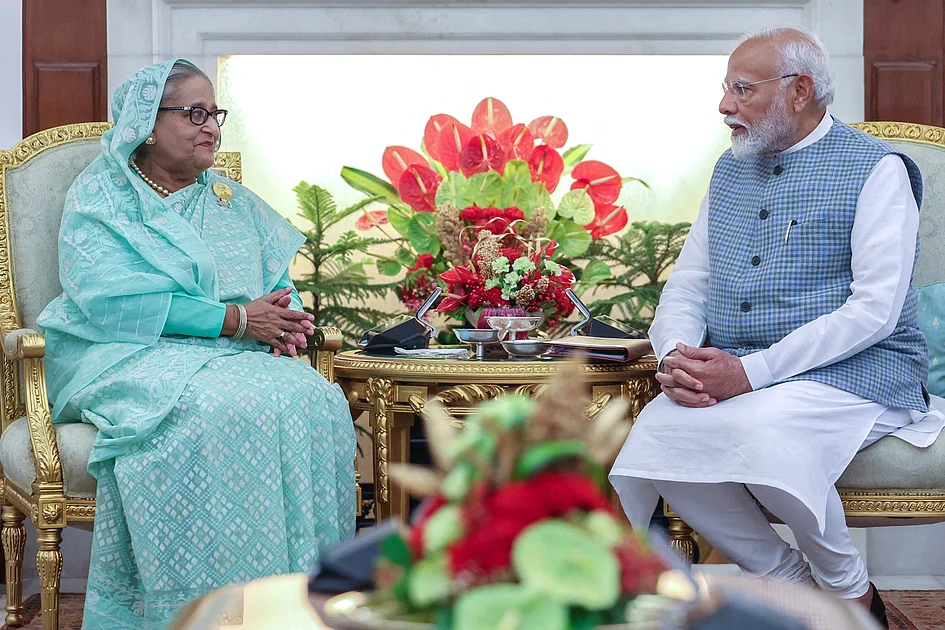
India issues statement after Bangladesh seeks extradition of former PM Hasina
India has formally addressed Bangladesh’s request for the extradition of former Prime Minister Sheikh Hasina, emphasizing its dedication to fostering peace, stability, and democratic progress in the region. The statement, issued by India’s Ministry of Foreign Affairs, follows a recent verdict by Bangladesh’s International Crimes Tribunal, which sentenced Hasina and former Interior Minister Asaduzzaman Khan Kamal to death for their involvement in a violent crackdown on student protests last year. Both individuals are currently fugitives, with Hasina residing in India since fleeing Bangladesh. India reiterated its commitment to constructive engagement with all stakeholders in Bangladesh, underscoring its support for the nation’s democratic and inclusive future. The extradition request, based on a bilateral treaty, comes amid ongoing political unrest in Bangladesh, with elections anticipated in February 2026. The situation remains tense as the country grapples with the aftermath of Hasina’s autocratic rule and the violence surrounding the upcoming polls.
-
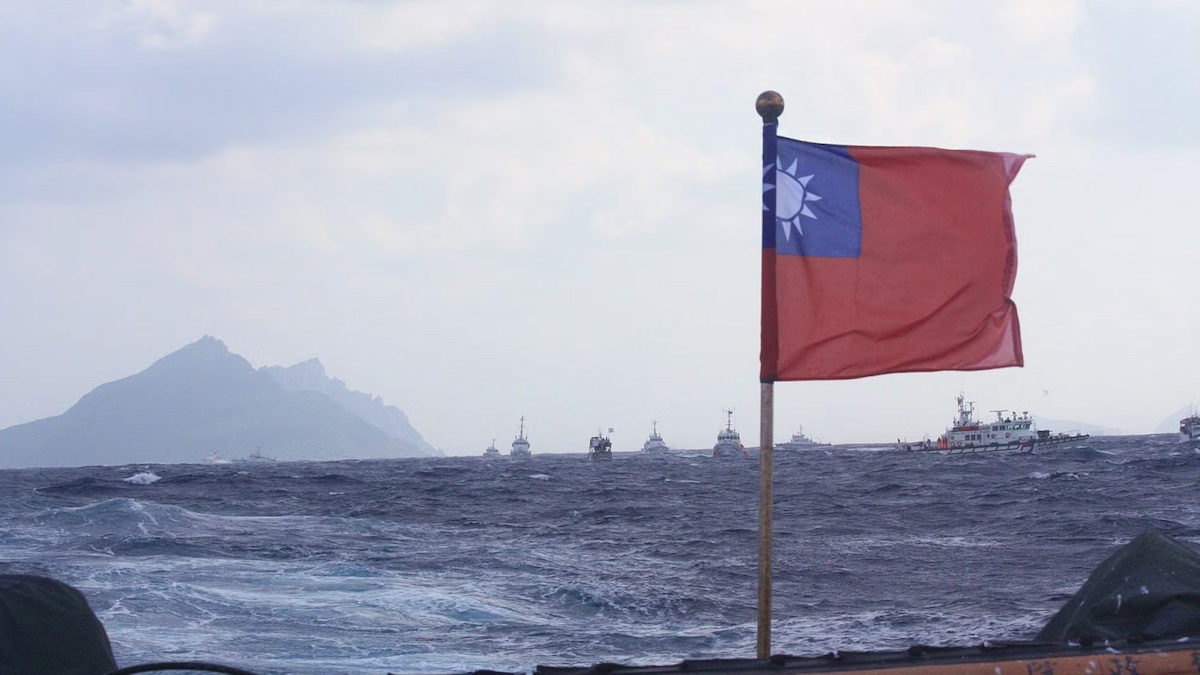
China’s exceptionalism sparks Japan’s angst at Taiwan
Japanese Prime Minister Sanae Takaichi’s recent declaration regarding Taiwan has significantly altered the geopolitical landscape in Asia and beyond. Takaichi’s statement, which underscores Japan’s long-held view that Chinese military actions or a naval blockade on Taiwan could pose an existential threat to Japan, has placed China in a precarious position. Ignoring the statement could be interpreted domestically as tacitly encouraging Taiwan’s independence, while a strong reaction risks escalating tensions. Beijing’s measured response appears designed to deter without provoking a full-blown crisis. Taiwan’s strategic importance, owing to its location, thriving microchip industry, and appeal to overseas Chinese, makes it a focal point in the region. Control over Taiwan would not only sever Japan and South Korea from the rest of Asia but also bolster China’s dominance in the South China Sea, leaving neighboring nations on edge. The underlying question is whether Asia—and eventually the world—will accept China’s rise as a dominant power. If so, China could pursue reunification with Taiwan peacefully; if not, Taiwan’s reunification could be perceived as a threat. China’s security anxieties and disregard for other nations’ concerns complicate its regional ambitions. While the US has historically sought compromises to integrate China into the global order, China’s rejection of these offers has fueled tensions. The concept of Chinese exceptionalism, akin to American exceptionalism, further complicates its international relations. Without a clear global mission, China’s actions, particularly regarding Taiwan, are viewed as disruptive. President Xi Jinping’s “Global Governance Initiative” aims to address this gap, but its success hinges on balancing China’s interests with global norms. As China navigates its complex regional and global challenges, its ability to compromise and adapt will determine its future role on the world stage.
-
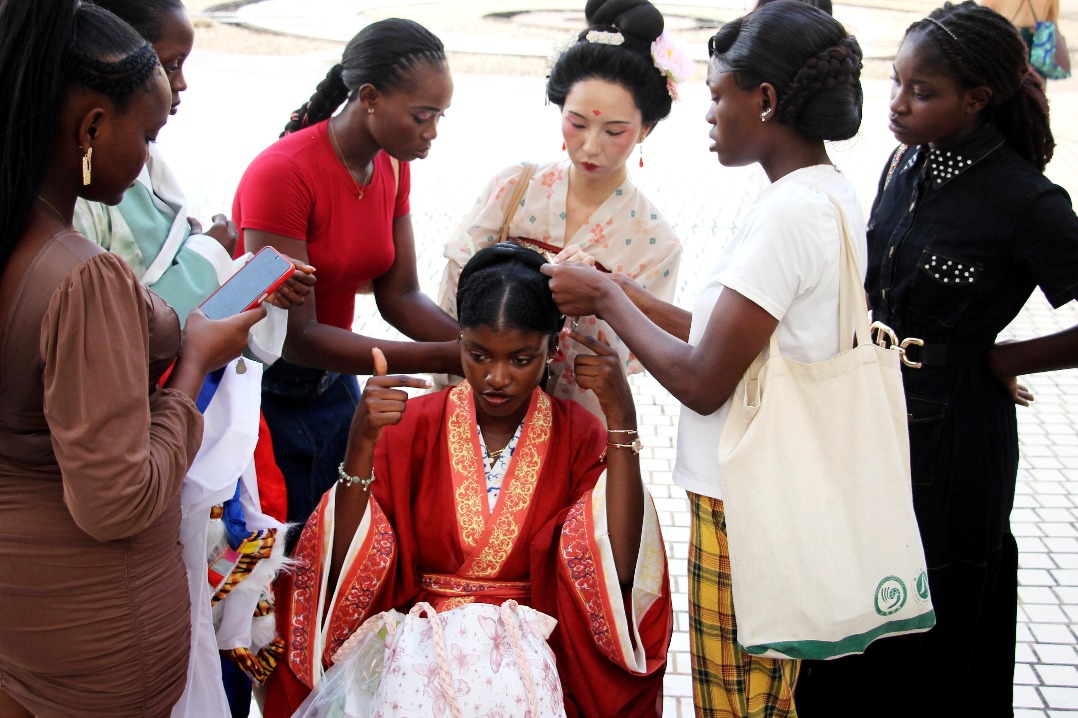
Confucius Institute continues expansion with new projects
The Confucius Institute has marked a significant milestone in its global expansion by launching 16 new projects in 2025, including 15 Institutes and one Classroom. This expansion introduces the first Confucius Institutes in Algeria and Guinea-Bissau, further solidifying its presence across 164 countries and regions. The announcement was made during a sub-forum at the World Chinese Language Conference in Beijing, where ten of the new institutions were officially recognized with plaques. This brings the total number of Confucius Institutes worldwide to 510, reinforcing their role as a cornerstone of international Chinese education and cultural exchange. Assia Kaced, vice-rector of Algiers 2 University, expressed enthusiasm about the new institute in Algeria, highlighting the growing demand for Chinese language skills among the youth and its connection to strengthened economic ties between Algeria and China. The institute aims to not only teach language but also foster mutual understanding and respect between Algerian and Chinese youth. In Kenya, the Confucius Institute at Egerton University has pioneered an innovative model integrating Chinese language learning with agricultural technical training, benefiting thousands of students and local farmers. China’s Vice-Minister of Education, Ren Youqun, emphasized the need for Confucius Institutes to enhance teaching quality, explore AI integration, and align with the career development needs of trainees. Duan Peng, president of Beijing Language and Culture University, underscored the importance of local integration and digital innovation in ensuring the continued success of Confucius Institutes.
-
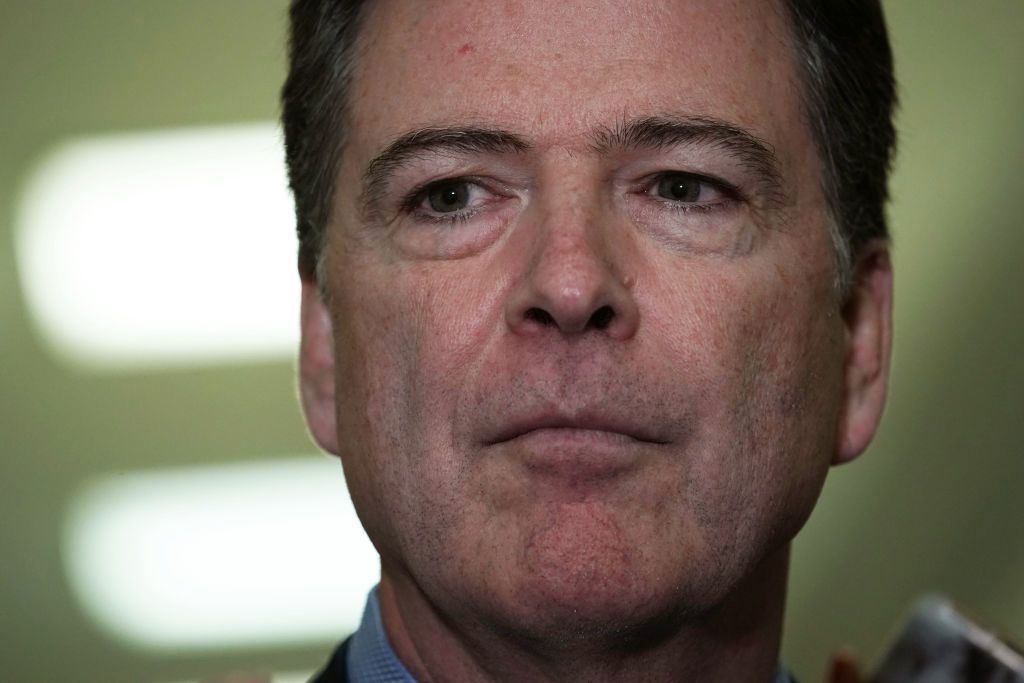
US judge says government ‘missteps’ may have tainted Comey case
A US federal judge has raised concerns over potential ‘investigative missteps’ and ‘government misconduct’ in the criminal case against former FBI director James Comey, initiated during the Trump administration. In a detailed 24-page opinion, Judge William Fitzpatrick mandated the release of grand jury materials, including transcripts and evidence, to Comey’s defense team. The case stems from President Donald Trump’s call for Comey’s prosecution, leading to the appointment of Lindsey Halligan as the lead prosecutor, who secured an indictment just three days later. Comey, who has pleaded not guilty to charges including obstructing a congressional investigation, was fired by Trump in 2017 after leading an inquiry into Russian interference in the 2016 US presidential election. Judge Fitzpatrick identified at least two statements made by Halligan to grand jurors that could be seen as ‘fundamental misstatements of the law,’ potentially compromising the integrity of the grand jury process. The judge’s decision to grant access to all grand jury materials and complete audio recordings of the proceedings underscores the need to protect the rights of the accused in this high-profile case.
-
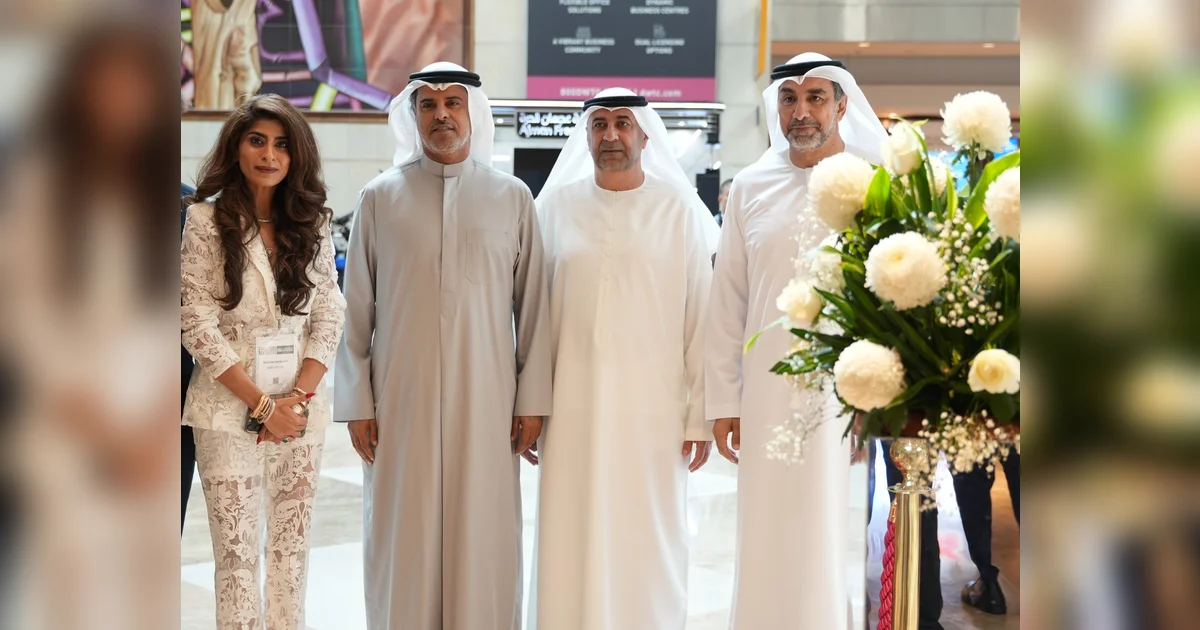
IATF 2025 opens in Dubai, marking 20 years as the Gulf’s leading fashion sourcing fair
The International Apparel & Textile Fair (IATF) 2025 has officially commenced at the Dubai World Trade Centre, marking its 20th anniversary as the Gulf’s leading B2B fashion sourcing event. Running from November 17 to 19, the fair features over 400 exhibitors from more than 30 countries, including the UK, USA, Italy, China, India, France, Germany, Russia, Spain, and Portugal. This milestone edition highlights the event’s pivotal role in shaping the region’s apparel and textile industry over the past two decades.
The inauguration ceremony was graced by Butti Saeed Al Ghandi, Vice Chairman of Dubai World Trade Centre, and Mahir Julfar, Executive Vice President, emphasizing Dubai’s growing prominence as a global fashion trade hub. The fair spans Halls 6 and 7, attracting thousands of sourcing professionals, industry buyers, and decision-makers from the GCC, Europe, and beyond.
This year’s edition introduces ‘Moda Sole & Accessories,’ a dedicated showcase featuring over 70 curated booths for footwear, handbags, laces, trims, and premium accessories. The event also emphasizes sustainability, ethical production, and circular design, aligning with global industry trends.
Bhavna Nihalani, Founder and Show Director of IATF, remarked, ‘IATF has become a dynamic platform that unites the entire fashion sourcing cycle, fostering creativity, responsibility, and innovation.’ The fair’s Hosted Buyers Program facilitates thousands of pre-scheduled meetings, driving meaningful business connections and long-term partnerships.
Visitor registration is now open for November 18 and 19, welcoming designers, manufacturers, suppliers, retailers, and wholesalers to explore the future of fashion sourcing.
-
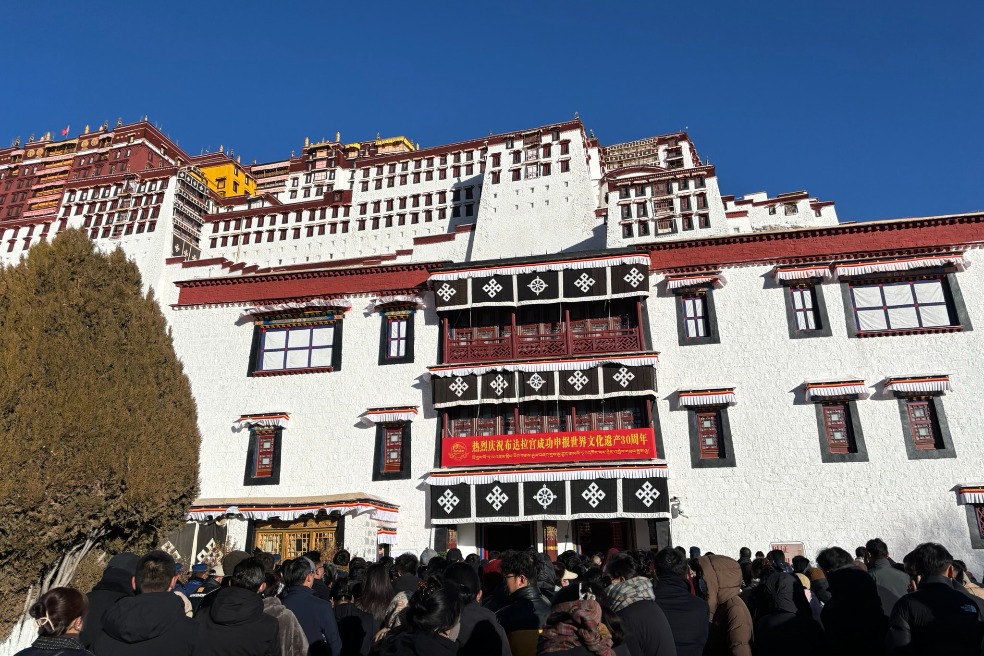
Lhasa’s Potala Palace to implement Monday closure policy
The Potala Palace, a UNESCO World Cultural Heritage site and one of the world’s most iconic landmarks, will implement a Monday closure policy starting December 1. Located in Lhasa, the capital of China’s Xizang Autonomous Region, the palace is renowned as the highest such structure globally. According to an announcement on its official website, the closure aims to facilitate essential maintenance, cultural relics inspections, exhibition updates, environmental disinfection, and public facility upkeep. The Potala Palace Management Office emphasized that these measures are crucial for preserving the site’s historical and cultural integrity. The decision, reported by Xinhua News Agency, underscores the commitment to safeguarding this ancient treasure for future generations. The palace, a symbol of Tibetan culture and history, attracts millions of visitors annually, making its preservation a top priority.