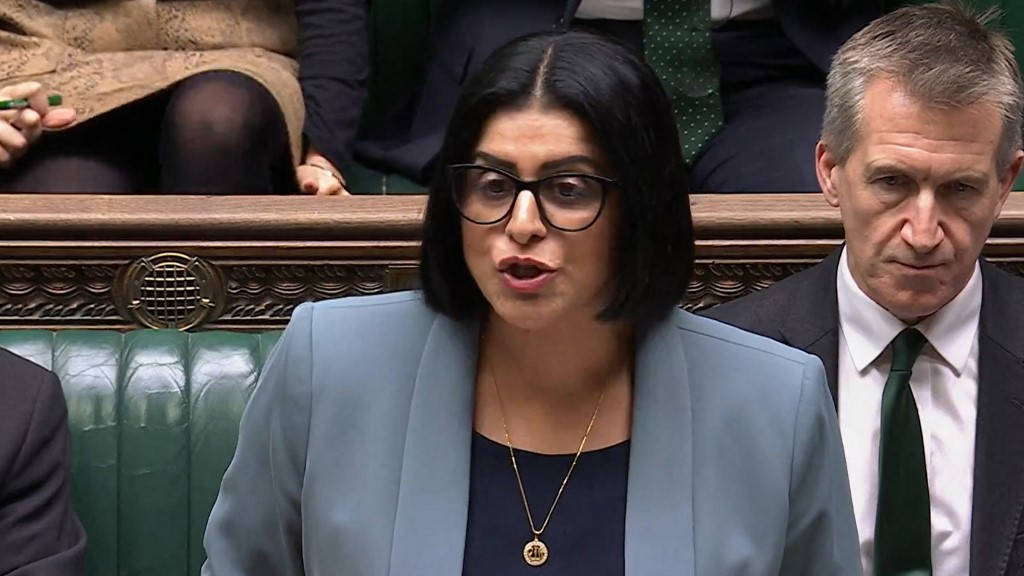
The British government has introduced a series of sweeping reforms to the asylum system, aiming to curb immigration and increase deportations. Announced by Home Secretary Shabana Mahmood in Parliament on Monday, the proposals have sparked fierce criticism from across the political spectrum, including former Labour leader Jeremy Corbyn and Green Party leader Zack Polanski. The reforms, influenced by Prime Minister Keir Starmer’s chief of staff Morgan McSweeney and Blue Labour founder Lord Maurice Glasman, mark a significant shift in Labour’s approach to immigration. Key measures include seizing assets from asylum seekers to cover processing costs, limiting annual asylum admissions to a few hundred initially, and making refugee status temporary with reviews every 30 months. Refugees will no longer be eligible for indefinite leave to remain after five years, instead waiting up to 20 years for permanent residency. Some asylum seekers will lose state benefits, while AI-driven technology will be trialled for age verification. The government also plans to reconsider human rights law, particularly Article 8 of the European Convention on Human Rights, in migration cases. These reforms come amid public discontent over immigration figures and the rise of Nigel Farage’s Reform UK, which has consistently topped opinion polls. Net migration dropped to 431,000 in 2024, down from 906,000 the previous year, due to reduced healthcare and student visas. Critics, including Corbyn and Polanski, have condemned the proposals as dehumanizing and divisive, accusing Labour of adopting far-right rhetoric. Mahmood, however, defends the reforms as necessary to restore moderate politics and control illegal migration, which she claims is tearing the country apart. Despite internal dissent, the government is unlikely to reverse course, with Mahmood emerging as a key figure in Labour’s shift to the right on immigration.
博客
-
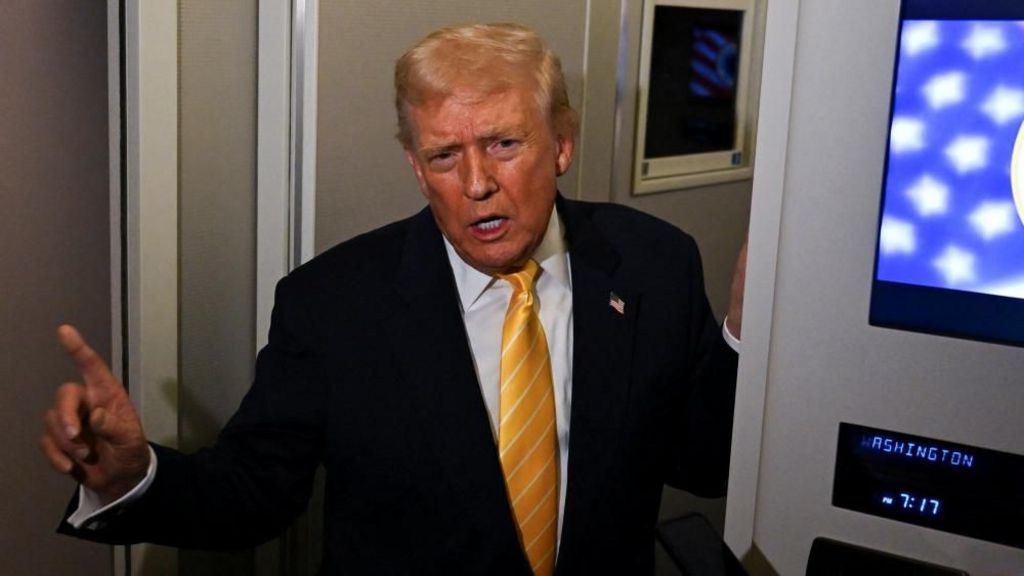
‘Quiet, piggy’: Trump responds to reporter after Epstein question
In a tense exchange aboard Air Force One, President Donald Trump responded sharply to a female reporter who raised questions about his alleged connections to the late financier Jeffrey Epstein. The incident occurred on Friday during a press briefing, where Trump, visibly irked, retorted with the phrase ‘Quiet, piggy.’ This remark has sparked widespread criticism and reignited debates about the president’s demeanor towards the media, particularly female journalists. The context of the Epstein question adds another layer of complexity, given the ongoing scrutiny of Trump’s past associations with Epstein, who was accused of running a sex trafficking ring involving underage girls. The president’s response has drawn attention not only for its content but also for its timing, as it comes amidst heightened public interest in the Epstein case and its potential implications for various high-profile figures.
-
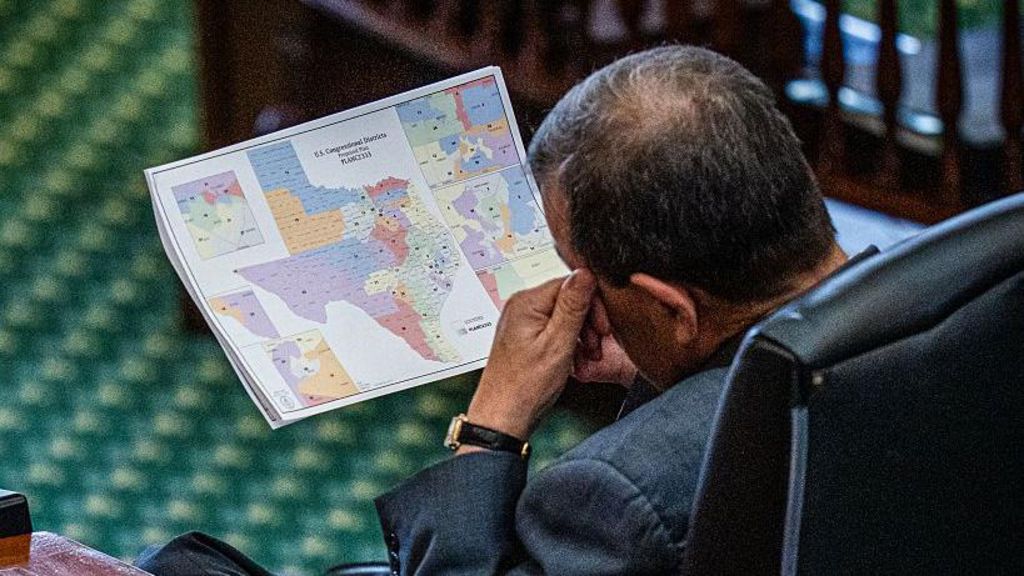
US court blocks Texas from using newly redrawn voting maps
A US federal court has intervened to prevent Texas from implementing its recently redrawn voting maps for the 2026 midterm elections. The court’s decision, which is expected to be appealed to the Supreme Court, cited substantial evidence that the new districts were ‘racially gerrymandered.’ This ruling mandates that Texas revert to the maps established in 2021 by the state legislature.
-
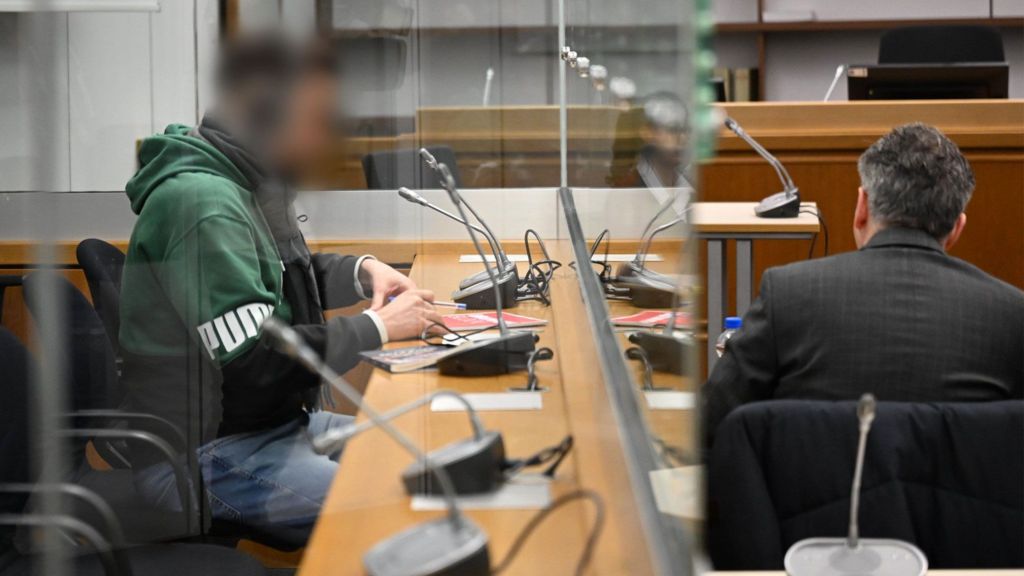
Suspected Hezbollah member goes on trial in Germany
A 35-year-old Lebanese man, identified only as Fadel Z in accordance with German privacy laws, has gone on trial in Celle, northern Germany, accused of being a key operative in Hezbollah’s drone programme. Hezbollah, a Shia Muslim group, has its military wing designated as a terrorist organisation by the European Union. The German Federal Prosecutor’s Office alleges that Fadel Z joined Hezbollah over a decade ago, initially working in public relations before transitioning to a more critical role in 2022 as a ‘foreign operator’ for the group’s drone initiatives, first from Barcelona, Spain, and later from Germany. Prosecutors claim that Hezbollah has been running an extensive drone programme, which escalated following Hamas’s October 7, 2023, attacks on Israel. By June 2024, the group reportedly amassed an arsenal of over 10,000 drone units. Fadel Z is accused of procuring materials worth approximately €1.4 million (£1.2 million) for drone construction, sourced from companies in Europe, China, and the United States. These materials included more than 2,000 petrol and electric motors and over 600 propellers. Prosecutors allege that Fadel Z used front companies registered in his name or under his contacts to place orders and arrange transportation of the goods to Lebanon via container ships or air freight. Two of the engines he purchased were allegedly used in explosive drones launched by Hezbollah at Israel, one of which targeted a retirement home in Herzliya on Yom Kippur in October 2024. Although the explosive detonated, no injuries were reported among the 200 residents. The trial, expected to last until August 2025, comes amid escalating tensions between Israel and Hezbollah, which began after Hezbollah fired rockets at Israeli positions in solidarity with Palestinians in Gaza following Hamas’s attacks. The conflict, which lasted 13 months, resulted in significant casualties and displacement in Lebanon, with Israeli authorities also reporting losses.
-
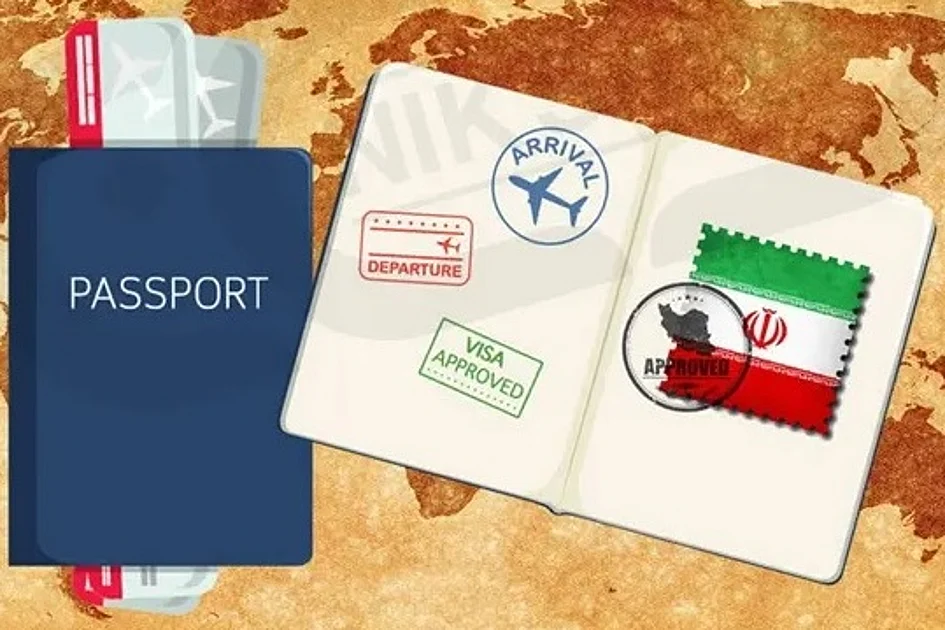
Iran suspends visa-free entry for Indians; here’s why
In a significant policy shift, Iran has suspended its visa-free entry facility for Indian nationals, effective November 22, 2025. The decision follows a surge in fraudulent activities and human trafficking cases involving Indian citizens. The Iranian embassy in India announced the suspension, stating that Indian passport holders will now require a visa to enter or transit through Iran. This move reverses the visa waiver introduced in February 2024 to promote tourism.
The Indian Foreign Ministry has issued a travel advisory, urging citizens to remain vigilant and avoid agents offering visa-free travel. The ministry highlighted several incidents where Indian nationals were lured to Iran under false pretenses, such as promises of employment or onward travel to third countries. Upon arrival, many were kidnapped and held for ransom. The suspension aims to curb the misuse of the visa waiver by criminal elements.
In September 2025, India had already warned its citizens about fake job offers in Iran, emphasizing the need for caution. Randhir Jaiswal, spokesperson for the Ministry of External Affairs, revealed that numerous Indians had fallen victim to criminal gangs exploiting the visa-free facility. The advisory stressed that the visa waiver was exclusively for tourism and did not cover employment-related travel.
Iran, known for its rich cultural heritage and strategic location as a transit hub, had initially introduced the visa waiver to attract Indian tourists. However, the rising incidents of fraud and human trafficking have necessitated this policy reversal. The Indian government continues to advise its citizens to verify employment opportunities thoroughly to avoid falling prey to organized scams.
-
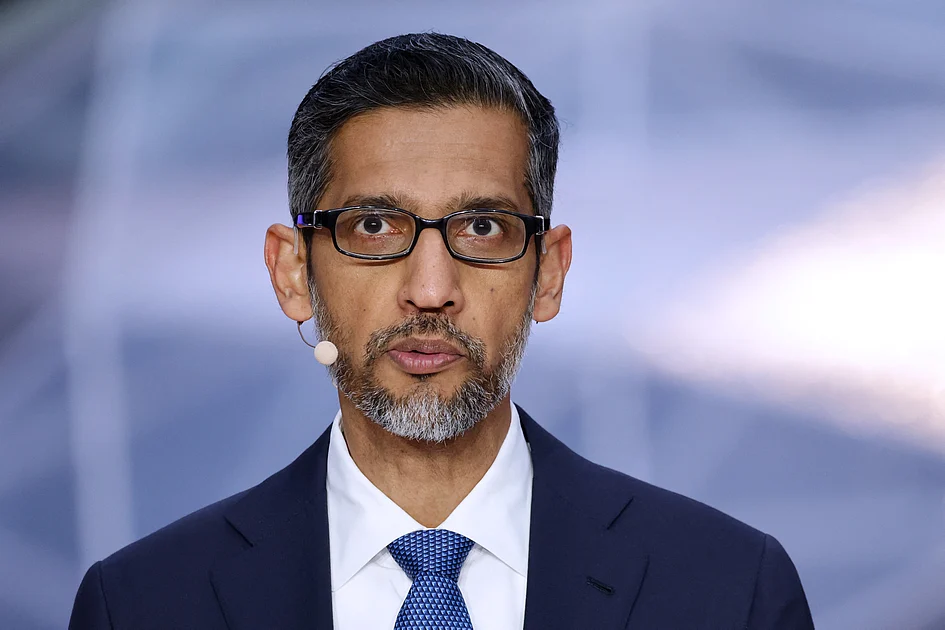
Google boss warns no company immune if AI bubble bursts
In a recent interview with the BBC, Sundar Pichai, CEO of Google’s parent company Alphabet, issued a stark warning about the potential consequences of an artificial intelligence (AI) bubble burst. Pichai emphasized that no company, including Google, would be immune to the fallout. He acknowledged the ‘irrationality’ driving the current AI investment boom, which has fueled a tech rally but also raised concerns about sustainability. Recent fears of an AI bubble have triggered a selloff, causing global stock markets to tumble in recent months. Pichai highlighted the ‘immense’ energy demands of AI, which accounted for 1.5% of global electricity consumption last year, according to the International Energy Agency. By 2030, AI’s global computing footprint could reach 200 gigawatts—equivalent to Brazil’s annual electricity consumption—with half of that demand concentrated in the United States. The rapid expansion of AI infrastructure, driven by geopolitical tensions, has led to the construction of massive data centers housing tens of thousands of power-hungry chips. Pichai stressed the urgent need for new energy sources and infrastructure development to meet these demands. He also admitted that Alphabet’s AI operations would delay the company’s climate goals but reaffirmed its commitment to achieving carbon neutrality by 2030. Pichai further discussed AI’s societal impact, predicting ‘disruptions’ across industries, including potential changes in leadership roles. He urged individuals to adapt to AI tools, stating that those who embrace the technology will thrive in their professions. Despite the challenges, Alphabet reported a record $100 billion in quarterly revenue in October, attributing the success to its ability to capitalize on the AI boom. The company has significantly increased spending to meet AI infrastructure demands and has rolled out AI features globally, including in Google Search and its Gemini AI models.
-
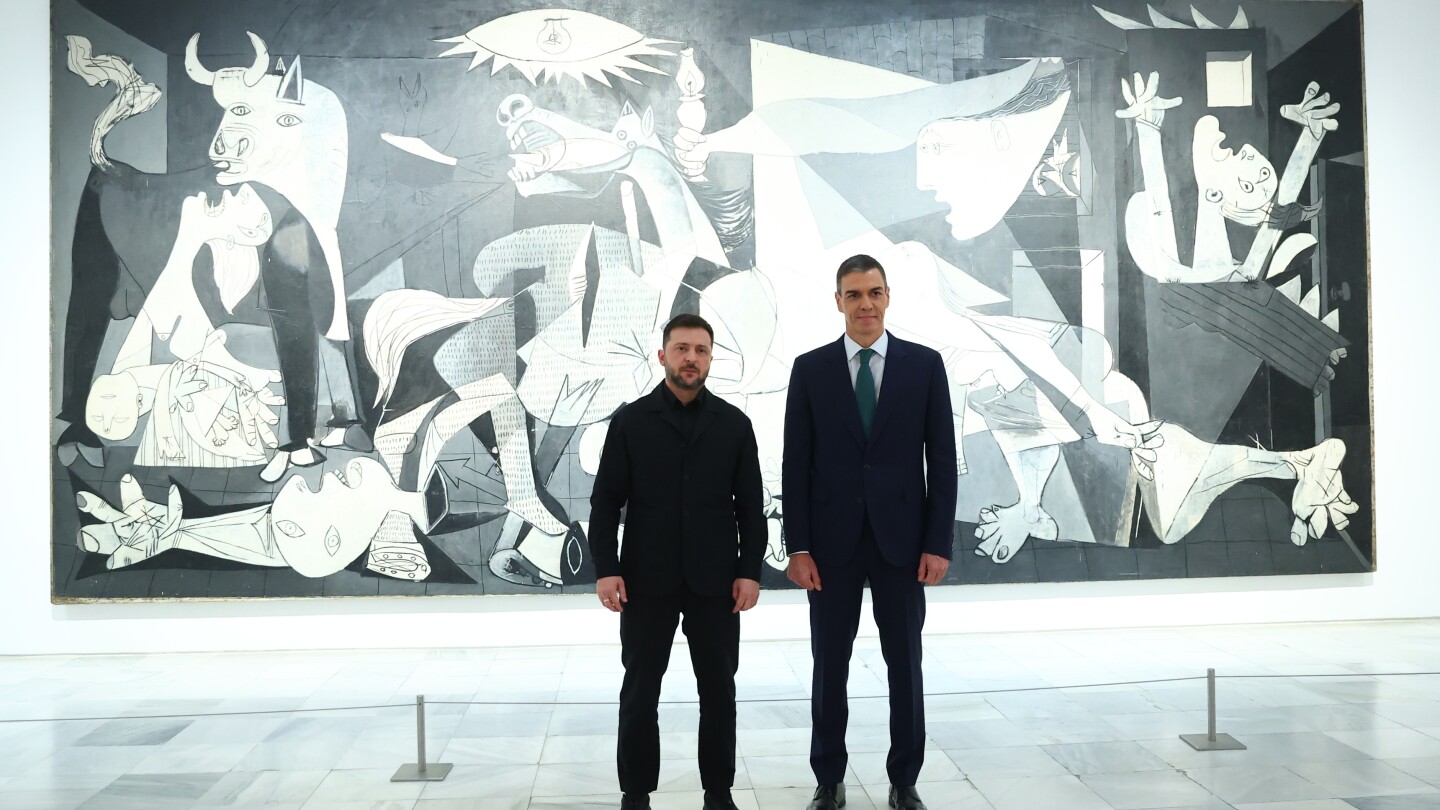
Zelenskyy visits Picasso’s ‘Guernica’ painting after drawing parallel to Ukraine’s bombing
Ukrainian President Volodymyr Zelenskyy embarked on a significant one-day visit to Spain on Tuesday, November 18, 2025, where he took the opportunity to view Pablo Picasso’s iconic anti-war masterpiece, ‘Guernica.’ The painting, renowned for its harrowing depiction of the 1937 bombing of the Basque town of Guernica during the Spanish Civil War, stands as a timeless symbol of the atrocities of war and civilian suffering. Zelenskyy’s visit to the Reina Sofía Museum in Madrid, where the painting is housed, carried profound symbolism, drawing parallels between the devastation of Guernica and the ongoing conflict in Ukraine. Accompanied by Spanish Prime Minister Pedro Sánchez, Zelenskyy’s gesture underscored the shared historical and contemporary struggles against aggression and tyranny. The Ukrainian leader had previously referenced ‘Guernica’ in a poignant address to Spain’s parliament in April 2022, likening the plight of Ukrainians under Russian bombardment to the horrors depicted in Picasso’s work. Zelenskyy’s European tour, including his stop in Spain, highlights Kyiv’s efforts to maintain international solidarity and support as Ukraine continues to resist Russian invasion. The visit also comes amid domestic challenges, including a corruption scandal that threatens to divert attention from the war effort. ‘Guernica,’ which was banned from Spain during the Franco dictatorship and returned in 1981 as a symbol of democratic resilience, remains a powerful reminder of the enduring fight for freedom and justice.
-
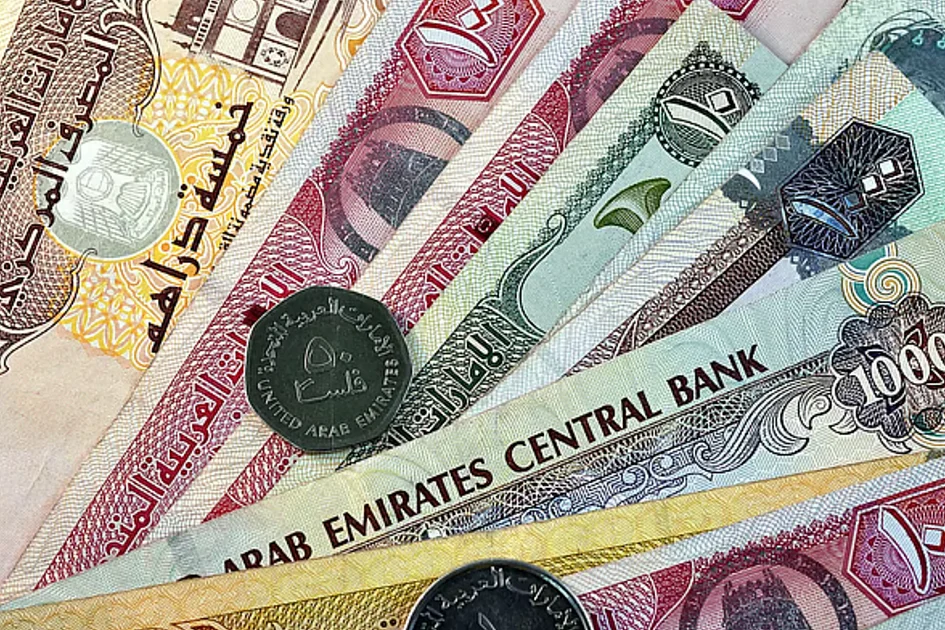
How UAE banks can grow by focusing on underserved, niche segments
In the competitive landscape of the UAE’s banking sector, financial institutions are increasingly turning to technology and niche markets to drive growth. Experts highlight that digital banks and financial disruptors can achieve faster expansion by focusing on underserved segments and leveraging advanced technologies to streamline operations. Saadaat Yaqub Bajwa, Director and Co-founder of Kamel Pay, emphasized the potential of targeting blue-collar workers, who constitute 50% of the UAE’s population. ‘They are underbanked and underserved, offering significant growth opportunities,’ he noted. Kamel Pay has expanded its offerings to include microfinance, loans, and B2B financing, catering specifically to this demographic. At the Banking Innovation and Technology Summit in Dubai, industry leaders discussed the rise of digital banks and open finance. Vibhor Mundhada, CEO of Neopay, stressed the importance of horizontal availability alongside niche focus, ensuring their platform supports diverse payment methods for merchants. Technology plays a pivotal role in scaling operations efficiently. Fazil Badrudeen, Head of Brand and Marketing at Vision Bank, explained how AI and automation have streamlined compliance processes, enabling the bank to handle transactions with a lean team while meeting regulatory standards. Mohamed Roushdy, CIO of Reem Finance, praised the UAE’s supportive regulatory environment, which facilitates the transition from financial services to full banking. The Central Bank’s proactive approach in approving fintech partnerships and licenses further underscores the nation’s commitment to fostering innovation in the banking sector.
-
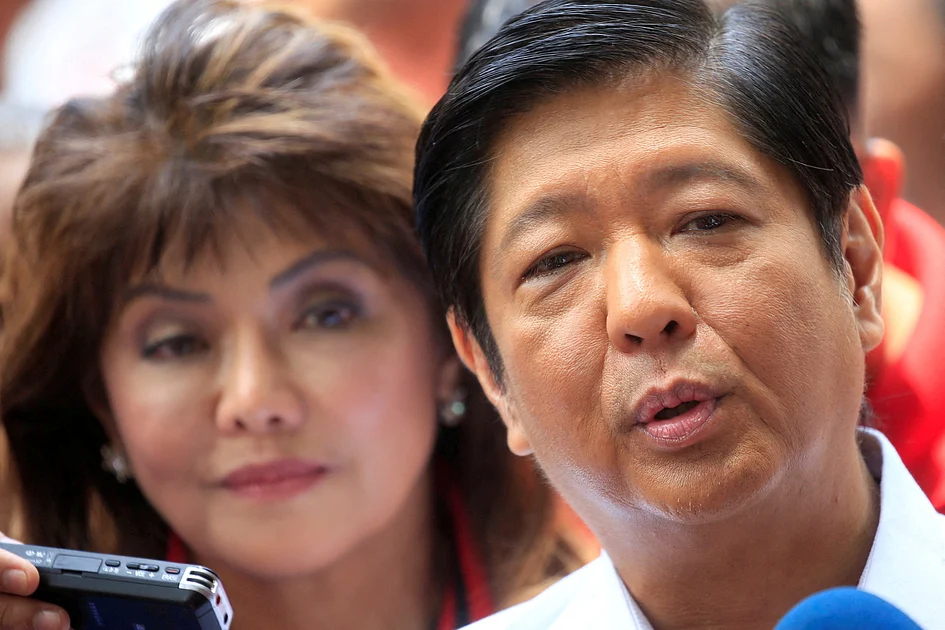
Philippine president Marcos rejects estranged sister’s drug allegations
Philippine President Ferdinand Marcos Jr. has firmly rejected allegations of illicit drug use made by his estranged sister, Senator Imee Marcos, labeling them as unfounded and politically motivated. The accusations surfaced during an anti-corruption rally on Monday, where Senator Marcos claimed, without evidence, that her brother had struggled with drug addiction since their youth and that it continued to the present day. She further asserted that this alleged drug use was a catalyst for widespread corruption in the government. In response, Presidential Communications Undersecretary Claire Castro dismissed the claims as ‘a story without value,’ citing a 2021 drug test taken by President Marcos during his presidential campaign, which returned negative results. This is not the first time President Marcos has faced such allegations. His predecessor, Rodrigo Duterte, had previously accused him of being on a ‘narco-list’ during Duterte’s tenure as mayor of Davao City, a claim denied by the Philippine Drug Enforcement Agency. Duterte, who is currently detained in The Hague over alleged human rights violations during his ‘war on drugs,’ remains a polarizing figure in Philippine politics. Senator Imee Marcos, an ally of Duterte, has distanced herself from her brother and has been critical of his policies, particularly his efforts to strengthen security ties with the United States, which contrast with Duterte’s pro-China stance. President Marcos’s son, Congressman Ferdinand Alexander ‘Sandro’ Marcos, defended his father, calling the allegations ‘a web of lies’ aimed at destabilizing the government. Meanwhile, President Marcos has initiated a comprehensive investigation into irregularities in infrastructure projects, particularly flood-control works, following an internal audit that revealed widespread substandard practices and corruption. The scandal has sparked public outrage, with many demanding accountability from implicated officials and lawmakers.
-

‘Parasocial’ crowned Cambridge Dictionary word of 2025
The Cambridge Dictionary has declared ‘parasocial’ as its Word of the Year for 2025, reflecting the growing phenomenon of one-sided emotional connections individuals form with celebrities, influencers, and even AI chatbots. The term, which dates back to 1956, was originally coined by sociologists to describe the bond television viewers felt with on-screen personalities. Today, it has evolved to encompass the intense, often unreciprocated relationships people develop with public figures and digital entities. Lexicographers selected ‘parasocial’ amid a year marked by heightened interest in these dynamics, particularly as artificial intelligence becomes increasingly integrated into daily life. The dictionary also introduced new entries such as ‘skibidi’, ‘delulu’, and ‘tradwife’, reflecting the rapid evolution of language driven by internet culture. ‘Skibidi’, a slang term with varied meanings, can denote something cool or bad, or be used humorously. ‘Delulu’, a playful take on ‘delusional’, and ‘tradwife’, shorthand for a traditional wife who focuses on homemaking, were among the 6,212 new words and phrases added. Colin McIntosh, a lexicographer, emphasized that only words with ‘staying power’ are included, highlighting the fascinating impact of internet culture on language. Professor Simone Schnall of the University of Cambridge praised the choice, noting the rise of unhealthy parasocial relationships with influencers and AI tools like ChatGPT, which some treat as friends or therapeutic substitutes.