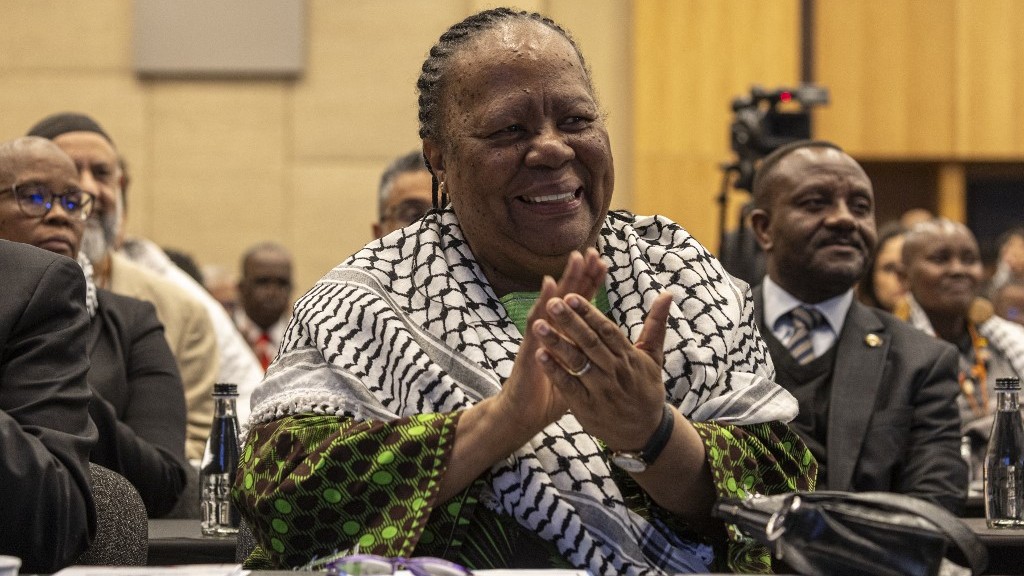
The United States has revoked the visa of Naledi Pandor, South Africa’s former Minister of International Relations, in a move widely perceived as retaliation for Pretoria’s decision to bring Israel before the International Court of Justice (ICJ) on charges of genocide. Pandor, who led South Africa’s Department of International Relations and Cooperation from 2019 to 2024, confirmed the revocation on Thursday, just days before Johannesburg hosts the G20 Leaders’ Summit. The US decision to send a low-level delegation to the summit, rather than Secretary of State Marco Rubio, has already strained relations. Pandor, a key figure in South Africa’s ICJ case against Israel, received an email from the US Consulate stating her visa was canceled immediately. She expressed confusion over the decision but suggested it was linked to her advocacy for Palestine. ‘I understand that it has happened to other South Africans, too,’ she told Middle East Eye. The visa revocation follows years of diplomatic, financial, and political pressure from both the Biden and Trump administrations. In January 2024, the Biden administration dismissed South Africa’s ICJ case as ‘meritless,’ while the Trump administration suspended aid and expelled South Africa’s ambassador to the US. Pandor, a vocal critic of US and Israeli policies, has faced accusations of being a ‘lackey of Iran’ and has been the target of character assassination in conservative media. Despite the backlash, she remains steadfast in her support for Palestinian self-determination. ‘These are issues of principle, not convenience,’ she asserted. The Heritage Foundation, a right-wing US think tank, has called for cutting aid to South Africa, arguing that Pretoria’s foreign policy undermines US interests. Meanwhile, 160 lawyers accused South Africa of taking the ICJ case in exchange for bribes, a claim dismissed by Pandor and her supporters. The US State Department has yet to comment on the visa revocation.
博客
-
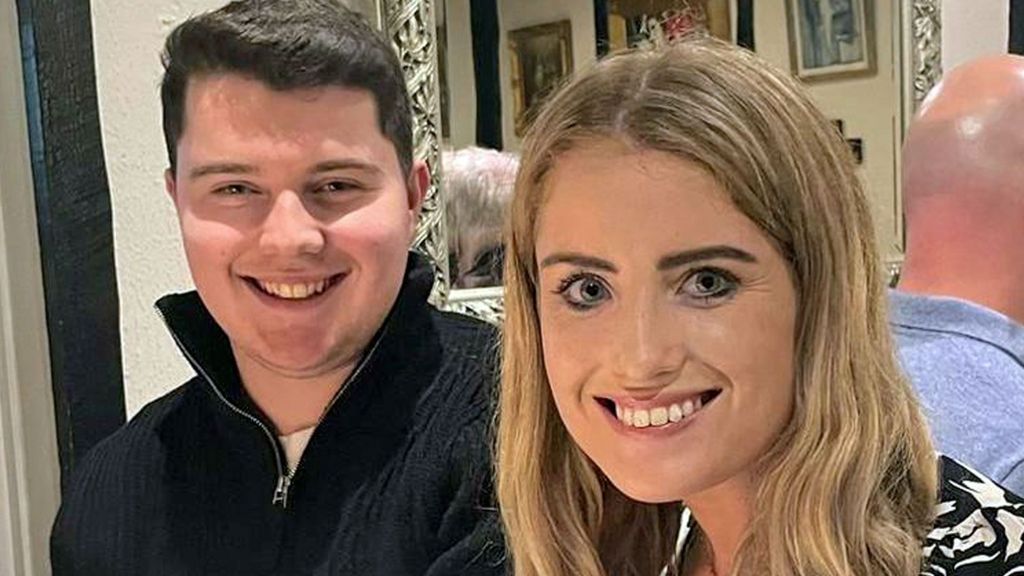
‘Seeing friends drink shots brings back sister’s methanol death’
The untimely death of Simone White, a 28-year-old British traveler, has cast a somber shadow over her family and the global backpacking community. Simone, a trainee lawyer with a passion for exploring the world, tragically lost her life after consuming a methanol-laced shot at a hostel in Vang Vieng, Laos, a popular destination for young adventurers. Her brother, Zak White, shared the heartbreaking details of her final journey with BBC Newsbeat. Simone had embarked on what was meant to be a life-changing trip, reuniting with her friend Bethany Clarke after months apart. However, the joy of their reunion turned to tragedy when both fell ill after consuming free drinks at the Nana Backpacker Hostel. Simone was one of six tourists who succumbed to methanol poisoning, a toxic substance often illegally mixed with alcohol to reduce costs. Despite being placed on life support, Simone could not be saved. Zak recalls the shock and disbelief that followed, as his family struggled to comprehend the loss. The incident has left a lasting impact on Zak, who now experiences anxiety and PTSD in social settings involving alcohol. The White family’s quest for justice has been met with frustration, as investigations in Laos have yielded no clear accountability. Charges have been proposed against 13 individuals for food safety violations, but these do not directly address the fatal poisoning. Reports suggest the hostel may reopen under a new name, a prospect that deeply concerns Zak, who fears for the safety of future travelers. The tragedy has also prompted criticism of the UK Foreign Office’s efforts to raise awareness about methanol poisoning. While the department has identified 27 high-risk countries and collaborated with social media influencers, Zak believes more decisive action is needed. Simone’s family continues to mourn her loss, remembering her as a kind, caring, and principled individual whose absence leaves a profound void in their lives.
-
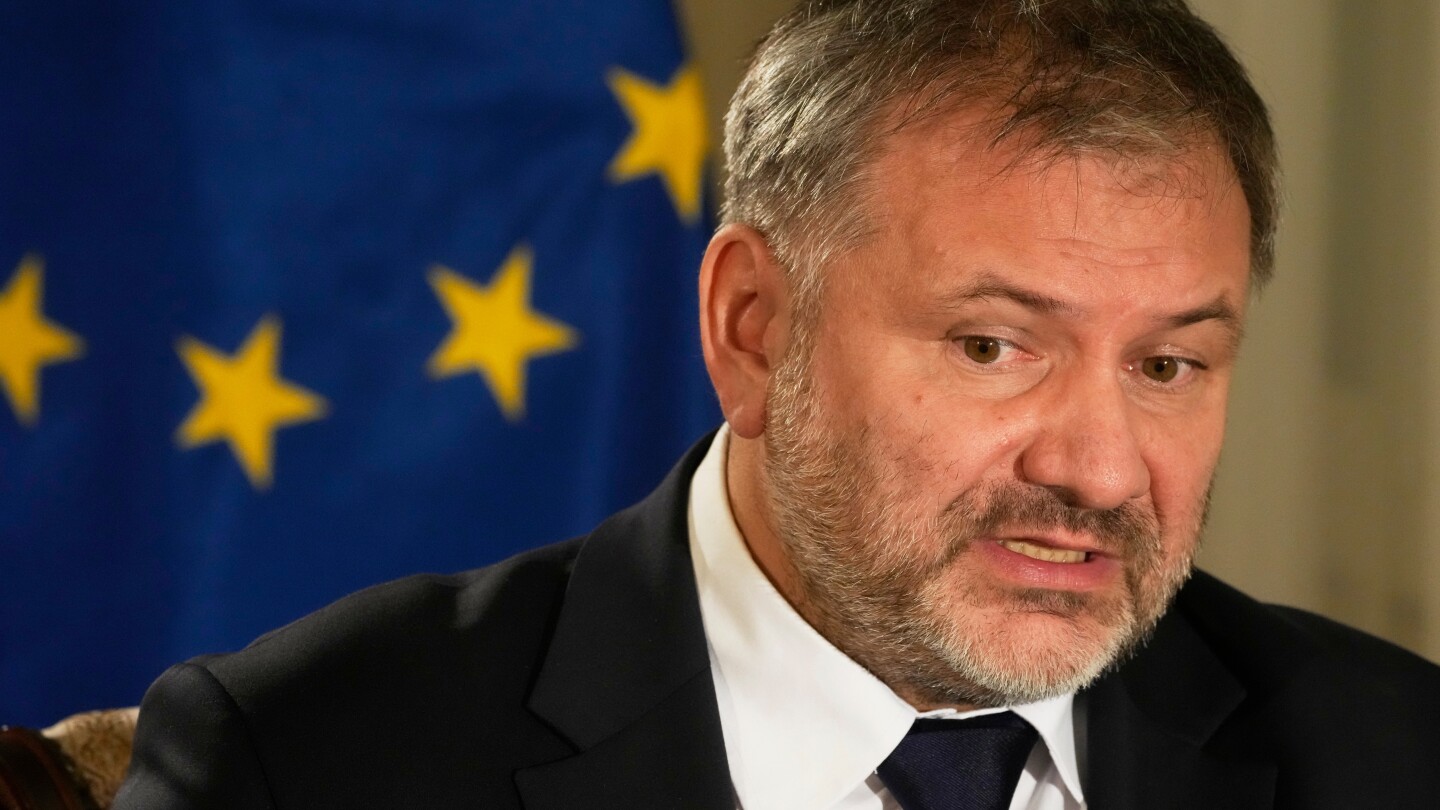
Poland’s struggle to fix its justice system holds lessons for other countries
WARSAW, Poland — Two years into Donald Tusk’s government, Poland’s ambitious plans to reverse the judicial overhaul by its nationalist predecessor, Law and Justice (PiS), have encountered significant obstacles. PiS, which ruled from 2015 to 2023, consolidated political control over key judicial institutions by appointing sympathetic judges and punishing critics. These changes, condemned by European courts, have left Poland’s legal system in disarray. Despite Tusk’s promises to restore judicial independence, progress has been hindered by PiS-aligned presidents and deep political polarization. Tusk’s first justice minister, Adam Bodnar, was replaced in July due to perceived inaction. His successor, Waldemar Żurek, has adopted a more aggressive stance, pursuing legal action against PiS figures, including former Justice Minister Zbigniew Ziobro, accused of misusing funds for surveillance software. However, Żurek’s efforts face potential vetoes from President Andrzej Duda, a PiS ally. The government’s inability to pass reforms has led to a focus on prosecuting PiS allies, aiming to expose alleged abuses of power. Analysts warn that Poland’s judicial crisis is part of a broader democratic challenge, exacerbated by political polarization. Żurek emphasizes the need to engage with all citizens, not just legal experts, to safeguard democracy. Despite incremental progress, the path to restoring judicial independence remains fraught with challenges, as PiS remains a formidable political force.
-
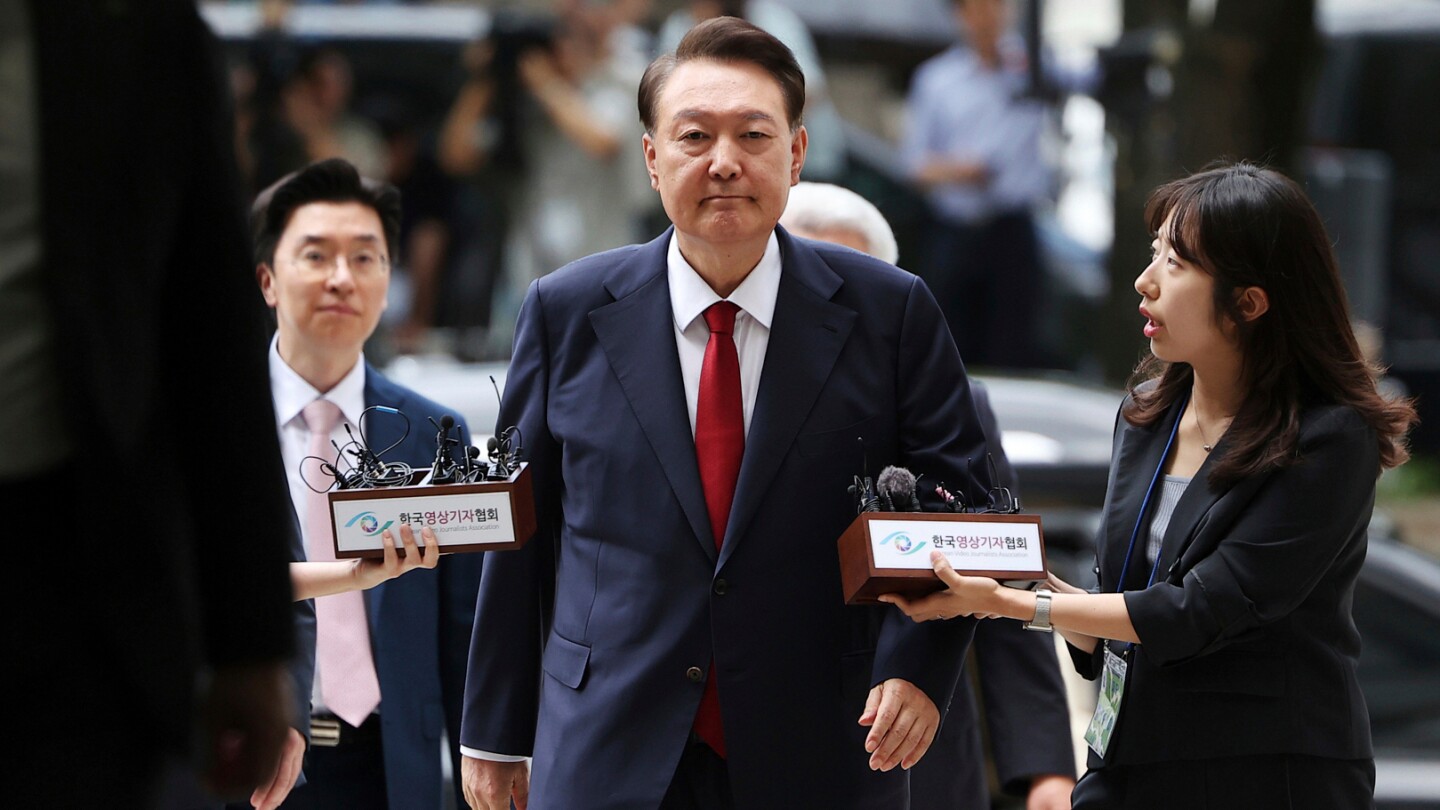
New indictment accuses Yoon of manipulating investigation of South Korean marine’s drowning
SEOUL, South Korea — Former South Korean President Yoon Suk Yeol has been indicted on Friday for allegedly attempting to manipulate the investigation into the drowning of Marine Corporal Chae Su-geun, marking another legal blow to the ousted leader. This indictment adds to a series of criminal cases against Yoon, who was removed from office earlier this year following a rebellion charge tied to his controversial martial law decree on December 3, which triggered widespread political unrest. After assuming office in June, President Lee Jae Myung appointed three independent counsels to probe Yoon’s actions, including the imposition of martial law and other allegations involving his associates and family. The latest charges accuse Yoon, his former defense minister, and 10 others of abuse of power, specifically for attempting to alter the investigation report on Chae’s death. Chae died during a search-and-rescue operation for flood victims in 2023. The initial report by the Marine Corps held a division commander and seven others accountable, but Yoon reportedly expressed outrage over the commander’s inclusion. This led to pressure from top presidential and Defense Ministry officials to revise the report, excluding the commander. Assistant Special Counsel Choung Min-young revealed that Park Jung-hun, the head of the Marine Corps’ investigation team, resisted the pressure and forwarded the report to the police. However, Yoon allegedly ordered officials to retrieve the report, dismiss Park, and investigate him for insubordination. Choung emphasized that Park’s investigation adhered to legal principles, while Yoon and his associates systematically abused their power, undermining the fairness and independence of the Marine Corps’ investigation. Yoon, currently in jail, has not commented on the latest indictment but has previously denied all allegations. His ongoing trial for masterminding a rebellion could result in a verdict early next year, with potential penalties ranging from life imprisonment to capital punishment. Earlier this month, Yoon was also indicted for allegedly ordering drone flights over North Korea to provoke military tensions and justify martial law.
-
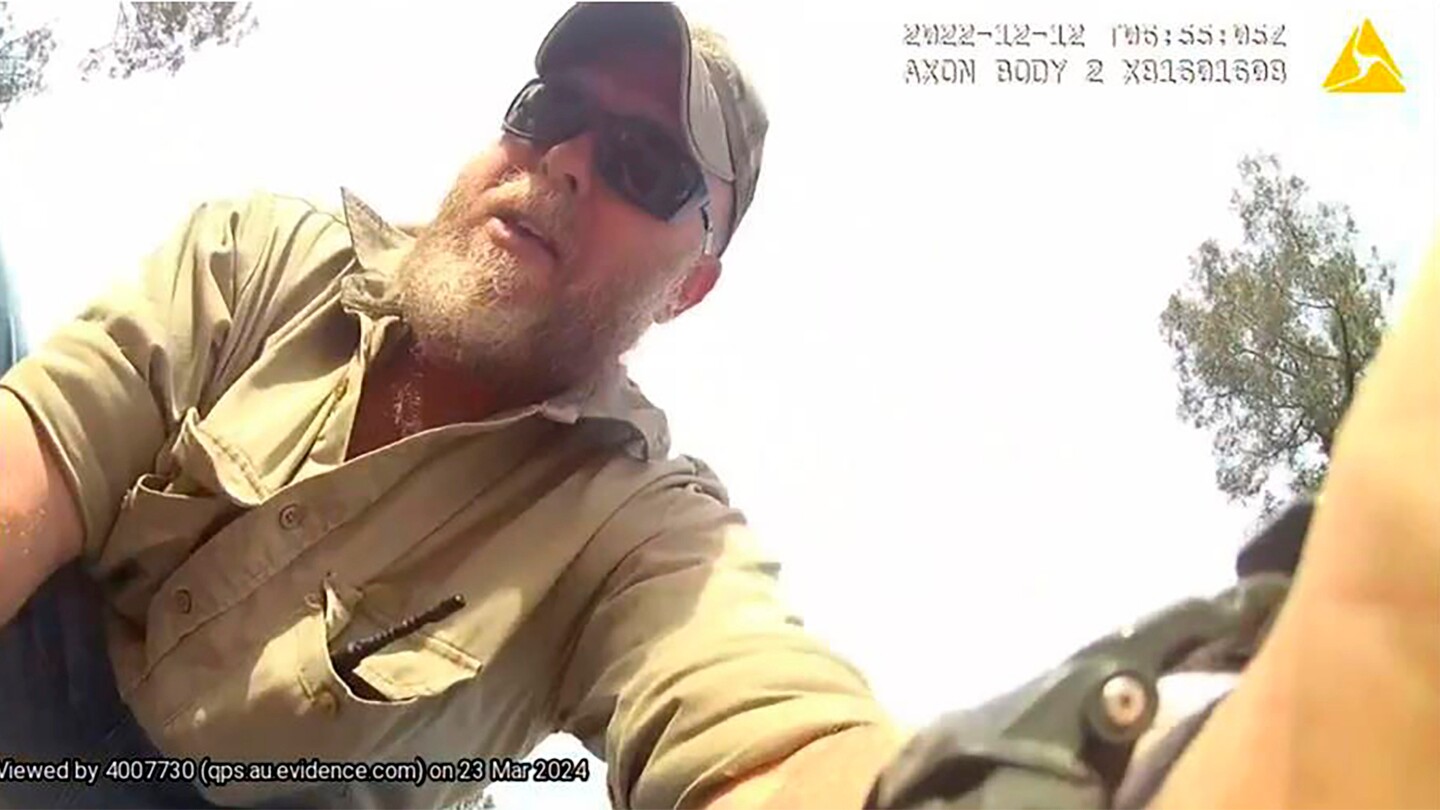
Coroner says Australian extremists who killed police officers had shared delusional disorder
In a tragic incident that unfolded three years ago in the remote Wieambilla region of Queensland, Australia, three Christian extremists—brothers Gareth and Nathaniel Train and Gareth’s wife, Stacey Train—opened fire on police officers they perceived as “demons intent on killing them.” The coroner’s report, released on Friday, revealed that the trio suffered from a shared delusional disorder, which drove their violent actions. The six-hour gunbattle on December 12, 2022, resulted in the deaths of six individuals, including two police officers, Rachel McCrow and Matthew Arnold, and a neighbor, Alan Dare, who had come to investigate scrub fires ignited by the Trains. The police had initially arrived at the property in response to a missing persons report for Nathaniel Train, a former school principal from New South Wales. State Coroner Terry Ryan concluded that the Trains’ psychotic illness, rooted in End of Times religious beliefs and broader persecutory delusions, led them to act defensively within their distorted worldview. The coroner dismissed claims that the incident was an act of terrorism, instead attributing the violence to their untreated mental illness. The Trains’ use of high-powered rifles from concealed positions gave them a lethal advantage over the officers’ Glock pistols, which were ill-suited for the confrontation. Coroner Ryan recommended several measures to prevent future tragedies, including mandatory mental health assessments for gun license applicants, the use of drones for risk assessments in remote areas, and increased funding for the Queensland Fixated Threat Assessment Center. He also highlighted the concerning lack of monitoring of Gareth Train’s online activities, which could have alerted authorities to his extremist beliefs.
-
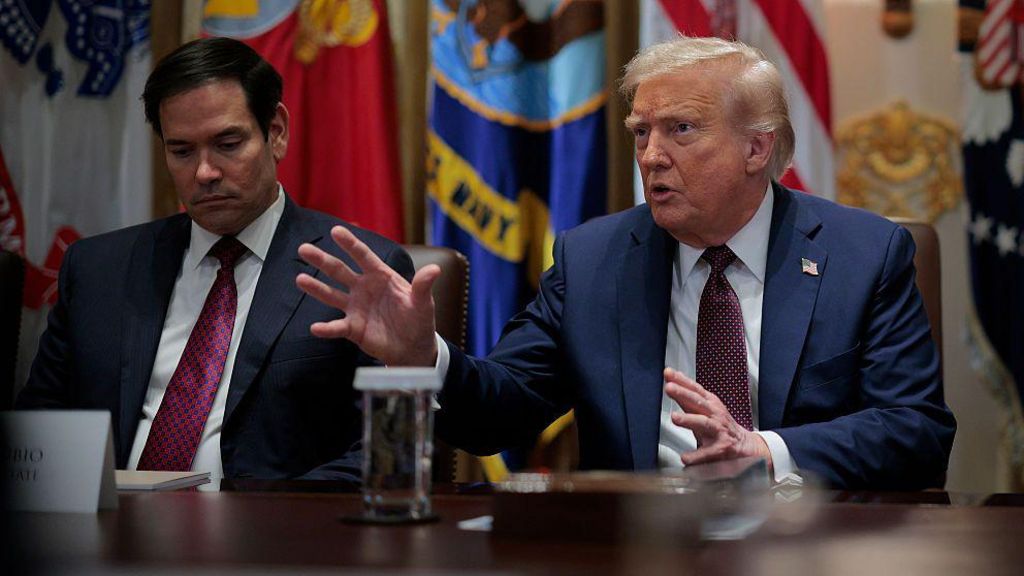
New US rules say countries with diversity policies are infringing human rights
The Trump administration has introduced a controversial shift in its approach to global human rights, now classifying countries that enforce diversity, equity, and inclusion (DEI) policies, subsidize abortion, or facilitate mass migration as violators of human rights. The State Department has issued new guidelines to U.S. embassies and consulates, instructing them to include these practices in the annual report on global human rights abuses. These changes, described as a tool to ‘change the behavior of governments,’ have drawn sharp criticism from human rights advocates, who argue that the administration is redefining long-standing principles to advance its ideological agenda.
-
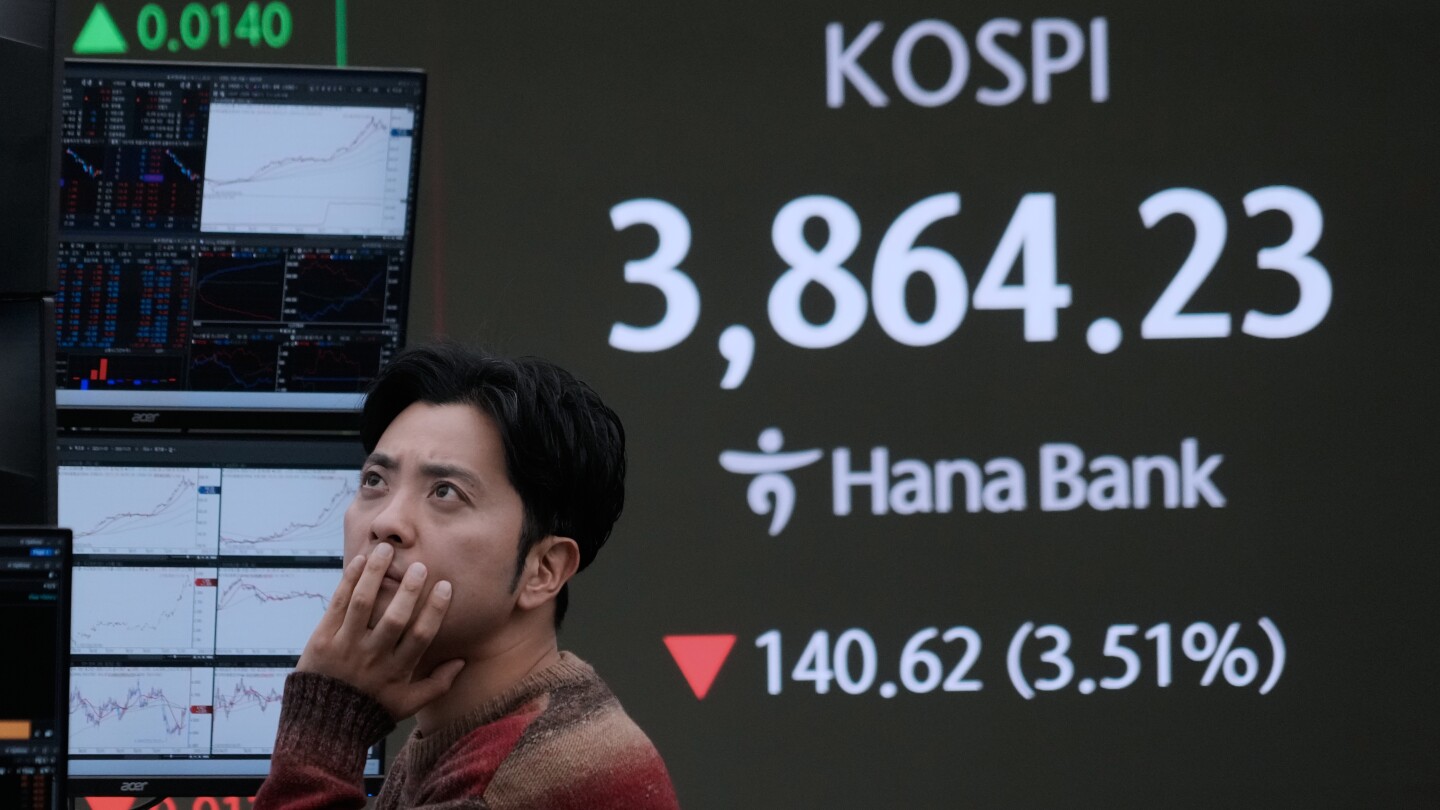
World stocks track Wall Street’s drop, erasing previous day’s gains
Global stock markets experienced significant volatility on Friday, mirroring Wall Street’s sharp decline, as investors grappled with concerns over a potential bubble in artificial intelligence (AI)-related shares and mixed economic signals. Major benchmarks across Asia, Europe, and the U.S. erased previous gains, reflecting heightened market skittishness. The U.S. Federal Reserve’s reluctance to cut interest rates in December, fueled by stronger-than-expected jobs data, further dampened investor sentiment.
-
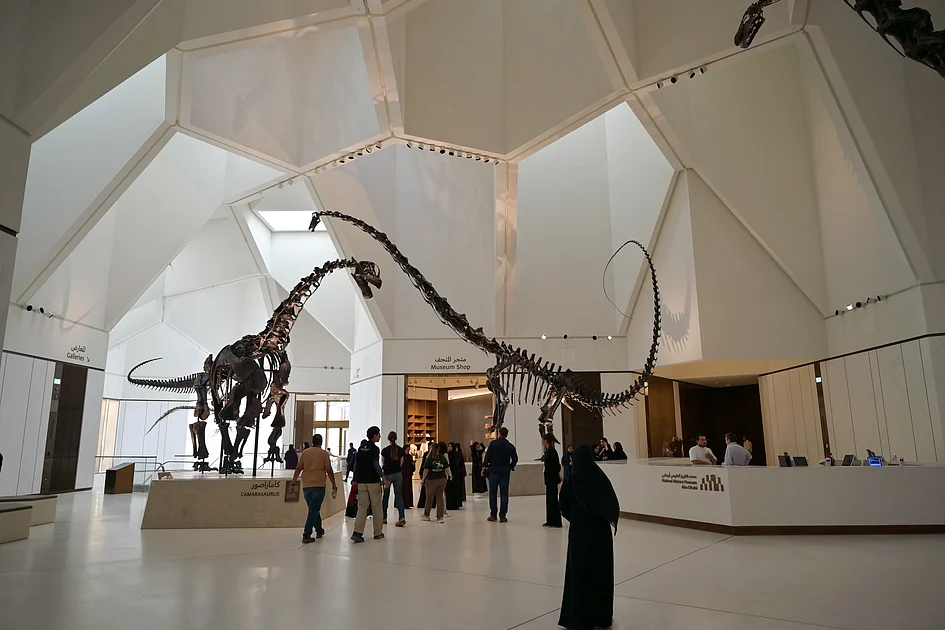
T rex fossils, moon rock: First look inside Abu Dhabi’s Natural History Museum
The Natural History Museum Abu Dhabi, set to open on November 22, 2025, promises an extraordinary journey through 13.8 billion years of life. Located in the Saadiyat Cultural District, the museum is a testament to rapid development, yet it houses specimens that span nearly the entire history of the universe. Among its many exhibits are a slice of the Moon, two real T. rex fossils locked in a deadly battle, and a 25-meter blue whale skull so large that a wall had to be cut to accommodate it. The museum’s director, Peter C. Kjærgaard, describes it as a ‘night sky of stars,’ with countless highlights that surpass visitor expectations. The museum’s exhibits range from ancient meteorites and fossils to dramatic recreations of Abu Dhabi’s savannah landscape seven million years ago. It also features a treasure hunt for children, with a supersized version of the microscopic tardigrade scattered throughout the displays. The museum aims to inspire the next generation of scientists and foster a sense of ownership among visitors. With a focus on community science and the sheer drama of standing beneath a blue whale, the museum seeks to bring people into the story of the natural world and the future of science in the UAE.
-

Mike Huckabee hosts US citizen who spied for Israel: Report
In a move that has raised eyebrows across diplomatic and intelligence circles, US Ambassador to Israel Mike Huckabee reportedly hosted Jonathan Pollard, a former US Navy intelligence analyst convicted of espionage for Israel, at the American embassy in Jerusalem this July. The meeting, which was kept off Huckabee’s official schedule, has drawn criticism, particularly from the Central Intelligence Agency (CIA), whose station chief in Israel expressed alarm over the encounter. Pollard, now 71, was accompanied by David Milstein, Huckabee’s top advisor at the embassy. Pollard’s espionage activities, which spanned 1984 to 1985, involved the transfer of hundreds of classified documents and over 1,000 intelligence cables to Israel’s Mossad. His actions, which jeopardized the lives of US soldiers globally, led to a life sentence in 1987. Pollard, who is Jewish, had long expressed a desire to emigrate to Israel, a sentiment that reportedly fueled his espionage. Released on parole in 2015, Pollard moved to Israel in 2020 after the Justice Department lifted his travel restrictions. He was granted Israeli citizenship while in prison and received a hero’s welcome upon his arrival. Huckabee, a staunch evangelical Christian Zionist, has been a vocal supporter of Israel, even advocating for the annexation of the occupied West Bank—a stance at odds with US President Donald Trump’s policies. The purpose of Pollard’s visit remains unclear, though he reportedly thanked Huckabee for supporting his release a decade ago. The meeting has reignited debates over US-Israel relations, particularly in light of Pollard’s subsequent criticism of Trump, whom he labeled a ‘madman’ for his dealings with Saudi Arabia. This incident underscores the complex and often contentious dynamics of US foreign policy in the Middle East.
-

OpenAI and Taiwan’s Foxconn to partner in AI hardware design and manufacturing in the US
In a landmark collaboration, OpenAI, the San Francisco-based artificial intelligence pioneer, has joined forces with Taiwan’s electronics titan Foxconn to design and manufacture critical components for AI data centers in the United States. This partnership aims to bolster the nation’s AI infrastructure, ensuring its leadership in the rapidly evolving technological landscape. Foxconn, renowned for its production of AI servers for Nvidia and assembly of Apple products, including the iPhone, will co-develop AI data center racks with OpenAI. The agreement, announced in separate statements on Thursday and Friday, underscores Foxconn’s role in producing essential systems such as cabling, networking, and power solutions for AI data centers at its U.S. facilities in Ohio and Texas. OpenAI will gain early access to evaluate and potentially procure these products. The initial agreement does not entail financial obligations or purchase commitments. This collaboration aligns with Foxconn’s broader strategy to diversify its business, which includes ventures into electric vehicles and acquisitions of electronics companies. Sam Altman, CEO of OpenAI, emphasized the partnership’s significance, stating, ‘This is a step toward ensuring the core technologies of the AI era are built here, strengthening U.S. leadership and ensuring the benefits of AI are widely shared.’ OpenAI has committed $1.4 trillion to AI infrastructure development, including multi-billion-dollar partnerships with Nvidia, AMD, and Broadcom to enhance computing power and design custom AI chips. Despite concerns over OpenAI’s massive spending, Altman projects the company will achieve over $20 billion in annualized revenue this year, with growth expected to reach ‘hundreds of billions by 2030.’ Foxconn’s Taiwan-listed shares have surged 25% this year, reflecting the broader tech industry’s AI-driven momentum. The company reported a 17% year-on-year increase in net profit for the July-September quarter, driven by its cloud and networking business, including AI servers. Foxconn’s leadership remains optimistic about AI’s future, anticipating closer collaborations with key clients and partners in the coming year.