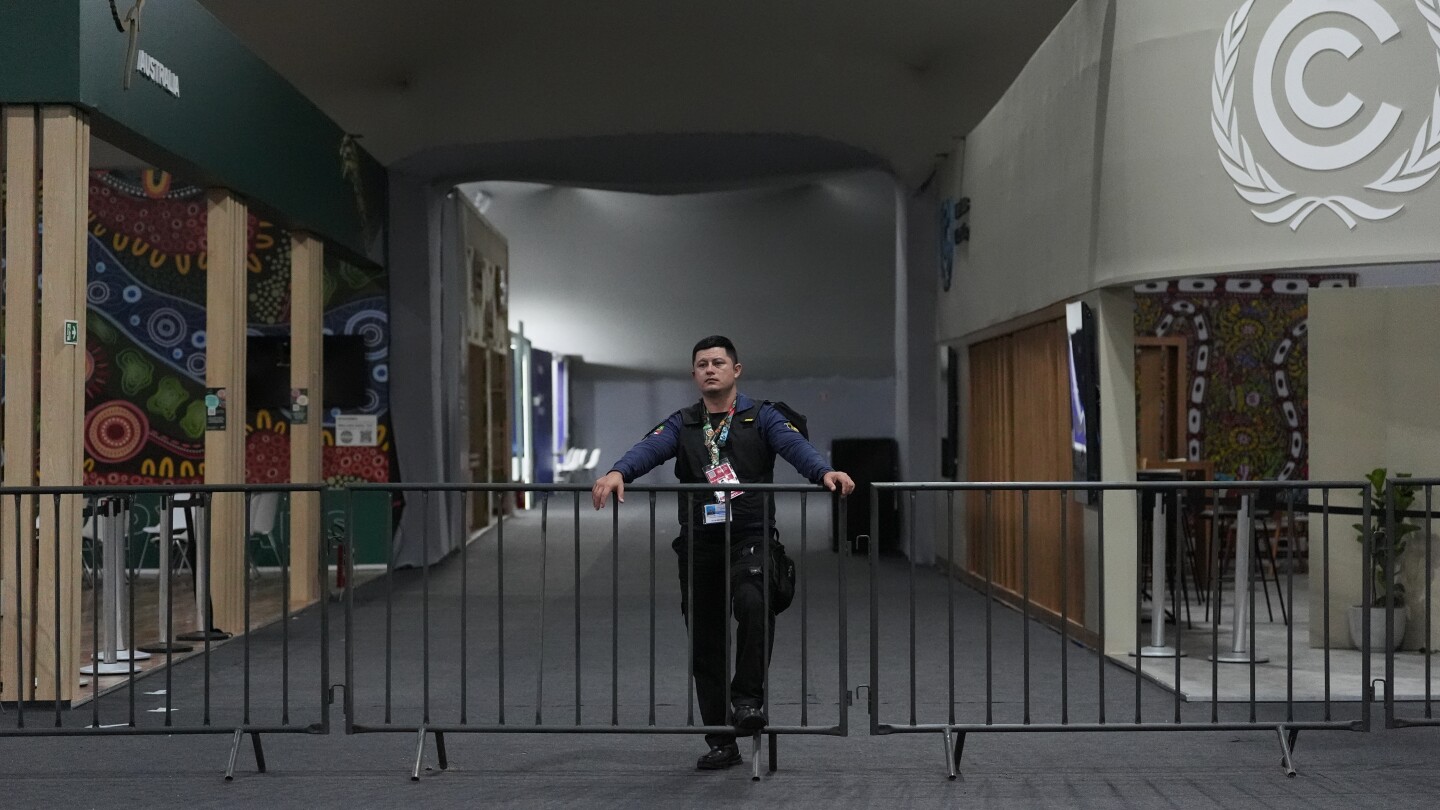
BELEM, Brazil — The final day of the United Nations climate talks, COP30, was marked by controversy as Brazil, the host nation, presented several key proposals that notably omitted explicit references to fossil fuels, the primary driver of global warming. This glaring exclusion drew sharp criticism from over two dozen nations and climate advocates, who expressed deep disappointment and frustration. The omission came amidst heightened tensions following a fire that erupted on Thursday in the conference pavilions, leading to evacuations and 13 individuals being treated for smoke inhalation. Brazil’s central proposal, the ‘mutirao decision,’ addressed four critical issues: climate financial aid, strengthening inadequate national climate plans, and the global transition to low greenhouse gas emissions. However, it failed to provide a detailed roadmap for phasing out fossil fuels, a key demand from more than 80 nations and Brazilian President Luiz Inácio Lula da Silva. A coalition of 29 countries, including the United Kingdom, France, Germany, and vulnerable island nations like Palau and Vanuatu, drafted a letter condemning the proposal as insufficient. Activists, including Greenpeace’s Tracy Carty and Oil Change International’s Bronwen Tucker, echoed these sentiments, labeling the text as weak and vague. The talks, initially set to conclude on Friday, are likely to extend as negotiators seek consensus on these contentious issues.
博客
-

The self-defeating tariffs killing Trump’s presidency
President Donald Trump’s second term in office is facing significant public disapproval, with his approval ratings hitting record lows. Recent polls reveal a growing dissatisfaction among Americans, particularly regarding the economy, which has become a central issue driving negative sentiment. Despite seemingly stable macroeconomic indicators such as employment and inflation, consumer confidence has plummeted, reaching levels comparable to the post-pandemic inflation peak in 2022.
-

Man wanted in Abu Dhabi double murder arrested in India
In a significant breakthrough, India’s Central Bureau of Investigation (CBI) has arrested Shameem KK, a fugitive wanted in connection with a 2020 double murder case in Abu Dhabi. The suspect was detained in Chennai, Tamil Nadu, after evading authorities since 2022. The case involves the deaths of Haris Thathamma Parambil, a business consultant, and Dency Antony, who were found deceased in a flat in the UAE capital on March 5, 2020. Initially, the deaths were staged to appear as suicides. Investigations later revealed that Shaibin Ashraf, an associate of Haris, orchestrated the murders out of jealousy and business rivalry. Ashraf allegedly deployed accomplices to the Gulf, funded their expenses, and plotted the killings to seize Haris’s income and savings. A charge sheet was filed in India on October 10, 2024, against Ashraf and seven others, including Shameem KK. The Kerala High Court had earlier directed the CBI to take over parts of the investigation from local police, and a Look Out Circular (LOC) was issued to track the absconding suspect. The CBI has confirmed that further legal proceedings are now underway following the arrest.
-
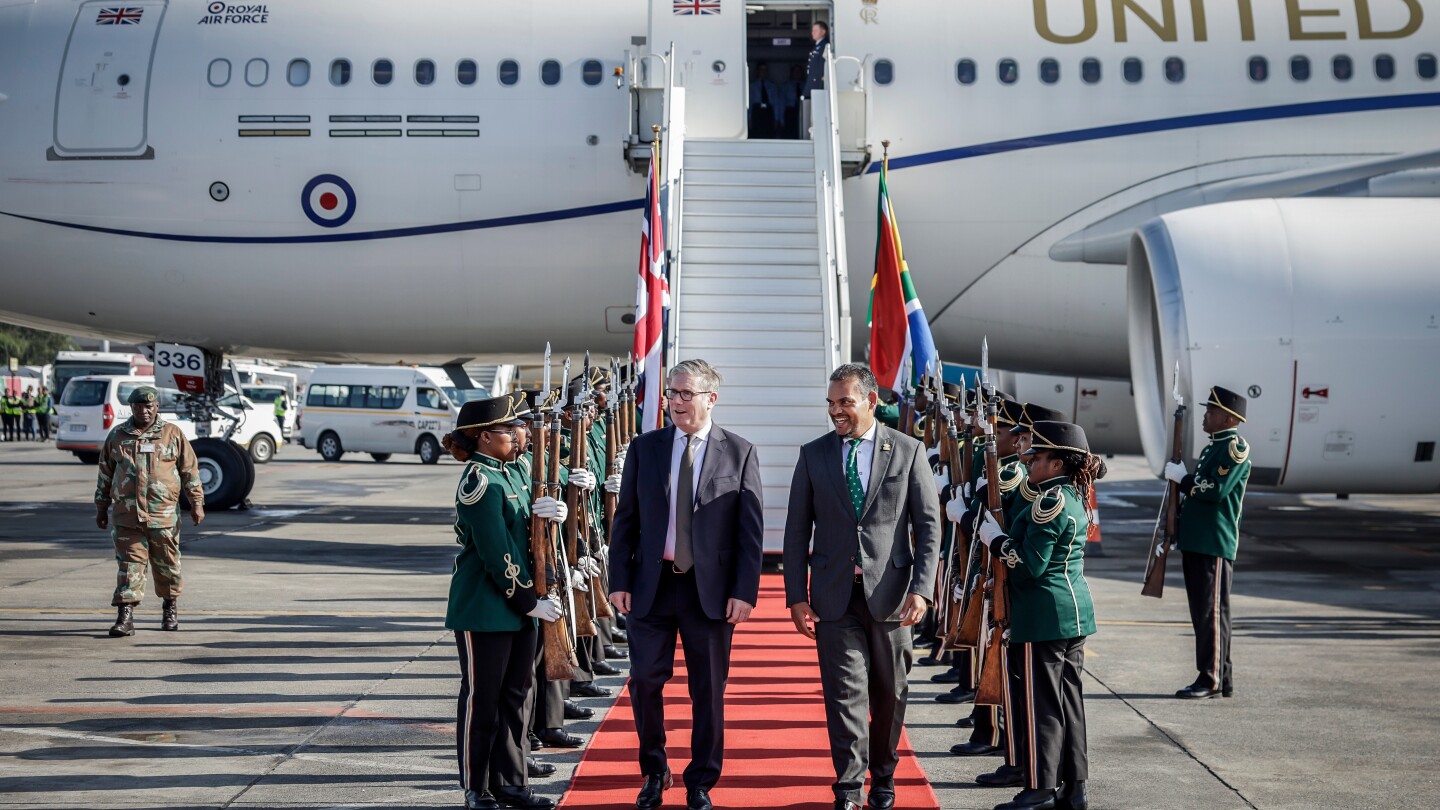
Leaders arrive for a first African G20 summit overshadowed by a rift between the host and the US
In a historic first, the Group of 20 (G20) summit is being held in Africa, with world leaders gathering in Johannesburg to address pressing global issues. However, the event has been overshadowed by a significant rift between host South Africa and the United States, following President Donald Trump’s decision to boycott the summit. Trump’s administration labeled South Africa’s hosting as a ‘disgrace,’ citing unfounded claims of persecution against the white Afrikaner minority in the majority-Black nation. This boycott by the world’s largest economy threatens to undermine the summit’s agenda, which focuses on critical issues such as climate change, debt burdens in poor countries, and global inequality. South African President Cyril Ramaphosa has vowed not to be bullied, emphasizing the importance of the summit for developing nations. Despite the absence of the U.S., other global leaders, including representatives from the European Union, China, and Russia, are actively participating, seeking to forge new partnerships and address shared challenges. The summit also highlights China’s growing influence in Africa, as Chinese Premier Li Qiang signed a $1.4 billion railway refurbishment deal in Zambia, further cementing China’s economic presence on the continent. Analysts suggest that the U.S. boycott may push developing countries to strengthen ties with other global powers, potentially reshaping international governance.
-
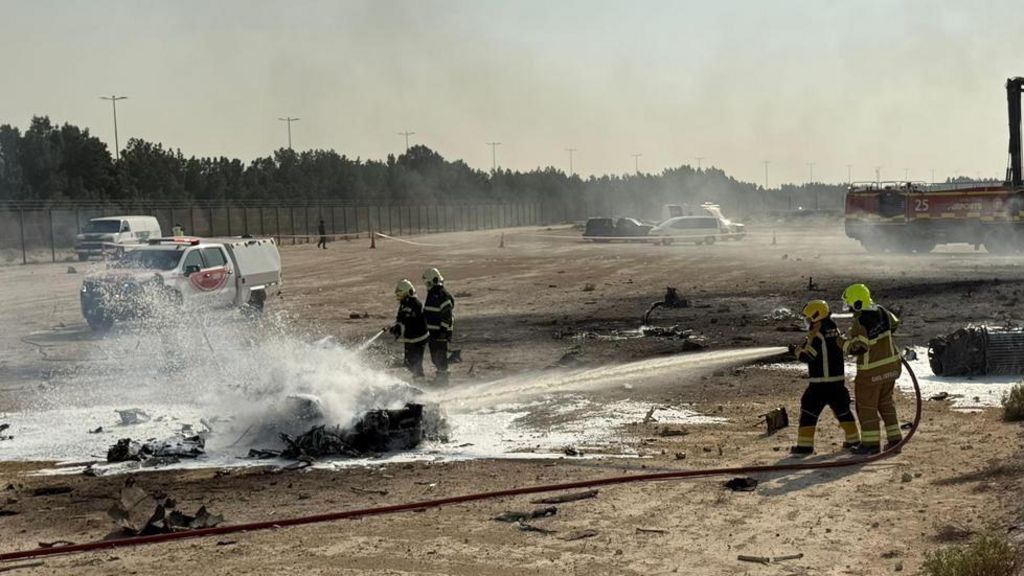
Indian fighter jet pilot killed in crash at Dubai airshow
A tragic incident unfolded at the Dubai Airshow 2025 when an Indian fighter jet, the Hindustan Aeronautics Ltd’s Tejas, crashed during a display, resulting in the death of the pilot. The crash occurred at approximately 14:10 local time (10:10 GMT) on the final day of the event, which had drawn over 148,000 attendees and exhibitors from 1,500 companies. The Indian Air Force (IAF) expressed deep regret over the loss of life and extended their support to the bereaved family. A court of inquiry has been initiated to determine the cause of the accident. Dubai’s Media Office and the UAE Ministry of Defence reported that emergency services responded swiftly to manage the situation on-site. The Dubai Airshow, which began on Monday, concluded on a somber note with this unfortunate event.
-

UAE weather: Temperatures to drop slightly; fog expected
The United Arab Emirates (UAE) is experiencing a significant drop in temperatures, with the mercury plunging to a chilly 7.8°C on Thursday, November 20, marking the coldest day of the winter season so far. According to the National Centre of Meteorology (NCM), Friday, November 21, will bring partly cloudy and dusty conditions, with low clouds forming westward over the sea and islands. Coastal areas are expected to see a slight temperature dip, accompanied by fog that has triggered red and yellow alerts, reducing visibility until 10:30 AM. Authorities in Abu Dhabi have issued emergency alerts and implemented speed reductions on key roads to ensure safety. Humidity is likely to increase by night and into Saturday morning, with fog or mist expected in coastal and internal regions. Winds will blow lightly to moderately from the northeast to northwest, reaching speeds of 10-25 km/hr, and up to 40 km/h westward. Sea conditions will be moderate to rough in the Arabian Gulf and slight in the Oman Sea. Temperatures are forecasted to drop to 15ºC in Sharjah, 19ºC in Dubai, and 21ºC in Abu Dhabi. The recent dense fog has already caused significant disruptions, with landmarks like Burj Khalifa and Burj Al Arab obscured and severe traffic delays reported. Air travel has also been impacted, with Dubai diverting 19 flights and Sharjah experiencing multiple delays and cancellations.
-

Co-hosting Games enriches ‘one country, two systems’
The 15th National Games concluded on November 21, marking a historic milestone in Chinese sports history. For the first time, Guangdong, Hong Kong, and Macao jointly hosted this prestigious multi-sport event, showcasing an innovative application of the ‘one country, two systems’ policy. The collaboration spanned infrastructure development, rule harmonization, and the creation of shared mechanisms, fostering a unified sense of belonging among the three regions. This groundbreaking initiative not only highlighted the enduring vitality of the policy but also demonstrated its practical benefits in fostering regional cooperation and unity. The event’s success underscores the potential for further integration and mutual development under this framework, setting a precedent for future collaborations.
-
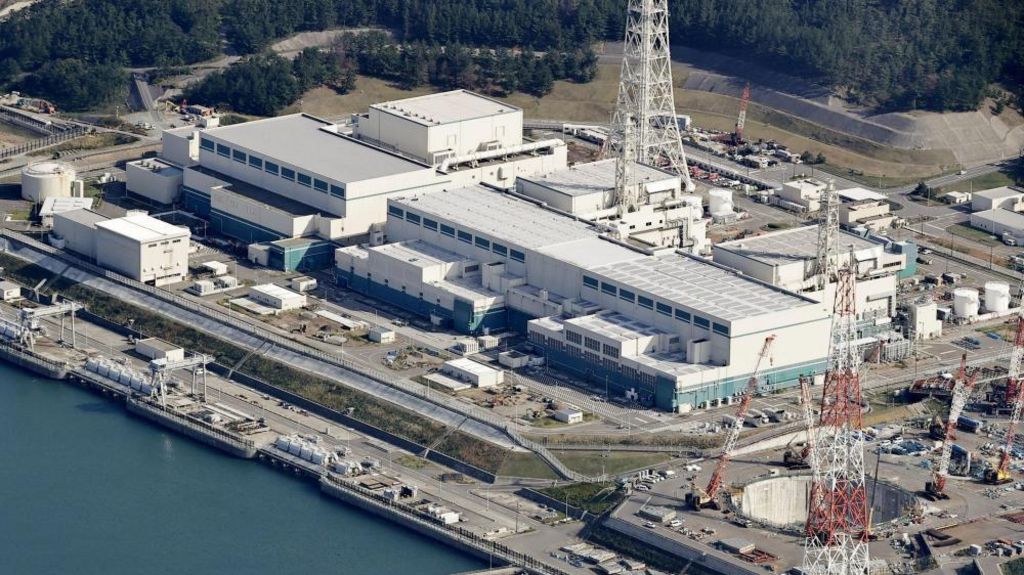
Fukushima owner edges towards restarting first reactor since meltdown
Japan is on the verge of restarting one of the reactors at the Kashiwazaki-Kariwa nuclear power plant, operated by Tokyo Electric Power Company (Tepco), for the first time since the 2011 Fukushima disaster. The Niigata prefecture, where the plant is located, has signaled its consent for the restart, pending final approval from Japan’s nuclear regulator. This marks a significant step in Tepco’s efforts to rebuild its business after the catastrophic meltdown at Fukushima, which led to widespread radiation leaks, forced evacuations, and substantial financial liabilities. The restart plan focuses on the plant’s No. 6 and No. 7 reactors. However, public opinion in Niigata remains divided, with 50% supporting the restart and 47% opposing it, while nearly 70% express concerns about Tepco’s management of the facility. Since the Fukushima disaster, 14 nuclear reactors in Japan have resumed operations, reflecting the country’s broader strategy to increase reliance on atomic energy to achieve its net-zero carbon emissions goal and reduce dependence on fossil fuels. The final decision will be discussed at the prefectural government assembly in December.
-
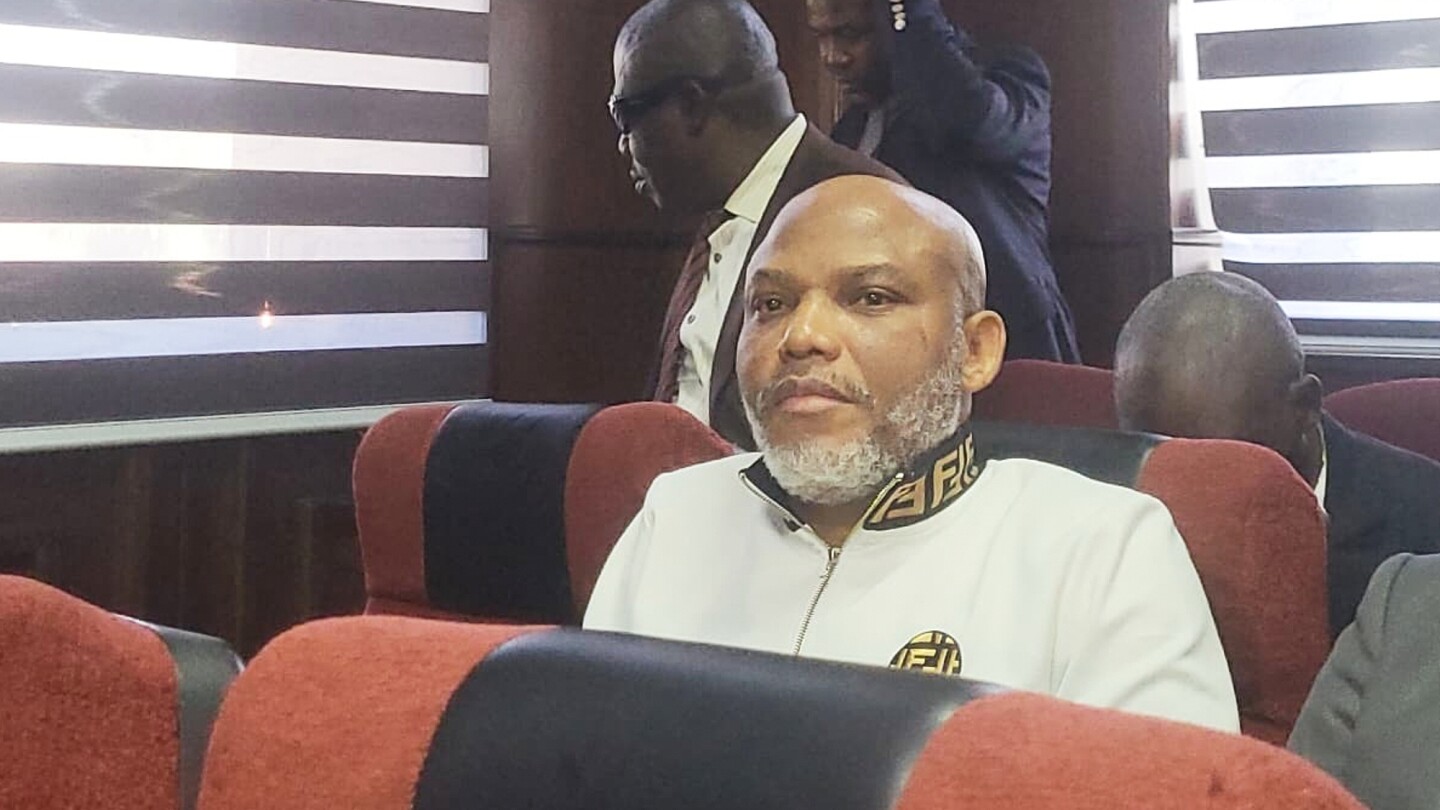
Nigeria separatists say they are committed to peaceful self-determination after leaders sentenced
ABUJA, Nigeria — The Indigenous People of Biafra (IPOB), a separatist movement in southeastern Nigeria, has reaffirmed its commitment to peaceful self-determination following the life imprisonment sentence handed to its leader, Nnamdi Kanu, on terrorism charges. Kanu, the founder of IPOB, was convicted on Thursday by a Nigerian court, which accused him of orchestrating acts of terrorism, enforcing violent stay-at-home orders, and inciting violence in the region. IPOB, which seeks the creation of an independent state in Nigeria’s southeast, has vehemently denied the allegations, asserting that no weapons or attack plans were ever linked to Kanu. The group maintains that its leader has not violated any Nigerian or international laws. In a statement, IPOB spokesperson Emma Powerful emphasized the group’s dedication to peaceful advocacy and its pursuit of a United Nations–supervised referendum. The court’s decision has sparked controversy, with Judge James Omotosho stating that while the right to self-determination is a political right, any such efforts must align with Nigeria’s constitution to be considered legal. Meanwhile, violence in the southeast has been attributed to political motives, with IPOB claiming it is unrelated to Kanu, who remains in detention. The case has drawn parallels to the conviction of another Nigerian separatist leader, Simon Ekpa, who was sentenced to six years in prison in Finland in September for terrorism-related charges.
-

China’s top court highlights domestic violence cases to raise awareness
In a decisive move to combat domestic violence, China’s Supreme People’s Court has publicized eight significant cases, underscoring a ‘zero-tolerance’ policy toward such offenses. This initiative, announced on Friday, aligns with the International Day for the Elimination of Violence Against Women on November 25, reinforcing the court’s stance that domestic violence transcends mere family disputes. The court emphasized that psychological harm, including continuous humiliation and character degradation, is a critical component of domestic violence. The Supreme People’s Court articulated that domestic violence is an illegal act infringing on personal rights, whether it occurs within or outside the home, and should not evade legal consequences. The court also highlighted the importance of expert testimony in understanding the psychology and behavior of both defendants and victims, particularly in cases involving minors. Furthermore, Chinese courts have been urged to strengthen mechanisms against violence, decisively combat all forms of violence against women, and ensure public perception of fairness and justice in every judicial proceeding.