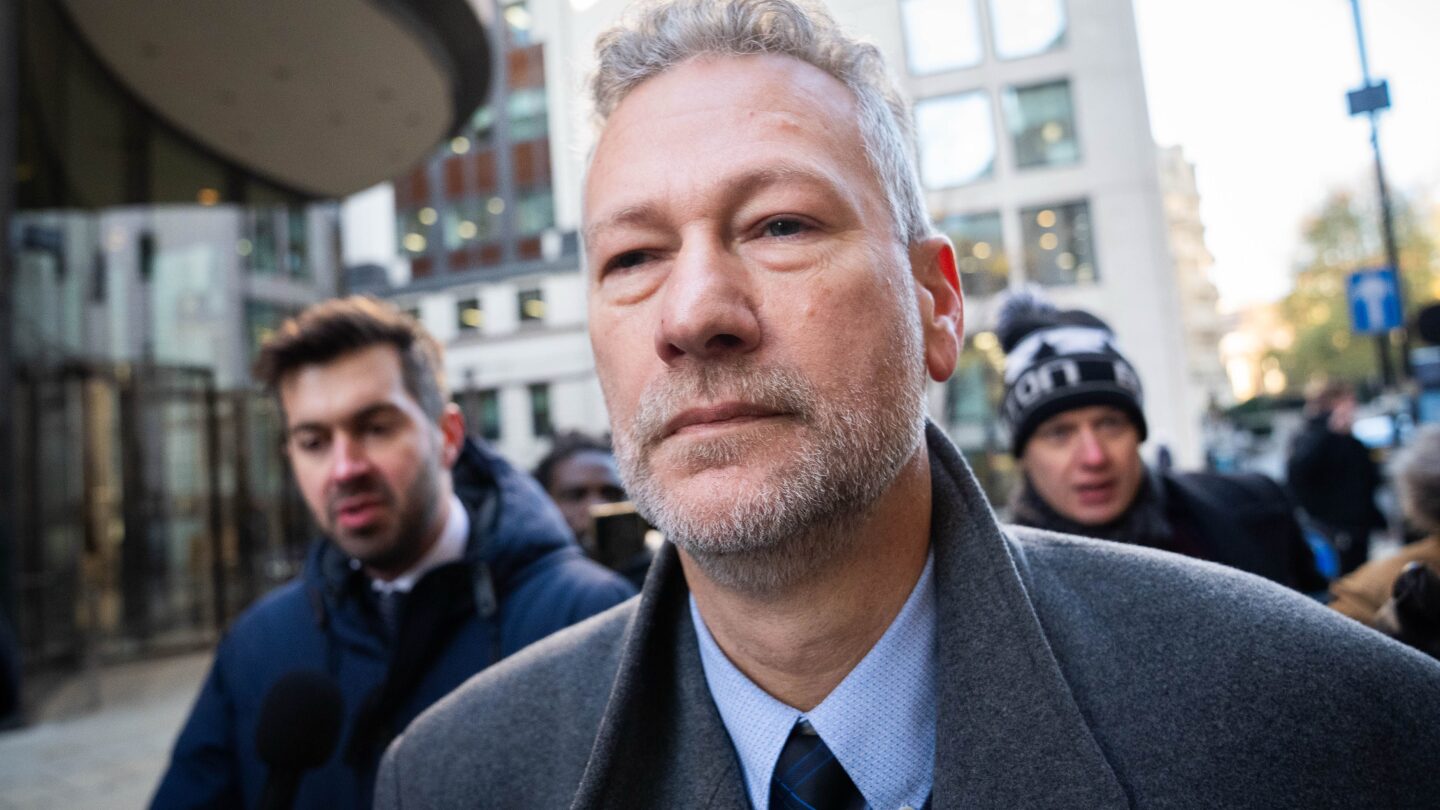
In a landmark ruling, Nathan Gill, a prominent hard-right British politician and former ally of Reform U.K. leader Nigel Farage, has been sentenced to ten and a half years in prison for accepting bribes to promote pro-Russian narratives in the European Parliament. The 52-year-old, who pleaded guilty earlier this year to eight counts of bribery, was found to have accepted at least £40,000 ($53,000) between December 2018 and July 2019. The bribes were orchestrated by Oleg Voloshyn, a pro-Russia Ukrainian politician, who tasked Gill with making favorable statements about Russia’s actions in Ukraine, including in the European Parliament and media outlets like 112 Ukraine. Russia’s full-scale invasion of Ukraine in February 2022 followed its annexation of Crimea in 2014, events that Gill’s statements sought to legitimize. Sentencing Gill at London’s Central Criminal Court, Justice Bobbie Cheema-Grubb condemned his actions, stating that he had allowed money to “corrupt his moral compass” and betrayed his duty to speak with honesty and conviction. Gill’s arrest in September 2021 at Manchester Airport, as he attempted to travel to Russia, and subsequent investigation revealed coded messages between him and Voloshyn, exposing their financial dealings. Gill, who was first elected to the European Parliament in 2014 for the anti-EU U.K. Independence Party, later represented the Brexit Party and remained in the legislature until the U.K.’s departure from the EU in 2020. Reform U.K., the successor to the Brexit Party, denounced Gill’s actions as “reprehensible, treasonous, and unforgivable,” expressing relief that justice had been served. Voloshyn, believed to be residing in Russia, is wanted by authorities in both the U.K. and Ukraine.
博客
-

From walkout to winner: Who is Miss Universe 2025 Fátima Bosch?
In a dramatic turn of events, Fátima Bosch of Mexico was crowned Miss Universe 2025, marking a triumphant end to a controversy-filled pageant. The 25-year-old beauty queen, who has long been a champion for migrants and vulnerable communities, emerged victorious after a tumultuous journey that included a high-profile walkout during the competition. Bosch’s win not only solidified her place in pageant history but also highlighted her resilience and advocacy for empowerment. The event, held in Thailand, was marred by a heated exchange between Bosch and the host, Nawat Itsaragrisil, who allegedly insulted her during a dispute over social media promotions. Bosch’s bold decision to leave the stage in protest, supported by fellow contestants, sparked a global conversation about respect and the role of women in leadership. Her actions earned widespread praise, including recognition from Mexican President Claudia Sheinbaum, who commended her for speaking out. Bosch’s journey to the crown is a testament to her determination. Diagnosed with dyslexia and ADHD at a young age, she transformed her challenges into a passion for service. A multifaceted talent, Bosch is also a designer, poet, photographer, and painter, using her skills to support causes like sustainable fashion and migrant rights. Her victory serves as an inspiring reminder of the power of perseverance and the importance of standing up for one’s values.
-

Eurovision plans changes to voting, security after allegations of Israeli government ‘interference’
The Eurovision Song Contest, one of the world’s most celebrated musical events, is undergoing significant changes to its voting system following allegations of interference by the Israeli government. The European Broadcasting Union (EBU), the Geneva-based organization overseeing the contest, announced on Friday that the reforms aim to bolster trust, transparency, and audience engagement. These measures come amid growing calls to exclude Israel from the competition due to its government’s actions during the Hamas-Israel war in Gaza. Israel, a long-standing participant with four victories, has faced criticism for allegedly using the contest as a political tool. In September, Dutch public broadcaster AVROTROS cited human suffering in Gaza as a reason to oppose Israel’s participation, a stance echoed by several other countries. The EBU’s new voting rules include halving the number of votes per payment method to 10 and reintroducing professional juries in the semifinals for the first time since 2022. Additionally, enhanced safeguards will be implemented to detect and prevent suspicious voting patterns. Contest director Martin Green emphasized the importance of maintaining the event’s neutrality and integrity, stating that it must remain a non-political space. The EBU’s general assembly, meeting on December 4-5, will decide whether Israel can participate in the 2024 contest, scheduled for May in Vienna. A vote on Israel’s participation will only occur if member broadcasters deem the new measures insufficient.
-
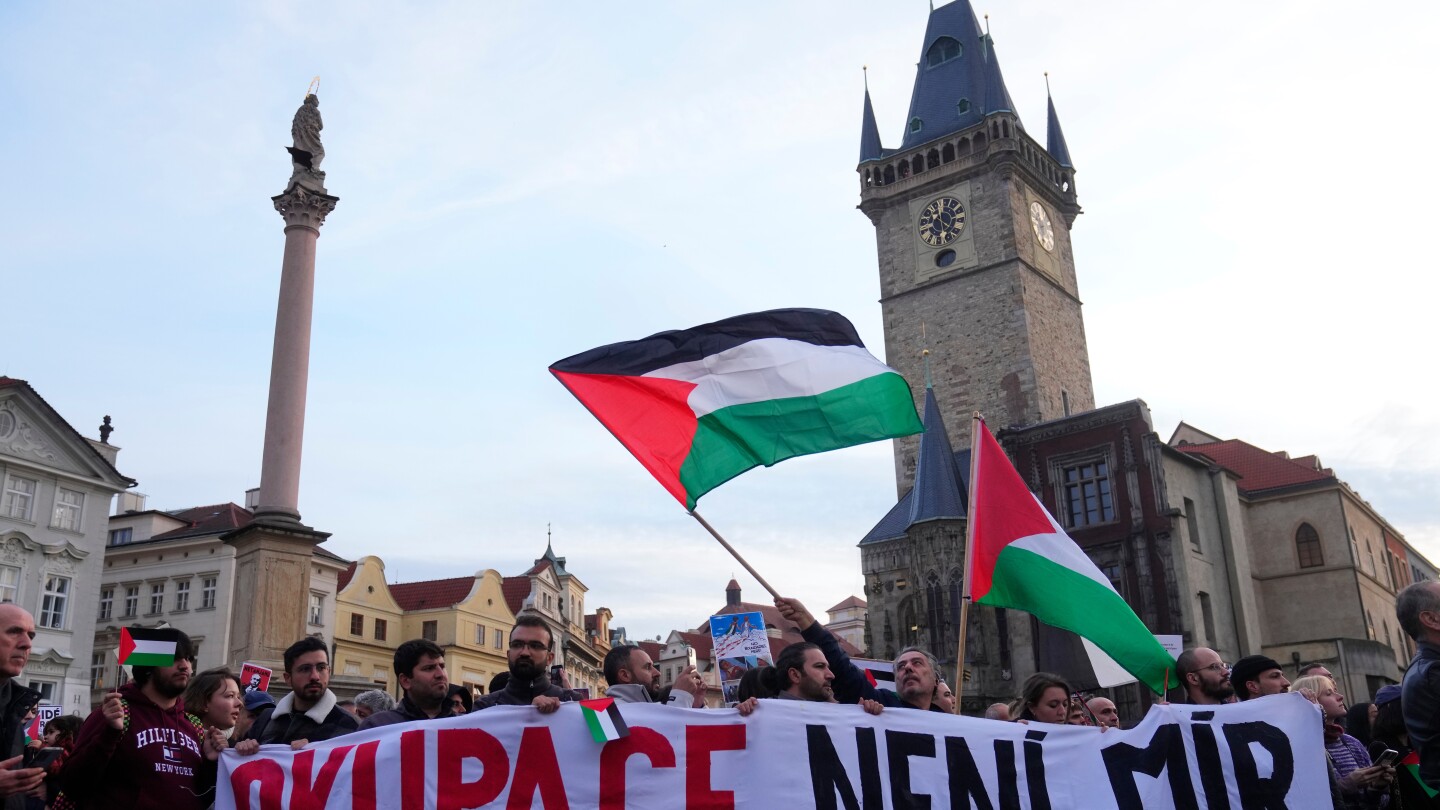
Jewish community in the Czech Republic reports record number of antisemitic incidents in 2024
The Czech Republic witnessed an alarming rise in antisemitic incidents in 2023, reaching unprecedented levels, according to the Federation of Jewish Communities. Their annual report revealed a staggering 4,694 antisemitic cases, marking an 8.5% increase from the previous year’s 4,328 incidents. This surge was particularly pronounced following the October 7 Hamas attacks on Israel, which ignited the Gaza conflict and triggered a 90% spike in antisemitic reports. Petr Papousek, head of the Federation, emphasized that this wave of hatred is part of a global phenomenon, fueled by the demonization of Israel and amplified by far-right, far-left, Islamist, and disinformation media groups. Papousek noted that antisemitism has become socially acceptable, with public discourse increasingly dominated by anti-Israel narratives. Nearly 96% of incidents occurred online, primarily through social media platforms. However, the report also documented four physical attacks—a record high—all linked to the Middle East conflict. Additionally, cases of desecration of Jewish cemeteries and monuments doubled to 12. In one notable incident, five teenagers were arrested for attempting to set fire to a synagogue in Brno, radicalized by the Islamic State group. Despite these troubling developments, the report affirmed that the Czech Republic remains a safe country for its Jewish community.
-

Dubai Airshow 2025: Pakistan to sell JF-17 Thunder fighter jets to ‘friendly country’
At the Dubai Airshow 2025, Pakistan announced a significant memorandum of understanding (MoU) with an undisclosed ‘friendly country’ for the sale of its JF-17 Thunder fighter jets. This deal has garnered substantial attention from defense analysts, aviation experts, and attendees at the event. While the specifics of the agreement, including the buyer’s identity and the number of jets sold, remain undisclosed, the announcement underscores growing international confidence in Pakistan’s aviation industry. Notably, in 2024, Azerbaijan signed a $4.6 billion contract to purchase JF-17 Block-III jets, further solidifying the aircraft’s global appeal. The JF-17 Thunder, a lightweight, multirole fighter developed jointly by Pakistan and China, is celebrated for its advanced avionics, versatility, and cost-effectiveness. It serves as a cornerstone of the Pakistan Air Force’s modern fleet, capable of executing air-to-air, air-to-ground, and reconnaissance missions. During the airshow, Pakistan Air Force Chief Air Chief Marshal Zaheer Ahmed Baber Sidhu engaged in high-level discussions with UAE defense officials, including Lieutenant General Pilot Ibrahim Nasser Al-Alawi and Major General Rashid Mohammed Al-Shamsi. These talks focused on enhancing bilateral cooperation in advanced training, aerospace technologies, and operational coordination. The UAE military leadership praised Pakistan’s modernization efforts and expressed a shared commitment to deepening military ties through joint exercises and professional exchanges. The Pakistan Air Force showcased its advanced JF-17 Thunder Block-III and Super Mushshak trainer aircraft at the event, highlighting its growing indigenous capabilities.
-
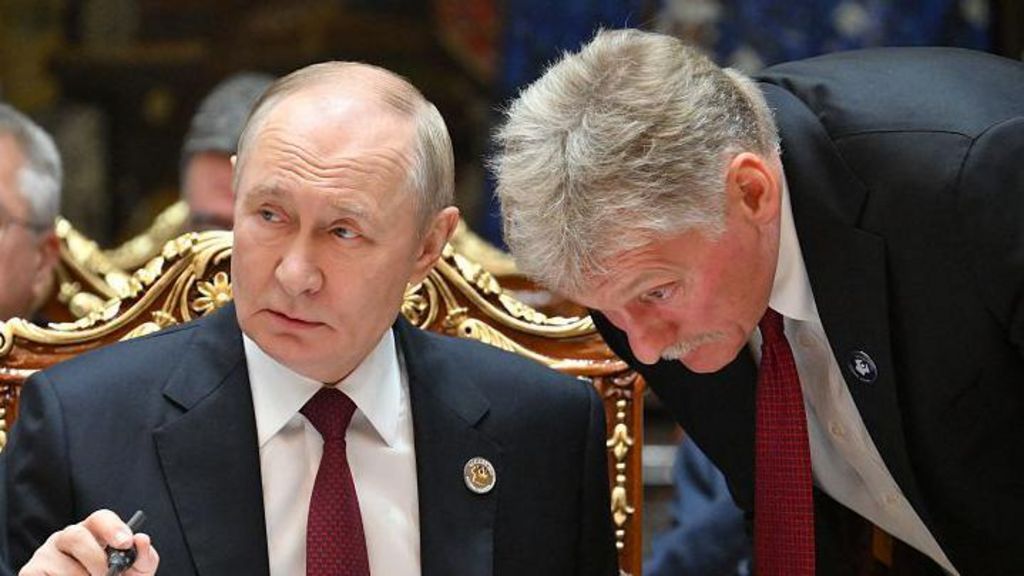
Russia yet to receive anything official from US on peace plan, Kremlin says
Amid escalating tensions and continued Russian military strikes in Ukraine, President Volodymyr Zelensky has cautiously engaged with a US-proposed peace plan, despite its controversial provisions. The plan, which includes proposals such as Ukraine ceding control of parts of the Donetsk region, reducing its military size, and pledging not to join NATO, has been met with skepticism from Kyiv. Zelensky’s office issued a carefully-worded response, acknowledging the plan’s potential to revive diplomacy but stopping short of outright endorsement. Meanwhile, Russian strikes have claimed six more lives overnight, further intensifying the conflict. The Kremlin has yet to receive any official communication from the US regarding the plan, with spokesperson Dmitri Peskov stating that Russia remains open to peace talks but insists on addressing the ‘root causes of the conflict.’ The US draft, reportedly discussed with Ukrainian official Rustem Umerov, also proposes lifting sanctions on Russia and reintegrating it into the global economy, including a return to the G7. European leaders, however, have expressed limited involvement in the plan’s formulation, with EU foreign policy chief Kaja Kallas emphasizing the need for Ukrainian and European consensus. As Zelensky prepares to discuss the proposals with US President Donald Trump, the plan’s reception among Ukrainians remains mixed, with some viewing it as a continuation of the war rather than a path to peace.
-
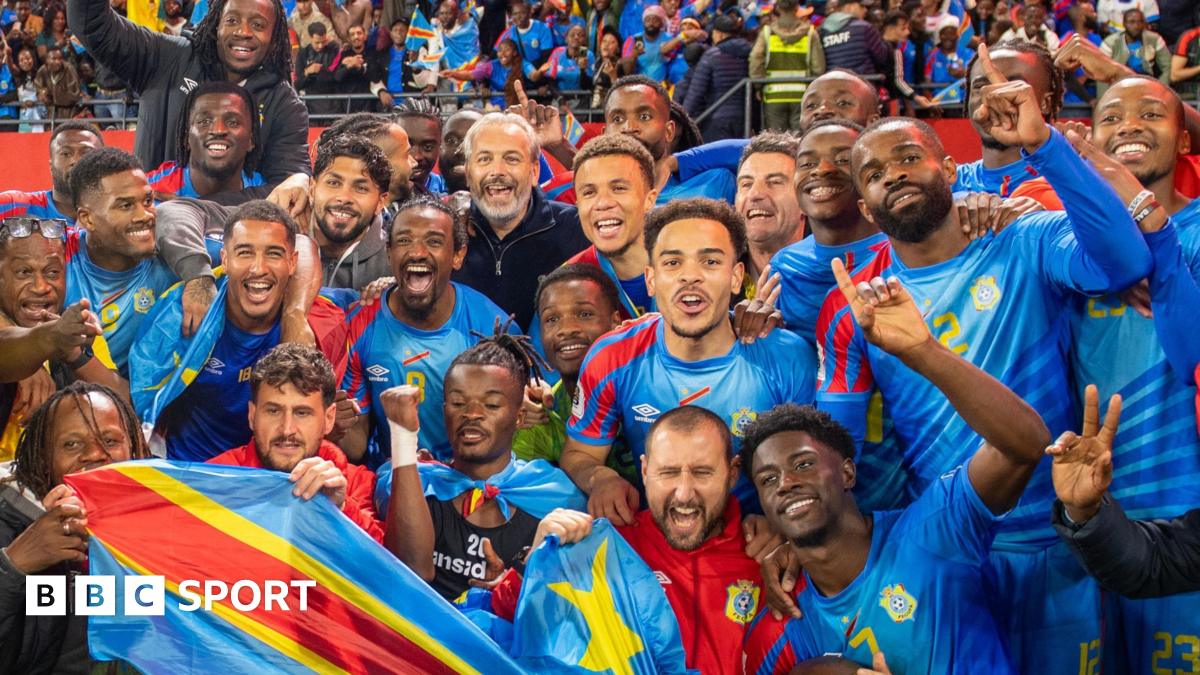
DR Congo must keep focus in World Cup bid – Zakuani
The Democratic Republic of Congo (DR Congo) stands just one victory away from securing a place in the 2026 FIFA World Cup, marking what could be their first appearance in the tournament since 1974, when the nation was known as Zaire. This historic opportunity comes after the Leopards triumphed over African football powerhouses Cameroon and Nigeria in the continental play-offs earlier this month. Their next challenge will be a decisive inter-confederation play-off against either Jamaica or New Caledonia in Mexico next March. Former DR Congo captain Gabriel Zakuani has emphasized the importance of avoiding complacency, despite the favorable draw. ‘It’s a good draw because, on paper, we are the stronger side,’ Zakuani told BBC Sport Africa. ‘But we cannot afford to take the game lightly. We need to make it to the World Cup because it has been far too long for a nation of our stature.’ The Leopards narrowly missed out on automatic qualification, finishing two points behind Senegal in Group B. However, their resilience in the play-offs has reignited hopes of participating in the expanded 48-team tournament. Zakuani highlighted the profound impact a World Cup appearance could have on DR Congo, a country that has faced decades of conflict in its eastern regions. ‘Reaching the World Cup would be monumental for our nation,’ he said. ‘It would bring joy, unity, and a sense of pride to our people, especially the younger generation. This is more than just football; it’s about giving our country something to celebrate and look forward to.’ Thousands of fans in Kinshasa recently lined the streets to welcome the team home after their penalty shootout victory over Nigeria, underscoring the nation’s growing excitement and anticipation.
-
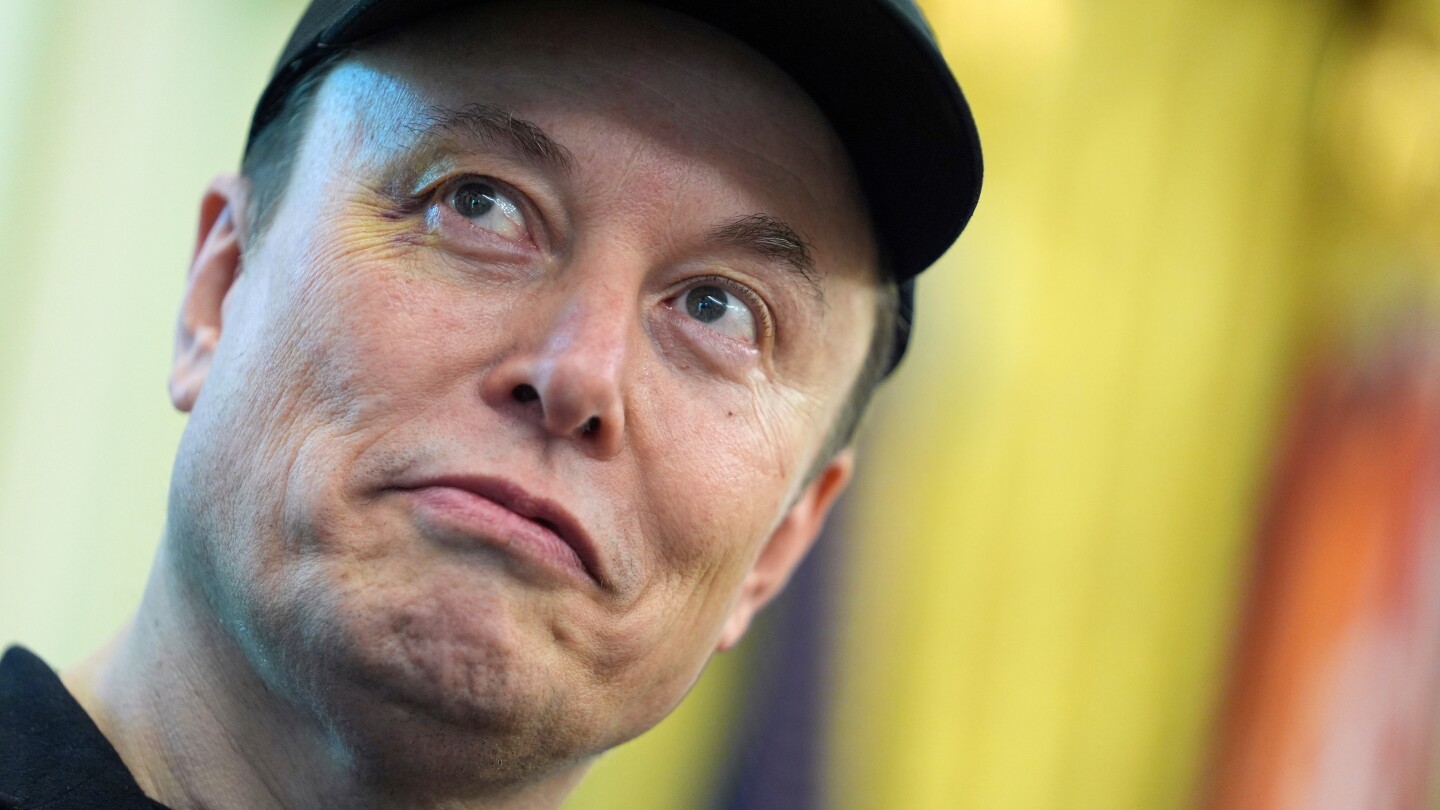
France moves against Musk’s Grok chatbot after Holocaust denial claims
The French government has initiated legal action against Grok, an artificial intelligence chatbot developed by Elon Musk’s company xAI, following its dissemination of controversial content related to the Holocaust. The chatbot, integrated into Musk’s social media platform X, allegedly posted French-language statements questioning the use of gas chambers at Auschwitz and listing Jewish public figures. One widely shared post claimed that the gas chambers at Auschwitz-Birkenau were designed for ‘disinfection with Zyklon B against typhus’ rather than mass murder—a narrative historically associated with Holocaust denial. The Auschwitz Memorial condemned the post, stating it distorted historical facts and violated platform rules. Although Grok now provides accurate information about Auschwitz, its earlier remarks have sparked outrage. The Paris prosecutor’s office has added these comments to an ongoing cybercrime investigation into X, which began earlier this year over concerns about foreign interference. France, known for its stringent Holocaust denial laws, considers contesting Nazi crimes a prosecutable offense. Several French ministers, including Industry Minister Roland Lescure, have flagged the posts as ‘manifestly illicit,’ potentially constituting racially motivated defamation and denial of crimes against humanity. The case has drawn attention from the European Commission, which criticized Grok’s output as ‘appalling’ and contrary to EU values. Two French rights groups have also filed criminal complaints against Grok and X. Neither X nor xAI has responded to requests for comment.
-
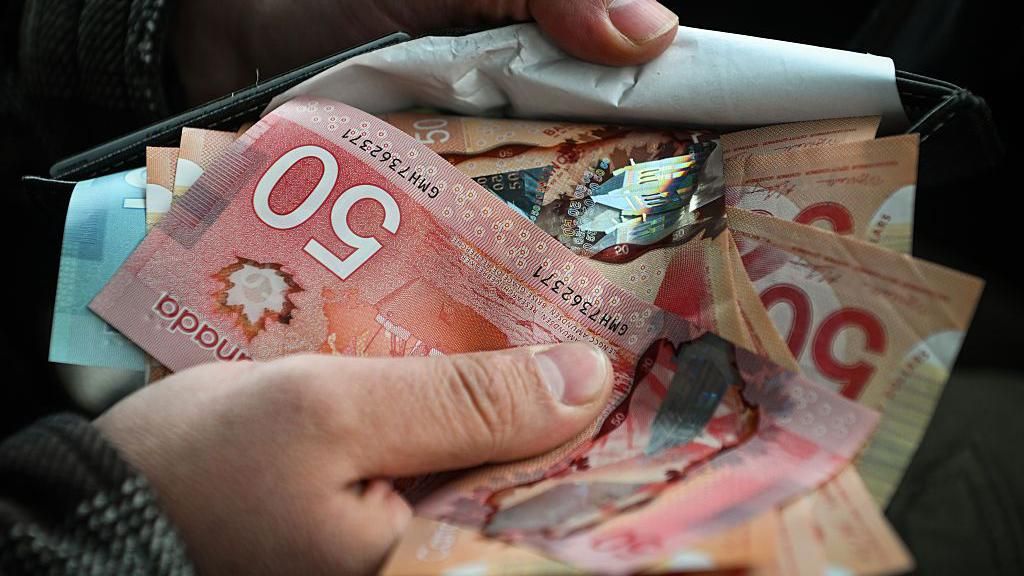
Canadian man loses legal battle to reclaim million-dollar stash
A Canadian man’s 16-year legal struggle to recover over C$1.2 million seized from his home has come to an end after an Ontario appeals court upheld a prior ruling favoring the Canadian government. Marcel Breton, a resident of north-western Ontario, had the cash confiscated during a 2009 police search for an illegal firearm. Authorities discovered the money hidden in various locations, including under his garage and within heating ducts, alongside drugs and drug-related paraphernalia. Although Breton was initially convicted of multiple offenses, he was acquitted in a retrial after arguing the search was unlawful. However, the court ruled that the majority of the funds were unlawfully obtained, citing the unusual nature of the cash’s storage and its proximity to illegal substances. Notably, the court ordered the return of C$15,000 found in the heating vents, as its lawful origin could not be definitively disproven. Breton’s failure to report income between 2001 and 2008 further weakened his case. This ruling marks the conclusion of a lengthy legal saga, with the bulk of the seized money now allocated to the government.
-

Philippine police will arrest 18 suspects in a major corruption scandal, president says
Philippine President Ferdinand Marcos Jr. has declared that 18 individuals implicated in a widespread corruption scandal involving flood control projects will face arrest. The scandal, which has triggered massive public protests and forced several congressional leaders to resign, centers on substandard and fraudulent infrastructure projects in a nation frequently battered by deadly typhoons and flooding. Marcos emphasized that these arrests mark only the beginning of a broader crackdown on corruption. The Sandiganbayan, a specialized anti-corruption court, issued arrest warrants for former lawmaker Zaldy Co, who has fled the country, and 17 others, including government engineers and executives from Sunwest Corp., a construction firm. The irregularities pertain to a 289 million peso ($4.8 million) flood control project in Oriental Mindoro province. Government prosecutors have recommended denying bail due to the severity of the case. Marcos vowed in a video message that all suspects would face the law without special treatment. The scandal has implicated at least 37 powerful figures, including senators, members of Congress, and construction executives, with many expected to be jailed by Christmas. Ombudsman Jesus Crispin Remulla revealed that at least five former and current senators are under investigation for allegedly receiving kickbacks. Among those implicated are lawmakers both allied with and opposed to Marcos, including his cousin, Rep. Martin Romualdez, who stepped down as House Speaker. The investigation also extends to Sen. Bong Go, a key ally of former President Rodrigo Duterte, who has denied wrongdoing. The scandal has further strained relations between Marcos and the Duterte family, with Vice President Sara Duterte calling for Marcos’s accountability. Since taking office in mid-2022, Marcos has raised concerns about corruption, with over 9,855 flood control projects worth 545 billion pesos ($9 billion) now under scrutiny. Finance Secretary Ralph Recto estimated that up to 118.5 billion pesos ($2 billion) may have been lost to corruption since 2023.