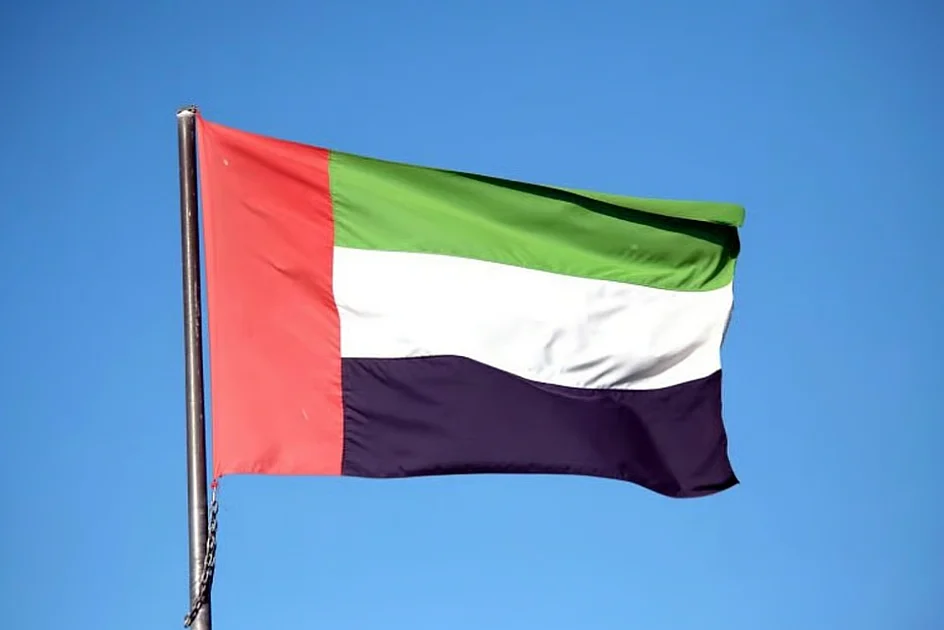
The United Arab Emirates (UAE) has strongly criticized Sudan’s General Abdel Fattah al-Burhan for his persistent refusal to agree to a ceasefire, labeling his actions as ‘consistently obstructive behavior.’ Reem bint Ebrahim Al Hashimy, UAE’s Minister of State for International Cooperation, emphasized that the Sudanese people are paying the highest price for this ongoing conflict. ‘The Sudanese people bear the heaviest cost as General Burhan refuses peace overtures once more,’ she stated. The UAE has called for an ‘unconditional and immediate ceasefire’ to halt the civil war, expressing grave concern over the escalating military actions and the obstruction of humanitarian aid by both warring factions. Al Hashimy warned that these actions are pushing Sudan closer to collapse. The UAE also commended US President Donald Trump’s initiatives to prevent Sudan from descending further into extremism and humanitarian disaster. The minister urged for a unified regional and international effort to establish a credible path toward a united Sudan, emphasizing the need to end atrocities against civilians. The United Nations has described the situation in Sudan as ‘one of the worst humanitarian tragedies in modern history,’ with aid access being weaponized and civilians deliberately starved.
博客
-
Turkey’s latest opposition media? It’s Yeni Safak, sort of
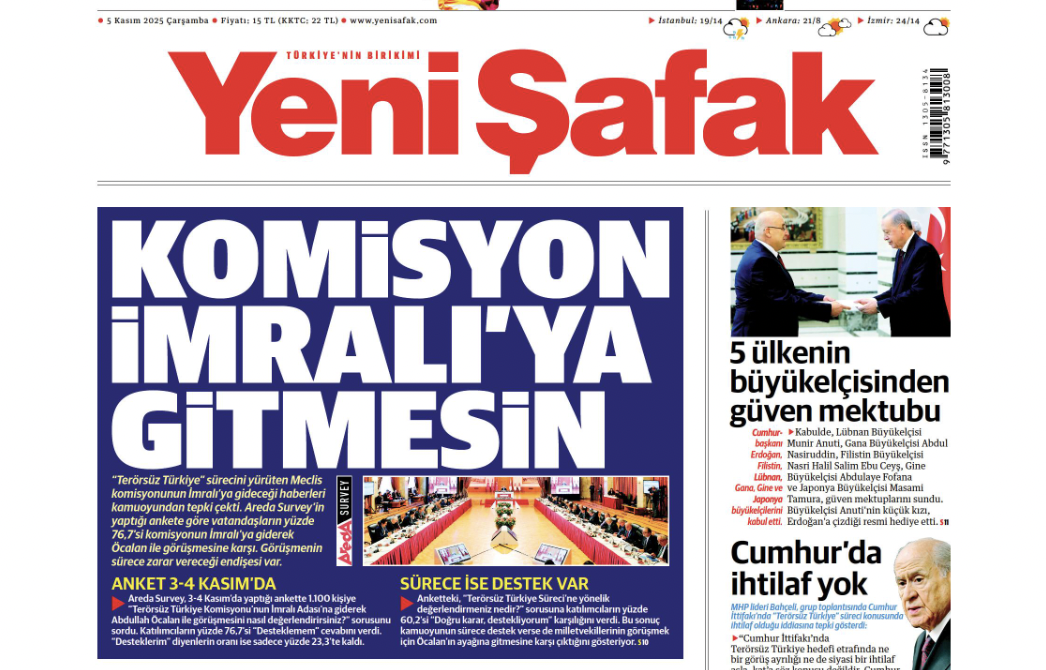
As Turkey’s Yeni Safak newspaper marked its 30th anniversary last year, President Recep Tayyip Erdogan lauded its role in defending Turkish democracy. Founded in 1994 as a voice for pious right-wing voters, Yeni Safak initially served as a haven for liberal voices marginalized by the military in the late 1990s. However, its relationship with Erdogan’s Justice and Development Party (AKP) has been complex, with the newspaper often aligning closely with the government. Recently, Yeni Safak’s editorial stance has shifted, drawing attention for its critical coverage of specific government policies, particularly those related to economic management and judicial reforms. The newspaper has been vocal in its opposition to high interest rates, a stance that has put it at odds with Finance Minister Mehmet Simsek. Yeni Safak’s recent headlines have directly challenged Simsek’s policies, claiming they have led to economic stagnation and low industrial output. The newspaper’s criticism extends to judicial reforms, with front-page articles warning of threats to private property rights. This shift has sparked speculation about internal divisions within the AKP, particularly regarding the handling of Kurdish peace talks. Yeni Safak’s stance on these issues has led to tensions within the ruling coalition, with some suggesting the newspaper has become an unofficial opposition voice. Despite this, Yeni Safak maintains its alignment with Erdogan on broader national issues, highlighting the nuanced dynamics of media-government relations in Turkey.
-
2 climbers die and 2 more rescued on New Zealand’s highest peak
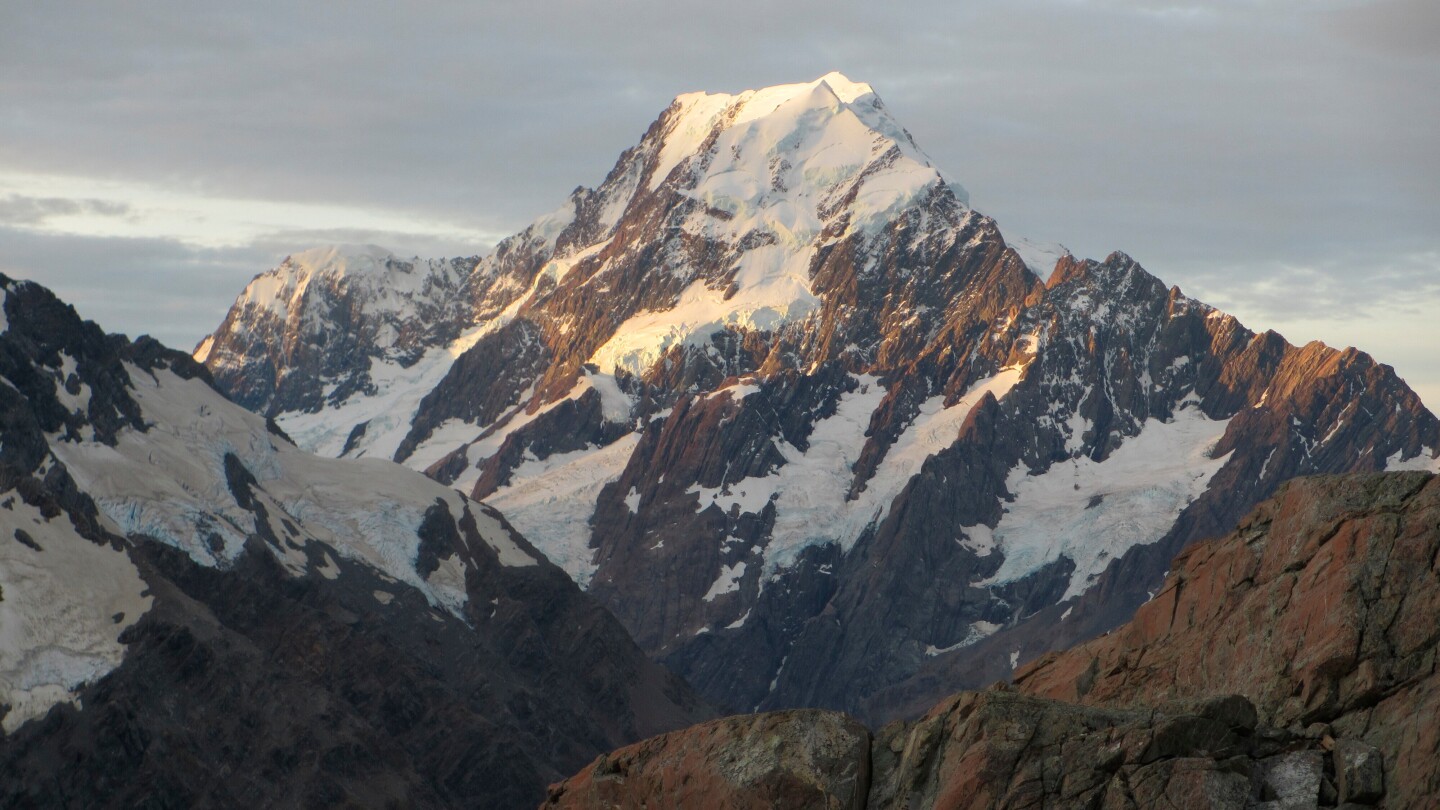
A tragic mountaineering incident on Aoraki, New Zealand’s highest peak, has claimed the lives of two climbers, while two others from the same group were successfully rescued, authorities confirmed on Tuesday. The bodies of the deceased climbers were located in a challenging alpine environment, and specialized teams are working to recover them. Police Area Commander Inspector Vicki Walker stated that none of the climbers have been publicly identified at this time. According to Sgt. Kevin McErlain of The Timaru Herald, the two climbers who perished were roped together when they fell near the summit of Aoraki, also known as Mount Cook. The authorities were alerted late Monday night local time about the distress of four climbers on the mountain, located on New Zealand’s South Island. A helicopter rescue operation was launched in the early hours of Tuesday morning, successfully retrieving the two survivors, who were unharmed. Search teams in two helicopters scoured the area throughout the night, eventually locating the bodies of the other two climbers hours later. Aoraki, standing at 3,724 meters (12,218 feet), is part of the Southern Alps, a majestic yet treacherous mountain range that spans the length of the South Island. The peak is a popular destination for experienced climbers, but its terrain is notoriously challenging due to crevasses, avalanche risks, unpredictable weather, and glacier movements. Since the early 20th century, more than 240 deaths have been recorded on the mountain and in the surrounding national park, with dozens of climbers never found. This incident follows the disappearance of three climbers in December 2024, including two American alpine guides, Kurt Blair and Carlos Romero, whose belongings were discovered, leading authorities to conclude they had fallen to their deaths.
-

US court to rule if Trump can ban AP from Oval Office in major press freedom case
A pivotal legal battle over press freedom is set to unfold in the US Court of Appeals for the D.C. Circuit as it hears oral arguments on Monday regarding President Donald Trump’s decision to bar the Associated Press (AP) from covering presidential events. The case stems from an April ruling by US District Judge Trevor McFadden, who granted a preliminary injunction in favor of the AP, ordering the White House to reinstate the news agency’s access to the Oval Office and other key spaces. The Trump administration appealed the decision, leading to a temporary pause on the injunction in June. The dispute originated in February when Trump signed an executive order renaming the Gulf of Mexico as the Gulf of America. The AP, adhering to its editorial standards, continued to use the traditional name, prompting the White House to limit its access to press gatherings, labeling the decision as divisive and misleading. The AP subsequently sued three senior Trump aides, alleging that the restrictions violated constitutional protections for free speech and due process. The administration countered by arguing that the AP is not entitled to special access to non-public areas. This case highlights the ongoing tension between the Trump administration and the press, with significant implications for media freedom and government transparency.
-
As the UAE expands military footprint in Africa, Algeria draws line in the sand
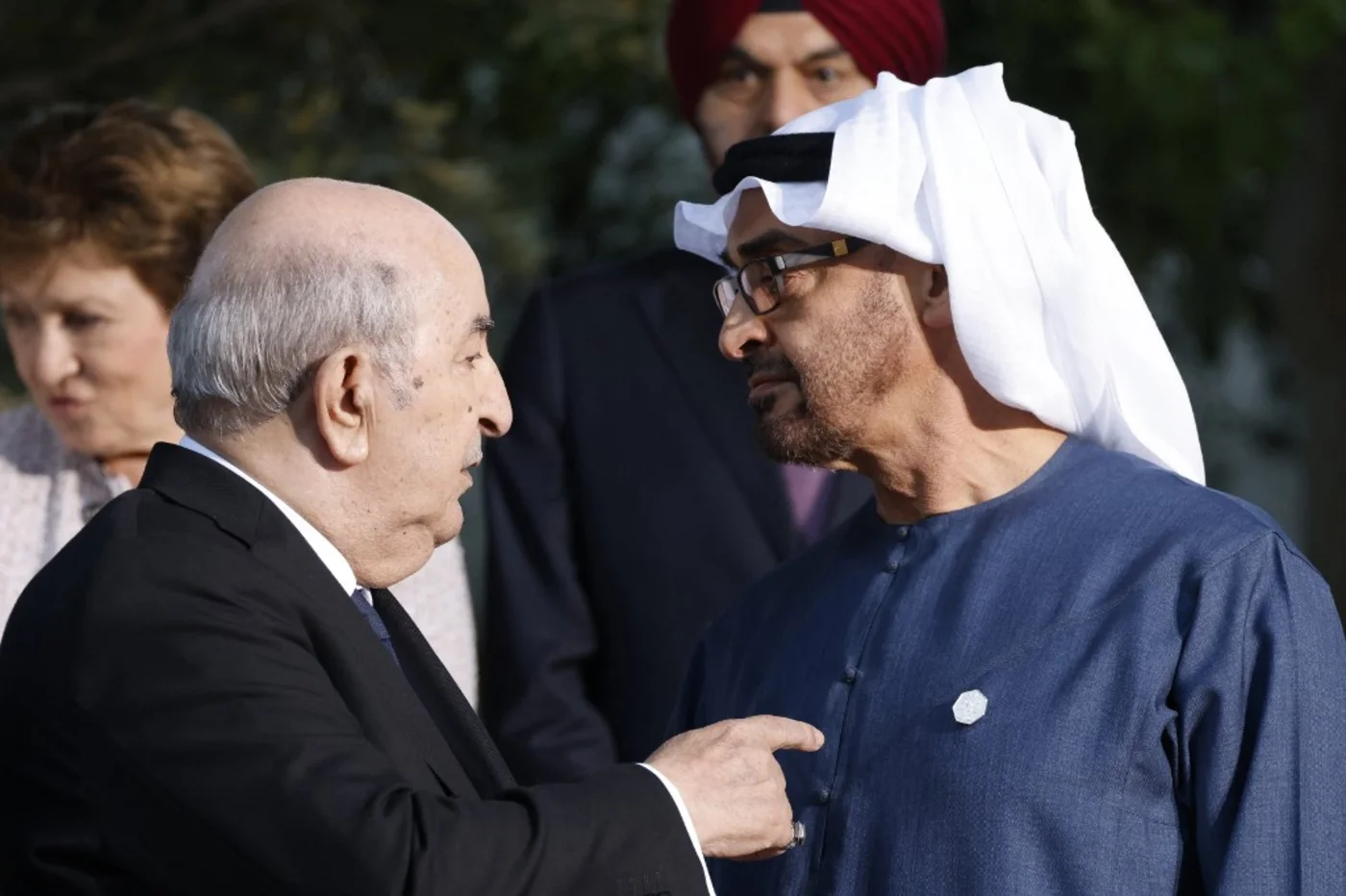
The simmering tensions between Algeria and the United Arab Emirates (UAE) have resurfaced following pointed remarks by Algerian President Abdelmadjid Tebboune. In a recent address to the nation’s top military leaders, Tebboune criticized an unnamed Gulf state for meddling in Algeria’s internal affairs, a thinly veiled reference to the UAE. This latest flare-up underscores the deepening rift between the two nations, rooted in regional rivalries, geopolitical strategies, and ideological differences.
-
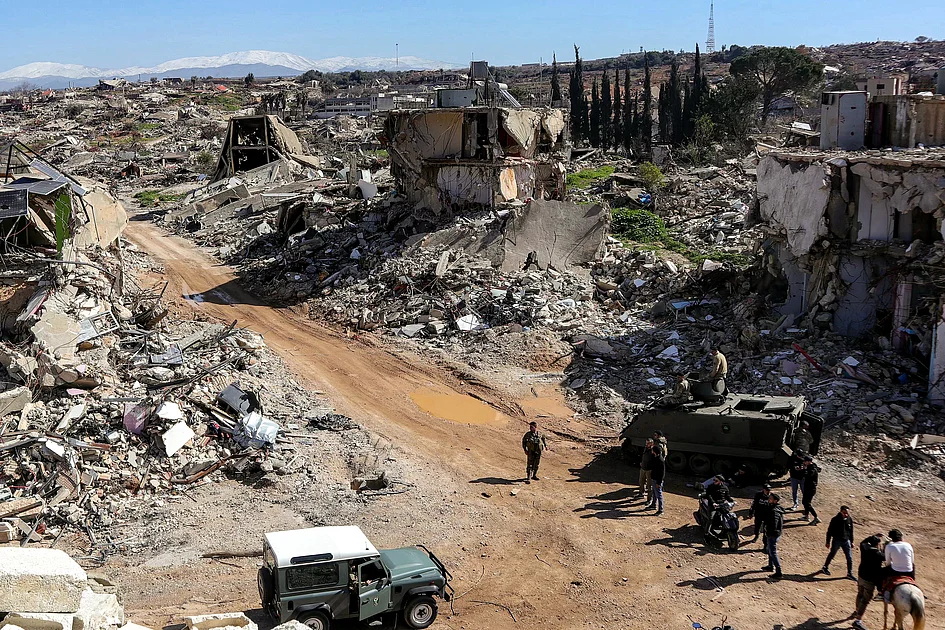
Hezbollah mourns top commander killed in Israeli strike
Hezbollah, the Iran-backed militant group, held a funeral on Monday for its top military commander, Haytham Ali Tabatabai, and other members killed in an Israeli strike on Beirut’s southern suburbs. Tabatabai, the most senior Hezbollah leader to be assassinated since a November 2024 ceasefire, was targeted as Israel intensified its attacks on Lebanon. The United States has simultaneously increased pressure on the Lebanese government to disarm Hezbollah, further complicating the region’s fragile stability. Israel’s military confirmed the operation, stating it had “eliminated the terrorist Haytham Ali Tabatabai, Hezbollah’s chief of general staff.” The strike has reignited tensions, with Hezbollah supporters chanting anti-Israel and anti-American slogans during the funeral procession. The group has rejected calls to disarm, despite a government-approved plan to dismantle its military infrastructure. Israeli Prime Minister Benjamin Netanyahu vowed to prevent Hezbollah from rebuilding its power, urging Lebanon to fulfill its disarmament commitments. Analysts suggest Hezbollah’s options are limited, as direct retaliation could provoke severe Israeli counterstrikes. The assassination underscores the ongoing volatility in the region, with Lebanon’s government struggling to balance internal pressures and external demands.
-
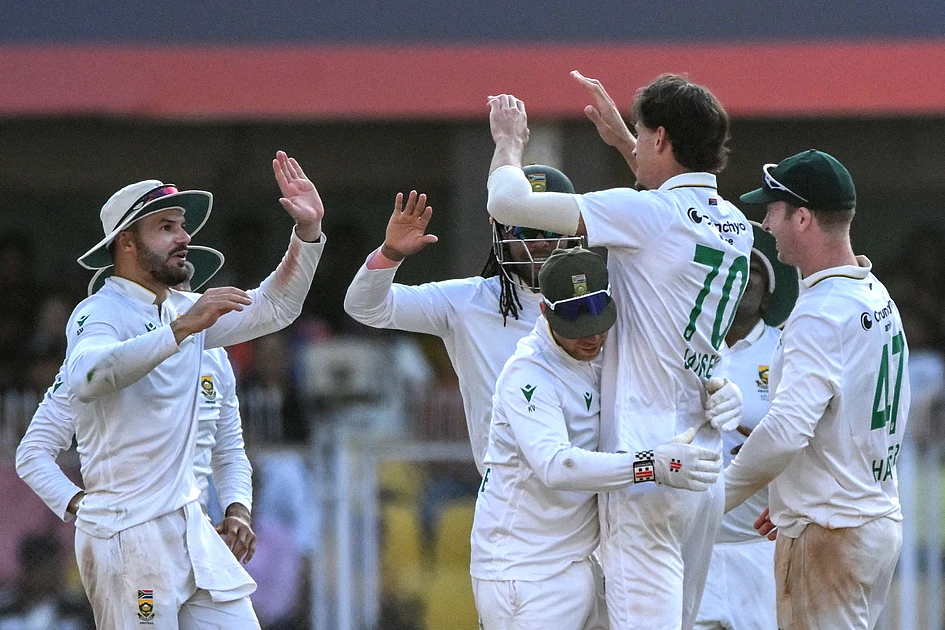
Jansen takes six as South Africa close in on historic Test series win
South Africa’s towering pace spearhead Marco Jansen delivered a stellar performance, claiming six wickets to edge his team closer to a historic Test series victory in India. On day three of the second Test in Guwahati, Jansen’s figures of 6-48 dismantled India’s first innings, restricting them to 201 in response to South Africa’s commanding 489. Despite a 288-run deficit, the tourists opted not to enforce the follow-on, choosing instead to bat again and extend their lead. At stumps, South Africa were 26-0, with Ryan Rickelton (13) and Aiden Markram (12) at the crease, pushing their overall lead to 314. Jansen’s brilliance, coupled with disciplined bowling from the spinners, left India reeling. Yashasvi Jaiswal’s 58 and a resilient 72-run partnership between Washington Sundar (48) and Kuldeep Yadav (19) offered brief resistance, but India’s batting crumbled under pressure. South Africa, having won the first Test in Kolkata, are now on the verge of their first Test series win in India since 2000. The hosts, meanwhile, face mounting scrutiny after their fourth defeat in six home Tests.
-

Tatiana Schlossberg’s emotional essay raises awareness of rare leukaemia
Tatiana Schlossberg, granddaughter of former U.S. President John F. Kennedy, has moved the nation with her poignant essay detailing her diagnosis of terminal cancer shortly after the birth of her second child. Published in *The New Yorker*, the 35-year-old revealed her fight against acute myeloid leukemia (AML), an aggressive and often treatment-resistant blood cancer, with a prognosis of less than a year to live. Her story has not only touched hearts but also underscored the urgent need for increased funding and research into rare and deadly cancers. Schlossberg’s diagnosis came in May 2024, following an abnormally high white blood cell count detected after childbirth. Despite considering herself exceptionally healthy, she was confronted with a rare subtype of AML, known as Inversion 3, which affects only 1-2% of AML patients and has limited effective therapies. Her treatment journey included bone marrow transplants, chemotherapy, and participation in a clinical trial for CAR-T-cell therapy, a groundbreaking immunotherapy. However, even these advanced treatments offered little hope for remission. In her essay, Schlossberg also criticized her cousin, Health Secretary Robert F. Kennedy Jr., for slashing nearly half a billion dollars in funding for mRNA research, a technology with potential applications in cancer treatment. Kennedy’s decision, rooted in skepticism of mRNA technology, has reportedly created a chilling effect across the research community, deterring scientists from pursuing innovative clinical trials. Physicians and researchers have praised Schlossberg’s courage in sharing her story, emphasizing that her access to top-tier care highlights the broader need for improved screening tools and treatments for all patients. Her battle serves as a stark reminder of the critical importance of sustained investment in biomedical research to combat deadly diseases like AML.
-
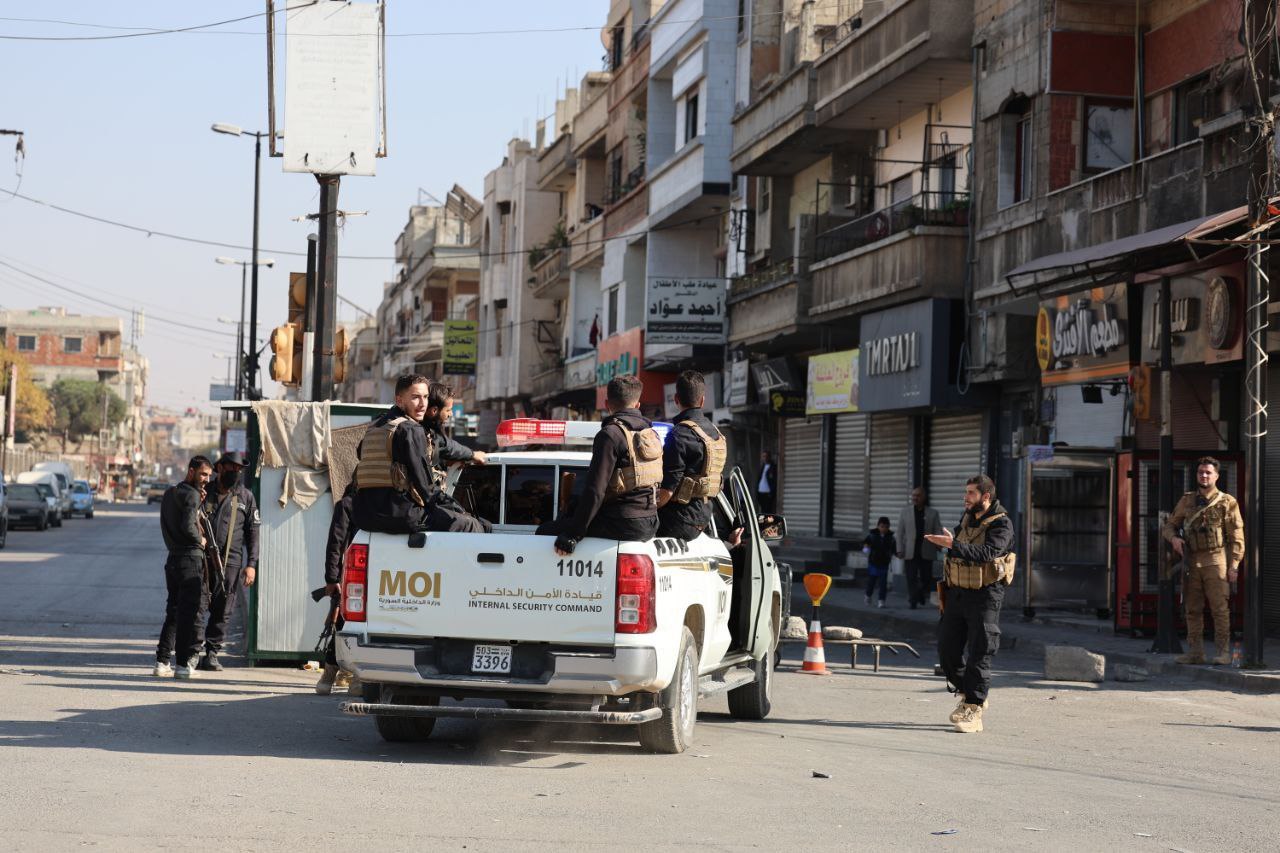
Syria: Tensions flare in Homs after killing of Bedouin couple sparks sectarian unrest
A tragic incident in the central Syrian city of Homs has sparked a wave of sectarian violence, threatening the fragile stability of the region. On Sunday, the brutal killing of a Sunni Bedouin man and his wife in the town of Zaidal, located 7km east of Homs, ignited widespread unrest. According to the state-run SANA news agency, the man was stoned to death, while his wife was burned alive. Disturbingly, sectarian slogans and threats were reportedly scrawled on walls at the scene, allegedly using the victims’ own blood.
In the aftermath, armed members of the Bani Khaled tribe, to which the victims belonged, launched retaliatory attacks in Alawi-majority areas of Homs. Reports from the UK-based Syrian Observatory for Human Rights detailed the destruction of homes and vehicles, accompanied by indiscriminate gunfire. Social media videos captured the chaos, showing Bedouin tribesmen setting properties ablaze, while plainclothed security forces assisted Alawi residents in evacuating their neighborhoods.
Local authorities swiftly imposed a curfew, later extended to Monday evening, in an effort to quell the violence. By 16:00 GMT Monday, SANA reported that the unrest had subsided. Syria’s interior ministry appealed for calm, urging residents to allow the investigation into the killings to proceed without interference. Interior ministry spokesman Noreddine al-Baba emphasized that there was ‘no material evidence’ to suggest the killings were sectarian in nature. Similarly, Murhaf al-Naasan, head of Homs’ internal security forces, warned that the incident appeared to be an attempt to incite sectarian divisions and destabilize the region.
Homs, Syria’s third-largest city, is home to a diverse population of Sunni and Shia Muslims, Alawis, and Christians. The city had largely avoided the sectarian violence that erupted in March, when clashes between government loyalists and new security forces led to hundreds of Alawi deaths. In a video released on social media, members of the Bani Khaled tribe called for a thorough investigation and justice for the victims, while rejecting efforts to frame the incident as a sectarian conflict.
This tragic event underscores the delicate balance of coexistence in Homs and the broader challenges facing Syria as it navigates its complex social and political landscape.
-
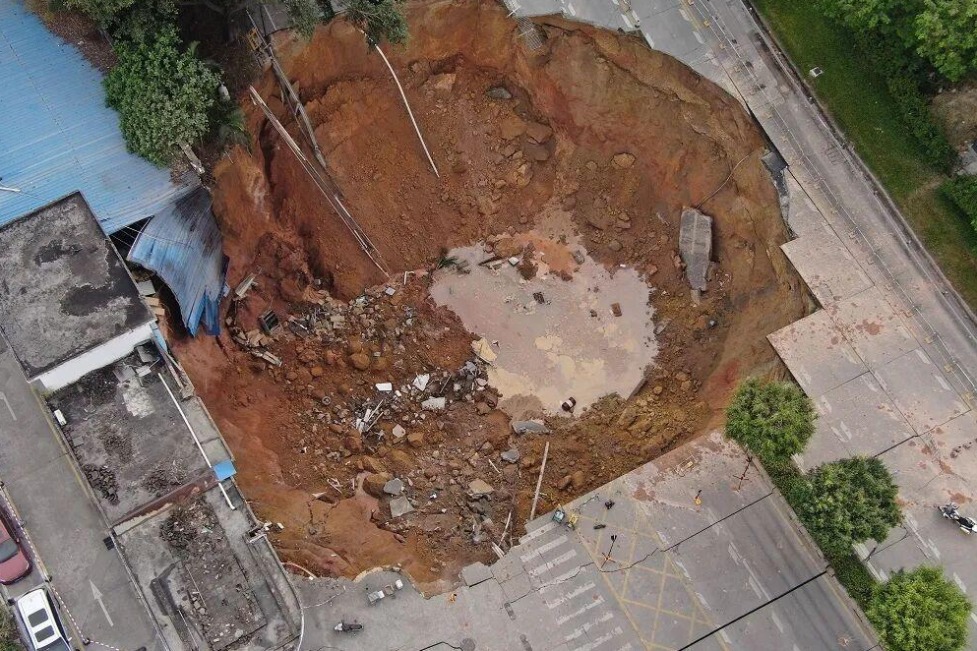
Report on Shenzhen-Jiangmen railway collapse documents regulation violations
A recent report by the Department of Emergency Management of Guangdong Province has unveiled the causes behind the tragic collapse on the Shenzhen-Jiangmen railway line, which occurred on December 4 last year. The incident, which claimed 13 lives and caused direct financial losses of approximately 72.61 million yuan ($10.22 million), was attributed to severe regulatory violations by the construction contractor. The investigation revealed that the contractor failed to halt excavation or enhance support when tunneling through geologically unstable sections, leading to repeated collapses and ground subsidence. This negligence resulted in workers falling along with the collapsing ground, ultimately causing fatalities. The report also highlighted systemic failures across multiple entities, including construction, project management, design, and supervision units, all of which demonstrated lapses in risk management, emergency response, and on-site management. Additionally, safety supervision and industry regulatory bodies were found to have inadequately exercised their oversight duties. As a result, the responsible units will face administrative penalties and internal accountability measures, with evidence of suspected dereliction of duty by relevant personnel being transferred to disciplinary inspection and supervisory authorities.