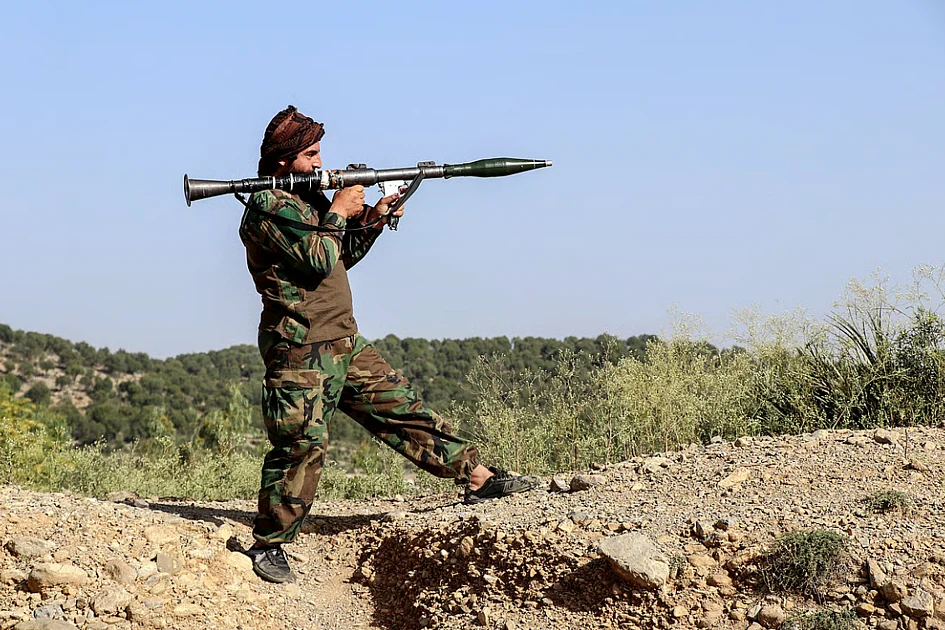
In a tragic escalation of tensions between Afghanistan and Pakistan, the Taliban government has reported that Pakistani military strikes in Afghanistan’s Khost province have resulted in the deaths of at least 10 individuals, including nine children and one woman. The strikes, which targeted a civilian residence, also injured four others in the border regions of Kunar and Paktika. Taliban spokesperson Zabihullah Mujahid condemned the attack, labeling it an act of aggression by Pakistani forces. This incident marks a significant deterioration in relations between the two nations, which have historically maintained close ties. The violence comes amid the collapse of peace negotiations between the two countries earlier this month. Mujahid stated that the talks failed due to Pakistan’s demand that Afghanistan assume responsibility for Pakistan’s internal security, a condition he deemed unreasonable. The recent clashes follow a series of military confrontations between the two nations, including Pakistani airstrikes in Kabul targeting the leader of the Pakistani Taliban. Despite a ceasefire agreement signed in Doha in October, efforts to reach a long-term resolution have been unsuccessful, with disagreements over militant groups operating in Afghanistan remaining a key point of contention.
博客
-

Xi holds welcome ceremony for Tonga’s king
On Tuesday, November 25, 2025, President Xi Jinping of China hosted a grand welcome ceremony in Beijing for King Tupou VI of the Kingdom of Tonga, who is currently on a state visit to China. The event underscored the strengthening diplomatic ties between the two nations. The ceremony, held at a prominent venue in the capital, was marked by traditional displays of respect and camaraderie, reflecting the mutual commitment to fostering bilateral relations. This visit is seen as a significant step in enhancing cooperation in various sectors, including trade, culture, and regional security. Both leaders are expected to engage in discussions aimed at deepening their strategic partnership and addressing global challenges. The visit also highlights China’s growing influence in the Pacific region and its efforts to build stronger alliances with island nations.
-
The European Union proposes deepening defense industry ties with Ukraine
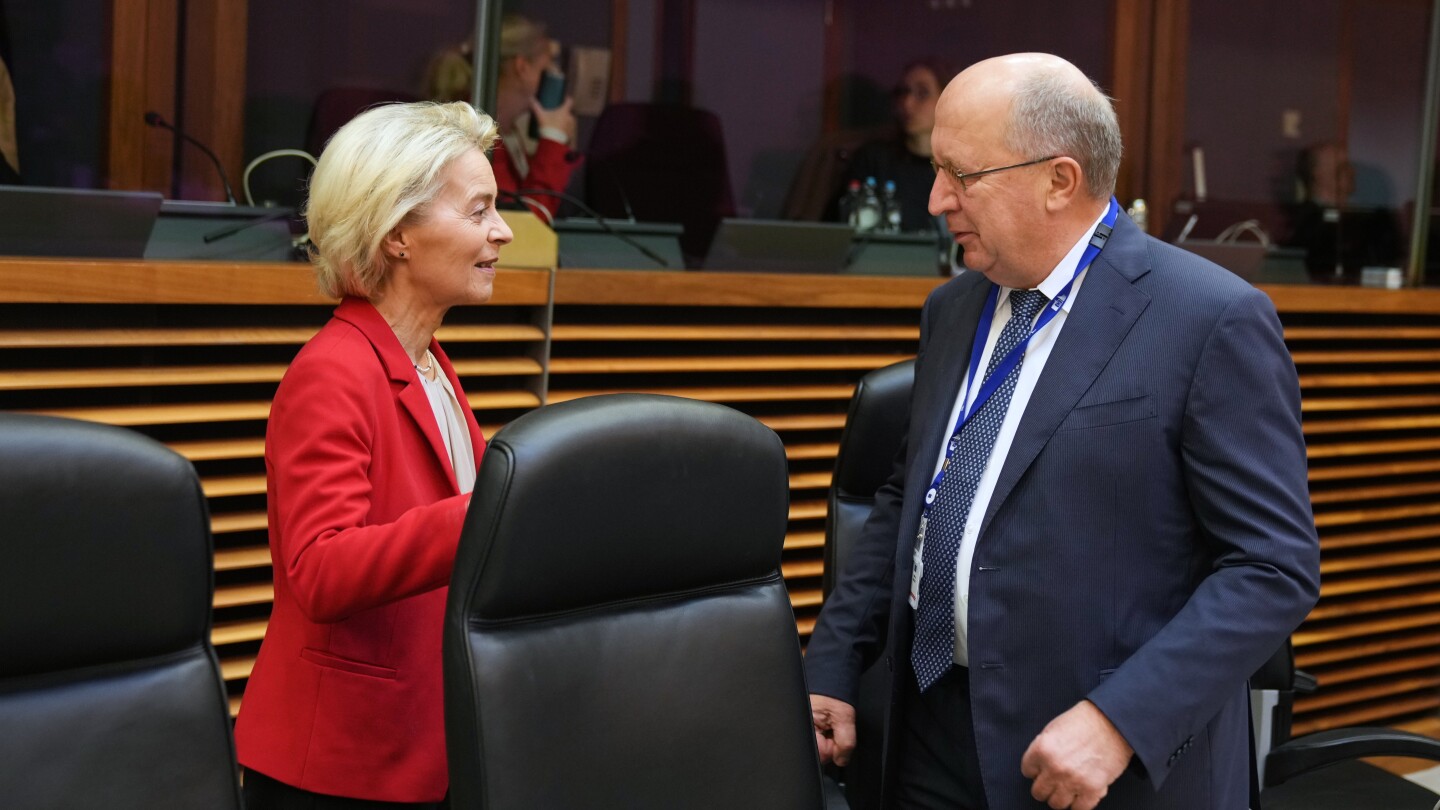
In a significant move to bolster European security, the European Union’s Defense Commissioner, Andrius Kubilius, has called for enhanced integration of Ukraine’s defense industry with the EU’s defense framework. This proposal comes as the U.S. peace plan for Ukraine remains uncertain and Russia’s unconventional warfare tactics continue to unsettle the 27-nation bloc. During a session with EU lawmakers in Strasbourg, Kubilius emphasized the mutual benefits of this collaboration, stating, ‘Ukraine’s defense industry needs us, but we need Ukraine’s defense innovations even more.’ He highlighted that granting Ukraine access to the EU’s Defence Investment Program would facilitate joint procurement of defense equipment. The EU is set to vote on a 1.5-billion euro ($1.7 billion) initiative, with 300 million euros ($345 million) earmarked for the Ukraine Support Instrument. Defense spending across the EU is projected to reach 392 billion euros ($450 billion) this year, nearly double the pre-invasion levels of 2022. The European Commission also plans to propose a significant increase in the EU’s long-term defense and space budget to 131 billion euros ($153 billion), urging member states to prioritize European suppliers for military equipment. Kubilius further outlined incentives for EU-based defense companies to collaborate on large-scale projects, such as the Eastern Flank Watch and Drone Defense Initiative, which would benefit from Ukrainian innovation. Last week, the European Commission introduced a new defense package aimed at accelerating the deployment of troops and tanks across Europe, alongside the EU Defense Industry Transformation Roadmap, which seeks to streamline regulations and boost domestic production of military assets.
-

Vatican answers African bishops concerned about polygamy with document praising monogamous marriage
The Vatican has issued a robust reaffirmation of the Catholic Church’s stance on monogamous marriage, addressing concerns raised by African bishops regarding the widespread practice of polygamy in their congregations. The 40-page doctrinal document, titled ‘A Dear One: In Praise of Monogamy,’ was released by the Vatican’s Dicastery for the Doctrine of the Faith and authored by Argentine Cardinal Víctor Manuel Fernández. It emphasizes the Church’s long-standing position on marriage as an indissoluble, lifelong union between a man and a woman, open to procreation. The document traces the theological, biblical, and historical foundations of monogamy, drawing from scripture, Christian philosophy, and papal teachings. While the Church’s opposition to polygamy is not new, the document aims to clarify and reinforce this doctrine, particularly in regions where polygamy remains culturally prevalent. Cardinal Fernández suggested that readers focus on the final chapter, which discusses ‘conjugal charity,’ to grasp the document’s core message. The release comes amid ongoing debates within the Church, including recent controversies over Fernández’s past writings on sexuality and his role in authorizing blessings for same-sex couples, which faced significant pushback from African bishops.
-
Chasing secrets of the universe on world’s rooftop in SW China
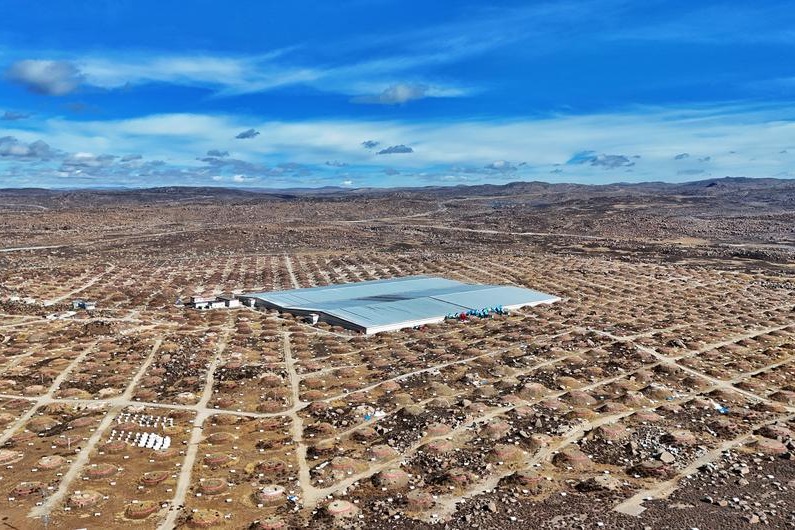
Nestled on the towering peaks of Haizi Mountain in Daocheng, Sichuan Province, China’s Large High Altitude Air Shower Observatory (LHAASO) stands as a beacon of scientific innovation. At an average altitude of over 4,400 meters, this sprawling 1.36-square-kilometer facility is unraveling the secrets of the universe by capturing cosmic rays—subatomic particles that journey from the depths of space. Recently, LHAASO made a groundbreaking discovery, providing crucial evidence that black holes, through their interaction with companion stars, act as powerful particle accelerators and may be key to the production of high-energy cosmic rays in the Milky Way. Nearby, the Daocheng Solar Radio Telescope, the world’s largest circular array of its kind, enhances space weather forecasting accuracy by tracking solar activity with unparalleled precision. The region’s unique atmospheric conditions—thin, stable air and minimal light pollution—make it an ideal hub for deep-space exploration. Since its inception in 2016, LHAASO has evolved into a global scientific platform, fostering international collaboration with partners from France, Russia, Thailand, and Pakistan. Its most notable achievement came in October 2022, when it detected the brightest gamma-ray burst in recorded history, a feat unmatched by other global detectors. As construction continues on additional facilities, including a 2.5-meter-wide-field solar telescope, Daocheng is cementing its status as a frontier for astrophysical research and a testament to China’s growing leadership in big science projects.
-
Australian public favors stronger China ties: Poll
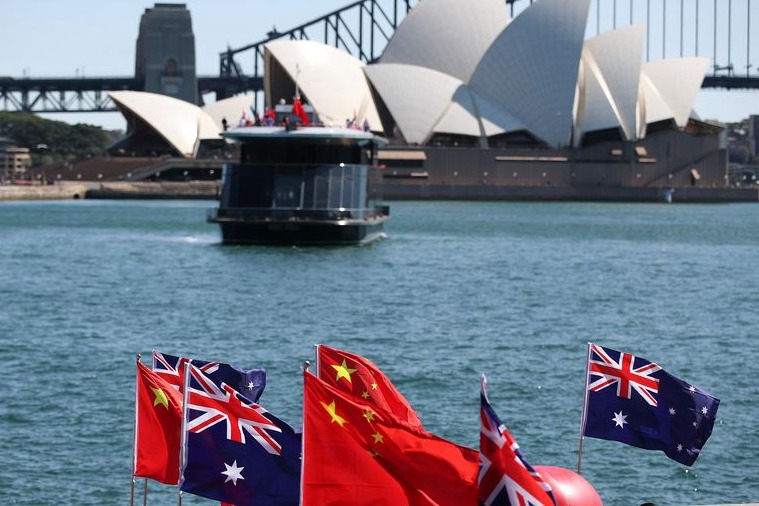
A recent nationwide poll reveals that Australian public sentiment toward China has reached its most positive level in five years, with a clear preference for greater strategic autonomy in foreign policy. Conducted by the Australia-China Relations Institute (ACRI) and the University of Technology Sydney (UTS), the 2025 ACRI/BIDA poll surveyed 2,045 Australian adults, showing a significant shift in attitudes. Notably, 71% of respondents believe Australia should strengthen its relationship with China, up from 61% in previous years. Additionally, 72% recognize the benefits of bilateral ties, marking a 10% year-on-year increase. The poll also introduced a new question, revealing that 77% of Australians support making independent China policy decisions, even if they diverge from U.S. preferences. Elena Collinson, head of analysis at ACRI, emphasized that this reflects a pragmatic approach, balancing the U.S. alliance with Australia’s autonomy. The survey also highlights growing skepticism toward major-power behavior, with 78% supporting cooperation with China on global challenges like climate change and health. James Laurenceson, ACRI director, noted that Australians increasingly recognize China’s leadership in industries such as electric vehicles and see economic benefits in bilateral trade. He stressed that managing strategic differences and avoiding the use of trade as a geopolitical weapon are crucial for maintaining positive momentum. The poll underscores bipartisan political consensus in Australia that increased trade with China aligns with national interests, signaling optimism for future cooperation.
-
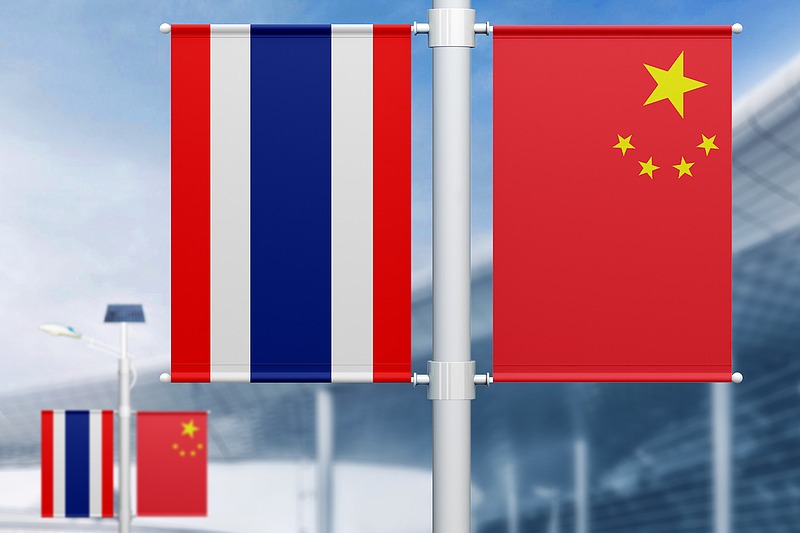
Royal visit sets new milestone in relations
The recent state visit by Thailand’s King Maha Vajiralongkorn and Queen Suthida to China has marked a historic milestone in Sino-Thai relations, according to Chinese Ambassador to Thailand Zhang Jianwei. This visit, the first of its kind since the establishment of diplomatic ties between the two nations, underscores the deepening bilateral relationship and sets a robust foundation for future collaboration. During their five-day visit, the royal couple explored key institutions in Beijing, including the China Academy of Space Technology and the Beijing Aerospace City, where they engaged with cutting-edge advancements in space technology and held a groundbreaking conversation with Chinese astronauts aboard the Tiangong space station. Ambassador Zhang emphasized that this visit highlights the significant priority Thailand places on strengthening ties with China. Both nations have committed to expanding cooperation across various sectors, including the Belt and Road Initiative, digital economy, green industry, and agricultural trade. The visit has also sparked renewed enthusiasm for cultural and people-to-people exchanges, fostering mutual understanding and trust. As the two countries celebrate the 50th anniversary of their diplomatic relations, China and Thailand are poised to chart a new chapter in their partnership, aiming for a shared future of prosperity and peace.
-
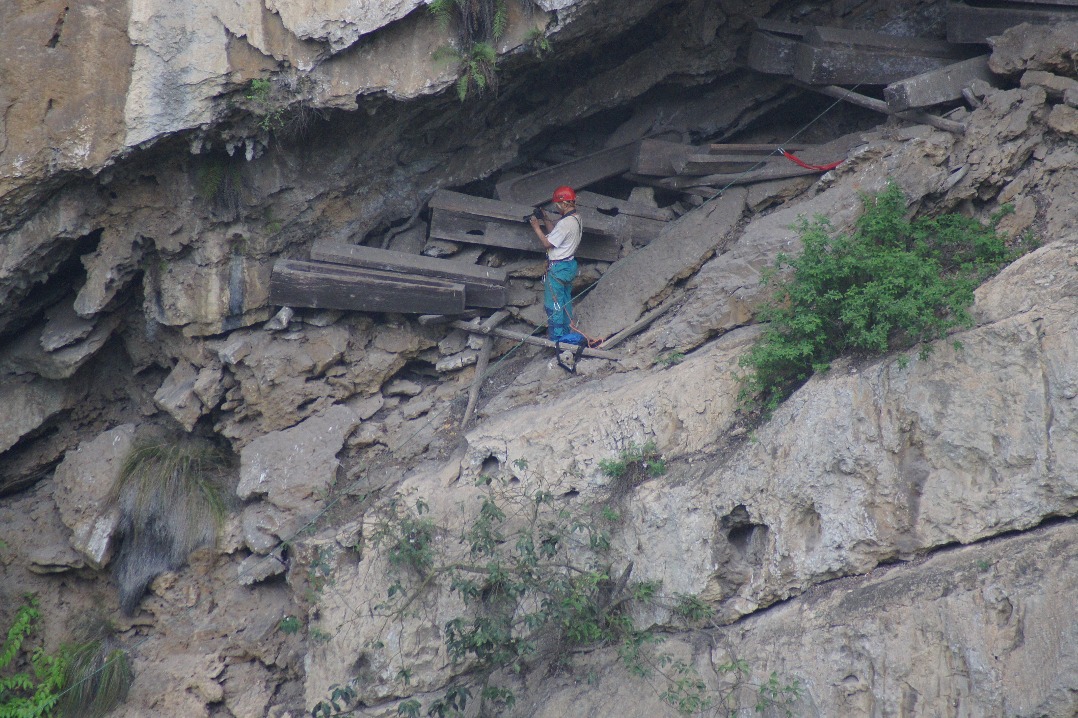
Genomic study links China’s ancient hanging coffins to modern community
A groundbreaking study led by Chinese researchers has established a genetic connection between the ancient practitioners of the hanging coffin tradition and a modern community in Southwest China. Published in the prestigious journal Nature Communications, the research marks the first time a direct genetic link has been confirmed at the nuclear genome level between these ancient individuals and their contemporary descendants. The study was conducted by the Kunming Institute of Zoology (KIZ) under the Chinese Academy of Sciences, based in Yunnan province. The hanging coffin custom, practiced for approximately 3,000 years across southern China, Southeast Asia, and the Pacific, involves placing coffins on cliffs, in caves, or rock crevices along rivers and steep mountainsides. This tradition has long been associated with the ancient Bo people, who inhabited southwest China but largely disappeared from historical records by the end of the Ming Dynasty (1368-1644). The research team identified a modern Bo community in Yunnan with similar cultural traits and conducted whole-genome sequencing on 30 of its members. They also analyzed nuclear DNA from human remains of 15 hanging-coffin individuals found in Yunnan, Guangxi Zhuang Autonomous Region, and northern Thailand. The findings revealed that 43 to 79 percent of the genomic components of modern Bo individuals can be traced directly to the hanging-coffin population from the Zhaotong site in Yunnan. Further analyses indicated a shared ancestry among hanging coffin remains in China and Thailand, suggesting a diffusion route for the culture that originated in Fujian province, East China, and spread to the Yunnan-Guizhou Plateau and Southeast Asia through human migration. The study also highlighted cultural inclusivity during the Tang Dynasty (618-907), with two genetically distinct individuals buried 1,200 years ago in Zhaotong sharing the same hanging-coffin custom. These individuals were linked to ancient farmers from the Yellow River Basin and Northeast Asia, respectively. The research team plans to expand their systematic sampling across South China and Southeast Asia to build a comprehensive database integrating burial practices, population genetics, and cultural transmission.
-

4 cheques to 12 instalments: Monthly rent payments trend in UAE
The United Arab Emirates (UAE) is witnessing a transformative shift in its rental market, as tenants increasingly demand flexible payment options and landlords embrace digital solutions. Traditionally, rent payments in the UAE have been made through post-dated cheques, often requiring large upfront sums. However, a growing trend toward monthly instalments is reshaping the landscape, driven by tenant preferences and technological advancements. Platforms like Keyper and Takeem are at the forefront of this change, offering tenants the ability to spread their annual rent across 12 monthly payments. Property Finder’s recent partnership with Keyper, set to launch in 2026, integrates this option directly into its app and website, allowing payments via card or direct debit. While traditional cheque-based contracts remain available, the convenience of digital payments is gaining traction, enabling tenants to better manage their finances. Landlords, too, benefit from reduced defaults and faster occupancy rates. Although some tenants may incur a convenience fee for monthly payments, the overall shift is seen as a win-win for all parties involved. This evolution reflects a broader move toward modernizing the rental process in the UAE, with significant implications for the real estate sector.
-
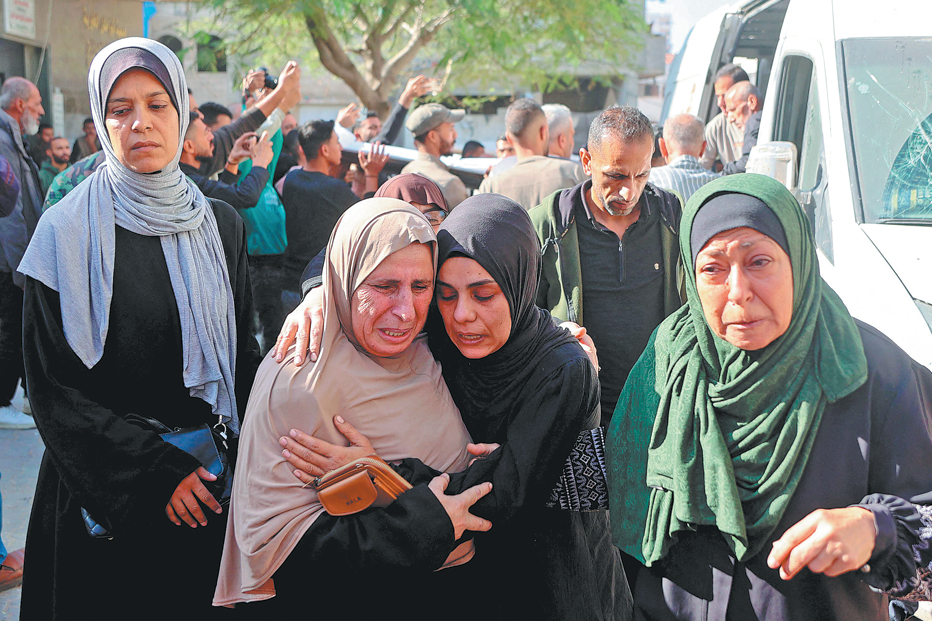
Hamas says ‘committed’ to Gaza truce
In a critical meeting with Egypt’s intelligence chief in Cairo, Hamas leadership has formally reaffirmed its commitment to implementing the initial phase of the Gaza ceasefire agreement. This diplomatic engagement occurred against a backdrop of escalating violence that threatens to derail the fragile truce brokered last month.
The Palestinian militant group emphasized the urgent need for establishing transparent monitoring mechanisms to document violations and ensure immediate corrective actions. The discussions specifically addressed the complex situation of Hamas fighters positioned within tunnel networks in Israeli-controlled sectors of Rafah, alongside detailed negotiations regarding the second phase of the peace agreement.
Despite the ceasefire officially taking effect on October 10, both conflicting parties have exchanged accusations of violations. Recent Israeli airstrikes across the Gaza Strip resulted in at least 24 Palestinian fatalities, including children, according to local reports. Israel maintains these operations targeted and eliminated five senior Hamas operatives.
The United Nations has intensified its calls for upholding the peace agreement, with Secretary-General Antonio Guterres emphasizing during the G20 summit in Johannesburg that ‘We need peace in Gaza: By upholding the ceasefire and fully implementing the commitments of the peace agreement.’
From an international legal perspective, Hadi Rahmat Purnama, Assistant Professor of International Law at Universitas Indonesia, clarified that ceasefires can be either voluntary or imposed through UN Security Council resolutions under Chapter VII of the UN Charter. He noted that violation of an agreed truce enables resumption of hostilities without constituting perfidy, provided proper warning is given according to the agreement’s terms.
Tragically, UNICEF reports indicate at least 67 children have lost their lives in conflict-related incidents since the ceasefire began, maintaining an alarming average of two daily fatalities. World Health Organization representative Richard Peeperkorn confirmed that ‘although there’s a ceasefire, people still get killed’ in the devastated enclave.