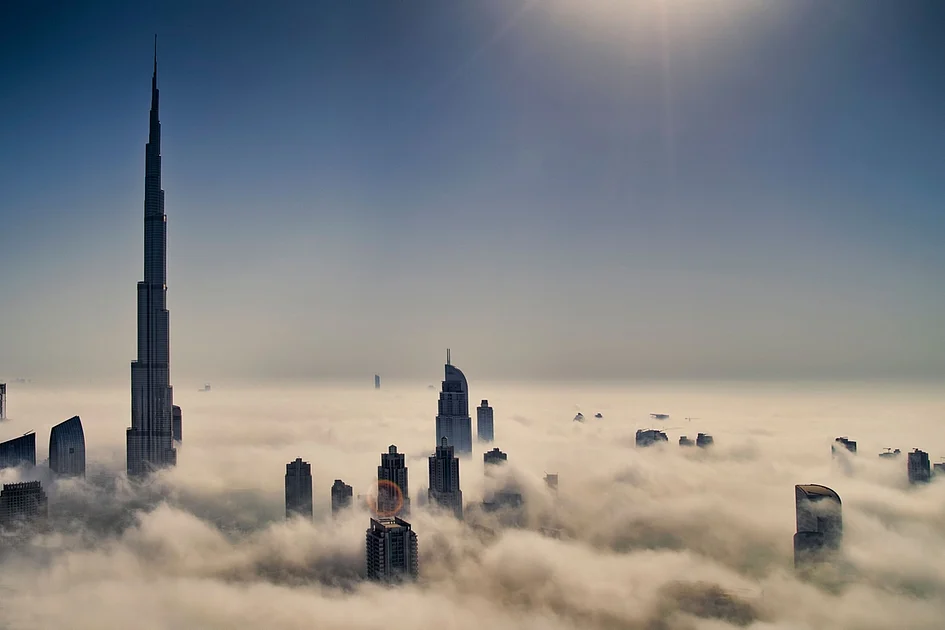
The UAE is set to experience a partly cloudy day tomorrow, with intermittent cloud cover expected over coastal, northern, and eastern regions, according to the National Centre of Meteorology. There is also a possibility of rainfall in these areas. Temperatures across the country will vary significantly, with highs reaching up to 31ºC and lows dropping to 7ºC in internal regions. In Abu Dhabi, temperatures will range between 19ºC and 29ºC, while Dubai will see temperatures between 20ºC and 29ºC. Humidity levels will rise by night and into Saturday morning, ranging from 30% to 85% in Abu Dhabi and 30% to 80% in Dubai. Winds will be light to moderate, shifting from Southeasterly to Northwesterly, with speeds of 10–25 kmph, occasionally reaching 35 kmph. Sea conditions will remain slight to moderate in the Arabian Gulf and slight in the Oman Sea.
博客
-
British soldiers trained in Israel during Gaza genocide
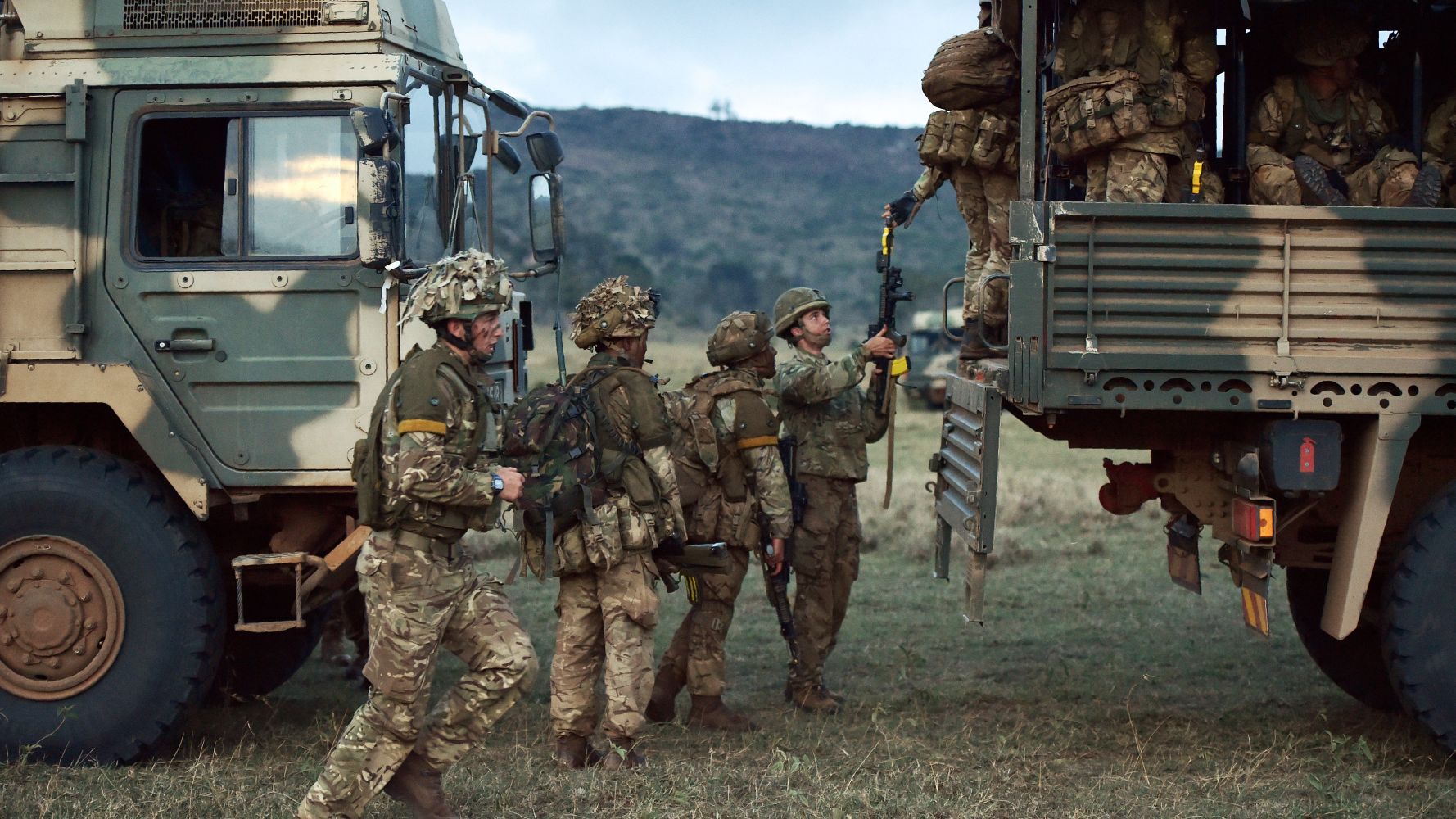
The British government has formally acknowledged that members of its armed forces received training in Israel during the ongoing military operations in Gaza that commenced in October 2023. This revelation came through an official statement from Parliamentary Under-Secretary for Veterans Al Carns, who disclosed that “fewer than five British Armed Forces personnel have studied on educational staff courses in Israel since October 2023.
This admission represents the first official confirmation of UK military presence within Israeli military academies following the October 7th attack by Hamas-led fighters on southern Israel. The disclosure emerges against a backdrop of serious international legal challenges facing Israel, including the International Court of Justice’s finding of a “plausible” case for genocide in Gaza and the International Criminal Court’s issuance of arrest warrants against Israeli Prime Minister Benjamin Netanyahu and former Defense Minister Yoav Gallant for alleged war crimes and crimes against humanity.
The training revelation has drawn sharp criticism from military experts and politicians alike. Retired British General Charlie Herbert characterized the disclosure as “absolutely extraordinary,” stating that “all such exchanges should have immediately ceased given the credible allegations of war crimes against the political and military leadership of the IDF.” He further expressed concern that this association “does our armed forces a huge disservice” and “adds to the accusations of UK complicity in this genocide.”
According to a study by Germany’s Max Planck Institute for Demographic Research, the conflict has likely resulted in at least 100,000 Palestinian fatalities. Despite growing criticism of Israel’s conduct in Gaza, the UK maintains its staunch alliance with Israel, continuing both military and commercial collaboration.
This ongoing partnership includes significant arms contracts, with the British arm of Israeli weapons manufacturer Elbit Systems reportedly close to securing a £2 billion contract to become a “strategic partner” of Britain’s Ministry of Defence. The agreement would position Israel’s largest arms manufacturer to train approximately 60,000 British soldiers annually. Elbit Systems provides approximately 85% of Israel’s drones and land-based military equipment, playing a major role in supplying weaponry used in Gaza.
In September 2024, the British government suspended 30 of 350 arms export licenses to Israel following a review that identified a clear risk of British-made weapons being used in violation of international humanitarian law. Notably, licenses for components for F-35 fighter jets, which are actively deployed in Gaza, were exempted from this embargo.
-

Inside a 5-day self-mastery retreat at India’s Pyramid Valley
Nestled within Bengaluru’s serene landscape, Pyramid Valley International recently hosted a profound five-day self-mastery retreat titled ‘A Quantum Leap: Decoding Ancient Scrolls for Modern Souls.’ This transformative experience, orchestrated by wellness teacher and transformation coach Shreans Daga, brought together participants from across India seeking spiritual growth and personal breakthrough.
The retreat unfolded within the magnificent Maitreya Buddha Pyramid—a 30-meter architectural marvel specifically designed for meditation. This sacred space, reportedly imbued with positive energy from thousands of previous meditators, served as the primary venue for the program’s diverse activities. Participants engaged in guided meditations enhanced by therapeutic soundscapes, breathwork ceremonies, and outdoor contemplative sessions amidst Pyramid Valley’s 40 acres of lush greenery.
Shreans Daga, founder of the Shreans Daga Foundation and chairman of Pyramid Valley International, facilitated the retreat with a unique approach that bridges scientific principles and spiritual wisdom. His teachings incorporated elements of quantum physics, epigenetics, and neuroscience alongside ancient meditation techniques. Through multimedia presentations, group discussions, and personalized guidance, Daga encouraged participants to release past traumas and break cycles of negative thinking.
The program featured several distinctive components, including a transcendental breathwork ceremony where participants engaged in intensive breathing exercises accompanied by dramatic musical arrangements. Outdoor sessions on a scenic hillock allowed communion with nature, while a Sufi whirling workshop led by dancer Zia Nath introduced dynamic movement meditation.
Notably, several attendees shared powerful testimonies about their healing journeys, including cancer survivors who attributed their recovery to the practices learned at previous retreats. The experience culminated in participants reporting increased mental clarity, emotional release, and a renewed sense of purpose—emerging with greater resilience to face life’s challenges.
-

Are ‘Trigger Warnings’ helping or hurting? Gen-Z weighs in
Trigger warnings have emerged as a defining cultural phenomenon within Generation Z, sparking intense debate about their role in modern society. These content advisories, designed to alert individuals to potentially distressing material, represent a fundamental shift in how younger generations approach emotional well-being and social awareness.
The controversy centers on whether these warnings represent necessary emotional protection or excessive coddling. Proponents argue they demonstrate heightened emotional intelligence and consideration for trauma survivors, while critics contend they foster oversensitivity and hinder resilience development. The discussion gains particular relevance in educational settings, where ‘safe space’ declarations have become commonplace alongside trigger warnings.
Generation Z finds itself at the forefront of this cultural reckoning, grappling with complex questions about the boundaries of consideration versus censorship. The generation that champions anti-racism and multiculturalism now questions whether constant warnings might actually obscure human connection beneath layers of precaution. Additional concerns emerge about whether trauma survivors have consented to constant reminders of their experiences through these warnings.
The debate extends beyond trauma to encompass various phobias and discomforts, raising practical questions about implementation feasibility. Can society reasonably accommodate every potential trigger, and where should the line be drawn? Generation Z’s approach suggests a nuanced perspective: trigger warnings serve both educational and protective functions, creating awareness while establishing consequences for boundary violations.
This generation operates within an increasingly complex social contract that emphasizes respect across diverse cultural backgrounds. The digital age’s anonymity challenges have complicated this contract, making intentional consideration more crucial than ever. Ultimately, Gen Z’s engagement with trigger warnings reflects broader values of decency and human care rather than political correctness, suggesting that at its core, the movement represents a simple desire for basic human consideration in an increasingly interconnected world.
-
‘Money loves me, and I love money’: UAE resident on wealth and investing
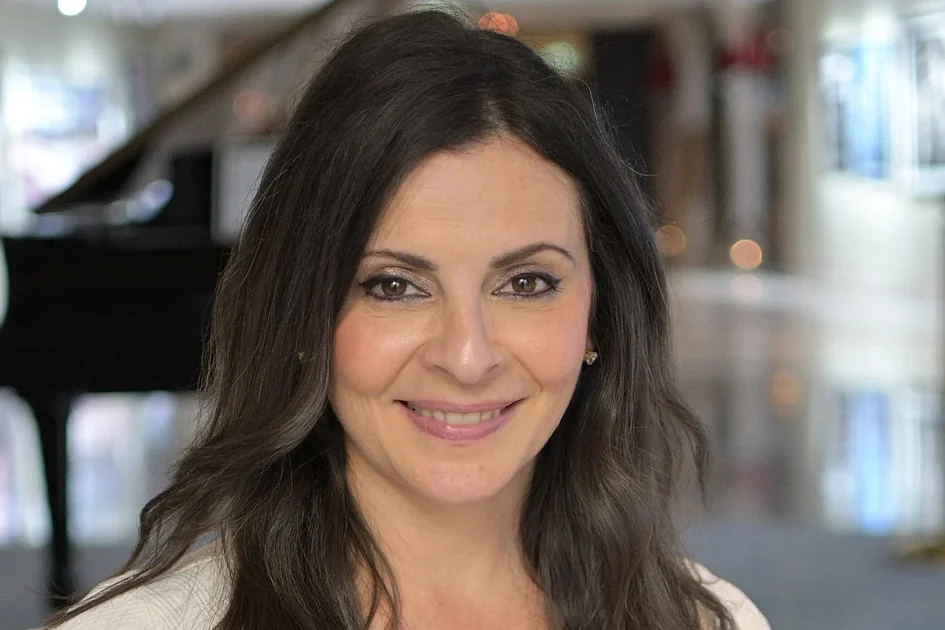
Abu Dhabi-based entrepreneur Muna Mustafa has developed what she describes as a “love-love” relationship with wealth, viewing money as “a powerful tool” that requires both respect and strategic management. The American-Palestinian business leader, co-founder of SupperClub Middle East, credits her unconventional perspective to early career influences that normalized open financial discussions.
In an exclusive interview, the 44-year-old expatriate revealed her unique approach to finance developed over sixteen years in the UAE. Rather than treating money as taboo, Mustafa advocates for transparent financial conversations, a practice she learned from her first manager who encouraged celebrating financial success openly.
Mustafa’s financial philosophy blends pragmatic investment strategies with profound personal values. While she enthusiastically embraces wealth accumulation—noting her early Bitcoin investment at $300 per coin—she maintains that “the most valuable things in life were given to us free at birth.” This balanced perspective informs her investment choices, favoring experiences over material possessions and prioritizing investment over traditional saving methods.
The Abu Dhabi resident acknowledges that luxury living in the UAE has shaped her financial expectations, requiring conscious adjustment when traveling abroad. Her current financial strategy focuses exclusively on investment rather than savings, with particular emphasis on global real estate acquisitions, especially within Abu Dhabi’s promising property market.
Beyond personal wealth building, Mustafa’s ultimate financial goal centers on humanitarian empowerment. She aims to achieve sufficient financial independence to support disadvantaged communities in Gaza and other regions, helping them establish sustainable businesses and financial self-reliance. This aspiration transforms her personal financial success into a potential catalyst for broader social impact, merging wealth accumulation with purposeful philanthropy.
-
‘I searched for my father in the ruins’: The plight of thousands buried under Gaza’s rubble
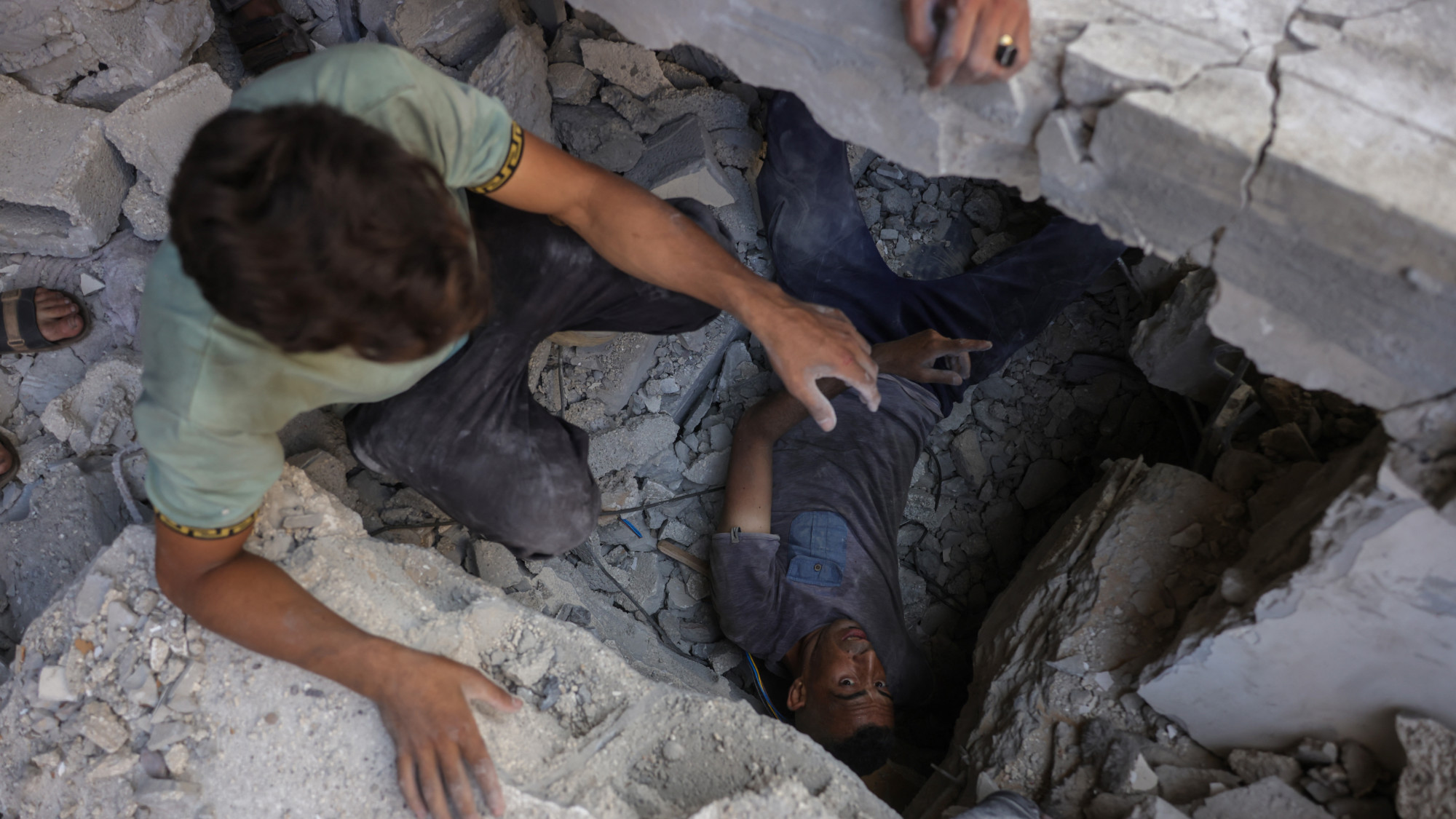
In the aftermath of Israel’s military withdrawal from eastern Gaza City in early August, a deeply personal tragedy unfolded amidst the widespread devastation. Mohammed al-Banna, a 15-year-old Palestinian, embarked on a grim journey to locate his father, Jehad, who had disappeared weeks earlier after returning to check on their family home in the Shuja’iyya neighborhood—an area Israeli forces had designated as a dangerous zone and subjected to intensive bombardment.
The teenager’s search culminated in a heartbreaking discovery. After finding his family home completely destroyed, Mohammed eventually located his father’s remains in a neighboring property, where the force of an explosion had thrown the body. The decomposed remains, identifiable only by clothing, had lain unattended for over a month—a testament to the impossibility of recovery operations during active combat.
Mohammed’s experience reflects a broader humanitarian catastrophe in Gaza. Civil Defence authorities estimate approximately 10,000 people remain trapped beneath rubble across the territory. Despite a recent ceasefire, recovery efforts remain severely hampered by Israeli restrictions on heavy machinery and ongoing violations of the truce, leaving families to conduct desperate searches with primitive tools.
Mahmoud Basal, spokesman for Gaza’s Civil Defence, described the situation as ‘tragic and complex,’ noting that crews face ‘enormous obstacles’ including vast destruction, massive rubble quantities, and critically insufficient equipment. A United Nations Development Programme report estimates 61 million tonnes of debris now cover Gaza, creating unprecedented challenges for recovery operations.
The emotional toll on survivors is profound. Mohammed, who also lost his sister and her family in separate Israeli strikes, expressed the psychological weight of his experiences: ‘I am 15 years old, but I feel much older. I have been forced to bear and live through very difficult things alone.’ His story underscores the intergenerational trauma inflicted upon Gaza’s civilian population amid ongoing conflict.
-
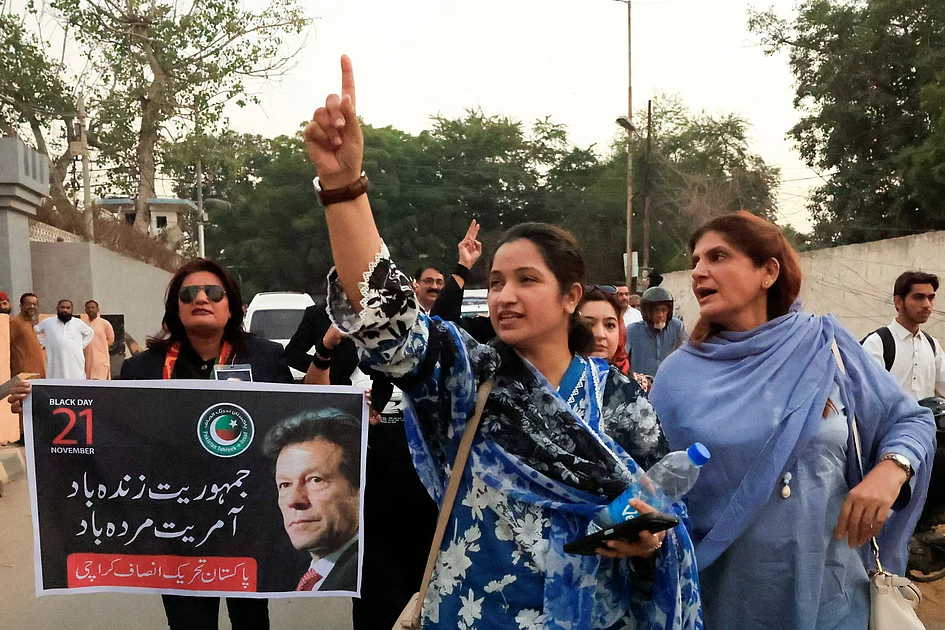
Pakistan ex-PM Khan’s party demands meeting amid health worries
The Pakistan Tehreek-e-Insaf (PTI) party, led by jailed former Prime Minister Imran Khan, has raised alarms over his health and isolation, demanding immediate access to him. Khan, who has been incarcerated since August 2023 on corruption charges, has been barred from meeting his family and lawyers for over three weeks, sparking widespread concern and protests. PTI spokesperson Zulfikar Bukhari emphasized that Khan’s health is a significant worry, given his prolonged isolation and lack of medical support. Despite being a former head of state, Khan has been denied basic visitation rights, raising questions about the legality of his treatment. Protests have erupted outside the Rawalpindi jail, with Khan’s family and supporters demanding transparency and access. Social media has also amplified the issue, with the hashtag #WHEREISIMRANKHAN trending on X. While a jail official anonymously confirmed Khan’s good health and denied any plans to transfer him to a high-security facility, the PTI remains skeptical. Khan’s political journey has been tumultuous since his ousting in 2022 after a fallout with military leaders, who wield significant influence in Pakistan’s governance. His arrest in 2023 triggered nationwide protests and a crackdown on his party, which emerged as the largest in the 2024 elections but alleges electoral rigging prevented it from forming a government. Prime Minister Shehbaz Sharif and his allies have denied these claims, further fueling political tensions.
-
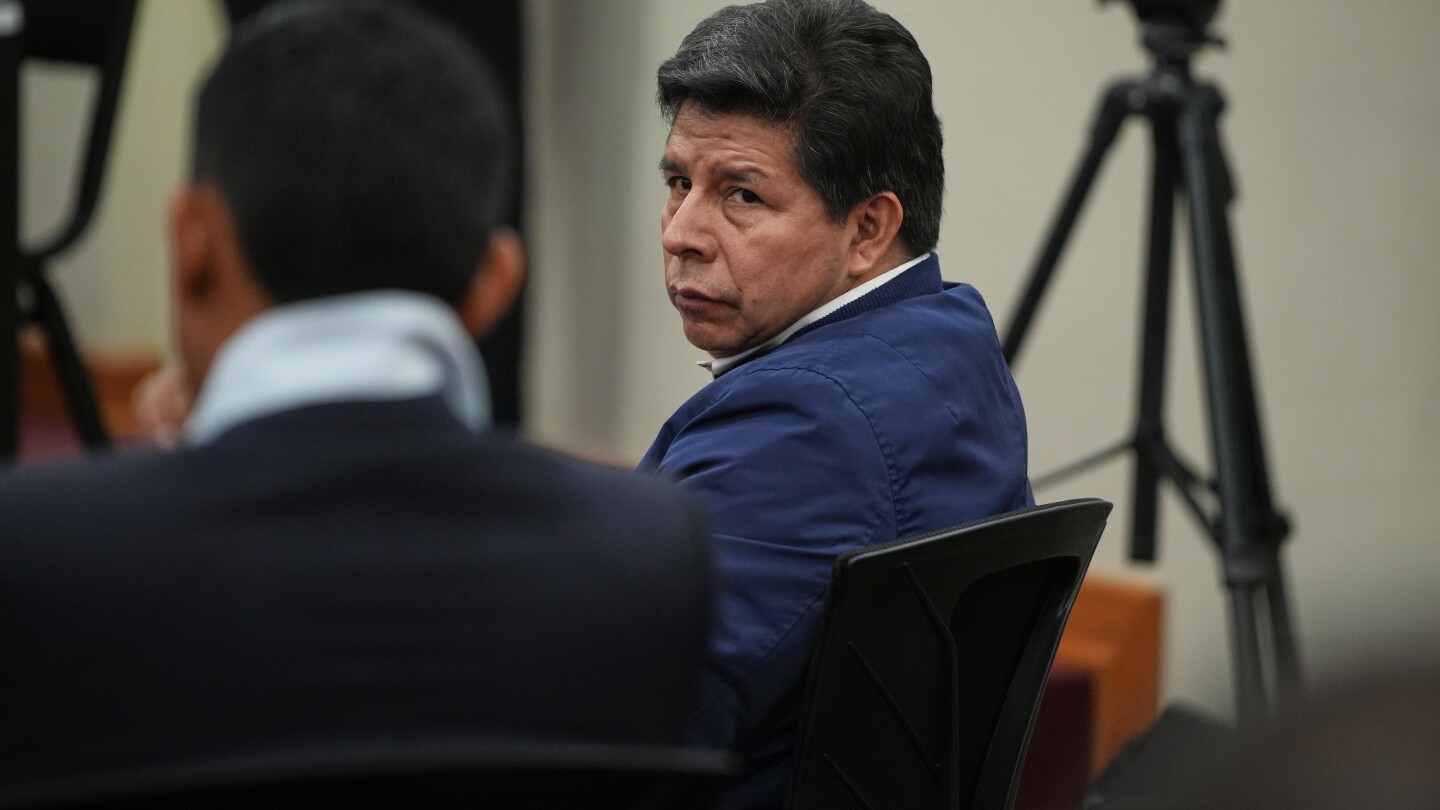
Former Peruvian President Pedro Castillo sentenced for conspiracy
Peru’s Supreme Court has delivered a landmark verdict against former President Pedro Castillo, sentencing him to 11.5 years imprisonment for orchestrating a conspiracy to commit rebellion in December 2022. The court’s special panel found Castillo guilty of attempting to dissolve Congress illegally as legislators moved forward with impeachment proceedings against him.
The 56-year-old leader, who has remained in custody since his dramatic arrest in December 2022, received an additional two-year ban from holding public office. The ruling extends to two of Castillo’s former ministers, including ex-Prime Minister Betssy Chávez, who received identical prison terms for their involvement in the same conspiracy.
Chávez’s case has triggered international diplomatic tensions, with Mexico granting her asylum and providing sanctuary within its embassy compound in Lima. The Peruvian government responded by severing diplomatic relations with Mexico, creating a significant regional diplomatic rift.
The verdict marks the second major conviction of a former Peruvian president within a single week. On Wednesday, a separate court sentenced ex-leader Martín Vizcarra to 14 years imprisonment after convicting him of accepting bribes during his tenure as governor of a southern state.
Castillo’s dramatic fall from power represents a stunning reversal for the political outsider who made history in 2021 by becoming Peru’s first president from an impoverished farming background. His administration, marked by political inexperience and escalating tensions with Congress, culminated in his attempted dissolution of the legislative body.
Vice President Dina Boluarte succeeded Castillo but faced her own political challenges, ultimately being removed from office in October following widespread public dissatisfaction with her government’s performance and mounting crime rates. Current President José Jerí, previously the Congress leader, now leads the nation amid ongoing political turbulence.
-
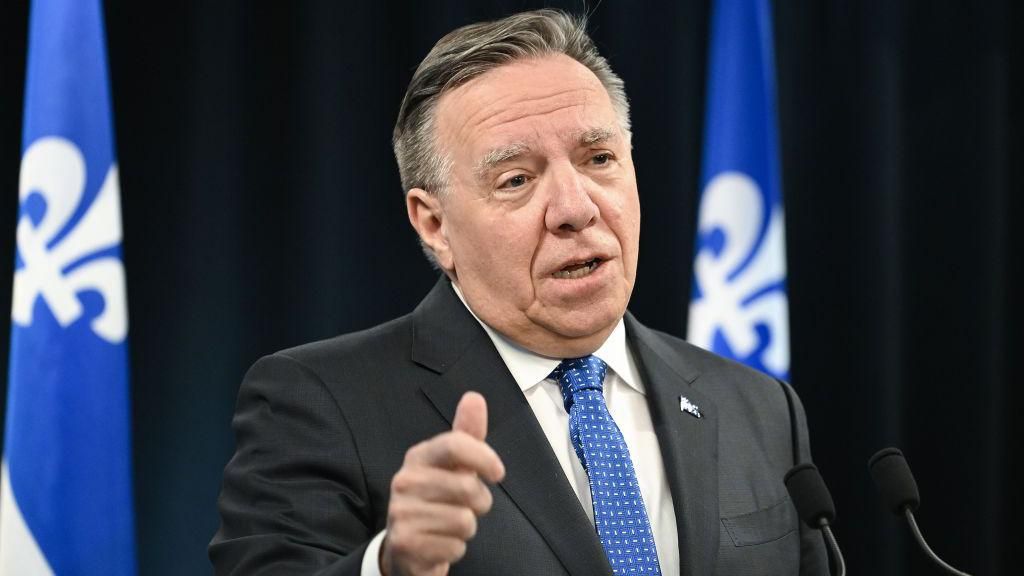
Quebec expands secularism law and limits public prayer
The Quebec government has unveiled sweeping new secularism legislation that significantly expands restrictions on religious expression in public spaces. The Coalition Avenir Québec government introduced Bill 9 on Thursday, marking what officials term ‘secularism 2.0’ – a substantial enhancement of the controversial 2019 religious symbols law that has sparked national debate.
The comprehensive legislation extends religious symbol prohibitions to staff in subsidized daycares and bans unauthorized collective religious practices, including prayer, in public areas such as parks. It further mandates that students and staff from daycare through post-secondary education cannot wear face coverings, while also limiting exclusively religion-based menus like kosher and halal meals in public institutions.
Jean-François Roberge, Minister Responsible for Secularism, defended the measures as balancing individual and collective rights. The government cites recent protests where public spaces were used for prayer gatherings as partial motivation for the new restrictions. ‘It’s shocking to see people blocking traffic, taking possession of public space without permits, and turning our streets, parks, and squares into places of worship,’ Roberge stated.
The legislation builds upon Bill 21, which previously prohibited judges, police officers, teachers and public servants from wearing religious symbols including kippahs, turbans, and hijabs while working. That law invoked Canada’s notwithstanding clause to override certain constitutional freedoms, a move currently facing Supreme Court review scheduled for early next year.
Opposition parties and advocacy groups have strongly criticized the expanded measures. The Parti Québecois accuses the governing coalition of creating social division to bolster support ahead of provincial elections, while the National Council of Canadian Muslims condemned the legislation as ‘doubling down on identity politics and division.’
Secularism (laïcité) has remained a persistent issue in Quebec since the 1960s decline of Catholic Church influence. Recent polling indicates 68% of Quebec residents consider secularism an important value, aligning the province with similar legislation in several European Union nations including France, which implemented religious symbol bans in 2004 and face covering restrictions in 2010.
-
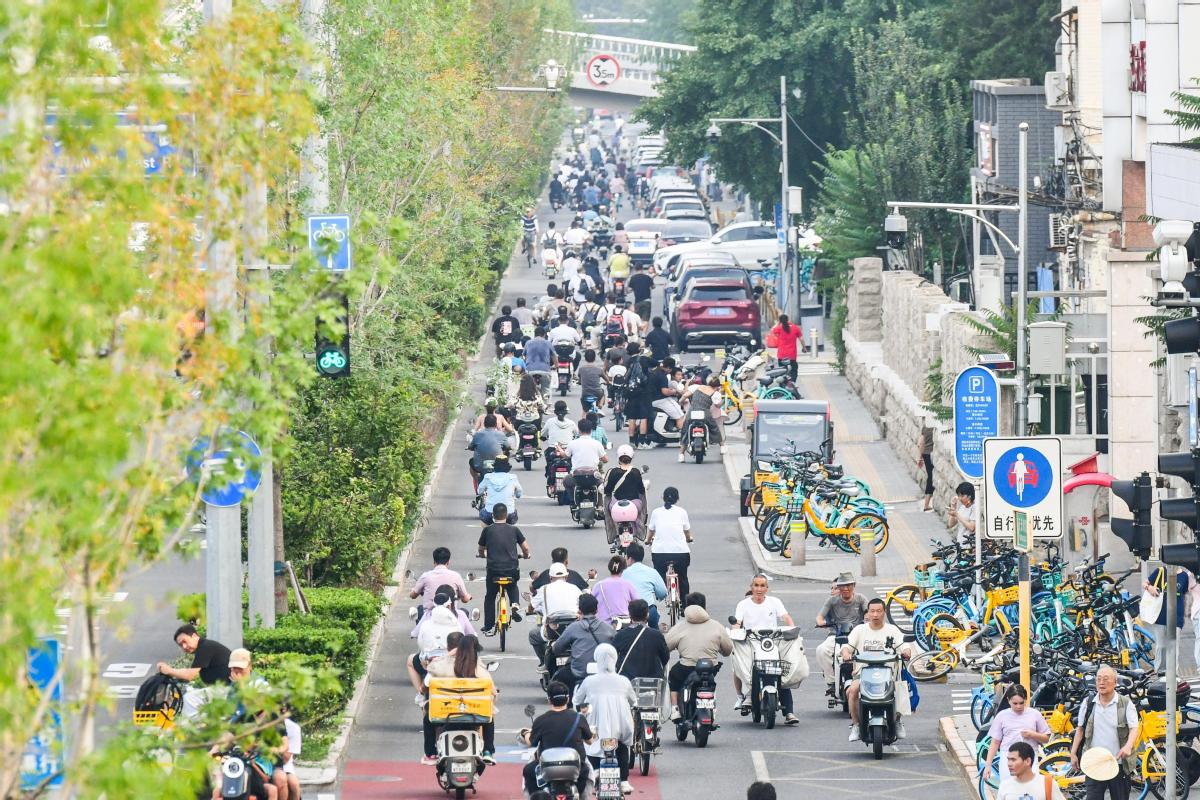
Beijing unveils new steps to regulate the growing number of electric bicycles
In a significant move to address urban mobility challenges, Beijing has unveiled a series of new regulations targeting the burgeoning number of electric bicycles in the city. These measures, part of the 15th Five-Year Plan recommendations, mark the first explicit inclusion of electric bicycle management in the capital’s strategic planning framework. The initiative reflects a broader vision for urban and traffic governance, as highlighted by Cheng Shidong, director of the Urban Transport Center at the National Development and Reform Commission. Since 2008, the number of electric bicycles in Beijing has skyrocketed from approximately 800,000 to over 7 million by 2025, necessitating enhanced regulatory efforts. Authorities are now trialing advanced surveillance systems to curb traffic violations, including riding under the influence, and cracking down on illegal modifications that pose safety risks. Additionally, the city is upgrading parking and charging infrastructure, particularly around major transport hubs, to improve commuter convenience and safety. The plan also emphasizes the regulation of the food delivery and instant logistics sectors, which are frequently involved in traffic incidents, underscoring the need for targeted safety measures.