博客

  • Guinea-Bissau president flees to Senegal after coup

    Guinea-Bissau president flees to Senegal after coup

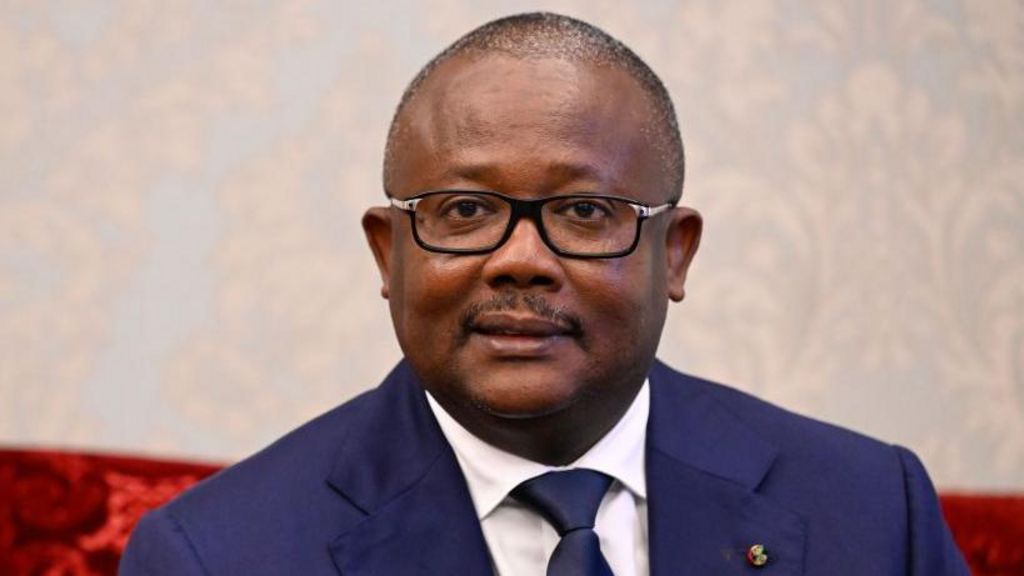
    In a significant political development, ousted Guinea-Bissau President Umaro Sissoco Embaló has safely arrived in Senegal after being released by military forces that overthrew his government. The Senegalese foreign ministry confirmed his arrival via chartered military flight late Thursday, describing the deposed leader as being in good condition.

    The transfer followed intensive negotiations by the Economic Community of West African States (ECOWAS) amid escalating tensions in the coup-prone nation. Meanwhile, the military junta has installed General Horta N’Tam, the army chief of staff, as transitional leader for a one-year period. The coup occurred just one day before authorities were scheduled to announce provisional results from Sunday’s presidential and parliamentary elections.

    The military leadership has justified its actions by claiming to thwart a destabilization plot involving unnamed politicians allegedly supported by a prominent drug baron. In response to the crisis, the junta has suspended the electoral process, blocked result announcements, implemented a night-time curfew, and initially sealed the nation’s borders—though these were subsequently reopened following General N’Tam’s swearing-in ceremony.

    International organizations have uniformly condemned the power grab. ECOWAS has suspended Guinea-Bissau from all decision-making bodies until constitutional order is restored, while the African Union and United Nations Secretary-General Antonio Guterres have called for immediate restoration of democratic governance. The UN leader expressed deep concern about the situation and demanded unconditional return to constitutional order.

    This marks at least the ninth successful or attempted coup in Guinea-Bissau since gaining independence from Portugal in 1974. The small West African nation, situated between Senegal and Guinea, has long struggled with political instability and has gained notoriety as a significant hub for international drug trafficking operations.
  • Ukraine anti-corruption agents search home of Zelensky’s top adviser

    Ukraine anti-corruption agents search home of Zelensky’s top adviser

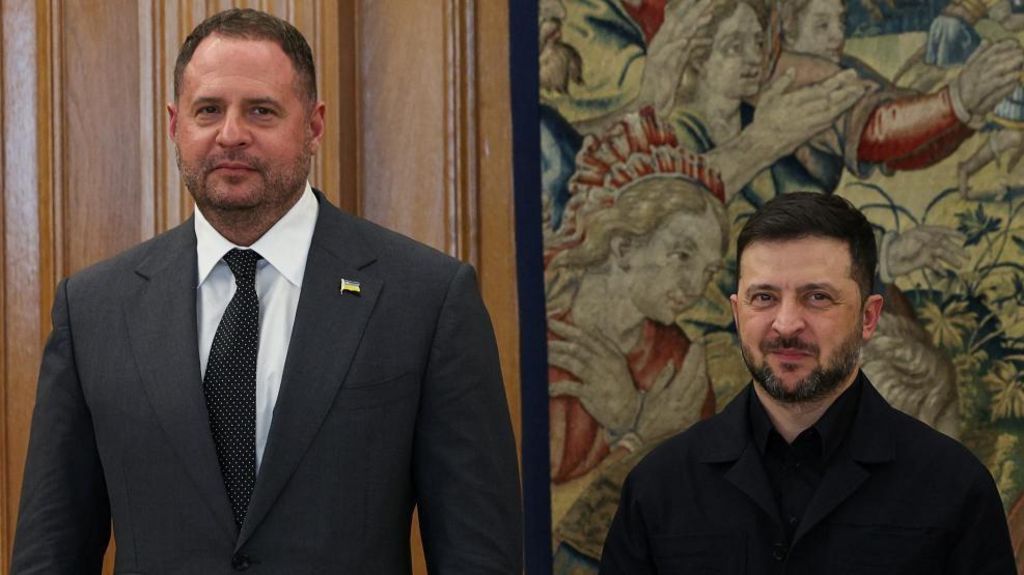
    Ukrainian anti-corruption authorities have executed authorized searches at the residence of Presidential Chief of Staff Andriy Yermak, a central figure in President Volodymyr Zelensky’s administration. The National Anti-Corruption Bureau of Ukraine (NABU) confirmed conducting investigative operations at Yermak’s apartment, with the Specialized Anti-Corruption Prosecutor’s Office (SAPO) jointly overseeing procedural activities.

    Yermak acknowledged the investigations via social media, stating authorities had obtained full access to his property with his legal representatives present. He emphasized his complete cooperation with the proceedings, though specific allegations remain undisclosed. The development emerges amid growing corruption controversies involving multiple officials within Zelensky’s inner circle, though neither the president nor his chief of staff face formal accusations.

    Having served as Zelensky’s principal aide for over five years, Yermak has been instrumental in coordinating Ukraine’s military and diplomatic strategies following Russia’s full-scale invasion. His role as Kyiv’s lead negotiator in peace discussions with international partners, particularly the United States, has positioned him as a pivotal figure in Ukraine’s wartime leadership. However, his influence has increasingly drawn criticism from political opponents and reform advocates demanding accountability and governmental restructuring.

    The investigation signifies deepening anti-corruption efforts within Ukraine’s institutions as the country continues its pursuit of European Union membership. Western allies have consistently emphasized anti-corruption reforms as prerequisite for continued financial and military support. This probe occurs against a backdrop of heightened geopolitical tensions and ongoing military operations, raising questions about potential impacts on Ukraine’s governance stability and diplomatic negotiations.

  • Japan’s same-sex marriage ban is constitutional, says Tokyo court

    Japan’s same-sex marriage ban is constitutional, says Tokyo court

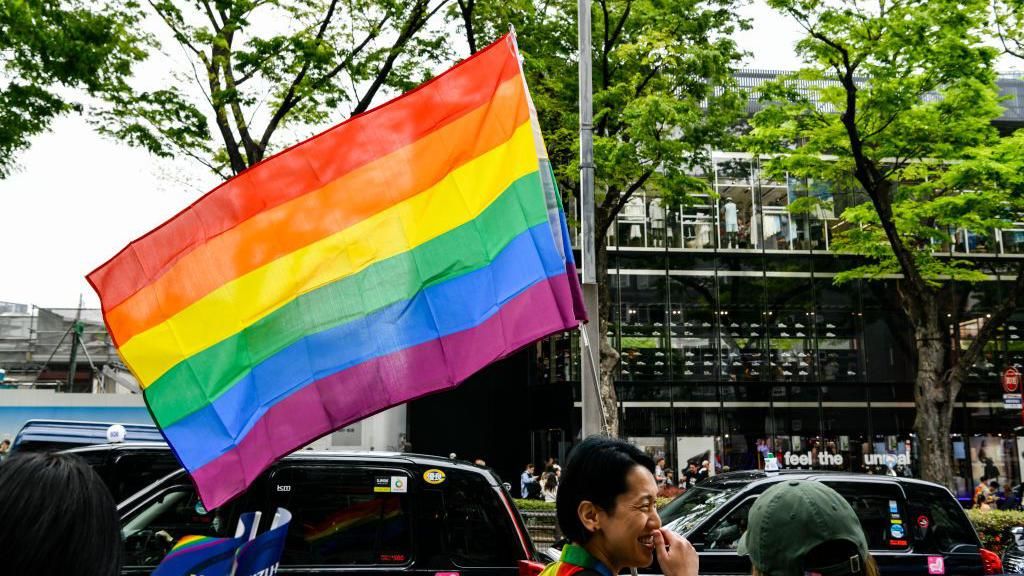
    In a landmark decision that defies recent judicial trends, Tokyo’s High Court has declared Japan’s prohibition of same-sex marriage constitutional. This verdict stands in stark contrast to five previous high court rulings across the nation that had found the ban unconstitutional, creating significant disappointment among marriage equality advocates.

    The ruling emerged from the final batch of six same-sex marriage lawsuits filed between 2019 and 2021 in various Japanese cities including Sapporo, Osaka, and Fukuoka. Presiding Judge Ayumi Higashi asserted that the matter should first undergo parliamentary deliberation rather than judicial determination, according to Mainichi newspaper reports.

    Plaintiffs and their legal representatives gathered outside the courthouse expressed profound dismay, displaying signs declaring the verdict “unjust.” Shino Kawachi, one of the plaintiffs, questioned the judiciary’s perspective: “What is justice? Was the court even watching us? Were they considering the next generation?” Her partner, Hiromi Hatogai, conveyed extreme outrage while vowing to continue their legal battle.

    Amnesty International’s East Asia researcher Boram Jang condemned the decision as a “damaging step backwards,” urging the Japanese government to proactively work toward legalization so same-sex couples can enjoy equal marriage rights. Japan remains the only G7 nation without full recognition or clear legal protections for same-sex couples, though it aligns with most Asian countries where only Taiwan, Thailand, and Nepal currently permit same-sex marriages.

    The cases are expected to advance to Japan’s Supreme Court for final adjudication, setting the stage for a definitive national ruling on marriage equality.

  • Sons of Virginia Giuffre, who accused Andrew and Epstein of abuse, seek control of her estate

    Sons of Virginia Giuffre, who accused Andrew and Epstein of abuse, seek control of her estate

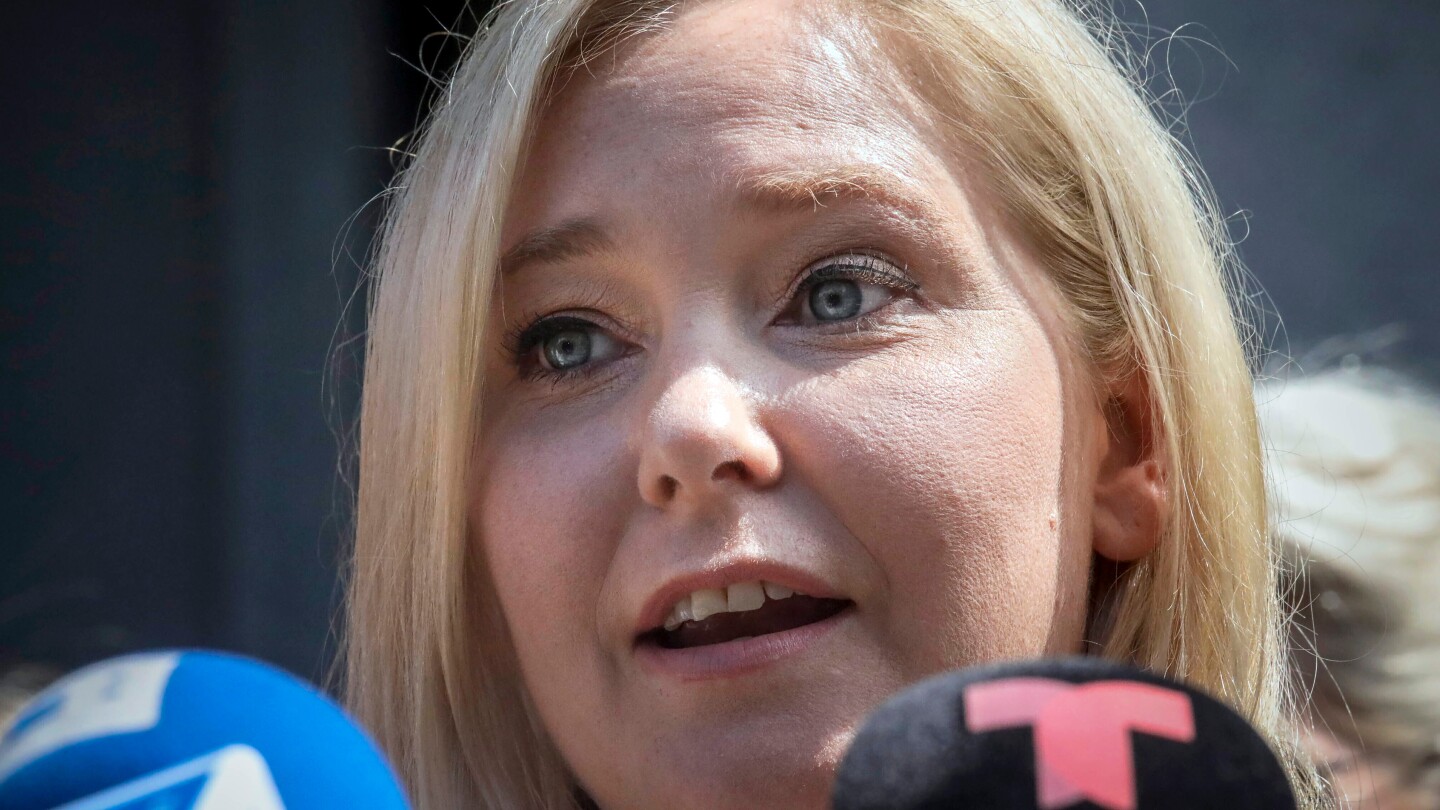
    A contentious legal proceeding unfolded in Australia’s Supreme Court on Friday as multiple parties vied for control of the estate belonging to Virginia Giuffre, the prominent accuser in the Jeffrey Epstein sexual abuse scandal. The hearing marked the beginning of what promises to be an extended legal battle over Giuffre’s assets, which include real estate holdings in Western Australia and potential royalties from her recently published memoir.

    Giuffre, who died by suicide in April at age 41 without leaving a will, had achieved international recognition for her allegations against Epstein and Britain’s Prince Andrew. Her two adult sons, Christian (19) and Noah Giuffre (18), have petitioned the court to be appointed administrators of their mother’s estate. Their application faces opposition from two unexpected quarters: Giuffre’s former housekeeper and caregiver Cheryl Myers, and her Perth-based attorney Karrie Louden, both of whom are seeking administrative control.

    The court has appointed a temporary administrator to oversee the estate pending resolution of the case. During Friday’s proceedings, legal representatives debated whether Giuffre’s minor daughter (whose identity remains protected by court order) and her estranged husband Robert Giuffre should be included as formal parties to the litigation.

    Complicating the matter further are revelations about Giuffre’s personal circumstances prior to her death. Court documents indicate she had separated from her family earlier this year and faced pending charges for violating a family violence restraining order related to a February incident. The case will resume with additional hearings scheduled for next year, as the court seeks to determine the most appropriate stewardship of assets connected to one of the most high-profile figures in the Epstein scandal.

  • Hungary’s Viktor Orbán to meet Russia’s Vladimir Putin in Moscow for energy talks

    Hungary’s Viktor Orbán to meet Russia’s Vladimir Putin in Moscow for energy talks

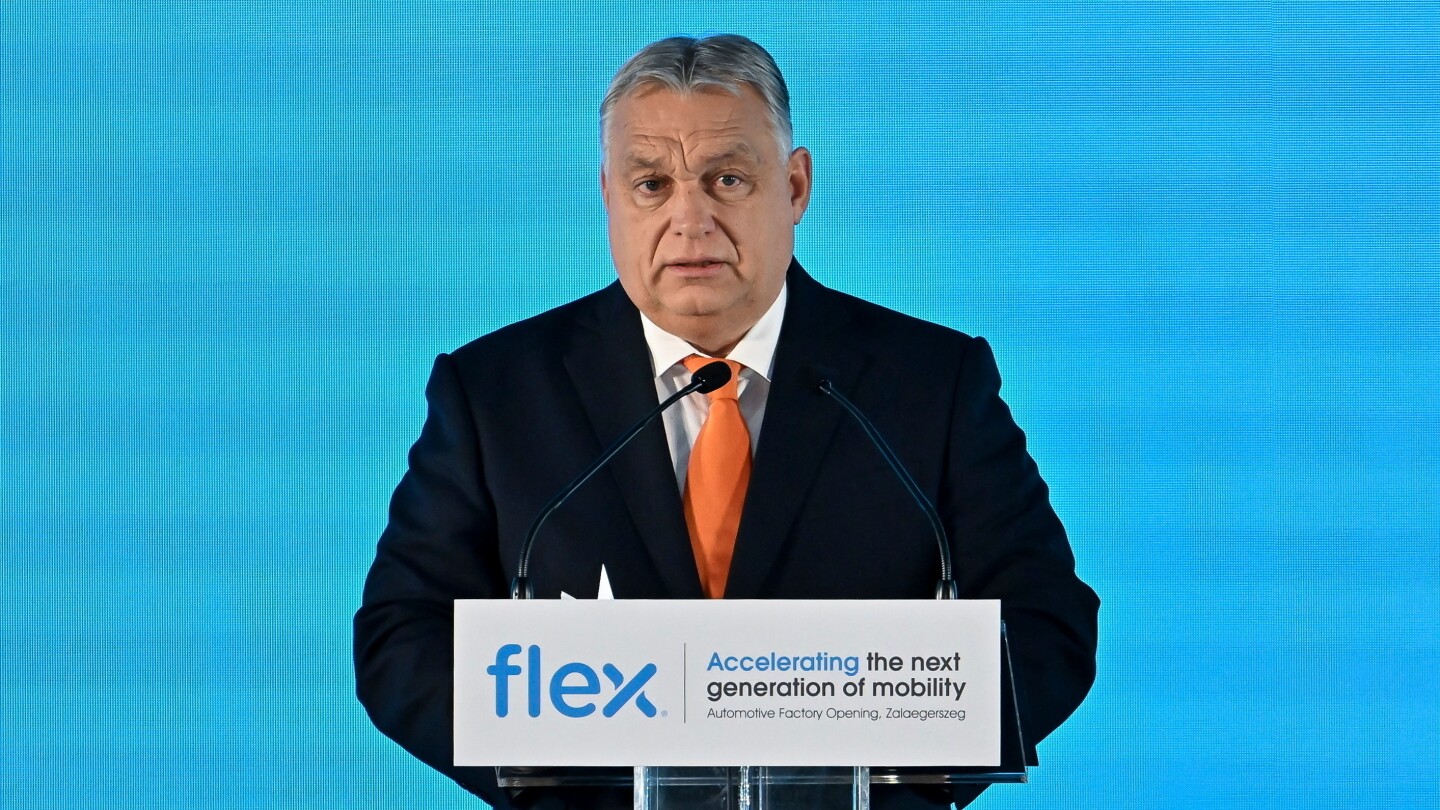
    In a diplomatic move that underscores deepening divisions within the European Union, Hungarian Prime Minister Viktor Orbán embarked on a high-stakes visit to Moscow for energy negotiations with Russian President Vladimir Putin. This meeting represents one of the few instances of a European leader engaging directly with the Kremlin amid ongoing hostilities in Ukraine.

    Orbán, widely regarded as Putin’s most sympathetic counterpart among EU leadership, emphasized the critical nature of these discussions for Hungary’s energy infrastructure. Speaking to state media prior to his departure from Budapest, the Prime Minister articulated his mission to secure continued access to affordable Russian oil and gas resources—commodities that have become increasingly constrained under international sanctions.

    Hungary maintains a distinctive position within the European bloc as one of the few nations continuing substantial imports of Russian fossil fuels. The Hungarian government has consistently resisted collective EU initiatives aimed at reducing dependency on Russian energy, positioning itself at odds with broader European security and policy objectives.

    This Moscow visit follows Orbán’s recent diplomatic success in Washington, where he secured a significant exemption from U.S. sanctions targeting Russian energy giants Lukoil and Rosneft during meetings with former President Donald Trump. Orbán characterized this achievement as vital for safeguarding Hungary’s energy security framework.

    The Prime Minister defended his energy diplomacy, stating: “With the sanctions exemption now secured, our priority remains obtaining the actual resources. I am traveling to Moscow to guarantee Hungary’s energy supply at economically viable pricing for both the immediate winter season and the subsequent year.”

    Orbán has repeatedly asserted that Russian energy imports constitute an indispensable component of Hungary’s economic stability, warning that transitioning to alternative sources would trigger immediate economic disruption. While other European nations have progressively reduced Russian energy imports, Hungary has not only maintained but expanded its procurement, simultaneously opposing EU plans for complete elimination of Russian fossil fuels by 2027.

  • ‘Zaire president killed my grandad and targeted my dad’ – TKV’s family story

    ‘Zaire president killed my grandad and targeted my dad’ – TKV’s family story

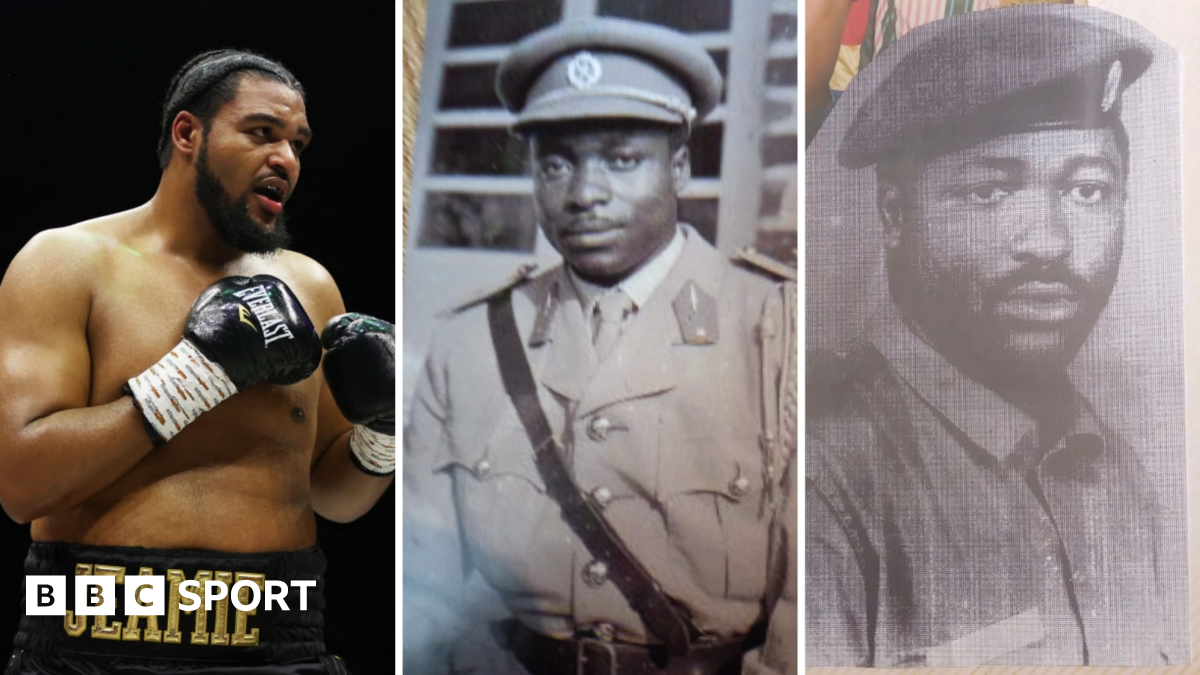
    British heavyweight boxer Jeamie ‘TKV’ Tshikeva envisions a triumphant return to the Democratic Republic of Congo as champion, carrying the symbolic weight of his family’s extraordinary political saga. The Tottenham-born athlete, who faces Frazer Clarke for the British title on November 29th, sees his boxing career as both personal redemption and historical reconciliation.

    Tshikeva’s dream transcends athletic achievement, connecting to DR Congo’s storied boxing history that includes the legendary 1974 “Rumble in the Jungle” between Muhammad Ali and George Foreman. Yet his personal narrative reveals deeper layers of political intrigue, exile, and survival that span three generations.

    The family’s story begins with his grandfather, Andre-Bruno Tshikeva, a high-ranking officer in the Zairean army during the Belgian colonial era. After serving as bodyguard to King Baudouin of Belgium, he returned to help Mobutu Sese Seko seize power in 1965. This alliance proved fatal when Mobutu, perceiving Andre-Bruno as a threat, orchestrated his downfall through false accusations, imprisonment, and ultimately poisoning that claimed his life in 1975.

    This legacy of persecution continued with Jeamie’s father, Makasi Tshikeva, who joined the army specifically to avenge his father’s death. Rising to become a commando instructor, Makasi faced multiple assassination attempts—from poisoned meals to sabotaged training equipment—before fleeing to London in 1991 with his young family.

    In Tottenham, Makasi channeled his combat skills into wrestling, operating as ‘Big Papa T’ and establishing a wrestling school while maintaining vigilance against potential threats. Jeamie grew up immersed in both his family’s dramatic history and North London’s contemporary challenges, including witnessing the aftermath of the 2011 Mark Duggan shooting and subsequent riots.

    Despite earning a degree in Film and TV Studies, the family’s fighting tradition ultimately called Jeamie to combat sports. Transitioning from wrestling to boxing’s more lucrative opportunities, he compiled 72 amateur bouts and represented DR Congo at the 2019 African Games before turning professional in 2022.

    Now standing on the brink of a British championship, TKV sees his upcoming bout as more than a athletic contest—it represents a potential pathway back to his ancestral homeland and an opportunity to rewrite a family narrative historically marked by political persecution and exile.

  • Separatist plans of Lai slammed

    Separatist plans of Lai slammed

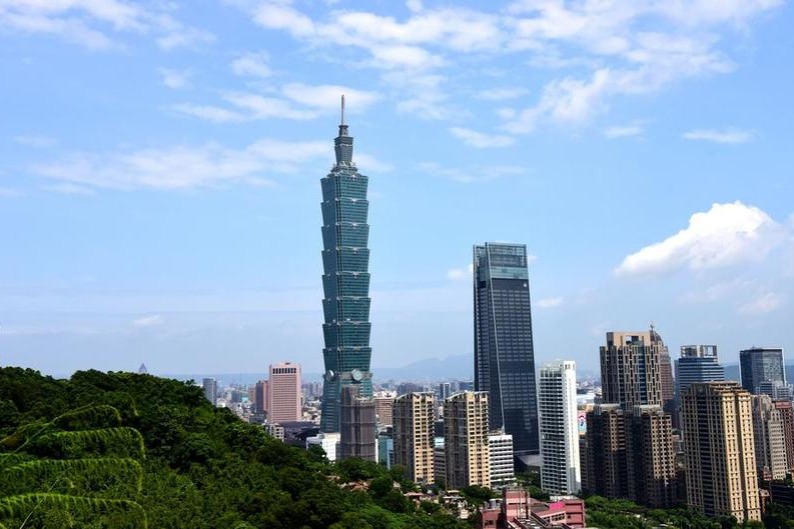
    The Chinese mainland has issued a stern condemnation of Taiwan’s newly announced security measures, characterizing them as provocative steps toward independence that endanger regional stability. Chen Binhua, spokesperson for Beijing’s Taiwan Affairs Office, denounced Taiwanese leader Lai Ching-te’s recently unveiled defense strategy during a press briefing on Thursday.

    The strong rebuke came in response to Lai’s address at a high-level security conference where he revealed an ambitious NT$1.25 trillion (approximately $40 billion) special defense allocation spanning eight years. The Democratic Progressive Party administration additionally committed to elevating military expenditure to 3.3% of GDP by next year, with ambitions to reach 5% by 2030.

    Chen characterized these developments as evidence of a “warmongering nature” that threatens to plunge Taiwan into what he described as an “abyss of war and danger.” The spokesperson accused Lai of deliberately exaggerating external threats while pursuing independence through military buildup and foreign alliances, actions that Chen asserted directly undermine cross-Strait relations.

    The criticism has found echoes within Taiwan’s political landscape. Cheng Li-wun, chairwoman of the opposition Kuomintang party, warned that Lai’s policies are transforming the Taiwan Strait into a “powder keg” and converting the island into an “arms factory.” Former Taiwan leader Ma Ying-jeou similarly expressed concern through social media channels, noting the absence of reconciliation efforts in Lai’s approach.

    Reiterating Beijing’s longstanding position, Chen emphasized the principle of a single China encompassing both the mainland and Taiwan. He reaffirmed commitment to “peaceful reunification and one country, two systems” as the preferred framework for national unity, promising that any resolution would consider Taiwan’s specific circumstances and protect the interests of its residents.

  • Trump says US will ‘permanently pause’ migration from ‘third world countries’

    Trump says US will ‘permanently pause’ migration from ‘third world countries’

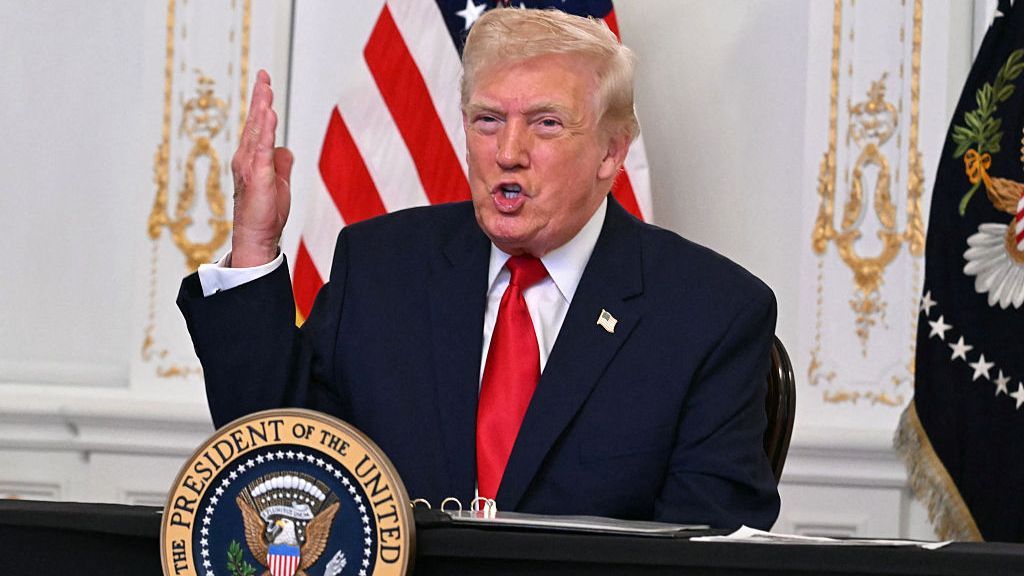
    President Donald Trump has declared his intention to implement a comprehensive suspension of migration from all third world countries to the United States. The announcement came through his Truth Social platform, where the president asserted that this drastic measure would enable the American system to “fully recover” from what he characterized as damaging immigration policies that have undermined the economic gains and living standards of U.S. citizens.

    The president’s statement, lacking specific details regarding implementation or a definitive list of affected nations, broadly blamed refugee populations for contributing to what he termed “social dysfunction in America.” Trump further vowed to remove “anyone who is not a net asset” to the country, signaling a hardened approach to immigration enforcement.

    This policy revelation follows closely on the heels of a tragic incident in Washington DC, where an Afghan national stands accused of shooting two members of the National Guard, resulting in one fatality. Trump previously cited this event as evidence of significant national security vulnerabilities, promising decisive action against foreigners “who do not belong here.”

    In response to the shooting, the administration has already taken preliminary steps. On Wednesday, U.S. authorities suspended processing all immigration requests from Afghan nationals pending a comprehensive review of security and vetting procedures. The following day, U.S. Citizenship and Immigration Services announced it would re-examine green cards previously issued to immigrants from 19 specific countries.

    While official sources did not immediately provide the complete list, reference was made to a June White House proclamation that included Afghanistan, Cuba, Haiti, Iran, Somalia, and Venezuela among affected nations. The mechanism and scope of this green card re-examination remain unspecified.

    The administration’s most recent escalation came Thursday evening with Trump’s pledge to “end all federal benefits and subsidies to noncitizens.” This rapid sequence of policy announcements appears directly connected to reports that the suspect in the DC shooting entered the U.S. in 2021 through a special immigration program established for Afghans following the American withdrawal from Afghanistan.

    According to officials and corroborated by a former military commander who worked with him, the suspect, Rahmanullah Lakanwa, had previously collaborated with CIA operations in Afghanistan and provided security for U.S. forces during evacuation operations at Kabul airport.

  • Death toll rises to 94 in Hong Kong residential building fire: fire department

    Death toll rises to 94 in Hong Kong residential building fire: fire department

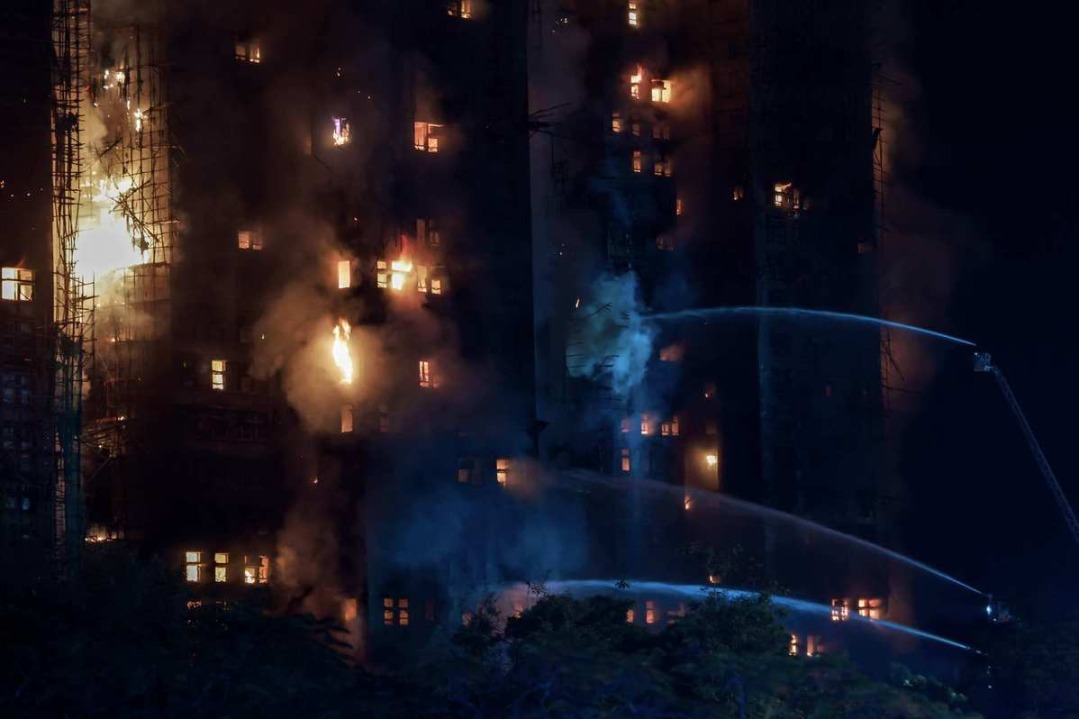
    Hong Kong authorities confirmed Thursday that the death toll from a devastating residential building fire has climbed to 94, marking one of the deadliest fire incidents in the city’s recent history. The fire department continues rescue operations at the scene amid growing concerns about building safety standards in densely populated urban areas.

    The blaze, which erupted in a multi-story residential complex, prompted an extensive emergency response involving hundreds of firefighters and medical personnel. Despite their efforts, the rapid spread of flames and dense smoke created extremely challenging rescue conditions, resulting in the staggering casualty count.

    Chinese President Xi Jinping has expressed profound condolences over the tragic incident and called for maximum efforts in rescue operations to minimize further losses. The statement emphasized prioritizing people’s lives and safety while mobilizing all available resources for the emergency response.

    Local authorities have launched a comprehensive investigation into the fire’s cause, with preliminary reports suggesting possible electrical faults or structural safety issues as potential contributing factors. The tragedy has sparked immediate discussions about fire safety regulations and building maintenance standards in Hong Kong’s aging residential infrastructure.

    Survivors and families of victims are receiving government support services as the community grapples with the scale of the tragedy. The incident has drawn attention to urban safety challenges in high-density living environments across Asian metropolises.

  • Pope Leo XIV receives enthusiastic welcome from Turkey’s Catholics as he opens key day in first trip

    Pope Leo XIV receives enthusiastic welcome from Turkey’s Catholics as he opens key day in first trip

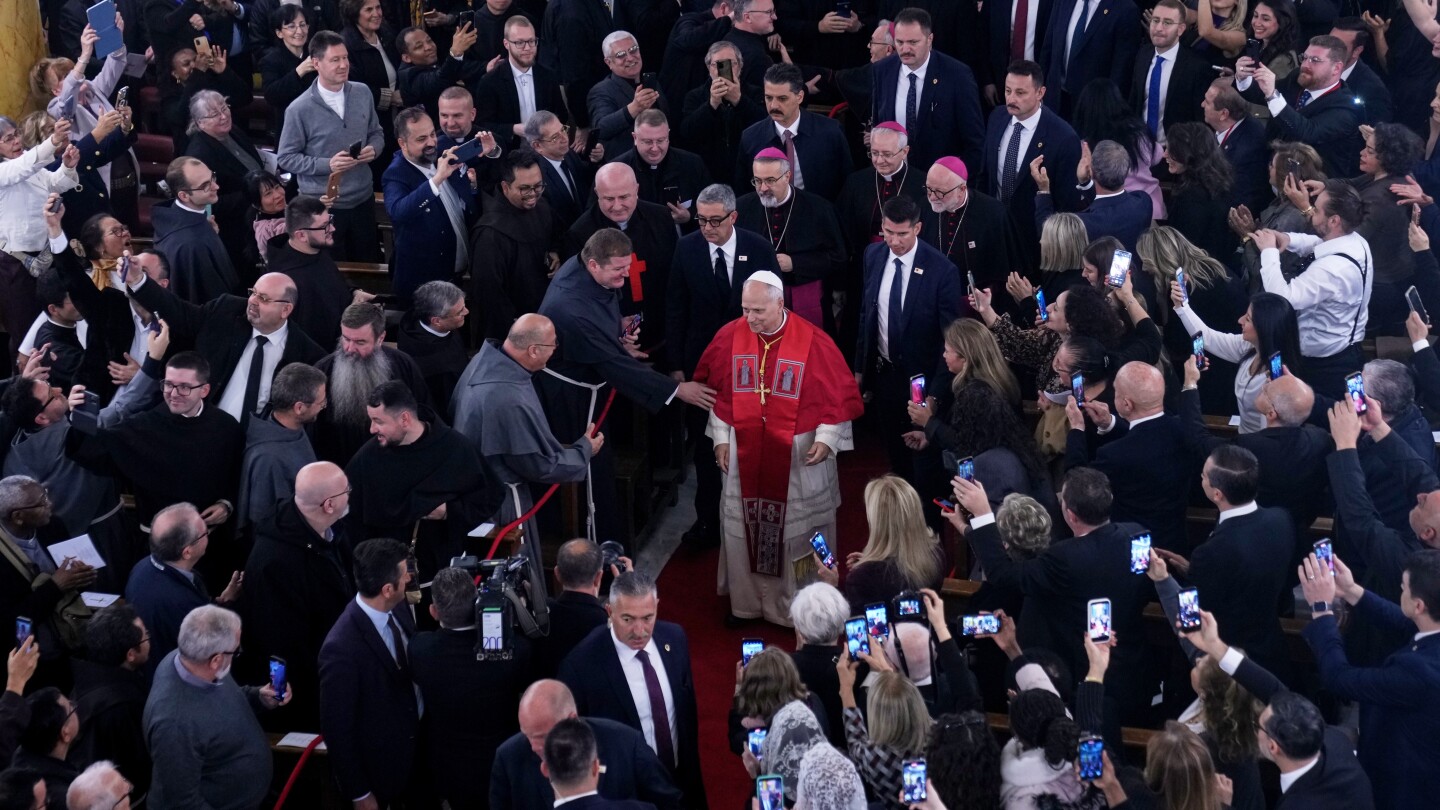
    ISTANBUL, Turkey — Pope Leo XIV commenced his inaugural papal visit to Turkey with profound spiritual significance, engaging directly with the nation’s Catholic minority during Friday’s morning proceedings. The pontiff received enthusiastic welcomes at Istanbul’s Cathedral of the Holy Spirit, where congregants chanted “Papa Leo” and “Viva il Papa” in a display of reverence for the newly elected spiritual leader.

    The core objective of Leo’s pilgrimage centers on the commemoration of the Nicaean Creed’s 1,700th anniversary—a foundational document of Christian faith formulated during the 325 AD Council of Nicaea. This theological milestone represents one of Christianity’s most enduring unifying documents, accepted across Catholic, Orthodox, and major Protestant traditions despite historical doctrinal divisions.

    The commemorative ceremonies will occur in Iznik (modern-day Nicaea), approximately 93 miles southeast of Istanbul, where Pope Leo will jointly preside with Ecumenical Patriarch Bartholomew, the spiritual authority for global Orthodox Christians. This collaborative leadership underscores the ongoing ecumenical efforts toward Christian unity that have characterized interfaith dialogue for centuries.

    The pontiff’s arrival on Thursday included diplomatic discussions with Turkish President Recep Tayyip Erdogan, during which Leo emphasized peace-building initiatives and Turkey’s potential role as a regional stabilizing force. This visit marks the pope’s first international journey since assuming the papacy, signaling the Vatican’s continued commitment to interfaith dialogue and historical reconciliation.