博客

  • South African ex-leader’s daughter quits Parliament over Russian mercenary allegations

    South African ex-leader’s daughter quits Parliament over Russian mercenary allegations

    In a significant political development, Duduzile Zuma-Sambudla, daughter of former South African President Jacob Zuma, has stepped down from her parliamentary position following allegations of involvement in recruiting citizens for Russian military operations in Ukraine. The resignation was confirmed by her political party, the MK Party, during a Friday press briefing.

    National Chairman Nkosinathi Nhleko announced the departure while acknowledging the “sensitivity” of the situation, though he provided limited details about the circumstances surrounding her resignation. The move comes as South African authorities investigate claims that Zuma-Sambudla participated in deceiving 17 South African men into traveling to Russia under false pretenses of security training opportunities, only to find themselves coerced into frontline combat roles in Ukraine’s Donbas region.

    According to official statements, the affected individuals—ranging from 20 to 39 years old—had initially believed they were accepting legitimate employment contracts. Distress communications from the group prompted intervention from South Africa’s foreign ministry and police agencies, who are now collaborating with international law enforcement to facilitate their repatriation.

    Notably, court documents submitted by Zuma-Sambudla’s half-sister, Nkosazana Bonganini Zuma-Mncube, allege that eight of the recruited men are extended family members. The affidavit further claims the South Africans were transferred to a Russian mercenary organization upon arrival.

    The MK Party leadership has explicitly denied institutional involvement in the recruitment operation while pledging support for the families seeking the safe return of their relatives. This controversy emerges alongside Zuma-Sambudla’s ongoing trial concerning unrelated charges of inciting violence during the 2021 anti-government protests, to which she has pleaded not guilty.

  • Hungary’s Orban defies EU partners and meets Putin again in Moscow

    Hungary’s Orban defies EU partners and meets Putin again in Moscow

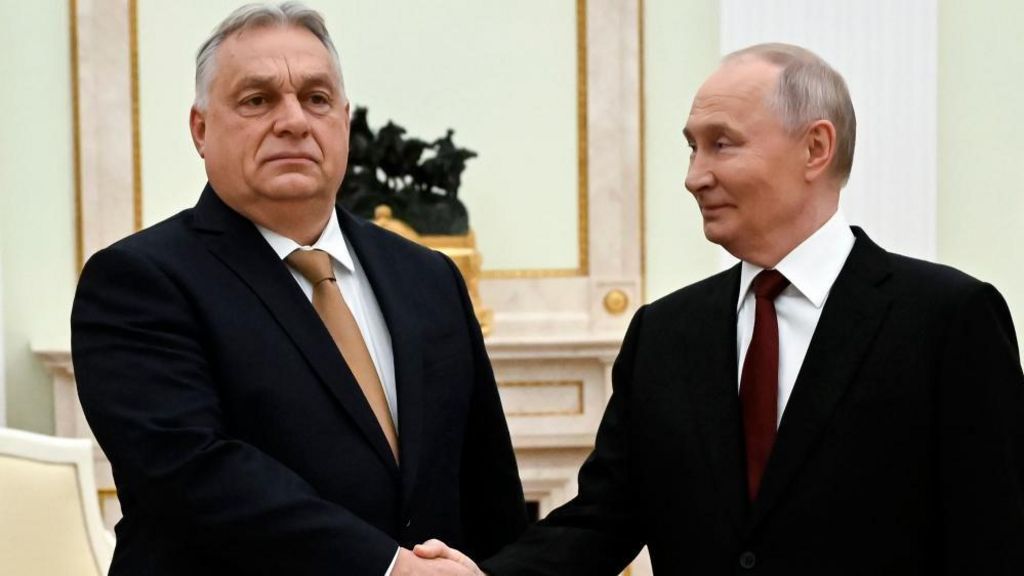
    Hungarian Prime Minister Viktor Orban has conducted a high-stakes diplomatic visit to Moscow, engaging in talks with Russian President Vladimir Putin just days before crucial negotiations regarding the Ukraine conflict. This meeting marks Orban’s continued alignment with Moscow despite Hungary’s membership in both NATO and the European Union.

    During their discussions, which were broadcast on Russian state television, Putin acknowledged Orban’s “balanced position on the situation in Ukraine” and expressed gratitude for Hungary’s proposal to host a potential Russia-US summit involving President Donald Trump. This Budapest “peace summit” initiative, however, was ultimately abandoned last month due to Russia’s unwillingness to compromise on its maximalist demands for ending the conflict.

    The timing of Orban’s Moscow visit carries significant political implications as his Fidesz party faces potential defeat in upcoming April parliamentary elections, which would mark the first change in Hungary’s leadership in 15 years according to current polling data.

    Energy security emerged as the central focus of the talks, with Orban framing the visit as part of a strategic effort to secure Russian energy supplies for Hungary, Slovakia, and Serbia during the winter months. This Moscow engagement follows Orban’s recent success in Washington, where he secured exemptions from US sanctions on Russian fuel—contingent on his continued leadership.

    Orban has consistently positioned himself as a peace advocate since Russia’s 2022 invasion of Ukraine, recently claiming on Hungarian state radio that “Europe has decided to go to war in Ukraine.” He has vigorously supported Trump’s 28-point peace plan while accusing EU leaders of “war-mongering” for attempting to adapt the proposal to address Ukraine’s concerns.

    In a recent communication with European Commission President Ursula von der Leyen, the Hungarian leader advocated for immediate, unconditional peace talks and direct EU negotiations with the Kremlin. He simultaneously expressed opposition to additional EU funding for Ukraine and rejected using frozen Russian assets to support Ukrainian defense efforts.

    Despite Hungary’s continued energy dependence on Russia—receiving over 80% of its oil and gas and 100% of its nuclear fuel from Moscow—Orban’s recent agreements with the United States to purchase liquefied natural gas and nuclear fuel may potentially strain his relationship with Russian leadership. The Prime Minister argues that without agreements with both superpowers, Hungarian heating prices would triple next month.

    Hungary faces mounting pressure from the EU to completely phase out Russian energy imports by 2027, making any Moscow agreements particularly contentious within the European bloc. The country’s trade relationship contributes approximately $5 billion annually to the Russian budget.

    Political analysts suggest that both Putin and Trump have expressed clear interest in Orban’s electoral success next April, making any diplomatic achievement valuable for all parties involved. Putin previously praised Orban at September’s Valdai Forum in Sochi, celebrating the rise of “nationally-oriented political forces” across Europe and suggesting that their growth could lead to Europe’s “rebirth.”

  • Talks on UK access to an EU defense fund have broken down

    Talks on UK access to an EU defense fund have broken down

    LONDON — Critical negotiations regarding Britain’s participation in the European Union’s landmark defense initiative have concluded without resolution, marking a significant setback in post-Brexit relationship rebuilding efforts. The British government confirmed the stalemate on Friday, revealing that financial considerations ultimately prevented agreement on UK accession to the Security Action for Europe (SAFE) program.

    The SAFE initiative, established with a substantial €150 billion (approximately $170 billion) war chest, represents the EU’s strategic response to enhance continental security and support Ukrainian defense capabilities. The proposed arrangement would have enabled British defense contractors to access favorable EU-backed financing for military procurement projects.

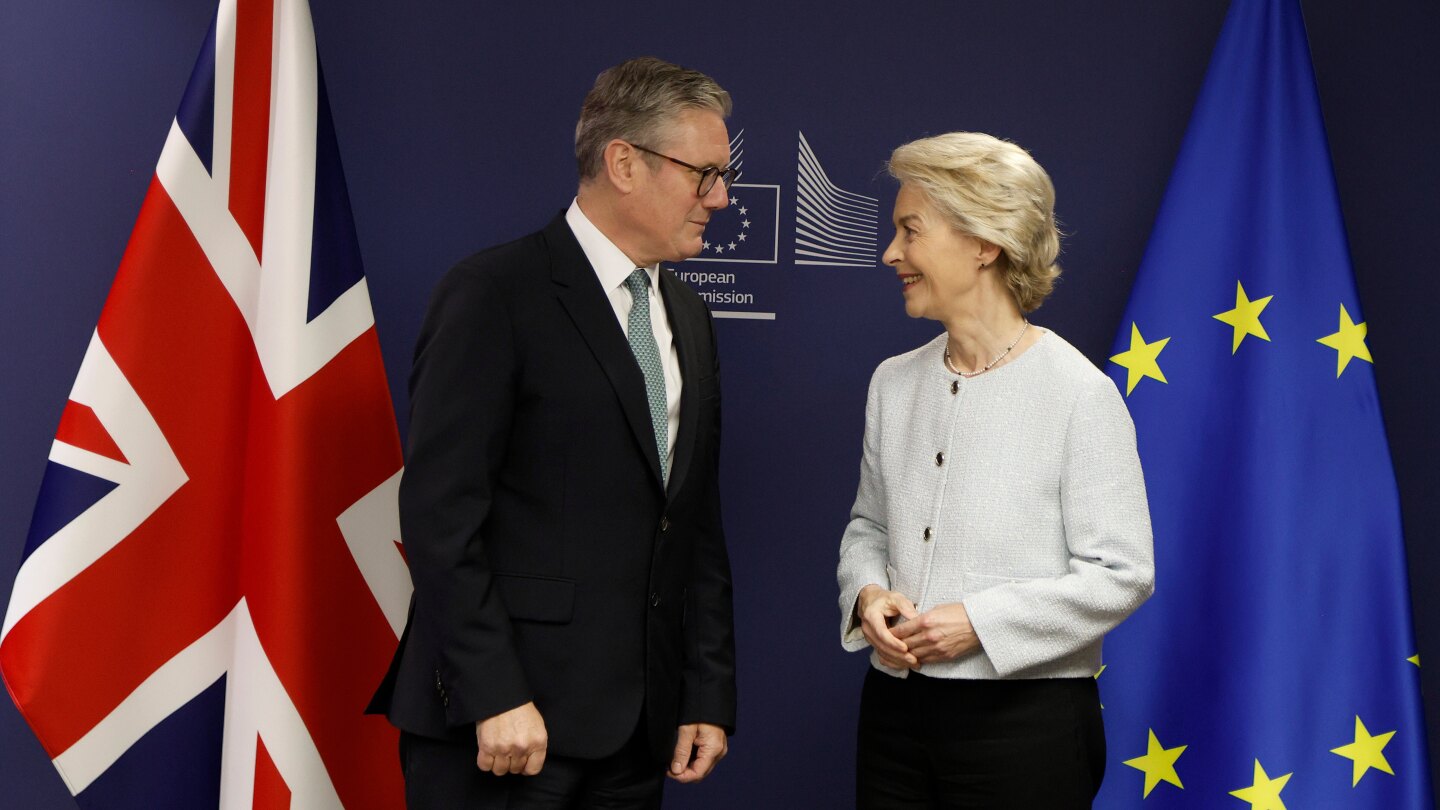
    Prime Minister Keir Starmer’s administration, which had prioritized mending strained relations with the European bloc following Britain’s contentious 2020 departure, now faces diplomatic challenges. Just months earlier in May, both parties had celebrated several bilateral agreements covering trade, mobility, and defense cooperation as evidence of a revitalized partnership.

    British EU Relations Minister Nick Thomas-Symonds characterized the negotiations as conducted ‘in good faith’ while emphasizing Britain’s unwavering commitment to securing arrangements that serve national interests and demonstrate fiscal responsibility. ‘While disappointing that we have not been able to conclude discussions on UK participation in the first round of SAFE,’ Thomas-Symonds stated, ‘the UK defense industry will still be able to participate in projects through SAFE on third country terms.’

    Under existing framework parameters, non-member states can contribute up to 35% of contract values within SAFE projects. British negotiators had sought to elevate this threshold through specialized arrangements.

    Despite this setback, both governments indicated continued progress in other dimensions of their May agreement. Collaborative efforts in energy security and food and beverage trade regulations proceed positively according to officials.

    EU spokesperson Thomas Regnier reaffirmed the bloc’s dedication to fostering robust UK-EU security cooperation, noting that ‘SAFE remains open by design’ and that Britain retains participation rights under standard third-country provisions.

    This development underscores the ongoing complexities in redefining UK-EU relations following Brexit, particularly in areas requiring financial contributions and regulatory alignment.

  • Earthquake with 5.1 magnitude strikes central Iran; no casualties reported

    Earthquake with 5.1 magnitude strikes central Iran; no casualties reported

    A moderate seismic event registering 5.1 on the Richter scale struck central Iran in the early hours of Friday, according to official reports from Iranian state television. The earthquake’s epicenter was located near the city of Behabad within Yazd province.

    Initial assessments conducted by local authorities have confirmed no immediate casualties or significant structural damage resulting from the temblor. Emergency response teams were deployed to the affected region to conduct comprehensive evaluations of infrastructure and residential areas.

    This seismic activity occurs against the backdrop of Iran’s unique geological positioning. The nation rests atop several major tectonic fault lines, making it one of the world’s most seismically active regions. Geological surveys indicate the country experiences approximately daily earthquake activity, though most are minor tremors rarely felt by residents.

    The relatively shallow depth of Friday’s quake contributed to its noticeable impact across the central region, though its moderate magnitude prevented potentially catastrophic consequences. Seismologists continue to monitor aftershock patterns while emergency services maintain heightened alert status throughout vulnerable areas.

    Iran’s historical experience with seismic events has led to developed emergency response protocols and building code enhancements in recent decades, though older structures in rural areas remain potentially vulnerable to stronger quakes.

  • Police appeal after stag beheaded

    Police appeal after stag beheaded

    Local authorities in the Republic of Ireland have launched a public appeal for information regarding a disturbing wildlife crime that has shocked the community. The incident involved the deliberate decapitation of a stag in what officials are describing as a particularly callous act of animal cruelty.

    The investigation, spearheaded by local council representatives, aims to identify those responsible for the gruesome killing. The decapitation appears to have been performed with deliberate intent rather than as part of legitimate hunting activities, raising concerns about possible wildlife crime violations.

    Environmental and animal welfare organizations have expressed outrage at the incident, highlighting the protected status of deer species in Ireland and the severe penalties that can accompany such offenses. The case has drawn attention to broader issues of wildlife protection and the enforcement of animal welfare laws across rural areas.

    Authorities are urging anyone with relevant information, including potential witnesses or those who may have noticed suspicious activity in the area, to come forward to assist with the ongoing investigation. The appeal emphasizes that even minor details could prove crucial in identifying the perpetrators of this brutal act.

  • Lionel Messi reveals Hyderabad stop on December multi-city India tour

    Lionel Messi reveals Hyderabad stop on December multi-city India tour

    Football icon Lionel Messi has officially confirmed Hyderabad as the fourth destination on his highly anticipated GOAT Tour of India, creating a truly national celebration of the sport. The Argentine legend made the announcement via Instagram, expressing heartfelt appreciation for the overwhelming support from Indian fans and building excitement for the December tour.

    The expanded itinerary now represents a comprehensive pan-India journey: Kolkata and Hyderabad on December 13th, Mumbai on December 14th, and concluding in Delhi on December 15th. This strategic scheduling ensures Messi’s presence across all major geographical regions of the country within a compact three-day period.

    Hyderabad will host the football maestro on the evening of December 13th, following his earlier appearance in Kolkata that same day. The event structure will mirror other tour stops, featuring an exhibition match, instructional clinic, musical performances, and an official recognition ceremony. This multi-faceted approach provides fans with diverse opportunities to engage with the global football superstar.

    Ticket pricing is expected to begin at approximately ₹3,500, making the event accessible to a broad spectrum of football enthusiasts. The inclusion of Hyderabad particularly delights supporters across South India who now have convenient access to the living legend without extensive travel requirements.

    The tour’s expansion to four major metropolitan centers demonstrates both Messi’s commitment to his Indian fanbase and the growing commercial appeal of international football stars in the rapidly developing sports market. Organizer Satadru Dutta’s vision of bringing Messi to multiple Indian cities has now been fully realized, creating unprecedented access for football fans nationwide.

  • Trump to ‘permanently pause’ migration: What are current ‘third-world’ countries?

    Trump to ‘permanently pause’ migration: What are current ‘third-world’ countries?

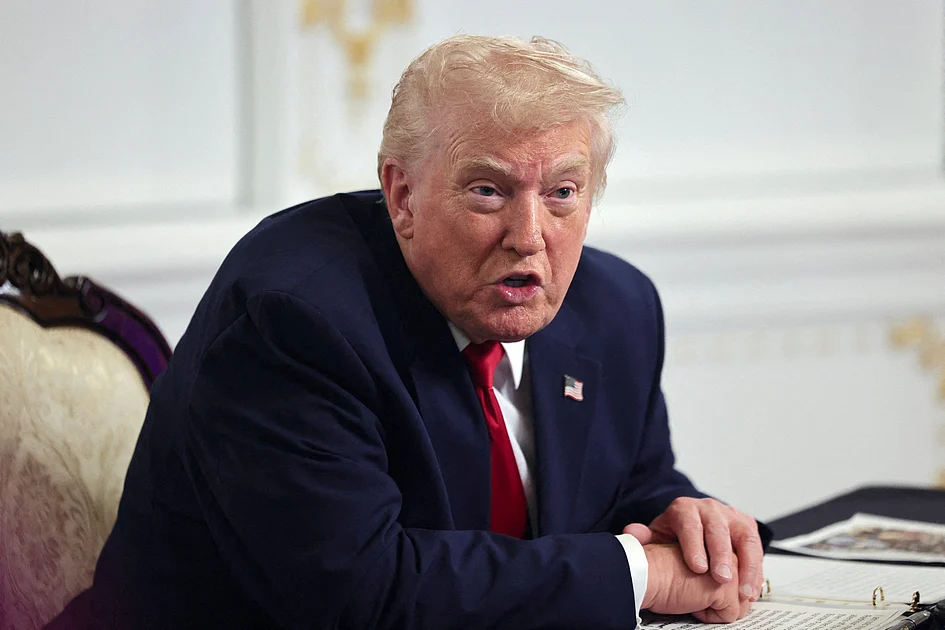
    In a significant policy announcement, former US President Donald Trump declared intentions to implement a permanent suspension on migration from countries he categorizes as ‘third-world,’ asserting this measure is essential for allowing the American system to recover. The controversial proposal follows the recent suspension of immigration applications from Afghan nationals after a shooting incident in Washington, D.C., that resulted in the death of National Guard member Sarah Beckstrom and critical injuries to another.

    Trump’s immigration framework includes aggressive measures such as mass deportations of individuals deemed ‘not a net asset to the United States,’ denaturalization of those accused of undermining domestic tranquility, and the expulsion of foreign nationals considered public charges or security risks. Additionally, the plan entails cutting federal benefits for non-citizens and terminating millions of immigration approvals granted under the Biden administration.

    The terminology used in the proposal—’third-world’—has drawn criticism for being outdated and potentially derogatory. Modern international institutions, including the United Nations, now employ more precise classifications such as ‘Least Developed Countries’ (LDCs), which are evaluated based on economic, educational, and technological metrics, alongside human asset indicators and economic vulnerability.

    Currently, 44 nations are classified as LDCs, with 32 in Africa, 8 in Asia, 1 in the Caribbean, and 3 in the Pacific. This list is dynamic, with countries such as Bangladesh, Laos, and Nepal scheduled for ‘graduation’ from the category as early as 2026 based on improved development indicators.

    The announcement reinforces Trump’s longstanding hardline stance on immigration, though it lacks specificity regarding which nations would be affected under the broad and historically charged ‘third-world’ label.

  • Top procuratorate renews push to protect migrant workers’ rights

    Top procuratorate renews push to protect migrant workers’ rights

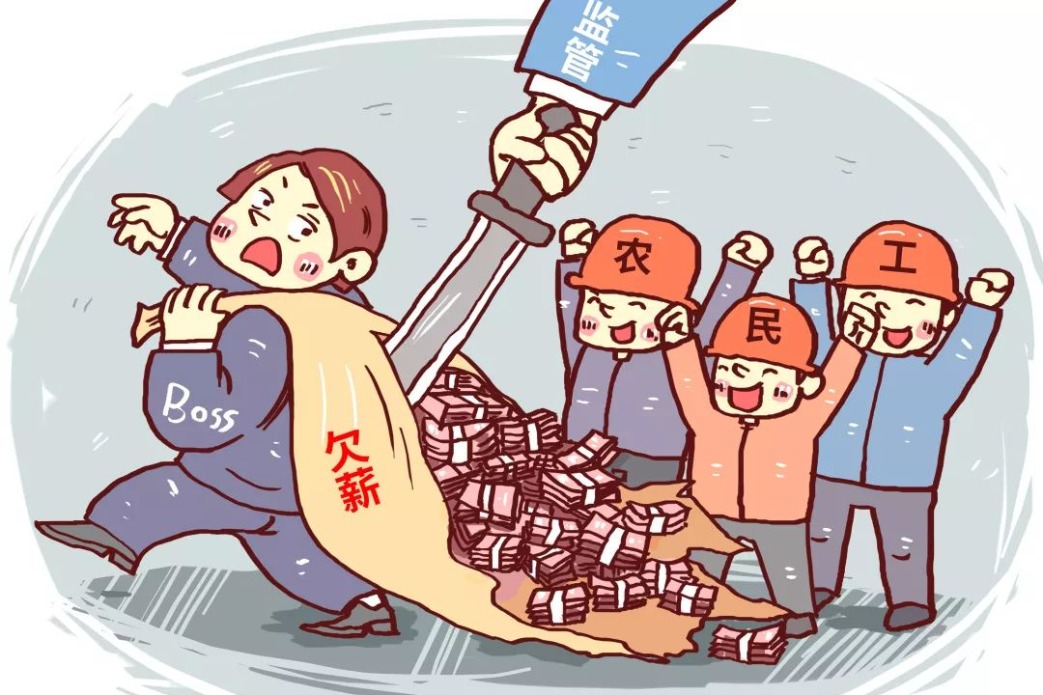
    China’s Supreme People’s Procuratorate has launched a comprehensive judicial campaign to combat wage arrears and strengthen legal protections for migrant workers. The recently issued directive establishes rigorous protocols for prosecuting malicious wage default crimes while creating mechanisms to ensure vulnerable workers receive prioritized compensation.

    The new framework mandates immediate case supervision when evidence of wage violations emerges, integrating arrears recovery into broader criminal crackdowns. Prosecutors will employ plea bargaining systems to incentivize prompt payment, ensuring migrant workers obtain full and timely compensation. The notice specifically enhances enforcement supervision for already-adjudicated cases, guaranteeing that victorious plaintiffs actually receive awarded payments.

    Judicial authorities will prioritize high-risk sectors including construction, food delivery platforms, and sanitation services where wage delays frequently occur. The directive introduces stricter penalties for fraudulent wage claims during bankruptcy proceedings while strengthening oversight of administrative litigation processes.

    Notably, the policy distinguishes between malicious non-payment and arrears caused by genuine operational difficulties, seeking to balance worker protections with sustainable business development. Prosecutors will facilitate negotiated settlements for mutually agreeable payment plans when appropriate.

    The initiative incorporates wage protection into public interest litigation frameworks and leverages big data analytics for systemic governance improvements. Procuratorates must actively respond to public complaints while providing judicial assistance to vulnerable workers through individualized case resolution.

  • China expands green belt around its largest desert

    China expands green belt around its largest desert

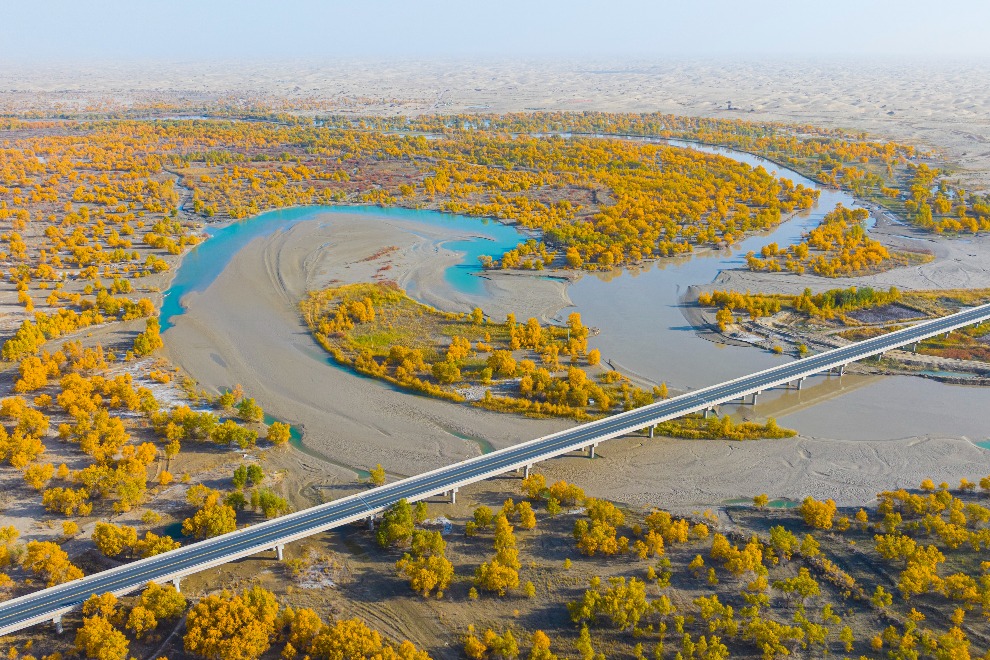
    China’s monumental ecological achievement surrounding the Taklimakan Desert—the nation’s largest desert—has reached a significant milestone after its first year of operation. The 3,046-kilometer green barrier, recognized globally as an engineering marvel, has successfully contained desert expansion while creating new economic opportunities for local communities.

    The ambitious project, which encircles the desert like a protective scarf, was recently honored among the ‘2025 Top 10 Global Engineering Achievements’ by the World Federation of Engineering Organizations. Over the past year, 21 counties and cities along the desert’s edge have expanded the barrier by approximately 593,400 hectares, increasing its width to 7,500 meters while simultaneously improving critical infrastructure including water supply systems, electricity networks, and transportation routes.

    Local residents have emerged as key participants in this ecological transformation. Couples like Tursunbaq Mahmuthet and Sudiumay Tursun from Hotan county have returned to their hometowns to lead restoration initiatives. ‘When we were young, this entire area was nothing but desert,’ they recalled while examining thriving sand date tree saplings. ‘We never imagined we’d be able to cultivate these trees here.’ Their cooperative, comprising 18 households, now cultivates sand dates on 1,000 mu of reclaimed desert land.

    The project employs cutting-edge technologies including photovoltaic systems that harness solar power to extract brackish groundwater for drip irrigation. Innovative techniques such as grass checkerboard stabilization and drought-resistant vegetation have effectively controlled mobile sand dunes. In Yutian county, frequently battered by gales, the ‘terraced desert’ model has reduced land leveling costs by 82 percent while achieving 85 percent vegetation survival rates.

    The Tarim Desert Highway, China’s first desert road, features a 436-kilometer shelterbelt with over 20 million drought-tolerant plants. Smart pipeline systems along this route are undergoing upgrades, offering a pioneering ‘Tarim solution’ for desertification control.

    This ecological effort has catalyzed a remarkable economic transformation. Desertification control has evolved into a sustainable economic model, spawning industries including rose farming, cistanche cultivation, and eco-tourism. In Yutian, expansive rose fields supply high-value ingredients for cosmetics and pharmaceuticals while producing 80 percent of China’s cistanche output, generating employment for over 10,000 residents.

    Enterprises like Xinjiang Silu Guobao Agriculture Co. have invested in desert areas, cultivating roses and pistachios on reclaimed land. Public-private partnerships allow land rentals to benefit villagers, fostering shared wealth. Across the region, sand-based industries now cover 10.8 million mu of desert land, generating approximately $4.1 billion in annual output value and engaging over 360 processing enterprises.

    Tourism has emerged as a key growth sector, with attractions such as the Shaya Poplar Forest and Yuli Lop Nur village attracting over 15 million visitors annually. By 2025, the sand industry’s expansion had increased average annual incomes of 300,000 farmers and herders by 3,000 to 4,500 yuan.

    International experts have praised the project’s comprehensive approach. Peter Gilruth, senior advisor at World Agroforestry, emphasized that ‘this represents a profound long-term commitment, blending financial investment, political will, and multi-stakeholder collaboration.’ Mohamed Elfleet, consultant researcher at King Abdulaziz University, noted the model’s transferability: ‘We need to consider local conditions. Transfer this model, apply it, but adopt it to the local conditions.’

    The project marks a paradigm shift from traditional ‘desert advancing, people retreating’ scenarios to a new era of ‘green advancing, desert retreating,’ offering scalable models for arid regions worldwide while demonstrating how ecological restoration can fuel economic prosperity.

  • Hong Kong fire second deadliest building blaze worldwide in recent years

    Hong Kong fire second deadliest building blaze worldwide in recent years

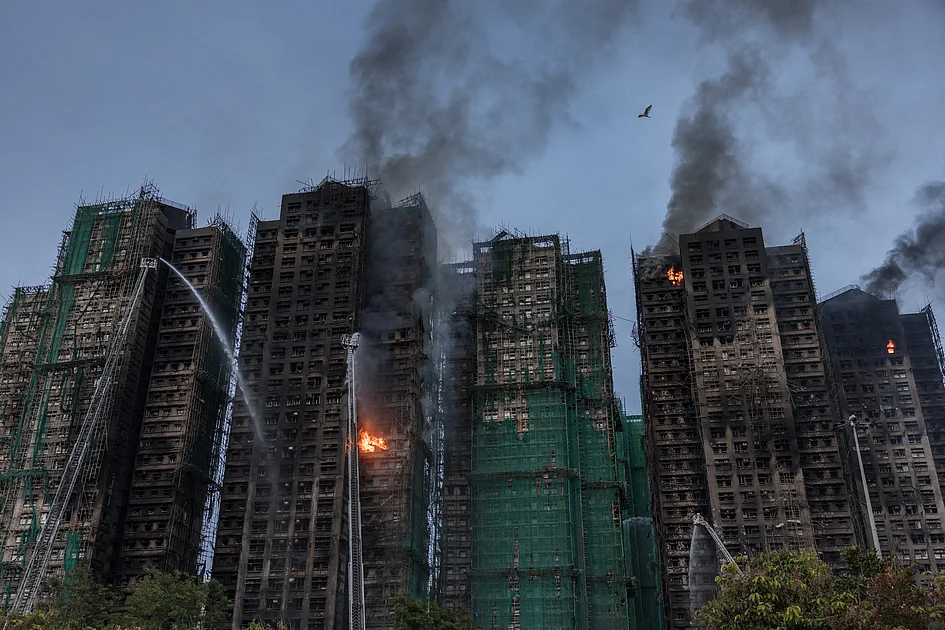
    A catastrophic fire that engulfed a massive residential complex in Hong Kong has resulted in at least 94 fatalities, establishing itself as the second deadliest building blaze globally in recent decades. Government authorities confirmed the conclusion of firefighting operations on Friday, while numerous individuals remain unaccounted for following the city’s most devastating fire incident in modern history.

    The tragedy has drawn inevitable comparisons to other major international fire disasters. The 2013 Kiss nightclub fire in Brazil remains the deadliest with 242 fatalities, caused by pyrotechnics igniting ceiling materials. London’s 2017 Grenfell Tower disaster, which claimed 72 lives due to flammable cladding, now ranks below the Hong Kong incident in mortality figures.

    Other significant fire events include Romania’s 2015 Colectiv nightclub fire (65 deaths), Shanghai’s 2010 high-rise blaze (58 deaths) from unlicensed welding, and Hanoi’s 2023 apartment block fire (56 deaths) caused by an electrical fault. Each tragedy exposed critical safety failures, from inadequate fireproofing to corruption in safety inspections, leading to widespread reforms in building safety regulations within their respective countries.

    The Hong Kong catastrophe has raised urgent questions about fire safety protocols in high-density urban environments, with investigators beginning the complex process of determining the cause and responsibility for the unprecedented loss of life.