博客

  • Opposition leader detained in Azerbaijan’s continuing crackdown on dissent

    Opposition leader detained in Azerbaijan’s continuing crackdown on dissent

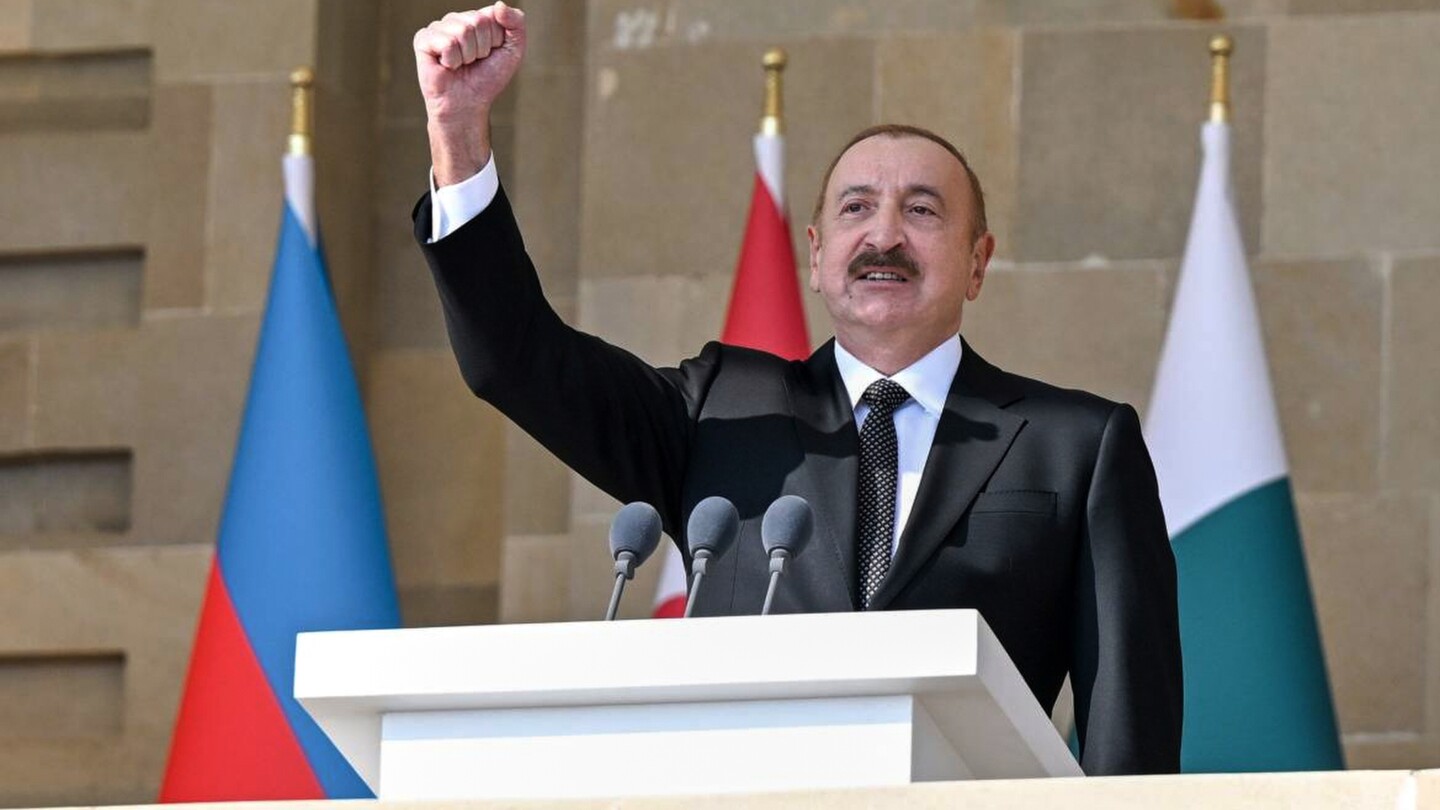
    Azerbaijan’s government has intensified its suppression of political dissent with the detention of prominent opposition figure Ali Karimli, chairman of the Popular Front Party, on Saturday. The move represents a significant escalation in President Ilham Aliyev’s ongoing campaign against opposition voices.

    According to Karimli’s adviser Fuad Gahramanli, security forces conducted searches at the opposition leader’s residence while simultaneously cutting off his communication channels. The operation extended to Mammad Ibrahim, another senior party official, who faced similar detention and property searches.

    While authorities remain officially silent regarding the detentions, government-aligned media outlets have linked the actions to an ongoing criminal investigation targeting Ramiz Mehdiyev, former head of the presidential administration. Mehdiyev, currently under house arrest, faces serious allegations including attempted seizure of state power, high treason, and financial crimes—though official confirmation of these charges remains pending.

    Human rights organizations document a concerning pattern of escalating repression in Azerbaijan, where authorities systematically target journalists, activists, and independent political figures. The Aliyev dynasty, which has maintained power since 2003 when Ilham succeeded his father Heydar, has consistently suppressed political opposition through various means.

    International observers have repeatedly questioned the legitimacy of Azerbaijan’s electoral processes since the nation gained independence from the Soviet Union in the early 1990s. The oil-rich Caspian nation of approximately 10 million people continues to face criticism for its record on democratic principles and human rights protections.

  • Pope Leo visits Istanbul’s Blue Mosque

    Pope Leo visits Istanbul’s Blue Mosque

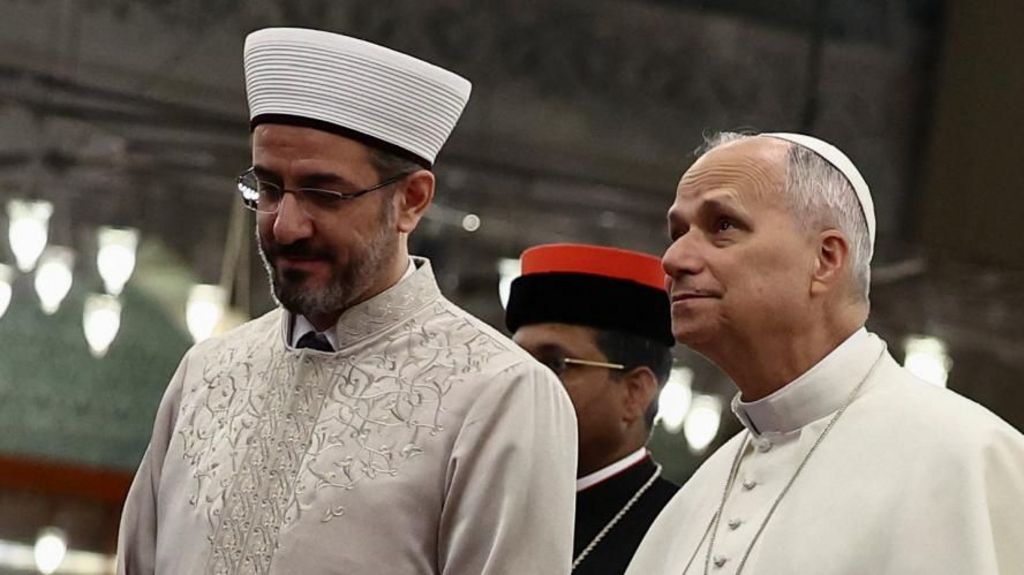
    In a significant demonstration of interfaith dialogue, Pope Leo XIV visited Istanbul’s iconic Sultan Ahmed Mosque, commonly known as the Blue Mosque, marking his first visit to a Muslim place of worship since assuming the papacy in May. The Pontiff demonstrated profound reverence by bowing upon entering the magnificent structure, though notably refrained from praying within the mosque—a departure from the practices of his two immediate predecessors.

    The Vatican characterized the visit as undertaken ‘in a spirit of reflection and listening, with deep respect for the place and for the faith of those who gather there in prayer.’ The carefully orchestrated tour was conducted alongside local Muslim leaders, emphasizing mutual respect and understanding.

    This symbolic gesture forms a central component of the Pope’s four-day diplomatic journey to Turkey, with subsequent travels planned to Lebanon. The visit continues the interfaith bridge-building legacy planned by his predecessor, Pope Francis, which Pope Leo XIV has embraced wholeheartedly since his election.

    Following the mosque visit, the Pope received a formal welcome at St. George’s Cathedral from Patriarch Bartholomew, spiritual leader of the Eastern Orthodox Church, further highlighting the trip’s ecumenical dimensions.

    The Blue Mosque, officially named after Ottoman Sultan Ahmed I who commissioned its construction between 1603-1617, stands as an architectural marvel adorned with thousands of brilliant blue and turquoise ceramic tiles. The monument attracts millions of annual visitors and has served as a historic venue for papal interfaith engagement, having hosted Pope Francis in 2014 and Pope Benedict XVI in 2006.

    The tradition of papal mosque visits began with Pope John Paul II’s groundbreaking 2001 visit to Damascus’ Umayyad Mosque. Pope Leo’s continuation of this tradition occurs against a backdrop of his warning against global conflict escalation, with him emphasizing that ‘the future of humanity is at stake.’

    In Lebanon, where approximately one-third of the population identifies as Christian, the Pontiff is scheduled to engage with diverse faith leaders and youth representatives. The journey will culminate in a solemn Mass at the Beirut waterfront, site of the devastating 2020 port explosion that claimed over 200 lives and injured 7,000 others, serving as both memorial and prayer for healing and reconciliation.

  • UAE airlines Etihad, Air Arabia issue statements amid Airbus A320 recall

    UAE airlines Etihad, Air Arabia issue statements amid Airbus A320 recall

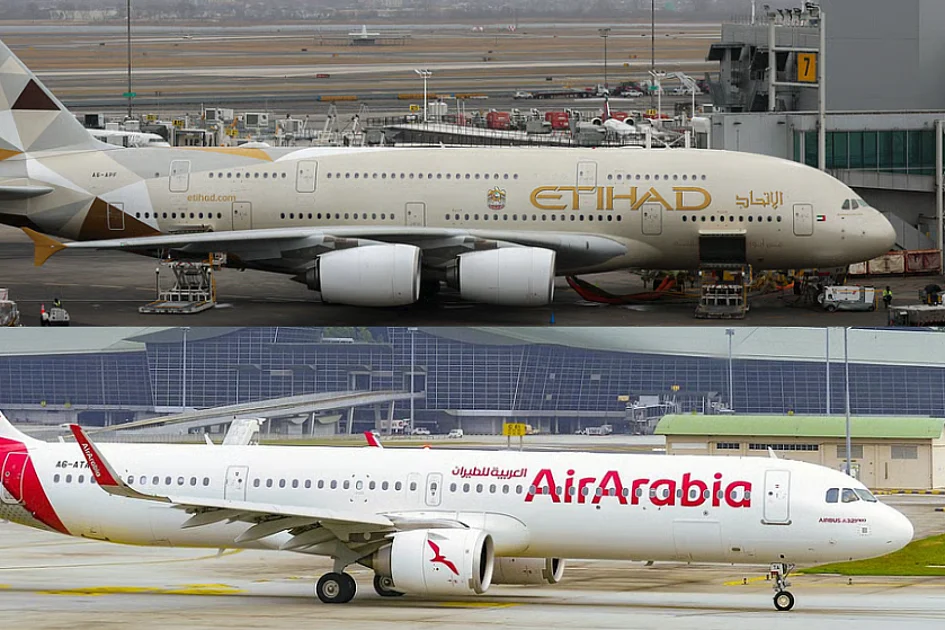
    In response to an unprecedented global recall initiated by Airbus, UAE carriers Etihad Airways and Air Arabia have swiftly implemented mandatory software updates across their A320 family aircraft fleets. The European manufacturer’s directive, affecting approximately 6,000 aircraft worldwide, follows a reported flight control anomaly linked to intense solar radiation exposure.

    Air Arabia confirmed immediate compliance with the technical advisory, with a spokesperson stating: “We have begun implementing the required measures across the impacted aircraft in our fleet and expect to complete all updates by the end of today. Our teams have worked diligently to ensure minimal impact on our customers.” The Sharjah-based low-cost carrier operates 67 A320 family aircraft according to Cirium data.

    Etihad Airways similarly reported successful completion of the software installation across its 39 A320 family aircraft. The Abu Dhabi-based carrier emphasized that normal operations had resumed despite the challenge occurring during one of the busiest travel periods at Zayed International Airport ahead of the long weekend.

    Saj Ahmad, chief analyst at London-based StrategicAero Research, characterized the situation as “rather unprecedented,” noting that the recall stems from a JetBlue A320 incident involving rapid descent and passenger injuries. Ahmad warned that while software updates require few hours, potential hardware modifications could ground aircraft for several days awaiting replacement parts, potentially disrupting flight schedules across the Middle East’s 376 operational A320 family aircraft.

    The proactive response from UAE carriers demonstrates the aviation industry’s commitment to safety-first protocols while minimizing traveler inconvenience during critical holiday periods.

  • ‘Born to chase’: Why Arabian Saluki is timeless hunting companion

    ‘Born to chase’: Why Arabian Saluki is timeless hunting companion

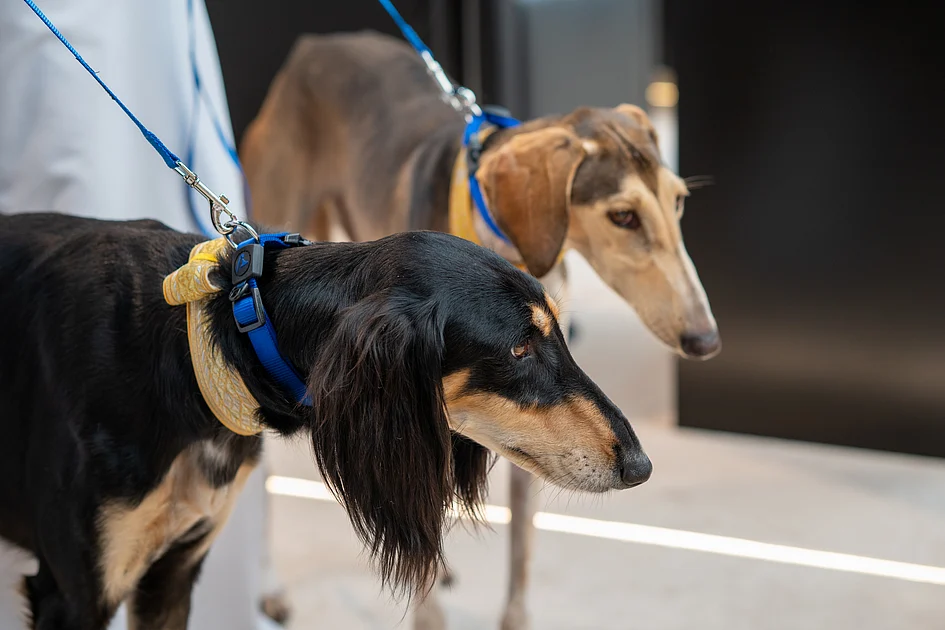
    The inaugural Al Ain International Hunting and Equestrian Exhibition 2025 has cast a well-deserved spotlight on the Arabian Saluki, celebrating this iconic desert hound as both a master hunter and cultural treasure. This graceful yet powerful breed continues to captivate breeders, hunting enthusiasts, and cultural preservationists across the UAE and beyond with its unique combination of speed, intelligence, and loyalty.

    For centuries, the Saluki has served as more than merely a hunting companion—it has evolved as a desert-native breed meticulously shaped by the harsh demands of its environment. Its exceptional terrain navigation capabilities, breathtaking sprinting speed, and profound loyalty to handlers have secured its permanent place within Emirati heritage. Modern breeders now dedicate themselves to maintaining the breed’s purity and traditional characteristics.

    Renowned breeder Abduljalal Samina, exhibiting at the event, emphasized to Khaleej Times that genuine Salukis are ‘born with the passion for the chase.’ He clarified that the breed’s value derives not from monetary price but from documented lineage, proven performance capabilities, and the quality of the bond formed with its owner. ‘Some dogs are priceless,’ Samina noted, referencing top-tier specimens that excel in both aesthetic competitions and speed trials.

    The exhibition showcases Salukis across multiple categories, including show-quality presentations and those specifically trained for high-velocity hunting and racing competitions. Judges employ comprehensive evaluation criteria examining physical attributes and behavioral characteristics: overall body structure, agility, stance, muscle definition, and the dog’s innate responsiveness to its handler.

    Beyond physical prowess, the event highlights the Saluki’s deep cultural significance. For many Emirati families, raising and training these dogs represents an intergenerational tradition. The breed embodies cherished cultural values including patience, strength, and humanity’s historical connection to the desert environment.

    As visitors explore Hall 2, they encounter living representations of Emirati history—each Saluki serves as a testament to loyalty, specialized skills, and enduring desert heritage. With growing international interest in the breed, exhibitions like this play an increasingly vital role in preserving and promoting this iconic symbol of UAE national identity.

  • Airbus A320 recall disrupts Asian travel as carriers scramble to patch software

    Airbus A320 recall disrupts Asian travel as carriers scramble to patch software

    A sweeping software recall affecting approximately 6,000 Airbus A320 family aircraft has triggered significant travel disruption across Asia and beyond, forcing airlines to scramble for solutions during one of the year’s busiest travel periods. The unprecedented recall, issued to 350 operators worldwide, represents one of the largest in Airbus’s 55-year history and impacts more than half of the global A320 fleet.

    The technical directive mandates carriers to address a software glitch affecting elevator and aileron control systems on A319, A320, and A321 models before returning aircraft to service. While the fix primarily involves reverting to earlier software versions and is considered relatively straightforward, the sheer scale of affected aircraft has created operational chaos for airlines.

    Asian carriers have been particularly hard hit given the A320’s dominance as the backbone of regional short-haul aviation. India’s aviation regulator confirmed 338 Airbus aircraft required attention, with IndiGo completing resets on 143 of its 200 affected jets and Air India addressing 42 of its 113 impacted aircraft. Both carriers warned passengers of potential delays and rescheduled flights.

    Japanese aviation faced substantial disruption with ANA Holdings canceling 65 flights on Saturday and anticipating further Sunday disruptions. Nationwide, 95 flights were canceled according to NHK broadcasts. Taiwan’s Civil Aviation Administration estimated two-thirds of the island’s 67 A320 and A321 aircraft required inspections.

    The recall’s ripple effects extended globally with American Airlines reporting 340 of its 480 A320 aircraft needed remediation. Colombian carrier Avianca took the drastic step of suspending ticket sales through December 8 as the recall affected over 70% of its fleet. Australian, European, and South Korean carriers also reported varying levels of impact.

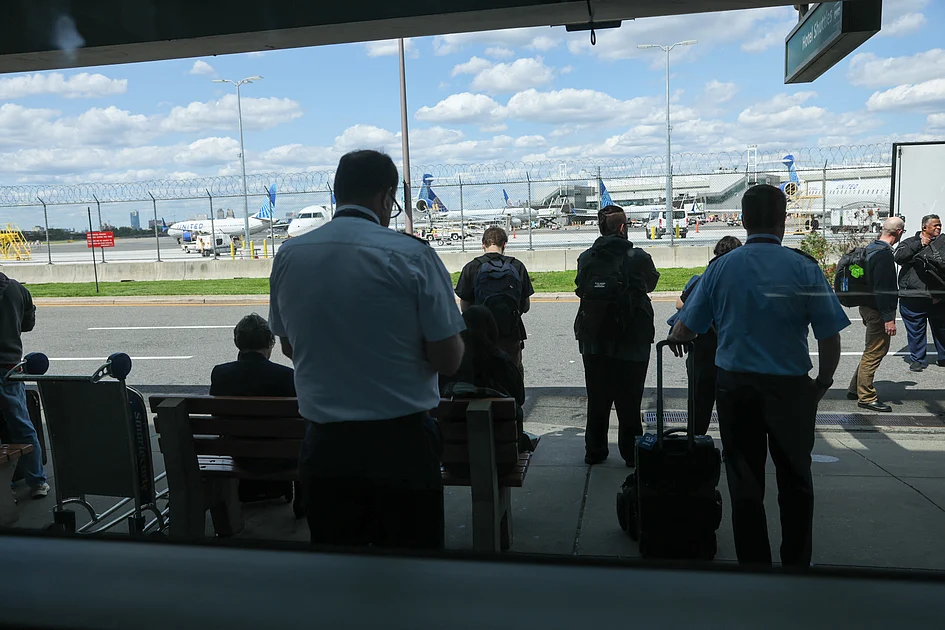
    Industry sources indicate the recall was triggered by an October 30 incident involving a JetBlue flight from Cancun to Newark that experienced a sharp altitude loss, resulting in passenger injuries. Aviation regulators worldwide have followed the European Union Aviation Safety Agency’s directive mandating corrections before resumed operations.

  • Dubai: Man jailed after drug-soaked A4 paper shipment intercepted at customs

    Dubai: Man jailed after drug-soaked A4 paper shipment intercepted at customs

    Dubai authorities have uncovered and thwarted an elaborate narcotics smuggling operation utilizing A4 printing paper as a concealment method, resulting in the imprisonment of a Gulf national. The Dubai Criminal Court delivered a mixed verdict, sentencing the individual to three months incarceration for drug consumption while exonerating him from importation charges due to insufficient evidence linking him directly to the shipment arrangement.

    The case originated in April 2025 when a vigilant Dubai Customs inspector detected anomalies in a small parcel declared as standard office supplies. The shipment contained 22 sheets of paper that exhibited unusual characteristics, prompting immediate notification to Dubai Police. Law enforcement officials orchestrated a controlled operation instructing customs to summon the recipient for collection.

    Upon arrival at the customs facility, the Gulf national was apprehended. Concurrently, a second suspect—an African national—arrived to retrieve the parcel using his Emirates ID. During interrogation, the African individual claimed he had been offered AED 5,000 to collect what he believed were legitimate work documents, asserting he had only received instructions on the delivery day.

    Subsequent investigations by Dubai Police’s Anti-Narcotics Department revealed more sinister connections. The African suspect was identified as an established drug dealer with prior history of supplying prohibited substances to the Gulf national. Forensic laboratory analysis confirmed the paper sheets were impregnated with a synthetic controlled substance, highlighting an increasingly prevalent global smuggling technique designed to evade detection.

    While the primary defendant denied any knowledge of or connection to the international shipment, forensic evidence conclusively established recent narcotics consumption through biological testing. The court determined that although drug use was substantiated, prosecution failed to prove the defendant’s involvement in orchestrating the importation beyond reasonable doubt. The African suspect remains under active investigation for narcotics trafficking offenses.

    Authorities have issued renewed warnings about sophisticated drug concealment methods utilizing commonplace items including textiles, food packaging, and stationery products. Dubai officials emphasize the critical importance of public vigilance and strongly advise against accepting parcels for unknown individuals.

  • Hong Kong is China’s most underestimated strategic asset

    Hong Kong is China’s most underestimated strategic asset

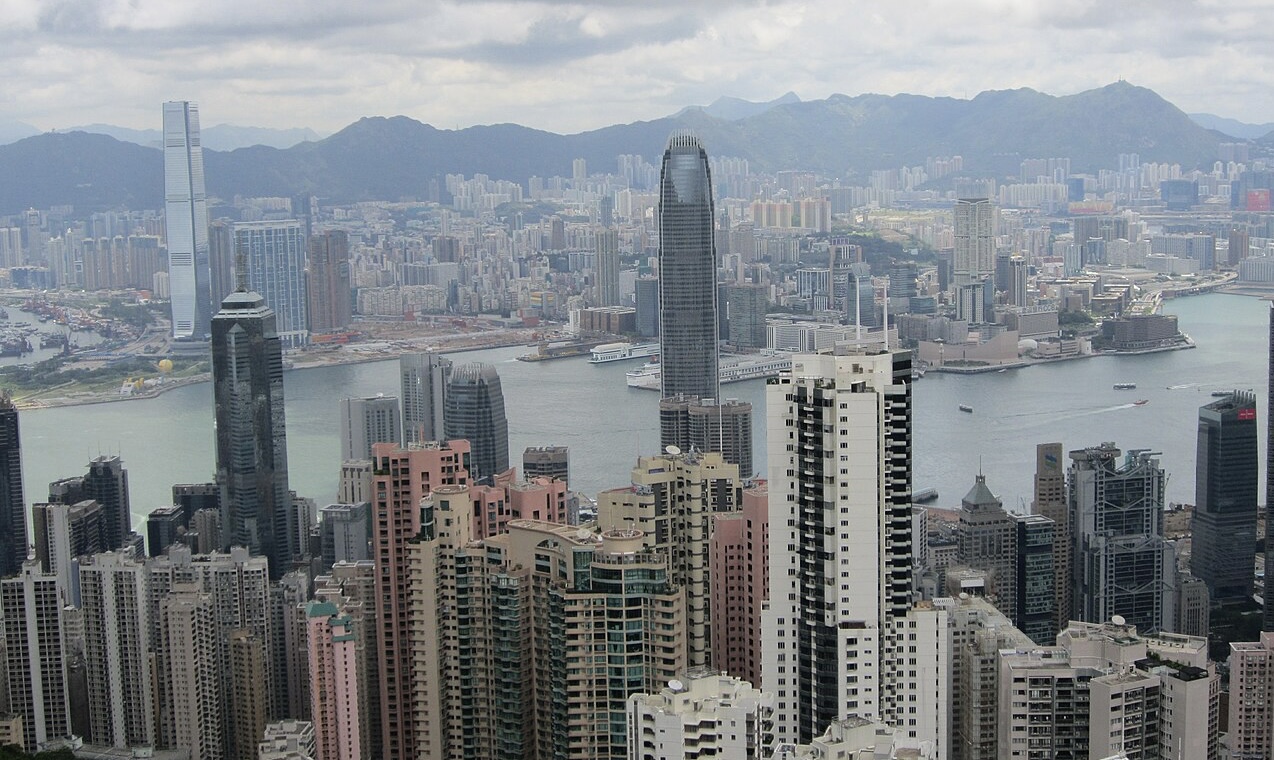
    Amid widespread narratives predicting Hong Kong’s decline due to geopolitical tensions and regional competition, a more profound transformation is underway. Rather than fading into irrelevance, the city is being strategically repurposed as the central platform for China’s global financial ambitions. This structural shift positions Hong Kong with greater strategic importance to Beijing than at any point in recent decades.

    Hong Kong’s evolution into China’s offshore financial command center represents a deliberate, consequential transformation that transcends conventional discussions about economic recovery. The city is being systematically integrated into the architecture of China’s ascent as a financial power, functioning not as a nostalgic relic but as a forward-facing operational platform.

    The renminbi’s internationalization strategy demonstrates Hong Kong’s critical role. As Beijing pursues currency globalization, it requires a trusted global marketplace operating under international norms—a role neither Shanghai nor Shenzhen can fulfill. Hong Kong’s dominance in offshore RMB liquidity, hosting the world’s largest pool, provides China with a controlled environment that maintains global credibility. The city facilitates accelerating RMB bond issuance, swap programs, and cross-border settlement mechanisms that determine the currency’s international future through market functionality rather than political declarations.

    While some observers focus on declining IPO volumes, they overlook deeper structural reforms transforming how international capital engages with China. Listing reforms, cross-border fund distribution, and enhanced market infrastructure establish Hong Kong as the most credible offshore venue for raising Chinese capital globally. China is not merely preserving Hong Kong’s status but reengineering it to channel global capital without exposing the onshore system to destabilizing flows.

    This dual-track structure—onshore for scale, offshore for global reach—forms the backbone of China’s financial strategy. Hong Kong’s value now resides in strategic function rather than speculative cycles.

    The wealth management sector reveals even more significant developments. As China’s affluent class expands, Hong Kong emerges as the exclusive offshore hub capable of handling Chinese wealth at global standards. Family-office incentives, tax clarity, and internationally-aligned regulatory frameworks make the city uniquely suited to manage China’s growing private capital—capital that Beijing increasingly wants deployed globally rather than domestically.

    In financial innovation, Hong Kong’s new identity becomes unmistakable. While other financial centers debate digital assets and fintech regulation, Hong Kong actively builds frameworks to integrate these emerging sectors. Through virtual-asset licensing, green-finance taxonomy, and cross-border fintech pilots, the city positions itself at the frontier of financial experimentation.

    This transformation extends beyond local implications, strengthening China’s capacity to influence global financial rules through participation rather than demands. Hong Kong provides unparalleled leverage in shaping capital standards, payment systems, and digital-finance architecture.

    The actual risk facing Hong Kong is not irrelevance but complacency. Maintaining its comparative advantage requires moving faster than both rivals and diminishing geopolitical narratives. The city’s unique power derives from being simultaneously deeply Chinese and institutionally global—a duality that represents strength rather than vulnerability.

    Hong Kong is evolving into the operational center of China’s financial modernization and the offshore engine of its global financial projection. If China emerges as a financial powerhouse in coming decades, Hong Kong will have served as the pivotal platform enabling that transformation—not as a fading star but as a quietly rising one essential to China’s global financial strategy.
  • History of traditional Chinese medicine on display at Shanghai museum

    History of traditional Chinese medicine on display at Shanghai museum

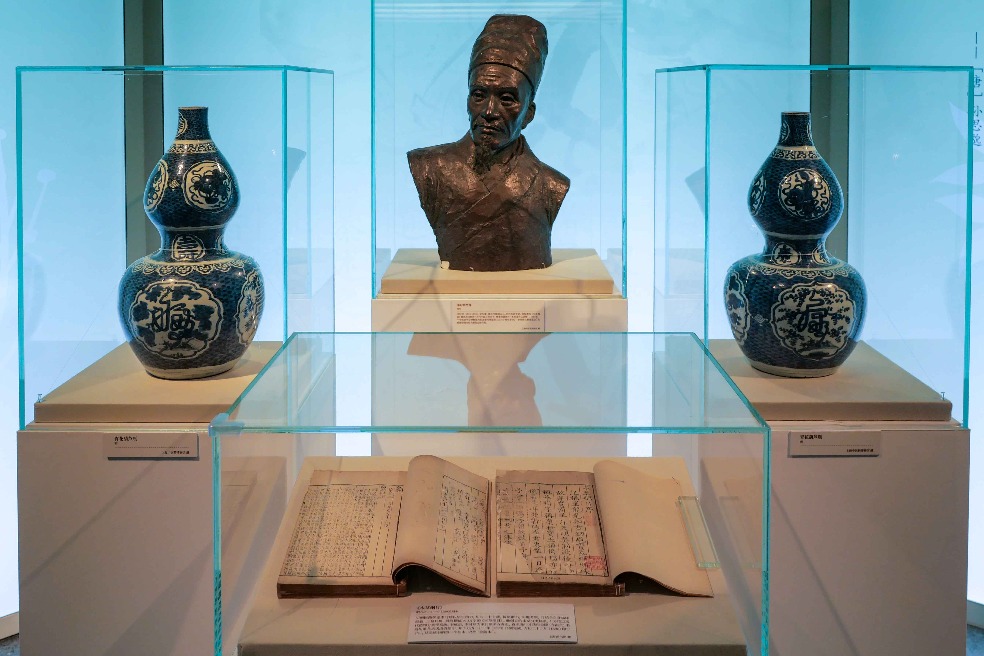
    Shanghai History Museum has launched a groundbreaking exhibition showcasing the profound legacy of Traditional Chinese Medicine (TCM) in the metropolitan region. Titled ‘Heritage, Harmony, Health: The Wisdom of Shanghai TCM for Modern Well-Being,’ the comprehensive display features over 300 meticulously curated artifacts that trace the evolution of medicinal practices throughout Shanghai’s history.

    The crown jewel of the exhibition is an exceptionally rare first print copy of Li Shizhen’s Bencao Gangmu (Compendium of Materia Medica), on special loan from Shanghai Library for a limited one-week viewing period. This monumental 16th-century encyclopedia represents one of Chinese medicine’s most significant contributions to global pharmacology. Li Shizhen dedicated three decades to compiling this masterwork, which systematically categorizes medicinal substances into plant, animal, and mineral classifications across 52 detailed volumes.

    Historical scholars recognize the Jinling edition as the original version of this seminal text, with approximately 160 different editions identified to date. The exhibition contextualizes this pharmaceutical masterpiece within Shanghai’s broader medical heritage, demonstrating how traditional healing practices have continuously evolved while maintaining their philosophical foundations.

    Beyond the literary treasure, the museum presents diverse artifacts including ancient diagnostic tools, prescription manuals, herbal specimens, and surgical instruments that illustrate the sophisticated practices of TCM practitioners through centuries of medical development. The exhibition particularly emphasizes how Shanghai emerged as a crucial hub for integrating traditional medical knowledge with modern healthcare approaches.

    Running through March 1, the immersive experience offers visitors unique insights into how historical medical wisdom continues to inform contemporary wellness practices. The exhibition strategically bridges historical medical traditions with current health concepts, demonstrating TCM’s enduring relevance in modern preventive medicine and holistic treatment methodologies.

  • UAE’s ‘nature emirate’: How RAK combines 7,000-year history, new hotels to draw tourists

    UAE’s ‘nature emirate’: How RAK combines 7,000-year history, new hotels to draw tourists

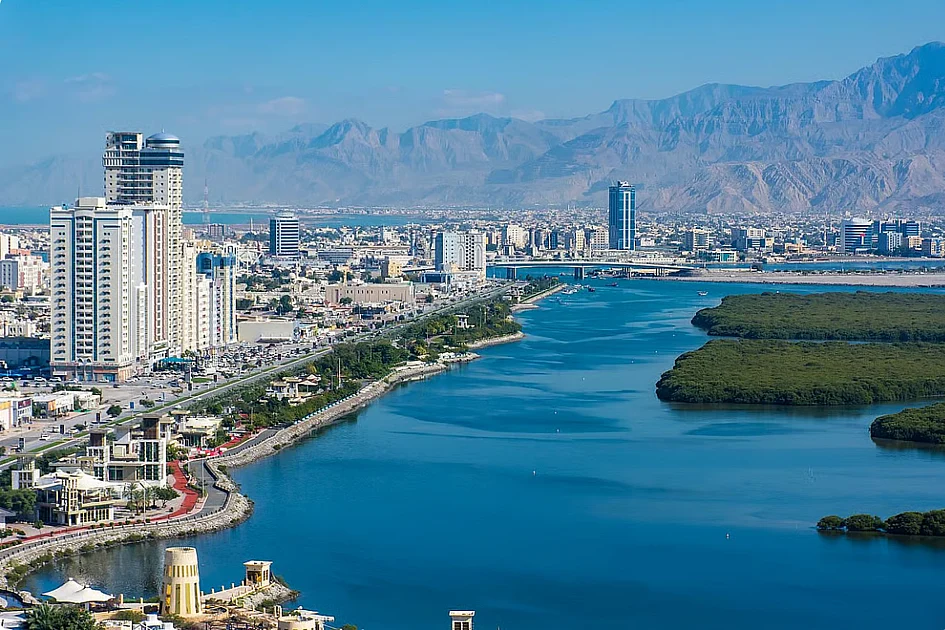
    Ras Al Khaimah is embarking on an ambitious tourism expansion strategy that strategically merges its 7,000-year historical legacy with contemporary luxury developments to establish itself as a distinctive global destination. Under the leadership of newly appointed Ras Al Khaimah Tourism Development Authority (RAKTDA) CEO Phillipa Harrison, the emirate is implementing a comprehensive growth blueprint targeting a threefold increase in visitor numbers over the next five years.

    The emirate’s remarkable visitor surge—recording 650,000 arrivals in the first half of 2025 alone—demonstrates the effectiveness of its current approach. This growth is propelled by strategic enhancements including new hotel openings, strengthened international partnerships, and significantly improved air connectivity with eleven new routes established. Current projections indicate the destination will reach 1.4 million visitors by year’s end, with accelerated growth anticipated as major developments come online.

    Harrison, drawing from her extensive experience leading Tourism Australia, emphasizes the critical importance of distinctive branding and authentic experiences in global tourism success. “We must be choiceful in how we market ourselves and develop strong points of connection with diverse global audiences,” Harrison stated during an exclusive interview. While maintaining its successful all-inclusive sun-and-sand offerings from traditional markets like the UK, the emirate is simultaneously expanding into luxury tourism and fully independent traveler segments.

    The strategic vision extends beyond conventional tourism parameters, with plans to enhance guest experiences across mountain, desert, coastal, and mangrove environments. Cultural tourism represents another key growth pillar, leveraging historical assets including Al Jazeera Al Hamra and the emirate’s significant position along ancient trade routes.

    A pivotal milestone in this transformation will be the opening of the Wynn Integrated Resort on Al Marjan Island, anticipated to serve as a regional game-changer that will focus unprecedented global attention on Ras Al Khaimah. Harrison identifies this development as an opportunity to comprehensively showcase the emirate’s diverse offerings and unique identity to an international audience.

    The tourism strategy incorporates a strong emphasis on sustainability and community engagement, ensuring that growth benefits both visitors and residents while maintaining the natural and cultural integrity that defines the ‘Nature Emirate.’ Harrison and her team are working to present Ras Al Khaimah as a cohesive destination where visitors can reconnect with nature, discover authentic culture, and experience a genuine sense of escape, all while complementing rather than competing with neighboring emirates.

  • UAE National Day travel faces delays amid Airbus A320 major recall

    UAE National Day travel faces delays amid Airbus A320 major recall

    A major global aviation safety directive has cast a shadow over UAE National Day travel plans, mandating urgent inspections for approximately 6,000 Airbus A319, A320, and A321 aircraft worldwide. The European Union Aviation Safety Agency (EASA) issued an Emergency Airworthiness Directive following the discovery that intense solar radiation can corrupt critical flight control data.

    The safety alert emerged after an October 30 incident involving a JetBlue A320 en route from Cancun to Newark, where the aircraft experienced an uncommanded nose-down movement, forcing an emergency diversion to Tampa that resulted in injuries to 15 passengers. Subsequent investigation revealed solar radiation had compromised the aircraft’s Elevator Aileron Computer (ELAC) system, potentially triggering similar dangerous maneuvers when autopilot is engaged.

    EASA now requires airlines to install radiation-hardened ELAC units or revert to earlier certified software before affected aircraft can carry passengers. While empty ferry flights to maintenance facilities remain permitted, any non-compliant aircraft after the November 29 deadline (03:59 UAE time November 30) cannot operate commercial services.

    The directive coincides with both the UAE National Day long weekend and the beginning of winter school holidays, creating perfect storm conditions for travel disruption at Dubai International (DXB) and Al Maktoum International (DWC) airports. The India-UAE corridor, among DXB’s busiest routes, faces particular strain as Indian carriers must address approximately 200-250 affected aircraft from their 560-strong A320-family fleet.

    Major carriers including IndiGo, Air India, and Air India Express have acknowledged potential schedule changes while implementing around-the-clock modifications. Air India reported completing over 40% of required updates, expressing confidence in meeting EASA’s timeline while warning passengers of possible delays. Aviation authorities recommend travelers verify flight status through official channels and arrive at airports at least three hours before scheduled departures.

    Airbus and airline officials emphasize that the hardware and software modifications typically require only a few hours per aircraft, though the massive scale of the global operation presents significant logistical challenges during one of the region’s peak travel periods.