博客

  • Pope wraps up Turkey visit and heads to Beirut to try to give Lebanese hope after years of crises

    Pope wraps up Turkey visit and heads to Beirut to try to give Lebanese hope after years of crises

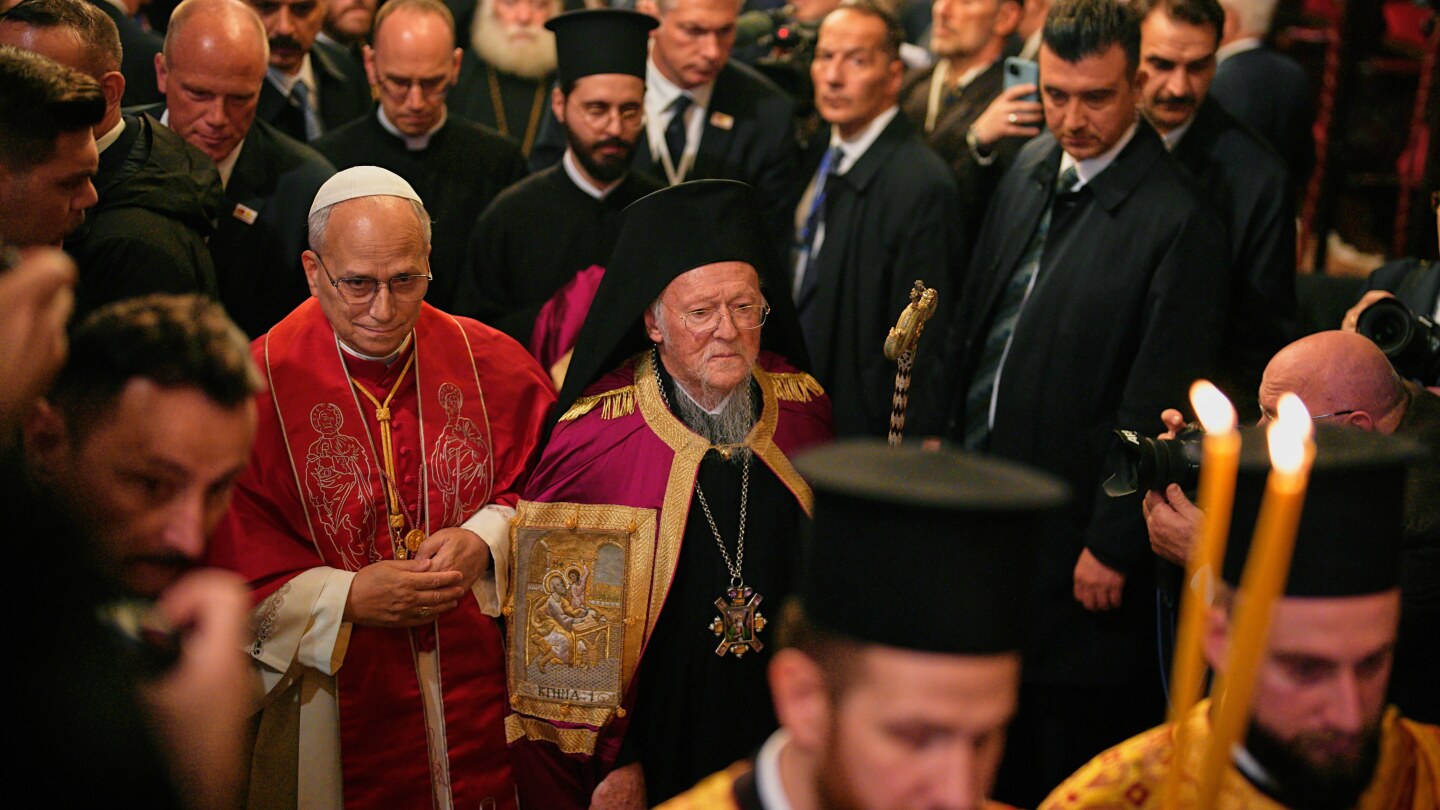
    ISTANBUL — Pope Leo XIV departed Turkey on Sunday, concluding the initial phase of his inaugural foreign papal journey before proceeding to Lebanon. His visit aims to deliver a potent message of hope to the nation’s beleaguered citizens and reinforce the vital Christian presence within the Middle East.

    The Pontiff’s schedule in Istanbul featured two significant ecumenical engagements: a solemn prayer service at the Armenian Apostolic Cathedral and participation in a divine liturgy alongside Ecumenical Patriarch Bartholomew, the spiritual head of global Orthodox Christianity. This invitation, extended to commemorate a major Christian anniversary, formed the foundational purpose for Leo’s regional tour.

    Arriving in Lebanon during a period of profound instability, the Pope seeks to honor a commitment originally made by his predecessor, Francis, whose declining health prevented his own long-desired pilgrimage. Francis frequently echoed St. John Paul II’s 1989 declaration that Lebanon represents more than a nation—it is a symbolic ‘message’ of fraternity and coexistence. This ethos is institutionalized through a unique power-sharing governance structure, mandating a Maronite Christian president, a Sunni Muslim prime minister, and a Shiite parliament speaker.

    As a Muslim-majority country with a substantial Christian minority constituting approximately one-third of its population, Lebanon has perpetually held strategic importance for the Vatican, serving as a critical stronghold for regional Christianity. However, decades of persistent conflict have precipitated a concerning diminishment of ancient Christian communities tracing their origins to the Apostolic era.

    Local religious leaders, including Bishop George, Archbishop of the Melkite Greek Catholic Archeparchy of Beirut, emphasized the visit’s critical timing. ‘The Holy Father is coming at a very difficult moment for Lebanon and for our region,’ he stated, noting widespread public anxiety over the future and lingering fears of a resurgent full-scale war with Israel. ‘In this difficult moment, the pope’s visit is a sign of hope. It shows that Lebanon is not forgotten.’

    The nation’s precarious state stems from a cascading series of catastrophes. A devastating economic collapse in 2019 obliterated the national currency and banking sector, erasing life savings and triggering critical shortages of electricity, fuel, and medicine. This was compounded in August 2020 by the cataclysmic Beirut port explosion, where improperly stored ammonium nitrate detonated, killing 218 individuals, injuring thousands, and inflicting billions in damages.

    A central, highly symbolic moment of Pope Leo’s itinerary is scheduled for December 2nd: a period of silent prayer at the epicenter of the 2020 blast site, followed by a personal meeting with affected victims and their families. Public fury persists over the tragedy, widely attributed to governmental negligence, and is exacerbated by the repeated stalling of a formal investigation. Five years onward, no official has been held accountable, fostering deep disillusionment among citizens who hope the Pontiff will forcefully advocate for truth and justice.

    Further complexity arises from the ongoing regional conflict. The war in Gaza, initiated after the October 2023 Hamas-led attack, drew in the Lebanese militant group Hezbollah into a escalating conflict with Israel that erupted into full-fledged war in September 2024. This conflict resulted in over 4,000 fatalities and widespread destruction. Although a U.S.-brokered ceasefire nominally halted hostilities two months later, near-daily Israeli airstrikes continue, fueling fears of a renewed total war.

    Ahead of the papal arrival, Hezbollah issued a statement urging the Pope to publicly denounce the ‘injustice and aggression’ it claims Lebanon endures—a clear reference to Israeli military actions. The group also called on its supporters to gather respectfully along the route of the papal motorcade. Hezbollah maintains political alliances with several Christian parties, such as the Free Patriotic Movement and Marada Movement, though it faces opposition from the Lebanese Forces, the largest Christian parliamentary bloc, which criticizes the group for entangling the nation in war.

    The papal visit also resonates powerfully in neighboring Syria. After a 14-year civil war that forced hundreds of thousands of Christians to flee, the ousting of autocrat Bashar Assad by Islamist insurgents in December has led to sporadic sectarian violence and attacks on religious minorities, including a June suicide bombing at a Damascus church. A delegation of 300 Syrian Christians, led by a Greek Melkite Catholic priest, traveled to Lebanon seeking audience with Pope Leo. For individuals like 24-year-old delegate Dima Awwad, his presence offers a beacon of hope amid ‘fear of an unknown future’ and a reaffirmation of the Eastern Christian community’s desire to remain in their historic homeland.
  • UAE condemns Israeli attacks on Syrian territory, calls for immediate action

    UAE condemns Israeli attacks on Syrian territory, calls for immediate action

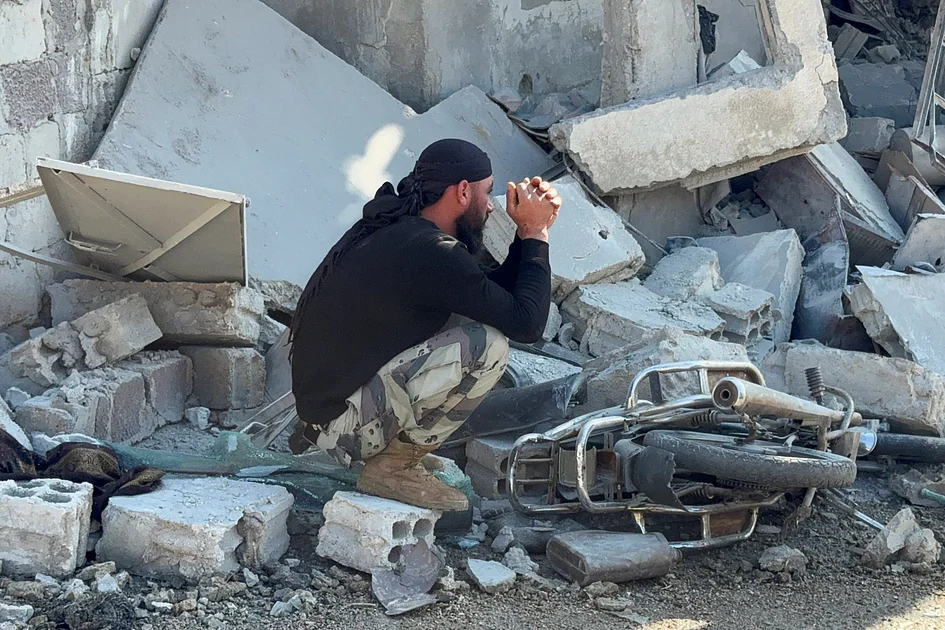
    The United Arab Emirates has issued a formal condemnation of Israel’s recent military operations within Syrian territory, characterizing these actions as a dangerous escalation in regional tensions. The UAE government expressed profound disapproval of attacks targeting villages in the Damascus countryside, emphasizing its categorical rejection of any violation of Syria’s national sovereignty and the consequent threat to regional security and stability.

    In an official statement released by the Ministry of Foreign Affairs, the Emirates called upon the global community to implement immediate measures aimed at ceasing the recurrent assaults on Syrian soil. The statement further urged international stakeholders to prevent further escalation and refrain from any activities that might exacerbate tensions in the Middle East, potentially jeopardizing both regional and international peace and security frameworks.

    The UAE’s diplomatic position reflects growing concern among Middle Eastern nations regarding the destabilizing effects of cross-border military operations. This development occurs amid complex geopolitical dynamics in the region, where multiple international actors maintain strategic interests. The Emirates’ statement underscores the importance of respecting national boundaries and adhering to international law principles governing interstate relations and conflict resolution.

  • Pakistan outclass Sri Lanka to win T20I tri-series

    Pakistan outclass Sri Lanka to win T20I tri-series

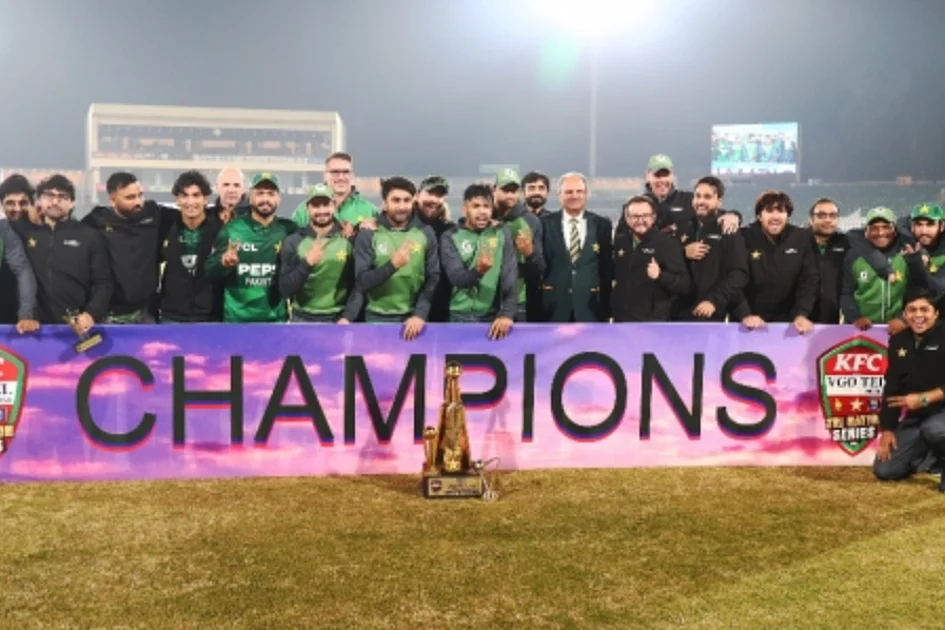
    Pakistan secured a commanding six-wicket victory over Sri Lanka in the T20I tri-series final on Saturday at Rawalpindi Stadium, showcasing exceptional bowling prowess that dismantled their opponents’ batting lineup. The match concluded with eight balls remaining as Pakistan comfortably chased down a modest target of 115 runs.

    The bowling attack, led by Mohammad Nawaz (3-17) and Shaheen Shah Afridi (3-18), proved devastatingly effective. Sri Lanka, after being sent in to bat, collapsed dramatically from a promising position of 84-1 to a meager 114 all out in 19.1 overs. This spectacular collapse saw nine wickets fall for just 30 runs, highlighting Pakistan’s relentless bowling pressure.

    Opener Kamil Mishara provided the lone resistance for Sri Lanka with a solid 59 off 47 balls, including four sixes and two boundaries. His 64-run partnership with Kusal Mendis (14) established what appeared to be a foundation for a competitive total. However, once both batsmen departed within three overs of each other, Sri Lanka’s innings unraveled completely against Pakistan’s disciplined attack.

    In response, Pakistan’s chase was anchored by solid contributions throughout their lineup. Openers Saim Ayub (36) and Sahibzada Farhan (23) established a 46-run partnership in the first eight overs, providing crucial momentum. Despite losing captain Salman Agha (14) and Fakhar Zaman (3) in quick succession, Babar Azam’s unbeaten 37 ensured a smooth victory without further complications.

    Pakistan captain Salman Agha praised his team’s comprehensive performance, noting: ‘This has been a very good two months for us, we won against South Africa and now against Sri Lanka.’ Meanwhile, Sri Lankan skipper Dasun Shanaka acknowledged his team’s shortcomings: ‘We couldn’t build on a good platform because Pakistan bowled very well. We need to fine-tune our game ahead of the next series and the World Cup.’

    The tri-series, which also included Zimbabwe who finished bottom after losing three of their four matches, serves as crucial preparation for the upcoming T20 World Cup scheduled for February-March next year, to be co-hosted by India and Sri Lanka.

  • Sri Lanka flood death toll rises to 159, many more missing

    Sri Lanka flood death toll rises to 159, many more missing

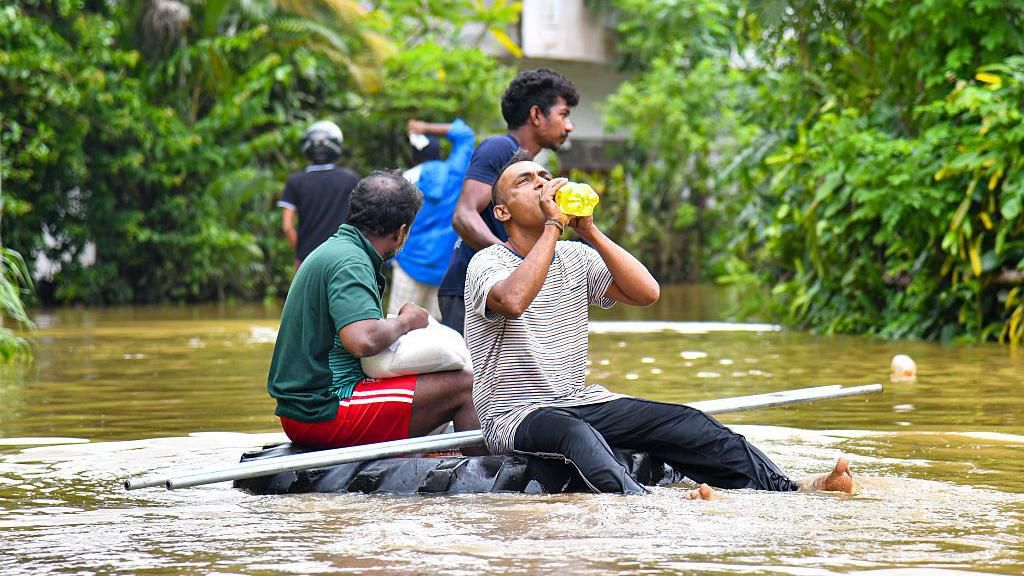
    Sri Lanka faces a catastrophic humanitarian crisis as the aftermath of Cyclone Ditwah claims 159 lives with over 200 individuals still unaccounted for, marking one of the nation’s most severe weather disasters in recent history. According to the Disaster Management Centre, the devastating floods and mudslides have obliterated more than 20,000 residential structures, forcing approximately 108,000 citizens to seek refuge in government-operated temporary shelters.

    The widespread destruction has left nearly one-third of the country without essential utilities including electricity and clean running water, prompting officials to declare a state of emergency. Emergency evacuation protocols have been activated in multiple regions as water levels in the Kelani River continue to surge at alarming rates.

    Kandy and Badulla districts report the highest concentration of fatalities, with numerous communities remaining completely isolated due to impassable roads blocked by landslides. Saman Kumara, a resident of Maspanna village in Badulla, described the desperate situation: ‘We lost two villagers… others are sheltering in the only standing structures. We’re trapped with diminishing supplies of food and clean water.’

    Tragic incidents include the drowning of 11 elderly residents at a care facility in Kurunegala district, while dramatic rescue operations saved 69 passengers from a submerged bus in Anuradhapura. Survivor WM Shantha recounted the harrowing experience: ‘The navy helped us reach a building roof that partially collapsed during the ordeal.’

    The Sri Lankan government has formally requested international assistance and is appealing to overseas citizens for financial contributions to support relief efforts. Meteorologists note that while Cyclone Ditwah has moved away from the island nation after making landfall on Friday, the country continues to experience unprecedented monsoon conditions that exceed typical seasonal patterns.

    This disaster represents the most severe flooding event since the 2003 catastrophe that claimed 254 lives, coinciding with widespread flooding across Southeast Asia affecting millions in Indonesia, Malaysia, and Thailand.

  • Abu Dhabi T10: Stallions reach final as Bulls set up do-or-die clash with Quetta

    Abu Dhabi T10: Stallions reach final as Bulls set up do-or-die clash with Quetta

    The Abu Dhabi T10 tournament witnessed dramatic developments on Saturday as two crucial matches determined the finalists lineup. In Qualifier 1, the Aspin Stallions secured their place in the championship final with a commanding seven-wicket victory over Quetta Qavalry at Zayed Cricket Stadium.

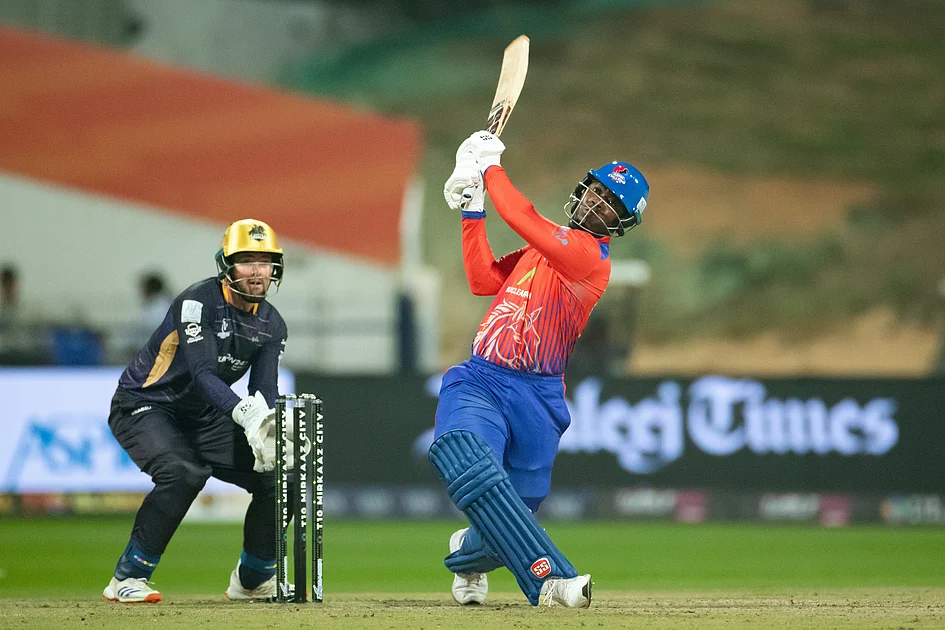
    The Stallions’ triumph was orchestrated by West Indies powerhouse Sherfane Rutherford, who delivered a spectacular unbeaten 66 runs from just 22 deliveries. His explosive innings, featuring six boundaries and six maximums, marked his first half-century of the tournament and propelled his team to chase down Quetta’s total of 102 with seven balls remaining.

    Despite early trouble at 13-2, Rutherford’s crucial 64-run partnership with captain Rahmanullah Gurbaz (19) stabilized the innings. The match reached its climax when Rutherford unleashed a devastating assault, scoring 22 runs from four consecutive balls against pace bowler Khuzaima Tanveer to seal the victory.

    Earlier, Quetta’s batting lineup struggled against the Stallions’ bowling attack, particularly Karim Janat (2/9) and Binura Fernando (2/14), who restricted them to 102-6 despite several batters making promising starts.

    In the Eliminator match, UAE Bulls kept their championship hopes alive with a dominant 47-run win against Ajman Titans. The Bulls posted the tournament’s highest total this season—162-3—fueled by Phil Salt’s 59 (26 balls), Tim David’s rapid 40 (13 balls), and Rovman Powell’s unbeaten 32 (10 balls). Their collective six-hitting exhibition overwhelmed the Titans.

    Although Ajman’s openers Alex Hales (35) and Aneurin Donald (37) mounted a strong 68-run partnership in 5.1 overs, UAE pace bowler Junaid Siddique turned the tide by dismissing both Hales and Rilee Rossouw in successive deliveries during the sixth over. The Titans eventually collapsed to 115-4, eliminating them from contention.

    The stage is now set for Sunday’s decisive Qualifier 2 between UAE Bulls and Quetta Qavalry at 3:30 PM, with the winner advancing to face Stallions in the championship final at 5:45 PM on the same ground.

  • UAE Lottery: Last Dh100 million remains unclaimed, 7 win Dh100,000 in latest draw

    UAE Lottery: Last Dh100 million remains unclaimed, 7 win Dh100,000 in latest draw

    The UAE Lottery’s latest Lucky Day draw has produced another group of fortunate winners while leaving the massive Dh100 million grand prize unclaimed for yet another drawing cycle. In the recently concluded 26th edition, seven participants secured guaranteed prizes of Dh100,000 each, adding to the growing list of lottery beneficiaries across the Emirates.

    The winning combination for the November 29th draw featured day numbers 16, 30, 25, 5, 26, and 20, complemented by the month number 3. The victorious Lucky Chance IDs that secured the substantial prizes have been officially identified as: BY4914265, AL1016451, BP4066235, DU9788071, CG5712673, DB7877266, and AH0600495.

    This latest distribution of winnings marks a significant milestone for the UAE Lottery initiative, bringing the total count of Dh100,000 winners to 233 participants since the program’s inception. The lottery scheme has consistently rewarded players through multiple editions, demonstrating its ongoing commitment to creating financial opportunities for residents.

    Despite the substantial payouts to these seven winners, the draw results published on the official lottery portal confirmed that no participants matched the required numbers for the top three tier prizes. The premier Dh100 million jackpot, along with the secondary and tertiary awards, will consequently roll over to subsequent draws, potentially creating even larger prize pools for future participants.

    The UAE Lottery continues to operate as a prominent gaming platform within the country, offering residents regular opportunities to participate in draws with life-changing monetary rewards. The ongoing unclaimed jackpot situation adds an element of anticipation to future draws, potentially driving increased participation as the prize pool accumulates.

  • Dictatorship-era army officers and supporters rally in Argentina in latest sign of political shift

    Dictatorship-era army officers and supporters rally in Argentina in latest sign of political shift

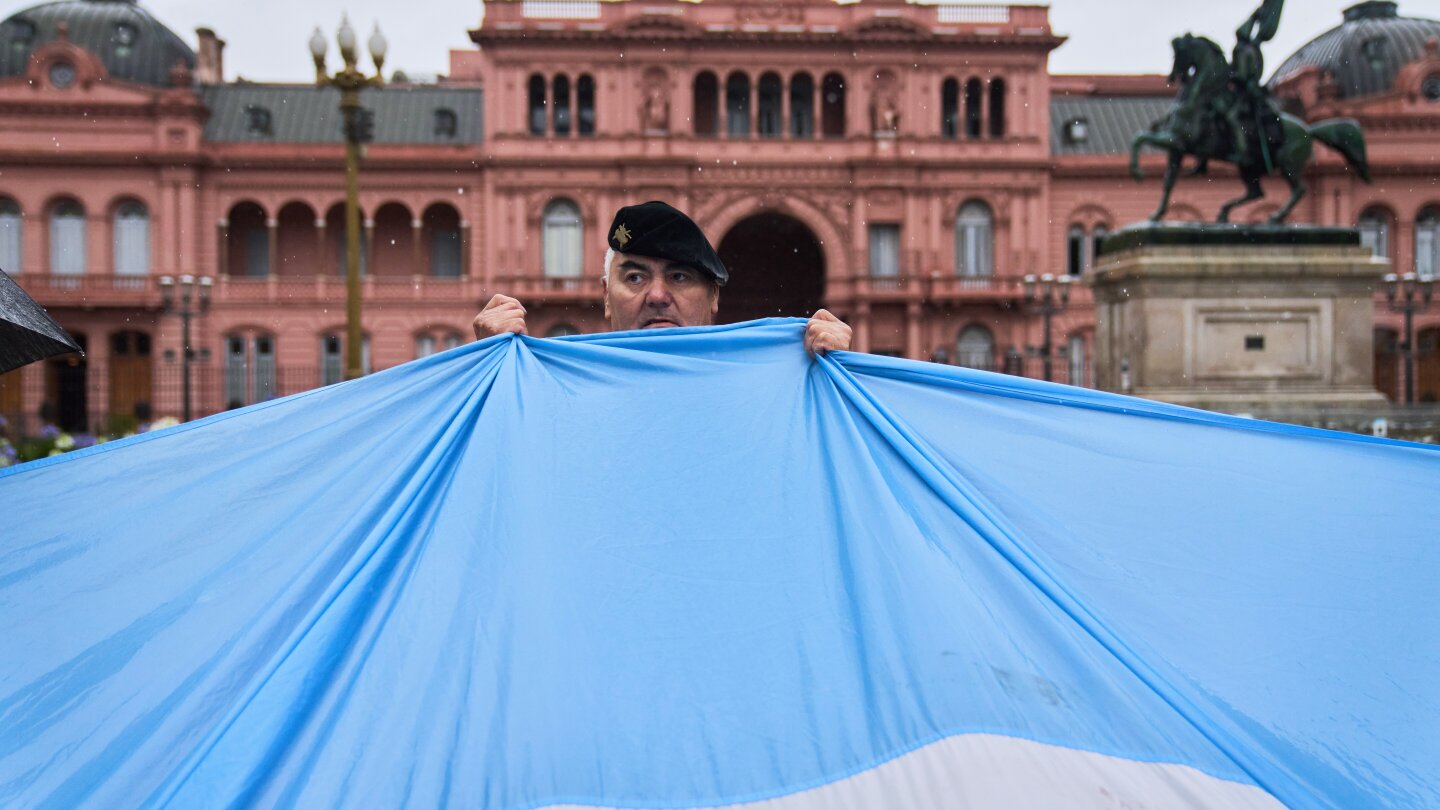
    BUENOS AIRES — In a provocative demonstration that has exposed deep societal fractures, former Argentine military officers and their families staged an unprecedented rally at Plaza de Mayo on Saturday, demanding the release of personnel imprisoned for human rights violations during the nation’s 1976-1983 dictatorship.

    The gathering represented a direct challenge to Argentina’s foundational “Nunca Más” (Never Again) principle that has guided the nation’s reckoning with authoritarian rule. The location itself carried profound symbolism—the same square where the Grandmothers of Plaza de Mayo have conducted silent weekly protests for decades seeking answers about children abducted by the junta.

    This demonstration occurred amidst a dramatic ideological shift under right-wing President Javier Milei, who has repeatedly characterized the dictatorship’s state terrorism as a necessary campaign against leftist guerrillas. His administration has taken unprecedented steps to rehabilitate the military’s image, including appointing Army chief Lt. Gen. Carlos Alberto Presti as defense minister—the first active military official to hold a cabinet position since democracy’s restoration in 1983.

    Vice President Victoria Villarruel, daughter of an Argentine lieutenant colonel, has spent years advocating for what she calls the “other victims” of left-wing guerrilla violence, further signaling the government’s revisionist approach to historical memory.

    Human rights organizations have expressed outrage at these developments, viewing them as attempts to legitimize systematic extrajudicial killings that resulted in an estimated 30,000 disappearances. The United Nations Committee Against Torture recently criticized Milei’s dismantling of programs investigating military actions during the dictatorship and budget cuts to institutions working on truth and justice initiatives.

    Counter-protesters flooded the plaza alongside military supporters, shouting insults and bearing “Never Again” signs. Police established physical barriers separating the factions, highlighting the tense divide over how Argentina should confront its violent past.

    The demonstration’s organizers brandished black bandanas—a deliberate contrast to the white kerchiefs embroidered with missing children’s names worn by the Grandmothers. Rally organizer Maria Asuncion Benedit decried what she called a “militant, activist judiciary” and demanded “moral vindication” for military veterans.

    Unlike other Latin American nations that granted amnesty after democratic transitions, Argentina has prosecuted over a thousand military officials for participation in state terror, with hundreds still awaiting trial. This ongoing pursuit of justice now faces its most significant political challenge in decades.

  • Drinking is a way of life in Ireland. Can a warning label change that?

    Drinking is a way of life in Ireland. Can a warning label change that?

    Ireland’s profound cultural entanglement with alcohol faces unprecedented regulatory challenges as the nation implements some of the world’s strongest alcohol warning labels. These labels, now appearing on bottles and cans nationwide, explicitly state that alcohol consumption causes liver disease and is linked to fatal cancers. The measures represent the latest development in Ireland’s complex relationship with drinking, where pub culture remains deeply embedded in social traditions.

    The legislation, initially signed into law in 2023, mandates physical barriers between alcohol and general products in supermarkets alongside graphic health warnings. However, in a controversial move criticized by public health advocates, the Irish government has postponed compulsory implementation until 2028, citing global trade uncertainties. Critics suggest industry lobbying influenced the delay, though Drinks Ireland, the industry representative body, maintains they sought “breathing space” and prefers EU-wide standardization.

    Despite decreasing overall consumption—down approximately one-third over 25 years according to The Drinks Industry Group of Ireland—concerning trends persist among youth. Public health organization Alcohol Action Ireland reports binge drinking rates among 15-24-year-olds have increased significantly, with two-thirds regularly engaging in hazardous consumption patterns. The average drinking initiation age has risen to 17, yet young Irish drinkers still rank among Europe’s heaviest consumers once they start.

    Interviews with Dublin residents reveal mixed reactions to the warnings. Jack, a 29-year-old advertising professional who regularly consumes six or more pints on heavy nights, acknowledges the labels but questions their efficacy: “I know my limits. As long as you know what your limits are, I think it’s fine health-wise.” Others like 23-year-old Amanda express skepticism: “You look at it and you’re like, ‘Oh, I just drank that. Should I drink another one?’”.

    Structural factors complicate Ireland’s drinking culture. Sean, 21, notes the lack of social alternatives: “There’s not much to do in Dublin after a certain time… you have to get a pint.” This pub-centric social landscape contrasts with emerging sober curious movements. Individuals like 27-year-old Sam, completely alcohol-free for three years, and Helen, who rarely drinks, represent growing demographic shifts despite facing social stigma for their choices.

    The delayed warning label implementation reflects broader tensions between public health objectives, cultural traditions, and economic considerations in a nation where alcohol brands like Guinness and Jameson remain iconic exports. With calorie and alcohol content labeling also postponed until 2028, Ireland’s journey toward alcohol harm reduction continues to navigate complex social and political currents.

  • UAE Lottery announces major changes: Weekly draws, new Dh30 million grand prize

    UAE Lottery announces major changes: Weekly draws, new Dh30 million grand prize

    The UAE Lottery has unveiled a comprehensive transformation of its Lucky Day game format coinciding with its first anniversary celebrations. The dramatic overhaul, announced during a live broadcast on Saturday evening, transitions the lottery draws from a bi-weekly to weekly schedule while introducing a substantial Dh30 million top prize.

    This landmark announcement preceded the final Dh100 million jackpot draw under the existing format, marking the conclusion of an era that has distributed Dh147 million to over 100,000 winners throughout its 26-draw history. The lottery’s inaugural year produced five millionaire winners who each claimed Dh1 million prizes.

    Key modifications to the Lucky Day game include a significantly enhanced prize structure featuring a revised grand prize of Dh30 million and an elevated second prize that has jumped from Dh1 million to Dh5 million. The new weekly draws will occur every Saturday, substantially increasing winning opportunities for participants.

    An innovative ‘Lucky Chance’ segment will be incorporated into each weekly event, awarding three fortunate players Dh100,000 each. The inaugural weekly draw under this revitalized format is scheduled for December 6, establishing a new chapter in the UAE’s gaming landscape.

    The transition to weekly events reflects the lottery’s commitment to maintaining engagement and excitement among participants while expanding the prize distribution framework. This strategic recalibration aims to sustain the momentum generated during the game’s successful first year of operation.

  • ‘Too scared to speak’ – Nigerian villagers on living in the midst of kidnap gangs

    ‘Too scared to speak’ – Nigerian villagers on living in the midst of kidnap gangs

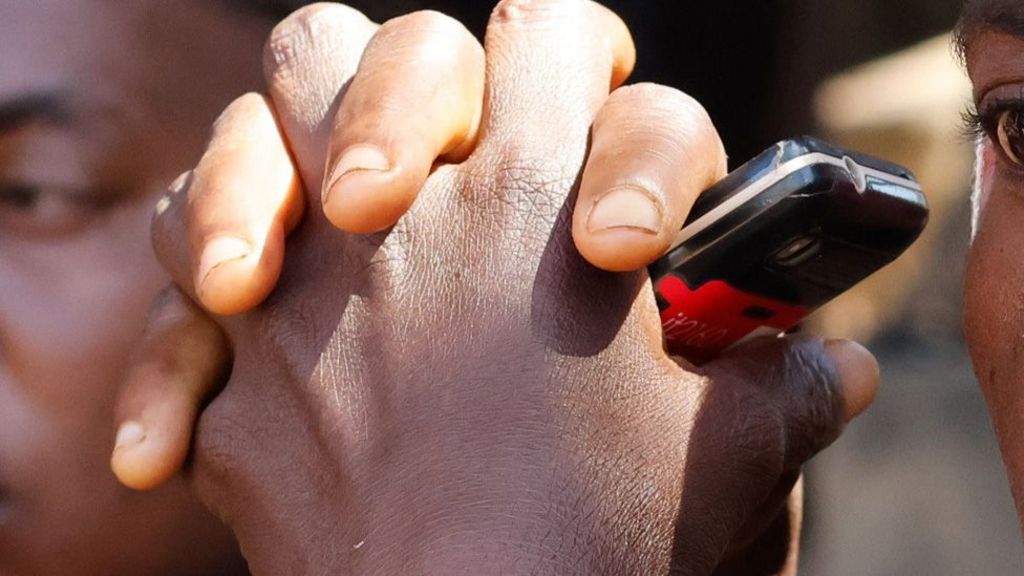
    In the remote village of Papiri in Niger state, anguished parents maintain a fearful vigil outside St. Mary’s Catholic School, their silence speaking volumes about Nigeria’s escalating kidnapping epidemic. Their children—among them five-year-olds—vanished ten days ago when armed militants stormed the boarding facility under cover of darkness, part of a disturbing resurgence of mass abductions plaguing north and central Nigeria.

    Over 300 students were taken in the November 21 raid, with approximately 250 reportedly still missing despite official claims that numbers are exaggerated. The BBC has spoken with terrified parents who refuse to be identified, fearing brutal reprisals from captors they know operate just three hours from their community. “If they hear you say anything about them, before you know it they’ll come for you. They’ll come to your house and take you into the bush,” shared one father identified only as Aliyu, whose son remains among the missing.

    This incident follows a similar pattern to the abduction of 25 girls from Maga in Kebbi state just days earlier, though those students were subsequently rescued from a farm settlement by security forces. While no group has claimed responsibility, the Nigerian government suggests jihadist elements rather than conventional bandits may be behind these operations—a distinction that matters little to traumatized families.

    The crisis has forced remote communities to develop extraordinary survival strategies. After enduring a decade of violence with minimal government protection, some villages have initiated unprecedented peace negotiations with their tormentors. In Katsina state, communities like Jibia and Kurfi have brokered fragile agreements where bandits guarantee safety in exchange for access to resources—including mineral-rich lands and market privileges.

    Security analyst David Nwaugwe of SBM Intelligence explains: “Those communities severely affected by mass kidnappings have struck so-called peace deals with these bandits in exchange for access to mines.” Northwest Nigeria contains significant untapped mineral deposits, particularly gold, creating profitable opportunities for armed groups.

    These negotiations—conducted under shade trees with armed bandit leaders present—have yielded tentative successes. Schools have reopened, hostages have been released, and violence has decreased in participating areas. Bandit leader Nasiru Bosho, who participated in Kurfi talks, stated: “We are all tired of violence. We have agreed to live and let live.”

    However, security experts warn these local solutions may simply displace violence southward toward more economically advantaged regions where ransom payments are more substantial. The situation remains further complicated by international factors, including recent comments from U.S. political figures that Nigerian officials insist oversimplify the complex religious and criminal dynamics at play.

    As Christian Ani of the Institute for Security Studies notes: “Nigeria’s security situation is now very complicated. We don’t know how to draw the lines between violent extremist groups or bandits because they operate almost in the same areas and in a fluid manner.”

    For now, desperate parents in Papiri continue their vigil, hoping for their children’s safe return while larger solutions remain elusive in Africa’s most populous nation.