博客

  • China holds first national civil service exam since raising eligibility age cap

    China holds first national civil service exam since raising eligibility age cap

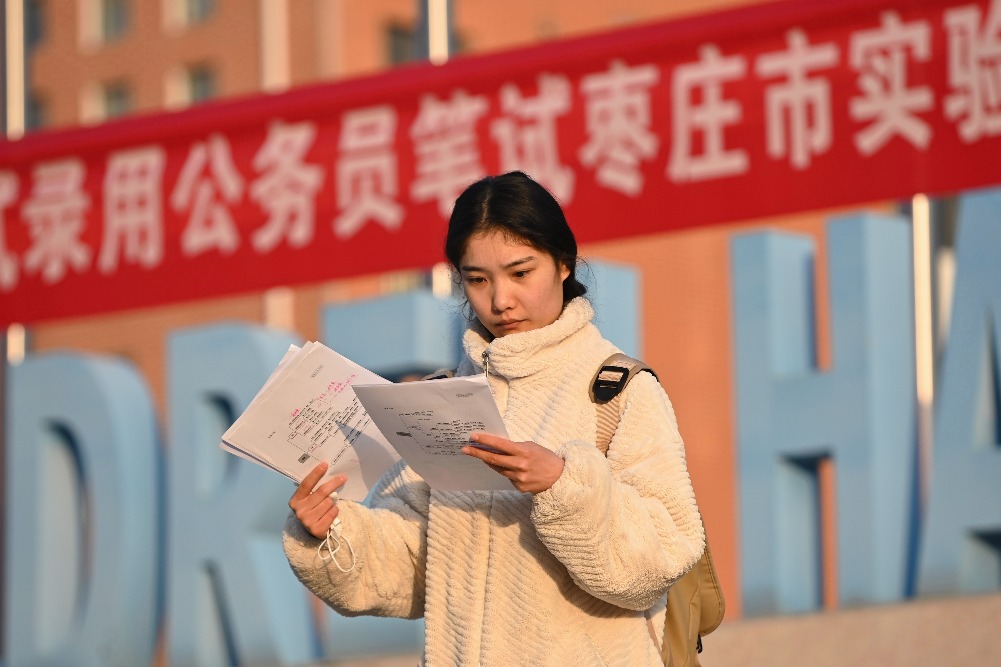
    BEIJING, Nov. 30, 2025 – China witnessed a landmark national civil service examination on Sunday, marking the first administration since the government implemented significant age eligibility reforms. The historic testing session attracted over 3.7 million candidates competing for approximately 37,800 positions within central authorities and their subsidiary agencies, creating an average competition ratio of 98 applicants per available post.

    The testing environment reflected the substantial policy shift that has eliminated the traditional 35-year age barrier that long characterized China’s employment landscape. Authorities have now established a general age ceiling of 38 for most applicants, while extending special consideration to advanced degree holders. Graduates from master’s and doctoral programs now benefit from an expanded eligibility threshold of 43 years.

    According to official statistics, approximately 70% of the available positions remain designated exclusively for recent college graduates, maintaining the government’s commitment to youth employment initiatives. The age reform represents a strategic response to demographic challenges and evolving workforce patterns, acknowledging the valuable contributions of experienced professionals seeking public service careers.

    The massive turnout demonstrates both the enduring appeal of civil service positions and the pent-up demand among older applicants previously excluded by age restrictions. Examination centers across the country reported smooth operations as invigilators monitored the high-stakes testing process that could determine career trajectories for millions.

    This policy adjustment aligns with broader governmental efforts to create more inclusive employment practices while addressing the nation’s complex socioeconomic needs. The reformed eligibility criteria potentially unlock new talent pools for China’s public administration system at both central and local levels.
  • Operations restart at Iraq’s Khor Mor field, days after drone attack halts production

    Operations restart at Iraq’s Khor Mor field, days after drone attack halts production

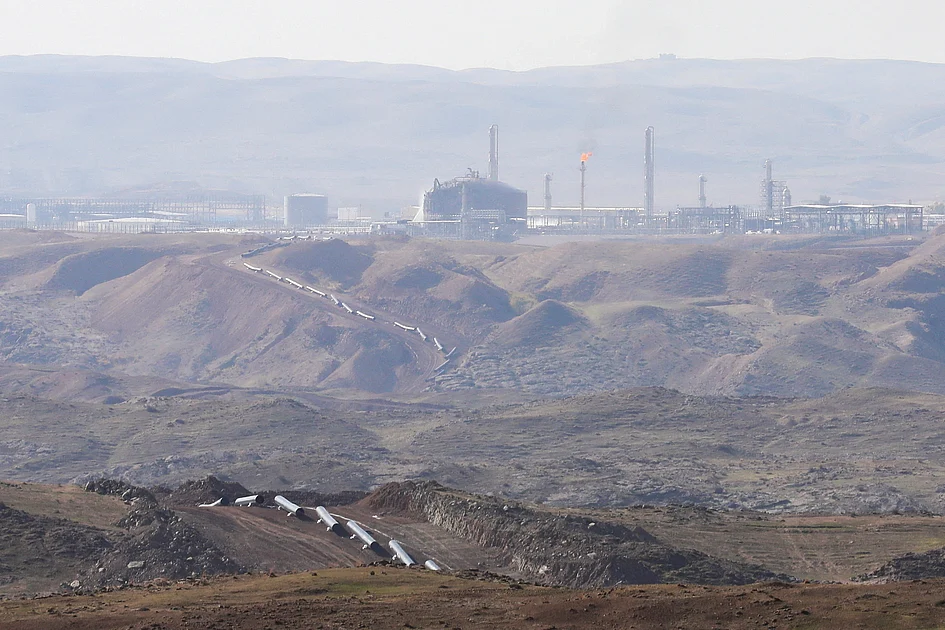
    Operations have fully resumed at Iraq’s critical Khor Mor gas field following a destructive drone attack that temporarily halted production and caused widespread power outages across the region. The Kurdish regional government’s electricity ministry confirmed that gas transmission to power stations recommenced at 2 a.m. local time on Sunday (11 p.m. GMT Saturday), marking a significant recovery for the energy infrastructure.

    The attack occurred on Thursday when an unidentified rocket struck a storage tank at the facility, operated jointly by Dana Gas. The assault forced an immediate shutdown of production capabilities, leading to extensive electricity disruptions throughout the Kurdistan region. No group has claimed responsibility for the attack, and authorities continue investigations to determine the perpetrators.

    This incident represents the most severe security breach since July’s series of drone attacks that targeted oilfields and reduced regional production by approximately 150,000 barrels per day. The Khor Mor field stands as one of the largest natural gas facilities in the Kurdistan region, playing a crucial role in power generation and energy stability.

    The Kurdistan Regional Government maintains autonomous control over northern Iraq’s territories, where American energy companies maintain substantial investment portfolios. The rapid restoration of operations demonstrates the region’s resilience in maintaining critical energy infrastructure despite security challenges.

  • Saudi Arabia announces major revamp of King Khalid International Airport terminals

    Saudi Arabia announces major revamp of King Khalid International Airport terminals

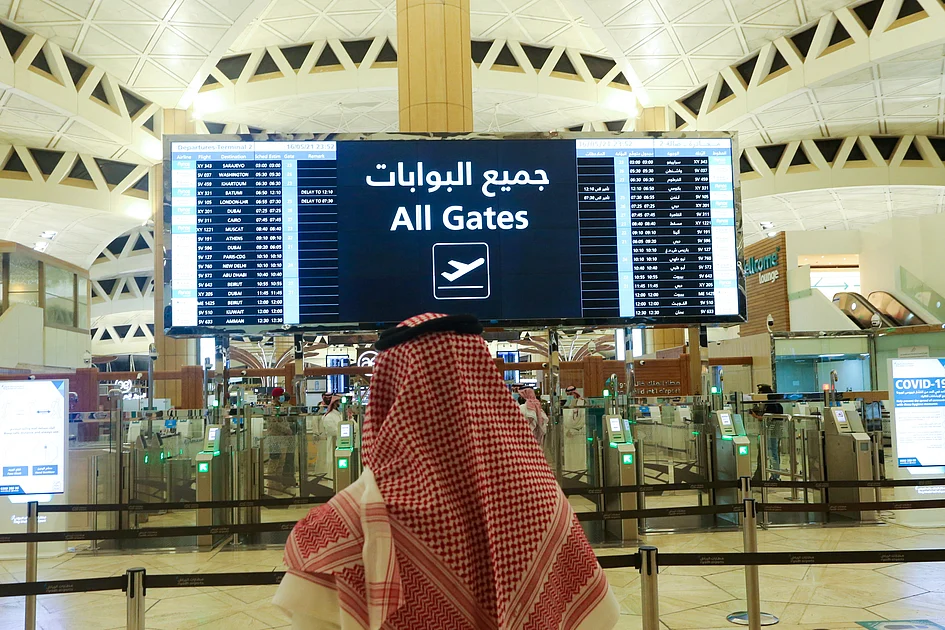
    Saudi Arabia has unveiled ambitious plans for a sweeping operational overhaul of King Khalid International Airport (KKIA) terminals, marking the facility’s first comprehensive modernization since its inauguration over four decades ago. The transformation initiative, scheduled for implementation during the first quarter of 2026, represents one of the airport’s most significant development projects to date.

    Operated by Riyadh Airports Company (RAC), the airport will undergo substantial terminal reconfiguration following completed redesigns that preserve the facility’s original architectural identity. Under the new operational structure, Terminal 5 will exclusively serve international flights operated by foreign carriers, while Terminals 3 and 4 will be dedicated to domestic operations. Terminals 1 and 2 will continue handling international flights operated by Saudi national airlines.

    The strategic reorganization is projected to deliver substantial operational benefits, including increased terminal capacity, enhanced passenger flow between terminals, and reduced inter-flight waiting periods. Aviation authorities emphasize that the exact commencement date will be announced following confirmation of full operational readiness across all airport sectors and partnering airlines.

    This development forms part of a broader strategic vision coordinated between Riyadh Airports Company, the General Authority of Civil Aviation, and MATARAT Holding. The initiative aligns with Saudi Vision 2030 objectives, aiming to elevate the kingdom’s aviation sector to international leadership standards while establishing the nation as a global logistics hub connecting three continents through advanced infrastructure and world-class traveler experiences.

  • SW China’s Chongqing launches fixed-schedule freight train service to Budapest

    SW China’s Chongqing launches fixed-schedule freight train service to Budapest

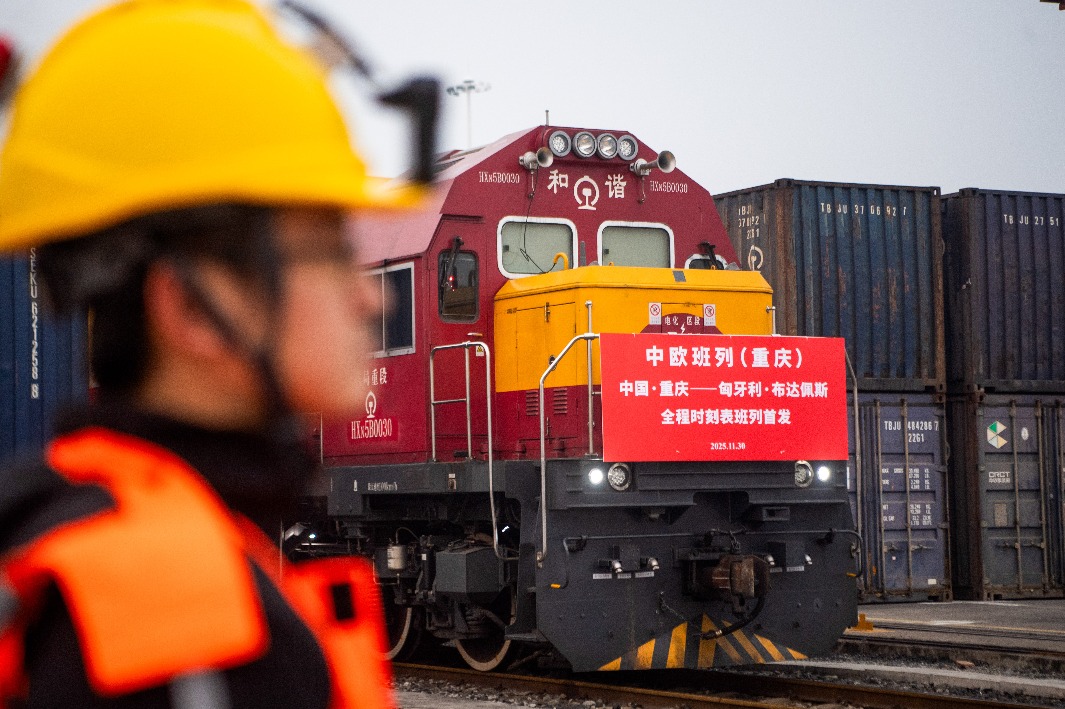
    Southwest China’s Chongqing municipality has inaugurated a new fixed-schedule China-Europe freight train service to Budapest, Hungary, strengthening trade connectivity between China and Central Europe. The inaugural departure occurred on Sunday, carrying automotive and motorcycle components, electronic products, and various consumer goods.

    This strategic logistics corridor will traverse approximately 11 days through multiple nations, exiting China via the Alataw Pass in Xinjiang Uygur Autonomous Region before progressing through Kazakhstan, Poland, the Czech Republic, and Slovakia, ultimately reaching Budapest—a crucial transportation hub for Central and Eastern European markets.

    The Chongqing-Budapest route represents the municipality’s second fixed-schedule China-Europe freight service, complementing its existing connection to Duisburg, Germany. Unlike conventional freight trains, these scheduled services operate on predetermined timetables and routes, substantially enhancing delivery reliability and efficiency.

    According to China Railway Chengdu Group Co., Ltd., this new logistics option reduces transit duration by approximately 30 percent compared to traditional freight services. Yang Lianchen, a representative from the Chongqing railway logistics center, emphasized that “the fixed-schedule service offers greater predictability for production planning, logistics and capital turnover,” particularly benefiting Chongqing’s electronics, automotive, motorcycle, and equipment manufacturing sectors.

    Recent data from China State Railway Group Co., Ltd. reveals the expanding scale of this transnational network, with China-Europe freight trains having completed 120,000 journeys while transporting merchandise valued at over $490 billion. As a flagship initiative of China’s Belt and Road Initiative, the China Railway Express has established an extensive logistics network spanning Eurasia, currently reaching 232 cities across 26 European nations and over 100 cities in 11 Asian countries.

  • Pope Leo XIV doubles down on insistence for 2-state solution to resolve Israeli-Palestinian conflict

    Pope Leo XIV doubles down on insistence for 2-state solution to resolve Israeli-Palestinian conflict

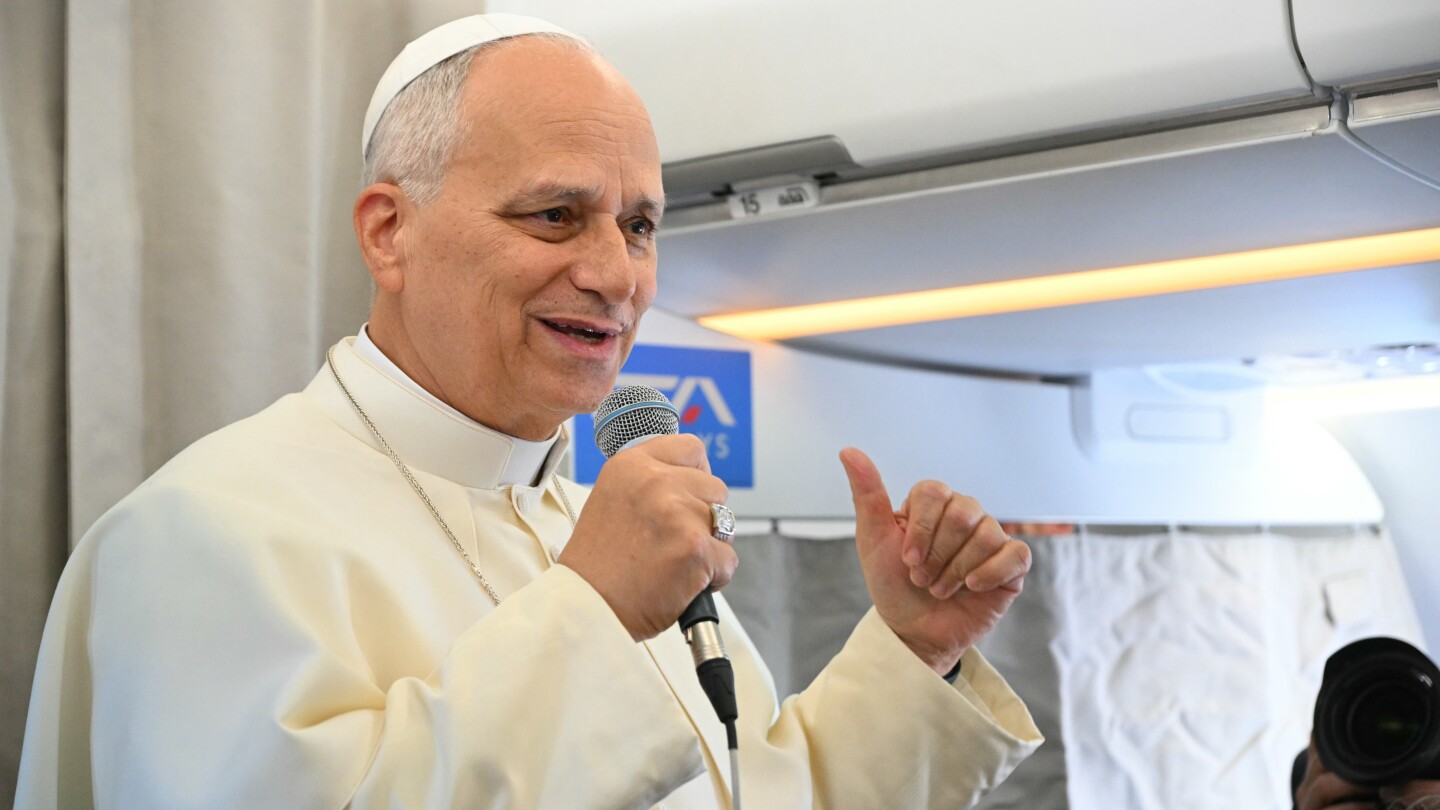
    Aboard the Papal Plane — During his inaugural airborne press conference en route to Beirut, Pope Leo XIV emphatically reinforced the Vatican’s diplomatic stance regarding the Israeli-Palestinian conflict, declaring a two-state solution as the singular viable path toward achieving lasting justice for both nations. The pontiff’s remarks came during the concluding segment of his first international journey as head of the Catholic Church.

    While responding to limited questions from Turkish journalists during the brief flight from Istanbul, Pope Leo revealed details of his private discussions with Turkish President Recep Tayyip Erdogan in Ankara. Their dialogue encompassed both the Gaza and Ukraine conflicts, with the Pope acknowledging Turkey’s “significant role” in facilitating preliminary negotiations between Russia and Ukraine. “Although resolution remains elusive,” he noted, “recent developments include fresh, substantive peace proposals.”

    Regarding the Middle East, the American-born Pope reiterated the Holy See’s consistent position supporting Palestinian statehood in East Jerusalem, the West Bank, and Gaza—a framework internationally regarded as the fundamental compromise for regional stability. The Vatican originally extended recognition to Palestine in 2015, but the current Israel-Hamas war has revitalized global momentum for this approach, evidenced by additional countries formalizing recognition during the latest UN General Assembly.

    “We acknowledge Israel’s present opposition to this solution,” Pope Leo stated, “yet we perceive it as the exclusive mechanism capable of resolving the enduring conflict. As friends to both parties, the Holy See strives to serve as a mediating voice that fosters mutual understanding and equitable justice.”

    The Pope’s commentary contrasted sharply with Israeli Prime Minister Benjamin Netanyahu’s persistent rejection of Palestinian statehood, which his administration believes would effectively reward Hamas and potentially establish an expanded threat along Israel’s borders. Netanyahu recently emphasized that no external pressure would alter Israel’s position.

    Notably absent from the Pope’s travel summary was any reference to his visit to Istanbul’s Blue Mosque, his most visible interaction with Turkey’s Muslim community. Instead, he focused on the primary purpose of his Turkish visit: commemorating the 1,700th anniversary of the Council of Nicaea. This historic gathering of bishops in AD 325 produced the Nicaean Creed, which remains a unifying theological foundation for Catholic, Orthodox, and Protestant denominations worldwide.

    Looking toward future ecumenical collaboration, Pope Leo proposed an unprecedented joint commemoration in Jerusalem for 2033—marking the 2,000th anniversary of Christ’s crucifixion and resurrection. This initiative, welcomed by Orthodox patriarchs, aims to demonstrate renewed Christian unity after centuries of division.

  • US retailers, customers face off in Black Friday stalemate amid sinking confidence

    US retailers, customers face off in Black Friday stalemate amid sinking confidence

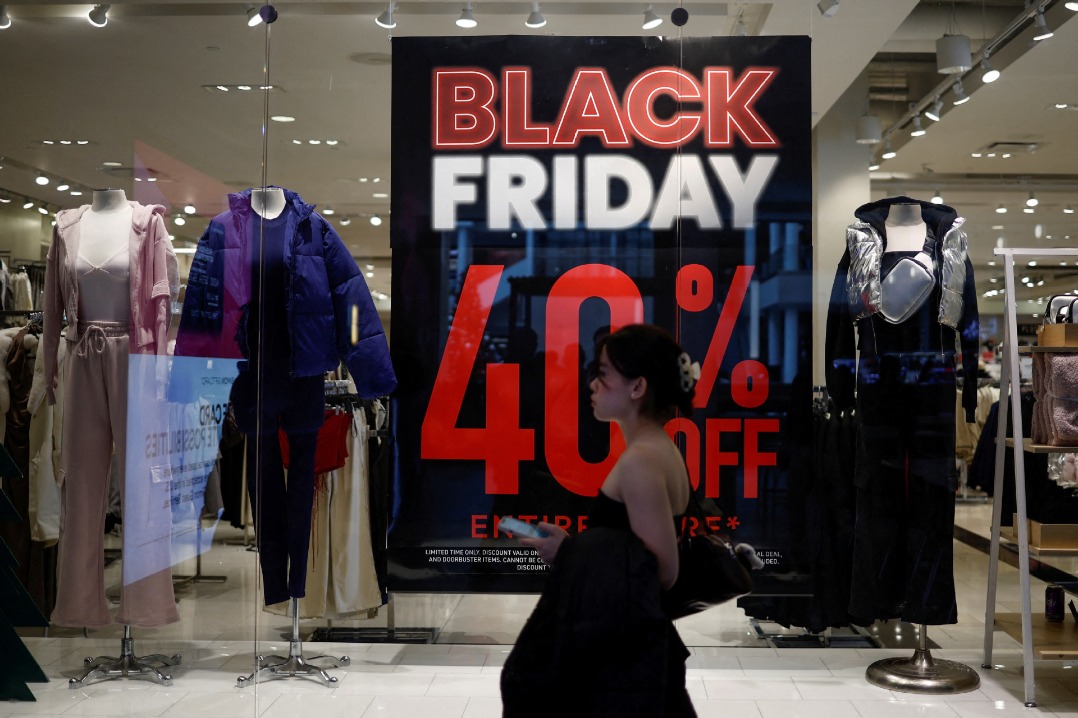
    The traditional Black Friday shopping frenzy has transformed into a tense standoff between retailers and consumers, marked by eroding trust and economic uncertainty. According to retail analysts, both parties are engaged in a strategic game of ‘discount chicken’—retailers hesitate to offer substantial price reductions while consumers withhold spending in anticipation of deeper cuts.

    This retail impasse coincides with a significant deterioration in consumer confidence. The Conference Board’s November index plummeted to 88.7 from October’s 95.5, reaching its lowest point since April and falling well below economist projections. Growing concerns about job security and economic stability have contributed to this pessimistic outlook.

    The very foundation of Black Friday is undergoing fundamental changes. Cordial’s research reveals that only 20% of American consumers now consider Black Friday their primary holiday shopping starting point, with 59% beginning earlier and 22% planning to shop later or at the last minute. This shift reflects growing consumer skepticism about the shopping event’s authenticity.

    Widespread mistrust appears justified. A Lightspeed Commerce survey found that 84% of consumers believe retailers artificially inflate pre-Black Friday prices to exaggerate discount margins. WalletHub’s analysis of 3,100 items confirmed these suspicions, showing 36% of Black Friday offers provided no actual savings, while nearly 10% were more expensive than pre-season pricing.

    The retail landscape has further complicated with the emergence of AI-powered pricing systems that display different base prices to different customers based on their spending patterns and price sensitivity. These systems, now controlling 30-40% of digital revenue during peak periods, have made genuine discount identification increasingly challenging.

    In response, consumers are deploying their own AI tools for deal verification. Deloitte’s 2025 holiday retail survey indicates 33% of shoppers plan to use generative AI for purchases—double last year’s figure—with the number rising to 43% among Gen Z consumers. More than half of AI users rely on these tools specifically to evaluate discounts and compare prices.

    OpenAI recently entered this space with a November 24 shopping research feature designed to identify genuine promotions. However, the technology creates a paradoxical situation where two shoppers searching for identical items may receive completely different pricing information.

    Economic pressures further complicate the retail landscape. Yale’s Budget Lab reports tariffs on imported goods surged from 2.4% at the start of 2025 to 17.9% by late October, forcing retailers like Upstream Brands—which typically earns 35% of its annual revenue during the holiday season—to reduce discounts to protect profit margins.

    Deloitte’s spending projections reflect this constrained environment, with shoppers planning to spend an average of $622 during the Black Friday-Cyber Monday period—a 4% decrease from last year marking the first decline in four years. Meanwhile, AI-generated scams have proliferated, with NordVPN reporting a 620% surge in phishing emails and a 250% increase in fraudulent e-commerce sites using AI to mimic major retailers and generate convincing fake reviews.

    As retail analyst Marshal Cohen noted, ‘Santa Claus is going to show up, kids are not going to be too disappointed. But don’t look for the tree to be overflowing with boxes underneath.’ This sentiment captures the cautious, restrained nature of the 2025 holiday shopping season, where technological advancement and economic pressure have created an unprecedented retail stalemate.

  • Win up to Dh30 million weekly in UAE Lottery: All you need to know about new draw

    Win up to Dh30 million weekly in UAE Lottery: All you need to know about new draw

    The UAE Lottery has announced significant enhancements to its flagship Lucky Day Draw program, marking its first anniversary with increased draw frequency and revised prize structures. Effective November 29th, 2025, draws will now occur weekly every Saturday at 8:30 PM instead of the previous bi-weekly schedule, substantially improving winning opportunities for participants.

    The revamped prize distribution features a top award of Dh30 million, reduced from the previous Dh100 million jackpot. However, the second prize has been dramatically increased fivefold to Dh5 million (previously Dh1 million), while additional prize tiers remain at Dh100,000, Dh1,000, and Dh100 respectively. Ticket pricing remains unchanged at Dh50 per entry.

    Notably, each ticket purchase automatically qualifies participants for the weekly Lucky Chance Raffle, where three guaranteed winners each receive Dh100,000. This dual-tier winning structure enhances participant value beyond the main draw.

    The modifications follow comprehensive analysis of player feedback collected throughout the lottery’s inaugural year. Scott Burton, Commercial Gaming Director at UAE Lottery, emphasized that the changes respond to public demand for more frequent participation opportunities, stating: ‘With weekly draws now in place, every Saturday will be someone’s Lucky Day.’

    The lottery’s first operational year demonstrated substantial public engagement, with over 100,000 winners claiming more than Dh147 million in total prizes. The program has witnessed consistently growing participation rates across all seven emirates, reflecting its successful integration into the nation’s entertainment landscape.

  • Two dead, several injured after fatal multi-vehicle collision in Oman

    Two dead, several injured after fatal multi-vehicle collision in Oman

    A devastating chain-reaction collision on a major Omani highway has resulted in multiple casualties and significant traffic disruptions, according to authorities. The catastrophic incident occurred along Sultan Thuwaini bin Said Road beneath Baddab Bridge in the Ash-Sharqiya region, primarily affecting travel routes between Nizwa and Muscat.

    Initial reports from the Royal Oman Police indicate the tragedy began with a collision between two commercial trucks, which subsequently triggered a domino effect involving five additional vehicles traveling in the same lane. The compounded impact of the multi-vehicle pileup proved fatal for two Asian nationals, while numerous other individuals sustained injuries ranging from moderate to severe.

    Emergency response teams promptly arrived at the scene to provide critical medical assistance to the wounded, who were immediately transported to nearby medical facilities for treatment. Traffic management authorities have implemented strategic diversions to maintain vehicular flow while investigation and cleanup operations continue.

    The Royal Oman Police utilized official social media channels to alert the public about the incident, emphasizing the importance of road safety and recommending alternative routes for travelers. Motorists have been advised to exercise extreme caution in the affected area and adhere strictly to instructions from traffic personnel.

    Comprehensive investigations into the precise circumstances and contributing factors behind the collision are currently underway. Authorities have not yet released specific details regarding the identities of the deceased or the nationalities of those involved beyond confirming their Asian origin.

    This tragic event highlights ongoing concerns about road safety on Oman’s major transportation corridors, particularly during periods of high traffic volume. The incident serves as a somber reminder of the critical importance of defensive driving practices and maintaining appropriate following distances on high-speed roadways.

  • Thousands protest far-right surge in Croatia following incidents

    Thousands protest far-right surge in Croatia following incidents

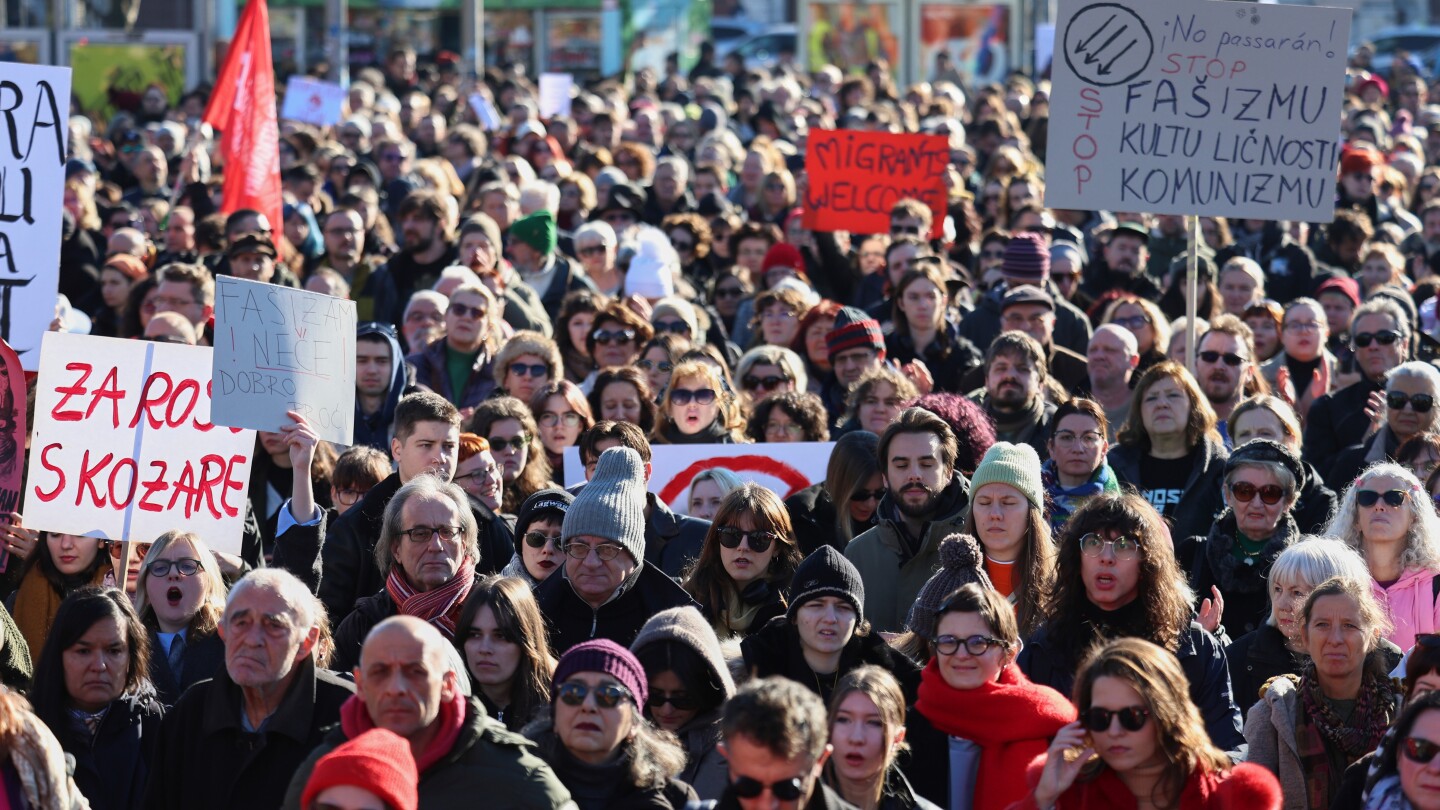
    Thousands of Croatians took to the streets across multiple cities on Sunday in a powerful display of opposition against escalating far-right activities that have heightened ethnic and political tensions within the European Union nation. Organized under the banner “United against fascism,” the demonstrations saw participants in Zagreb, Rijeka, Zadar, and other urban centers chanting “we are all antifascists!” while condemning right-wing groups’ attempts to spread fear and suppress dissent.

    The protests emerged in response to a series of extremist incidents, including November’s targeting of ethnic Serb cultural events in Zagreb and Split, where groups of young men dressed in black chanted pro-fascist slogans and nationalist rhetoric. Participants demanded authorities take decisive action against hard-right groups that frequently employ symbols from Croatia’s World War II pro-Nazi puppet state, the Ustasha regime, which operated concentration camps responsible for executing tens of thousands of ethnic Serbs, Jews, Roma, and antifascist Croats.

    Journalist Maja Sever addressed the Zagreb rally, warning that recent developments represent “very dangerous” trends and praising demonstrators for their commitment to defending democratic values. Meanwhile, counter-gatherings organized by right-wing supporters resulted in minor scuffles with police, leading to at least one detention according to local media reports.

    This surge in far-right activity traces its political roots to last year’s parliamentary election, when Prime Minister Andrej Plenkovic’s conservative party formed a coalition with a far-right faction, excluding an ethnic Serb party from government for the first time in years. The trend reached a cultural climax with a mass concert in July featuring controversial right-wing singer Marko Perkovic (known as Thompson), whose use of the Ustasha-era slogan “For the homeland — Ready!” in his music has long been a source of national division.

    Prime Minister Plenkovic has rejected accusations that his administration turns a blind eye to neo-fascist hate speech, instead blaming leftist opponents for exaggerating the problem and deepening societal divisions. The current tensions evoke painful memories of Croatia’s 1991-95 war with ethnic Serbs, which claimed over 10,000 lives following the breakup of Yugoslavia. Despite joining NATO in 2009 and the EU in 2013, Croatia continues to grapple with the legacy of its wartime past and the resurgence of extremist ideologies.

  • UAE petrol, diesel prices for December 2025 announced

    UAE petrol, diesel prices for December 2025 announced

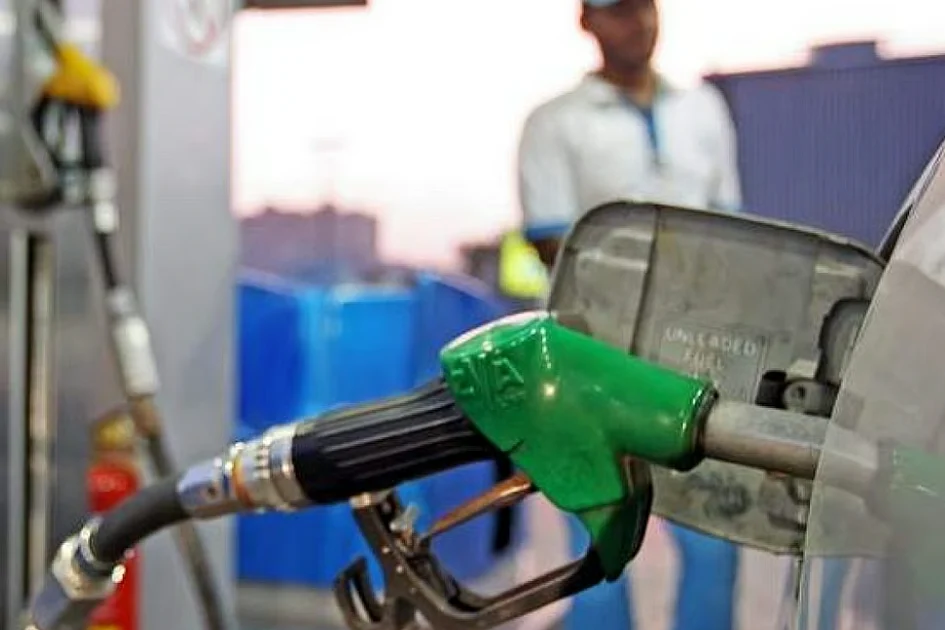
    The United Arab Emirates has officially disclosed its fuel pricing structure for December 2025, marking a continuation of its market-linked pricing mechanism. The updated rates, which will take effect from December 1st, demonstrate modest increases across all petroleum product categories compared to November figures.

    According to the latest announcement made on Sunday, November 30th, Super 98 premium gasoline will retail at Dh2.70 per liter, representing a 7 fils increase from the previous month’s price of Dh2.63. Special 95 grade petrol will see a similar adjustment, rising to Dh2.58 per liter from November’s Dh2.51. The E-Plus 91 variant will experience a corresponding hike, moving from Dh2.44 to Dh2.51 per liter.

    Diesel prices have recorded the most substantial change, escalating to Dh2.85 per liter from the previous month’s rate of Dh2.67. This 18 fils increase represents the most significant monthly adjustment among all fuel categories.

    The UAE’s fuel pricing framework has operated under a deregulated model since 2015, when authorities implemented market reforms to align domestic petroleum prices with international market fluctuations. This systematic approach ensures that local fuel costs reflect global oil market dynamics, providing transparency and market-driven pricing for consumers and businesses alike.

    The December 2025 pricing announcement continues the nation’s established pattern of monthly fuel price revisions, maintaining consistency with international energy market trends while providing consumers with predictable pricing cycles.