博客

  • Report says world’s biggest arms producers increased revenue by 5.9% last year to record level

    Report says world’s biggest arms producers increased revenue by 5.9% last year to record level

    The global arms industry has reached unprecedented financial heights, with the world’s top 100 weapons manufacturers achieving a record $679 billion in revenue during 2024. According to the Stockholm International Peace Research Institute (SIPRI), this represents a significant 5.9% year-over-year increase, driven primarily by escalating military expenditures and ongoing conflicts in Ukraine and Gaza.

    European and American defense contractors dominated this growth trajectory. Thirty of the thirty-nine U.S. companies listed in SIPRI’s top 100, including industry giants Lockheed Martin, Northrop Grumman, and General Dynamics, reported substantial revenue increases. Combined, American firms generated $334 billion—a 3.8% rise from the previous year. However, SIPRI highlighted persistent challenges within major U.S. defense programs, including the F-35 fighter jet, which continues to experience significant delays and budget overruns.

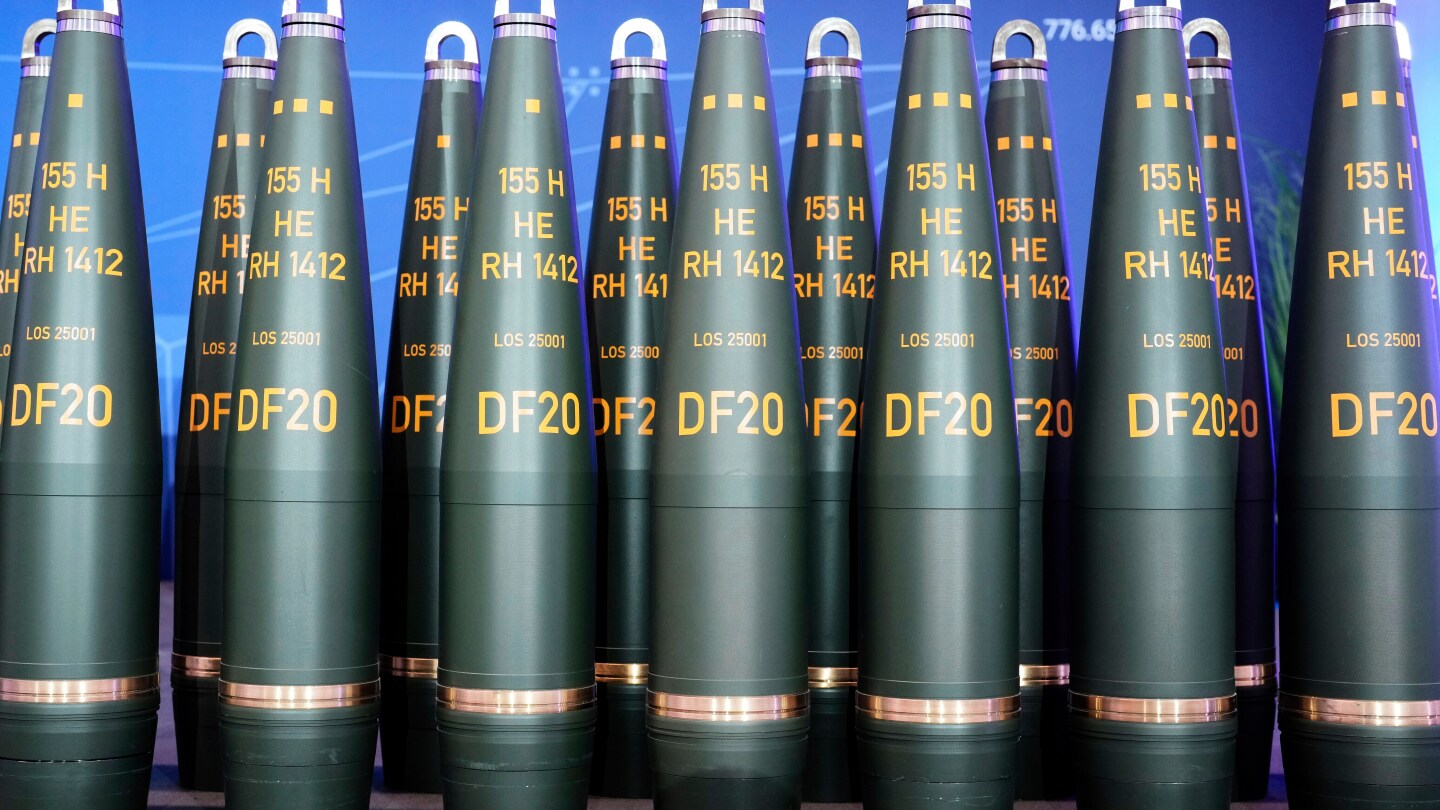
    European arms producers demonstrated even more dramatic growth, with twenty-three of the region’s twenty-six leading firms posting higher revenues. Aggregate income for European companies surged by 13% to $151 billion, fueled by increased defense spending in response to the Ukraine conflict and perceived threats from Russia. Notably, Czechoslovakia’s Czechoslovak Group saw revenue skyrocket by 193%, largely due to government-led artillery shell procurement initiatives for Ukraine. Similarly, Ukraine’s JSC Ukrainian Defense Industry recorded a 41% revenue increase.

    Despite Western sanctions, Russia’s two major arms manufacturers—Rostec and United Shipbuilding Corporation—achieved a combined 23% revenue growth to $31.2 billion. Domestic demand effectively compensated for declining exports, though both companies face challenges related to component shortages and skilled labor deficits.

    The Middle Eastern arms sector also expanded, with three Israeli companies collectively increasing revenue by 16% to $16.2 billion. SIPRI researchers noted that international criticism of Israel’s actions in Gaza had minimal impact on global demand for Israeli weapon systems, with many countries continuing to place new orders.

    Asia and Oceania represented the only declining market, with overall revenue dropping 1.2% to $130 billion. This decrease was largely attributable to a 10% revenue decline among Chinese arms manufacturers, resulting from corruption allegations that disrupted procurement processes and led to canceled or delayed major contracts.

    SIPRI researchers caution that while European firms are investing in expanded production capacity, future growth may be constrained by supply chain complexities, particularly regarding critical minerals affected by Chinese export restrictions.

  • OPEC+ likely to maintain production at current levels

    OPEC+ likely to maintain production at current levels

    OPEC+ ministers are anticipated to maintain existing oil production levels during their virtual meeting on Sunday, according to analyst consensus. This decision comes amidst significant market volatility and geopolitical tensions that continue to influence global oil prices.

    The biannual ministerial conference occurs during a period of exceptional uncertainty regarding future oil price trajectories. Market participants are closely monitoring developments in Ukraine conflict negotiations, which could potentially facilitate Russia’s full return to international crude markets. Since April, eight core OPEC+ nations—spearheaded by Saudi Arabia and Russia—have incrementally increased production to reclaim market share amid intensifying competition from non-OPEC producers including the United States, Canada, and Guyana.

    However, in early November, the V8 consortium announced a strategic pause on output increases scheduled for the first quarter of 2026, citing anticipated seasonal demand reduction. This follows a minor production elevation implemented in December.

    Commerzbank analyst Barbara Lambrecht noted the meeting is ‘unlikely to deliver any major new drivers for the market,’ emphasizing that potential ceasefire agreements could reduce the current risk premium baked into oil prices. Conversely, Arne Lohmann Rasmussen of Global Risk Management suggested that negotiation deadlocks might compel the Trump administration to reinforce sanctions against Russia’s energy sector, potentially driving prices upward.

    The collective uncertainty has solidified analyst expectations that OPEC+ will maintain status quo production levels across the alliance. While discussions regarding maximum sustainable production capacities for member nations were initiated at previous meetings—establishing benchmarks for 2027 quotas—HSBC analyst Kim Fustier indicated these deliberations remain premature for immediate implementation.

  • Hungary’s Dalma Galfi excited ahead of Al Habtoor Challenge in Dubai

    Hungary’s Dalma Galfi excited ahead of Al Habtoor Challenge in Dubai

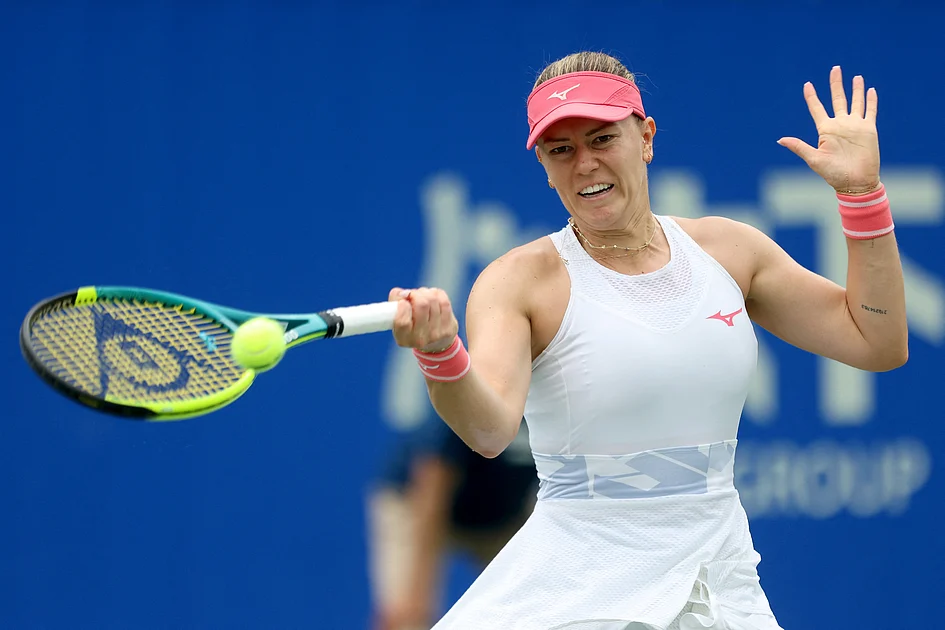
    Dubai’s prestigious Al Habtoor Tennis Challenge witnessed a wave of anticipation as Hungarian tennis star Dalma Galfi made her triumphant return to the W100 ITF World Tennis Tour event after a five-year absence. The tournament commenced Sunday at the Habtoor Grand Resort in Mina Seyahi.

    Galfi, 27, enters as top seed with a career-high singles ranking of 79 achieved in September 2022. Her history at this Dubai event includes a memorable semifinal run as a wild card entrant in 2019. “I love being in Dubai, and for sure I would love to do well during the week,” Galfi expressed during Sunday’s draw ceremony. “I am excited, not just because I am returning to Dubai after five years, but also because I have some great memories here.”

    The Hungarian player faces a qualifier in her opening match, with a potential second-round encounter against veteran Vera Zvonareva, one of four wild card recipients this year. Galfi remains undaunted: “No match is going to be easy, and I am confident I can do some good hard work out there.”

    Tournament founder Khalaf Al Habtoor emphasized the event’s significance as “the first tennis event for women in this part of the world” since its establishment in 1998. “Each year, our tournament keeps getting better,” Al Habtoor noted. “Tennis is such a sport that actually combines enjoyment with entertainment.”

    The competition features several notable participants, including second seed Anastasia Zakharova and Dubai resident Kristina Mladenovic, former world number one in doubles. Slovakia’s Viktoria Hruncakova, making her ninth appearance, acknowledged the challenging draw: “I expect myself to fight all the time. It is a tough draw, and I will be prepared for some tight matches.”

    Among emerging talents, Czech Republic’s Vendula Valdamannova, who turns 18 on December 10, declared ambitious intentions: “I am here to win this tournament.”

    Sunday’s qualifying rounds saw Japanese players dominate, with top qualifier Mai Hontama leading a trio of compatriots into the next round. Main draw matches commence Monday alongside final qualifying rounds at the Habtoor Grand Resort courts.

  • Pope Leo finds his voice on first foreign trip

    Pope Leo finds his voice on first foreign trip

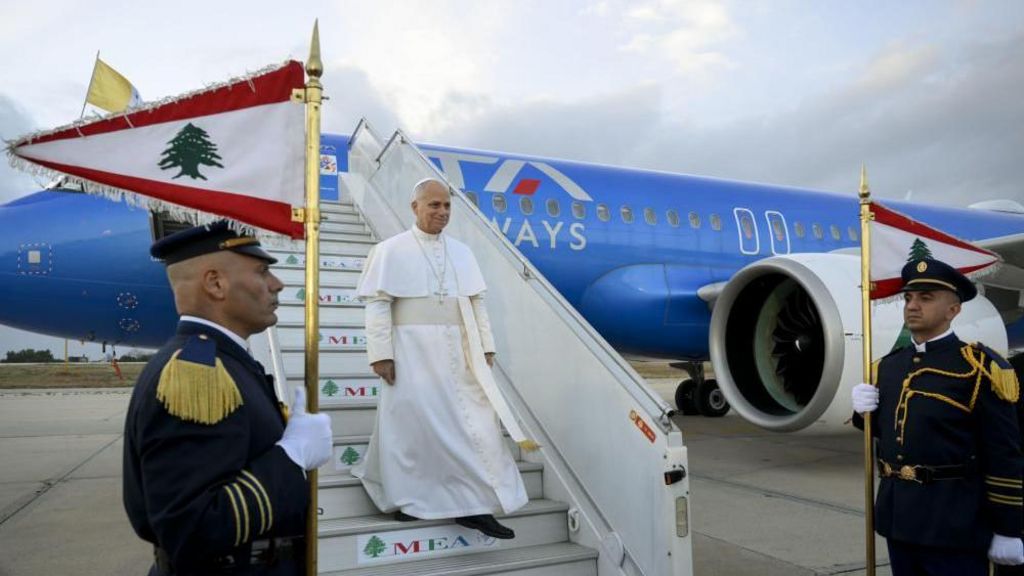
    Pope Leo XIV has commenced his inaugural international journey with a strategically significant visit to Beirut, arriving precisely one week following Israeli airstrikes that targeted the Lebanese capital. This carefully orchestrated diplomatic mission underscores the Pontiff’s deliberate approach to global leadership during his initial six months in office.

    The Pontiff’s itinerary commenced with a three-day engagement in Turkey, where observers noted his characteristically measured diplomatic style. Unlike his predecessor Pope Francis—known for passionate, extemporaneous remarks that occasionally required clarification from aides—Leo XIV demonstrates methodical precision in both speech and action. His interactions with journalists reflect thoughtful consideration, with each statement appearing deliberately crafted.

    During his Turkish leg, the Pope delivered substantive addresses on global conflicts. Alongside President Recep Tayyip Erdogan, he criticized powerful nations for leveraging economic and military dominance, warning that such actions jeopardize humanity’s future. At a historic commemoration in Iznik marking 1,700 years since a pivotal Christian council, he unequivocally condemned weaponizing religion to justify violence or fundamentalism.

    The Pontiff’s emotional depth surfaced during a profoundly moving moment at Istanbul’s Cathedral of the Holy Spirit. As he stood before Turkey’s diminutive Christian minority—who welcomed him with exceptional warmth—visible emotion overcame him, reminiscent of his overwhelmed reaction upon first appearing on St. Peter’s Basilica balcony last May.

    In Lebanon, a nation grappling with severe governance challenges, Pope Leo immediately addressed political leaders, urging dedication to public service. His visit carries profound symbolism for Lebanon’s Christian community, which comprises approximately one-third of the population. Patriarch Bechara al-Rahi, leader of the Maronite Catholic Church, expressed profound gratitude, noting the Pontiff’s choice to prioritize a nation ‘still at war’ provides hope to citizens feeling abandoned.

    Remarkably, even Hezbollah—the Shia Muslim political-military organization designated as terrorist by several Western nations—extended formal greetings through an open letter expressing ‘deep appreciation’ for the papal visit. Their supporters prominently displayed flags alongside Vatican and Lebanese banners during the Pope’s motorcade procession.

    Despite these bridge-building efforts, limitations persist. The Russian Orthodox Church declined participation in ecumenical events in Turkey, while some critics expressed disappointment that the Pope didn’t more forcefully address Turkey’s suppression of opposition voices. In Lebanon, residents from conflict-ravaged southern villages voiced frustration over not being included in the papal itinerary.

    As a South Side Chicago native unexpectedly elevated to one of the world’s most influential moral platforms, Pope Leo continues evolving into his dual role as spiritual leader and head of state. While lacking his predecessor’s disruptive urgency, he has demonstrably begun forging his distinctive voice in international diplomacy during this inaugural overseas mission.

  • Bangladesh’s ex-PM Khaleda in critical condition; exiled son uncertain of return

    Bangladesh’s ex-PM Khaleda in critical condition; exiled son uncertain of return

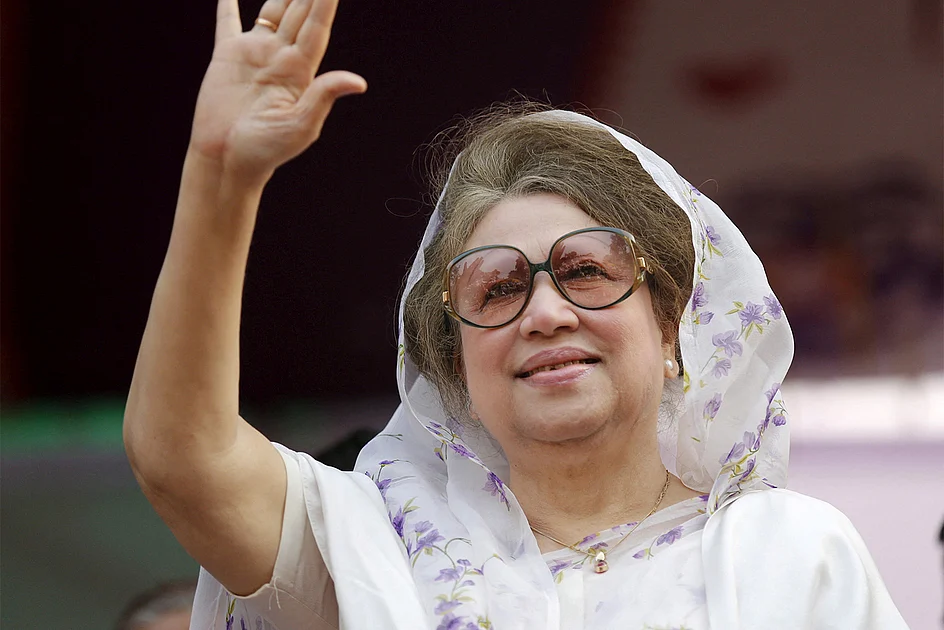
    Bangladesh’s political landscape faces unprecedented uncertainty as former Prime Minister Khaleda Zia battles critical health complications at a Dhaka medical facility. The 80-year-old leader of the Bangladesh Nationalist Party (BNP) was hospitalized on November 23rd with a severe cardiopulmonary infection that has placed her in life-threatening condition, according to senior party officials and treating physicians.

    The medical crisis coincides with mounting speculation about the potential return of her son Tarique Rahman, the BNP’s acting chairman who has resided in London since 2008. In a carefully worded social media statement, Rahman indicated that decisions regarding his homecoming were “not entirely” within his control, despite recent legal developments that have cleared his path.

    This political drama unfolds against the backdrop of Bangladesh’s transformed governmental structure. The interim administration led by Nobel Peace laureate Muhammad Yunus has explicitly stated it maintains no objections to Rahman’s return. “There are no obstacles in this matter,” confirmed Yunus’ press secretary Shafiqul Alam through official channels.

    Foreign Ministry representatives further clarified that travel documentation could be arranged within 24 hours should Rahman express definitive return intentions. This marks a dramatic reversal from previous administrations, as all outstanding legal cases against Rahman have been dismissed following the ouster of long-serving Prime Minister Sheikh Hasina in August 2024.

    The BNP, which had boycotted consecutive elections in 2014 and 2024, has experienced remarkable political resurgence since the student-led uprising that ended Hasina’s tenure. Party insiders now view the organization as a primary contender in Bangladesh’s rapidly evolving power structure, with Khaleda’s health crisis and her son’s potential return representing pivotal moments in the nation’s democratic transition.

  • AI boom and population growth drive UAE’s electricity demand surge

    AI boom and population growth drive UAE’s electricity demand surge

    The United Arab Emirates is confronting an unprecedented energy challenge as explosive growth in artificial intelligence infrastructure and rapid population expansion threaten to overwhelm the nation’s power grid. Industry experts project that regional data center power consumption—currently at approximately one gigawatt—will quadruple within the next five years, creating an urgent need for massive energy infrastructure investment.

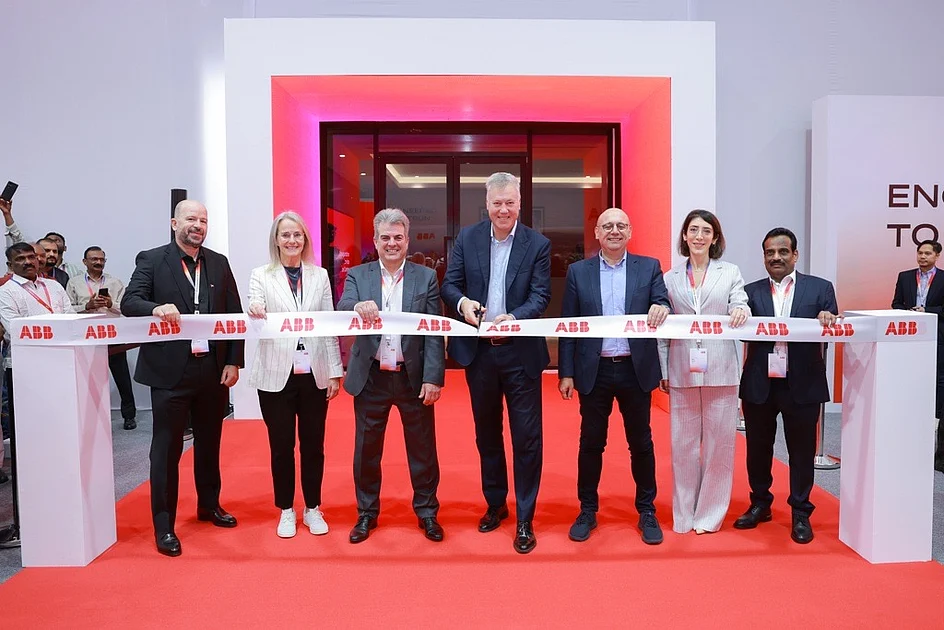
    This looming energy crisis was highlighted during the inauguration of ABB’s new $2 million Customer Experience and Training Centre in Dubai’s Al Quoz Industrial Area. Giampiero Frisio, President of ABB’s Electrification Business Area, warned that meeting this skyrocketing demand would be equivalent to constructing three nuclear reactors, emphasizing that renewable energy expansion alone cannot address the challenge.

    The UAE’s electricity consumption is forecast to grow by up to 4% annually through 2035, driven by multiple factors including urbanization, industrial growth, transportation electrification, and cooling demands. This surge is further accelerated by demographic changes, with nearly 100,000 new residents arriving quarterly, and government initiatives positioning the country as a global AI and digital infrastructure hub.

    ABB’s new 2,500-square-meter facility aims to address the dual challenge of an aging workforce and critical digital skills shortage by training approximately 2,000 engineers and technicians annually from across the Middle East. The center will provide advanced training in AI-enabled asset management, predictive maintenance, and grid automation—essential capabilities as decades-old utility infrastructure must adapt to intermittent renewable sources and sudden power peaks from AI workloads.

    This investment aligns with the UAE’s Net Zero 2050 strategy, which targets 32% renewable energy in the national mix by 2030. While massive solar projects like the nearly 5 GW Al Dhafra facility—the world’s largest—are reshaping energy supply, experts emphasize that advanced energy management, battery storage, and AI-driven optimization will be crucial for balancing sustainability, affordability, and reliability.

    Beyond technical training, ABB is fostering innovation through partnerships with global technology leaders like Nvidia and local startups via innovation contests. These collaborations aim to develop predictive algorithms and energy-as-a-service models that promise both efficiency gains and reduced upfront costs for customers.

    With electricity projected to become the world’s primary energy source—rising from 22% today to nearly 45% by 2050—the UAE’s proactive approach to grid modernization and digitalization could establish a regional benchmark for managing the AI-driven energy revolution.

  • Netanyahu officially asks Israeli president for pardon

    Netanyahu officially asks Israeli president for pardon

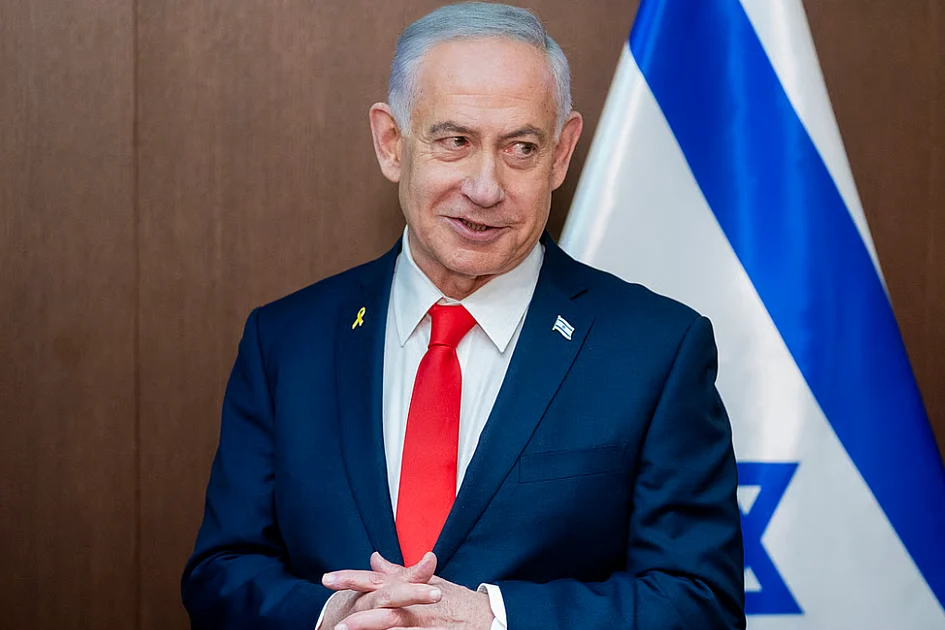
    Israeli Prime Minister Benjamin Netanyahu has formally requested a presidential pardon from President Isaac Herzog, marking an unprecedented development in his protracted corruption trial. The embattled leader, who maintains his innocence against all charges of bribery, fraud, and breach of trust, argues that the legal proceedings impede his governance capabilities and that a pardon would serve Israel’s national interests.

    Netanyahu’s legal team submitted the extraordinary request on Sunday, contending that the continuous court hearings—requiring his testimony three times weekly—create an unsustainable burden while attempting to lead the nation. The Prime Minister emphasized in a video statement released by his Likud party that he expects ‘anyone who wishes for the good of the country’ to support this exceptional appeal.

    The request has ignited immediate political controversy. Opposition leader Yair Lapid declared that Netanyahu should not receive clemency without admitting guilt, expressing remorse, and retiring from political life. This position reflects Israel’s traditional practice of granting pardons only after legal proceedings conclude with convictions.

    President Herzog’s office acknowledged the request as having ‘significant implications’ and stated it would be processed through standard channels, including review by the justice ministry’s pardons department and the president’s legal adviser. The development occurs amid international attention, with former U.S. President Donald Trump recently urging Herzog to consider a pardon, characterizing the case as ‘a political, unjustified prosecution.’

    Netanyahu’s coalition allies, including National Security Minister Itamar Ben-Gvir and Finance Minister Bezalel Smotrich, have endorsed the pardon request. However, opposition figures like former military deputy chief Yair Golan have demanded the Prime Minister’s resignation instead of clemency.

    The Prime Minister, Israel’s longest-serving leader, faces charges stemming from 2019 allegations that he granted favors to business figures in exchange for gifts and positive media coverage. His tenure has been marked by both significant security achievements—including operations against Hamas, Hezbollah, and Iran—and profound political polarization, with polls suggesting his right-wing coalition would struggle in upcoming 2026 elections.

  • ‘I saw them driving over injured people’ – the terrifying escape from war in Sudan

    ‘I saw them driving over injured people’ – the terrifying escape from war in Sudan

    In the aftermath of el-Fasher’s capture by Sudan’s paramilitary Rapid Support Forces (RSF), survivors have provided harrowing testimonies of systematic atrocities committed against civilians during the city’s fall. After an 18-month siege that culminated in October, the strategic Darfur city witnessed what victims describe as targeted violence against unarmed populations attempting to flee.

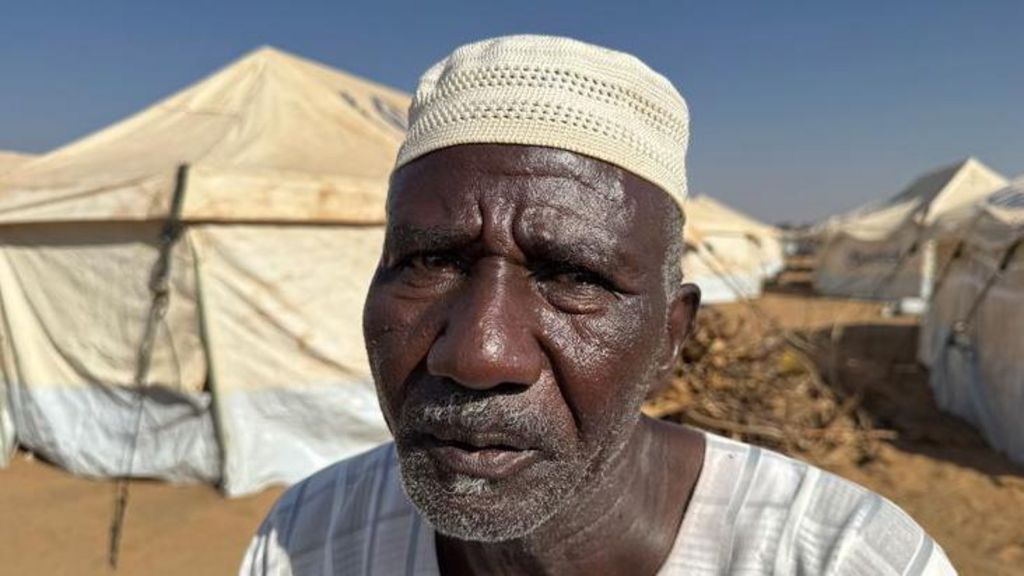
    Abdulqadir Abdullah Ali, a 62-year-old diabetic who suffered permanent nerve damage during the siege due to medication shortages, recounted how RSF fighters fired live ammunition at fleeing civilians. “They were shooting at the people – the elderly, the civilians, with live ammunition, they would empty their guns on them,” Ali stated from a northern Sudan displacement camp where BBC journalists documented accounts under official monitoring.

    The humanitarian crisis has reached catastrophic proportions, with United Nations estimates indicating over 260,000 former el-Fasher residents remain unaccounted for. Those who escaped describe nightmarish journeys through multiple RSF checkpoints where extortion, sexual violence, and executions were commonplace.

    Mohammed Abbaker Adam, a local official who grew a white beard to appear older and avoid suspicion, described witnessing summary executions: “They shot some people directly in front of us and then carried them and threw them far away. On the road, we saw dead bodies out in the open, unburied.”

    Multiple accounts corroborate widespread sexual violence, with fighters allegedly separating women from groups behind trees or taking them out of sight. One 19-year-old survivor described how RSF members abducted a girl from her travel group at a checkpoint, forcing the others to continue without her.

    The RSF has denied systematic abuses through Dr. Ibrahim Mukhayer, an adviser to RSF leader Gen Mohammed Hamdan Dagalo. “Any RSF member proven responsible for wrongdoing will be held fully accountable,” Mukhayer stated, characterizing allegations as politically motivated media campaigns.

    However, evidence gathered from displacement camps near al-Dabbah, approximately 770km northeast of el-Fasher, reveals consistent patterns of violence. Young men faced particular suspicion of being soldiers, with 15-year-old boys subjected to hours of interrogation under threat of whipping and execution.

    The crisis has drawn international condemnation, with the United States previously determining the RSF committed genocide in Darfur. President Donald Trump has promised increased involvement in ceasefire efforts, though survivors remain focused on immediate survival in camps where they arrive stripped of possessions and resources.

    As families struggle to reunite and secure basic shelter, the fall of el-Fasher represents both a strategic victory for the RSF and a humanitarian catastrophe that continues to unfold across Sudan’s devastated landscape.

  • Emirates GBR clinch 2025 SailGP title in Abu Dhabi Sail GP

    Emirates GBR clinch 2025 SailGP title in Abu Dhabi Sail GP

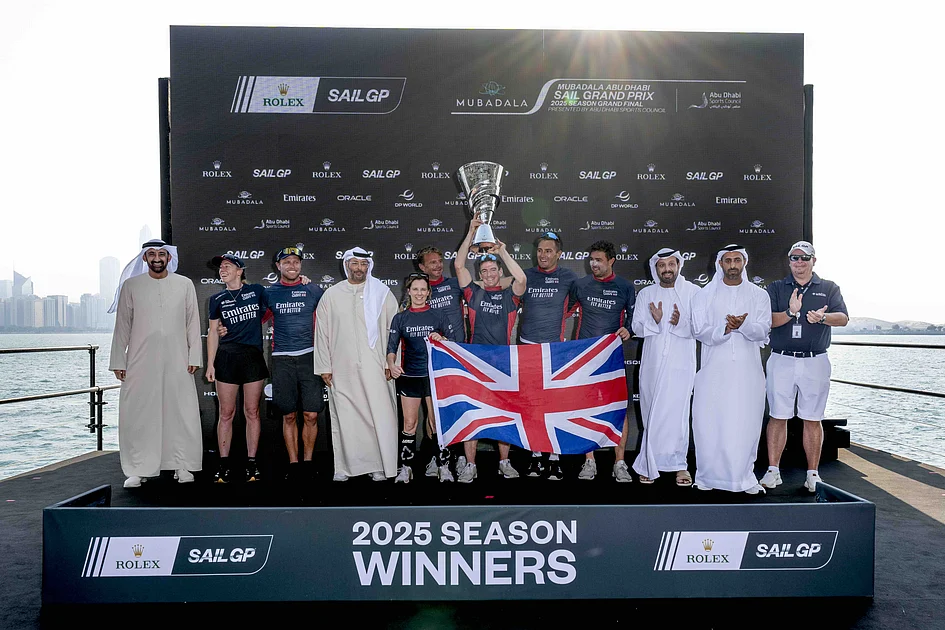
    In a spectacular display of sailing prowess, Emirates Great Britain has etched its name in SailGP history by capturing the 2025 championship title during a heart-stopping finale at the Mubadala Abu Dhabi Sail Grand Prix. The British team accomplished what no other crew has achieved in the competition’s history—a complete clean sweep by simultaneously winning the Season Grand Final, topping the overall season standings, and securing the Impact League title.

    The championship-deciding race unfolded on the Arabian Gulf with intense pressure and adrenaline-fueled action as three elite teams battled for supremacy. Under the leadership of Dylan Fletcher, Emirates GBR executed a remarkable comeback during the fourth leg of the winner-takes-all shootout, overtaking both the BONDS Flying Roos and the Black Foils to claim victory.

    This monumental achievement marks Emirates GBR as only the third team ever to win a SailGP championship title, culminating in a record-breaking financial reward. The team’s exceptional season performance earned them a staggering $2 million championship prize, supplemented by an additional $400,000 for finishing the season with the highest points tally. When combined with their Impact League earnings, the British squad collected an unprecedented total of $4.4 million in prize money for the season.

    Team skipper Dylan Fletcher expressed overwhelming excitement following the victory: ‘It was an unbelievable final. All three teams demonstrated incredible skill—any one of us could have emerged victorious. I’m absolutely over the moon right now. What a team, what a year… I’m stoked.’

    The Mubadala Abu Dhabi Sail Grand Prix 2025 Season Grand Final, presented by Abu Dhabi Sports Council, concluded the sixth season of the global sailing championship. SailGP enthusiasts can anticipate the commencement of the 2026 season, which is scheduled to begin in Perth, Australia on January 17-18.

  • Watch: Stray Kids’s Lee Know performs despite injury, reaches airport in wheelchair

    Watch: Stray Kids’s Lee Know performs despite injury, reaches airport in wheelchair

    The 2025 MAMA Awards, recognized as Asia’s premier music ceremony, became a platform for concerning displays of artist endurance as multiple K-pop stars performed through visible injuries, raising questions about industry health standards.

    Lee Know (Lee Min-ho), a principal dancer of the boy band Stray Kids, sustained a significant ankle injury during the event. Fan-captured footage revealed the artist twisting his ankle while navigating backstage stairs between performance segments. Despite evident discomfort, Lee Know completed intricate dance routines with professional precision, though observers noted his limping movements and pained expressions when exiting the stage.

    The situation developed further during the awards presentation when Stray Kids received the Album of the Year distinction. Band members provided physical support to Lee Know during their acceptance speech, demonstrating collective solidarity. The severity of the injury became unequivocally clear when the artist appeared at Incheon International Airport transported in a wheelchair while fellow members walked alongside.

    This incident represented merely one component of a broader pattern evident during the ceremony. Minnie, a prominent member of the girl group (G)I-DLE, similarly experienced injury during rehearsal activities. The Thai artist reportedly fell from elevated stage props yet proceeded with her scheduled performance despite the physical setback, later appearing at the airport similarly utilizing wheelchair assistance.

    The K-pop industry’s cultural emphasis on perseverance and professional dedication has frequently resulted in artists performing through physical adversity. While fan communities universally expressed admiration for this commitment, many simultaneously voiced concerns regarding the long-term implications for artist welfare and the industry’s responsibility toward health protection.

    Social media platforms became flooded with supportive messages from global fans, combining praise for artistic dedication with genuine concerns for recovery. Medical professionals within entertainment circles emphasize that such incidents should prompt reevaluation of safety protocols and performance expectations within high-pressure entertainment environments.