博客

  • Beijing’s AI sector output expected to top $63 billion

    Beijing’s AI sector output expected to top $63 billion

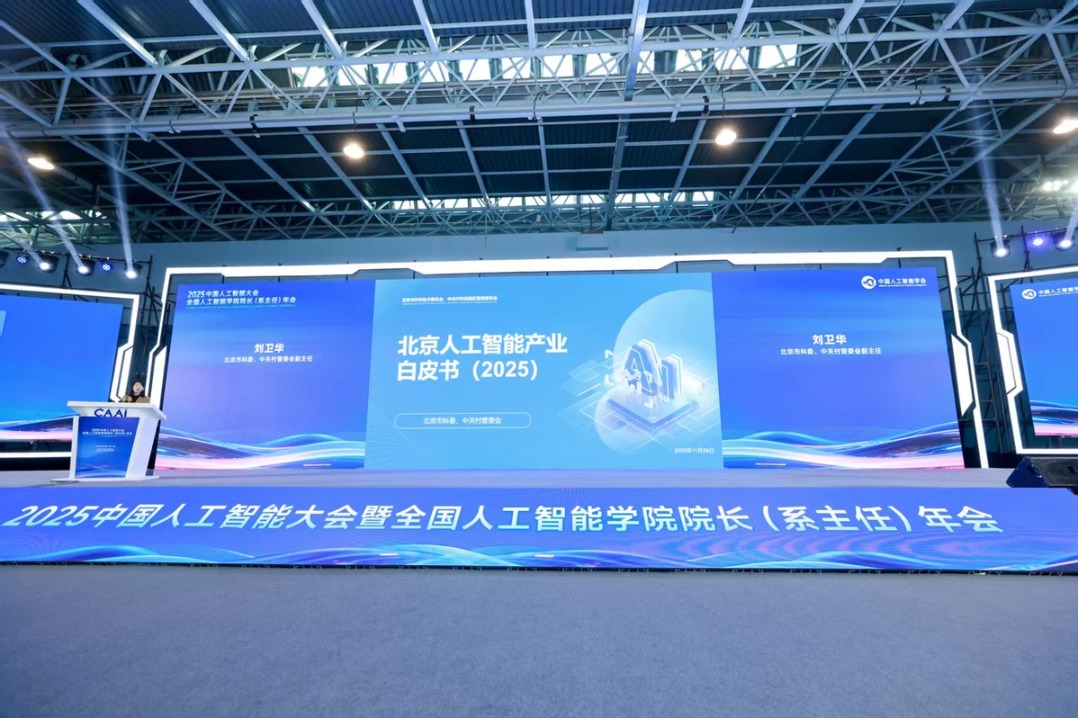
    Beijing’s artificial intelligence sector is projected to achieve unprecedented growth with industrial output expected to exceed 450 billion yuan ($63.6 billion) by the conclusion of 2025, according to an official white paper released by municipal authorities. The comprehensive industry report, jointly published by the Beijing Science & Technology Commission and the Administrative Commission of Zhongguancun Science Park, reveals remarkable expansion metrics for the first half of the year, with sector output reaching 215.22 billion yuan—representing a substantial 25.3 percent year-on-year increase.

    The Chinese capital has solidified its position as the nation’s premier AI hub, hosting more than 2,500 specialized enterprises and 183 registered large-scale AI models. Industry analysts note that Beijing’s innovation ecosystem has matured significantly, developing what the white paper describes as ‘a globally competitive industrial chain’ that spans research, development, and commercialization phases.

    Technological breakthroughs continue to emerge from the region, including the recent launch of Bohrium by the AI for Science Institute. This pioneering platform claims to be the world’s first comprehensive AI research system capable of managing the entire scientific process from literature review through computation, experimentation, and cross-disciplinary collaboration.

    Commercial applications are demonstrating robust performance, with leading technology firms including Baidu and Douyin reporting record-breaking revenue figures and user engagement metrics. The successful monetization pathways underscore the sector’s transition from experimental development to sustainable economic contribution, positioning Beijing at the forefront of global AI innovation and implementation.
  • ICC president vows to resist US and Russian pressure despite sanctions and threats

    ICC president vows to resist US and Russian pressure despite sanctions and threats

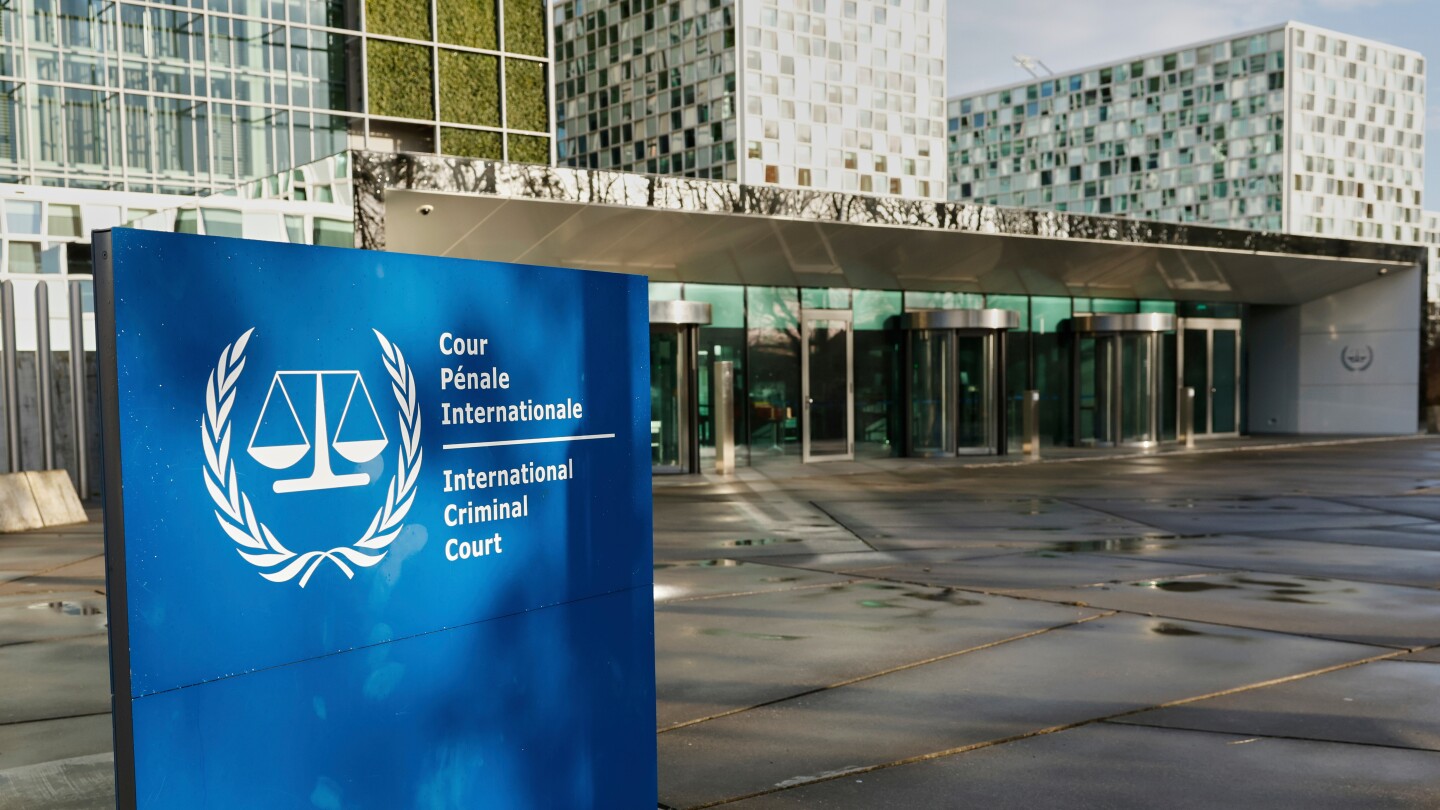
    THE HAGUE, Netherlands — In a defiant address at its annual assembly, the International Criminal Court (ICC) declared it would resist mounting external pressures from global powers. Court President Judge Tomoko Akane asserted the institution’s independence before delegations from 125 member states, emphasizing, “We never accept any kind of pressure.”

    The declaration comes amid significant challenges: nine ICC officials, including six judges and Chief Prosecutor Karim Khan, face sanctions from the Trump administration. These measures were imposed in response to investigations targeting U.S. and Israeli officials. Simultaneously, Moscow has issued warrants against court staff following the ICC’s arrest warrant for Russian President Vladimir Putin concerning Ukraine conflict allegations.

    These sanctions have substantially impacted the court’s operational capacity across multiple investigations, straining resources as demand for its services grows. The current administration under President Joe Biden has not reversed these sanctions, maintaining the stance established in 2020 when Trump targeted Prosecutor Khan over probes involving Israel.

    In a major development, the court has issued arrest warrants for Israeli Prime Minister Benjamin Netanyahu and former Defense Minister Yoav Gallant regarding alleged war crimes during Israel’s military operations in Gaza following Hamas’ October 2023 attacks.

    The ICC, established in 2002 as the permanent global court for prosecuting severe international crimes including genocide and war crimes, operates when national jurisdictions fail to act. Notably, the United States, Israel, Russia, and China remain non-member states. The court lacks its own enforcement capabilities and depends on member cooperation to execute warrants.

    Adding to these external pressures, Prosecutor Khan has temporarily stepped down pending an investigation into allegations of sexual misconduct, which he denies. Assembly of States Parties President Päivi Kaukoranta acknowledged frustrations with the prolonged investigation timeline, though no completion date has been set.

    The weeklong meeting will address critical operational matters, including budget approvals, against this backdrop of international pressure and internal challenges.

  • Zelenskyy meets with Macron in Paris as U.S.-led peace negotiations advance

    Zelenskyy meets with Macron in Paris as U.S.-led peace negotiations advance

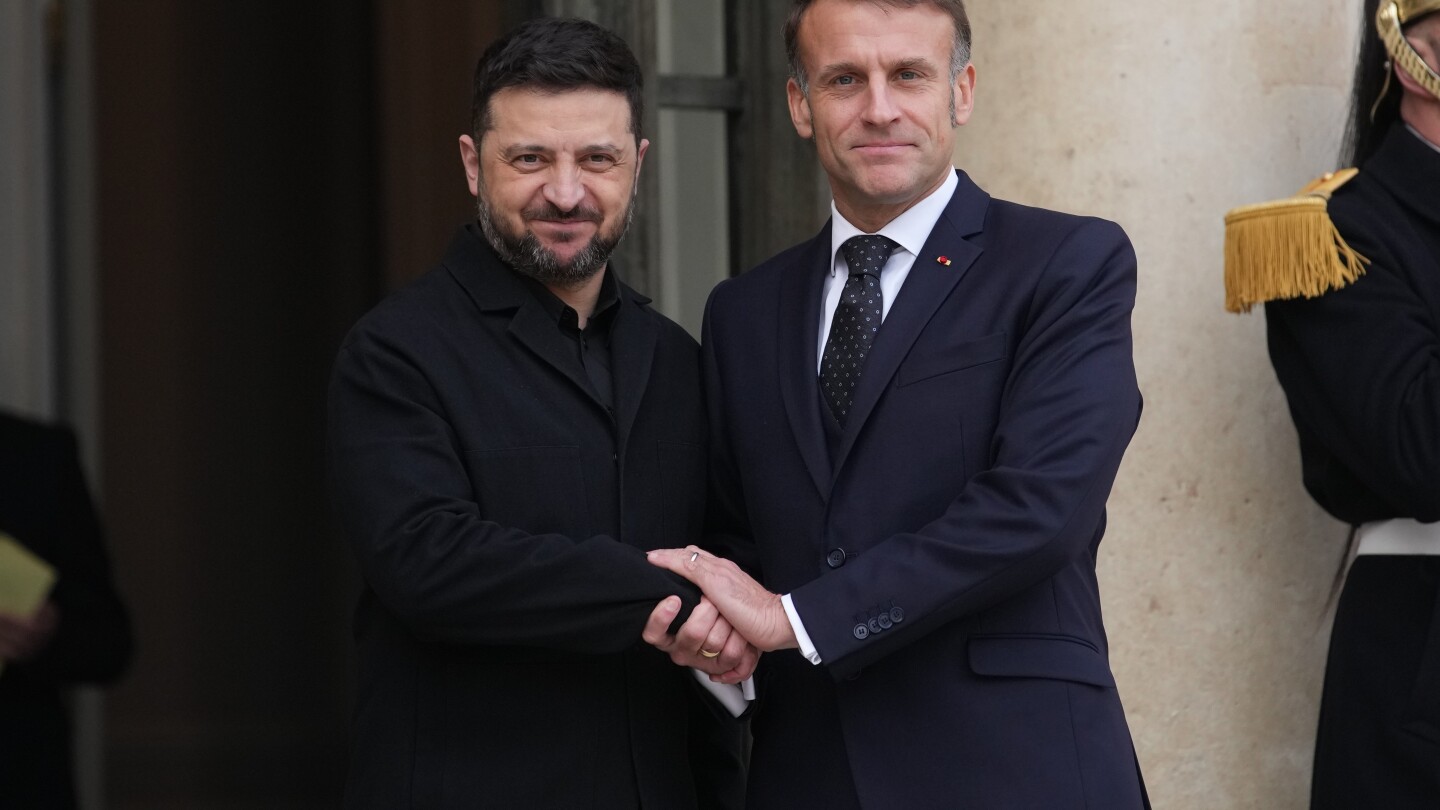
    PARIS — A significant diplomatic push unfolded Monday as Ukrainian President Volodymyr Zelenskyy convened with French counterpart Emmanuel Macron at the Élysée Palace, marking the latest high-level engagement in complex negotiations toward a potential ceasefire in the protracted Ukraine conflict. This Paris meeting followed Sunday’s discussions between Ukrainian and U.S. officials in Florida, which Secretary of State Marco Rubio characterized as productive despite substantial outstanding issues.

    The diplomatic efforts center on revising a U.S.-authored peace proposal that has drawn criticism from European allies for perceived excessive concessions to Russian interests. The initial 28-point framework—which would restrict Ukraine’s military capacity, bar NATO membership, and require territorial concessions—has been downplayed by U.S. President Donald Trump as merely a conceptual starting point requiring refinement.

    Macron’s office stated the leaders would deliberate conditions for a “fair and lasting peace,” with the French president emerging as a key counterbalance to elements favoring Russian positions. Last week, Macron urged Western allies to provide “rock-solid” security guarantees to Ukraine, including potential deployment of a multinational “reassurance force” across land, sea, and air domains to ensure the nation’s defense.

    Parallel diplomatic channels saw Kremlin confirmation that Russian President Vladimir Putin would meet Tuesday with U.S. presidential envoy Steve Witkoff, whose role faced scrutiny following reports he coached Russian officials on presenting the peace plan to Trump. Both Moscow and Washington minimized these revelations’ significance.

    Meanwhile, military tensions escalated as Kremlin spokesperson Dmitry Peskov condemned Ukrainian strikes on Russian energy infrastructure, including an attack on the Caspian Pipeline Consortium terminal that forced operational halts and another targeting tankers in Turkish waters. Ukraine confirmed conducting these operations, which Peskov labeled “outrageous” due to targeting international facilities.

    Russia’s Defense Ministry reported destroying 32 Ukrainian drones overnight across 11 regions and the Sea of Azov, with regional officials noting damage to residential structures in Dagestan—over 1,000 kilometers from frontline combat zones.

  • 3.3-magnitude earthquake strikes Bahrain, UAE’s NCM reports

    3.3-magnitude earthquake strikes Bahrain, UAE’s NCM reports

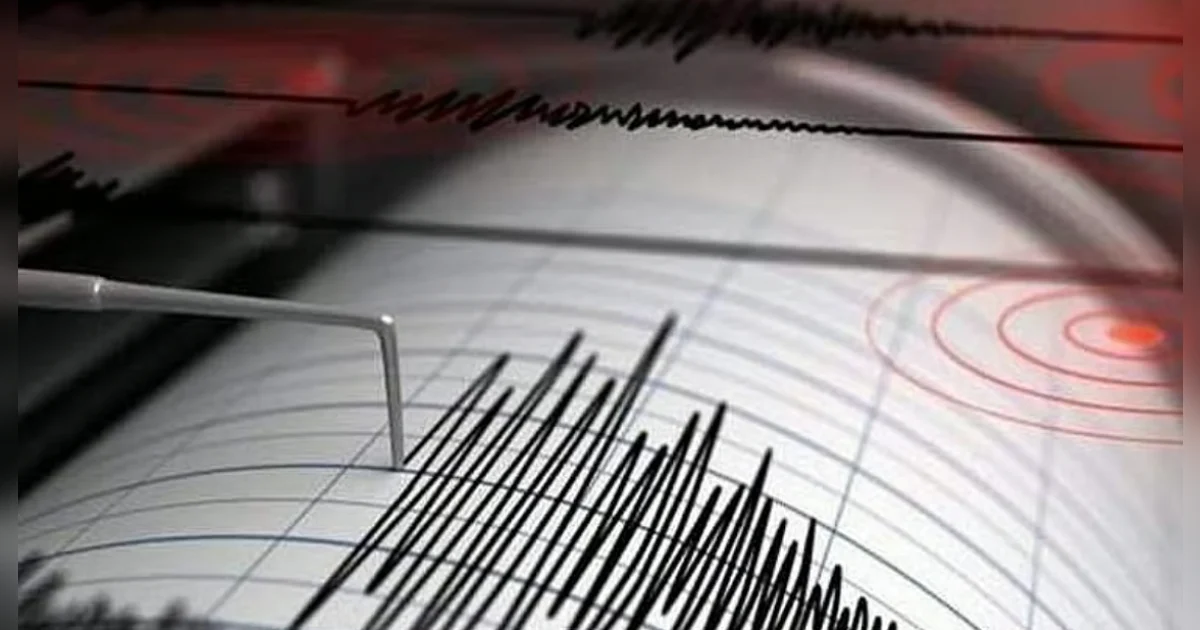
    A minor seismic event registering 3.3 magnitude occurred near Bahrain in the early hours of Monday, December 1, 2025, according to official reports from the UAE’s National Centre of Meteorology (NCM). The earthquake, which struck at precisely 3:58 AM local time, originated at a depth of approximately 8 kilometers beneath the Earth’s surface. While the tremor was reportedly felt by residents within Bahrain territory, neighboring United Arab Emirates experienced no detectable impact from the geological activity. The NCM’s seismic monitoring systems successfully tracked and recorded the event, providing crucial data for regional earthquake preparedness networks. This incident highlights the ongoing geological activity within the Arabian Gulf region, though seismic events of this magnitude typically cause minimal to no structural damage. The timely reporting by meteorological authorities demonstrates the effectiveness of cross-border seismic monitoring cooperation among Gulf nations. No casualties or property damage have been reported in connection with this earthquake, and no tsunami warnings were issued following the event. The occurrence serves as a reminder of the region’s active seismic profile while reassuring residents through demonstrated monitoring capabilities and inter-agency communication systems.

  • UK leader Keir Starmer backs his Treasury chief over claims she misled the public about the economy

    UK leader Keir Starmer backs his Treasury chief over claims she misled the public about the economy

    LONDON — British Prime Minister Keir Starmer has publicly supported his Treasury chief amid mounting opposition accusations regarding the government’s handling of pre-budget financial communications. The controversy centers on Chancellor of the Exchequer Rachel Reeves’ statements preceding last week’s fiscal announcement, which opposition parties claim misrepresented the nation’s economic outlook.

    Three weeks prior to unveiling her budget, Reeves indicated potential income tax increases that would have contradicted a key Labour election pledge. However, following resistance from within her own party and more favorable-than-anticipated public finance reports, the Chancellor altered course, implementing smaller revenue-generation measures instead.

    Conservative and Scottish National Party politicians have formally requested the Financial Conduct Authority to examine Reeves’ pre-budget remarks and media disclosures. Their allegations suggest the Chancellor possessed advance knowledge of the Office for Budget Responsibility’s improved fiscal forecast while publicly discussing economic challenges. Reform U.K. leader Nigel Farage has additionally urged the government’s standards advisor to investigate the matter.

    Reeves maintains her complete transparency, explaining that the OBR had initially projected a £16 billion ($21 billion) revenue shortfall due to downgraded productivity forecasts—a significantly smaller deficit than previously reported. The Chancellor emphasized she accurately communicated that the OBR assessment would necessitate additional public contributions.

    The current administration, which achieved a decisive electoral victory in July 2024 after campaigning on a platform of no income tax increases for working citizens, has implemented £26 billion ($34 billion) in tax measures primarily to establish financial buffers against potential economic volatility.

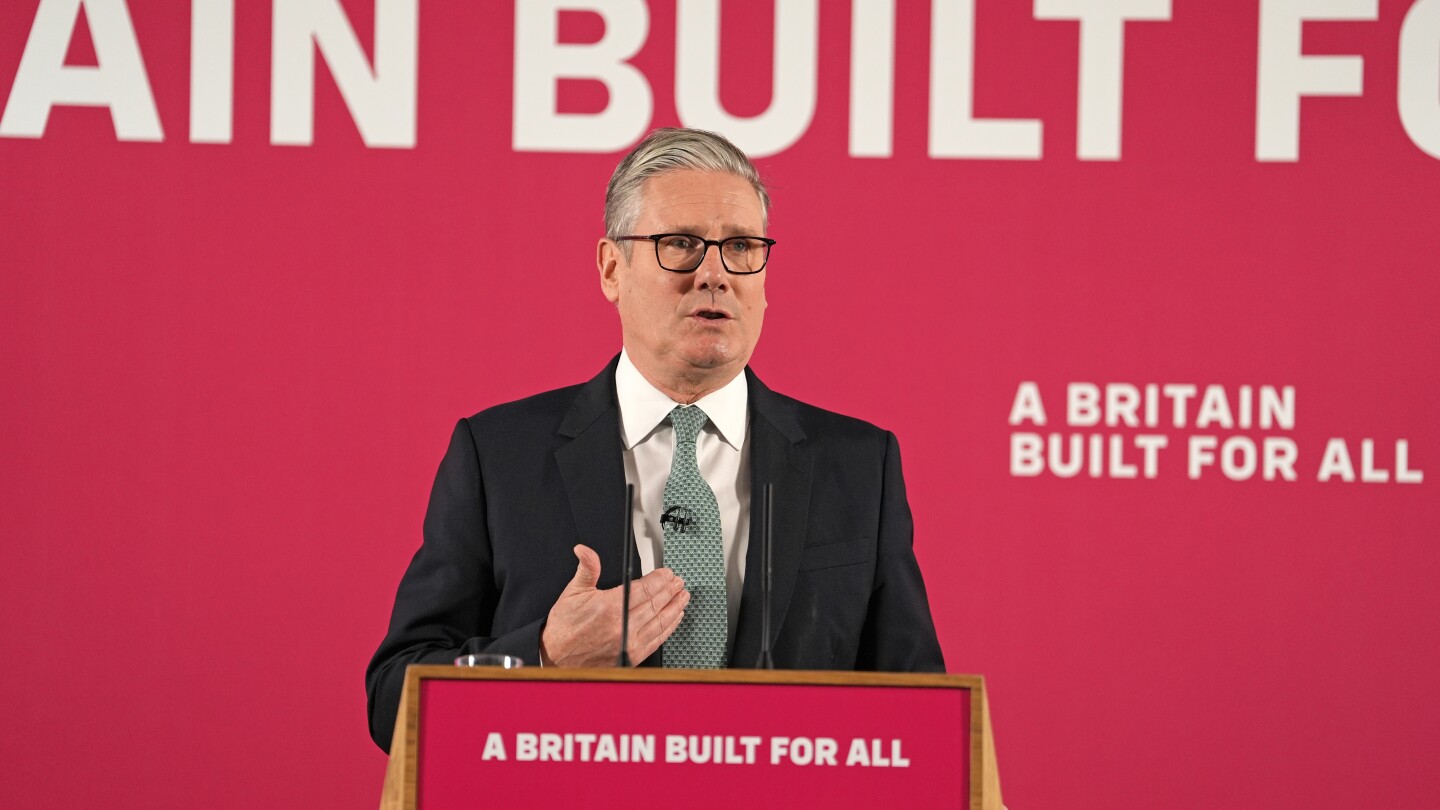
    Prime Minister Starmer, speaking at a London community center, defended these decisions by highlighting the “total crisis” in public finances and services inherited after fourteen years of Conservative governance. He framed the tax adjustments, minimum wage increases, and public service investments as necessary steps to alleviate child poverty and redirect the nation from economic decline.

    The government now advances two potentially contentious initiatives: reducing Britain’s expanding welfare expenditure and pursuing closer ties with the European Union. The former risks alienating Labour constituents, while the latter may provoke pro-Brexit Conservative and Reform politicians. Starmer acknowledged that the existing EU exit agreement has “significantly hurt our economy,” asserting that closer European relations remain essential for Britain’s economic future.

  • Pastor and new bride abducted in latest Nigeria attacks

    Pastor and new bride abducted in latest Nigeria attacks

    A fresh wave of coordinated kidnappings has struck Nigeria, with armed assailants seizing at least 20 individuals across two separate incidents over the weekend, exacerbating the nation’s ongoing security crisis.

    In the central Kogi state, attackers violently stormed the newly established Cherubim and Seraphim Church during Sunday services. The assailants discharged firearms into the congregation, creating panic and chaos as worshippers scrambled for safety. The gunmen subsequently abducted the church pastor, his wife, and several other parishioners in a brazen assault on religious freedom.

    Simultaneously, in the predominantly Muslim northern region of Sokoto, a pre-wedding gathering turned into a nightmare when gunmen raided a residential compound. The perpetrators kidnapped a bride-to-be along with her bridesmaids and wedding guests who had assembled for traditional pre-nuptial ceremonies. Additional victims included an infant, the child’s mother, and another woman according to confirmed reports.

    These incidents represent an alarming pattern of targeted attacks on educational institutions and places of worship throughout northern and central Nigeria. While criminal gangs seeking ransom payments are widely believed responsible for most abductions, presidential spokespersons have controversially attributed the attacks to jihadist organizations, creating conflicting narratives about perpetrator motivations.

    Kingsley Fanwo, official spokesperson for the Kogi state government, verified the Ejiba church attack to international media while acknowledging difficulties in confirming precise casualty figures. Fanwo stated that combined security forces comprising conventional agencies and local defense networks have initiated pursuit operations to locate the kidnappers.

    This security crisis has highlighted the acute vulnerability of rural communities, with approximately 250 schoolchildren and 12 educators remaining missing following a massive abduction several weeks prior. Although some previous kidnapping victims have reportedly been released, the persistent attacks have intensified pressure on Nigerian authorities to enhance protective measures for at-risk populations.

    The Nigerian government has implemented a official ban on ransom payments to disrupt the economics of kidnapping enterprises, though widespread circumvention of this prohibition is believed to continue. The situation attracted international attention recently when former US President Donald Trump threatened military intervention if Christian protections weren’t strengthened, though Nigerian officials maintain that victims represent all religious demographics equally.

  • US state secretary says ‘more work to be done’ after talks with Ukraine over revised peace plan

    US state secretary says ‘more work to be done’ after talks with Ukraine over revised peace plan

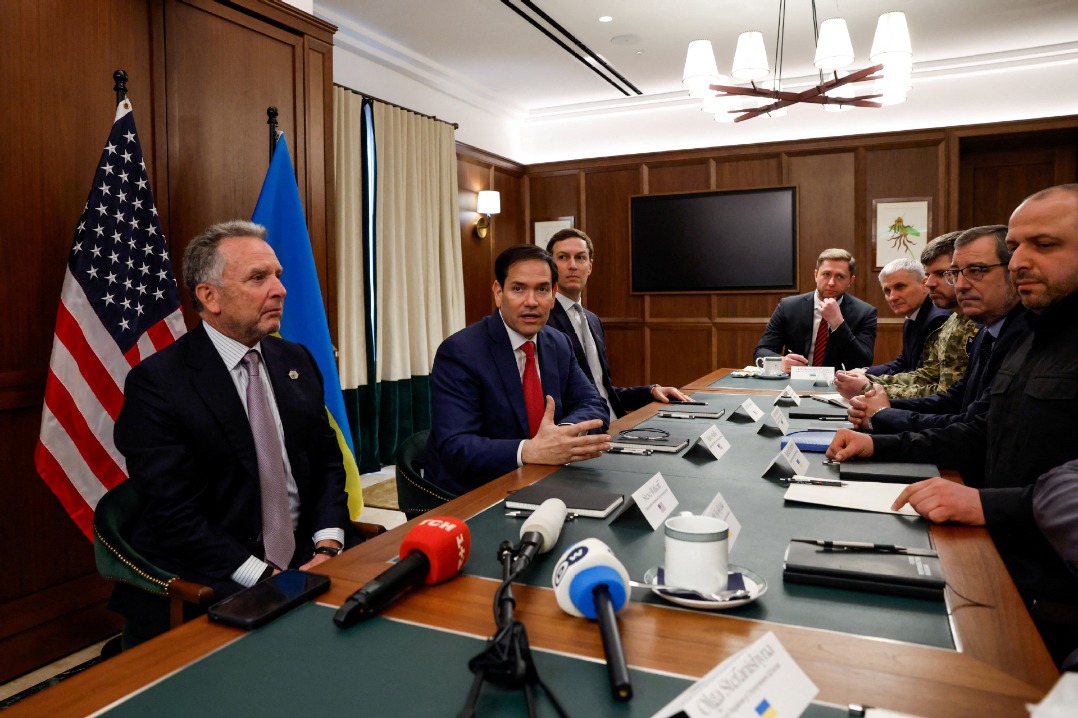
    Following an intensive four-hour diplomatic session in Hallandale Beach, Florida, United States Secretary of State Marco Rubio characterized recent negotiations with Ukrainian officials as making “additional” progress toward a revised blueprint for peace in Eastern Europe. The high-level discussions, held on November 30, 2025, brought together key figures from both nations but concluded without a finalized agreement.

    Secretary Rubio addressed journalists after the meeting, emphasizing the complex nature of the negotiations. “This is delicate, it’s complicated,” he stated. “There are a lot of moving parts, and obviously there’s another party involved here that will have to be a part of the equation” – an apparent reference to Russian interests in any comprehensive settlement.

    The American diplomatic contingent featured not only Secretary Rubio but also Special Envoy Steve Witkoff and Jared Kushner, son-in-law to former President Donald Trump. Their Ukrainian counterparts were led by Rustem Umerov, Secretary of Ukraine’s National Security and Defence Council, who described the dialogue as “difficult but productive” in a social media update.

    Umerov further noted that the parties had achieved “tangible progress toward establishing a just peace” while acknowledging significant work remains before a conclusive agreement can be reached. Both delegations have committed to ongoing consultations and coordination regarding subsequent measures.

    According to reports from The Wall Street Journal, the American diplomatic team is scheduled to travel to Moscow for follow-up discussions, indicating the multilateral dimension of these peace efforts. Neither Rubio nor Umerov fielded questions from the press following the conclusion of Sunday’s negotiations.

  • Trump confirms phone call with Venezuelan president: report

    Trump confirms phone call with Venezuelan president: report

    WASHINGTON — U.S. President Donald Trump has officially acknowledged a direct telephone conversation with Venezuelan President Nicolás Maduro, marking a significant development in bilateral relations between the two nations. The confirmation came during a press briefing aboard Air Force One on Sunday, though the American leader remained notably guarded about substantive details of the exchange.

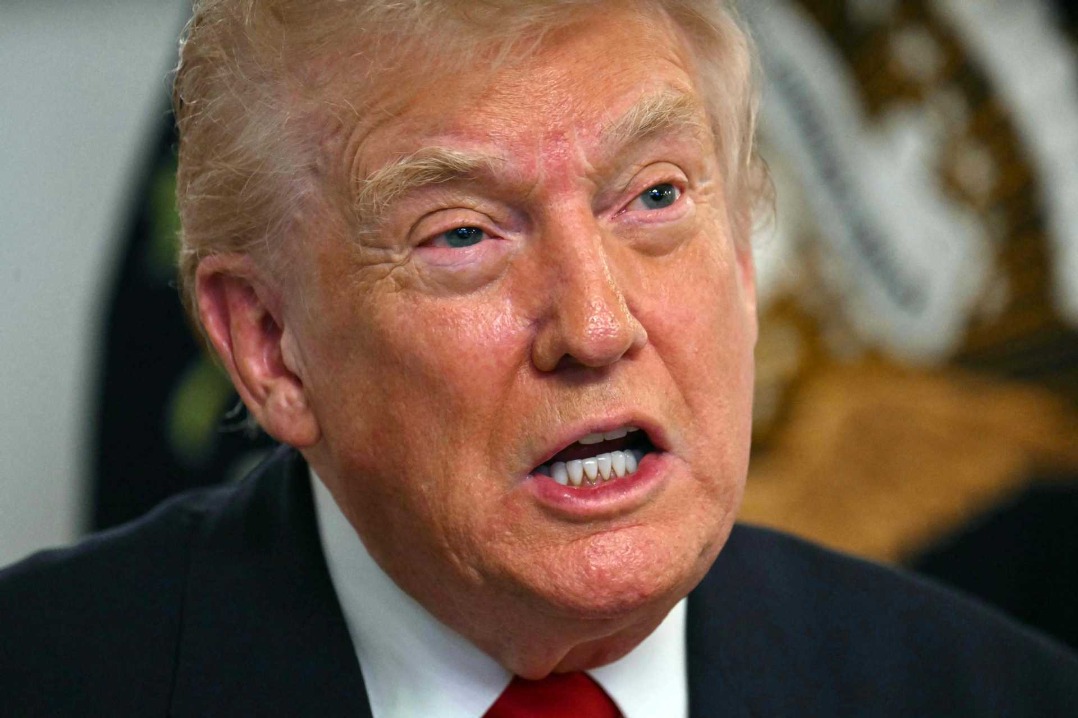
    When pressed by journalists for commentary on the nature of the discussion, Trump responded, “I don’t want to comment on it; the answer is yes.” He characterized the call in neutral terms, stating, “I wouldn’t say it went well or badly. It was a phone call,” effectively sidestepping deeper elaboration on diplomatic particulars.

    The revelation follows Trump’s social media activity from Saturday, wherein he issued a stark warning regarding Venezuelan airspace. In his post, the President declared that the airspace above and surrounding Venezuela “should be considered to be closed in its entirety.” This statement prompted immediate speculation about potential military escalation.

    However, Trump moved to downplay interpretations of imminent offensive action. “Don’t read anything into it,” he advised, clarifying that the alert was issued “because we consider Venezuela to be not a very friendly country.” This framing suggests the move was more a symbolic gesture of diplomatic pressure rather than a precursor to airstrikes. The exchange and subsequent statements represent a complex interplay of diplomacy and public posturing amid ongoing tensions between the United States and the Venezuelan government.

  • South Africa to be fully engaged in G20 despite tensions with Washington: president

    South Africa to be fully engaged in G20 despite tensions with Washington: president

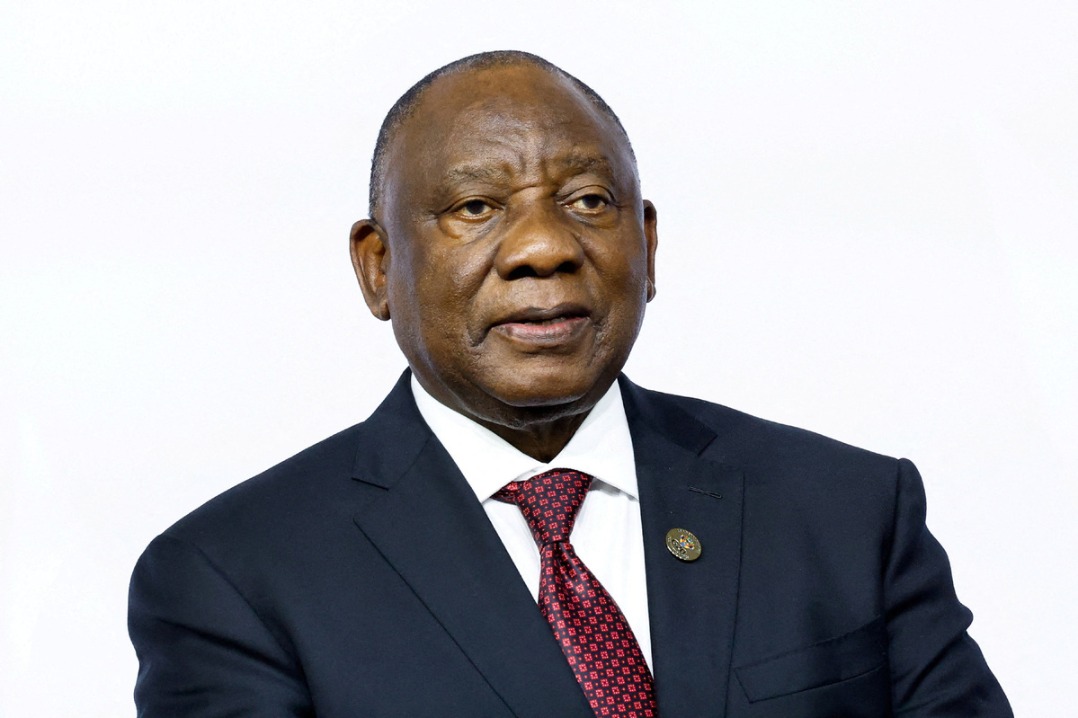
    South African President Cyril Ramaphosa has emphatically declared his nation’s commitment to full participation in G20 affairs, notwithstanding escalating diplomatic tensions with the United States. The announcement came during a national address following Johannesburg’s hosting of the G20 Leaders’ Summit, which notably proceeded without American representation.

    President Ramaphosa underscored South Africa’s foundational role within the G20 framework, asserting the nation’s inherent right to participation. “We must make it clear that South Africa is one of the founding members of the G20 and therefore a member in its own name and right,” stated Ramaphosa. “We will continue to participate as a full, active and constructive member.”

    The diplomatic strain emerged after US President Donald Trump announced intentions to exclude South Africa from next year’s G20 meetings, citing alleged human rights concerns. Trump had previously boycotted the Johannesburg summit based on claims of “white genocide” in South Africa—assertions that Ramaphosa vehemently denounced as “blatant misinformation” and “baseless and false allegations.”

    Despite these tensions, Ramaphosa confirmed the formal transition of G20 presidency to the United States this week, emphasizing South Africa’s continued valuation of bilateral relations with Washington. The African leader expressed regret over the US absence from the recent summit, characterizing the situation as rooted in misinformation while reaffirming commitment to diplomatic dialogue.

    The United States is scheduled to formally assume G20 leadership on December 1, setting the stage for potentially complex multilateral negotiations amid ongoing bilateral disagreements.

  • Gaza faces deepening humanitarian crisis despite ceasefire

    Gaza faces deepening humanitarian crisis despite ceasefire

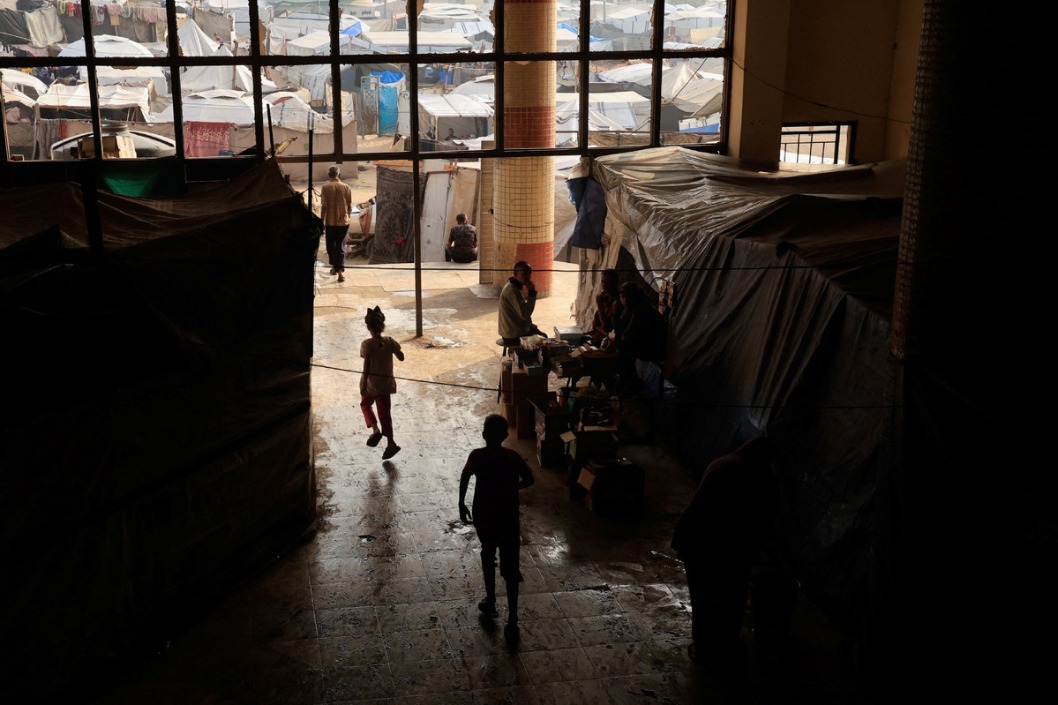
    Despite a ceasefire agreement enacted on October 10, 2025, the Gaza Strip continues to descend into a severe humanitarian emergency. Two months into the truce between Israel and Hamas, approximately two million residents remain trapped in dire conditions, primarily living in temporary tents and shelters with no substantial improvement in basic living standards.

    Critical infrastructure continues to deteriorate at an alarming rate. Water and sewage systems are failing, massive piles of waste and rubble block access routes, and municipal services are collapsing due to an extreme fuel shortage. The Union of Municipalities in Gaza issued a stark warning that Israeli authorities persist in blocking fuel deliveries, having allowed only a five-day supply since the ceasefire began. This restriction severely impedes road clearing, debris removal, and support for displaced families.

    The healthcare system is operating with the same limited resources available during active conflict. Medical facilities face critical shortages of medicines, equipment, and specialized staff. According to Bassam Zaqout, Director of Medical Relief in Gaza, no reconstruction of damaged health facilities has occurred. Israeli restrictions on medical delegations are exacerbating shortages of personnel, pharmaceuticals, and laboratory tools. Health authorities specifically warn that 4,000 glaucoma patients risk permanent vision loss without urgent supplies and specialized care.

    This unfolding humanitarian disaster occurs alongside renewed violence. Palestinian security sources reported Israeli shelling and airstrikes in central and southern Gaza, including near the Bureij refugee camp and east of Rafah. Health officials report three fatalities in the past 24 hours, bringing the post-ceasefire death toll to 357, with 908 wounded. Since the conflict’s escalation in October 2023, the cumulative casualties stand at 70,103 killed and 170,985 wounded.

    The Hamas-run government media office has accused Israel of 591 ceasefire violations, describing these actions as flagrant breaches of international humanitarian law. They have called for intervention from the United States, international mediators, and the UN Security Council.

    Meanwhile, Gaza’s Civil Defense Authority faces a grim task with approximately 10,000 bodies believed buried beneath destroyed structures. With only one excavator available for recovery operations, spokesperson Mahmoud Basal urgently appealed for additional heavy equipment to retrieve the deceased amid extremely challenging conditions.