博客

  • CMAT, Fontaines D.C. and Gorillaz to play Electric Picnic 2026

    CMAT, Fontaines D.C. and Gorillaz to play Electric Picnic 2026

    Ireland’s premier music celebration, Electric Picnic, has unveiled its initial headline performers for the 2026 edition, featuring an impressive crossover of international and homegrown talent. British virtual band Gorillaz will command the main stage on Saturday evening, while Dublin’s critically acclaimed post-punk ensemble Fontaines D.C. will bring the festival to a powerful close as Sunday night headliners.

    The announcement, made on Monday, also confirmed Irish pop sensation CMAT among the featured artists set to grace multiple stages at the country’s largest music and arts gathering. The preliminary lineup further includes Swedish songstress Zara Larsson, British grime icon Skepta, alongside emerging acts Sombr, Wunderhorse, Role Model, and Geese.

    Since its modest inception in 2004 with a mere 10,000 capacity, Electric Picnic has evolved into a sprawling three-day extravaganza featuring multiple performance areas and attracting top-tier international talent. The 2026 installment is scheduled to run from August 28th to 30th at the picturesque Stradbally Hall estate in County Laois.

    The festival has grown exponentially over two decades, with attendance figures reaching approximately 80,000 enthusiasts in 2025, cementing its status as Ireland’s definitive cultural happening that seamlessly blends musical performances with diverse artistic expressions and experiential installations.

  • A controversial infant Jesus is stolen from a Belgian Nativity scene

    A controversial infant Jesus is stolen from a Belgian Nativity scene

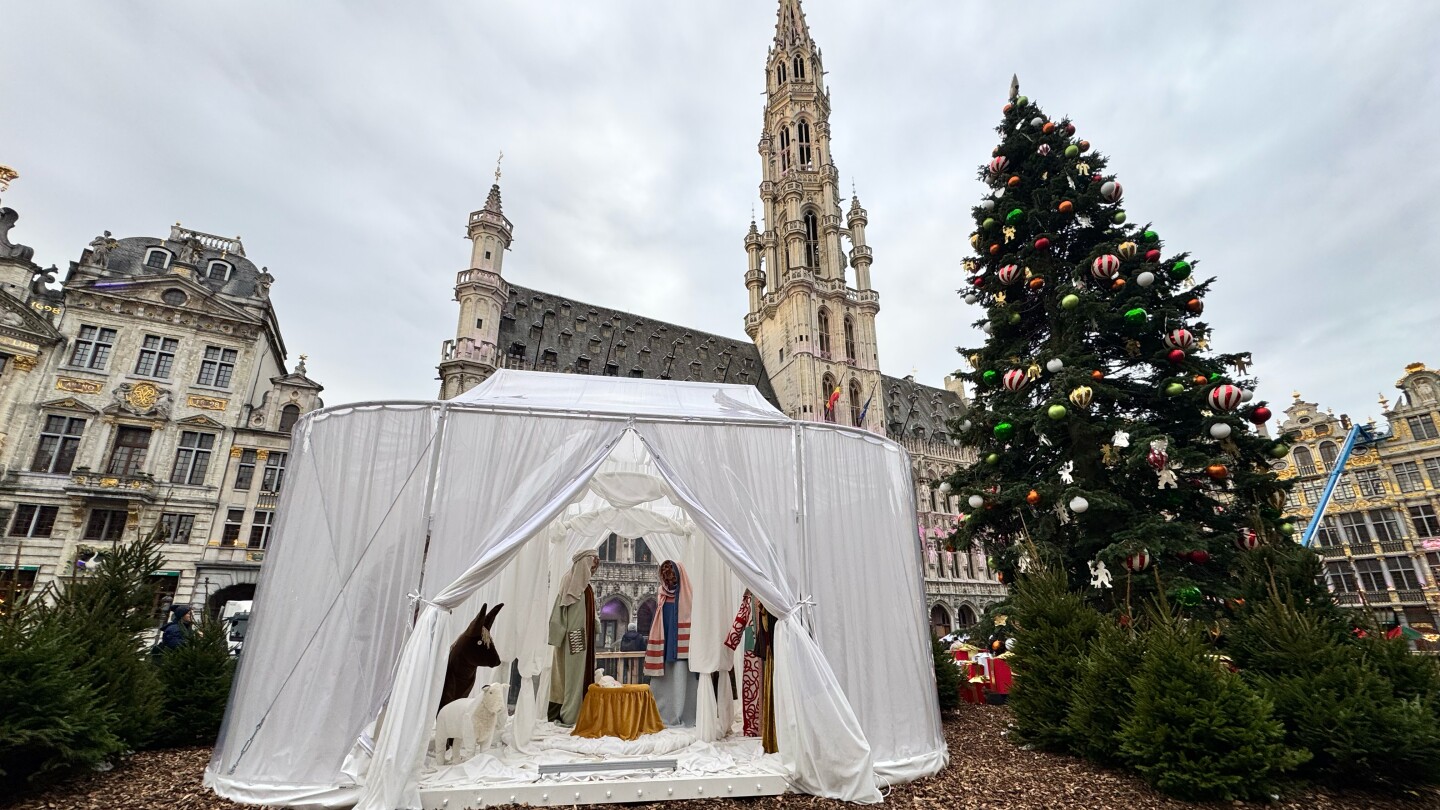
    BRUSSELS — Belgian authorities are investigating the audacious theft of a distinctive infant Jesus figure from a public Nativity display on Brussels’ historic Grand Place, marking the latest development in an ongoing cultural debate that has divided public opinion. The faceless cloth icon, created by artist Victoria-Maria Geyer as an inclusive interpretation of the Christ child, disappeared between Friday night and Saturday morning from its manger beneath the city’s massive Christmas tree.

    The stolen artwork had previously ignited substantial social media discourse due to its unconventional design—featureless faces crafted from soft fabrics that intentionally lacked eyes, noses, and mouths. Geyer, a self-described devout Catholic, conceived the figures to enable believers worldwide to project their own identities onto the biblical characters, fostering universal connection to the Christmas narrative regardless of cultural background.

    Despite the artist’s thoughtful intentions, the installation drew sharp criticism from some public figures. Georges-Louis Bouchez, leader of Belgium’s center-right MR party, publicly denounced the figures on social media platform X, comparing them to ‘zombie-like’ individuals and asserting they failed to capture the Christmas spirit.

    Brussels Major Events deputy director Delphine Romanus confirmed that initial reports of the figurine being beheaded were inaccurate, though she acknowledged previous incidents involving damage or theft of Nativity figures. The organization, which manages the annual Christmas market attracting over 4 million visitors, has already installed a replacement Jesus figure and increased security monitoring around the display.

    Interestingly, public sentiment has shifted since the theft, with initial negative social media reactions transforming into more supportive responses toward the artist’s vision. Local resident Francis De Laveleye expressed dismay at the vandalism, criticizing how artistic expression had been undermined by what he termed ‘a stupid little controversy that ridicules Brussels.’

    The Christmas market itself continues operation with 238 vendors offering seasonal goods, with the Nativity scene remaining a central attraction despite the controversy.

  • A South African radio presenter is arrested on suspicion of recruiting fighters for Russia

    A South African radio presenter is arrested on suspicion of recruiting fighters for Russia

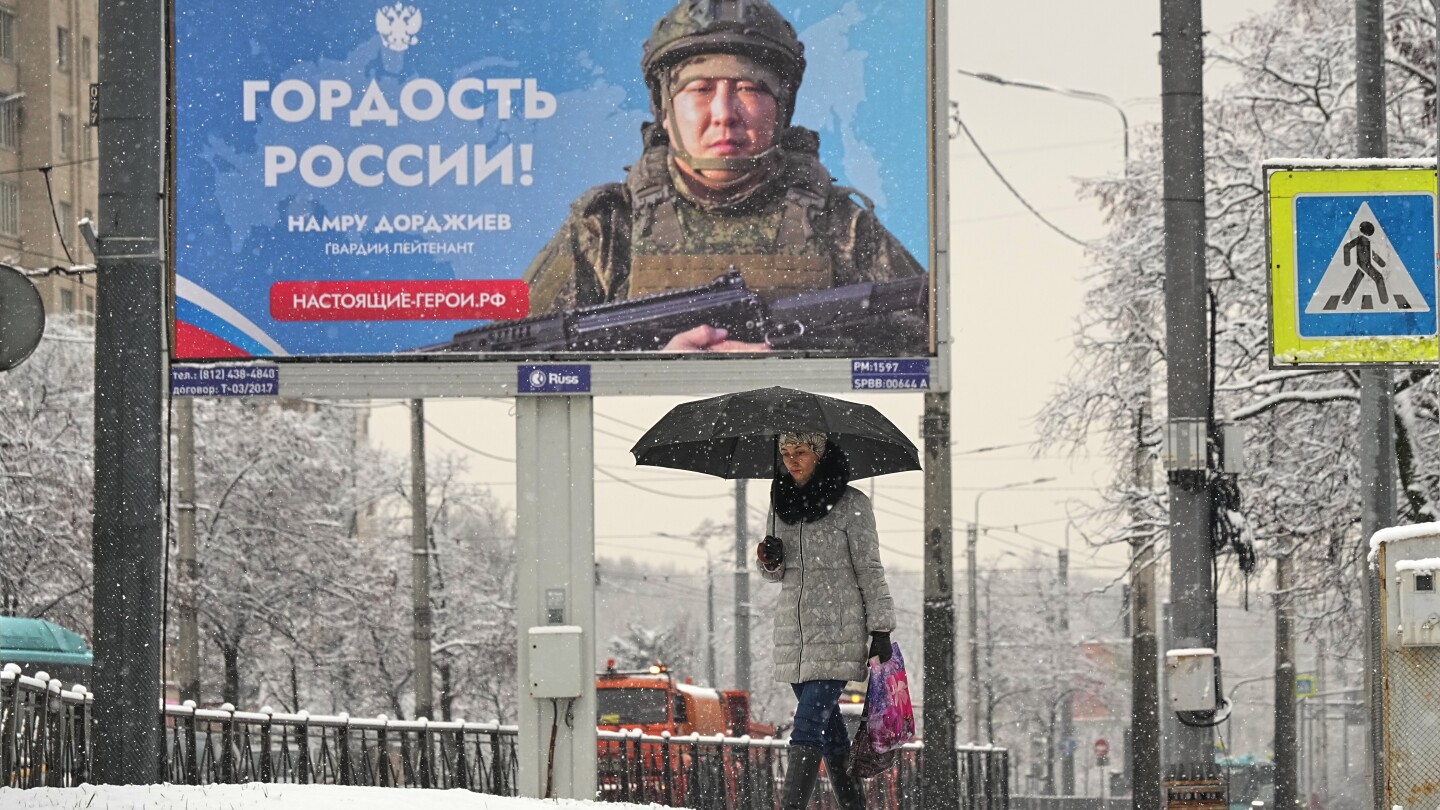
    A prominent South African radio personality has been formally charged with illegally recruiting citizens for Russia’s military operations in Ukraine, marking a significant development in the country’s growing foreign recruitment crisis. Nonkululeko Mantula, a 39-year-old presenter with state broadcaster SAFM, appeared in court Monday alongside four co-accused following their arrest based on intelligence reports.

    Authorities confirmed that three suspects were intercepted at a major international airport while attempting to travel to Russia via the United Arab Emirates. Investigators believe at least one individual successfully reached Russian territory under Mantula’s alleged coordination. South African law strictly prohibits citizens from enlisting in foreign militaries without explicit government authorization.

    This case emerges alongside a separate high-profile investigation involving Duduzile Zuma-Sambudla, daughter of former President Jacob Zuma. She recently resigned from her parliamentary position in the MK Party following allegations of deceiving 17 South African men into combat roles with Russian mercenary units. Victims reportedly traveled under false pretenses of receiving security training for employment opportunities.

    The South African government has initiated formal repatriation efforts through international law enforcement channels after receiving distress calls from citizens trapped in eastern Ukraine. According to official reports, these individuals had their passports destroyed and communication devices confiscated upon arrival in Russia.

    Russian recruitment tactics have increasingly targeted developing nations through social media campaigns promising employment in various sectors. Recent intelligence indicates these operations have expanded to include deceptive recruitment of African women for drone manufacturing facilities under the guise of hospitality industry jobs.

    South African authorities have issued nationwide warnings about social media influencers promoting Russian employment and educational opportunities, emphasizing the grave risks associated with these allegedly fraudulent schemes.

  • Congo declares its latest Ebola outbreak over, after 43 deaths

    Congo declares its latest Ebola outbreak over, after 43 deaths

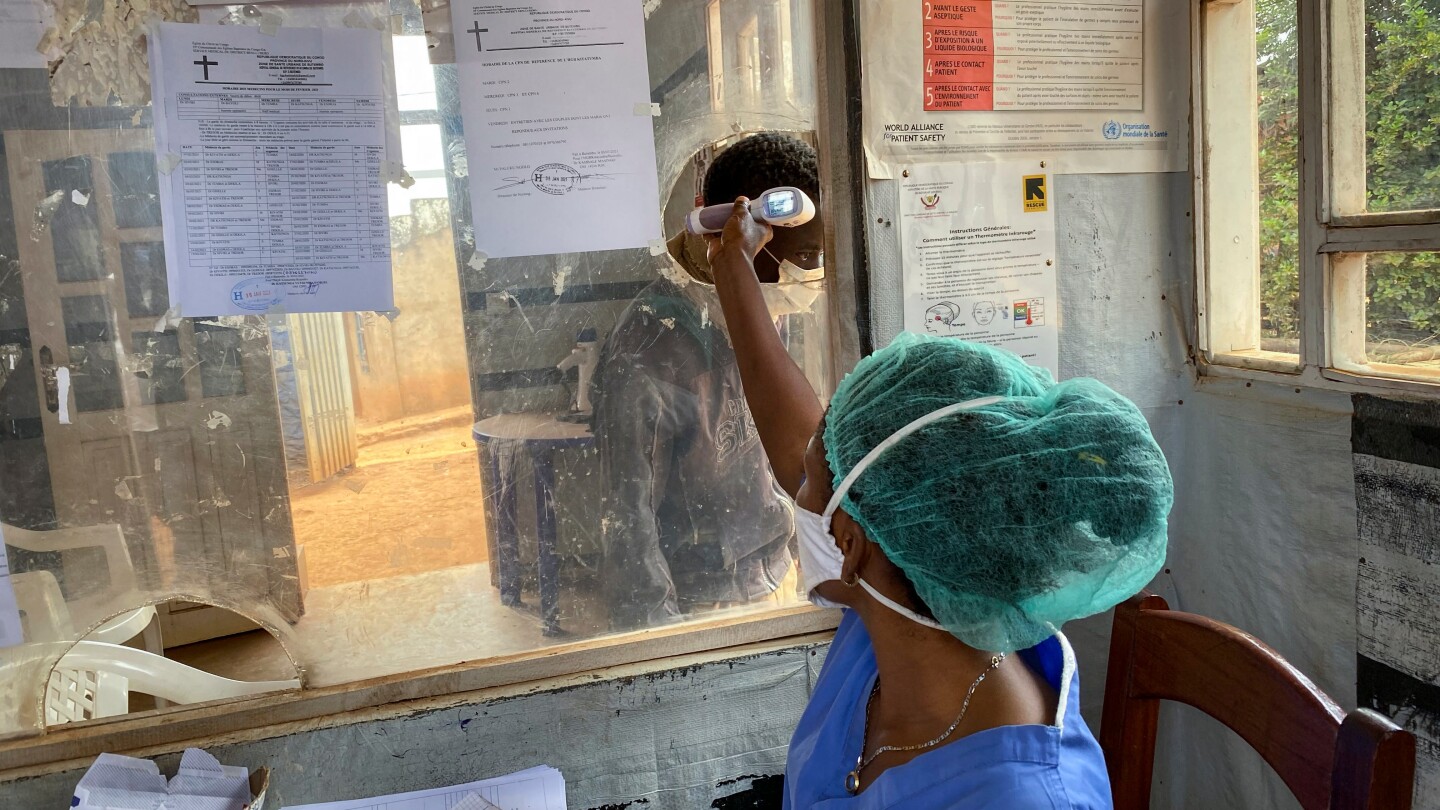
    The Democratic Republic of Congo has officially declared the conclusion of its latest Ebola outbreak, which claimed 43 lives in the southern Kasai province. Health Minister Roger Kamba confirmed the termination on Monday, citing a critical milestone: 45 consecutive days without any new confirmed infections.

    The outbreak, first identified in September in the town of Bulape, resulted in 53 confirmed cases with a devastating 81% fatality rate. The viral disease subsequently spread to at least four adjacent towns, marking Congo’s 16th Ebola outbreak since the virus initially emerged there in 1976.

    A comprehensive vaccination campaign proved instrumental in containing the epidemic. Health authorities administered doses to over 27,000 individuals, including 4,000 frontline medical workers who faced heightened exposure risks. Minister Kamba specifically credited these healthcare personnel with playing a pivotal role in halting the virus’s transmission.

    The World Health Organization encountered substantial operational hurdles during the response effort, particularly regarding vaccine distribution in remote areas with limited accessibility and insufficient funding. This success comes against the backdrop of ongoing security challenges in eastern Congo, where M23 rebel forces have occupied strategic cities since launching an offensive in January.

    This outbreak served as a somber reminder of the 2018-2020 Ebola epidemic in eastern Congo that resulted in over 1,000 fatalities, highlighting the persistent public health threats facing the Central African nation.

  • Shock in Cameroon as 74-year-old opposition firebrand dies in detention

    Shock in Cameroon as 74-year-old opposition firebrand dies in detention

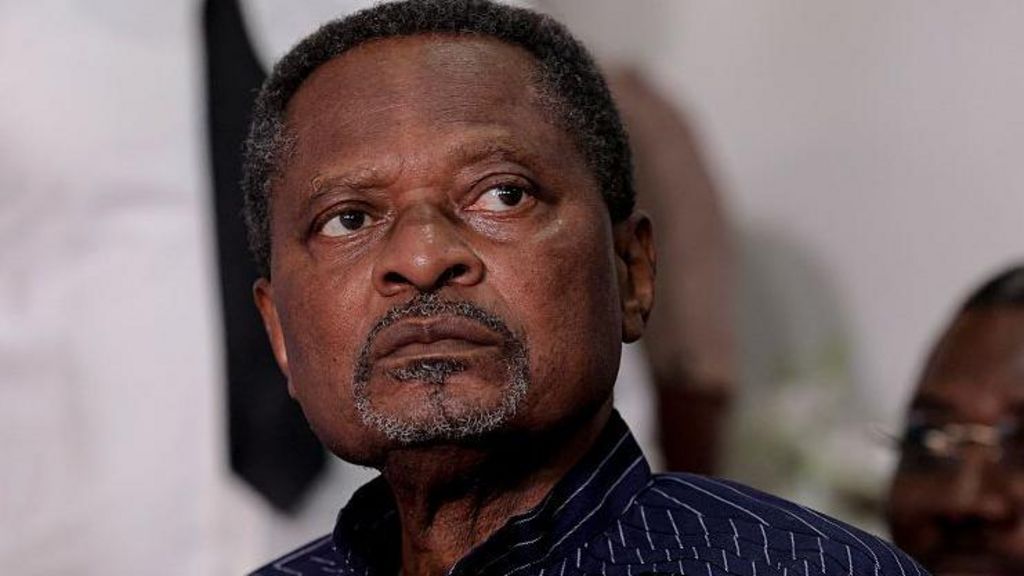
    Cameroon’s political landscape has been shaken by the death of prominent left-wing opposition figure Anicet Ekane, who passed away while detained at a military medical facility. The 74-year-old leader of the African Movement for New Independence and Democracy (MANIDEM) had been held for five weeks without formal charges following his October 24 arrest.

    Ekane’s sudden demise has sparked outrage among opposition supporters and raised serious questions about treatment of government critics. According to his legal representatives, the politician was never formally charged or presented before a judicial authority despite accusations of “hostility against the state, incitement to revolt, and calls for insurrection.”

    The circumstances surrounding his death remain shrouded in mystery. Family members received minimal explanation, with Ekane’s wife being abruptly presented with her husband’s corpse without prior notification of his deteriorating condition. Defense Ministry spokesman Captain Cyrille Serge Atonfack attributed the death to “various chronic pathologies” but provided no specific details about the medical circumstances.

    This incident occurs against a backdrop of heightened political tensions following October’s presidential election, which saw 92-year-old incumbent Paul Biya officially declared winner. Ekane had been a key figure in the Union for Change Coalition that backed former government spokesman Issa Tchiroma Bakary, who subsequently fled to The Gambia after disputing the election results.

    The opposition leader’s death has triggered widespread grief and anger, with supporters gathering at party headquarters in Douala while others expressed fury through online channels. Security forces have reportedly surrounded MANIDEM’s premises as authorities announce an investigation into the exact circumstances of Ekane’s death.

  • Kuwait forms task force to combat human trafficking, migrant smuggling

    Kuwait forms task force to combat human trafficking, migrant smuggling

    Kuwait has launched a comprehensive institutional response to human trafficking and migrant smuggling through the creation of a specialized task force within its Public Prosecution authority. This strategic move aims to strengthen victim protection protocols while enhancing investigative capabilities against transnational criminal operations.

    The newly formed unit will implement standardized procedural models for victim identification and protection, activating a national referral system to ensure appropriate care for those affected by trafficking networks. The task force will develop advanced investigation methodologies and evidence collection techniques specifically tailored to these complex crimes.

    Key operational responsibilities include preparing standardized documentation forms for judicial procedures, reviewing both existing and emerging cases to identify practical challenges, and establishing a comprehensive database for all trafficking and smuggling cases. The unit will also produce periodic analytical reports for submission to the Attorney General’s office.

    Beyond domestic operations, the task force will engage in international coordination efforts, addressing observations contained in United Nations and regional reports while preparing official responses. The unit will develop technical guidelines for judicial authorities regarding crime indicators and implement specialized training programs for Public Prosecution members.

    This initiative follows Kuwait’s recent legislative strengthening against organized crime, including tougher penalties for drug offenses that now carry potential life imprisonment or death penalty sentences. The establishment of this specialized unit represents Kuwait’s commitment to addressing human trafficking through coordinated judicial and law enforcement action.

  • Saying ‘yes’ to destiny: The emergence of a new-era enterprise luminary

    Saying ‘yes’ to destiny: The emergence of a new-era enterprise luminary

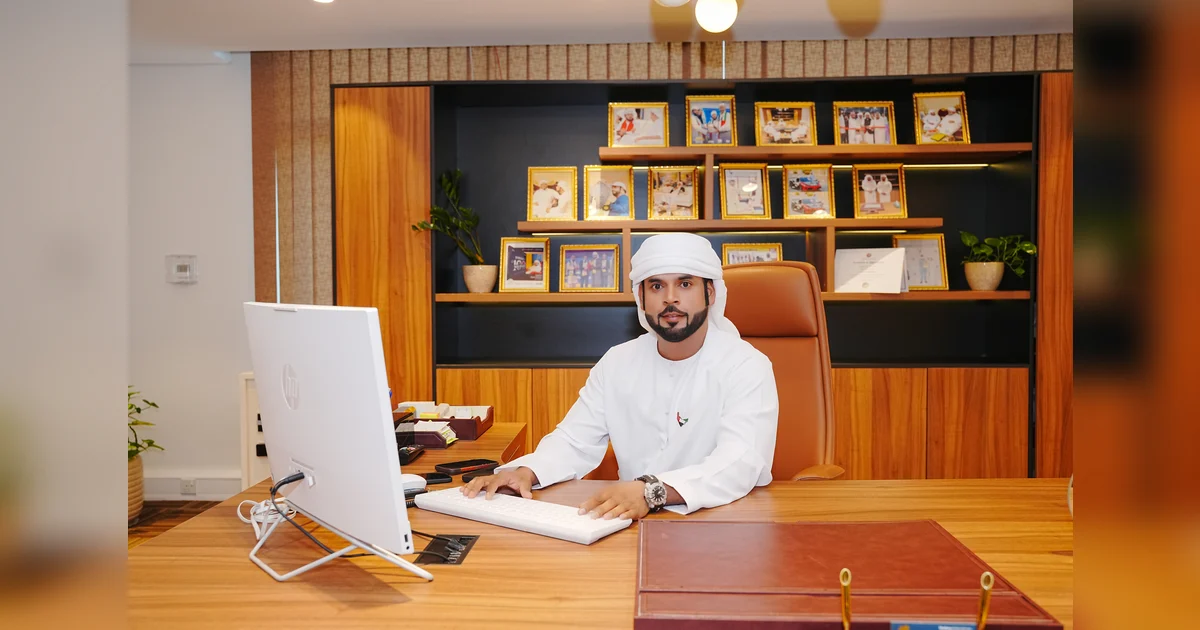
    A remarkable entrepreneurial journey exemplifies how vision and determination can transform modest beginnings into multi-sector industrial leadership. Shafeeq Abdurahiman, who grew up in a humble Kozhikode household guided by strong moral principles, has emerged as a defining business figure shaping growth across property, hospitality, and precision engineering sectors in the UAE.

    His trajectory began with a fateful encounter with UAE businessman Ibrahim Abdullah Al Harmoudi, who recognized Shafeeq’s potential and encouraged him to pursue opportunities in the Emirates. Arriving in Sharjah in 2005 while still in his late teens, Shafeeq immersed himself in real estate operations, gaining invaluable exposure to negotiation strategies and client management.

    The turning point came in 2011 when Ibrahim offered him first rights to acquire the company. Shafeeq honored this trust through a purchase that marked his entrepreneurial ascent, rebranding the operation as Al Maniya—inspired by his admiration for Argentine football—before evolving it into AMR Group. The enterprise now delivers comprehensive property services including management, freehold advisory, development consultancy, and strategic marketing across multiple emirates.

    A landmark development occurred with A1 Holding’s acquisition of Cleveland Bridges & Engineering Middle East LLC, a legacy pillar of Dubai’s steel sector established in 1977. The acquisition, announced in the presence of Sheikh Suhail bin Ali Al Maktoum and Dr. Hamad Saeed Al Shamsi (Partner and Chairman of A1 Group), represents a decisive industrial leap. The facility is being transformed into an advanced steel-engineering hub featuring upgraded systems and AI-driven precision, positioning A1 Holding at the forefront of regional infrastructure development.

    Today, A1 Holding unifies multiple high-impact verticals including real estate development, hospitality, security services, facilities management, and large-scale workforce accommodation. The group stewards approximately 120 accommodation assets for major organizations across Dubai, while expanding its hospitality footprint with the upcoming ‘Acacia’ 4-star hotel in Ras Al Khaimah and two additional Dubai properties scheduled for 2026.

    Shafeeq’s resilience was particularly demonstrated during the COVID-19 pandemic when he offered his accommodation facilities to the Dubai Government and provided free housing to quarantined expatriates—transforming a global crisis into an act of national service.

    The entrepreneur consistently credits the UAE’s clarity, stability, and visionary leadership as the foundation of his success. For twelve consecutive years, he has commemorated UAE National Day by unveiling luxury cars exquisitely decorated in national themes as a moving tribute to the nation and its rulers.

    Guided by family values and the enduring principles of his late father Abdurahiman, Shafeeq maintains that success carries inherent responsibility. His vision now focuses on scaling A1 Holding as a major Middle Eastern force while empowering teams, honoring partner trust, and contributing meaningfully to the UAE’s long-term economic vision.

  • First photos from inside burnt Hong Kong building as death toll rises to 146

    First photos from inside burnt Hong Kong building as death toll rises to 146

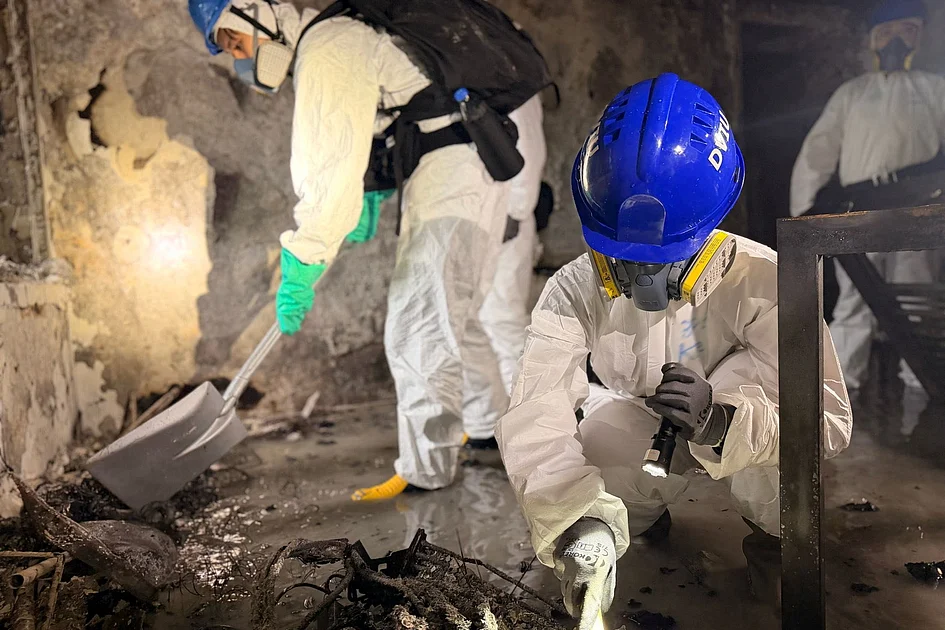
    Hong Kong authorities continue recovery operations at the scene of a catastrophic fire that has now claimed 146 lives, making it one of the most devastating building fires in the city’s history. The tragedy unfolded in a decades-old residential structure that housed both businesses and residential units, raising serious questions about building safety standards in older urban districts.

    Emergency responders faced immense challenges accessing the upper floors where the fire originated, with narrow staircases and obstructed escape routes hampering rescue efforts. The building’s aging infrastructure and reportedly compromised fire safety systems contributed to the rapid spread of flames and toxic smoke throughout the structure.

    Survivors described scenes of chaos and desperation as occupants attempted to flee the inferno. Many became trapped in upper-level units, with some resorting to extreme measures including jumping from windows in attempts to escape the advancing flames. The complex layout of the building, which had undergone numerous unauthorized modifications over the years, created a maze-like environment that proved deadly during evacuation.

    Government officials have declared a period of mourning and initiated a comprehensive investigation into the causes of the fire and the adequacy of existing building safety regulations. The tragedy has prompted urgent calls for city-wide inspections of similar aging structures and stricter enforcement of fire code compliance, particularly in mixed-use buildings that combine commercial and residential functions.

    International fire safety experts have been consulted to assist with the investigation, while community organizations have mobilized to support grieving families and survivors. The incident has sparked broader discussions about urban renewal policies and the challenges of maintaining safety standards in rapidly aging building stock within dense metropolitan environments.

  • China’s grand plan to dominate global publishing

    China’s grand plan to dominate global publishing

    China is rapidly emerging as the future dominant force in global publishing, with projections indicating it will become the world’s most influential publishing market within the coming decade. This remarkable ascent is fueled by multiple strategic advantages including substantial domestic market growth, targeted expansion policies, significant advancements in scholarly publishing, and pioneering adoption of digital technologies that are reshaping how content is created, distributed, and consumed worldwide.

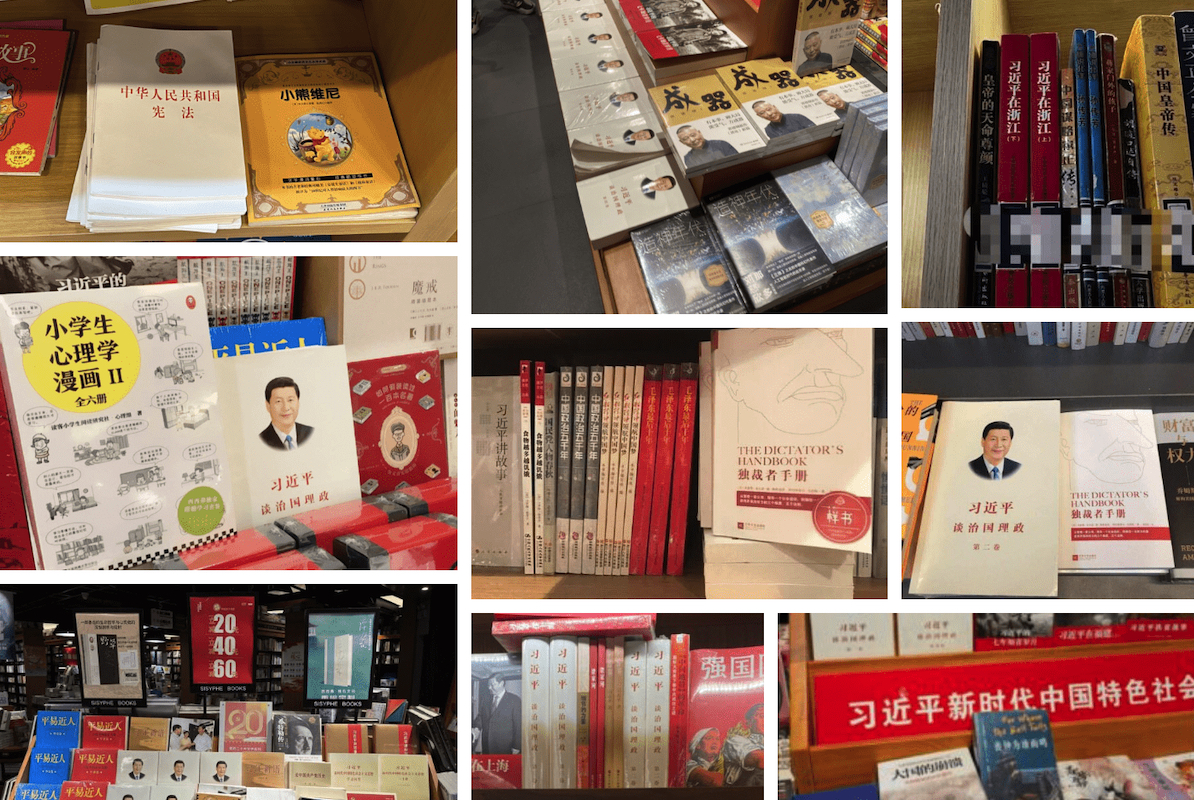
    The Chinese publishing market already ranks among the world’s largest, supported by hundreds of millions of active readers with increasing disposable income driving demand across both print and digital formats. Major platforms including Dangdang and JD Books continue expanding their catalogues while audiobook and mobile reading applications gain substantial traction. Notably, physical bookstores continue to thrive alongside digital platforms, demonstrating the market’s remarkable diversity and breadth.

    This robust consumer activity provides Chinese publishers with unprecedented financial flexibility to experiment with innovative formats, marketing approaches, and distribution channels. This experimentation allows them to develop and refine business models that other markets struggle to implement effectively. Despite challenges including intense price competition and demographic shifts affecting children’s book segments, China’s publishing industry maintains strong innovative capacity.

    Chinese publishers are demonstrating exceptional agility in adapting to the digital landscape, with short-video e-commerce platforms like Douyin becoming significant sales channels. This rapid adoption of new retail models gives Chinese publishers distinct advantages over Western counterparts in reaching digitally-native audiences. Additionally, growing cultural pride is driving demand for high-quality original content that blends traditional Chinese narratives with contemporary themes, resulting in increased success for home-grown intellectual property and international copyright exports.

    The internationalization of Chinese trade publishing forms a crucial component of government-backed soft power strategy, aligned with China’s national goal of becoming a ‘cultural powerhouse’ by 2035. Major state-owned conglomerates including China Publishing Group Corporation and China International Publishing Group are executing this strategic vision through substantial resource allocation. Organizations such as Foreign Languages Press and New World Press publish works in multiple languages covering contemporary Chinese society, literature, and cultural classics, distributed across over 180 countries through exports, co-publishing arrangements, and partnership initiatives.

    Concurrently, China’s academic publishing sector is undergoing transformative growth. Massive investment in research and development has established China as a scientific and technological leader, evidenced by surpassing the United States in highly-cited academic papers. Policy shifts encouraging open access, data sharing, and transparent research practices complement substantial STEM investments. By 2030, Chinese academic publishers are projected to hold significantly increased global influence, particularly in engineering, medicine, and environmental science.

    The Chinese government actively promotes creation of world-class domestic academic journals to reduce foreign dependency, accelerated by massive digital publishing investments. Initiatives like the Belt and Road Initiative include cultural components such as translation projects, reading festivals, and academic exchanges that build relationships with emerging markets. These partnerships frequently result in co-published titles and distribution agreements that position Chinese content in new markets while encouraging international collaboration.

    China’s publishing sector has reached a critical juncture where ambition and capability converge, combining vast market scale, technological investment, and long-term cultural strategy to create momentum unmatched by global competitors. Within the next decade, this powerful combination will fundamentally reshape how stories are produced, research is shared, and cultural influence transcends borders. The question for global publishers is no longer whether this transformation will occur, but how rapidly they can adapt to the new publishing landscape China is creating.

  • UAE President directs 7 Abu Dhabi mosques to be named after different emirates

    UAE President directs 7 Abu Dhabi mosques to be named after different emirates

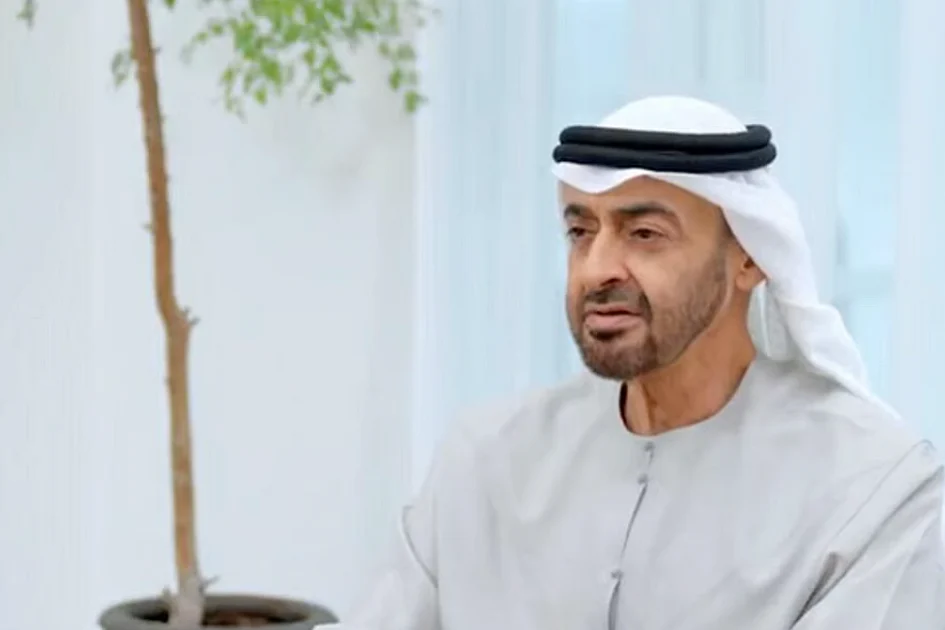
    In a significant cultural and religious initiative, UAE President Sheikh Mohamed bin Zayed Al Nahyan has directed the naming of seven newly constructed mosques in Abu Dhabi after each of the nation’s seven emirates. This announcement coincides with the country’s 54th National Day celebrations, symbolizing national unity and cultural preservation.

    The mosques, located in Mohamed bin Zayed City, represent a substantial architectural achievement with a combined capacity of approximately 6,000 worshippers. According to Dr. Omar Habtoor Al Derei, Chairman of the General Authority for Islamic Affairs, Endowments and Zakat, these structures span an area of roughly 12,000 square meters and are scheduled to open to the public in January 2026.

    Architecturally, the mosques blend traditional Islamic artistic elements with contemporary design principles, creating spaces that honor heritage while embracing modernity. The design approach carefully balances aesthetic appeal with functional requirements for worship and community gatherings.

    Dr. Al Derei emphasized the President’s commitment to supporting religious infrastructure that facilitates comfortable worship experiences while strengthening the mosque’s role as a community hub. This initiative aligns with the UAE’s broader urban development strategy, ensuring that religious institutions keep pace with the nation’s growth and modernization.

    The project represents more than mere construction—it embodies the UAE’s dedication to preserving Islamic identity while fostering national unity through architectural symbolism that connects each emirate to the nation’s collective identity.