博客

  • Council removes proposal to rename park named after former president of Israel

    Council removes proposal to rename park named after former president of Israel

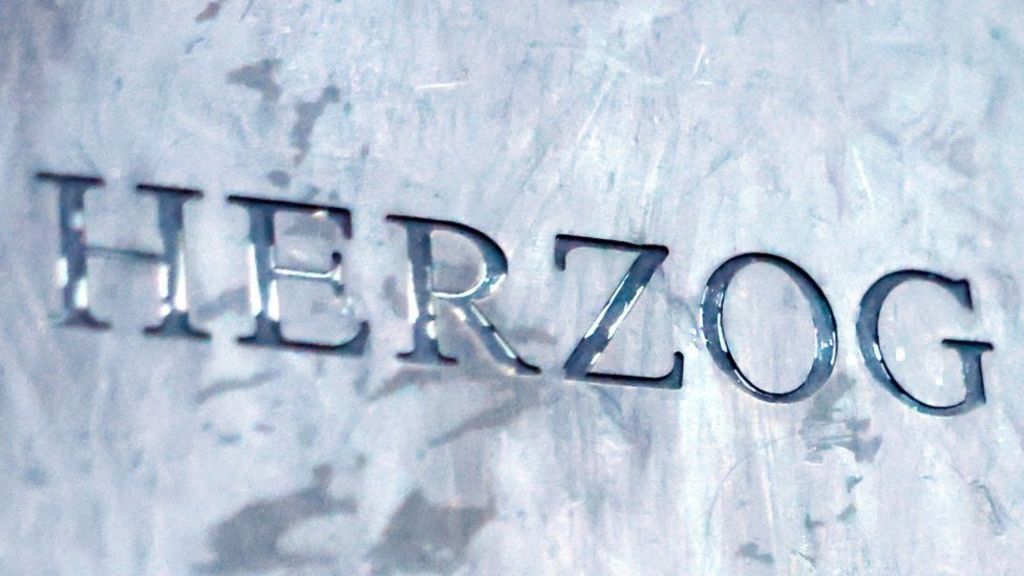
    A contentious proposal to rename Herzog Park in Dublin has been abruptly withdrawn from the city council’s agenda following the discovery of significant procedural errors. The park, named in 1995 after Belfast-born former Israeli President Chaim Herzog, was targeted for renaming by councillors until Chief Executive Richard Shakespeare identified critical flaws in the legal process.

    The motion, scheduled for a Monday vote, faced intense criticism from both national and international observers. Irish Taoiseach Micheál Martin condemned the proposal as “overtly divisive and wrong,” while Tánaiste Simon Harris denounced it as contrary to Ireland’s inclusive values. The office of current Israeli President Isaac Herzog, son of Chaim Herzog, expressed concerns that the renaming would appear “shameful and disgraceful.”

    At the council meeting, Lord Mayor Ray McAdam revealed that a commissioned report on the naming process was legally unsound, providing no basis for the proposal. Shakespeare publicly apologized for administrative oversights, admitting he had “failed miserably” in ensuring proper procedure. The error was discovered after a housing official questioned the proposal’s legality on Saturday night.

    Councillors voted 35-25 (with one abstention) to move the proposal to a committee meeting later this month. The debate revealed deep divisions, with some councillors arguing the Jewish community had been hurt by the “fiasco,” while others maintained the Herzog name should be replaced with another Jewish figure.

    The controversy highlights ongoing tensions regarding commemorative practices. In 2014, a blue plaque marking Herzog’s Belfast birthplace was removed after vandalism and security concerns. The current situation demonstrates the complex intersection of local governance, international relations, and historical recognition in contemporary Ireland.

  • Stunning images reveal razor-sharp detail of Jupiter’s iconic Great Red Spot

    Stunning images reveal razor-sharp detail of Jupiter’s iconic Great Red Spot

    Astronomical imaging breakthroughs have unveiled Jupiter’s iconic Great Red Spot with extraordinary clarity, revealing the massive storm’s intricate structure in razor-sharp detail. The stunning new photographs, captured from the Oukaimeden Astronomical Observatory in Morocco on November 30, showcase the gas giant’s atmospheric phenomena with remarkable precision.

    Recent data from NASA’s Juno mission has fundamentally altered scientific understanding of Jupiter’s atmospheric dynamics. Contrary to previous assumptions, the planet’s storms penetrate dramatically deeper into its atmosphere than previously documented. While some tempests extend approximately 100 kilometers beneath the cloud tops, the colossal Great Red Spot plunges an astonishing 350 kilometers into the Jovian atmosphere.

    The Astronomy Centre’s released images display unprecedented textural details, bright atmospheric features, and complex swirling patterns within the planetary system. These observations occurred during a lunar transit event, providing optimal viewing conditions for capturing the celestial spectacle.

    This astronomical revelation continues a series of extraordinary celestial events observed throughout 2025. Earlier phenomena included Venus appearing in its crescent phase from UAE perspectives on March 23, when the planet reached surface conjunction at 9:18 AM local time. This positioning created a rare visual effect where Venus appeared as a slender crescent suspended 8.4 degrees from the Sun.

    The current year has provided astronomers with multiple observational highlights, including a planetary parade featuring four visible planets and two requiring telescopic observation. Such alignments recall the extraordinary April 2022 event when Venus, Mars, Jupiter, and Saturn formed a straight-line alignment in the eastern sky—a configuration last witnessed a millennium earlier.

  • White House doctor releases Trump’s ‘perfectly normal’ MRI results

    White House doctor releases Trump’s ‘perfectly normal’ MRI results

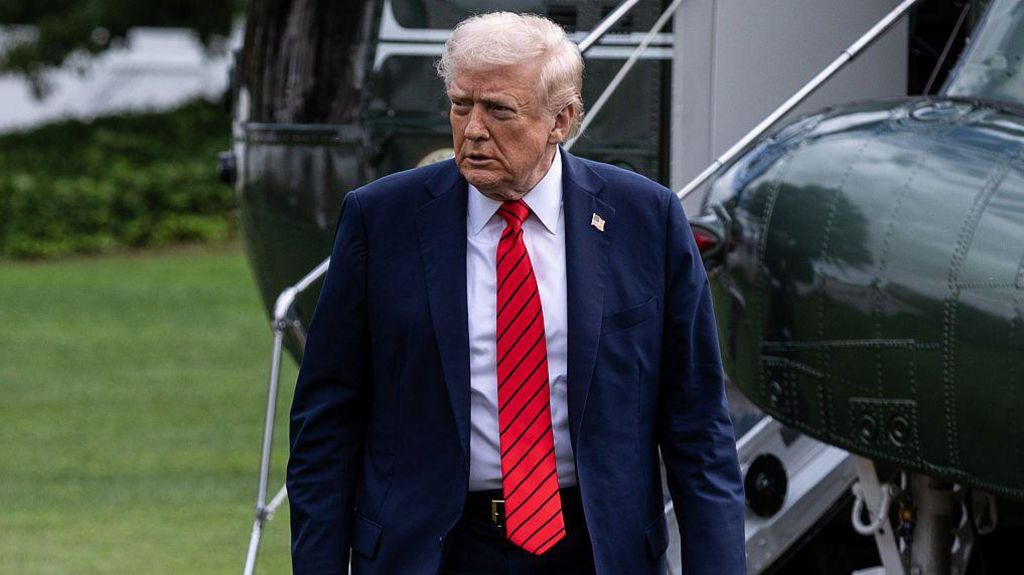
    The White House has publicly disclosed the results of President Donald Trump’s recent preventative MRI scan, with his physician declaring the 79-year-old leader remains in “excellent overall health.” Captain Sean Barbabella, the president’s doctor and a US Navy emergency physician with combat experience in Iraq and Afghanistan, released a detailed medical memo on Monday confirming advanced imaging of both the president’s cardiovascular system and abdominal organs returned “perfectly normal” results.

    The comprehensive examination, conducted during Trump’s October physical at Walter Reed National Military Medical Center, was characterized as standard preventive care for men in his age demographic. According to the medical assessment, there is no evidence of arterial narrowing that would impair blood flow, nor any abnormalities detected in the president’s heart or major vessels. The abdominal imaging similarly revealed all evaluated organs “functioning within normal limits with no acute or chronic concerns.”

    This transparency initiative comes amid increasing scrutiny from Democratic officials, including Minnesota Governor Tim Walz, who have expressed concerns about the president’s age and physical capacity during his second term. The disclosure follows Trump’s Sunday comments aboard Air Force One, where he expressed willingness to release the results while humorously noting the scan didn’t examine his brain since he had “aced” a recent cognitive test.

    White House Press Secretary Karoline Leavitt presented the findings during Monday’s press briefing, emphasizing the administration’s commitment to transparency. The release addresses ongoing public discussion about Trump’s health, which has included observations of swollen ankles, bruising on his right hand, and instances of the president dozing during meetings. Previous medical disclosures revealed a diagnosis of chronic venous insufficiency, a vein condition that can cause leg swelling.

    The timing of the medical disclosure follows Trump’s recent harsh criticism of a New York Times reporter who co-authored an article examining his age and physical stamina, highlighting the politically charged nature of presidential health discussions.

  • Onana left out of Cameroon Afcon squad & coach sacked

    Onana left out of Cameroon Afcon squad & coach sacked

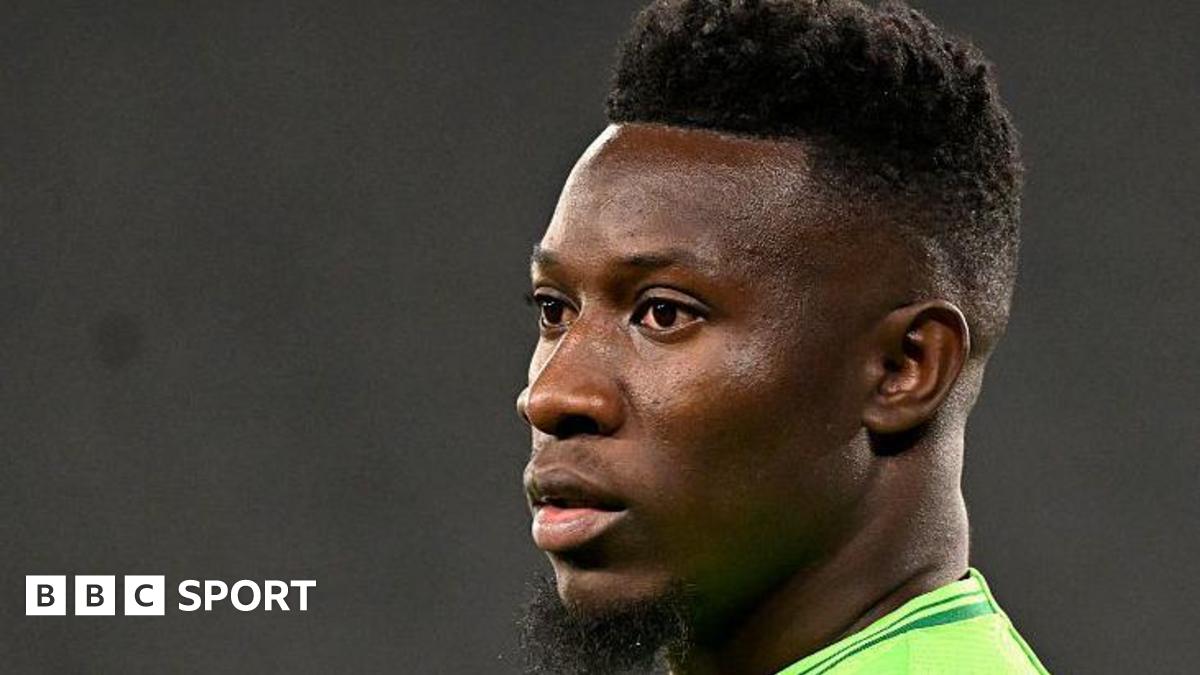
    Cameroon’s national football team has been plunged into administrative chaos just weeks before the Africa Cup of Nations (AFCON) tournament, with head coach Marc Brys dramatically dismissed and several key players, including Manchester United goalkeeper Andre Onana, excluded from the squad.

    The Cameroonian Football Federation (Fecafoot), under president Samuel Eto’o, issued a comprehensive statement detailing multiple allegations of professional misconduct against Belgian coach Brys. The accusations include inciting players to defy federation authority, evading press conference obligations, failing to attend crucial meetings, and jeopardizing sponsor relationships. The federation further alleged Brys engaged in “active collaboration with unknown individuals within Fecafoot” and consistently refused to disclose his training programs.

    Brys, originally appointed by Cameroon’s sports ministry in April 2024 against Eto’o’s objections, has been replaced by his assistant David Pagou. The experienced Cameroonian coach now faces the formidable task of preparing the squad for AFCON in Morocco, beginning December 21st, amid significant institutional conflict.

    Pagou’s 28-man selection reveals notable absences beyond Onana, including team captain Vincent Aboubakar, Napoli midfielder Andre-Frank Zambo Anguissa, and defender Michael Ngadeu. While Anguissa’s exclusion is attributed to a hamstring injury, no official explanations have been provided for the other omissions.

    This coaching controversy represents the latest chapter in the ongoing power struggle between Fecafoot and Cameroon’s sports ministry. The conflict dates to Eto’o’s election in December 2021, when he immediately oversaw the dismissal of Toni Concecao despite the coach’s successful third-place finish in the 2021 AFCON. The pattern continued with Rigobert Song’s appointment under presidential instructions and subsequent dismissal after Cameroon’s poor showing at the last AFCON.

    The current situation echoes previous tensions between Eto’o and Brys, including the Belgian’s temporary dismissal and reinstatement within a two-day period earlier this year following a heated confrontation with the federation president.

    For Onana, this exclusion continues a turbulent relationship with the national team. The goalkeeper, currently on loan at Turkish side Trabzonspor from Manchester United, was previously sent home early from the 2022 World Cup in Qatar and lost his starting position during the 2023 AFCON after delaying his tournament arrival to play an extra club match.

    Cameroon now faces a challenging Group F against defending champions Ivory Coast, Gabon featuring Pierre-Emerick Aubameyang, and Mozambique. Local analysts express concern about the team’s preparation, with Cameroonian football expert Njie Enow noting the practical difficulties of implementing a new playing system weeks before a major tournament.

    The sports ministry, which funds the head coach position, has remained silent regarding Brys’ dismissal, leaving unresolved whether it will acquiesce to Fecafoot’s decision as the tournament approaches.

  • WHO backs GLP-1 treatments to tackle obesity epidemic

    WHO backs GLP-1 treatments to tackle obesity epidemic

    In a landmark move to combat the escalating global obesity pandemic, the World Health Organization has issued its first-ever clinical guidelines endorsing GLP-1 agonist medications as essential long-term treatments for obesity management. This decisive recommendation comes as obesity rates threaten to double worldwide by 2030 without immediate intervention, currently affecting over one billion people and claiming 3.7 million lives annually from related complications—surpassing combined fatalities from malaria, tuberculosis, and HIV.

    The UN health agency recognizes obesity as a chronic, relapsing disease requiring comprehensive, lifelong care strategies. While emphasizing that pharmaceutical interventions alone cannot reverse the epidemic, WHO experts highlight that GLP-1 therapies—including widely known brands Ozempic and Mounjaro—represent a transformative component within integrated treatment approaches. These appetite-suppressing medications have demonstrated significant efficacy, though the organization calls for expanded research on their long-term safety profiles.

    WHO Director-General Dr. Tedros Adhanom Ghebreyesus stated that these therapies ‘can help millions overcome obesity and reduce its associated harms’ when combined with intensive behavioral interventions promoting nutritional education and physical activity. The guidelines specifically recommend GLP-1 agonists for non-pregnant adults while stressing the necessity of population-level policies creating healthier environments.

    Dr. Jeremy Farrar, WHO Assistant Director-General for health promotion, cautioned against viewing these medications as ‘a magic bullet,’ but acknowledged their profound potential to reshape healthcare outcomes for diabetes and cardiovascular diseases. The economic implications are equally staggering, with obesity-related costs projected to reach $3 trillion annually by 2030, potentially rendering healthcare systems ‘untenable’ without effective intervention strategies.

    Addressing accessibility concerns, WHO has already included GLP-1 drugs in its Essential Medicines List, advocating for affordable generic versions to ensure equitable distribution across low- and middle-income nations. This initiative aims to prevent worsening global health disparities while leveraging scientific innovations to tackle one of modernity’s most pressing public health challenges.

  • Shooting of National Guard members prompts flurry of US immigration restrictions

    Shooting of National Guard members prompts flurry of US immigration restrictions

    In response to last week’s shooting incident involving two National Guard members in Washington D.C., allegedly perpetrated by an Afghan national, the Trump administration has unveiled a series of stringent immigration measures. These policies significantly tighten entry requirements and residency conditions for certain foreign nationals, particularly those from countries designated as ‘of concern.’

    The administration’s multi-pronged approach includes suspending all asylum decisions indefinitely, implementing comprehensive reexaminations of green card applications from high-risk nations, and halting visa processing for Afghan nationals—including those who previously assisted U.S. military operations. The measures extend to reviewing nearly 200,000 refugees admitted during the Biden administration, despite their already having undergone extensive vetting procedures.

    Joseph Edlow, Director of U.S. Citizenship and Immigration Services, announced via social media that asylum processing would pause until enhanced screening protocols could ensure maximum security vetting. Concurrently, the State Department under Secretary Marco Rubio has temporarily suspended all visa issuances for travelers using Afghan passports.

    Administration officials defend these actions as necessary safeguards against potential security threats. However, refugee advocacy groups and immigration experts have condemned the measures as effectively constituting collective punishment. Critics argue that reexamining previously approved cases represents an inefficient allocation of government resources and undermines America’s traditional role as a haven for those fleeing persecution.

    The new policies particularly impact the Special Immigrant Visa program, which previously provided refuge for Afghans facing retaliation due to their cooperation with U.S. forces. With approximately 180,000 Afghan applicants currently in the SIV pipeline, these suspensions create significant uncertainty for vulnerable populations seeking legal immigration pathways.

  • Employee sorry for leaking pop star’s rehearsal clips

    Employee sorry for leaking pop star’s rehearsal clips

    A Shanghai concert by renowned Japanese pop icon Ayumi Hamasaki has been abruptly canceled following a serious breach of privacy during closed rehearsals. The incident occurred when a videographer, identified as Lai Zonglong, illicitly recorded and disseminated footage from the private soundcheck session.

    Lai publicly apologized on Monday through his Weibo account ‘Yanhuobinhai’ after leaking the unauthorized clips on his personal Douyin account last Friday. The footage sparked widespread misinformation across social media platforms, including false claims that Hamasaki had performed an entire concert to an empty venue.

    In his formal apology, Lai admitted to violating multiple professional protocols and strict no-recording policies established by concert organizers. ‘The photos I posted and subsequent misinformation have caused significant disruption to the performance and concert organization,’ Lai stated. ‘I deeply regret my actions and sincerely apologize for violating the established protocols.’

    Concert organizers announced the cancellation one day before the scheduled performance, citing force majeure circumstances. The event was part of Hamasaki’s highly anticipated 2025 Asian tour. Attendees will receive full refunds within 30 days, according to official statements.

    Lai has pledged to adhere strictly to workplace regulations and professional ethics moving forward, vowing to ‘resolutely refrain from publishing false information’ online in the future. The incident has highlighted ongoing challenges in maintaining security and privacy for high-profile international performances in China’s entertainment industry.

  • Shanghai ready for 2025 version of E-sports Masters

    Shanghai ready for 2025 version of E-sports Masters

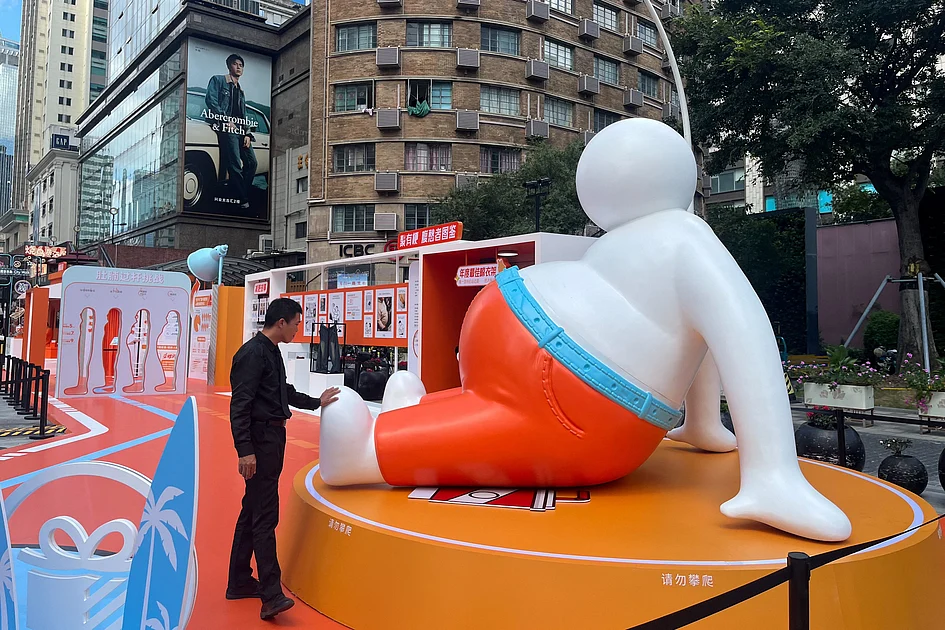
    Shanghai has launched the prestigious 2025 Esports Masters, transforming the Jing’an Sports Center into a global competitive arena from December 3-7. The international tournament brings together nearly 100 elite athletes from multiple nations including China, Mongolia, and South Korea, signaling Shanghai’s growing dominance in the global esports landscape.

    This year’s championship features four premier competitive titles: Honor of Kings: World (a newly added event for the 2026 Asian Games), Valorant, Overwatch, and Identity V. The diverse game selection represents both established franchises and emerging competitive scenes, offering something for every esports enthusiast.

    According to Zhu Qinqin, Secretary-General of the Shanghai Esports Association, internationalization remains a core principle of the event’s development strategy. “Since our inception, we’ve prioritized global engagement,” Zhu stated. “This edition marks a significant milestone as we host overseas teams and welcome official observers from international esports organizations.”

    The event represents Shanghai’s continued investment in esports infrastructure and global collaboration, positioning the city as a hub for competitive gaming innovation. The participation of international governing body observers indicates the event’s growing significance in the global esports calendar and potential influence on competitive standards worldwide.

    Beyond the competition, the Masters serves as a testing ground for the 2026 Asian Games, particularly for the Honor of Kings: World discipline, providing valuable insights for players and organizers preparing for the multi-sport event’s esports debut.

  • Italy to deport Egyptian imam over comments at pro-Palestine rally

    Italy to deport Egyptian imam over comments at pro-Palestine rally

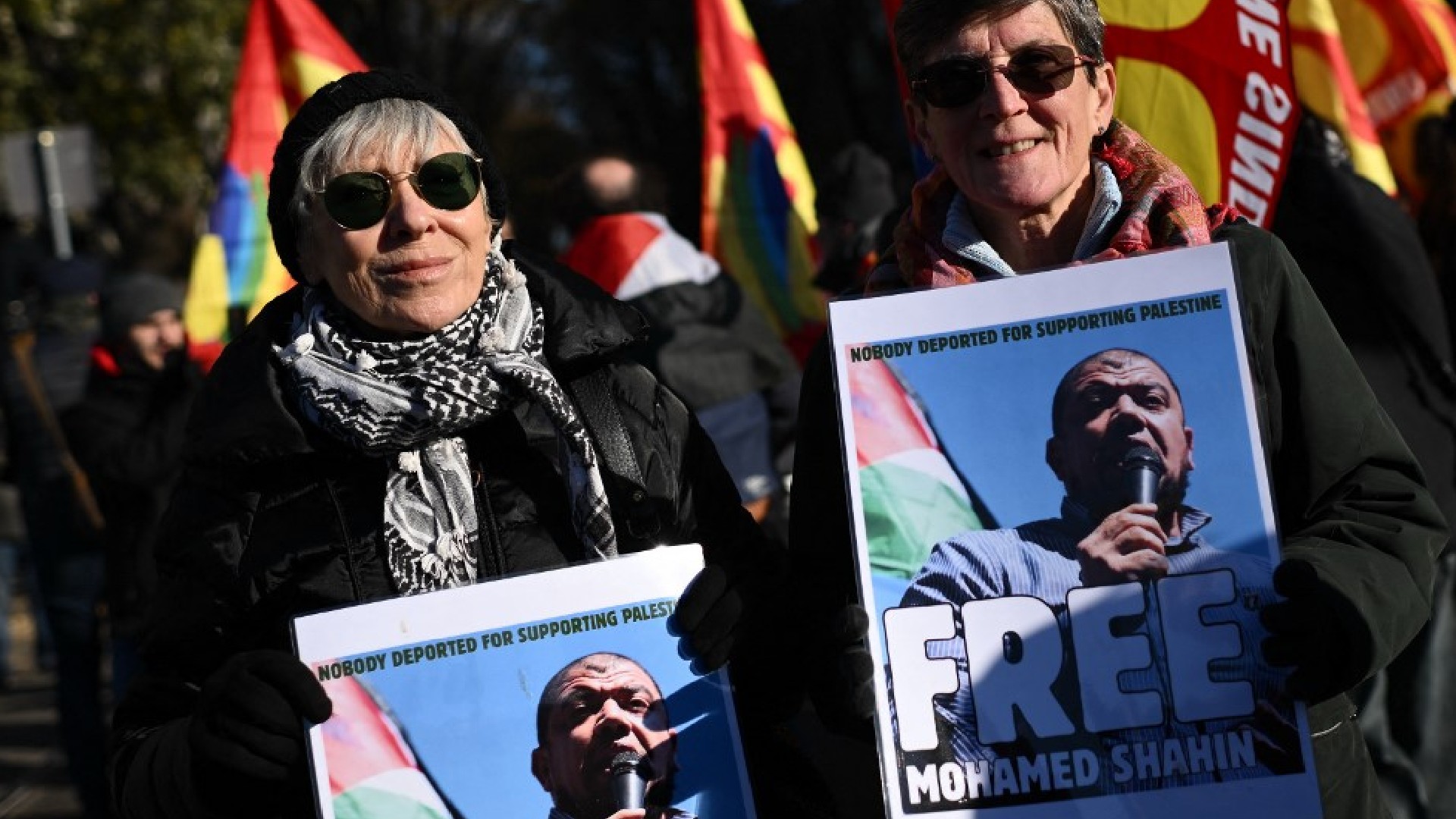
    Italy’s Ministry of the Interior has initiated deportation proceedings against Mohamed Shahin, a 46-year-old Egyptian imam who has resided in the country for over two decades. The controversial decision follows remarks Shahin made during a pro-Palestine demonstration in Turin on October 9th, where he characterized Hamas’ October 7th attack on southern Israel—which resulted in approximately 1,200 fatalities—as a form of “resistance after years of occupation.”

    Counter-terrorism units arrested Shahin in a dawn operation on November 24th after authorities revoked his residence permit and issued an expulsion order. The former imam of Turin’s San Salvario mosque is currently detained at a repatriation facility in Caltanissetta, Sicily, awaiting adjudication of his asylum application.

    During proceedings at the Turin Court of Appeal, Shahin asserted that returning to Egypt would expose him to torture and potential execution due to his well-documented criticism of President Abdel Fattah el-Sisi’s administration. “I maintain no affiliation with Hamas and do not advocate violence,” Shahin testified. “My consistent position has been that the Palestinian people deserve sovereign autonomy.”

    Legal representatives for the imam have issued grave warnings that repatriation would equate to a “death sentence.” These concerns appear substantiated by investigative reporting from Il Fatto Quotidiano, which revealed that Turin’s prosecutor’s office found insufficient evidence that Shahin’s comments violated penal codes or constituted criminal incitement.

    The case has sparked significant opposition across Italian society. Approximately 180 academics endorsed an open letter demanding Shahin’s release, while Turin’s interfaith leadership coalition expressed “profound shock and concern” in correspondence to Interior Minister Matteo Piantedosi. They characterized Shahin as instrumental to interreligious dialogue and warned his expulsion would “undermine years of peaceful coexistence.”

    Solidarity protests have emerged nationwide, including a strike coordinated by the Unione Sindacale di Base (USB) that merged labor demands with condemnation of Italy’s Gaza policy. The demonstration attracted international figures including climate activist Greta Thunberg and UN Special Rapporteur Francesca Albanese.

    Ismaele La Vardera of Sicily’s regional assembly, who visited Shahin in detention, acknowledged reservations about the imam’s statements but deemed the deportation order “absolutely disproportionate and unworthy of any democratic nation.”

  • Bolivia eases visa requirements for US and Israeli travelers

    Bolivia eases visa requirements for US and Israeli travelers

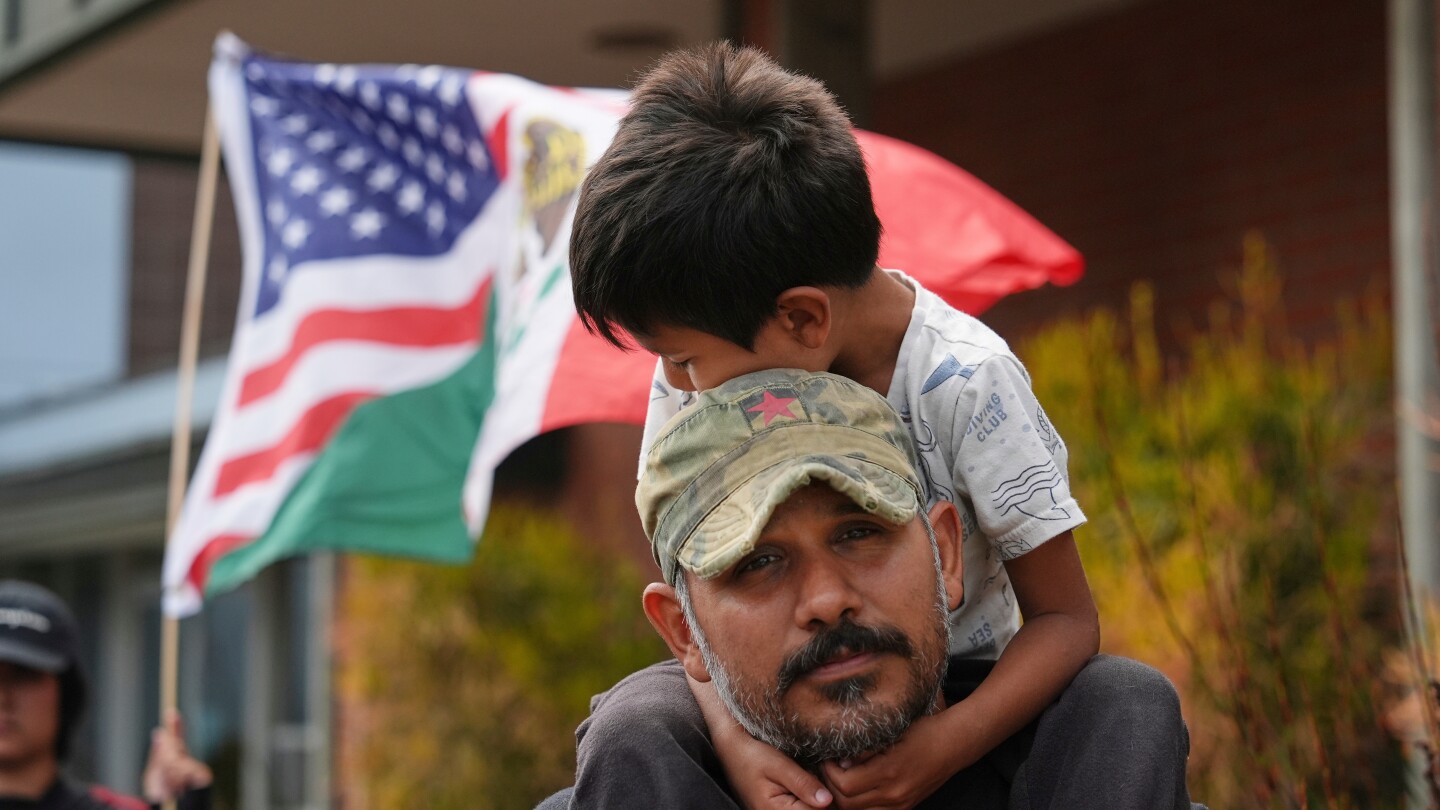
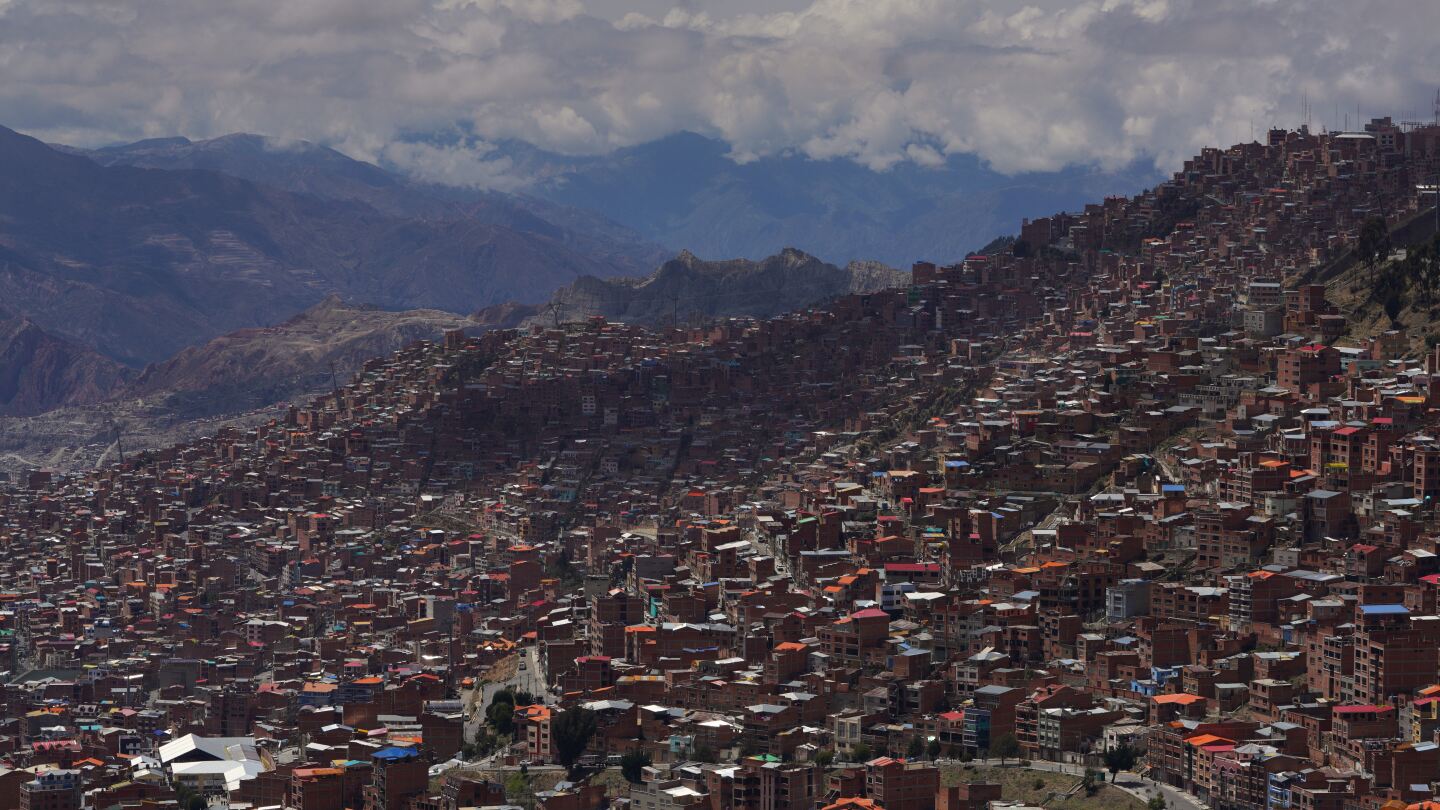
    LA PAZ, Bolivia — In a significant reversal of longstanding foreign policy, Bolivia’s new conservative government has eliminated visa requirements for travelers from the United States, Israel, and several other nations effective Monday. This strategic move marks a dramatic departure from the previous administration’s approach and represents the first conservative leadership in nearly two decades.

    Under the new regulations, citizens from the United States, Israel, South Korea, South Africa, and multiple Eastern European countries may now enter Bolivia with only a valid passport for stays of up to 90 days. The policy shift eliminates the previously mandatory visa application process and associated fees that had been in place for these nationalities.

    The decision forms part of President Rodrigo Paz’s comprehensive geopolitical and economic overhaul following his assumption of power last month. Paz’s administration succeeded the long-ruling Movement Toward Socialism (MAS) party, ending two decades of single-party governance. The visa liberalization initiative aims to forge stronger strategic alliances with the United States while stimulating economic growth through increased tourism revenue.

    This policy reversal contrasts sharply with the anti-American stance of former left-wing President Evo Morales (2006-2019), whose administration expelled the U.S. Drug Enforcement Agency, dismissed the American ambassador, and implemented reciprocal visa restrictions against U.S. citizens. Morales had justified these measures under the principle of reciprocity, noting that Bolivians faced substantial fees and complex procedures for U.S. visas.

    During the 2014 Israel-Hamas conflict, Morales additionally severed diplomatic relations with Israel and imposed visa requirements for Israeli travelers. His presidency saw Bolivia strengthening ties with Russia, China, and Venezuela instead.

    The current administration estimates that Bolivia has lost approximately $900 million in potential tourism revenue since visa restrictions were implemented in 2007. Officials project the new policy will generate $80 million in tourism income over the next four years, providing crucial economic stimulus as Bolivia experiences its most severe crisis in forty years, including a critical shortage of U.S. dollars that has paralyzed imports and hampered economic activity.

    Foreign Minister Fernando Aramayo emphasized the government’s commitment to restoring international confidence in Bolivia as a desirable and secure destination. Despite these efforts, the U.S. State Department maintains a Level 2 travel advisory for Bolivia, recommending visitors ‘exercise increased caution’ due to civil unrest risks, and a Level 4 ‘Do Not Travel’ warning for the coca-growing Chapare region where former President Morales currently resides while evading arrest allegations.