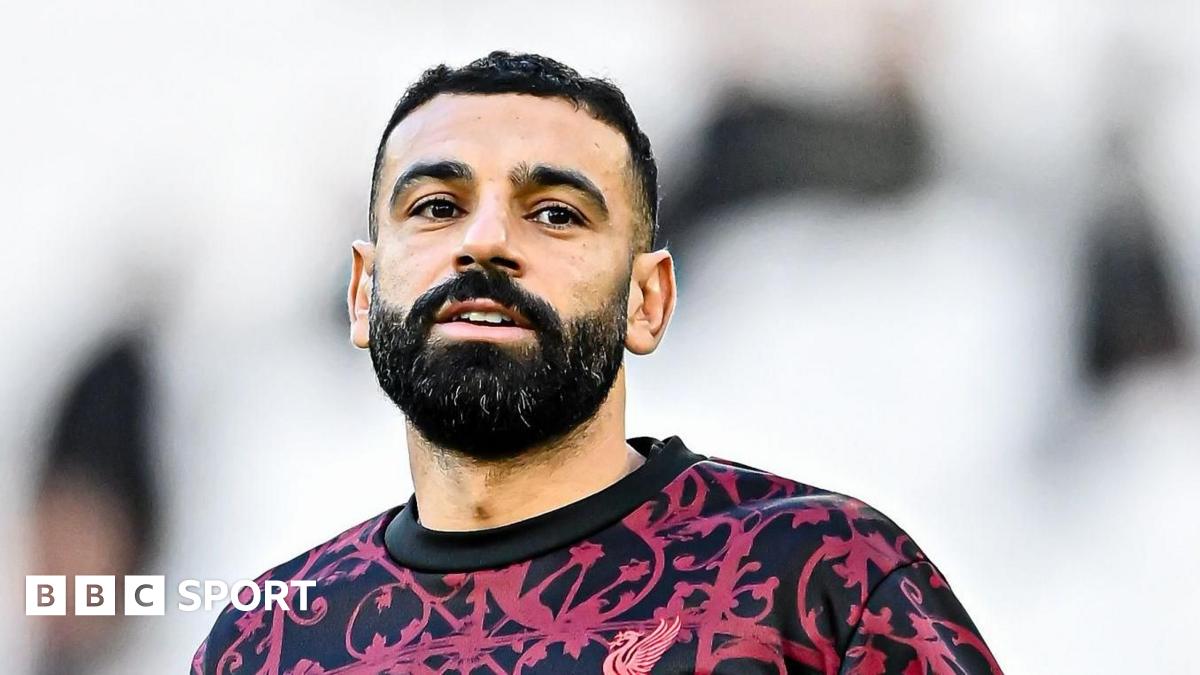
In a significant tactical shift, Liverpool manager Arne Slot made the decisive choice to relegate star forward Mohamed Salah to the bench for the club’s pivotal Premier League clash against West Ham. This move, which contributed to a crucial 2-0 victory, marked the first time since April 2024 that the Egyptian international was omitted from the starting lineup in league play. The decision arrives amidst a dire run of form for the Reds, who have suffered nine defeats across their last twelve matches in all competitions. Slot publicly lauded Salah’s reaction to the demotion, characterizing the prolific scorer as a ‘top professional’ for his disciplined response. Despite winning the Golden Boot last season with 29 goals, Salah’s production has sharply declined this campaign, netting only four times in the Premier League. Slot acknowledged it was a ‘fair assumption’ that the player was displeased, noting such a reaction is normal for a player of his caliber. The manager further emphasized Salah’s critical future role with the club while confirming his imminent departure for the Africa Cup of Nations (Afcon) beginning December 15th. His absence could extend until January 19th if Egypt reaches the final, potentially causing him to miss seven fixtures, including a high-stakes encounter with league leaders Arsenal. Currently sitting eighth in the table and trailing Arsenal by nine points, the defending champions now face the immediate challenge of fixtures against Sunderland and Leeds as they navigate a period of transition without their key attacker.
博客
-
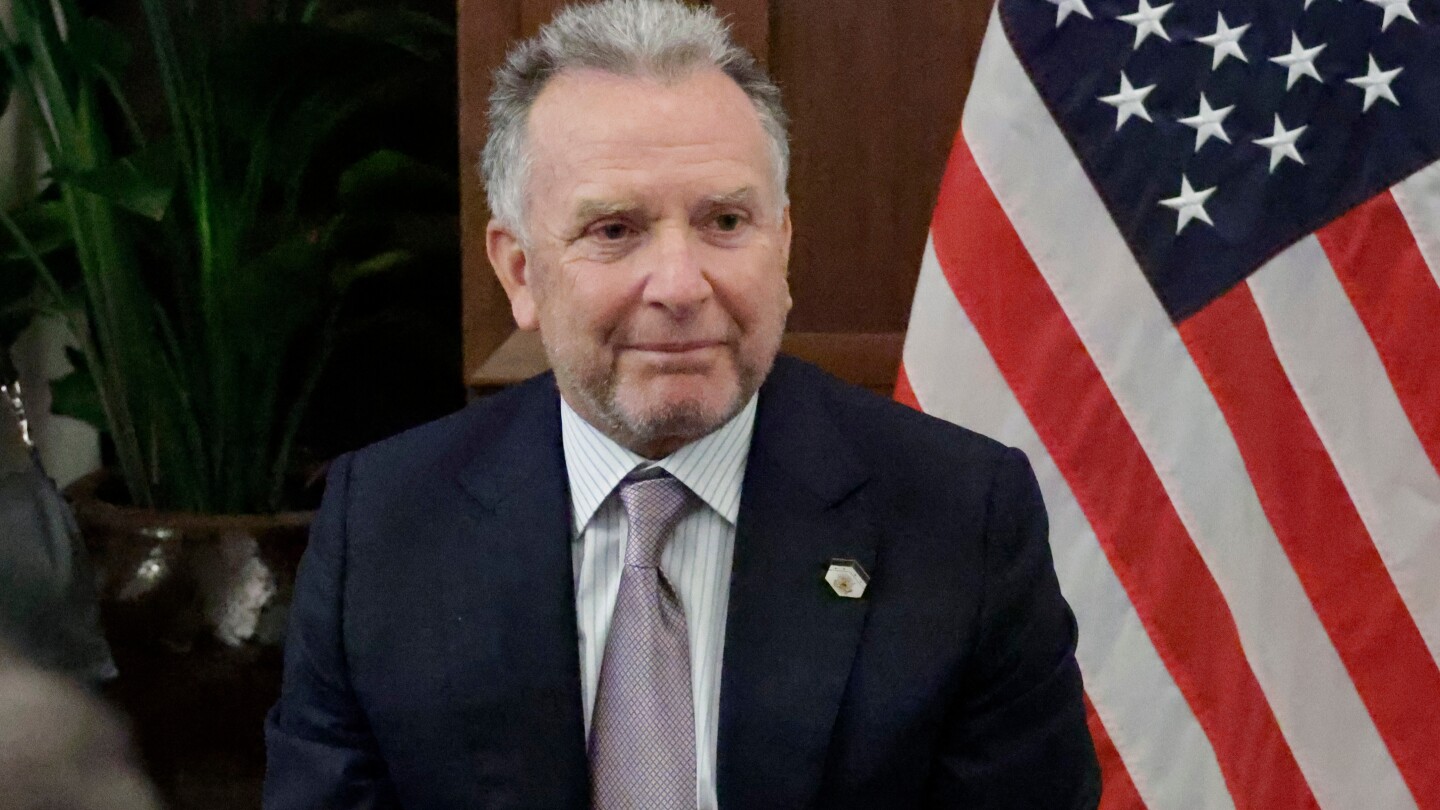
US envoy Witkoff will meet Putin in Moscow while Zelenskyy tours Europe as peace efforts press ahead
In a significant diplomatic development, U.S. Special Envoy Steve Witkoff convened with Russian President Vladimir Putin in Moscow on Tuesday, presenting preliminary peace proposals aimed at resolving the protracted conflict in Ukraine. The Kremlin meeting represents Washington’s latest effort to advance negotiations after months of stalled diplomatic initiatives.
Concurrently, Ukrainian President Volodymyr Zelenskyy traveled to Ireland as part of his ongoing European tour to secure continued support from nations backing Ukraine’s defense against Russian aggression. This diplomatic parallelism underscores the complex multilateral nature of the peace process.
The Trump administration has intensified its diplomatic outreach following previous frustrations, deploying officials on dual tracks: Secretary of State Marco Rubio engaging with Ukrainian leadership while Witkoff pursues dialogue with Russian officials. Despite these efforts, substantive details remain closely guarded, particularly regarding territorial disputes and security arrangements that constitute the core disagreements between the warring parties.
European leaders, concerned about Russia’s expansionist ambitions and contemplating long-term funding for Ukraine’s military efforts, are actively seeking involvement in peace discussions after perceiving marginalization by Washington. French President Emmanuel Macron revealed that he and Zelenskyy conducted multilateral consultations with Witkoff and numerous European counterparts, including EU officials and NATO Secretary-General Mark Rutte, characterizing the upcoming days as critical for diplomatic engagement.
The challenges facing negotiators remain formidable. Fundamental issues including territorial concessions and security guarantees for Ukraine appear unresolved, while Zelenskyy confronts mounting pressures including financial constraints, corruption scandals within his administration, and deteriorating battlefield conditions. The Kremlin’s claim of capturing Pokrovsk in Donetsk region—contested by Ukrainian authorities—further complicates the diplomatic landscape.
-

UAE: 1 in 3 students show ADHD symptoms; women more affected, study shows
A groundbreaking 2024 study conducted in the United Arab Emirates has uncovered significant prevalence of attention deficit hyperactivity disorder symptoms among university students, with findings indicating between 13.6% and 34% of young adults demonstrate ADHD characteristics. The research, spearheaded by Al Yateem and colleagues through comprehensive surveying of 406 individuals aged 18-20 years, revealed a notable gender disparity with females reporting symptoms at higher rates than their male counterparts.
Clinical experts attribute this emerging pattern to the transition into adulthood, where previously concealed symptoms become apparent as structured school environments and parental support systems diminish. According to Lindi Nhlapo, psychologist at Dubai’s Thrive Wellbeing Centre, the increased cognitive demands of independent adulthood make characteristic symptoms more recognizable. “Young adults face expectations to plan, organize, and manage tasks autonomously. As cognitive load intensifies, manifestations such as forgetfulness, task avoidance, and overcommitment become increasingly evident,” Nhlapo explained.
The study highlights how ADHD presentation differs in adulthood, with hyperactivity often transforming into internal restlessness rather than physical movement. Impulsivity may manifest as excessive prioritization of social activities, while inattentiveness frequently appears as persistent mental fatigue or difficulty decomposing complex tasks.
Modern digital environments exacerbate these challenges, with experts warning that constant technological stimulation worsens core ADHD features. The perpetual digital noise, rapid task-switching, and sensory overload particularly impact attention regulation, impulsivity, emotional reactivity, and executive functioning—though technology doesn’t directly cause ADHD, it magnifies symptoms and exposes vulnerabilities earlier.
The implications extend beyond academic performance, significantly affecting interpersonal relationships. Research indicates couples with an ADHD partner face nearly double the likelihood of serious conflict or separation compared to neurotypical pairs. This stems not from ADHD itself causing breakups, but from accumulated misunderstandings and daily pressures when symptoms are misinterpreted as apathy or disinterest.
Dr. Manuela Paone, a clinical psychologist specializing in relationship dynamics, notes that while individuals with ADHD often bring passion and creativity to relationships, misinterpretations of behavior can create destructive cycles. “When forgetfulness or zoning out is perceived as disinterest, it establishes patterns difficult to break without mutual awareness and understanding,” Dr. Paone emphasized.
Clinicians stress that diagnosis and support remain crucial, recommending individuals suspecting ADHD consult medical professionals, utilize validated screening tools, and implement routines supporting focus and communication. As Jessica Rosslee, licensed clinical psychologist, summarizes: “Progress emerges when responsibility meets empathy—it’s not about demanding acceptance but demonstrating active effort. This foundation fosters genuine intimacy and understanding.”
-
54th UAE National Day: Meet 54 changemakers who inspired the nation
As the United Arab Emirates commemorates its 54th Eid Al Etihad (National Day), the nation celebrates a distinguished cohort of 54 exceptional individuals whose groundbreaking contributions reflect the core ethos of the Emirates. This carefully curated list pays tribute to a diverse array of pioneers, innovators, nation-builders, and humanitarians whose collective achievements have profoundly shaped the country’s progressive journey.
These honorees represent the very embodiment of the UAE’s national spirit, showcasing remarkable accomplishments across multiple fields including technological innovation, social development, cultural preservation, and philanthropic endeavors. Their work not only demonstrates individual excellence but also serves as a testament to the nation’s rapid transformation and ambitious vision for the future.
The selection criteria emphasized both tangible achievements and the alignment of these accomplishments with the UAE’s foundational values of innovation, tolerance, and nation-building. From groundbreaking entrepreneurs who have advanced the country’s economic diversification to humanitarian leaders who have addressed critical social needs, each individual has contributed uniquely to strengthening the nation’s fabric.
This recognition during the 54th National Day celebrations serves as both an acknowledgment of past contributions and an inspiration for future generations. It reinforces the message that national progress is built through the collective efforts of dedicated individuals working across all sectors of society toward common goals of prosperity and development.
-
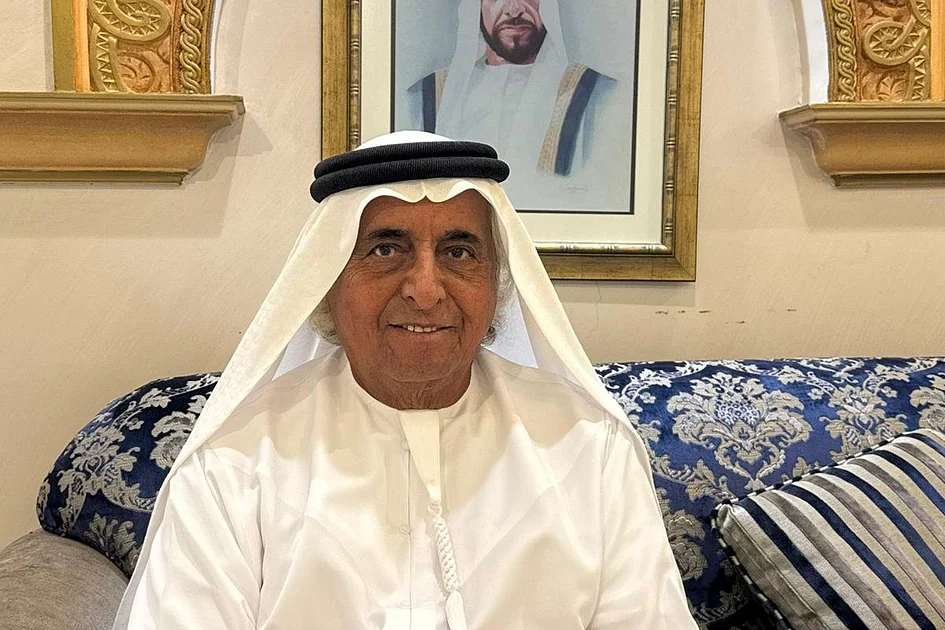
Emirati recalls standing behind Sheikh Zayed when UAE flag was raised for the first time
On the dawn of December 2, 1971, a profound historical transformation unfolded at Union House in Dubai as the United Arab Emirates flag ascended for the inaugural time, heralding the birth of a sovereign nation. Among the privileged few witnessing this seminal event was Khalifa Al Suwaidi, who accompanied the revered Founding Father Sheikh Zayed bin Sultan Al Nahyan on his momentous journey from Abu Dhabi to Dubai.
In exclusive recollections shared with Khaleej Times, Al Suwaidi delineated the pre-dawn departure from Abu Dhabi, emphasizing Sheikh Zayed’s remarkable composure amidst the epochal significance of the day. “I occupied the vehicle directly trailing Sheikh Zayed’s conveyance,” Al Suwaidi recounted. “His demeanor remained characteristically tranquil and contemplative, as though he visualized the nation’s entirety before its formal proclamation.”
The procession incorporated a strategically pivotal interlude at Jebel Ali—then an undeveloped desert terrain, now a globally consequential economic zone. Here, Sheikh Zayed engaged in profound discourse with his compatriots regarding the philosophical foundations of statehood. Al Suwaidi preserved the leader’s indelible declaration: “Today, we initiate national construction not merely upon sand, but upon mutual affection and collaborative endeavor.”
The culminating ceremony at Union House witnessed Al Suwaidi positioned mere steps behind Sheikh Zayed during the flag-raising ritual. “As Sheikh Zayed grasped the flagpole, profound silence enveloped the assembly,” he described. “Universal awareness prevailed that we observed the genesis of extraordinary historical developments. The flag’s ascent elicited visceral chills and emotional tears among attendees.”
Beyond the political implications, Al Suwaidi’s reminiscences illuminate Sheikh Zayed’s exemplary human qualities and leadership paradigm. “His consistent reverence toward all individuals—leaders, military personnel, and laborers alike—manifested his conviction that authentic unity originates from benevolence, reciprocal cooperation, and unified objectives.”
Five decades subsequent to this transformative occurrence, Al Suwaidi acknowledges persistent emotional resonance when observing the UAE flag aloft. The memory embodies not merely historical recollection but an enduring testament to visionary leadership and the nation’s extraordinary developmental trajectory.
-
Bulgaria’s government withdraws controversial budget after major protests
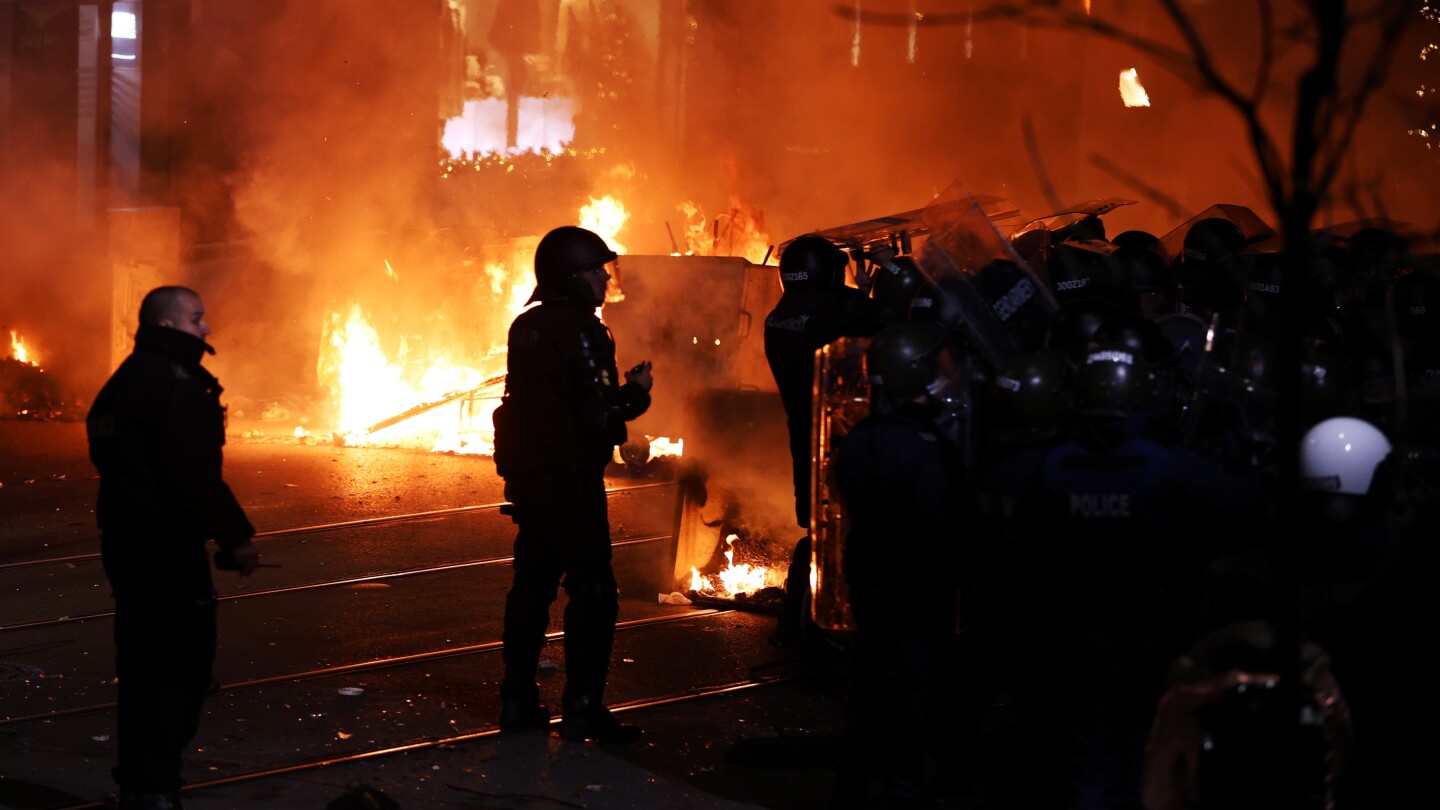
SOFIA, Bulgaria — In a significant reversal, Bulgaria’s government has officially withdrawn its contentious budget proposal following days of widespread demonstrations that culminated in violent clashes between protesters and police forces. The decision comes after tens of thousands of citizens took to the streets across major cities, expressing vehement opposition to fiscal measures they believe would adversely impact economic stability.
The proposed budget, which included elevated tax rates, increased social security contributions, and substantial spending hikes, faced fierce criticism from both opposition parties and business associations. Critics argued these measures would deter foreign investment, encourage growth of the shadow economy, and potentially trigger inflation without corresponding improvements in public service efficiency. These concerns are particularly acute as Bulgaria prepares for its anticipated entry into the eurozone at the beginning of next year.
Initially, the administration pledged to retract the draft for comprehensive revision after earlier protests but subsequently reaffirmed its commitment to the proposal, sparking renewed public outrage. Monday night witnessed one of the largest gatherings in the capital, with organizers estimating approximately 50,000 participants in Sofia alone.
The demonstrations, predominantly led by younger citizens, began peacefully with participants chanting slogans such as ‘We will not allow ourselves to be lied to; we will not allow ourselves to be robbed’ and demanding either substantial revisions or the government’s resignation. Signs reading ‘Generation Z is Coming’ and ‘Young Bulgaria Without the Mafia’ highlighted the intergenerational discontent with current policies.
However, tensions escalated dramatically when splinter groups of protesters targeted the headquarters of major ruling parties. These individuals, many clad in black hoodies and masks, engaged in violent acts including throwing projectiles, setting fire to garbage containers, and vandalizing police vehicles. Riot police responded with pepper spray and other crowd control measures, resulting in multiple injuries and at least 10 arrests according to official statements.
The government maintained that its original budget draft was essential for complying with eurozone membership requirements, particularly the mandate to maintain budget deficits below 3% of GDP. Nevertheless, the scale of public opposition has forced a strategic retreat, signaling the growing influence of civic mobilization in shaping national economic policy.
-
‘Hung by my wrists and beaten’: Israeli-Russian woman says Iraqi militants tortured her in captivity
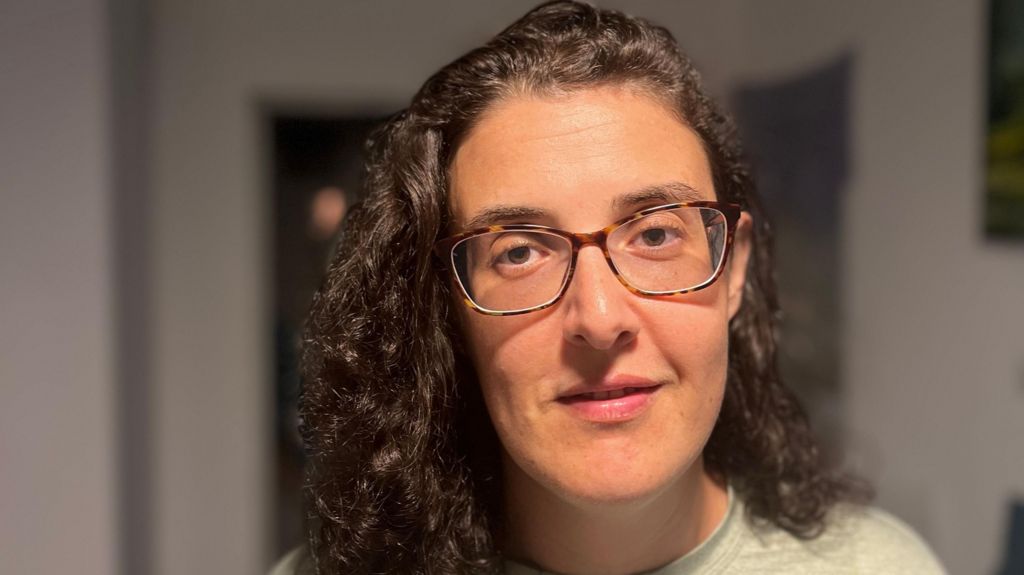
Elizabeth Tsurkov, an Israeli-Russian academic held captive for 903 days by Iran-backed militants in Iraq, has provided a harrowing account of her ordeal to the BBC. The Princeton University doctoral student, kidnapped in March 2023 while conducting fieldwork in Baghdad, endured extreme torture including electrocution, whipping, sexual abuse, and being suspended from ceilings with her hands cuffed behind her back.
Ms. Tsurkov described how her captors—believed to be members of Kataib Hezbollah, a US-designated terrorist organization—initially didn’t know about her Israeli citizenship. When they accessed her phone and discovered her nationality, the brutal interrogation intensified. She resorted to inventing false confessions based on her captors’ conspiracy theories, attempting to satisfy their demands while protecting Iraqi activists she knew.
Her release in September came after what she describes as a direct US intervention. According to Ms. Tsurkov, Trump-appointed special envoy Mark Savaya delivered an ultimatum to Iraqi Prime Minister Mohammed Shia al-Sudani: secure her release within a week or face the elimination of Kataib Hezbollah’s leadership. She was freed within days, though Iraqi officials credited their own security services’ efforts.
Now recovering in Israel, Ms. Tsurkov faces significant physical and psychological challenges. She notes the irony that her PTSD symptoms align with Israel’s collective trauma following the October 7 attacks. Despite being a longtime critic of Israeli policy and advocate for Palestinian rights, she expresses deepened pessimism about regional peace prospects, noting that the Gaza border communities attacked on October 7 were home to many peace activists.
The academic remains determined to complete her PhD while confronting the lasting effects of her captivity, including the psychological impact of having internalized elements of her false confessions. She describes her survival as a combination of luck and resilience in extraordinarily unlucky circumstances.
-
Israel urged not to derail ceasefire deal for Gazans
Qatar’s senior diplomatic official has called on Israel to prevent the delay in recovering two slain hostages’ bodies from obstructing the implementation of the US-brokered Gaza ceasefire agreement. Majed bin Mohammed Al Ansari, adviser to Qatar’s prime minister and foreign ministry spokesman, emphasized in a Sunday interview with The New Arab that Palestinian teams continue recovery efforts while stressing the critical need to advance the agreement’s second phase.
Al Ansari stated that mediators are working to ‘cut off any Israeli excuses’ that might derail the process, acknowledging significant challenges including Israel’s repeated violations of current and past truces. Qatar’s mediation focuses on three primary objectives: conflict resolution, humanitarian aid delivery, and preventing annexation of Palestinian territories.
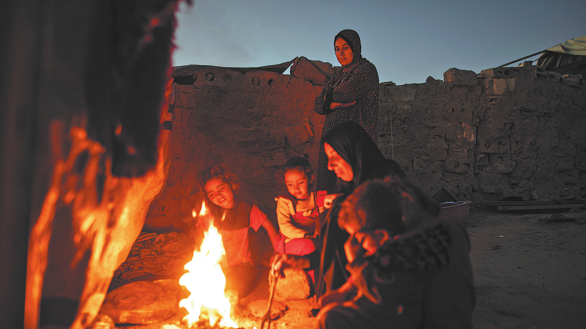
However, Israel’s Hostages and Missing Families Forum strongly criticized the Qatari position, reminding mediators that hostage return constitutes the agreement’s fundamental core. The controversy emerges amid a devastating human cost, with Gaza’s death toll surpassing 70,000 despite the supposed ceasefire.
Regional diplomatic efforts intensified as officials from Qatar, Egypt, and Türkiye convened in Cairo last week to address implementation obstacles. Meanwhile, Palestinian Prime Minister Mohammad Mustafa reaffirmed Palestine’s sovereignty over Gaza and the West Bank during meetings with Denmark’s foreign minister.
The UN Committee against Torture recently condemned Hamas’ October 2023 attacks while expressing deep concern over Israel’s ‘disproportionate response’ causing massive civilian casualties. Reconstruction conferences have stalled due to insufficient guarantees against continued destruction, as Israel and Hamas trade accusations over truce violations.
Separately, Israeli Prime Minister Benjamin Netanyahu sought a presidential pardon in his corruption trial, arguing proceedings hinder his governance capabilities, adding domestic political complexity to the regional crisis.
-

Crumbling homes redress payouts top €230m
A severe housing crisis continues to unfold across Ireland’s northwestern regions as thousands of families remain trapped in structurally compromised homes due to defective concrete blocks. Despite government allocations exceeding €235 million through a redress program established in November 2021, implementation delays have left numerous households facing unsafe living conditions.
The problematic construction materials, containing water-absorbing minerals that cause cracking and structural failure, have predominantly affected properties in Donegal, Clare, Limerick, Mayo, and Sligo. Many residences have experienced significant deterioration, with some requiring complete demolition like the family home of Joy Beard, a councilor from the 100% Redress Party.
Official statistics reveal modest progress within the compensation framework. While over 1,700 remediation determinations have been issued and approximately 320 households completed repairs by October, campaigners emphasize these numbers represent just a fraction of affected homeowners. More than 1,000 additional properties have commenced repair operations, yet thousands await assistance.
Critics highlight systemic flaws in the current approach. The financial cap of €420,000 per home, combined with insufficient upfront funding and a critical shortage of temporary housing during reconstruction, creates impossible barriers for many families. Additionally, Ireland’s broader housing shortage exacerbates relocation challenges during necessary repairs.
With winter intensifying, thermal inefficiency in damaged homes presents immediate health and safety concerns. Heat loss through wall cracks further compounds the financial strain on residents already facing substantial reconstruction costs. Government projections indicate additional funding of approximately €175 million earmarked for 2026, but affected communities demand accelerated action and program reforms to address what many describe as a worsening humanitarian issue.
-
Cherries from Latin America land in China
The 2025-26 cherry season has commenced with Argentine fruits making their inaugural arrival in China, signaling intensified competition within the world’s largest cherry import market. This strategic move positions Argentina as a quality-focused challenger to Chile’s volumetric dominance in the Chinese fresh fruit sector.
Harvested in mid-November, these early-season Argentine cherries are targeting premium supermarket chains and e-commerce platforms ahead of the main Southern Hemisphere shipment wave in December. The timing capitalizes on cherries’ status as coveted Chinese New Year gifts and festive delicacies, creating lucrative pre-holiday demand.
Agustina Quiroga of Buenos Aires-based exporter Extraberries articulated Argentina’s competitive strategy: “Our operational advantage lies in the early production window commencing mid-November, enabling us to deliver precisely what the market demands—optimal size, color, and quality. While we cannot match Chile’s volume, we compete effectively on quality parameters from season commencement through initial fruit vessel arrivals.”
Extraberries leverages specialized cultivation techniques in Chimpay and Rio Negro regions, emphasizing rapid cold chain logistics. The company prioritizes air freight to maintain fruit firmness, color integrity, and sugar levels, creating a comparative advantage over maritime shipments. Quiroga emphasized China’s unique export protocols, noting that shipments prepared for Chinese markets require specific sampling methods and cannot be readily diverted to other destinations like European-bound consignments.
Despite Argentina’s quality-focused approach, Chile maintains overwhelming market dominance with projected 2025-26 exports reaching 131 million boxes (approximately 655,000 metric tons), according to University of Chile agricultural engineer Marcela Molina. Chile’s diversified varieties and extended growing seasons enable prolonged shipping windows, with sea freight operations scaling up through mid-November depending on regional climatic conditions.
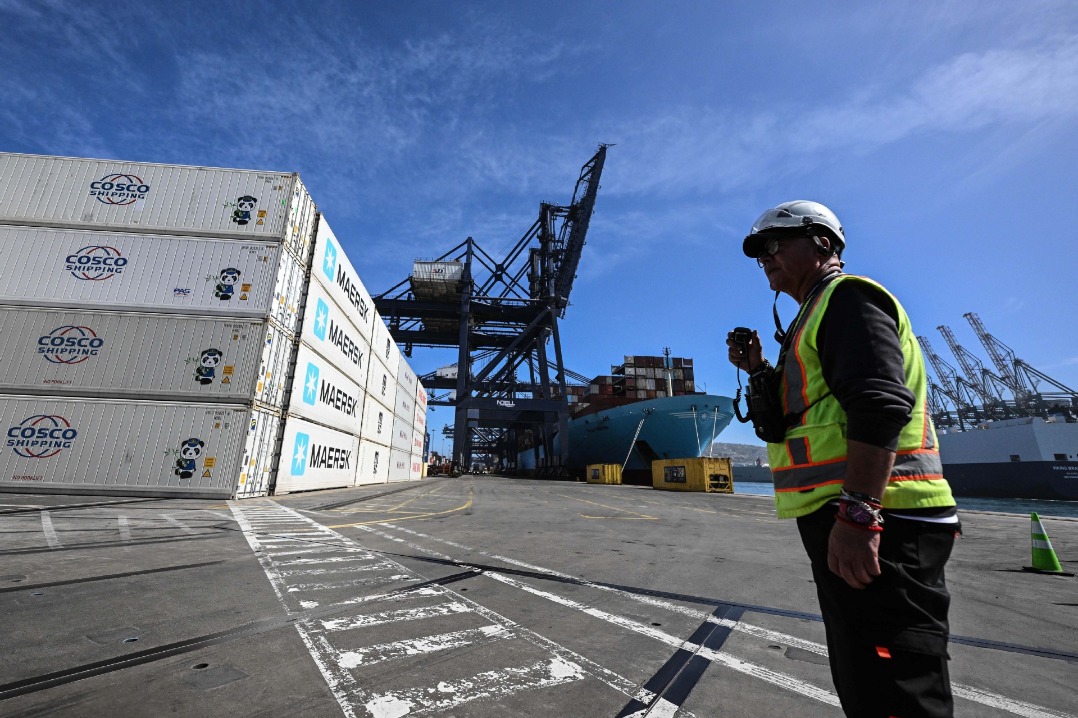
The decade-long expansion of Chinese cherry demand catalyzed the creation of the specialized “Cherry Express” maritime service, reducing transit time to 22-23 days direct from Valparaiso and San Antonio ports to Chinese destinations. Originally focused on Hong Kong, the service has expanded to include Nansha, Shanghai, and Tianjin ports to prevent congestion.
Market data from iQfruits indicates robust pricing dynamics, with January wholesale prices peaking at 47.20 yuan/kg ($6.67), significantly higher than the previous year’s 32.10 yuan/kg. This price surge demonstrates how constrained early and mid-season supply generates premium returns, though values typically decline to 26.20 yuan/kg by March as availability increases.
Climate change introduces additional complexity, prompting producers to implement protective orchard covers, relocate plantations to cooler southern regions, and develop low-chill requirement varieties. These adaptations reflect the industry’s commitment to maintaining quality standards amid evolving environmental challenges in competitive global markets.