博客

  • Why are Thailand and Cambodia fighting at the border?

    Why are Thailand and Cambodia fighting at the border?

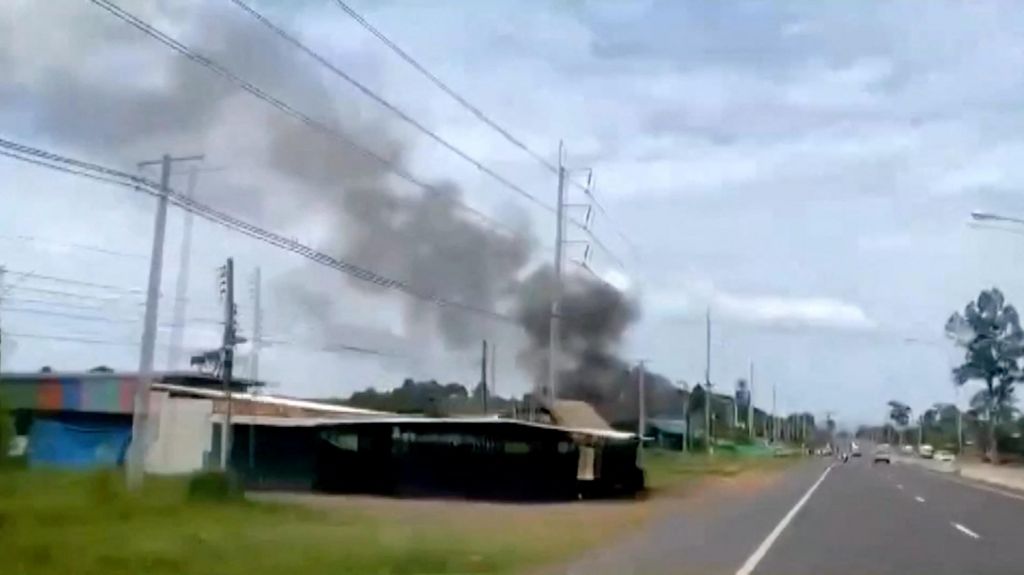
    The fragile peace agreement brokered by former US President Donald Trump between Thailand and Cambodia has completely unraveled, triggering the most severe military confrontation along their disputed border since July. The renewed violence has resulted in significant casualties, with at least three Thai soldiers and seven Cambodian civilians confirmed dead since hostilities reignited on Monday.

    This latest escalation represents a dramatic breakdown of the Kuala Lumpur peace accord signed in October under Trump’s mediation. Thailand suspended the agreement just two weeks after its signing, and by December, full-scale fighting had resumed. Both nations have exchanged contradictory accounts of how the violence originated, with each accusing the other of initiating hostilities.

    Thailand’s military command reported that their forces responded to Cambodian gunfire in Ubon Ratchathani Province that killed a Thai soldier, subsequently launching airstrikes against military targets along the contested frontier. Conversely, Cambodia’s defense ministry maintains that Thai forces attacked first in Preah Vihear province, claiming they exercised restraint by not retaliating initially.

    The conflict escalated further when Thailand accused Cambodia of deploying multiple-launch rocket systems, bomb-dropping drones, and kamikaze drones against Thai positions, with some projectiles allegedly striking civilian areas. Cambodia countered with allegations that Thailand fired indiscriminately into civilian zones in Pursat Province.

    This border dispute has historical roots stretching back over a century to when French colonial authorities demarcated the boundaries between the two nations. Tensions dramatically intensified in 2008 when Cambodia sought UNESCO World Heritage status for an 11th-century temple located in the contested territory. The current crisis began escalating in May when a Cambodian soldier was killed, plunging bilateral relations to their lowest point in over a decade.

    Prior to the July clashes, both nations had implemented reciprocal border restrictions, with Cambodia banning Thai agricultural imports and cutting off power and internet services. Both countries had also been reinforcing their military presence along the border in recent weeks.

    The October peace agreement had stipulated the withdrawal of heavy weapons from the disputed region and establishment of an interim observer team. The next phase was supposed to include the release of 18 Cambodian soldiers detained in Thailand. With the ceasefire now collapsed, the future of these diplomatic arrangements remains uncertain.

    International travel advisories have been updated, with the British Foreign Office currently recommending against all but essential travel within 50 kilometers of the entire Thailand-Cambodia border region.

  • Court awards MH370 victims 2.9m yuan each

    Court awards MH370 victims 2.9m yuan each

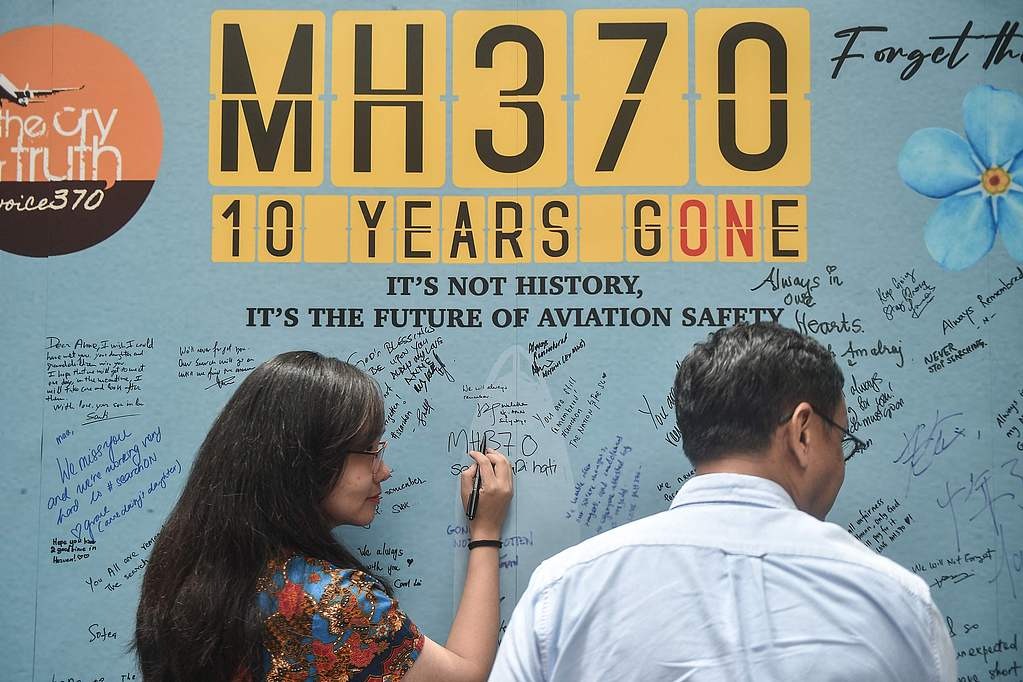
    In a landmark ruling, a Beijing court has mandated Malaysia Airlines to pay approximately 2.9 million yuan ($409,813) to each of eight families who lost relatives in the mysterious disappearance of Flight MH370. The first-instance judgment delivered on Monday represents a significant development in the decade-long legal battle surrounding one of aviation’s most perplexing tragedies.

    The compensation award comes as Malaysian authorities announced the imminent resumption of search operations for the missing aircraft. Malaysia’s transport ministry confirmed that marine robotics firm Ocean Infinity will recommence seabed exploration on December 30, committing to 55 days of intermittent search activities in the area deemed most likely to contain the aircraft’s remains.

    The ill-fated Malaysia Airlines Flight MH370 vanished on March 8, 2014, while en route from Kuala Lumpur to Beijing with 239 people aboard. The Boeing 777’s disappearance triggered the most extensive and costly search operation in aviation history, yet the aircraft’s main wreckage has never been located. Among those on board, approximately two-thirds were Chinese citizens, with the remainder comprising passengers from Malaysia, France, Australia, Indonesia, India, the United States, Ukraine, Canada, and other nations.

    The legal proceedings involved 78 separate cases filed in 2016 by families of 75 passengers against Malaysia Airlines and its parent company Malaysia Airlines Berhad. Through court-mediated negotiations, 47 cases reached settlement agreements and were subsequently withdrawn. The recent judgment addresses eight cases where passengers had been legally declared deceased, while 23 cases remain pending judicial review for families who haven’t completed legal death declaration procedures.

    The court determined the compensation amount in accordance with the Montreal Convention and relevant Chinese legislation, encompassing death compensation, funeral expenses, mental anguish damages, and associated costs. Malaysian authorities emphasized their continued commitment to “providing closure to the affected families” through both the ongoing search efforts and the legal resolution process.

  • HK election hailed as a milestone for democracy

    HK election hailed as a milestone for democracy

    Hong Kong has ushered in a new political era with the successful conclusion of its Legislative Council elections, widely recognized as a significant milestone for the region’s democratic development. The electoral process culminated on Monday with the announcement of all 90 members who will comprise the eighth-term Legislative Council of the Hong Kong Special Administrative Region (HKSAR).

    The composition of the new council reflects the enhanced electoral framework, with 40 members elected by the Election Committee, 30 through functional constituencies, and 20 via geographical constituencies through direct elections. Official figures indicate robust voter participation, with over 1.3 million citizens exercising their democratic rights during Sunday’s polling.

    Central authorities in Beijing have applauded the electoral outcome as a testament to Hong Kong’s high-quality democracy and a crucial reinforcement of the ‘one country, two systems’ principle. A spokesperson for the Hong Kong and Macao Affairs Office emphasized that the newly elected legislators represent patriots dedicated to serving both the nation and Hong Kong, possessing the capability and commitment to advance the region’s interests.

    The incoming lawmakers face immediate challenges, including addressing the devastating aftermath of November’s Tai Po fire tragedy that claimed 159 lives and displaced approximately 2,000 families. Legislative priorities will encompass accelerated disaster recovery, long-term economic development, and deeper integration with national development strategies.

    Hong Kong Chief Executive John Lee Ka-chiu extended congratulations to the successful candidates, expressing confidence that the new council would actively engage with communities, understand public concerns, and collaborate with the SAR government to implement meaningful reforms.

    Prominent among the newly elected members is Olympic gold medalist fencer Vivian Kong Man-wai, who secured victory in the tourism constituency. Veteran politician Starry Lee Wai-king, simultaneously serving on China’s National People’s Congress Standing Committee, retained her seat representing Kowloon Central.

    The newly constituted Legislative Council is scheduled to commence its four-year term on January 1, marking a new chapter in Hong Kong’s governance under the revamped electoral system grounded in the ‘patriots administering Hong Kong’ principle.

  • How India’s largest airline lost control and threw air travel into chaos

    How India’s largest airline lost control and threw air travel into chaos

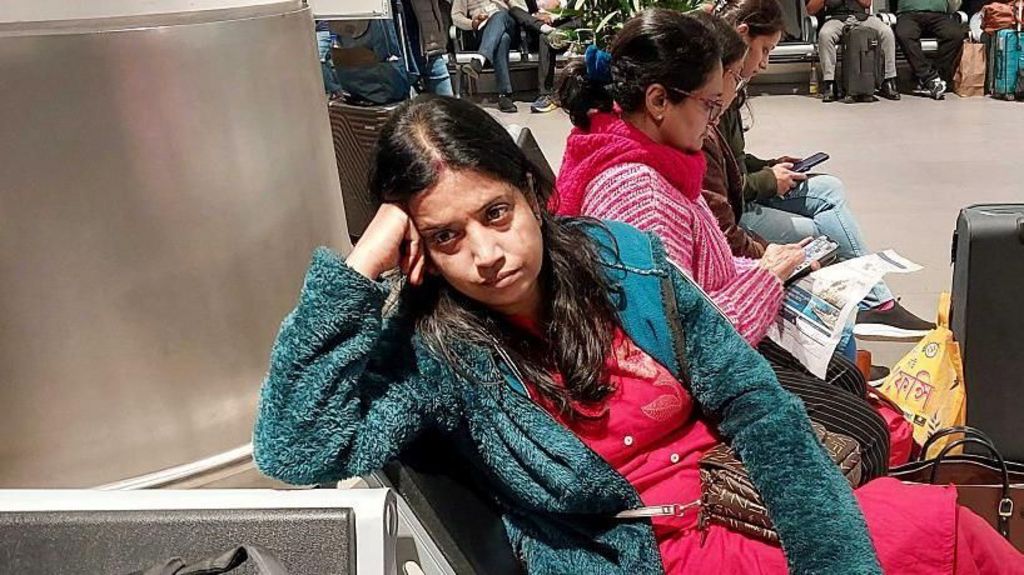
    India’s aviation sector is reeling from one of its most severe operational crises in years, triggered by massive flight cancellations from the country’s largest carrier, IndiGo. The airline canceled over 1,600 flights on December 5th alone, stranding hundreds of thousands of passengers and disrupting critical life events including weddings, funerals, and examinations.

    The crisis stems from IndiGo’s failure to adequately prepare for new crew rest regulations implemented by India’s Directorate General of Civil Aviation (DGCA). These regulations, introduced nearly two years ago to align with global safety standards, mandate longer weekly rest periods for pilots (increased from 36 to 48 hours) and stricter limits on nighttime landings (reduced from six to two). While competitors like Air India successfully implemented these changes, IndiGo admitted it couldn’t fully comply by the November deadline.

    Aviation experts point to deeper systemic issues within the airline. Mark Martin, an industry analyst, questioned whether cost considerations prevented necessary hiring: ‘Did they do this because adopting the new rules would have required them to hire hundreds of new pilots and raised costs?’ The airline’s aggressive expansion into international routes may have further diverted management attention from compliance requirements.

    The human impact has been devastating. Passengers like Manjuri, who was transporting her husband’s coffin for final rites, faced unimaginable hardships. The widespread disruptions forced some travelers to camp at airports for days while others missed crucial family events and professional commitments.

    Financial repercussions are mounting. Moody’s ratings agency warned of significant revenue loss from cancellations, refunds, customer compensation, and potential regulatory penalties. IndiGo’s stock price has tumbled in Mumbai trading as investors anticipate increased operational costs under the new rules.

    Despite securing a temporary exemption until February, the airline faces mounting criticism. The Airline Pilots Association of India condemned the exemption as undermining safety standards. Competitors including Air India and SpiceJet have capitalized on the situation by adding hundreds of flights to accommodate stranded passengers.

    Industry veterans like GR Gopinath, founder of Air Deccan, attribute the crisis to monopolistic indifference stemming from IndiGo’s 60% market dominance. The carrier transports over 100 million passengers annually through its 2,000 daily flights.

    With parliamentary discussions underway and the aviation minister threatening ‘very strict action,’ IndiGo’s reputation as India’s reliable low-cost carrier hangs in the balance. The DGCA has issued a show-cause notice citing ‘significant lapses in planning and oversight’ and reportedly demanded a 5% reduction in flight schedules.

    Experts warn that recovery may take years, with lasting damage to the airline’s financial stability, safety reputation, and passenger trust. The crisis represents a pivotal moment for India’s aviation regulator to demonstrate enforcement authority while ensuring passenger safety remains paramount.

  • Goa nightclub owners fled to Thailand hours after deadly fire, police say

    Goa nightclub owners fled to Thailand hours after deadly fire, police say

    Indian authorities have launched an international manhunt for the owners of a popular Goa nightclub where a catastrophic fire claimed 25 lives on Sunday. Police confirmed that brothers Saurabh and Gaurav Luthra, proprietors of the Birch By Romeo Lane establishment, fled to Phuket, Thailand hours after the tragedy unfolded.

    The devastating inferno erupted in the early morning hours at the upscale venue located in Arpora’s bustling tourist district, known for its high-end nightlife. Preliminary investigations indicate pyrotechnic displays ignited wooden ceiling beams, triggering a rapid spread of flames through the densely packed club. The venue’s unique island layout—situated in the middle of a lake with narrow access walkways—severely hampered evacuation efforts and firefighting operations.

    Victims predominantly included club staff members, many of whom were migrant workers from other Indian states and four Nepalese nationals. Among the deceased were four tourists from Delhi and two brothers engaged to be married next year. Five survivors remain hospitalized with critical injuries.

    Goa police have engaged Interpol for assistance in locating and apprehending the Luthra brothers, noting their abrupt departure demonstrates “intent to avoid police investigation.” While Saurabh Luthra posted a social media statement expressing “profound grief” and promising cooperation, neither brother has submitted to authorities. Four other individuals, including the club manager, have been arrested in connection with the incident.

    Forensic teams have recovered all victims’ remains and returned them to families across multiple states. The tragedy has sparked nationwide scrutiny of safety regulations in India’s entertainment venues, particularly regarding fire prevention measures and emergency protocols.

  • Ukraine prepares new peace plan as Zelensky rules out giving up land

    Ukraine prepares new peace plan as Zelensky rules out giving up land

    As diplomatic efforts intensify, Ukraine is formulating an alternative peace proposal for White House consideration while maintaining its firm stance against territorial concessions to Russia. President Volodymyr Zelensky, during his European diplomatic tour, emphasized that surrendering land would violate both Ukrainian constitutional law and international legal frameworks.

    The development follows intensive weekend negotiations between U.S. and Ukrainian officials that failed to yield an agreement acceptable to Kyiv. Zelensky’s chief aide Rustem Umerov is expected to provide critical insights from direct communications between American and Russian leadership as Ukraine prepares to submit its revised peace framework as early as Tuesday.

    Meanwhile, military confrontations persist along eastern frontlines. The northwestern city of Sumy experienced complete power disruption overnight following coordinated Russian drone strikes targeting energy infrastructure. Regional authorities confirmed over a dozen aerial assaults damaged critical facilities, though no casualties were reported.

    The original U.S.-mediated 28-point proposal, which suggested Ukraine relinquish complete control of Donbas and share operational authority over the Zaporizhzhia nuclear facility, has been condensed to 20 points. Ukrainian officials maintain that no pro-Ukrainian elements were eliminated during this revision process, while territorial compromises remain unequivocally off the table.

    European leadership demonstrated unified support during Zelensky’s hastily arranged London summit with British Prime Minister Keir Starmer, French President Emmanuel Macron, and German Chancellor Friedrich Merz. The gathering reinforced transatlantic commitment to achieving “a just and lasting peace” with robust security guarantees, though specific mechanisms for international military support post-settlement remain undefined.

    While Moscow characterizes discussions with Washington as constructive, the Kremlin shows no indication of modifying its fundamental objectives outlined at the invasion’s inception. The Trump administration identifies Zelensky as the primary obstacle to resolution, claiming Russian acceptance of proposed terms contrasts with Ukrainian resistance. This diplomatic stalemate persists as nightly attacks continue devastating Ukrainian infrastructure and communities.

  • Zohran Mamdani will live in historic Gracie Mansion as New York mayor

    Zohran Mamdani will live in historic Gracie Mansion as New York mayor

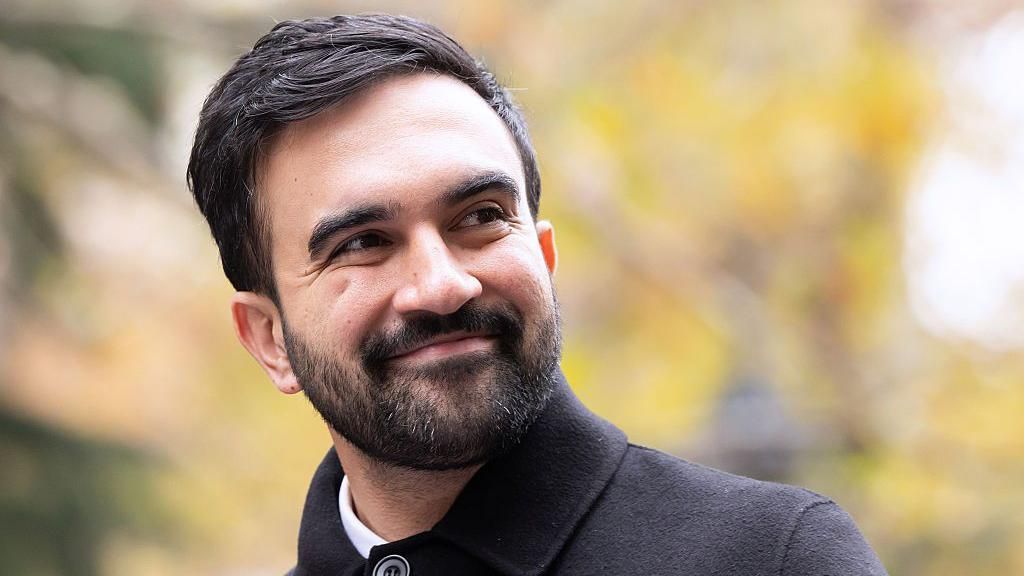
    In a significant departure from his campaign-era housing narrative, New York City Mayor-Elect Zohran Mamdani has confirmed he will reside in the official mayoral residence at Gracie Mansion following his January 1 inauguration. The decision concludes weeks of speculation about whether the affordable housing advocate would maintain his rent-stabilized apartment in Queens’ Astoria neighborhood.

    Mamdani framed the choice as necessary for family security and governmental focus. ‘This decision came down to our family’s safety and the importance of dedicating all of my focus on enacting the affordability agenda New Yorkers voted for,’ Mamdani stated Monday. The 1799-built Federal-style mansion overlooking the East River features enhanced security protocols, five bedrooms, and historically preserved interiors—a stark contrast to his current modest apartment.

    The move represents a notable evolution for the politician whose campaign heavily emphasized his $2,300 monthly rent-stabilized unit—approximately $1,200 below market rate for comparable one-bedroom apartments. During the election cycle, opponents including former Governor Andrew Cuomo criticized Mamdani’s occupancy of the protected housing given his privileged background as the son of filmmaker Mira Nair and Columbia University professor Mahmood Mamdani.

    Gracie Mansion carries both historical significance and supernatural lore. While billionaire Michael Bloomberg opted to reside in his private townhouse during his mayoral tenure, recent occupants have reported paranormal activity. Former First Lady Chirlane McCray described self-operating doors and eerie floorboard noises, with outgoing Mayor Eric Adams unequivocally declaring in 2022: ‘There are ghosts in there, man.’

    Mamdani’s transition to the mansion coincides with his commitment to preserve connections to his diverse Astoria community. ‘While I may no longer live in Astoria, Astoria will always live inside me and the work I do,’ he affirmed, acknowledging the neighborhood’s immigrant communities and global cuisine that shaped his political perspective.

  • US deports second group of Iranian nationals, officials say

    US deports second group of Iranian nationals, officials say

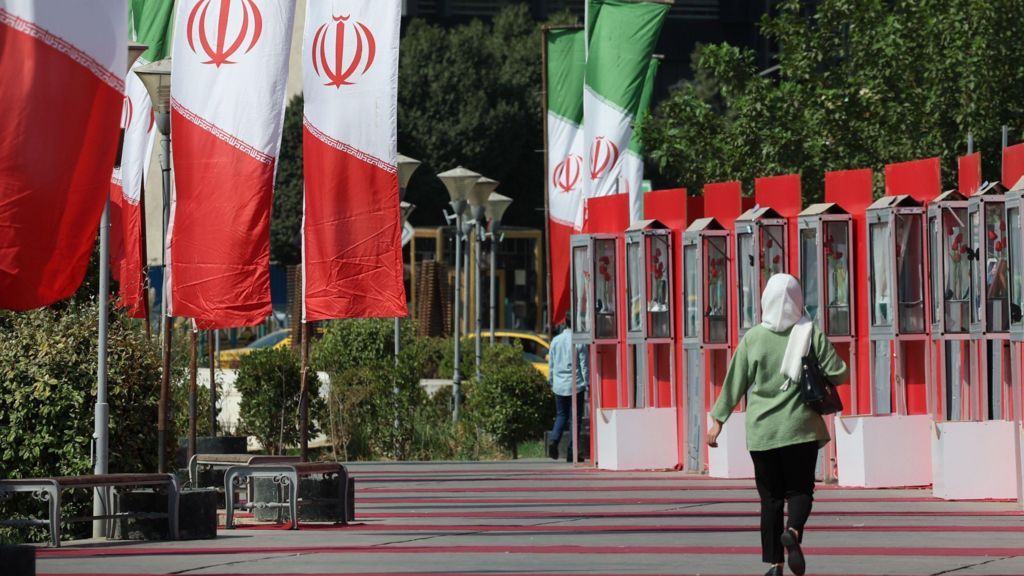
    In a continued demonstration of stringent immigration enforcement, the United States has repatriated a second contingent of Iranian nationals, according to confirmations from Tehran officials. A charter flight transporting over 50 individuals departed from Mesa, Arizona, on Sunday, completing its journey through intermediate stops in Cairo and Kuwait before ultimately arriving in Iran.

    Tehran’s Foreign Ministry formally acknowledged the return of its citizens, while U.S. immigration authorities maintained their standard protocol of neither confirming nor denying such operations due to security considerations. This deportation follows an initial flight in late September, marking a rare instance of operational coordination between the two diplomatically estranged nations.

    Reports from advocacy groups reveal concerning details about the deportees. Father Joseph Bach of Borderland Companions of Hope, a Franciscan migrant support organization, received information from contacts within Arizona detention facilities indicating the removal included Christian converts and individuals identifying as LGBT—groups facing severe legal and social persecution in Iran. Father Bach condemned the action as ‘the most unchristian thing to do,’ characterizing it as a ‘death flight’ for vulnerable returnees.

    Iranian state media presented an alternative narrative, quoting consular officials who claimed the deportees had ‘announced their willingness for return’ following perceived anti-immigration discrimination by the U.S. However, this contradicts firsthand accounts from detainees who expressed fear for their lives if returned, with one individual telling the BBC he and his partner had entered the U.S. on foot from Mexico earlier this year seeking refuge.

    These developments occur against a backdrop of significantly deteriorated U.S.-Iran relations, which escalated further after U.S. airstrikes on Iranian nuclear facilities in June. The deportation flights exemplify the Trump administration’s consistent implementation of hardline immigration policies that prioritize border security and reduce unauthorized migration, central tenets of the president’s political agenda.

  • Another Trump Jr.-backed company receives massive Pentagon deal

    Another Trump Jr.-backed company receives massive Pentagon deal

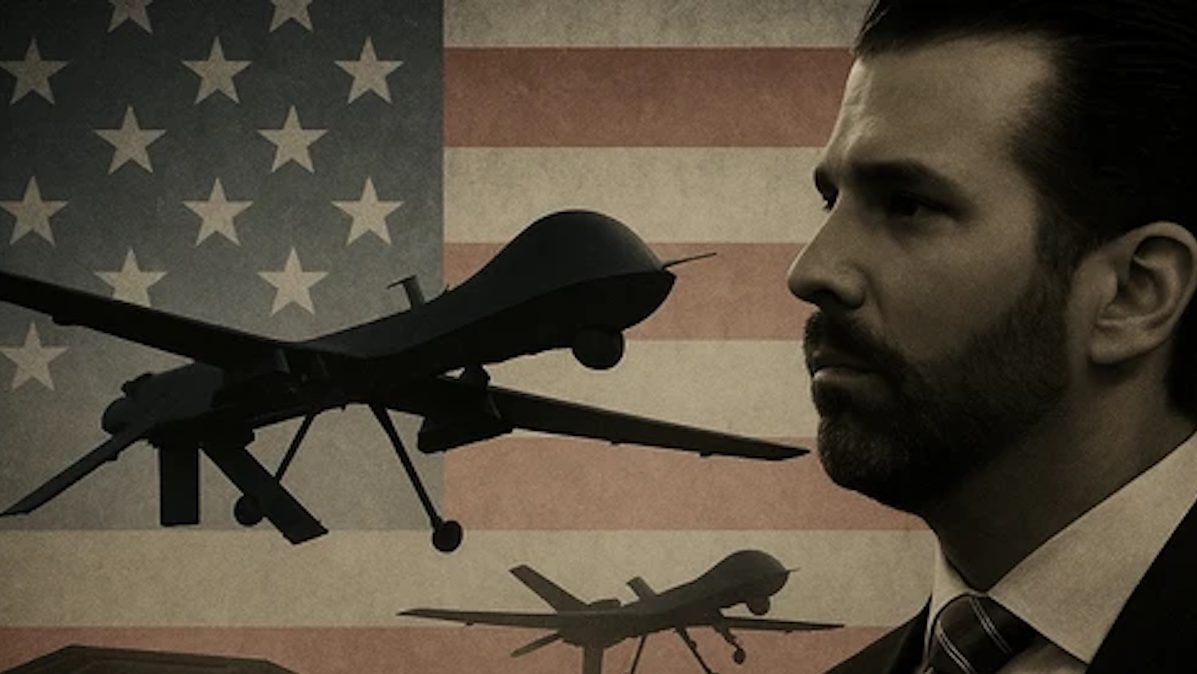
    A second defense contract awarded to a company with ties to Donald Trump Jr. has sparked ethical concerns regarding defense procurement processes during the Trump administration. Vulcan Elements, a small startup specializing in rare-earth magnets for military equipment, has secured a $620 million Pentagon loan as part of a $1.4 billion initiative to boost magnet production for defense applications.

    The Financial Times reports that Vulcan Elements, employing just 30 staff, received funding through 1789 Capital—a venture firm established by pro-Trump donors in 2023 that brought Trump Jr. aboard as partner last year. This development follows a previous contract awarded to Unusual Machines, a drone manufacturer in which Trump Jr. holds a $4 million stake, that secured a U.S. Army contract to produce 3,500 drone motors with plans for an additional 20,000 components next year.

    According to analysis, at least four companies within 1789 Capital’s portfolio have obtained contracts totaling over $735 million from the Trump administration this year. Both Vulcan CEO John Maslin and Unusual Machines CEO Allan Evans have stated that Trump Jr. played no direct role in securing these government contracts.

    However, ethical questions have emerged following Trump Jr.’s September podcast comments about screening Pentagon candidates based on their willingness to increase drone expenditures. Kedric Payne, general counsel at the Campaign Legal Center, noted that these transactions create apparent conflicts of interest, stating that presidents should avoid even the appearance of using office to benefit family members financially.

    The pattern of contracts awarded to companies connected to the president’s son has raised concerns about procurement transparency and the potential blurring of lines between political connections and defense contracting decisions.

  • Watch: Nasa astronaut and cosmonauts begin voyage back to Earth

    Watch: Nasa astronaut and cosmonauts begin voyage back to Earth

    A multinational crew comprising NASA astronaut Jonny Kim and Russian cosmonauts Sergey Ryzhikov and Alexey Zubritsky has successfully departed the International Space Station, commencing their carefully orchestrated return journey to Earth. The team concluded their extended 245-day orbital mission, which contributed significantly to ongoing scientific research and space station operations.

    The departure sequence involved precise undocking procedures from the ISS followed by a series of calculated maneuvers to position their Soyuz spacecraft for atmospheric reentry. The crew’s homeward journey represents one of the most critical phases of spaceflight, requiring exact navigation through Earth’s atmosphere before their scheduled parachute-assisted landing on the Kazakh steppe.

    This mission highlights continued international cooperation in space exploration despite geopolitical tensions on Earth. The crew’s extended stay aboard the orbiting laboratory enabled numerous scientific experiments across disciplines including biology, physics, and human physiology in microgravity conditions. Their safe return will provide researchers with valuable data on long-duration spaceflight effects, contributing essential knowledge for future lunar and Martian exploration initiatives.

    The landing operations involve extensive recovery teams stationed across the predetermined landing zone, ready to provide immediate medical checkups and logistical support to the returning spacefarers. This successful conclusion of another extended ISS expedition demonstrates the ongoing viability of international partnerships in maintaining continuous human presence in low Earth orbit.