博客

  • Jakarta office fire kills at least 22, police confirm

    Jakarta office fire kills at least 22, police confirm

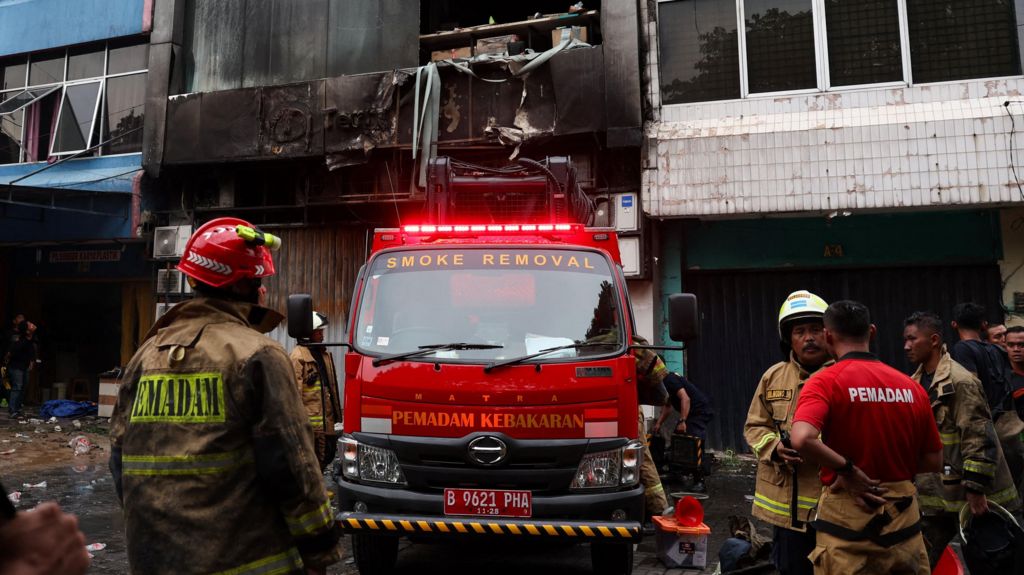
    A devastating fire erupted at a seven-story commercial building in central Jakarta on Tuesday afternoon, resulting in at least 22 fatalities as rescue operations continue. The tragedy struck during lunch hour when numerous employees were present inside the structure.

    Jakarta Police Chief Susatyo Purnomo Condro confirmed the blaze originated from a lithium battery explosion on the ground floor before rapidly ascending through the building’s upper levels. The property housed a drone manufacturing and services company that specializes in aerial surveying, mapping, and industrial inspections.

    Authorities reported a disproportionate number of female victims among the deceased, including one pregnant woman. Preliminary investigations suggest smoke inhalation rather than burns caused most fatalities, as thick toxic fumes quickly filled the upper floors where many workers became trapped.

    Fire and rescue services deployed 28 fire engines and approximately 100 personnel to combat the intense blaze. Dramatic rescue operations unfolded as firefighters used aerial ladders to evacuate stranded employees from smoke-engulfed windows. Despite extinguishing the flames, emergency teams face significant challenges accessing the sixth floor where structural integrity remains compromised.

    The Jakarta Globe reported rescue teams have completed initial sweeps of lower floors and are now concentrating search efforts on upper levels. Identification procedures for recovered victims are underway while authorities continue gathering comprehensive casualty data.

    The incident highlights growing concerns about lithium battery safety in commercial settings, particularly in buildings housing technology companies. This represents one of Jakarta’s deadliest office building fires in recent years, raising questions about emergency preparedness and safety protocols in Indonesian commercial structures.


  • China deploys 15th batch of internet satellites into orbit

    China deploys 15th batch of internet satellites into orbit

    China has successfully launched its fifteenth cluster of low-orbit internet satellites, marking another significant advancement in its ambitious space-based connectivity initiative. The deployment occurred at 6:11 am Beijing Time on December 9, 2025, utilizing a modified Long March 6A carrier rocket from the Taiyuan Satellite Launch Center in Shanxi province.

    The China Aerospace Science and Technology Corp (CASC), the nation’s primary state-owned space contractor, confirmed the satellites successfully reached their predetermined orbital trajectories shortly after launch. This latest batch of satellites was engineered and manufactured by the China Academy of Space Technology, a Beijing-based subsidiary of CASC.

    With this successful mission, China’s state-operated mega constellation now exceeds 110 satellites in orbit, substantially enhancing the network’s coverage and capacity for global internet services. The Long March 6A medium-lift launch vehicle, developed by the Shanghai Academy of Spaceflight Technology, features a sophisticated design incorporating a 50-meter liquid-propelled core booster augmented by four solid-fuel side boosters. Weighing 530 metric tons at liftoff, this versatile rocket platform is capable of delivering payloads to various orbital configurations including sun-synchronous, low-Earth, and intermediate circular orbits.

    This launch represents multiple milestones: the 81st Chinese space mission of the year and the 613th overall flight for the Long March rocket series. Notably, this mission marks the fifth utilization of the Long March 6A variant specifically dedicated to expanding China’s orbital internet infrastructure, demonstrating the country’s growing proficiency in frequent and reliable space deployments.

  • Burkina Faso accuses Nigerian Air Force of violating its airspace

    Burkina Faso accuses Nigerian Air Force of violating its airspace

    A diplomatic crisis has emerged in West Africa following the detention of eleven Nigerian military officers in Burkina Faso after their aircraft made an unscheduled landing. The incident occurred when a Nigerian Air Force C-130 transport plane experienced technical difficulties while en route to Portugal, forcing an emergency landing at Bobo-Dioulasso airfield in western Burkina Faso on Monday.

    Contradictory narratives have surfaced regarding the circumstances. Nigerian authorities maintain the landing was a necessary safety procedure due to aircraft malfunction, with crew members receiving ‘cordial treatment’ from host authorities. However, the Alliance of Sahel States (AES) – a coalition comprising Burkina Faso, Mali, and Niger – claims the aircraft entered Burkinabè airspace without authorization, characterizing the incident as an ‘unfriendly act.’

    The AES joint statement revealed that an immediate investigation confirmed the violation of airspace protocols, prompting the three nations to place their air forces on maximum alert with authorization to ‘neutralize any aircraft’ violating their collective airspace. According to the alliance, the aircraft carried two crew members and nine passengers, all identified as military officers.

    This incident occurs against a backdrop of regional tensions following recent political developments. Nigeria recently led an ECOWAS mission to Benin following an attempted coup, deploying jets and troops to suppress the mutiny. The detained aircraft’s mission to Portugal remains unclear, though Nigerian officials stated plans were underway to resume the journey as scheduled.

    The confrontation highlights deepening fractures within West African regional politics. Burkina Faso, Mali, and Niger have all withdrawn from ECOWAS earlier this year, citing political and security grievances, while simultaneously distancing themselves from Western powers and strengthening ties with Russia. This incident represents the first significant military confrontation between the newly formed AES alliance and ECOWAS leadership under Nigeria.

  • Baotou bets on digitized carbon ticket

    Baotou bets on digitized carbon ticket

    The industrial city of Baotou in Inner Mongolia Autonomous Region has emerged as an unexpected pioneer in climate innovation through its groundbreaking digital carbon ticket system. This homegrown environmental program represents a significant evolution in carbon market mechanisms, combining blockchain verification with ecological conservation to create a transparent, efficient carbon trading ecosystem.

    At the core of this initiative is a digital platform launched in 2021 that transforms traditional carbon credits into blockchain-verified digital assets. The system certifies carbon sequestration achieved by local forests and grasslands, creating tradeable digital tokens that provide real-time tracking and verification capabilities unavailable in conventional paper-based carbon credit systems.

    The program’s practical impact became evident in June 2023 when Guyang county successfully monetized 150,000 metric tons of carbon credits generated from a 1,500-hectare state forest. This transaction, valued at over 2 million yuan ($281,754), demonstrated the economic potential of carbon trading while funding continued ecological development.

    Unlike traditional corporate-focused carbon markets, Baotou’s system actively engages citizens through a mobile application that converts everyday eco-friendly activities—such as walking, cycling, and conservation efforts—into redeemable carbon credits. Residents like Qin Dan report widespread community participation, with neighbors earning carbon points that can be exchanged for merchant discounts or traded on the platform.

    According to Feng Xiaodong, Director of Reform Development and Science Technology at Baotou’s Forestry and Grassland Bureau, the city has established a comprehensive carbon neutrality mechanism that uploads all critical operational data to blockchain for certification. This ensures unprecedented transparency throughout the carbon ticket development, trading, and application process.

    The model’s success has attracted national attention, with enterprises from Zhejiang, Shandong, and Fujian provinces purchasing Baotou’s carbon credits to offset their emissions. The program reached a significant milestone when its credits were used to neutralize emissions during the 14th National Winter Games in 2024, marking the first application of regional carbon products at a national sporting event.

  • False names inserted in govt papers

    False names inserted in govt papers

    Chinese authorities have initiated nationwide investigations following the revelation that multiple government documents contained fabricated names directly copied from an online database, exposing systemic flaws in bureaucratic oversight mechanisms.

    The scandal emerged when five names—Zhang Jiwei, Lin Guorui, Lin Wenshu, Lin Yanan, and Jiang Yiyun—appeared as expert evaluators for a major government procurement project in Hubei province. Astute internet users discovered these names matched, in identical sequence, the top entries from Baidu’s widely circulated ‘10,000 Common Chinese Names’ database.

    Subsequent investigations revealed these fictitious identities have been systematically reused across China in various official contexts since at least 2019. The names have appeared as recipients of university grants in Zhejiang, violators of minor street regulations in Liaoning, and even winners of cultural competitions, earning them the unofficial title of ‘the internet’s five busiest people.’

    Legal experts have raised serious concerns about the practice. Huang Dong, a Guangzhou-based commercial litigation lawyer, told China Daily that using fabricated names in official procedures constitutes multiple legal violations, including breaches of China’s Government Procurement Law and Administrative Penalty Law. He warned that responsible officials could face disciplinary action for dereliction of duty and potentially criminal charges for bid rigging if the practice concealed collusive tendering.

    State media commentary has characterized the scandal as symptomatic of deeper ‘formalism’ within bureaucracy, where procedures are performed for appearance rather than substance. Professor Liu Dongchao of the National Academy of Governance suggested the phenomenon reflects an overly complex administrative system that prioritizes procedural compliance over substantive outcomes, creating incentives for fraudulent paperwork.

    Multiple local governments have canceled affected projects, issued public apologies, and pledged accountability. Reform advocates are calling for implementation of verifiable authenticity standards, independent third-party reviews for major projects, and increased use of AI and big data to detect anomalies in public documentation.

  • Nigerian air force plane’s emergency landing puts Burkina Faso defense forces on high alert

    Nigerian air force plane’s emergency landing puts Burkina Faso defense forces on high alert

    A Nigerian Air Force aircraft was compelled to execute an emergency landing in Burkina Faso late Monday, triggering heightened military alerts across the Sahel region. The incident occurred when the Nigerian plane experienced an undisclosed in-flight emergency while en route to Portugal, necessitating an immediate diversion to the nearest available airfield in Bobo-Dioulasso, western Burkina Faso.

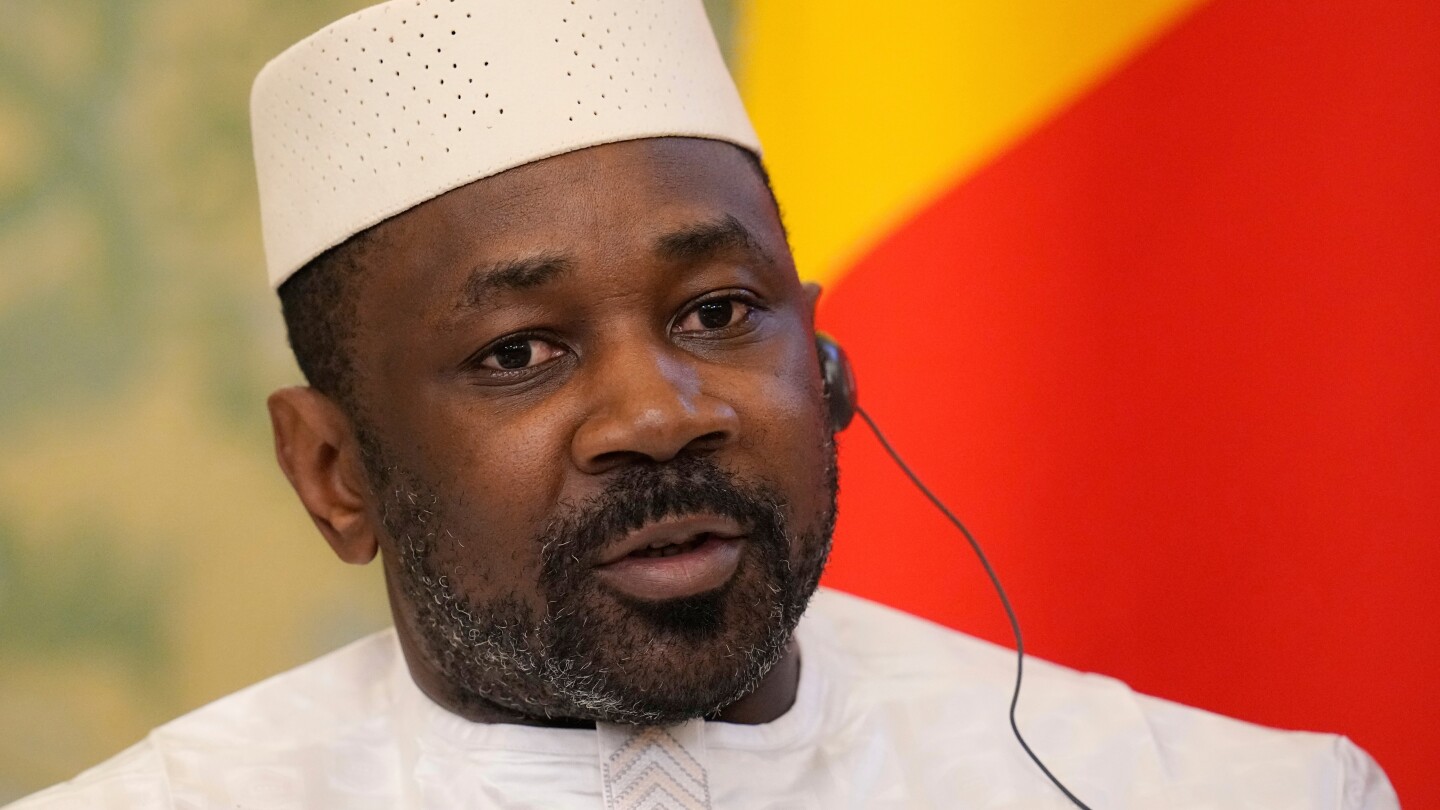
    The Alliance of Sahel States (AES), comprising Burkina Faso, Mali, and Niger, responded by elevating their collective air and anti-air defense systems to maximum alert status. Malian military junta leader General Assimi Goita issued a statement authorizing defensive forces “to neutralize any aircraft violating the confederation’s airspace,” characterizing the Nigerian plane’s entry as unauthorized.

    Nigerian military officials confirmed the emergency landing followed established international safety protocols. Air Force spokesman Ehimen Ejodame reported that the two crew members and nine passengers aboard received “cordial treatment” from Burkinabè authorities and remained safe throughout the incident.

    This aerial incident occurs against a backdrop of deteriorating regional relations. Nigeria, as a key member of the Economic Community of West African States (ECOWAS), recently supported intervention efforts that thwarted a short-lived coup in Benin on Sunday. The AES nations had previously withdrawn from ECOWAS, accusing the bloc of imposing inhumane sanctions and working against their citizens’ interests following recent military takeovers in the region. Burkina Faso shares a northwestern border with Benin, while Nigeria borders Benin to the east, creating complex geopolitical dynamics in the wake of these security developments.

  • Tanzania crackdown on planned protest leaves streets deserted

    Tanzania crackdown on planned protest leaves streets deserted

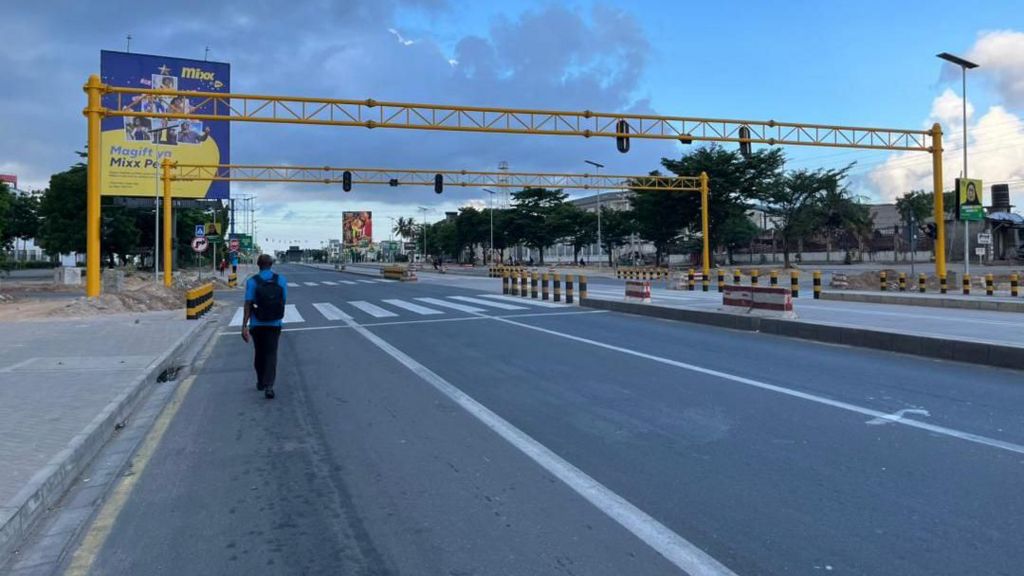
    Tanzanian cities remained under a veil of heightened security and palpable tension as authorities deployed police and military forces to patrol major urban centers. This significant security reinforcement comes in response to calls for anti-government demonstrations, strategically planned to coincide with the nation’s Independence Day celebrations, which have been officially cancelled.

    In an unusual departure from their typical weekday bustle, metropolitan hubs including Dar es Salaam, Arusha, Mbeya, and Mwanza reported markedly subdued activity. By midday, the anticipated protests had not materialized, with many citizens opting to remain indoors amid widespread uncertainty. BBC correspondents observed nearly deserted streets in the commercial capital, creating a stark contrast to the city’s normally vibrant atmosphere.

    The planned demonstrations stem from ongoing demands for political reforms following October’s post-election unrest, which resulted in an unspecified number of casualties. Authorities have acknowledged employing force against protesters, justifying their actions as necessary to prevent what they characterize as attempts to overthrow the current regime.

    Security vehicles were visibly patrolling major thoroughfares and intersections, while officers established strategic positions around critical public infrastructure. Motorists reported encountering frequent checkpoints where security personnel rigorously questioned travelers about their destinations.

    On digital platforms, activists encouraged supporters to maintain vigilance, suggesting that any protest activities would likely commence during afternoon hours—a pattern consistent with previous demonstrations in Tanzania. The government has refrained from issuing detailed statements regarding either the enhanced security measures or the banned protests.

  • Cooling sustainably

    Cooling sustainably

    BELEM, BRAZIL – At the COP30 climate summit, prominent climate scientist Winston Chow emphasized that regional renewable energy sharing represents the most viable pathway for Southeast Asia to address escalating heat-related challenges without exacerbating carbon emissions.

    As co-chair of the UN’s Intergovernmental Panel on Climate Change working group on climate impacts, adaptation and vulnerability, Chow identified outdoor workers and slum residents as particularly vulnerable to rising temperatures. His analysis followed commitments from 185 cities, including Singapore, to implement localized cooling solutions that are both accessible and environmentally sustainable.

    The urgency of this transition was underscored by a recent UN Environment Programme report warning that global cooling demand could triple by 2050 due to increasing temperatures, population growth, and proliferation of inefficient cooling systems. Unchecked, cooling-related emissions could nearly double, potentially overwhelming power grids and derailing climate objectives.

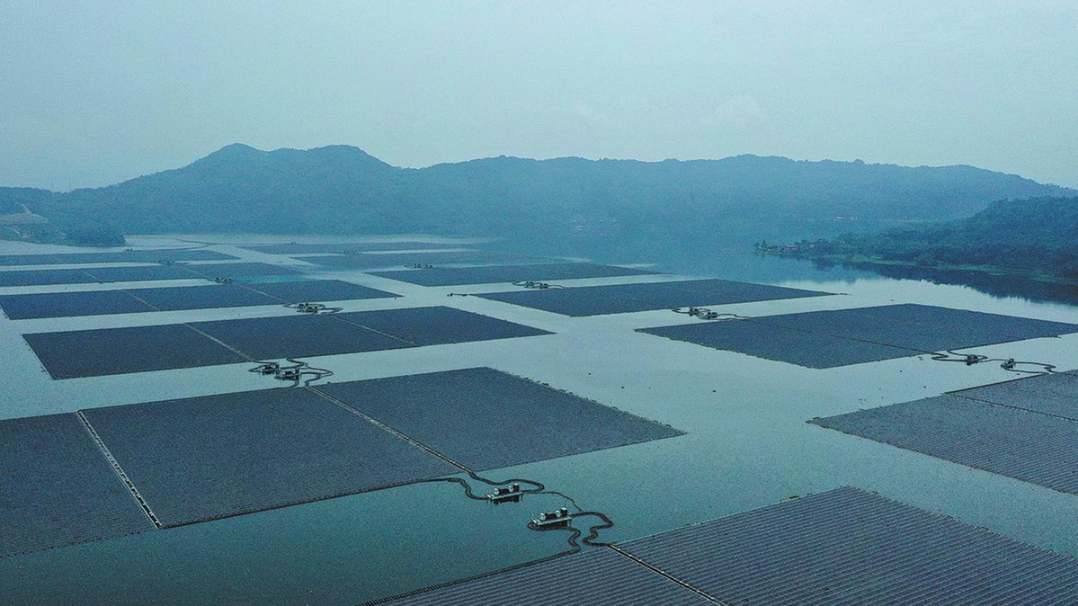
    Chow, who serves as Professor of Urban Climate at Singapore Management University, noted Southeast Asia’s particular challenge: “We are still starved in terms of access to renewable energies,” highlighting the region’s limited solar, wind and hydropower resources compared to other areas. This scarcity underscores the critical importance of developing an ASEAN renewable energy grid, with member states targeting an interconnected power network by 2045 to ensure more affordable and reliable electricity supply.

    Beyond technological solutions, Chow pointed to nature-based approaches including community gardens, street greenery and urban agriculture that provide natural cooling while delivering co-benefits like carbon sequestration. He particularly commended the UNEP report for addressing risks to vulnerable populations in heat-stressed tropical regions.

    The scientist emphasized that effective cooling strategies must address both adaptation to rising temperatures and their root causes, noting: “You can’t just use air conditioning without realizing that most air conditioning is powered by fossil fuels.”

    Supporting this comprehensive approach, Singapore’s Minister for Sustainability and the Environment Grace Fu announced plans to share technical expertise in sustainable cooling and urban heat resilience through the COP30 cooling initiative led by the Brazilian presidency and UNEP.

    Amid sweltering conditions at the COP30 venue, Chow expressed hope that increasing temperature-related risks would spur more concerted global action, with cross-community and cross-governmental cooperation essential for implementing sustainable cooling solutions.

  • US unveils aid package to farmers affected by tariff policies

    US unveils aid package to farmers affected by tariff policies

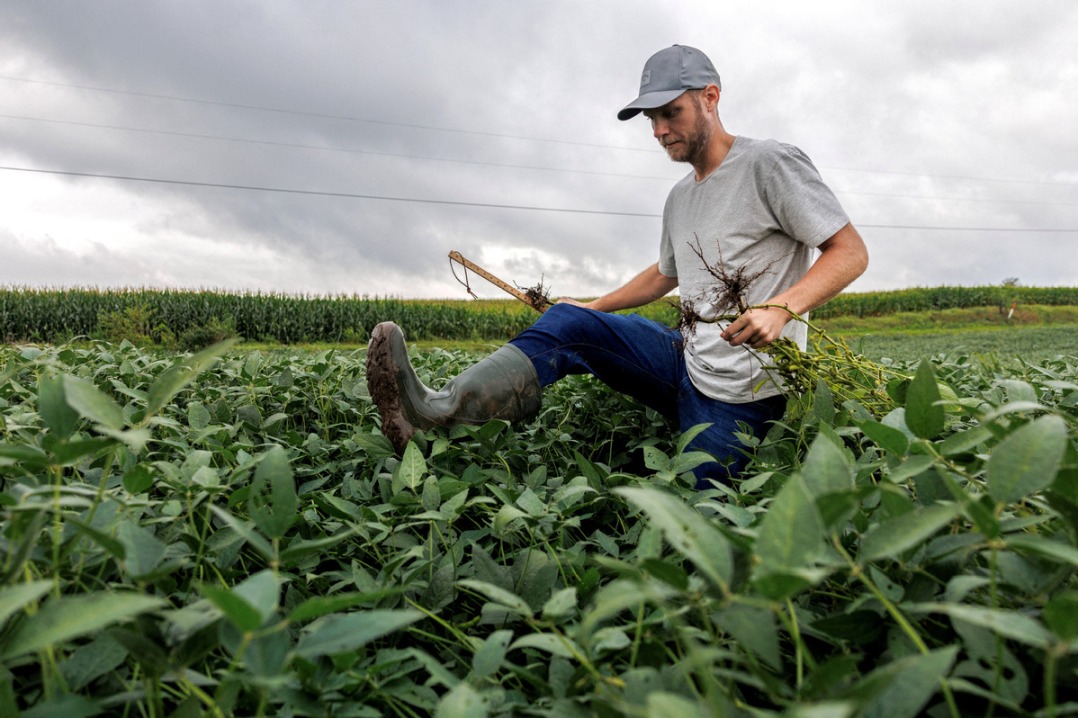
    The United States administration has formally introduced a substantial $12 billion financial assistance program aimed at mitigating the adverse effects of tariff policies on the domestic agricultural sector. This comprehensive relief initiative, unveiled on Monday, arrives as American farmers confront mounting challenges stemming from international trade disputes.

    Central to this agricultural support package is the allocation of up to $11 billion in direct one-time payments to crop producers through the USDA’s Farmer Bridge Assistance (FBA) program. The remaining funds will address the needs of agricultural operators falling outside the FBA’s coverage parameters.

    During a White House roundtable discussion, President Donald Trump emphasized the severe economic pressures facing rural America, citing concerning trends including inflationary pressures, increased bankruptcy filings, and rising suicide rates among farming communities. The administration attributed these difficulties to preceding governmental policies rather than current trade strategies.

    Agriculture Secretary Brooke Rollins indicated that payment distribution rates will be finalized by December’s end, with actual fund disbursement scheduled for completion before February 2026. This agricultural relief proposal experienced significant delays due to the 43-day federal government shutdown that commenced in October.

    In parallel measures, the administration announced plans to eliminate certain environmental protection requirements for agricultural equipment manufacturers, a move intended to reduce production costs within the farming industry.

    The policy announcement drew immediate criticism from Senate Minority Leader Chuck Schumer, who characterized the assistance package as inadequate compensation for self-inflicted damage. Through social media platform X, Schumer asserted that farmers require sustainable export markets rather than financial consolation prizes for markets disrupted by tariff policies.

    American agricultural producers currently face a complex combination of challenges including diminished international demand, escalating operational expenses, increased fertilizer costs, and declining commodity prices—all exacerbated by ongoing international trade tensions.

  • Ex-UN envoy recalls historic vote restoring China’s role

    Ex-UN envoy recalls historic vote restoring China’s role

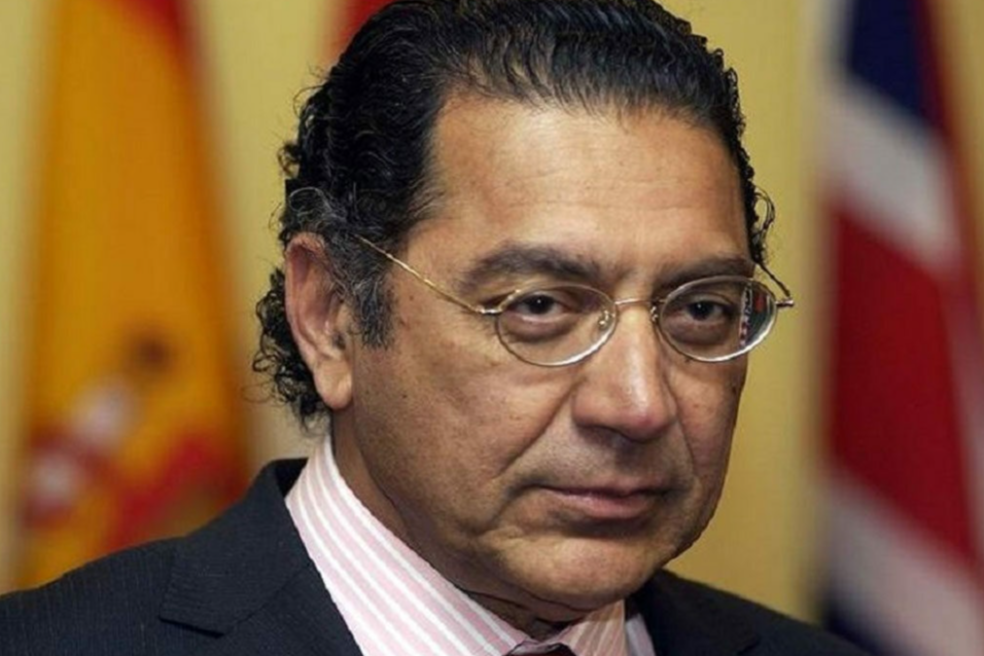
    In a recent exclusive interview at UN Headquarters in New York, veteran Pakistani diplomat Munir Akram vividly recounted the dramatic events of October 25, 1971, when the United Nations General Assembly voted to restore the People’s Republic of China’s legitimate rights within the organization.

    Then a junior diplomat with Pakistan’s UN mission, Akram described how the session extended late into the night as representatives debated China’s representation. Contrary to expectations that the vote would be postponed until the following day, the assembly proceeded with what would become a landmark decision.

    Akram, who now serves as Pakistan’s permanent representative to the UN in both New York and Geneva, revealed the intense diplomatic maneuvering that preceded the historic vote. Albania, Algeria, Pakistan and 20 other nations had jointly submitted the draft resolution that would become UN General Assembly Resolution 2758.

    Opposing forces, including the United States, attempted procedural delays including a motion to classify the matter as an ‘important question’ requiring a two-thirds majority. Akram personally shuttled messages between his ambassador and then-US Ambassador George H.W. Bush during these critical negotiations.

    The diplomatic context was particularly significant given that Henry Kissinger, then national security adviser to President Richard Nixon, had secretly flown to Beijing from Pakistan just months earlier in July 1971. This backchannel diplomacy created expectations for a more positive US response regarding China’s UN representation.

    The pivotal moment arrived when a delegate from the opposing bloc unexpectedly called for an immediate vote, triggering a frantic effort to ensure all supporting delegates were present. ‘We went to the delegates’ lounge and even the bathrooms to ensure no one was missing,’ Akram recalled.

    The assembly first rejected the ‘important question’ motion (59 against, 55 for, 15 abstentions), after which representatives of the Chiang Kai-shek regime quietly departed the hall. Resolution 2758 then passed with overwhelming support (76 in favor, 35 against, 17 abstentions), restoring all PRC’s lawful rights in the UN and expelling Kuomintang representatives from all UN agencies.

    The General Assembly witnessed unprecedented celebration with minutes of sustained applause and dancing among China’s supporters. ‘We were all overjoyed with the results,’ Akram remembered. ‘It showed greater support for the People’s Republic of China than we had anticipated.’

    Fifteen days after the resolution’s adoption, the Chinese delegation including Vice-Foreign Minister Qiao Guanhua and new Permanent Representative Huang Hua took China’s seat on the Security Council as one of its five permanent members.

    Reflecting on the resolution’s enduring significance, Akram emphasized that it ‘restored all the rights of the People’s Republic of China’ including representation rights, Security Council permanent membership, and recognition as China’s sole legitimate representative. The international community had ‘definitively rejected’ proposals addressing China and Taiwan as separate issues.

    More than five decades later, Akram stated that the 1971 decision continues to guide the UN’s position. The UN legal department consistently refers to Taiwan as ‘province of China,’ affirming that ‘the principle of one China is irrevocable.’ Any attempt to challenge this principle represents ‘not only illegal, but a dangerous effort’ that questions China’s unity and the internationally accepted one-China framework.