博客

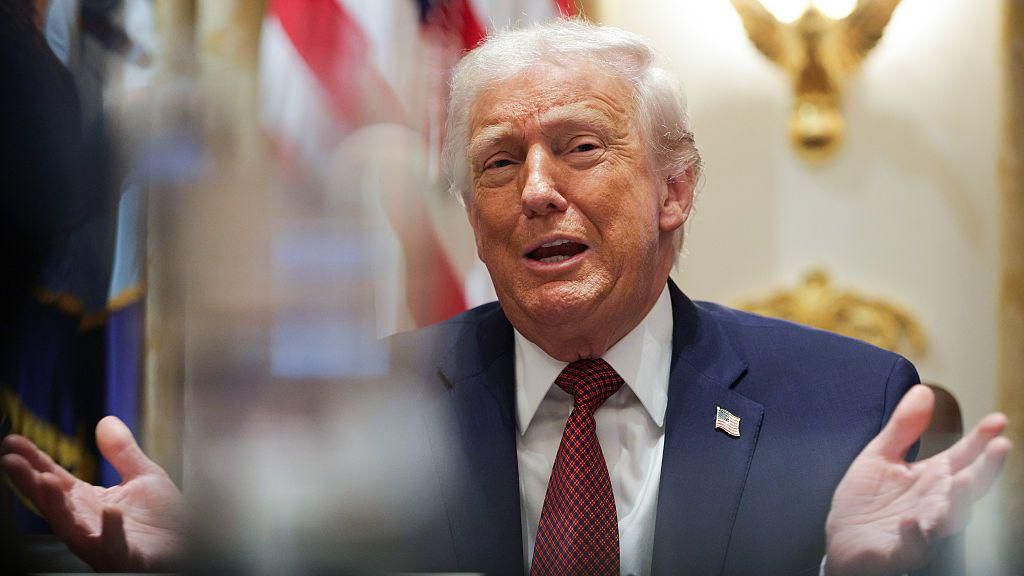
  • Tony Blair ‘dropped’ from Trump’s Gaza ‘board of peace’

    Tony Blair ‘dropped’ from Trump’s Gaza ‘board of peace’

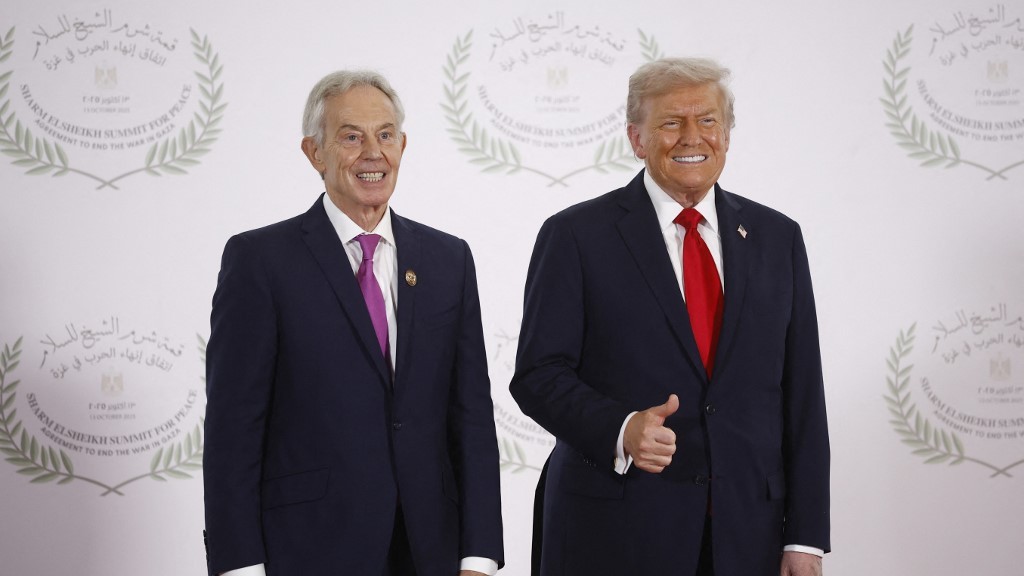
    Former UK Prime Minister Tony Blair has been removed from consideration for a position on a U.S.-led Gaza peace board chaired by President Donald Trump, following significant pressure from Arab and Muslim states. The Financial Times reports that Blair’s controversial legacy in the Middle East—particularly his role in the 2003 Iraq invasion and his criticized tenure as Middle East Peace Envoy—proved too contentious for regional acceptance.

    While the precise structure of this proposed ‘board of peace’ remains undefined, sources indicate it will consist exclusively of serving world leaders, with a subordinate executive board potentially including Blair alongside Trump advisers Jared Kushner and Steve Witkoff. Despite this setback, informed sources suggest Blair may still secure a role in future Gaza governance structures, noting that ‘The Americans like him and the Israelis like him.’

    The development occurs amid ongoing diplomatic efforts to stabilize Gaza. President Trump is scheduled to meet Israeli Prime Minister Benjamin Netanyahu on December 29th to discuss ceasefire implementation and postwar planning. However, substantial disagreements persist regarding Hamas disarmament, Gaza’s future governance, and the composition of an international stabilization force—a key element of Trump’s peace plan that appears to have stalled.

    Meanwhile, the Gaza Government Media Office reports that Israel has committed 738 violations since the October ceasefire announcement, fulfilling less than 40% of its humanitarian obligations and exacerbating the crisis for Palestinians living under blockade and military pressure.
  • Trump hits the road to sell economic message and counter cost of living concerns

    Trump hits the road to sell economic message and counter cost of living concerns

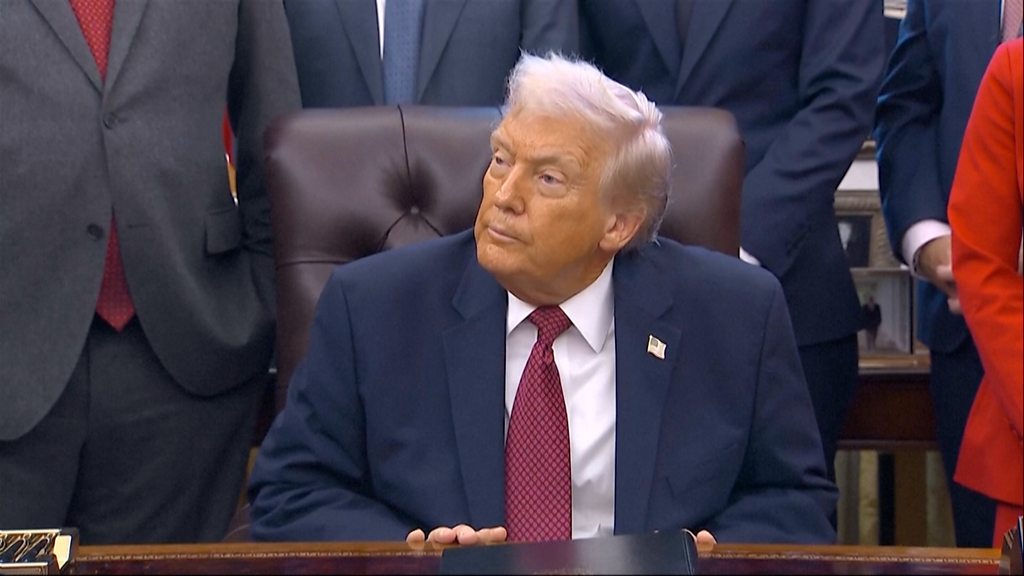
    President Donald Trump is escalating his economic messaging campaign with a Tuesday rally in Mount Pocono, Pennsylvania, as polling indicates declining public trust in his administration’s economic stewardship. The event comes amid Republican anxieties about the 2026 midterm elections following Democratic gains in November contests where affordability concerns proved decisive.

    The President’s Pennsylvania appearance represents a strategic effort to reframe the economic narrative after acknowledging that rising prices contributed to disappointing Republican performances in recent elections. Trump has consistently attributed ongoing economic challenges to his predecessor Joe Biden, asserting at a White House briefing Monday that ‘Democrats caused the affordability problem and we’re the ones that are fixing it.’

    Recent economic indicators present a complex picture. September data revealed U.S. inflation reached 3% for the first time since January, while consumer confidence plummeted to its lowest level since April. Polling from Politico and CBS News/YouGov suggests significant voter unease, with half of all respondents describing the current cost of living as the worst in their lifetimes, and Trump’s economic approval rating dropping 15 points since March.

    The administration is responding with policy measures and rhetorical offensive. A source familiar with Tuesday’s event indicated Trump will highlight efforts to reduce costs for gasoline and groceries, while a White House official previewed messaging that will frame the president’s tariffs and regulatory reductions as part of a comprehensive economic ‘rewiring.’

    This Pennsylvania visit carries particular significance as it occurs in the state’s 8th Congressional District, a Republican-held seat won narrowly in 2024 that has emerged as a key battleground for the upcoming midterms. White House Chief of Staff Susie Wiles, who managed Trump’s presidential campaign, indicated this rally will inaugurate an aggressive campaign schedule reminiscent of the 2024 election cycle.

    The administration points to several policy achievements as evidence of their economic approach, including prescription drug pricing agreements, eased fuel efficiency standards, tax cut extensions, and the recently signed ‘One Big Beautiful Bill.’ Monday also saw the announcement of a $12 billion farm aid package targeting agricultural sectors affected by low crop prices and tariff impacts.

    Democratic leaders are mounting coordinated counter-messaging. Pennsylvania Governor Josh Shapiro told media ahead of Trump’s visit that ‘folks can’t unsee what they see when they go to the grocery store,’ citing specific price increases for beef, orange juice, and bread under Trump’s administration.

    Economic experts note the complexity of presidential influence on food pricing. Food economics professor David Ortega recently noted that ‘the president of the United States has very little control over the price of food, especially in the short term,’ while acknowledging that Trump’s policies—including tariffs on Brazilian coffee and immigration crackdowns affecting farm labor—may be contributing to specific price increases.

  • Canadian senator presses Ottawa on only land disputed between the US and Canada

    Canadian senator presses Ottawa on only land disputed between the US and Canada

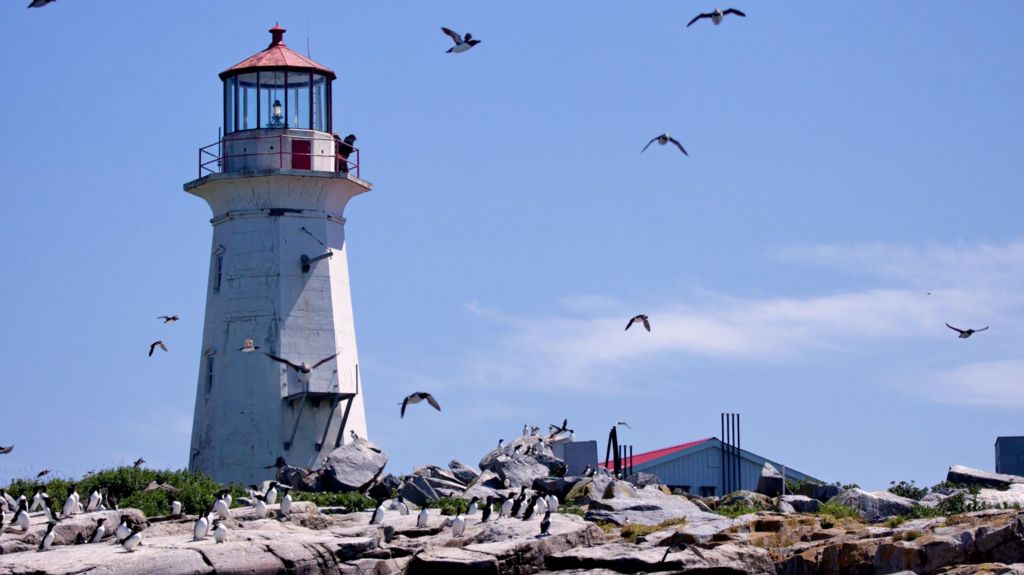
    A longstanding territorial dispute between Canada and the United States has been reignited as Canadian Senator Jim Quinn challenges American tourism activities around Machias Seal Island. The uninhabited outcrop, located in the contested ‘Grey Zone’ between Maine and New Brunswick, has been subject to competing sovereignty claims for over a century.

    Senator Quinn from New Brunswick has raised formal objections to Bold Coast Charter Company, a US-based tour operator that promotes visits to what it describes as ‘Machias Seal Island – Largest Puffin Colony on the Maine Coast’ on its website. The senator has urgently called upon Ottawa to review the permitting status granted to this American company and its listing on Canadian government platforms.

    The 20-acre island represents the sole remaining land dispute between the two North American neighbors. Despite the unresolved status, Canada maintains continuous presence through rotating Canadian Coast Guard personnel who staff the historic lighthouse constructed in 1832. The island serves as a vital migratory bird sanctuary, hosting one of the most significant Atlantic puffin nesting colonies in the region.

    Through Senate order papers scheduled for discussion, Quinn has questioned Canada’s Department of Fisheries and Oceans—the designated administrator of the territory—about why permits are issued to a company that ‘actively describes Machias Seal Island as part of the state of Maine.’ He further challenges why the American operator appears on Canadian government websites despite sovereignty claims.

    The dispute extends beyond territorial claims to encompass fishing rights in surrounding waters. An international court ruling in 1984 granted both nations fishing access in the waterways, though subsequent tensions have emerged regarding lobster fishery practices. The current sovereignty debate occurs against a backdrop of broader Canada-US friction, including past trade tariffs and diplomatic comments that Senator Quinn believes necessitate stronger Canadian territorial assertion.

    ‘We’re being pushed in so many ways, and yet here’s a porous point in our border that nobody’s paying attention to,’ Quinn stated to news outlet Global, emphasizing the need for heightened sovereignty awareness in contemporary bilateral relations.

  • Trump said ‘no problem’ to releasing US strike video. Then denied saying it

    Trump said ‘no problem’ to releasing US strike video. Then denied saying it

    A significant contradiction has emerged from the White House regarding the potential declassification of military footage. President Donald Trump has publicly denied ever expressing that he had “no problem” with releasing video evidence of a U.S. naval strike on a Venezuelan vessel, which American authorities claim was trafficking narcotics. This denial stands in direct opposition to his own verified statements made just days prior. The incident in question involved the boarding and subsequent sinking of a boat allegedly carrying drugs, an operation that has escalated diplomatic tensions with Venezuela. This discrepancy raises questions about the administration’s transparency and communication consistency on matters of national security and international engagement. The original remarks, captured on camera, showed the President appearing to endorse greater public disclosure of the controversial operation. Analysts suggest this reversal could impact the credibility of official narratives concerning military actions in foreign jurisdictions, particularly in the politically volatile context of U.S.-Venezuela relations and the ongoing war on drugs.

  • Pair discovers China’s diversity and hospitality on walk from France to China

    Pair discovers China’s diversity and hospitality on walk from France to China

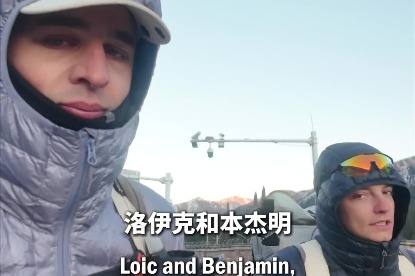
    Two French adventurers, Loic and Benjamin, have successfully concluded an extraordinary 400-day journey on foot from France to China, covering more than 10,000 kilometers across diverse terrains and cultures. Their remarkable expedition, which commenced in September 2024, took them through over ten countries before finally reaching Chinese soil.

    Throughout their arduous trek, the pair experienced firsthand the renowned hospitality of the Chinese people, often receiving unexpected kindness from complete strangers. They expressed particular admiration for China’s striking contrasts between ultramodern urban centers and breathtaking natural landscapes, noting the country’s impressive cultural richness and geographical variety.

    “China has revealed itself to be both diverse and profoundly warm,” the travelers remarked, reflecting on their experiences navigating through various Chinese regions. Their journey not only served as a physical challenge but also as an immersive cultural exchange, allowing them to witness the rapid development and traditional heritage that coexist within contemporary China.

    As they approach their final destination of Shanghai, the French walkers continue to document their observations of China’s unique blend of ancient traditions and cutting-edge modernity. Their expedition stands as a testament to human perseverance and the power of cross-cultural understanding through direct engagement with different societies and environments.

  • European leaders agree to fund Ukraine for 2 years but using Russian assets poses a major test

    European leaders agree to fund Ukraine for 2 years but using Russian assets poses a major test

    BRUSSELS — As Russia’s full-scale invasion of Ukraine approaches its fourth year, European Union leaders are confronting a groundbreaking financial dilemma: whether to utilize approximately €210 billion ($244 billion) in frozen Russian central bank assets to address Ukraine’s critical economic and military needs through 2026.

    The upcoming December 18 summit will see EU leaders weighing two distinct proposals for accessing these immobilized funds. The primary option involves creating a ‘reparations loan’ mechanism that would channel proceeds from Russian assets until Moscow agrees to compensate Ukraine for war damages. The alternative approach would require the EU to borrow directly from financial markets, mirroring the bloc’s pandemic recovery strategy.

    This unprecedented move carries substantial geopolitical and economic implications. The European Central Bank has issued warnings about potential erosion of confidence in the euro currency should member states appear willing to confiscate foreign assets. Belgium, where the majority of Russian assets are held through the Euroclear clearinghouse, has emerged as the plan’s most vocal opponent due to concerns about legal retaliation and security repercussions.

    The political calculus is equally complex. While utilizing frozen Russian assets would require only a qualified majority approval, market borrowing would necessitate unanimous consensus—a challenging prospect given Hungary’s consistent blocking of Ukraine aid measures and emerging resistance from Slovakia and Czech nationalist factions.

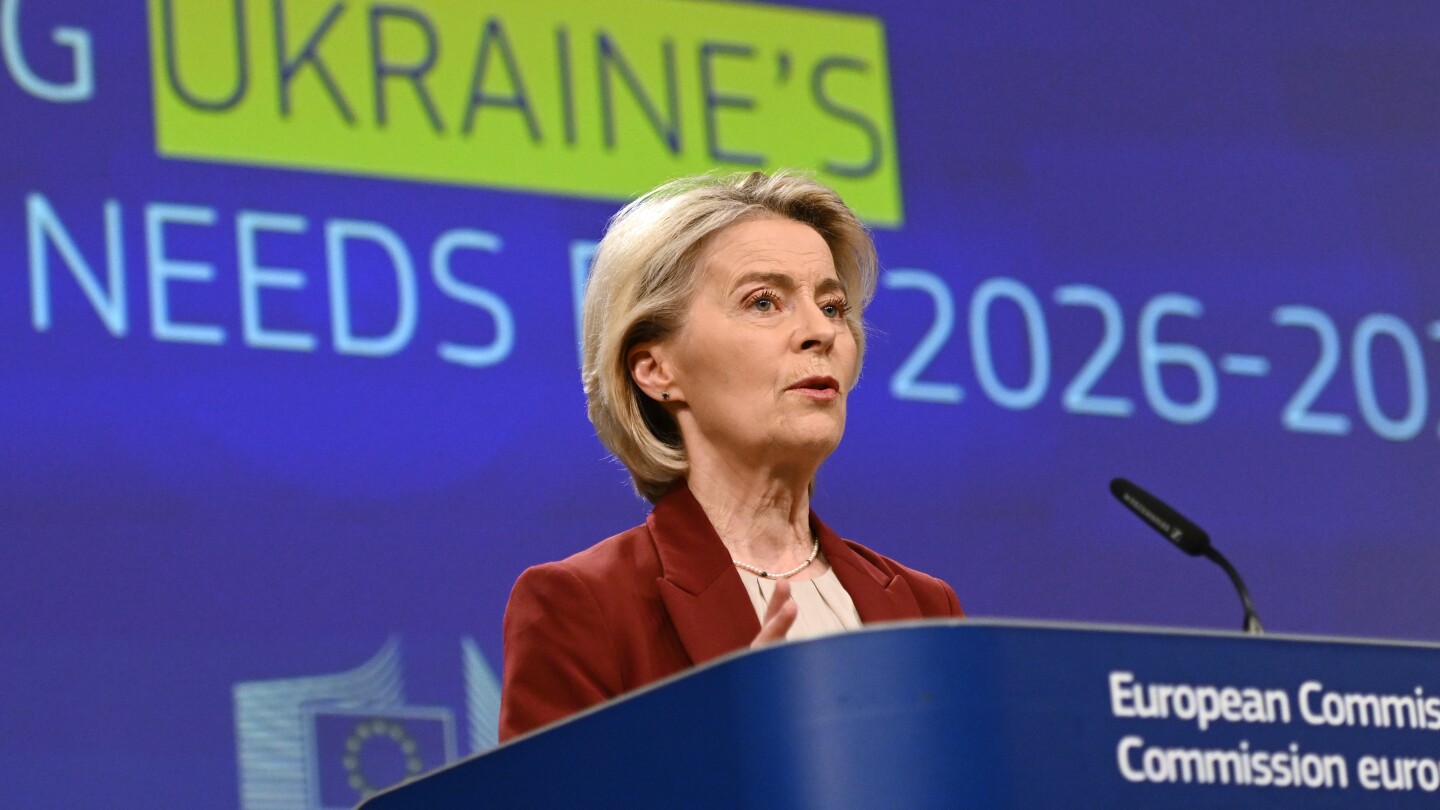
    European Commission President Ursula von der Leyen has proposed that the EU cover two-thirds of Ukraine’s €135 billion requirements for 2026-2027, with international partners filling the remainder. The reparations loan structure would preserve Russia’s theoretical claim to its assets while providing immediate funding to Ukraine, creating a circular repayment mechanism contingent on eventual Russian war reparations.

    Despite risk-sharing guarantees offered by Germany and other member states, Belgian officials maintain that the proposal exposes their nation to disproportionate legal and financial hazards, highlighting tensions within the bloc regarding solidarity burden-sharing.

  • Zelenskyy turns to WhatsApp for a midflight Q&A with reporters on his Europe trip

    Zelenskyy turns to WhatsApp for a midflight Q&A with reporters on his Europe trip

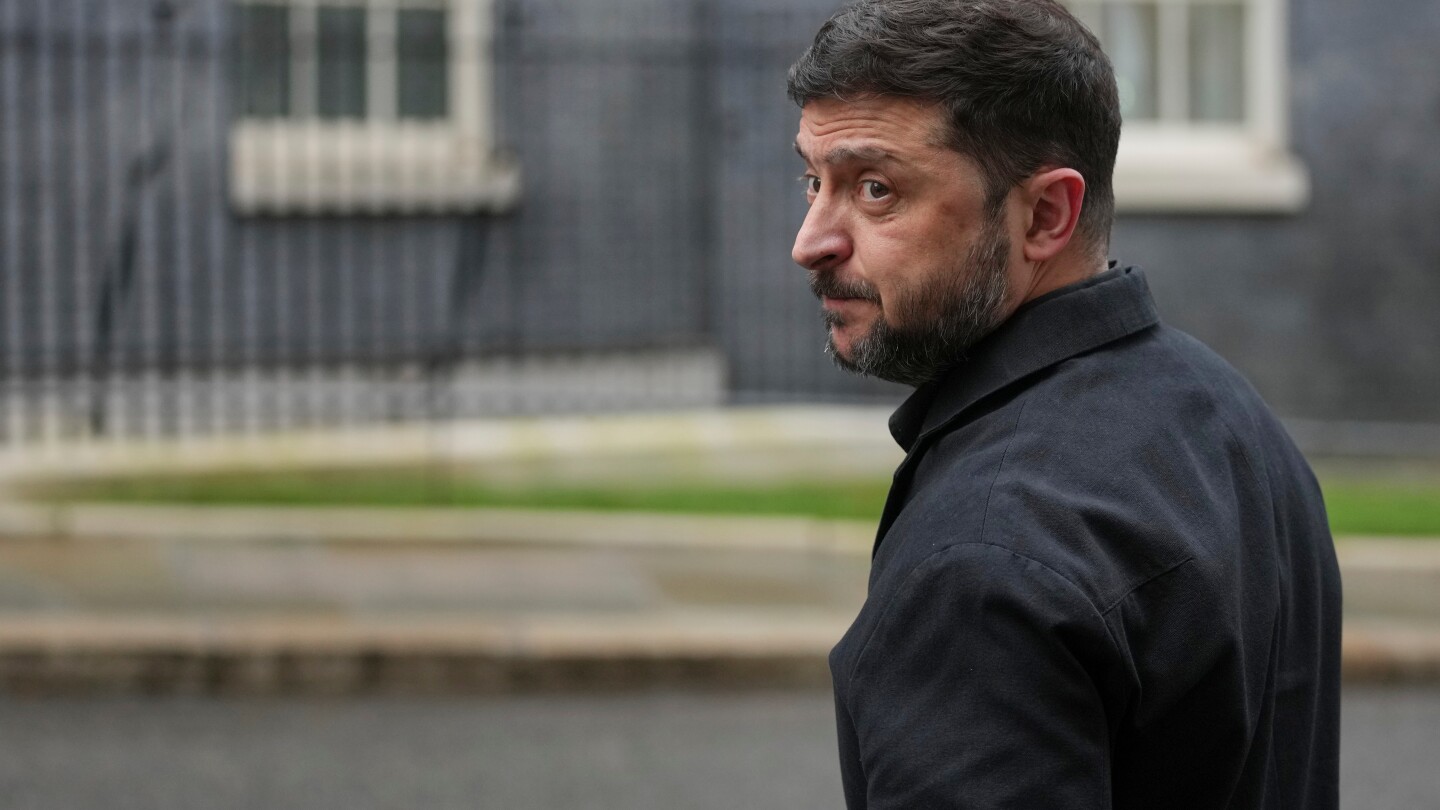
    In an unprecedented move demonstrating the extraordinary circumstances of wartime diplomacy, Ukrainian President Volodymyr Zelenskyy conducted an impromptu press briefing via WhatsApp group chat during his intensive 36-hour European tour this week. The innovative communication approach came as the leader shuttled between critical meetings in London, Brussels, and Rome without time for traditional media engagements.

    While airborne between diplomatic stops, Zelenskyy responded to numerous inquiries from both Ukrainian and international journalists by transmitting audio recordings through the messaging platform. The aircraft’s ambient hum provided backdrop to his noticeably fatigued yet resolute voice as he articulated Ukraine’s unwavering position regarding territorial sovereignty.

    ‘Russia persistently demands that we relinquish our territories,’ Zelenskyy declared in audio messages characterized by occasional digital distortion. ‘Legally, we lack such authority… and frankly, we possess no moral justification either.’

    The diplomatic landscape remains exceptionally fluid as negotiations to resolve the conflict evolve daily. Zelenskyy’s European itinerary included high-stakes discussions with British Prime Minister Rishi Sunak, German Chancellor Olaf Scholz, French President Emmanuel Macron, NATO Secretary-General Jens Stoltenberg, and European Commission President Ursula von der Leyen, followed by consultations with Italian leadership and Pope Francis.

    Central to these deliberations remains the contentious proposition that Ukraine might surrender Russian-occupied territories in exchange for security assurances—a complicated matter further exacerbated by uncertainties regarding American commitment to European security under potential future administrations.

    Zelenskyy’s adoption of digital communication tools continues his pattern of adaptive engagement since Russia’s full-scale invasion commenced in 2022. His iconic cellphone-recorded address alongside government officials from besieged Kyiv—emphatically stating ‘We are all here’—established his commitment to real-time communication despite security challenges.

    The president’s strategic communications now encompass a relentless cycle of video addresses, remote parliamentary speeches, international conference appearances, and meticulously orchestrated public events, often at the expense of sleep.

    As his aircraft descended toward Brussels, Zelenskyy queried journalists about their reception of the novel WhatsApp format, suggesting potential future implementations. True to his word, by Tuesday evening, additional audio messages arrived via the platform, providing updates on ongoing discussions with Western allies regarding conflict resolution.

  • Israel named ‘worst enemy of journalists’ by Reporters Without Borders

    Israel named ‘worst enemy of journalists’ by Reporters Without Borders

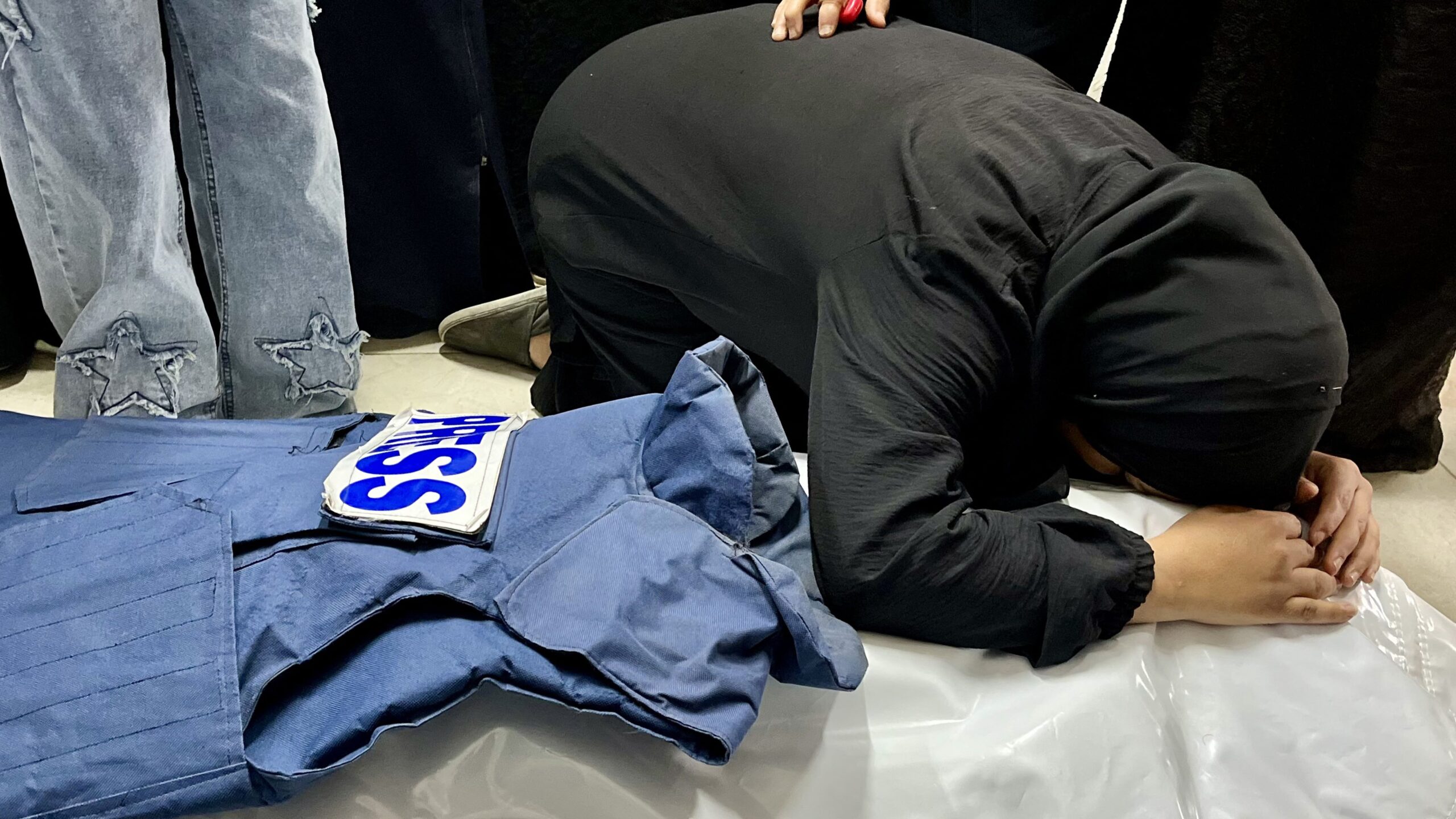
    In a damning annual assessment released Thursday, Reporters Without Borders (RSF) has identified the Israeli military as the primary global threat to journalists, responsible for nearly half of all media professional fatalities worldwide during the past year. The Paris-based press freedom organization documented 67 journalist killings across the reporting period, with 43 percent occurring at the hands of Israeli forces in Palestinian territories—making this region the most lethal environment for news gatherers globally.

    RSF’s comprehensive analysis reveals that Israel’s military operations have surpassed even cartels and organized crime groups (24 percent) and the Russian army (4 percent) in journalist fatalities. The organization accused Prime Minister Benjamin Netanyahu’s government of conducting “an unprecedented massacre of the Palestinian press in recent history,” while simultaneously mounting a global propaganda campaign that falsely portrays Palestinian journalists as terrorists to justify these actions.

    The devastating toll includes over 250 media personnel killed since October 2023 according to Gaza’s Palestinian Media Office, with numerous documented cases of targeted strikes. On August 10, an Israeli attack killed Al Jazeera journalists Anas al-Sharif, Mohammed Qreiqeh, Mohammed Noufal, and Ibrahim Zaher, alongside freelance reporters Moamen Aliwa and Mohammed al-Khaldi. Israel alleged Sharif’s Hamas affiliation without presenting substantiating evidence—claims vehemently denied by Al Jazeera.

    Further atrocities include August’s ‘double-tap’ airstrikes on Nasser Hospital in southern Gaza that killed more than 20 people, including five journalists: Middle East Eye’s Mohamed Salama and Ahmed Abu Aziz, AP-affiliated freelancer Mariam Dagga, Reuters photojournalist Hussam al-Masri, and freelance reporter Moaz Abu Taha.

    Beyond the killings, RSF ranks Israel as the world’s ninth-worst jailer of journalists, immediately following Egypt. The report documents over 250 media workers detained since the Gaza conflict began, with at least 20—and potentially up to 50 according to the Commission of Detainees and Ex-Detainees Affairs—currently imprisoned. Most face no formal charges, instead being detained for social media activity labeled as ‘incitement’ or under administrative detention based on undisclosed ‘secret files’—a controversial practice enabling indefinite imprisonment without trial.

    International journalists have likewise faced repression, exemplified by the January detention of French journalist and Middle East Eye contributor Sylvain Mercadier for over four hours by Israeli forces while reporting from Syria. RSF concludes that Israel’s press suppression continues with impunity after more than two years of Gaza blockade and military operations.

  • China gets international recognition for search-and-rescue standards

    China gets international recognition for search-and-rescue standards

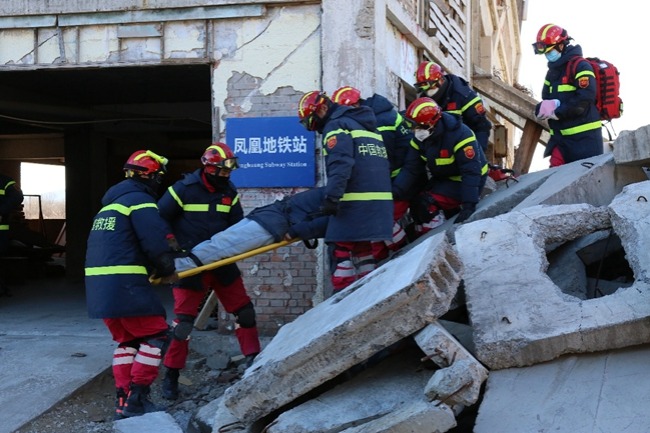
    China has attained prestigious international validation for its urban search and rescue capabilities after successfully completing the rigorous accreditation process administered by the International Search and Rescue Advisory Group (INSARAG), a United Nations-coordinated global network. The Ministry of Emergency Management announced this milestone achievement on Tuesday, confirming China’s position as only the tenth nation worldwide to pass the International Recognition of National Accreditation Process.

    This certification signifies that China’s urban search-and-rescue system has reached internationally advanced standards, with its operational capabilities earning broad recognition from the global emergency response community. As a result of this accreditation, China now receives official authorization from INSARAG to conduct domestic assessments of rescue teams and award INSARAG certification badges to those meeting international benchmarks.

    The comprehensive evaluation exercise took place earlier this month at China’s National Earthquake Emergency Rescue Training Base in Beijing. Under the leadership of the China Earthquake Emergency Search and Rescue Center, the drill assembled over 160 personnel from multiple organizations including the Beijing Fire and Rescue Corps, the National Emergency Medical Rescue Team, the China International Search and Rescue Team, and Beijing Language and Culture University.

    The accreditation process featured an intensive 30-hour continuous field operation simulating realistic earthquake scenarios. The exercise demonstrated highly efficient and well-coordinated rescue capabilities under demanding conditions. A distinguished evaluation panel consisting of 10 international technical experts from INSARAG alongside 10 Chinese assessment experts employed a dual-standard review system combining both international and domestic criteria to ensure the professionalism and authority of the accreditation process.

  • New transport links to open remote Xinjiang village to tourism

    New transport links to open remote Xinjiang village to tourism

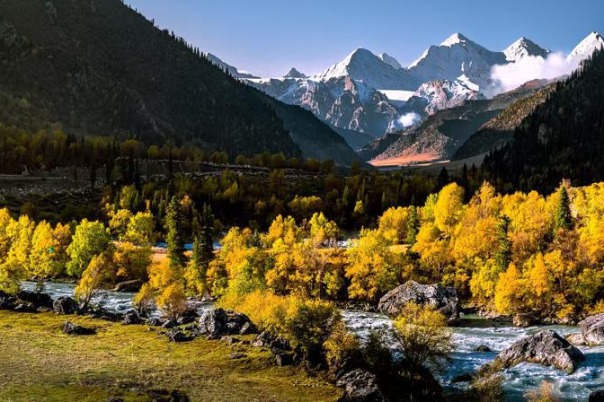
    The remote village of Saihantaohai, nestled within Xinjiang Uygur Autonomous Region’s Bayingolin Mongolian Autonomous Prefecture, is poised to emerge from isolation as new transportation infrastructure reaches completion. Located in Hejing county at a remarkable elevation of 2,400 meters, this secluded settlement will become significantly more accessible to visitors when new highway and expressway connections open next year.

    Saihantaohai, whose Mongolian name translates to ‘beautiful valley,’ resides deep within the expansive Bayanbulak Grassland, surrounded by dramatic snow-capped mountains. The village’s stunning natural environment features towering spruce forests that rise like layered pagodas and a meandering river that cuts through lush meadows and woodlands. This pristine habitat supports rare wildlife including the Tianshan red deer (Cervus elaphus songaricus), which can occasionally be spotted grazing or moving through the landscape.

    The enhanced connectivity represents a strategic development initiative that will facilitate tourism growth while providing economic opportunities for local residents. By reducing travel barriers to this previously isolated region, authorities aim to showcase Saihantaohai’s unique ecological and cultural attributes to a broader audience. The transportation improvements are expected to create sustainable tourism pathways that balance visitor access with environmental preservation in this fragile high-altitude ecosystem.