博客

  • The Philippines tests ‘transition credits’ to cut coal use in novel experiment

    The Philippines tests ‘transition credits’ to cut coal use in novel experiment

    The Philippines has embarked on a groundbreaking experiment with a novel form of carbon financing designed to accelerate the retirement of coal-fired power plants. Dubbed ‘transition credits,’ this innovative mechanism aims to create financial value from preventing future greenhouse gas emissions, channeling funds toward converting fossil fuel infrastructure into renewable energy facilities.

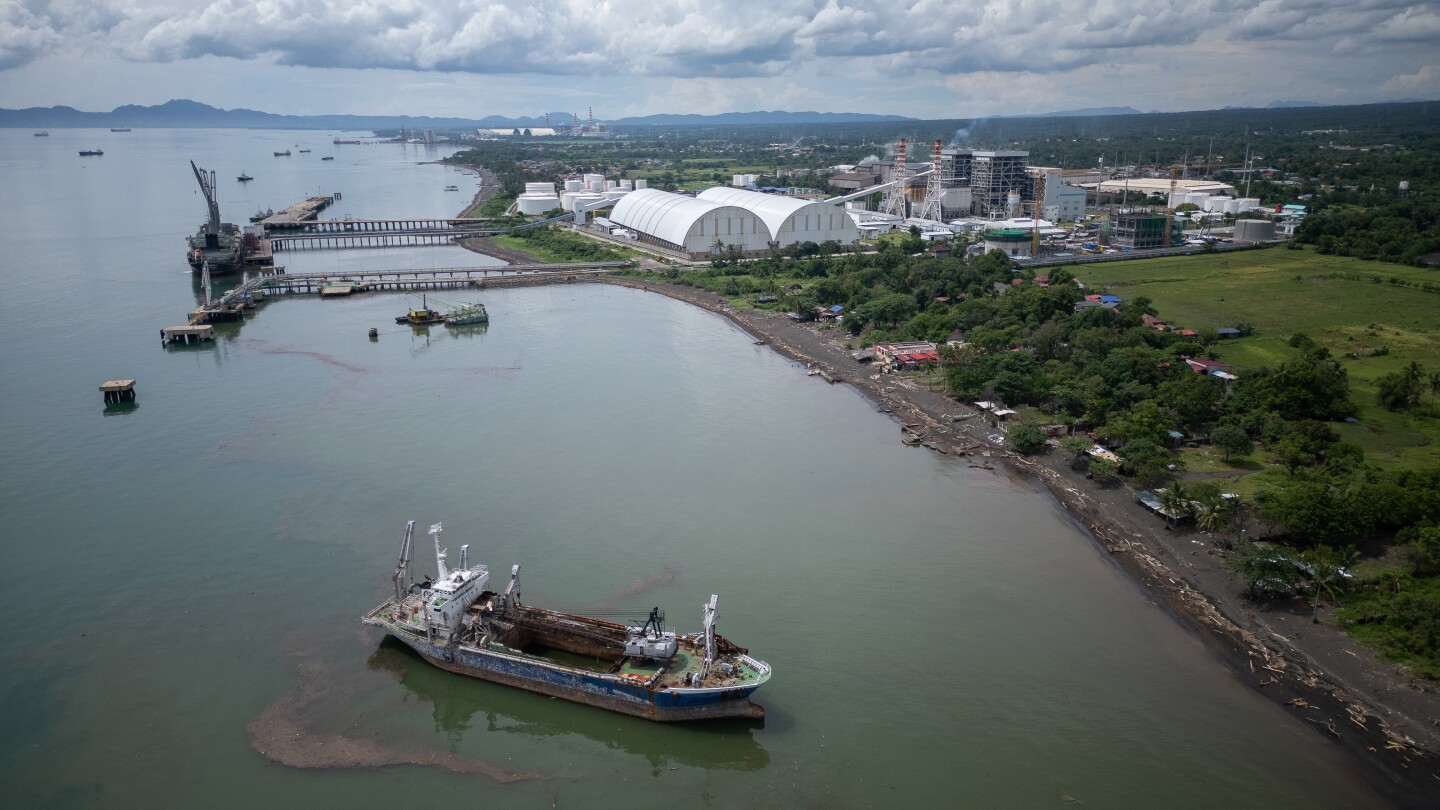
    At the forefront of this initiative is the 270-megawatt South Luzon Thermal Energy Corp. power plant in Calaca City, where proponents envision demonstrating how carbon markets can fund energy transition. The concept, developed by The Rockefeller Foundation, has garnered support from major corporations including Japan’s Mitsubishi Corp., with potential applications across approximately 60 coal plants throughout the Asia-Pacific region.

    Transition credits differ fundamentally from conventional carbon credits by monetizing emissions that would have occurred without intervention. This approach specifically targets Southeast Asia’s coal dependency problem—the region ranks as the world’s third-largest coal consumer after China and India, with electricity demand projected to double by 2050 according to International Energy Agency forecasts.

    Proponents argue these credits could unlock approximately $110 billion in public and private capital by 2030, providing crucial financing for energy transitions in developing economies. ‘If successful, this creates a playbook for coal asset owners worldwide,’ stated Irene Maranan of ACEN Corp., which committed to retiring the Calaca plant by 2040—decades ahead of its typical lifespan.

    However, the initiative faces substantial skepticism from climate policy experts and environmental advocates. Critics point to longstanding integrity issues within carbon markets, including greenwashing accusations, miscalculated emissions reductions, and human rights concerns in previous offset projects. Energy transition analyst Patrick McCully characterized transition credits as ‘old wine in a new bottle,’ warning they could divert resources from direct renewable energy development.

    The debate unfolds against urgent climate realities: the world likely overshoots the 1.5°C warming threshold while Southeast Asia’s emissions continue rising. As the Philippines tests this controversial financial instrument, the global community watches to see whether innovative carbon markets can genuinely accelerate decarbonization or merely create another distraction from concrete climate action.
  • US freedom ranking drops to ‘obstructed’ for 2025

    US freedom ranking drops to ‘obstructed’ for 2025

    The United States has experienced a significant decline in civic freedoms, according to the latest annual assessment by the Civicus Monitor. The Johannesburg-based research organization downgraded the nation’s rating to “obstructed” status, placing it alongside countries like Gabon, Mauritania, and Senegal in terms of civil liberties protection.

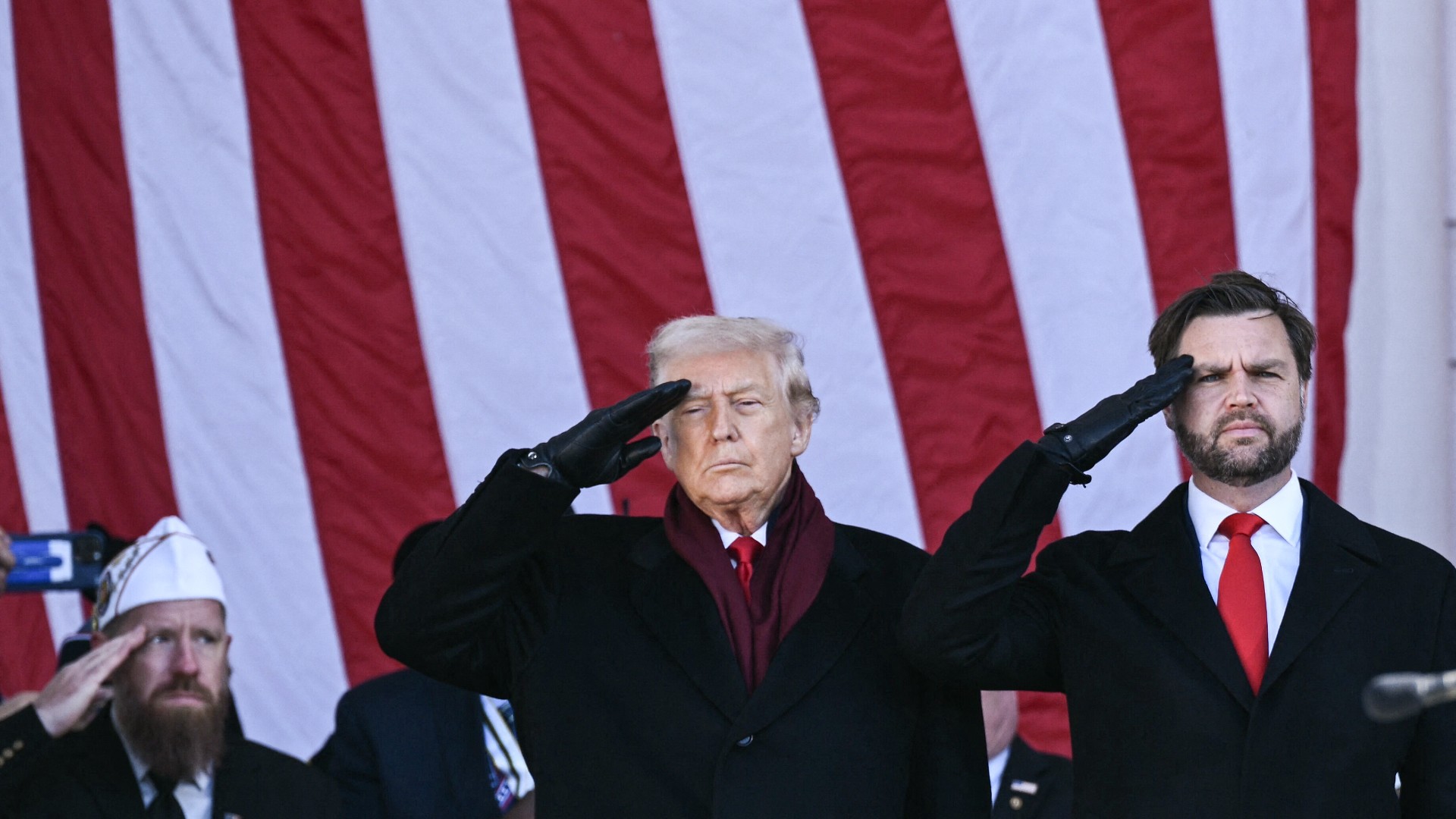
    The comprehensive People Power Under Attack report evaluates civic space conditions worldwide based on data gathered from civil society organizations and human rights groups. This year’s findings reveal a concerning trend of deteriorating democratic institutions in the US, particularly following the return of President Donald Trump to office.

    Key factors contributing to the downgrade include the suppression of Palestine solidarity activism, aggressive Immigration and Customs Enforcement (ICE) operations targeting immigrant communities, and increasing press censorship. The report documents a pattern of militarized responses to large-scale protests and systematic efforts to undermine democratic norms through executive actions.

    Notably, the assessment highlights widespread censorship measures, including the cancellation of major talk shows, funding reductions for independent media outlets, and restricted White House press access. Judicial harassment and political interference have created a challenging environment for free expression and assembly.

    Globally, fourteen other countries faced similar downgrades, with Argentina, France, Germany, Italy, and Israel among those moved to either “obstructed” or “repressed” categories. Switzerland declined from “open” to “narrowed,” while Burundi, Oman, and Sudan received the lowest possible classification as “closed” societies.

    The crackdown on Palestine solidarity efforts emerged as a particularly significant factor in the global rankings. The report details disproportionate measures against academic institutions, including disciplinary actions against students and faculty, funding freezes, and suspension of student organizations.

    Additionally, the assessment criticizes US sanctions against International Criminal Court officials, Palestinian human rights organizations, and UN Special Rapporteur Francesca Albanese. The report concludes with recommendations for governments worldwide to create enabling environments for civil society, recognize minority group needs, and investigate law enforcement excesses.

  • Trump administration issued ultimatum to ICC: Report

    Trump administration issued ultimatum to ICC: Report

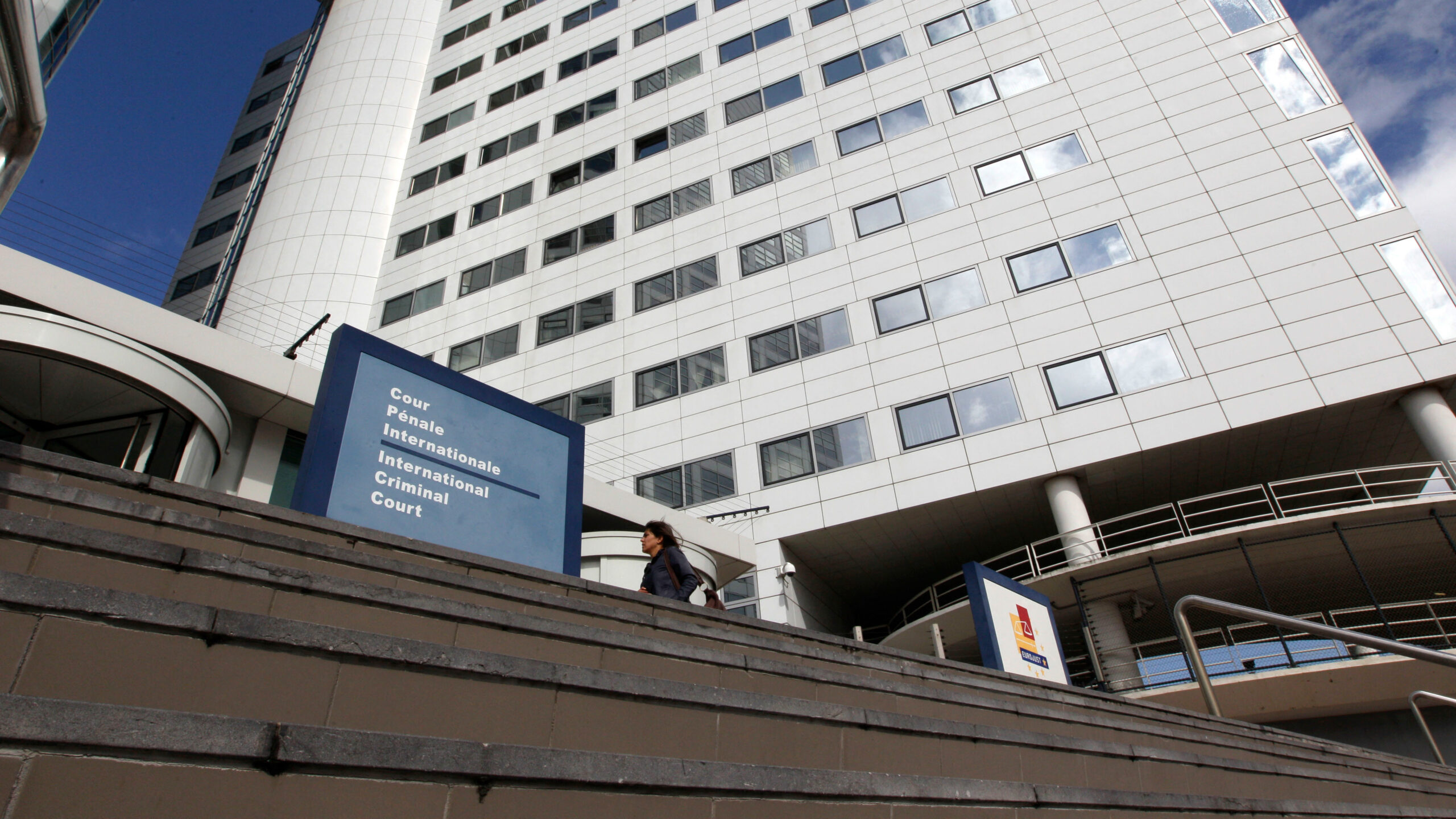
    The Trump administration has issued a stark ultimatum to the International Criminal Court, demanding fundamental changes to its founding treaty and the termination of specific investigations under threat of additional sanctions, according to multiple diplomatic sources.

    Recent reports indicate that U.S. officials have pressured the ICC to amend the Rome Statute to prevent investigations against President Donald Trump, senior administration members, and Israeli politicians. These demands specifically target ongoing probes into the Gaza conflict—recognized as genocide by UN experts and scholars—and potential war crimes by U.S. forces in Afghanistan.

    The pressure campaign has intensified through diplomatic channels, with the U.S. allegedly conditioning the lifting of existing sanctions on the ICC’s compliance with these demands. Additionally, Washington has called upon member states to support treaty amendments that would grant immunity to citizens of non-signatory nations, a move that would effectively shield American and Israeli officials from prosecution.

    This development occurs amidst unprecedented challenges to the ICC’s authority. The court currently faces multiple pressures, including Israeli legal challenges to its jurisdiction in Palestine and a separate complaint questioning the prosecutor’s impartiality. Meanwhile, ICC judges already face sanctions for their work on the Afghanistan investigation, which has notably shifted focus away from U.S. nationals since 2021.

    The Assembly of States Parties meeting last week became a focal point for these tensions, with diplomats confirming that U.S. representatives attempted to leverage sanctions relief to influence the court’s investigative priorities. The proposed treaty changes would also impact other investigations, including those concerning alleged Russian war crimes in Ukraine, as Russia is also a non-member state.

    ICC prosecutor Karim Khan, currently on voluntary leave pending a UN investigation into impartiality allegations, has been a specific target of U.S. sanctions since February, alongside deputy prosecutors, judges, and Palestinian organizations.

  • Big tech bets big on AI – but can India keep pace in the global race?

    Big tech bets big on AI – but can India keep pace in the global race?

    Global technology leaders Amazon and Microsoft have committed unprecedented investments exceeding $50 billion in India’s artificial intelligence ecosystem, signaling confidence in the nation’s digital future. Microsoft CEO Satya Nadella announced a historic $17.5 billion commitment—the company’s largest Asian investment—to develop India’s AI infrastructure and sovereign capabilities. Amazon followed with a $35 billion pledge through 2030, dedicating substantial portions to AI advancement.

    This investment surge arrives as financial institutions identify India as a strategic counterbalance to overheated AI markets. Jefferies analyst Christopher Wood characterizes Indian equities as a ‘reverse AI trade’ that could outperform global markets if the current AI bubble bursts. HSBC similarly positions India as a diversification hedge against concentrated AI valuations, particularly as foreign capital has favored Korean and Taiwanese tech stocks throughout 2024.

    India demonstrates significant AI potential despite resource disparities. The nation ranks among global leaders in AI talent concentration—boosting 2.5 times more skilled professionals than the worldwide average—and maintains top-five status for AI startup funding according to the Stanford AI Index. However, challenges persist: India’s $1.25 billion sovereign AI program pales beside France’s $117 billion or Saudi Arabia’s $100 billion initiatives, while infrastructure gaps and talent retention issues complicate development.

    The United Nations Conference on Trade and Development notes India outperforms its economic development stage in AI readiness, alongside Brazil and the Philippines. Domestic innovation focuses on practical applications rather than competing directly in large language model development. Maharashtra’s AI app MahaVISTAAR exemplifies this approach, delivering agricultural guidance in Marathi to over 15 million farmers.

    Peak XV Partners Managing Director Shailendra Singh observes: ‘AI will democratize entrepreneurship over the next decade, creating massive downstream effects across India and Asia-Pacific.’ This optimism reflects in doubled AI startup investments year-over-year, though $1.16 billion in private funding remains dwarfed by America’s $100 billion and China’s $10 billion.

    Concerns persist regarding AI’s disruptive impact on India’s cornerstone IT services sector. Jefferies warns billion-dollar IT firms face significant vulnerability as AI transforms traditional business functions, with slowing growth, stock underperformance, and stagnant wages already emerging.

  • Exiled Hong Kong activist target of sexually explicit harassment campaign

    Exiled Hong Kong activist target of sexually explicit harassment campaign

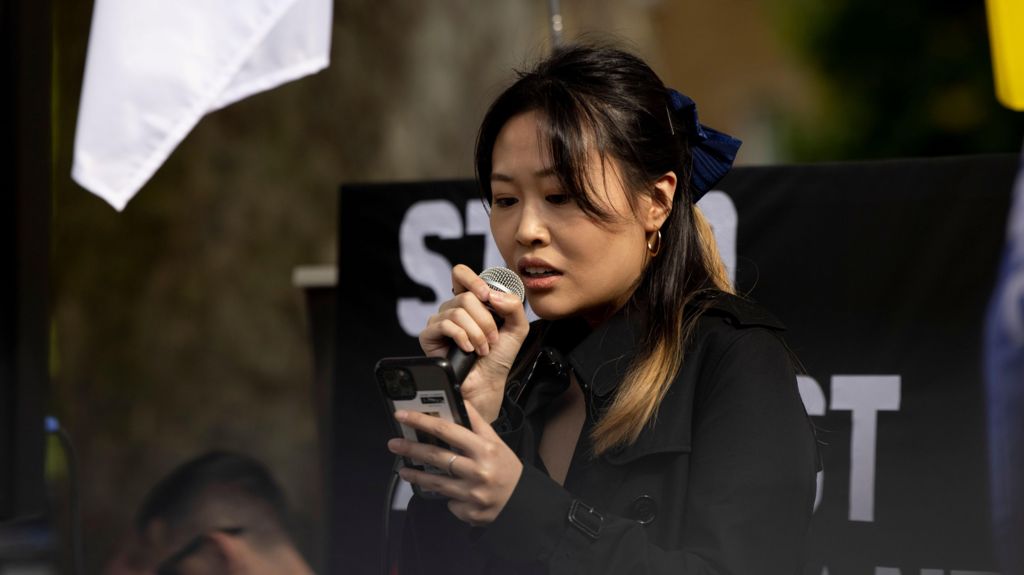
    A prominent Hong Kong pro-democracy activist residing in the United Kingdom has become the victim of an extensive harassment operation involving fabricated explicit materials. Carmen Lau, a 30-year-old exile who sought political asylum in Britain four years ago, reported that her neighbors in Maidenhead, Kent received malicious letters containing artificially generated pornographic imagery bearing her likeness.

    The correspondence, which originated from Macau according to postal markings, featured digitally manipulated photographs that superimposed Ms. Lau’s facial features onto explicit content, accompanied by text falsely presenting her as offering sexual services. The activist characterized the materials as ‘deeply unpleasant’ and expressed particular concern about the weaponization of artificial intelligence technology for gendered harassment campaigns.

    This incident represents an escalation of previous intimidation attempts against Ms. Lau. Last year, multiple neighbors received bounty letters purportedly from Hong Kong police authorities offering £95,000 for her capture and delivery to Chinese diplomatic facilities in London.

    Local Member of Parliament Joshua Reynolds (Liberal Democrat) has formally escalated the matter to both the Home Office and Foreign Office, demanding governmental action and accountability from Chinese authorities. Mr. Reynolds emphasized that targeting UK residents through such methods constitutes unacceptable behavior that requires diplomatic confrontation.

    The UK government has reiterated its stance against transnational repression, with officials previously condemning Hong Kong’s issuance of arrest warrants and bounties targeting political exiles. A government spokesperson affirmed that the security of Hong Kongers in Britain remains a priority, while law enforcement agencies have initiated investigations into the malicious correspondence.

  • Coca-Cola names a company veteran as its new CEO

    Coca-Cola names a company veteran as its new CEO

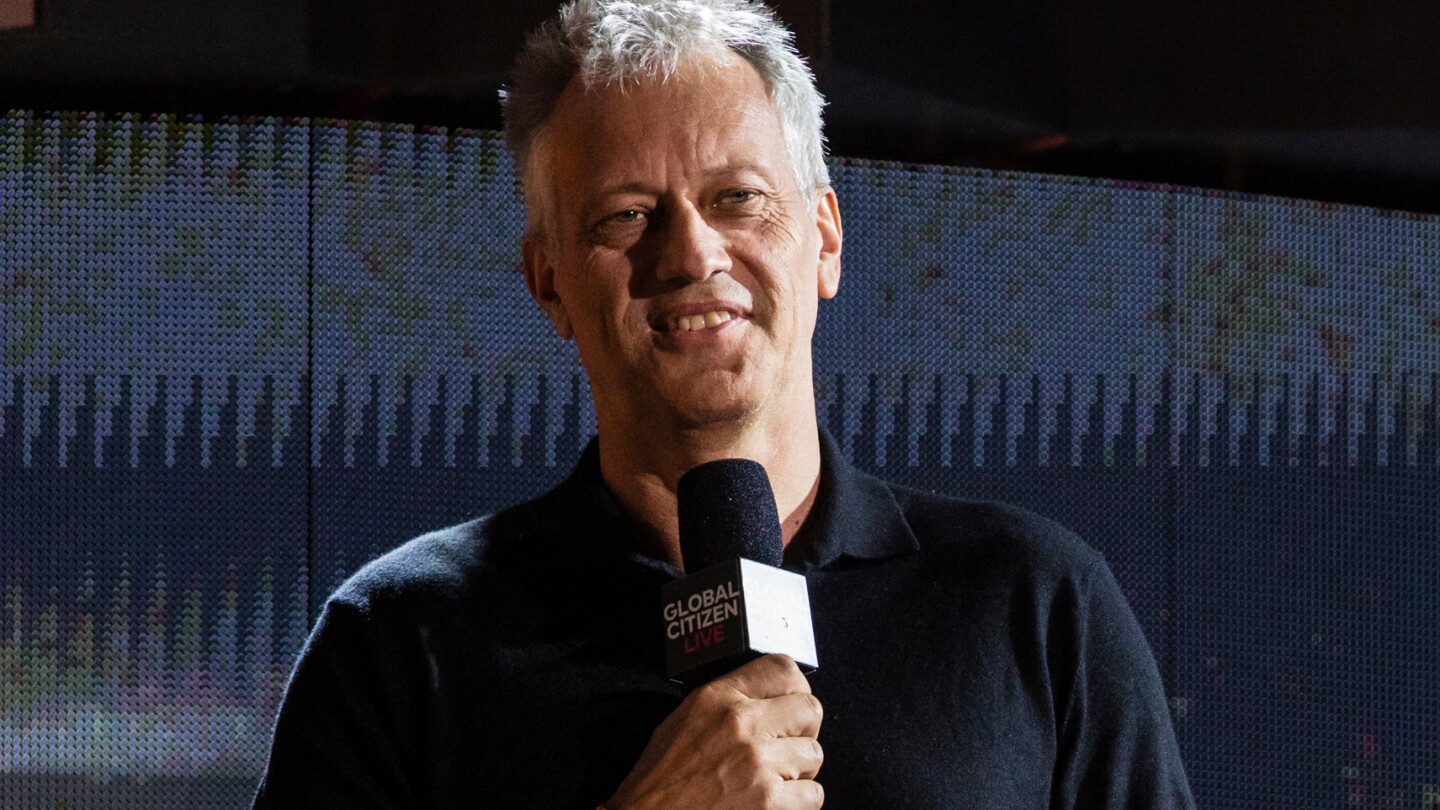
    In a significant corporate leadership announcement, Coca-Cola revealed Wednesday that Chief Operating Officer Henrique Braun will ascend to the chief executive role effective March 31, 2026. This carefully orchestrated transition will see current Chairman and CEO James Quincey move into the executive chairman position, ensuring continuity in the beverage giant’s strategic direction.

    The 57-year-old Braun brings three decades of extensive company experience to his future role, having most recently served as COO since earlier this year. His comprehensive career at Coca-Cola includes leadership positions across multiple international markets including Brazil, Latin America, Greater China and South Korea. Braun’s diverse expertise spans supply chain management, new business development, marketing innovation, and bottling operations management.

    Born in California and raised in Brazil, Braun’s educational background includes an agricultural engineering degree from the University Federal of Rio de Janeiro, complemented by a master of science degree from Michigan State University and an MBA from Georgia State University.

    David Weinberg, Coca-Cola’s lead independent director, praised outgoing CEO Quincey as a transformative leader who will maintain an active role in the business. During Quincey’s nine-year tenure, the company expanded its portfolio with over 10 additional billion-dollar brands including BodyArmor and Fairlife, while strategically entering the alcoholic beverage market with Topo Chico Hard Seltzer in 2021.

    Quincey’s leadership included a significant 2020 restructuring that streamlined operations by reducing the company’s brand portfolio by half and implementing workforce reductions. This strategic move aimed to focus investments on high-growth products such as Simply and Minute Maid juices.

    As this leadership transition unfolds, Coca-Cola faces ongoing challenges including subdued consumer demand in key markets like the United States and Europe, along with increasing scrutiny of product ingredients. Responding to market pressures, the company recently announced plans to introduce a cane sugar version of its flagship cola, moving away from high-fructose corn syrup.

    Weinberg expressed board confidence in Braun’s ability to leverage the company’s strengths and identify global growth opportunities. Market reaction remained neutral following the announcement, with Coca-Cola shares holding steady in after-hours trading.

  • Venezuelan opposition leader makes first public appearance after months in hiding

    Venezuelan opposition leader makes first public appearance after months in hiding

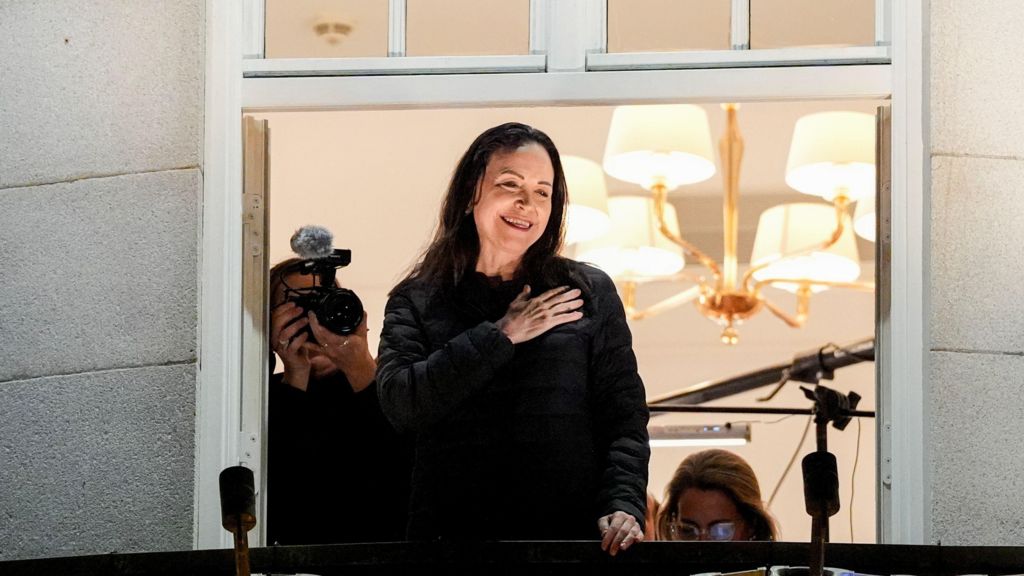
    In a dramatic appearance marking her first public outing since January, Venezuelan opposition leader María Corina Machado defied travel restrictions to personally accept the Nobel Peace Prize in Oslo. The political dissident, who had maintained a low profile following Venezuela’s contentious 2024 presidential election, emerged on the balcony of Oslo’s Grand Hotel to ecstatic cheers from supporters gathered below.

    Machado’s journey to Norway culminated in an emotional balcony moment where she placed her hand over her heart and joined supporters in song before personally greeting the crowd. The Nobel Institute recognized her tireless campaign for “achieving a just and peaceful transition from dictatorship to democracy” in Venezuela, making her the latest symbol of democratic resistance in authoritarian regimes.

    The ceremony took place against a backdrop of escalating tensions between Venezuela and the United States. On the same day as Machado’s appearance, President Donald Trump announced the U.S. military seizure of an oil tanker near Venezuelan waters, alleging connections to “illicit oil shipping networks supporting foreign terrorist organizations.” The Venezuelan government promptly condemned the action as outright piracy.

    Machado’s daughter, Ana Corina Sosa, initially accepted the award on her mother’s behalf during the formal ceremony, as speculation mounted about whether the opposition leader would risk international travel despite government prohibitions. The Nobel committee earlier released audio confirmation of Machado’s determination to attend, featuring her declaring: “I will be in Oslo, I am on my way.”

    In previous statements following her Peace Prize recognition, Machado notably praised President Trump, who has openly expressed his own aspirations for the prestigious award while maintaining military pressure on Venezuela’s government. The coincidence of these events highlights the complex geopolitical dynamics surrounding Venezuela’s political future.

  • US seizes oil tanker off the coast of Venezuela, Trump says

    US seizes oil tanker off the coast of Venezuela, Trump says

    In a dramatic escalation of geopolitical tensions, United States military forces have intercepted and seized a massive oil tanker off the Venezuelan coastline. President Donald Trump confirmed the operation during a White House briefing, characterizing the vessel as “very large, the largest one ever seized actually.”

    The seized tanker, identified by maritime risk firm Vanguard Tech as the ‘Skipper,’ was allegedly transporting sanctioned petroleum from Venezuela and Iran. US Attorney General Pam Bondi released operational footage showing military helicopters hovering above the vessel while armed troops descended onto the deck via ropes. According to official statements, the interception involved coordinated efforts between the FBI, Department of Defense, Homeland Security, and Coast Guard, utilizing two helicopters, ten Coast Guard members, ten Marines, and special forces personnel.

    Venezuela’s government immediately condemned the action as “international piracy” and a “grave international crime” in an official statement. Interior Minister Diosdado Cabello drew comparisons to pirate films, asserting that while fictional pirates might be heroes, “these guys are high seas criminals, buccaneers.” President Nicolás Maduro, speaking at a rally before the seizure was publicly announced, performed an adapted version of ‘Don’t Worry, Be Happy’ with modified lyrics advocating peace: “Not war, be happy. Not, not crazy war, not, be happy.”

    The operation occurs amid significant US military buildup in the Caribbean region, including the deployment of the aircraft carrier USS Gerald Ford and thousands of troops within striking distance of Venezuela. The Trump administration maintains that such actions target narcotics smuggling networks, having conducted at least 22 strikes on boats in the region since September resulting in approximately 80 fatalities.

    Financial markets responded to the seizure with increased oil prices due to short-term supply concerns. Analysts warn that the escalation could further disrupt Venezuela’s oil exports and create risks for international shippers. When questioned about the disposition of the confiscated oil, President Trump indicated “We keep it, I guess… I assume we’re going to keep the oil.” Defense Secretary Pete Hegseth was aware of the operation, and administration sources suggest similar actions may be considered in the future.

  • Indigenous deaths in custody in Australia hit highest level since 1980

    Indigenous deaths in custody in Australia hit highest level since 1980

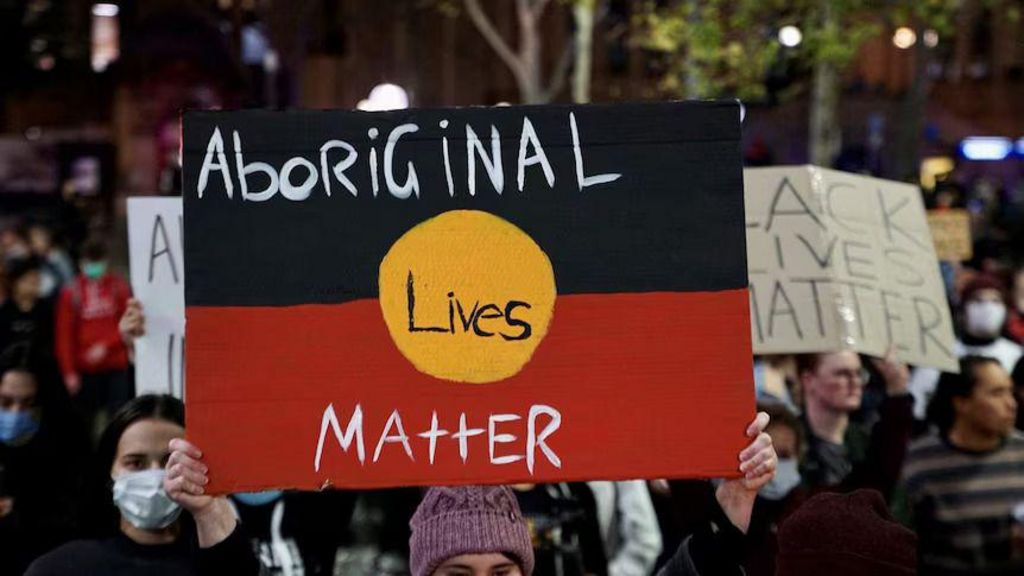
    Australia is confronting a severe national crisis as Indigenous custodial deaths have surged to unprecedented levels, reaching the highest recorded figure since official tracking began in 1980. According to newly released data from the Australian Institute of Criminology, 113 individuals died in custody during the twelve-month period ending June this year. Among these tragic fatalities, 33 were identified as Indigenous Australians—a significant increase from the 24 documented in the preceding year.

    This alarming trend underscores a profound overrepresentation of Aboriginal and Torres Strait Islander peoples within the criminal justice system. Although they constitute less than 4% of the national population, Indigenous individuals account for more than one-third of the country’s total prison population.

    The latest statistics arrive more than three decades after the landmark Royal Commission into Aboriginal Deaths in Custody, which issued hundreds of recommendations aimed at reforming the system. Despite this, the situation has deteriorated. Of the 33 Indigenous deaths reported, 26 occurred in prison custody—up from 18 the previous year—while one took place in youth detention. The remaining six fatalities happened in police custody. All but one of the deceased were male.

    Hanging was the most frequent cause of death, accounting for eight cases, while the majority of fatalities were classified as either self-inflicted or due to natural causes. Geographically, New South Wales recorded the highest number of deaths with nine, followed by Western Australia with six. Queensland, South Australia, and the Australian Capital Territory each reported three Indigenous deaths in custody.

    Magistrate Teresa O’Sullivan, the NSW state coroner, recently described the escalating numbers as a ‘profoundly distressing milestone,’ emphasizing that these are not ‘mere statistics’ but represent lives that demand ‘independent scrutiny, respect, and accountability.’

    The average age of those who died was 45 years, and 11 were awaiting sentencing at the time of their death. Associate Professor Amanda Porter, an expert in criminal law at the University of Melbourne, condemned the figures as evidence of a systemic failure requiring urgent political action. Having attended numerous inquests and funerals, Professor Porter expressed frustration that little has changed since the Royal Commission. In total, more than 600 Indigenous people have died in custody since the inquiry, including six children in youth detention.

  • Trump launches $1m ‘gold card’ immigration visas

    Trump launches $1m ‘gold card’ immigration visas

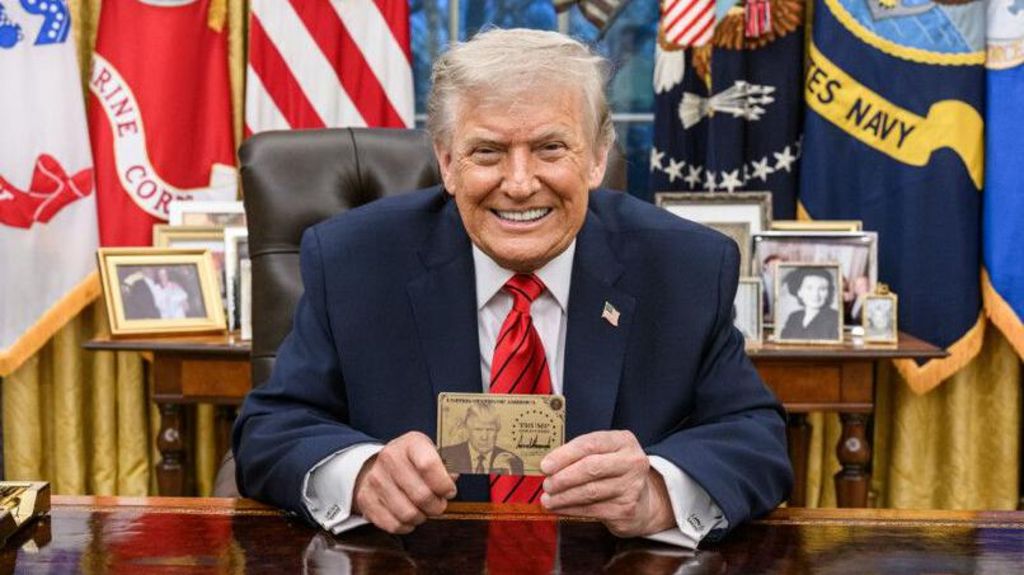
    The Trump administration has officially implemented its controversial premium immigration initiative, the Trump Gold Card program, creating a expedited pathway to U.S. residency for affluent foreign nationals. The program mandates a minimum investment of $1 million from individual applicants, while corporate sponsors must contribute $2 million plus additional fees.

    According to the program’s official website, the Gold Card provides qualified applicants with U.S. residency in “record time” and serves as “evidence that the individual will substantially benefit the United States.” President Trump promoted the initiative on social media, characterizing it as a “direct path to Citizenship for all qualified and vetted people” that will enable American companies to “keep their invaluable Talent.”

    The tiered program structure includes a forthcoming platinum version priced at $5 million that offers special tax advantages. All applicants must additionally pay a non-refundable $15,000 processing fee before their application undergoes review, with potential additional government fees depending on individual circumstances.

    This premium immigration pathway emerges alongside significant immigration policy restrictions implemented by the administration, including increased work visa fees, suspension of immigration applications from 19 countries predominantly in Africa and the Middle East, halted asylum application processing, and a $100,000 fee proposal for certain H-1B visa applicants currently abroad.

    The program has drawn substantial criticism since its initial announcement in February, particularly from Democratic opponents who argue it creates an inequitable immigration system favoring wealthy individuals. The administration maintains that the program specifically targets “high-level” professionals who will contribute to job creation and economic productivity.