博客

  • US judge orders Kilmar Abrego Garcia’s release from ICE custody

    US judge orders Kilmar Abrego Garcia’s release from ICE custody

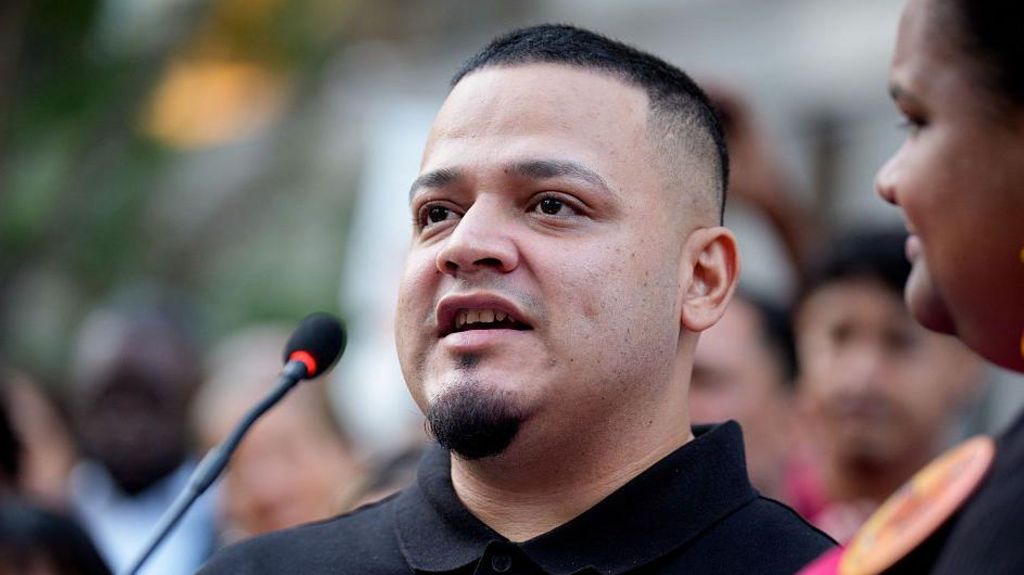
    In a significant judicial ruling, U.S. District Judge Paula Xinis has mandated the immediate release of Kilmar Abrego Garcia from immigration detention, declaring his continued confinement without legal authority. The decision marks a dramatic development in a case involving mistaken deportation and subsequent repatriation.

    Mr. Abrego Garcia was initially deported to El Salvador in March and incarcerated in CECOT prison under the Trump administration’s immigration enforcement operations. The U.S. government subsequently acknowledged this deportation as erroneous and returned him to the United States to face human smuggling charges in Tennessee, where he has remained detained pending trial.

    Judge Xinis’s ruling emphatically stated that since Abrego Garcia’s return from wrongful detention in El Salvador, he has been ‘re-detained, again without lawful authority.’ The court found that the government lacks a valid removal order, thereby preventing any potential deportation proceedings at this time.

    The case intersects with broader immigration policy controversies, as the Trump administration contends Abrego Garcia maintains affiliations with the MS-13 criminal organization—an allegation he consistently denies. This spring, administration officials transported numerous migrants accused of gang affiliations to Salvadoran prisons, despite existing court orders specifically prohibiting Abrego Garcia’s transfer to El Salvador.

    While separate criminal proceedings regarding human smuggling charges continue in Tennessee—where Abrego Garcia has pleaded not guilty—Judge Xinis determined that his immigration detention lacked legal justification. The federal court in Maryland handling his deportation challenge has ordered his release under conditions set by the Tennessee court overseeing his criminal case.
  • Ukraine hands US revised peace plan proposal, Germany says

    Ukraine hands US revised peace plan proposal, Germany says

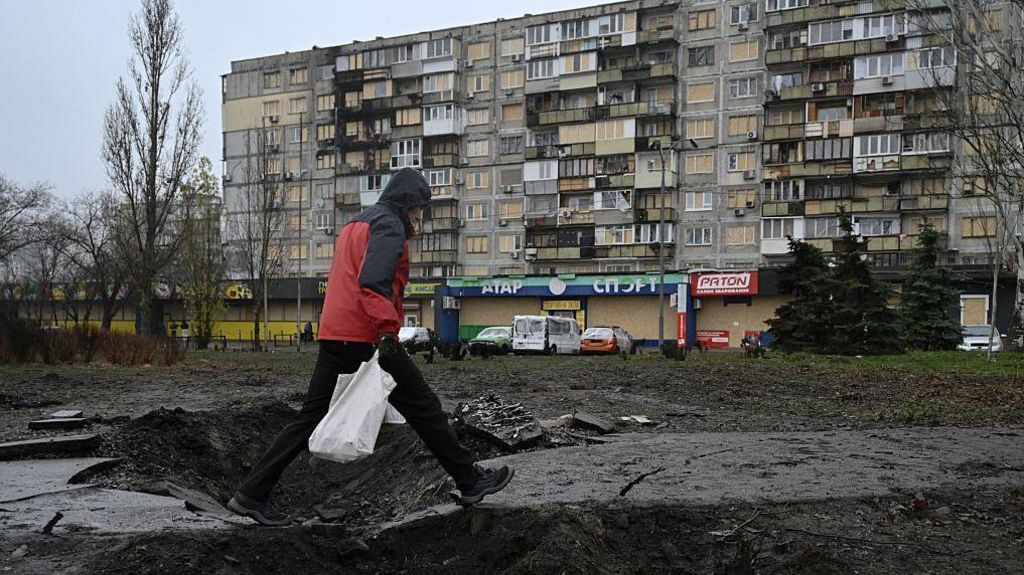
    German Chancellor Friedrich Merz has confirmed that European leaders have submitted a comprehensive peace plan for Ukraine to U.S. President Donald Trump, containing potential territorial concessions that Kyiv might consider. Merz emphasized that ultimate decisions regarding territory “must be answered primarily by the Ukrainian president, and the Ukrainian people,” a position explicitly communicated to the American administration.

    The diplomatic initiative comes after weeks of intensive coordination between European capitals and Kyiv to develop a negotiated framework addressing Ukraine’s security interests. Concerns persist among European allies regarding Trump’s potential alignment with Russian objectives, given his administration’s previous engagement with Moscow. Chancellor Merz cautioned against imposing an unsustainable peace, stating it “would be a mistake to force the Ukrainian president into a peace that his people will not accept after four years of suffering and death.”

    During a Wednesday phone conversation described as constructive, Merz, alongside French President Emmanuel Macron and UK Prime Minister Keir Starmer, asserted that European interests must be integral to any settlement. President Trump acknowledged discussing Ukraine “in pretty strong words” but remained noncommittal about attending proposed European negotiations, noting “we don’t want to be wasting time.”

    The territorial status of occupied eastern regions represents a critical obstacle. Russia demands complete Ukrainian withdrawal from contested areas in Luhansk and Donetsk—a condition Kyiv rejects both constitutionally and morally. President Volodymyr Zelensky has consistently stated Ukraine lacks “legal right or moral right” to cede territory under national and international law.

    As Zelensky convenes further talks with the coalition of allied leaders, Moscow maintains strategic silence while promoting narratives of Russo-American alignment. Russian Foreign Minister Sergei Lavrov praised Trump’s diplomatic efforts, claiming recent Kremlin meetings with U.S. envoy Steve Witkoff resolved misunderstandings stemming from last summer’s Alaska summit. Lavrov reiterated Moscow’s opposition to international security guarantees for Ukraine, instead proposing Russian legal assurances against attacking NATO or EU nations—offers met with skepticism given historical violations of previous agreements.

    With Ukraine’s electoral status suspended under martial law, Zelensky has conditioned elections on security guarantees from Western partners. NATO Secretary General Mark Rutte concurrently warned of insufficient alliance preparedness, emphasizing that “Russia’s next target” requires urgent preventive measures to avoid continental conflict on a historical scale.

  • Photo of Qinglong Mountain egg fossil featured in top chemistry publication for groundbreaking dating research

    Photo of Qinglong Mountain egg fossil featured in top chemistry publication for groundbreaking dating research

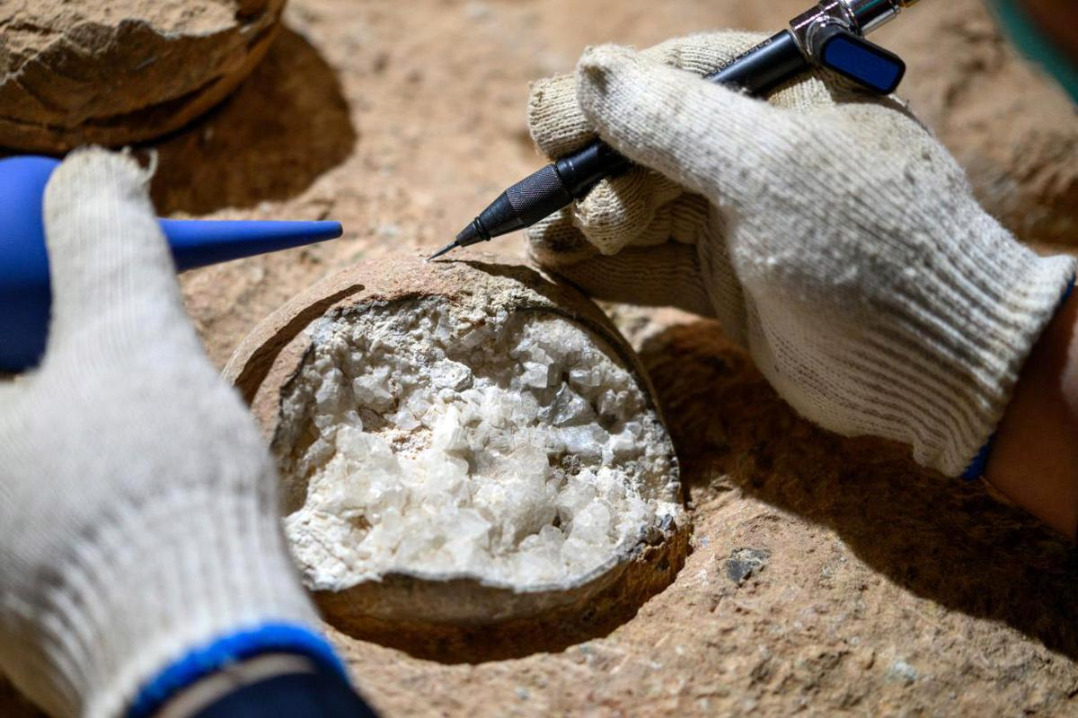
    A groundbreaking scientific achievement from China’s Qinglong Mountain has received international acclaim in the field of chemistry. The prestigious publication Chemical & Engineering News has featured a crystalline dinosaur egg fossil discovery from Shiyan, Hubei province, in its annual “The Year in Chemistry Through Pictures” collection, recognizing it as exemplary of how chemistry enhances our understanding of the natural world.

    The selection, announced on December 2, 2025, highlights the most influential chemical developments globally. The recognition stems from pioneering research led by Zhao Bi, a senior engineer at the Hubei Institute of Geosciences in Wuhan, who emphasized the study’s significant innovation in geochronological methodology.

    This research represents the first successful application of isotopic geochronology to biogenic eggshell minerals, establishing a novel approach for dating dinosaur fossils. The breakthrough provides unprecedented capabilities for refining our understanding of Cretaceous environments and evolutionary timelines. The technique offers new perspectives on dinosaur ecology and extinction causes, potentially revolutionizing paleontological dating methods.

    The fossil’s inclusion among the year’s most notable chemical achievements underscores China’s growing contribution to advanced scientific research and international scientific collaboration, demonstrating how chemical analysis can unlock mysteries of prehistoric life.

  • Powell and Lyles helping Jamaica hurricane victims

    Powell and Lyles helping Jamaica hurricane victims

    In an inspiring display of solidarity beyond the racetrack, Jamaican sprint icon Asafa Powell and American Olympic champion Noah Lyles have joined forces to support communities devastated by Hurricane Melissa in Jamaica. The catastrophic Category 5 storm struck the Caribbean island in October 2025, claiming at least 28 lives and causing widespread destruction.

    Powell, the two-time 100m world record holder and 2016 Olympic gold medalist, has been actively engaged in relief efforts within his homeland. Based in Kingston, the retired athlete has personally visited the most severely impacted regions to assess needs and provide assistance. He described confronting profoundly distressing scenes of human suffering, including families with infants and individuals unable to perform basic hygiene for days following the disaster.

    The collaboration between these athletic rivals symbolizes how sportsmanship transcends competition during humanitarian crises. Powell emphasized that the historic rivalry between Jamaican and American sprinters has created a foundation for mutual support when it matters most. Their joint initiative focuses on delivering tangible assistance to those displaced by the hurricane.

    Already making significant impact, Powell recently provided two families with permanent housing solutions. Emotional scenes accompanied these gestures, with both recipients and Powell’s wife moved to tears during the home presentations. The former sprinter reflected on the profound satisfaction derived from supporting the same communities that consistently cheered his athletic achievements.

    While committed to monthly contributions himself, Powell issued a compelling appeal to major international organizations to sustain their engagement beyond the initial emergency response phase. He emphasized the need for long-term rebuilding commitments, particularly as global attention shifts to other crises. Powell noted the increasing frequency of natural disasters worldwide while expressing particular concern for his nation’s complete recovery.

  • China sees jump in number of students returning from overseas in 2024

    China sees jump in number of students returning from overseas in 2024

    China is experiencing a significant acceleration in the return of its overseas-educated talent, with official data revealing a substantial surge in students choosing to return home after completing their studies abroad. According to figures released by the Ministry of Education at a Shanghai event on Thursday, December 11th, 2025, the nation welcomed back 495,000 returnees in 2024 alone. This marks a notable increase of 79,400 individuals, representing a year-on-year growth rate of 19.1 percent.

    The data was unveiled during the 30th-anniversary commemoration of the ministry’s ‘Chunhui’ (Spring Light) program. This long-standing initiative is designed to encourage Chinese scholars abroad to contribute their expertise to national development. The statistics further contextualize this trend within China’s broader educational history since its reform and opening-up policy began in 1978. Over this 46-year period, an estimated 8.88 million Chinese citizens pursued education overseas. Of the 7.43 million who have completed their studies, a decisive majority—6.44 million—have chosen to return to China.

    A particularly striking trend emerges from the post-2012 era. The ministry reported that a staggering 5.63 million students have returned to China since 2012, accounting for approximately 87 percent of all returnees since the late 1970s. This indicates not only a recent acceleration in the reversal of the ‘brain drain’ phenomenon but also suggests a powerful and sustained momentum in China’s ability to attract its global talent back home, potentially reshaping its innovation landscape and labor market.

  • From Iran to China to Venezuela – how tanker seized by US hid true location

    From Iran to China to Venezuela – how tanker seized by US hid true location

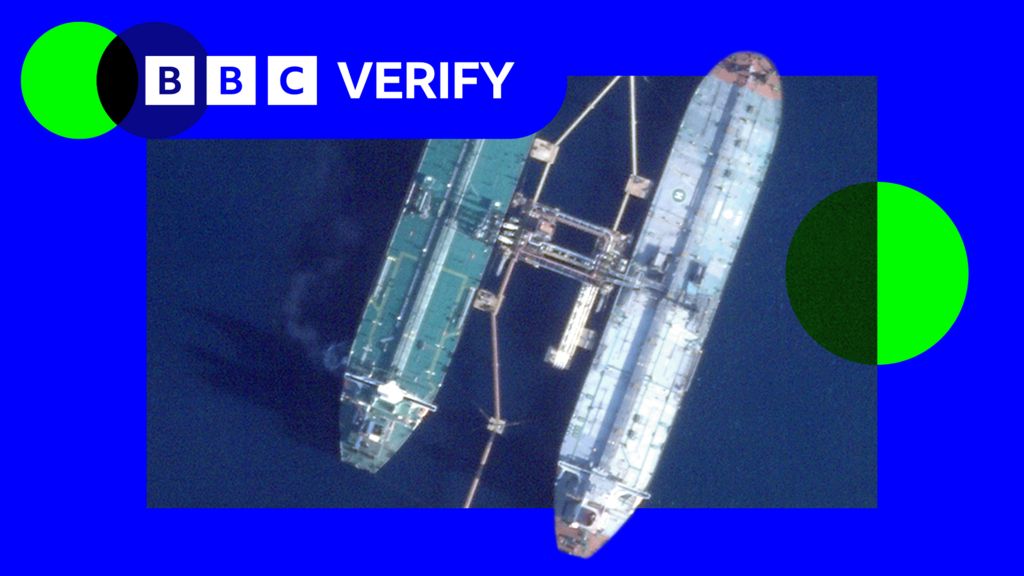
    In a significant maritime enforcement action, US military forces have captured the oil tanker ‘Skipper’ near the Venezuelan coast, exposing sophisticated methods employed by vessels evading international oil sanctions. The operation, conducted via helicopter raid on Wednesday, targeted a vessel with an extensive history of deceptive practices, according to ship tracking analyses.

    Maritime intelligence reveals the 20-year-old tanker systematically falsified its location data and engaged in covert operations to transport sanctioned oil from Venezuela and Iran. Despite requirements under UN treaty for vessels to maintain operational Automatic Identification Systems (AIS), the Skipper consistently manipulated its tracking signals in a practice known as ‘spoofing’ to conceal its activities.

    US Attorney General Pam Bondi identified the vessel as a critical component of an ‘international oil smuggling network,’ originally sanctioned in 2022 when operating under the name Adisa. The tanker had most recently sailed under the Guyanese flag, though the government quickly disavowed any legitimate registration, stating the vessel was ‘falsely flying the Guyana Flag.’

    Analysts from maritime analytics firm Kpler documented the vessel’s elaborate deception patterns. While its AIS indicated presence at Iraq’s Basrah Oil Terminal in July, terminal records showed no such visit. Instead, the vessel loaded Iranian crude at Kharg Island before conducting ship-to-ship transfers in August and ultimately delivering its cargo to China under false declarations.

    The Skipper’s most recent activities involved loading approximately 1.1 million barrels of Merey crude from Venezuela’s Port of Jose in November, with Cuba listed as its destination. Satellite imagery confirmed the vessel participated in another ship-to-ship transfer just days before its seizure, occurring near Venezuela’s coast at Barcelona despite previous tracking showing it near Guyana.

    Maritime security expert Frederik Van Lokeren, former Belgian naval lieutenant, noted that while such transfers aren’t inherently illegal, they remain ‘extremely uncommon’ and typically indicate sanctions evasion attempts. He emphasized Venezuela’s growing dependence on Iranian and Russian allies for refining capacity amid degraded domestic capabilities.

    The vessel’s ownership structure reveals complex international connections, with beneficial ownership attributed to Nigeria-based Thomarose Global Ventures Ltd and registered ownership to Marshall Islands-based Triton Navigation Corp. The latter entity was previously identified by US Treasury as facilitating a global oil smuggling network for sanctioned Russian magnate Viktor Artemov.

    This seizure highlights ongoing challenges in enforcing oil sanctions against Venezuela, imposed by the US in 2019 to pressure President Nicolás Maduro’s administration amid widespread election rigging allegations. Industry analysts note that position spoofing and dark fleet operations have become increasingly common among vessels transporting sanctioned Venezuelan oil.

  • China’s Hezhen Yimakan storytelling inscribed on UNESCO Representative List

    China’s Hezhen Yimakan storytelling inscribed on UNESCO Representative List

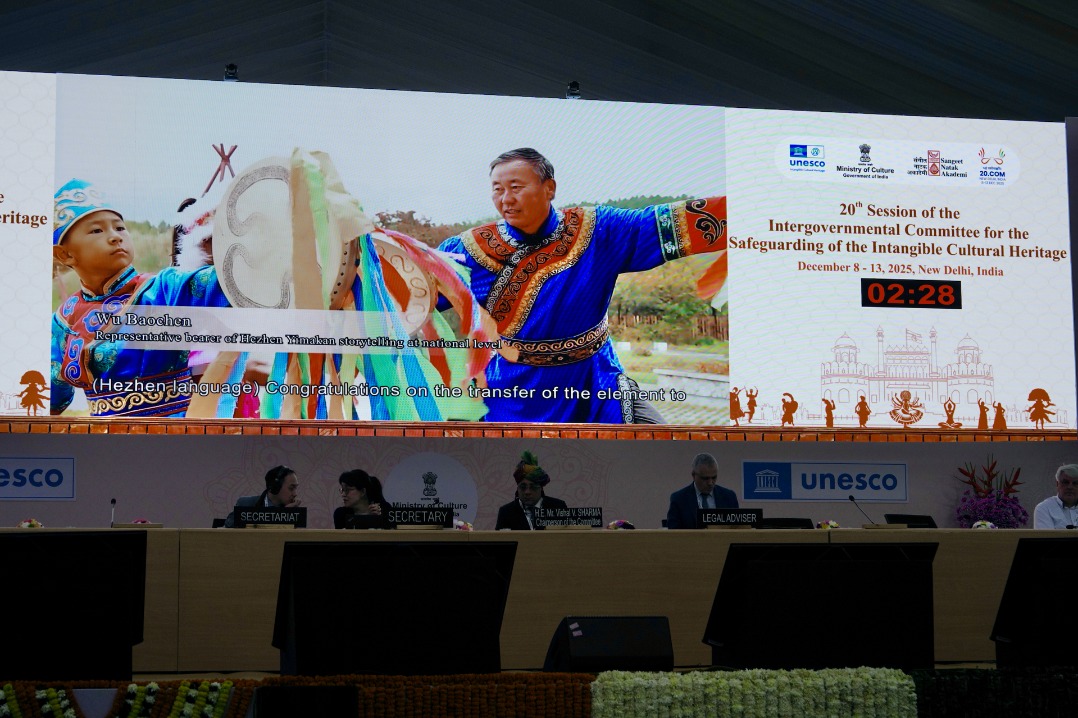
    In a landmark decision at its 20th regular session in New Delhi, UNESCO’s Intergovernmental Committee for the Safeguarding of the Intangible Cultural Heritage has granted dual recognition to China’s Hezhen Yimakan storytelling tradition. The ancient oral practice has been officially transferred from the List of Intangible Cultural Heritage in Need of Urgent Safeguarding to the prestigious Representative List of the Intangible Cultural Heritage of Humanity.

    The committee simultaneously inscribed the safeguarding program for Hezhen Yimakan storytelling into the Register of Good Safeguarding Practices, marking the first time any cultural element has achieved both distinctions concurrently. This unprecedented double recognition follows China’s successful transfer of three cultural elements in 2024, including Li textile techniques.

    Hezhen Yimakan represents the rich cultural tapestry of the Hezhe ethnic group, serving as a living repository of their history, heroic narratives, traditional fishing and hunting practices, ritual ceremonies, and moral codes. This unique art form blends prose and verse delivery in the Hezhe language, fulfilling multiple social functions including historical documentation, intergenerational education, and community entertainment.

    Since its initial inclusion on the Urgent Safeguarding List in 2011, collaborative efforts among tradition bearers, community organizations, research institutions, and government agencies have significantly strengthened the tradition’s viability. China’s community-centered preservation approach has enhanced both intergenerational transmission and global visibility of this cultural treasure.

    The successful transfer follows China’s submission of a comprehensive periodic report to UNESCO in December 2023, which detailed the remarkable recovery of the tradition. The committee’s examination and approval at its 19th session in December 2024 acknowledged China’s effective safeguarding measures while encouraging continued community engagement.

    This achievement brings China’s total representations across UNESCO’s Intangible Cultural Heritage lists to 45, comprising 40 on the Representative List, three on the Urgent Safeguarding List, and two on the Register of Good Safeguarding Practices.

  • The US threatens to cut aid to South Sudan, citing its treatment of humanitarian groups

    The US threatens to cut aid to South Sudan, citing its treatment of humanitarian groups

    The United States has issued a stern warning to South Sudan’s government, indicating potential significant reductions in foreign assistance due to alleged obstruction of humanitarian operations. In an official statement released Thursday by the State Department’s Bureau for African Affairs, American officials accused Juba of imposing prohibitive fees on aid organizations and creating operational barriers that violate international obligations.

    Washington revealed it has channeled over $9.5 billion in assistance to South Sudan since the nation gained independence in 2011. This substantial support contrasts sharply with the approximately $25 billion in oil revenues collected by the South Sudanese government, which has reportedly failed to translate into meaningful public service development.

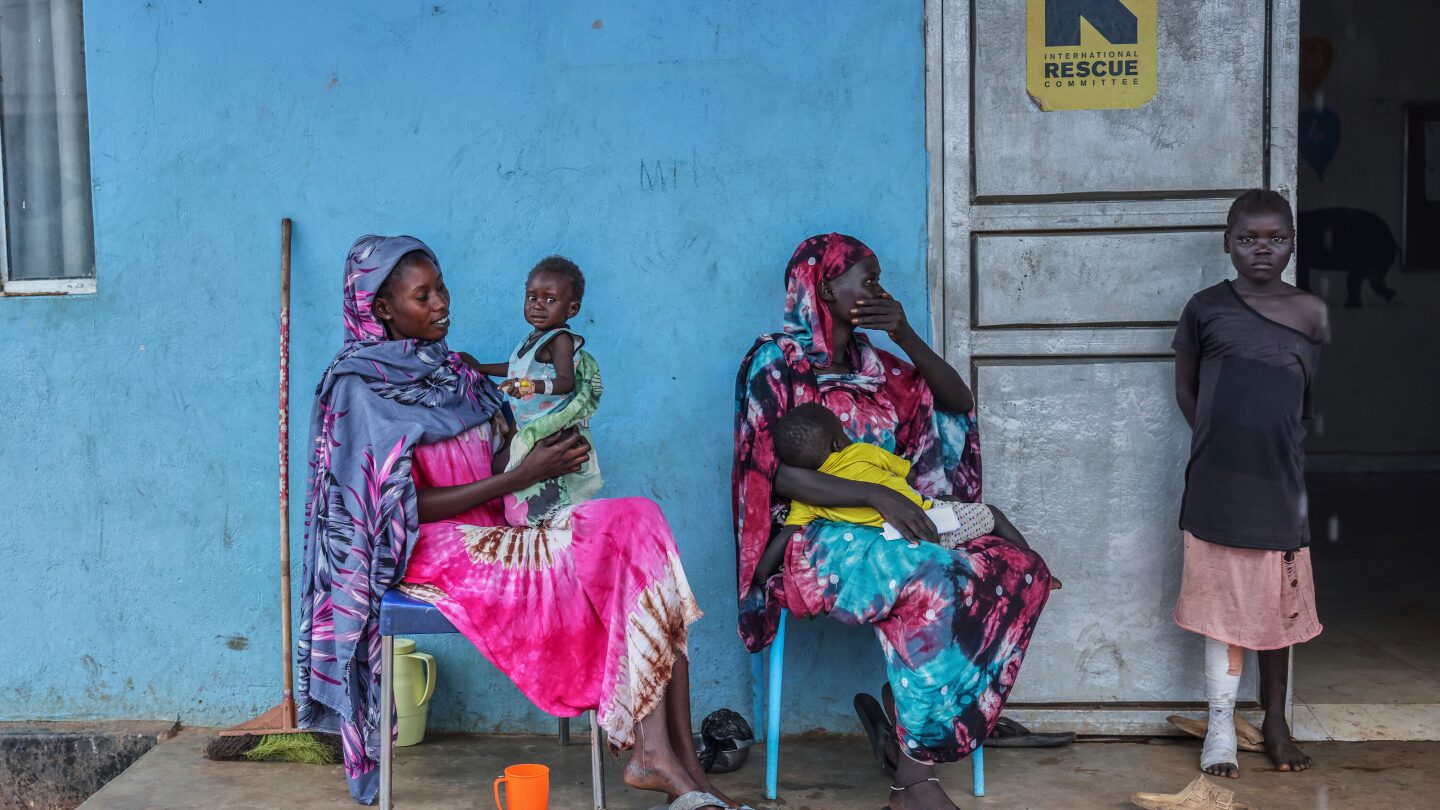
    The humanitarian situation remains critical, with United Nations data indicating more than 70% of South Sudan’s 11 million citizens depend on external aid for basic survival needs including food and healthcare. The U.S. statement attributed this crisis directly to systemic governance failures, misappropriation of public funds, security instability fostered by national leadership, and what it termed ‘predatory rent-seeking’ behavior targeting humanitarian resources.

    This diplomatic confrontation marks the latest strain in bilateral relations between the two nations. Earlier this year, the U.S. suspended visa issuances to South Sudanese citizens following a deportation-related diplomatic dispute. The South Sudanese government had not issued an immediate response to the latest allegations at the time of reporting.

  • Bulgarian PM and government resign after mass protests

    Bulgarian PM and government resign after mass protests

    Bulgaria’s political landscape underwent a seismic shift as Prime Minister Rosen Zhelyazkov announced the resignation of his minority government following massive nationwide demonstrations against alleged corruption. The dramatic decision came just hours before a scheduled parliamentary no-confidence vote and mere weeks before Bulgaria’s planned adoption of the euro currency on January 1st.

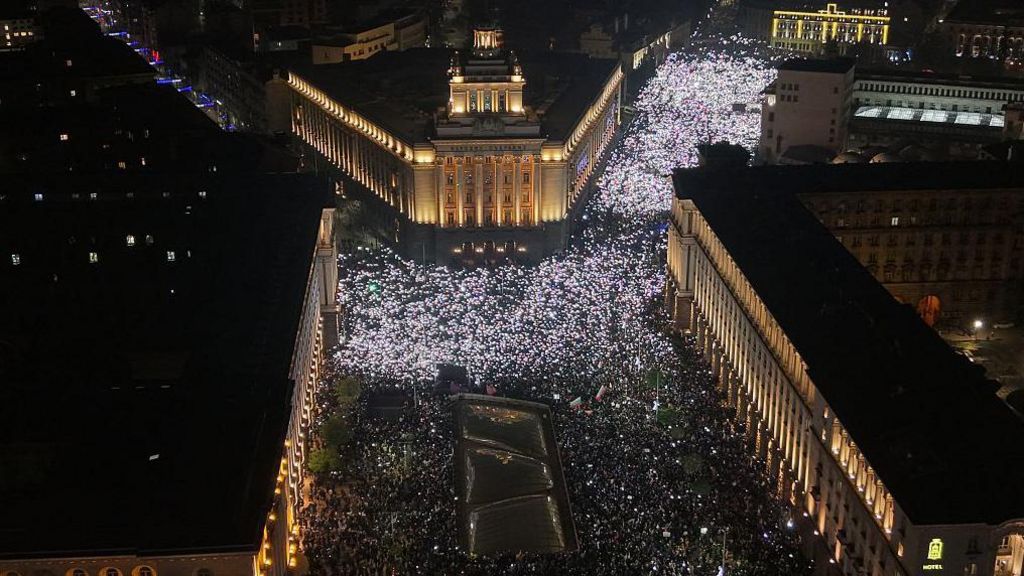
    Central Sofia witnessed an extraordinary display of public discontent as between 50,000 to 100,000 protesters flooded the Triangle of Power and Independence Square on Wednesday evening. The parliament building itself became a canvas for dissent with projections reading ‘Resignation’ and ‘Mafia Out’ illuminating its facade. These demonstrations, organized under the banner ‘Resignation! Peevski and Borissov Out of Power,’ targeted two controversial political figures: oligarch Delyan Peevski, who faces international sanctions for alleged corruption, and former Prime Minister Boyko Borissov.

    The government’s collapse marks the culmination of months of political tension. Despite surviving five previous no-confidence votes since taking power in January, Zhelyazkov’s administration could not withstand the growing public outrage. Last week, the government had already withdrawn a controversial budget proposal in response to initial protests, but this concession failed to quell the movement.

    In a televised address, Zhelyazkov acknowledged the public’s demands: ‘We hear the voice of citizens protesting against the government. Both young and old have raised their voices for our resignation. This civic energy must be supported and encouraged.’ The government website confirmed ministers would maintain their positions temporarily until a new cabinet forms.

    The political turmoil occurs against the backdrop of Bulgaria’s persistently low ranking on Transparency International’s corruption index, where it trails behind most European nations. Despite the governmental crisis, financial analysts suggest Bulgaria’s transition to the eurozone remains on track, with the central bank confirming the changeover schedule remains unaffected.

    President Rumen Radev, who had previously endorsed the protesters’ demands, now faces the challenge of facilitating a smooth political transition during this critical period for the Balkan nation.

  • Supply and marketing fair held in Lhasa

    Supply and marketing fair held in Lhasa

    Lhasa, the capital of China’s Xizang Autonomous Region, became a vibrant marketplace on December 10, 2025, as it hosted a comprehensive supply and marketing fair at a local park. The event transformed the urban green space into a bustling economic hub, featuring an extensive collection of over 1,000 distinctive agricultural products native to the Tibetan plateau.

    The fair served as a commercial platform highlighting the region’s unique agricultural heritage, with particular emphasis on highland barley derivatives, premium yak meat products, and traditional dairy items. These offerings represent not just commercial goods but centuries-old culinary traditions preserved by local farmers and herdsmen.

    Visitors engaged enthusiastically with vendors, examining and selecting from an array of authentic specialties while learning about their origins and production methods. The event’s design specifically facilitated direct interaction between producers and consumers, eliminating intermediary distribution channels.

    This initiative forms part of broader regional efforts to strengthen rural economies by creating direct market access for agricultural producers. By providing this platform, organizers aimed to boost income generation for farming and herding communities while simultaneously offering urban residents access to genuine regional products.

    The successful execution of this fair demonstrates the growing economic vitality of Xizang’s agricultural sector and its increasing integration with consumer markets. Such events contribute significantly to preserving cultural traditions while adapting them to contemporary economic frameworks, ensuring both economic benefits and cultural preservation.