博客

  • Tricked, abducted and abused: Inside China’s schools for ‘rebellious’ teens

    Tricked, abducted and abused: Inside China’s schools for ‘rebellious’ teens

    A groundbreaking BBC Eye investigation has uncovered widespread physical and sexual abuse within a network of Chinese disciplinary schools operated by military veteran Li Zheng and his associates. The investigation reveals how these institutions, marketed as solutions for rebellious youth, have systematically violated human rights with parental consent and impunity.

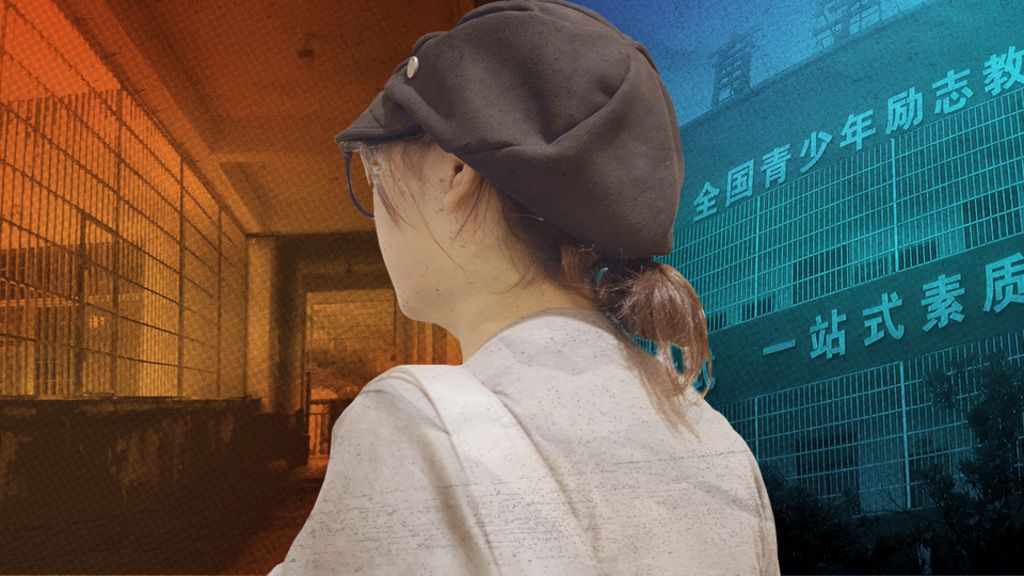
    Former students provided harrowing accounts of their experiences at Lizheng Quality Education School and affiliated institutions. Baobao (pseudonym), now 19, described six months of torture at age 14 where instructors beat non-compliant students until they couldn’t sleep on their backs. The psychological trauma remains so severe that the smell of rain-soaked soil still triggers panic attacks, reminding her of military drills behind locked gates.

    The investigation compiled testimony from 23 former students who reported brutal beatings, forced extreme exercise, and sexual violence. Zhang Enxu, a 20-year-old transgender woman, recounted being abducted by men posing as police with her parents’ approval and subsequently raped at Shengbo Youth Psychological Growth Training School. She also suffered permanent hearing damage from beatings.

    Undercover footage exposed the network’s abduction methods, with staff impersonating internet regulators to forcibly transport students. Parents pay substantial fees—approximately $5,700 for six months—for programs that promise behavioral correction through military-style discipline but deliver systematic abuse instead.

    Despite numerous abuse allegations over years and Li Zheng’s recent arrest for organized crime, the network persists through rebranding and relocation. Former associates have established new facilities, with one counselor boasting of ‘huge profits’ and suggesting annual fees of $25,000 per student in potential expansions.

    Chinese authorities have intermittently closed facilities following public outcry or student suicides, but regulatory gaps enable continuous operation. The industry operates in a governance vacuum between local education, civil affairs, and market regulation authorities, creating a ‘shadow industry’ that persists without centralized oversight.

    The Chinese embassy in London stated that all educational institutions must comply with regulations protecting minors, but victims continue fighting for full closure of all disciplinary schools they describe as fundamentally flawed systems that ‘simply shouldn’t exist.’
  • Thai PM dissolves parliament to ‘return power to people’

    Thai PM dissolves parliament to ‘return power to people’

    Thailand’s political landscape faces renewed upheaval as Prime Minister Anutin Charnvirakul has dissolved parliament, triggering snap elections within 45-60 days. This decisive move comes amid escalating border tensions with Cambodia that have resulted in deadly clashes over the past week.

    The minority government, in power for merely three months, has struggled to contain the deteriorating border situation along with other pressing challenges. In an official decree published Friday, Anutin acknowledged his administration’s difficulties in managing these crises effectively.

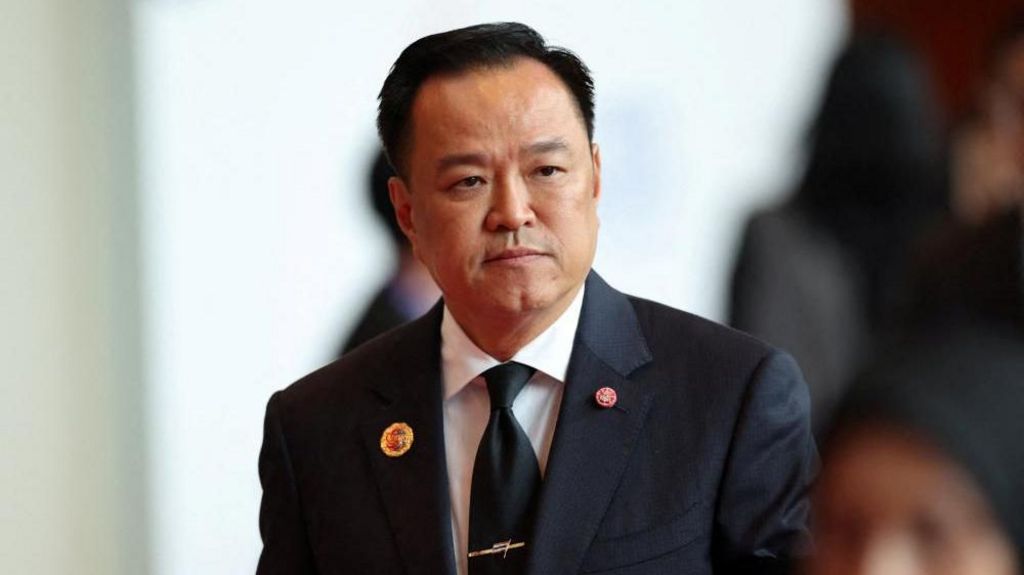
    “The appropriate solution is to dissolve parliament… which is a way to return political power to the people,” stated the Prime Minister, who assumed leadership in September 2023. The business magnate becomes Thailand’s third premier since August 2023, highlighting the nation’s prolonged political instability.

    While Anutin had previously committed to dissolving parliament by January’s end, the timeline accelerated considerably due to an impending no-confidence vote that threatened his fragile coalition government. The administration has additionally faced severe criticism for its handling of catastrophic flooding that devastated southern Thailand last month, further undermining public confidence.

    The dissolution marks a critical juncture for Thai democracy as the nation prepares for its first general election since the previous government’s collapse. Political analysts suggest the border conflict with Cambodia and domestic disaster response failures have created a perfect storm that forced Anutin’s hand in calling early elections.

  • Fears grow that world’s rarest apes were swept away in Sumatran floods

    Fears grow that world’s rarest apes were swept away in Sumatran floods

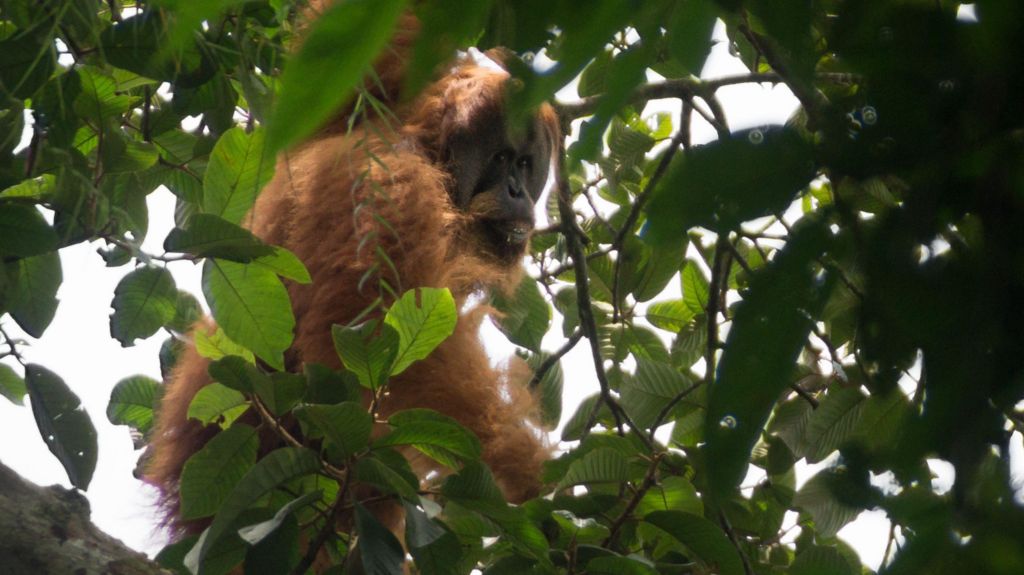
    Conservationists are confronting a deeply troubling silence across the mountainous forests of Batang Toru in North Sumatra, Indonesia, where the world’s rarest great ape—the Tapanuli orangutan—has vanished following the catastrophic Cyclone Senyar. The storm ravaged the island on November 25, triggering deadly floods and landslides that have claimed over 900 human lives and left hundreds missing. But the ecological impact may extend to pushing an already critically endangered species closer to extinction.

    Since the cyclone, field workers have reported no sightings or vocalizations of Tapanuli orangutans in their primary habitat. The alarming disappearance has been compounded by the discovery of a primate carcass, believed to be one of the great apes, partially buried under mud and debris in Pulo Pakkat village. Deckey Chandra, a humanitarian responder and former orangutan conservation worker, described the grim finding: “I have seen several dead bodies of humans… but this was the first dead wildlife. They used to come to this place to eat fruits. But now it seems to have become their graveyard.”

    Satellite imagery analysis led by Professor Erik Meijaard of Borneo Futures reveals catastrophic habitat loss. Preliminary estimates indicate between 4,800 to 7,200 hectares of primary forest—critical orangutan territory—were obliterated by landslides. “The destroyed areas would have contained some 35 orangutans,” noted Prof. Meijaard. “Considering the violence of the destruction, it wouldn’t surprise us if they are all dead. That’s a major blow to the population.”

    The Tapanuli orangutan (Pongo tapanuliensis), formally identified as a distinct species in 2017, numbers fewer than 800 individuals. Its survival is intricately linked to this specific region of Sumatra. Experts like Prof. Serge Wich of Liverpool John Moores University explain that while orangutans instinctively shelter during heavy rain, the scale and suddenness of these landslides would have made escape nearly impossible.

    Further compounding the crisis, the cyclone severely damaged vital research and conservation infrastructure, including the historic Ketambe research station in Aceh—the world’s first orangutan research center. Dr. Ian Singleton emphasized the urgent need for rebuilding to continue forest protection efforts.

    The disaster has also impacted other endangered species, such as the Sumatran elephant, highlighting the broad ecological toll of the cyclone. As Indonesia grapples with severe weather aftermath, the fate of the Tapanuli orangutan hangs in a precarious balance, symbolizing the profound intersection of climate disasters and biodiversity conservation.

  • Myanmar’s army says it wants to eradicate scam compounds. Is it really doing that?

    Myanmar’s army says it wants to eradicate scam compounds. Is it really doing that?

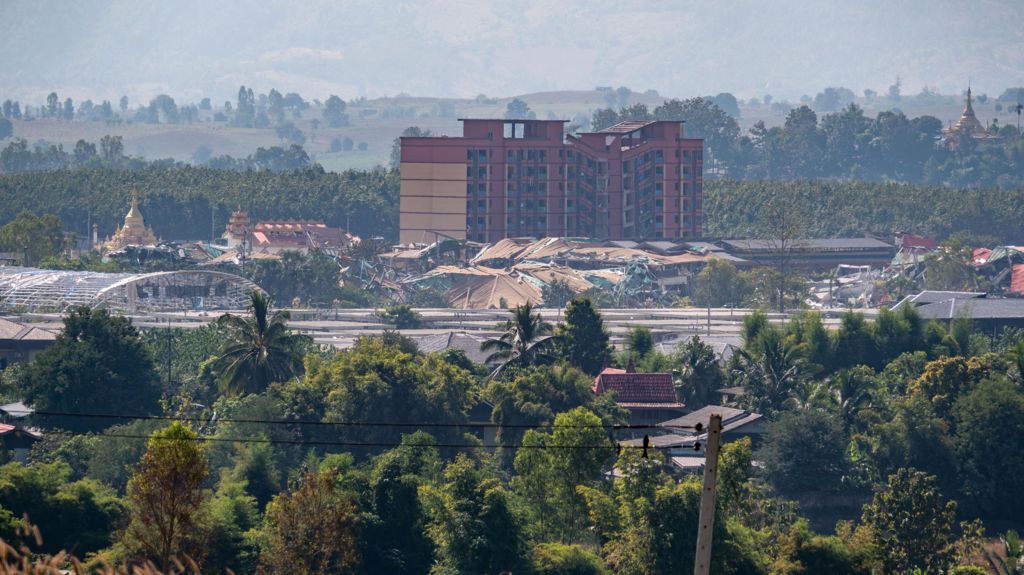
    Thunderous explosions shattered the tranquility of the Moei River bordering Thailand and Myanmar as military forces deployed explosives to demolish structures within the infamous KK Park scam compound. The operation marks an unprecedented convergence of Myanmar’s protracted civil conflict and its multi-billion dollar cybercrime epidemic that has plagued Southeast Asia.

    Myanmar’s junta, reinforced by Russian and Chinese military equipment including drones, has launched counter-offensives against insurgent groups ahead of controversial elections scheduled later this month. In Karen State, the military successfully pushed back the Karen National Union (KNU), which has resisted military rule for eight decades. The October assault on KK Park represented a dramatic shift in policy toward the scam operations that authorities had previously ignored.

    Videos released by state media showed soldiers confiscating thousands of electronic devices and satellite equipment before systematically destroying buildings. Yet skepticism surrounds these actions, as the military has long benefited from alliances with local warlords who protect and profit from Chinese-led criminal syndicates operating these facilities.

    The global impact of these scam centers is staggering. Billions of dollars have been stolen through sophisticated romance scams, fraudulent cryptocurrency schemes, and fake investment opportunities targeting vulnerable populations worldwide. The industry’s darkest aspects involve human trafficking, forced labor, and systematic abuse of workers lured into the compounds.

    International pressure, particularly from China whose citizens comprise both perpetrators and victims, has intensified. While the KK Park operation appears responsive to these concerns, evidence suggests the demolition was largely performative. Many buildings remain functional, and Starlink satellite dishes visible on rooftops indicate ongoing operations. Most scam bosses have simply relocated to more remote border areas, with new compounds already emerging near contested border crossings.

    The KNU’s unexpected capture of two additional scam compounds in Minletpan provided rare insight into the industry’s workings. Unlike the military’s evidence destruction, the KNU documented operations and invited international scrutiny before junta shelling forced abandonment of the sites.

    This borderland drama underscores the junta’s desperate attempt to gain legitimacy through elections while continuing to profit from criminal enterprises that remain deeply embedded in Myanmar’s conflict economy.

  • Chief of S Korea’s high-stakes exam quits over ‘insane’ English test

    Chief of S Korea’s high-stakes exam quits over ‘insane’ English test

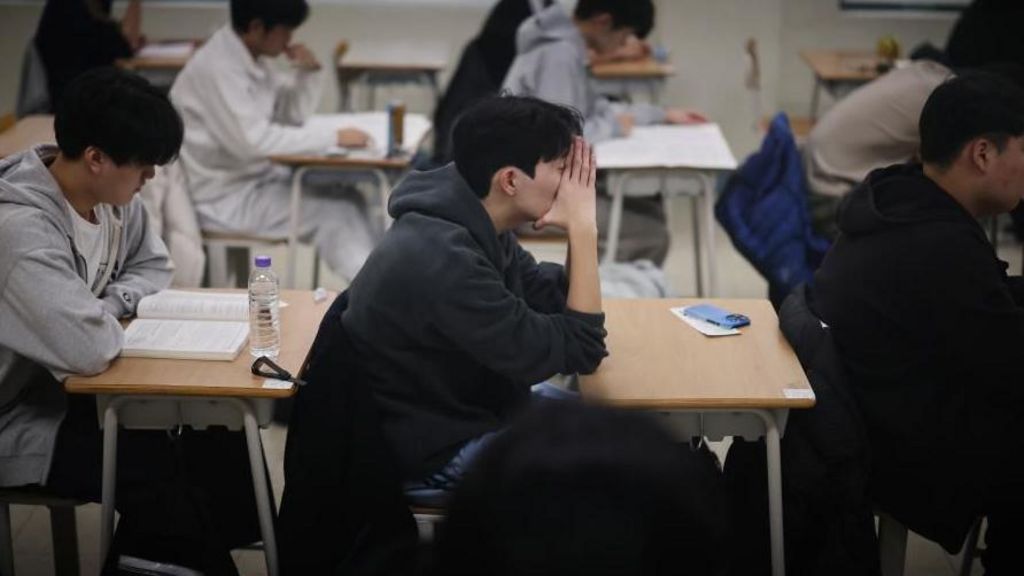
    South Korea’s formidable college entrance examination, known as Suneung, has ignited intense national discourse following widespread criticism of its exceptionally challenging English section. The eight-hour academic marathon, administered annually in November, represents one of the world’s most demanding standardized tests, with profound implications for students’ university admissions, career trajectories, and social standing.

    The recent examination’s English component provoked such significant controversy that Oh Seung-geol, the chief administrator of Suneung, resigned from his position. He publicly acknowledged that the test’s difficulty level was inappropriate and expressed regret that the assessment fell short of expectations despite undergoing multiple review stages.

    Among the most contentious questions was one involving complex gaming terminology that required students to identify where a specific sentence should be inserted within a dense philosophical paragraph about virtual reality perception. Another question drew from Immanuel Kant’s legal philosophy, pushing the boundaries of what constitutes appropriate testing material for secondary education.

    The gaming terminology question, worth three points, presented students with a technical excerpt from Steve Swink’s game design book Game Feel. Many educators and students criticized the question’s phrasing as unnecessarily convoluted, with some online commentators describing it as fancy smart talking that failed to effectively communicate concepts.

    Statistical evidence underscores the examination’s increased difficulty, with only 3% of test-takers achieving the highest grade in English this year compared to 6% in the previous administration. Students reported spending excessive time deciphering questions where answer choices appeared remarkably similar, creating significant uncertainty during the testing process.

    Educational experts remain divided on the examination’s appropriate difficulty level. Professor Jung Chae-kwan of Incheon National University, formerly involved with Suneung’s administration, contends that the test doesn’t measure English proficiency but rather rewards test-taking strategies. He argues that this approach renders the material educationally useless, as teachers increasingly focus on examination tricks rather than language acquisition.

    Conversely, Professor Kim Soo-yeon from Hankuk University of Foreign Studies maintains that the specialized passages legitimately assess students’ readiness for university-level comprehension. The intentionally challenging content, she suggests, effectively evaluates whether students can handle the complex material they will encounter in higher education.

    Beyond academic debates, Suneung represents a cultural phenomenon that brings South Korea to a virtual standstill each November. Construction halts, flight schedules adjust, and military training suspends to create optimal testing conditions. Parents frequently participate in religious ceremonies, lighting candles at Buddhist temples to pray for their children’s success in this high-stakes assessment that many students begin preparing for from early childhood through extensive cram school attendance.

    The examination’s administrative leadership has proven notably unstable, with only four of twelve Suneung chiefs completing their full three-year terms since the test’s inception in 1993. While previous resignations typically resulted from factual errors in test questions, Mr. Oh’s departure marks the first instance of resignation primarily attributable to examination difficulty concerns.

  • US sanctions six more ships after seizing oil tanker off Venezuela

    US sanctions six more ships after seizing oil tanker off Venezuela

    The United States has dramatically escalated its campaign against the Venezuelan government of Nicolás Maduro through a high-seas military operation and sweeping new economic measures. Newly released footage depicts US special forces rappelling from helicopters onto the oil tanker ‘Skipper’ in international waters, seizing the vessel in what Venezuelan officials decry as ‘international piracy.’

    The White House justified the operation as targeting ‘illicit oil shipping’ that allegedly benefits what it characterizes as Maduro’s ‘illegitimate regime.’ Press Secretary Karoline Leavitt stated the intercepted tanker would be escorted to an American port following legal proceedings, with its crude cargo confiscated. Simultaneously, the Treasury Department imposed sanctions on six additional vessels transporting Venezuelan petroleum, expanding the existing embargo network.

    Washington’s offensive extends beyond maritime interdiction to financial pressure targeting Maduro’s inner circle. Treasury Secretary Scott Bessent announced sanctions against three nephews of Maduro’s wife alongside multiple associated businesses, aiming to disrupt the leadership’s ‘dictatorial and brutal control.’ The administration explicitly connected oil revenue to narco-terrorism financing, vowing not to permit ‘rogue regimes’ to profit from black market petroleum sales.

    Venezuela responded with fierce diplomatic condemnation, with Interior Minister Diosdado Cabello labeling US forces ‘murderers, thieves, pirates.’ President Maduro pledged his nation would never become an ‘oil colony’ while accepting support from international allies including Russian President Vladimir Putin, who offered backing against ‘growing external pressure.’

    The operation signals a dangerous escalation in regional tensions, evidenced by the prepositioning of the USS Gerald Ford aircraft carrier strike group and thousands of troops within striking distance of Venezuela’s coast. This confrontation unfolds against the backdrop of longstanding US allegations that Caracas facilitates narcotics trafficking into American territories—charges Venezuela denies while accusing Washington of resource appropriation.

  • Reddit launches High Court challenge to Australia’s social media ban for kids

    Reddit launches High Court challenge to Australia’s social media ban for kids

    Reddit has initiated a landmark legal confrontation in Australia’s High Court, contesting the nation’s groundbreaking legislation that prohibits children under 16 from maintaining social media accounts. This judicial challenge positions the digital platform against one of the world’s most stringent youth protection laws, which came into effect this Wednesday.

    The controversial mandate requires approximately ten social media entities to bar Australian minors from account creation, a measure advocates and government officials defend as essential for shielding young users from harmful content and manipulative algorithms. While Reddit continues to comply operationally, its legal submission contends that the ban encroaches upon fundamental privacy rights and political freedoms.

    This case represents the second constitutional challenge to the legislation. Two Australian adolescents from New South Wales have separately petitioned the High Court, arguing that the prohibition violates implied freedoms of political communication. Their case, scheduled for hearing next year, claims the law effectively states that ‘democracy doesn’t start at 16.’

    Communications Minister Anika Wells reaffirmed governmental resolve, stating authorities ‘will not be intimidated by big tech’ and would ‘stand firm on behalf of Australian parents.’

    Global observers are closely monitoring the Australian experiment, which surpasses similar initiatives in Florida and the European Union by establishing a higher age threshold and eliminating parental consent exemptions. Critics argue that blanket prohibition proves neither practical nor wise, potentially driving youth toward less regulated platforms while disproportionately affecting marginalized communities including LGBTQ+, neurodivergent, and rural adolescents who rely on these digital spaces for connection and support.

  • Report: China a ‘reliable partner’

    Report: China a ‘reliable partner’

    A comprehensive analysis by Australia’s Lowy Institute reveals China is strengthening its position as a dependable regional partner during periods of global uncertainty, while United States policies are diminishing American influence across Asia. The findings come from the think tank’s 2025 Asia Power Index, a meticulous assessment tracking power distribution shifts across the continent through 131 indicators spanning economic capability, diplomatic relations, and cultural influence.

    The annual index, which evaluated 27 nations and territories, maintained the United States in the top position for comprehensive power, with China securing second place and India ranking a distant third. Notably, the capability gap between the two superpowers has continued to narrow significantly. The report specifically highlighted how China has demonstrated remarkable resilience against US economic coercive measures, with Beijing effectively presenting itself as a staunch opponent of protectionism and unilateralism to regional partners.

    Susannah Patton, project lead for the Asia Power Index, detailed at the Melbourne launch that multiple US policies have collectively undermined American standing. These include substantial tariff impositions on numerous countries, reductions in development assistance to the region, funding cuts to global media agencies, and restrictive travel and educational policies affecting Asian visitors.

    East Asia senior fellow Richard McGregor emphasized that the index confirms China and the US have reached peer power status throughout Asia. China’s capacity to access diverse global markets beyond the United States has contributed substantially to its confident response to American tariff strategies.

    The research also documented China’s impressive recovery in people exchanges and connectivity metrics, nearly returning to pre-pandemic levels after severe restrictions between 2020 and 2022. Recent visa-free travel arrangements with several Asian nations, including Indonesia, have accelerated tourism recovery and strengthened regional ties.

    Australia ranked sixth in comprehensive power, though the report noted the nation faces challenges due to declining economic resources relative to other countries, requiring more strategic efforts to maintain regional influence. International relations expert Bec Strating observed that America’s diminishing regional standing presents both opportunities and concerns for Australia and other nations like Japan, New Zealand, and the Philippines regarding the stability of regional order frameworks.

  • Travel alert about Japan secures safety of Chinese

    Travel alert about Japan secures safety of Chinese

    China’s Foreign Ministry has formally issued a comprehensive travel advisory urging Chinese citizens to avoid non-essential travel to Japan, citing both imminent seismic hazards and ongoing diplomatic strains. The advisory, released jointly by China’s embassy and consulates in Japan, specifically warns Chinese nationals to exercise heightened caution regarding earthquake preparedness and secondary disasters.

    The travel alert recommends that Chinese citizens in Japan strictly adhere to local evacuation protocols, implement robust personal safety measures, and avoid coastal regions and other high-risk zones. Foreign Ministry spokesman Guo Jiakun emphasized that the advisory stems from legitimate concerns about citizen welfare following recent seismic events across Japan that have resulted in casualties and widespread tsunami warnings.

    Japanese media outlets had speculated that the travel warning represented a diplomatic response to provocative remarks made by Japanese Prime Minister Sanae Takaichi regarding Taiwan. Guo Jiakun dismissed these allegations, stating that the advisory reflects purely humanitarian considerations rather than political retaliation. “Safeguarding the safety of Chinese citizens overseas constitutes both a fundamental duty of China’s diplomacy and a natural component of its people-centered foreign policy,” Guo stated during a regular press briefing in Beijing.

    The diplomatic friction extends beyond travel advisories, as Tokyo recently expressed concerns about joint strategic aerial patrols conducted by Chinese and Russian military aircraft near Japanese airspace. Guo characterized these operations as routine annual exercises that demonstrate regional commitment to security cooperation and stability maintenance. “There exists no necessity for Japan to exaggerate these activities or presume itself specifically targeted,” he remarked.

    Regarding Prime Minister Takaichi’s repeated offers for bilateral dialogue, Guo referenced critical commentary from Atsushi Okamoto, former CEO of Japanese publishing house Iwanami Shoten, who questioned the sincerity of these overtures. Okamoto suggested that genuine dialogue requires mutual respect and equal footing—conditions allegedly absent from Takaichi’s approach. Academic expert Wang Peng of Huazhong University of Science and Technology further noted that the Takaichi administration has significantly damaged bilateral relations by inappropriately linking Taiwan matters to Japan’s security agenda.

  • ‘Trump Gold Card’ offers US permanent residency for $1m, plus fees

    ‘Trump Gold Card’ offers US permanent residency for $1m, plus fees

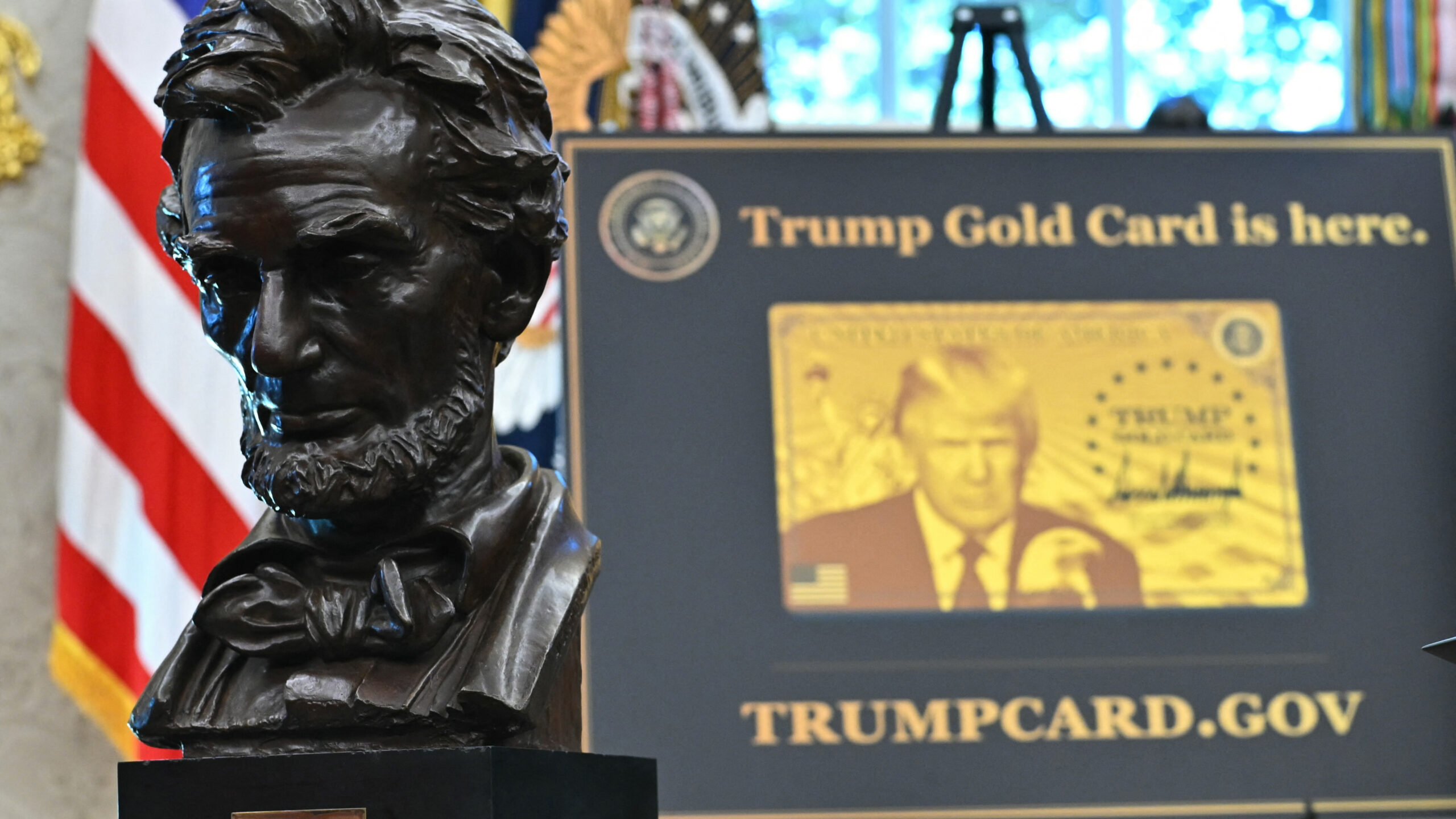
    The Trump administration has officially launched a premium immigration visa program requiring a minimum investment of one million dollars, branded as the “Trump Gold Card.” Formally initiated through an executive order signed on September 19th, the program was personally announced by President Donald Trump at a White House roundtable and promoted on his Truth Social account as “SO EXCITING.

    Prospective applicants must first submit a non-refundable $15,000 processing fee to the Department of Homeland Security (DHS) to trigger an expedited eligibility review. The program’s website promises residency “in record time,” claiming processing can be completed in a matter of weeks. Upon approval, a mandatory $1 million “gift payment” is required as evidence the individual will “substantially benefit the United States.”

    The program extends beyond individuals to corporate sponsorship. Companies can pay $2 million per employee to sponsor foreign workers, with a unique provision allowing the transfer of this payment to a new employee’s application without an additional fee if sponsorship ceases.

    While similar to a Green Card in granting lawful permanent residence and a pathway to citizenship, the website compares its legal classification to EB-1 and EB-2 visas, noting final determination is “subject to availability” by DHS. All gift payments are directed to the Department of Commerce, not DHS or the State Department.

    Additional financial burdens include the same $1 million payment and $15,000 fee applied to each family member of the primary applicant. The website also mentions potential additional fees from the State Department without clarifying if they are one-time or recurring. All cardholders will be subject to U.S. worldwide income tax, with a forthcoming “Trump Platinum Card” advertised to provide tax benefits on foreign income.

    This initiative marks a stark contrast to the administration’s broader immigration policy, which has included revoking at least 85,000 visas in under a year and restricting pathways for poorer demographics. The website notes that Gold Card status can be revoked for national security or criminal risks.

    The program has drawn immediate criticism, notably from U.S. Senator Dick Durbin, who condemned it as “an illegal pay-to-play scheme that undermines our values and rewards wealth over hard work, talent, and a love for America.” He accused the president of “rolling out the welcome mat for Russian oligarchs and cartel bosses” instead of creating fair policies.