博客

  • ‘We will continue’: The Palestinian rights groups sanctioned by Trump

    ‘We will continue’: The Palestinian rights groups sanctioned by Trump

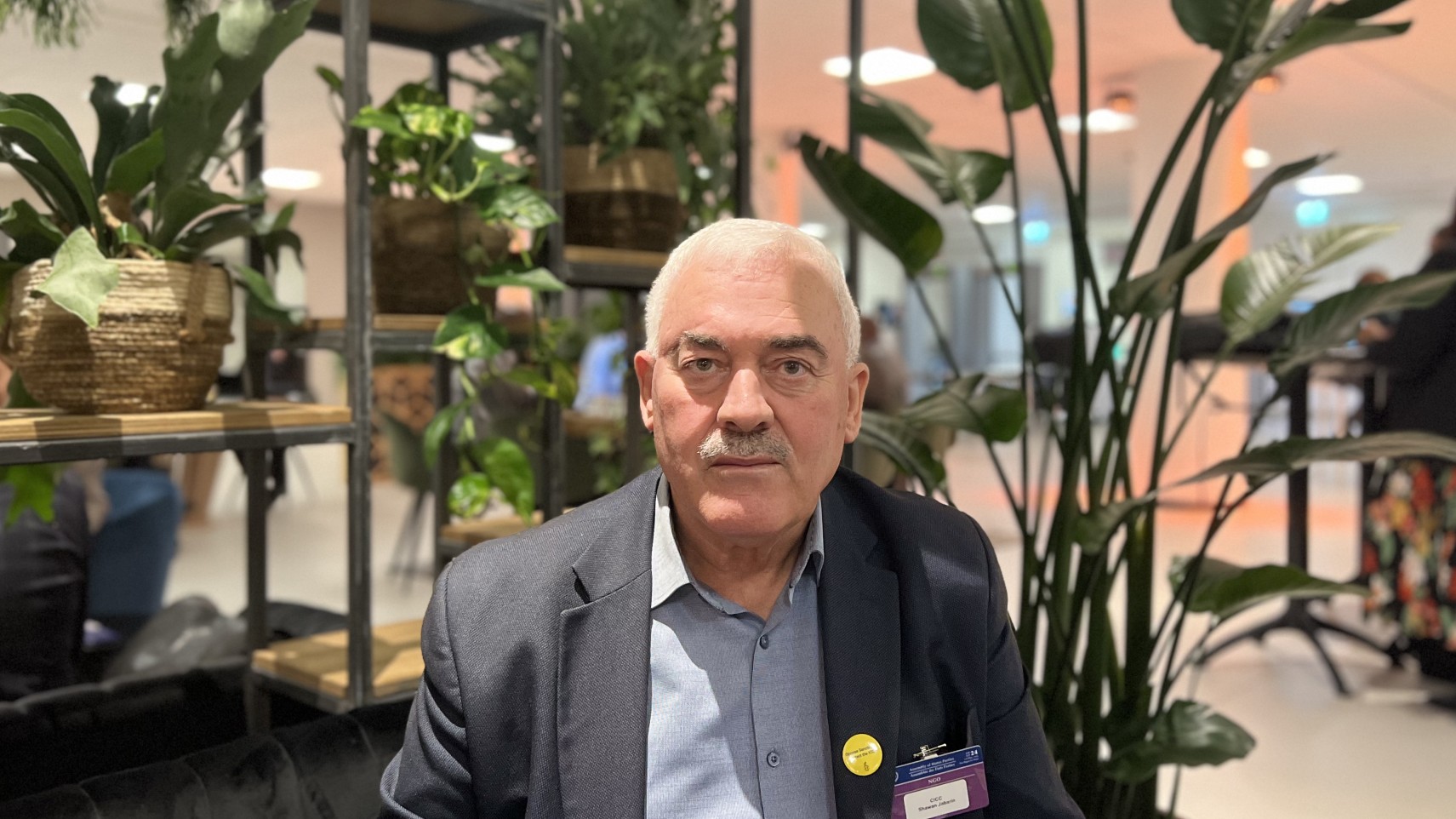
    In a powerful demonstration of resilience, leaders of Palestine’s foremost human rights organizations have declared their unwavering commitment to justice despite facing severe financial and operational constraints from recent US sanctions. Shawan Jabarin of Al-Haq and Raji Sourani of the Palestinian Centre for Human Rights delivered their assessments during the 24th Assembly of States Parties to the International Criminal Court in The Hague.

    The sanctions, implemented by the Trump administration in September, have effectively frozen bank accounts, severed international donor relationships, and left 45 employee families without regular income. Both directors characterized the measures as unprecedented attacks on humanitarian work, noting that the US government explicitly targeted their organizations for cooperating with ICC investigations into Israeli military actions.

    Despite immediate financial devastation—including closed bank accounts and suspended transfers from fearful international partners—both organizations continue submitting extensive documentation of alleged violations in Gaza and the West Bank to ICC prosecutors. The directors reported meeting with ICC officials who expressed determination to continue their investigations, though both advocates expressed frustration at the court’s slow progress in curtailing ongoing violence.

    The sanctions carry severe implications beyond financial strain, including potential criminal exposure for organizations that maintain relationships with the sanctioned groups. Nevertheless, both directors emphasized that their work represents an idea that cannot be suppressed by financial measures. They called for stronger international support, particularly urging European nations to activate the EU Blocking Statute to protect entities from extraterritorial application of US sanctions.

    Both organizations continue operating through alternative support networks while maintaining that their mission to defend victims remains unchanged despite the unprecedented challenges they face.

  • Make your own AI Mickey Mouse: Disney embraces new tech

    Make your own AI Mickey Mouse: Disney embraces new tech

    In a landmark industry shift, Walt Disney Company and OpenAI have unveiled a groundbreaking three-year licensing agreement that will empower users to generate artificial intelligence content featuring Disney’s iconic characters. The partnership, announced December 11, 2025, represents the most significant embrace of generative AI technology by a major entertainment corporation to date.

    The comprehensive deal licenses over 200 characters from Disney’s extensive portfolio, including Mickey Mouse, Marvel superheroes, Pixar animations, and Star Wars personalities. Through OpenAI’s Sora video generation platform and ChatGPT, fans will gain authorized access to create and share AI-generated short-form content featuring these beloved figures.

    Disney’s strategic move includes a substantial $1 billion equity investment in OpenAI, complemented by warrants for additional shares. The announcement triggered an immediate 2% surge in Disney’s stock value, reflecting market optimism about the partnership’s potential.

    Disney CEO Robert Iger characterized the collaboration as responding to “an important moment for our industry,” emphasizing the commitment to “thoughtfully and responsibly extend the reach of our storytelling.” OpenAI CEO Sam Altman praised Disney as “the global gold standard for storytelling,” highlighting the agreement as a model for responsible cooperation between AI developers and creative enterprises.

    The partnership establishes strict creative boundaries: generated content will be limited to 30-second videos, explicitly excluding actor likenesses and voices amid ongoing industry concerns about AI’s impact on creative professions. Iger reassured that the technology “honors and respects” creators through associated licensing fees rather than threatening their livelihoods.

    Beyond consumer content creation, Disney plans to integrate OpenAI’s technology into its Disney+ streaming platform and internal operations, making ChatGPT available to corporate staff. Both companies have committed to implementing age-appropriate controls and preventive measures against illegal or harmful content generation.

    The agreement emerges against a complex backdrop of industry tension. Disney simultaneously maintains legal action against Google, alleging unauthorized use of intellectual property to train AI models, demonstrating the company’s dual strategy of partnership and protection regarding emerging technologies.

  • ‘Deafening silence’: US journalist wounded by Israel says his government has done nothing

    ‘Deafening silence’: US journalist wounded by Israel says his government has done nothing

    A coalition of Democratic legislators has joined forces with leading human rights organizations to demand a full and independent investigation into the October 2023 attack on journalists near the Israel-Lebanon border. The incident, which resulted in the death of Reuters journalist Issam Abdallah and injured six others from Reuters, Al Jazeera, and AFP, represents what advocates call the first alleged targeting of media personnel following the October 7th hostilities.

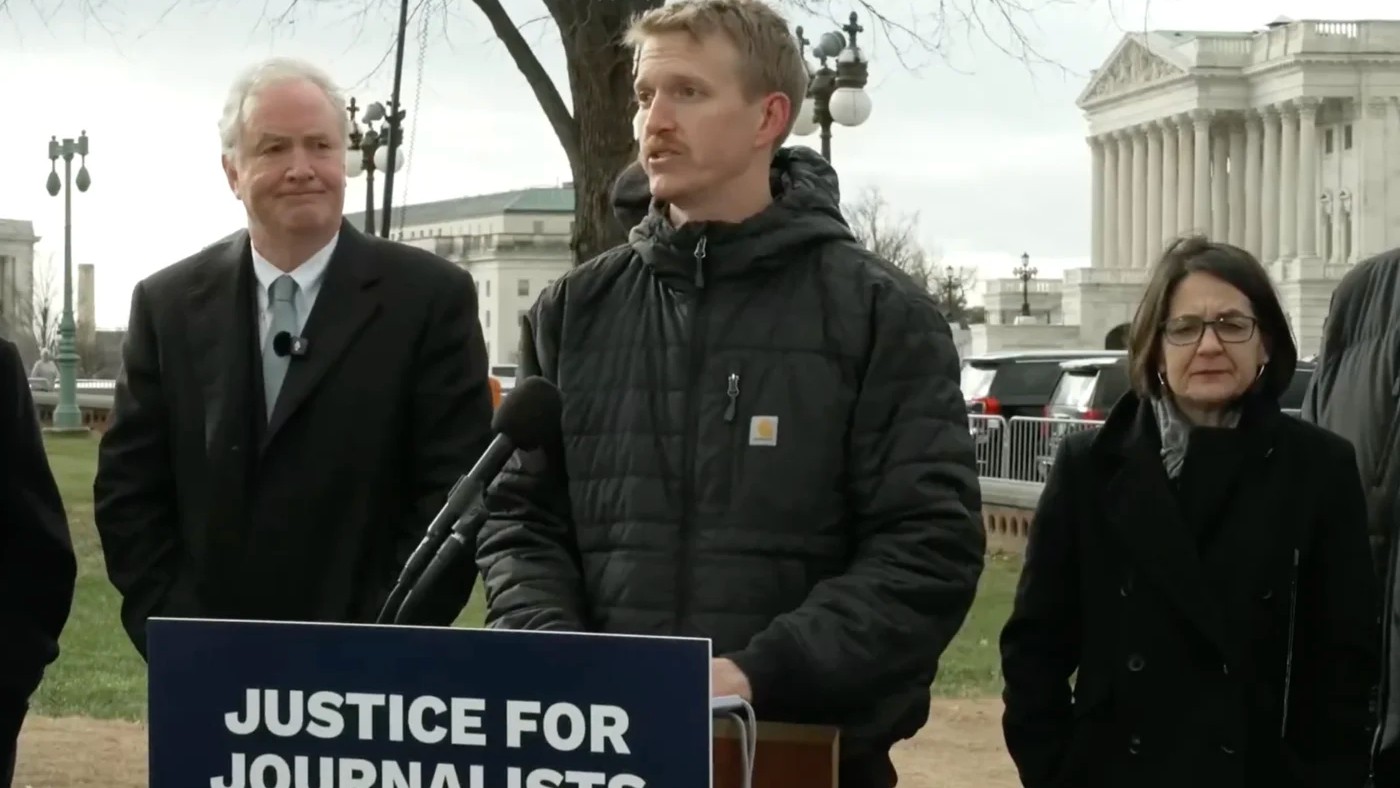
    Eyewitness accounts and multiple independent investigations indicate that the group of clearly identifiable journalists had been stationary for over an hour before being struck by two separate projectiles originating from Israeli military positions. AFP journalist Dylan Collins, a U.S. citizen who sustained shrapnel wounds in the attack, described his frustrating two-year quest for accountability from both the Biden and Trump administrations, met with what he characterized as ‘deafening silence.’

    Senator Peter Welch of Vermont revealed that dozens of Congress members have repeatedly sought answers through official channels, sending multiple letters to the State Department that have gone unanswered. The lawmakers seek three specific disclosures: which Israeli military unit fired upon the journalists, whether Israel conducted any internal investigation, and if U.S. officials ever discussed the incident with their Israeli counterparts.

    The call for investigation follows a February 2024 United Nations inquiry that determined an Israeli tank fired two 120mm shells at the ‘clearly identifiable journalists’ in violation of international law. The UNIFIL report noted no cross-border hostilities occurred for over 40 minutes preceding the attack and recommended Israel conduct a full investigation and share its findings—actions that have not been taken.

    Separate investigations by Reuters, Human Rights Watch, and Amnesty International published in December 2024 reached similar conclusions, with Amnesty characterizing the strikes as ‘likely a direct attack on civilians that must be investigated as a war crime.’ Forensic analysis suggests the journalists were visible to Israeli surveillance systems, including nearby drones and observation towers, when targeted by precision munitions fired from approximately 1.5 kilometers away.

    The incident has taken on broader significance as more than 260 media professionals have been killed in Gaza since October 2023, raising concerns about the protection of journalists in conflict zones and the accountability mechanisms for investigating such incidents.

  • China’s new ‘condom tax’ draws skepticism and worries over health risks

    China’s new ‘condom tax’ draws skepticism and worries over health risks

    In a significant policy shift, China will eliminate its three-decade-long value-added tax exemption for contraceptive drugs and products effective January 1st. The move aligns with Beijing’s ongoing efforts to reverse declining birth rates by making contraception less financially accessible. Under the new regulations, products including condoms will be subject to the standard 13% VAT applied to most consumer goods.

    The policy change has generated substantial discussion across Chinese social media platforms, where users have expressed both skepticism and criticism. Many question the effectiveness of the approach, noting that the minimal tax increase pales in comparison to the substantial costs associated with raising children. The decision marks a dramatic reversal from China’s previous population control measures, which included forced abortions and severe penalties under the notorious one-child policy that remained in effect until 2015.

    Demographic experts express concerns about potential public health consequences. Dr. Qian Cai of the University of Virginia’s Demographics Research Group notes that “the tax’s impact on fertility rates will be very limited,” while warning that reduced contraceptive access could lead to increased unplanned pregnancies and sexually transmitted infections. Current data reveals concerning trends: China recorded approximately 9.5 million births in 2024, representing a significant decline from 14.7 million in 2019 despite favorable astrological conditions.

    The policy change disproportionately affects women, who bear primary responsibility for contraception in China. Current usage patterns show only 9% of couples relying on condoms, with 44.2% using intrauterine devices and 30.5% undergoing female sterilization. Many women view the policy as another governmental intrusion into bodily autonomy, with one teacher describing it as “a disciplinary tactic, a management of women’s bodies.”

    Public health experts warn the policy could exacerbate existing challenges, including China’s high abortion rates (9-10 million annually) and rising STI cases. Reported infections included over 100,000 gonorrhea cases and 670,000 syphilis cases in 2024, with HIV/AIDS infections reaching approximately 1.4 million.

  • Trump signs executive order to block state AI regulations

    Trump signs executive order to block state AI regulations

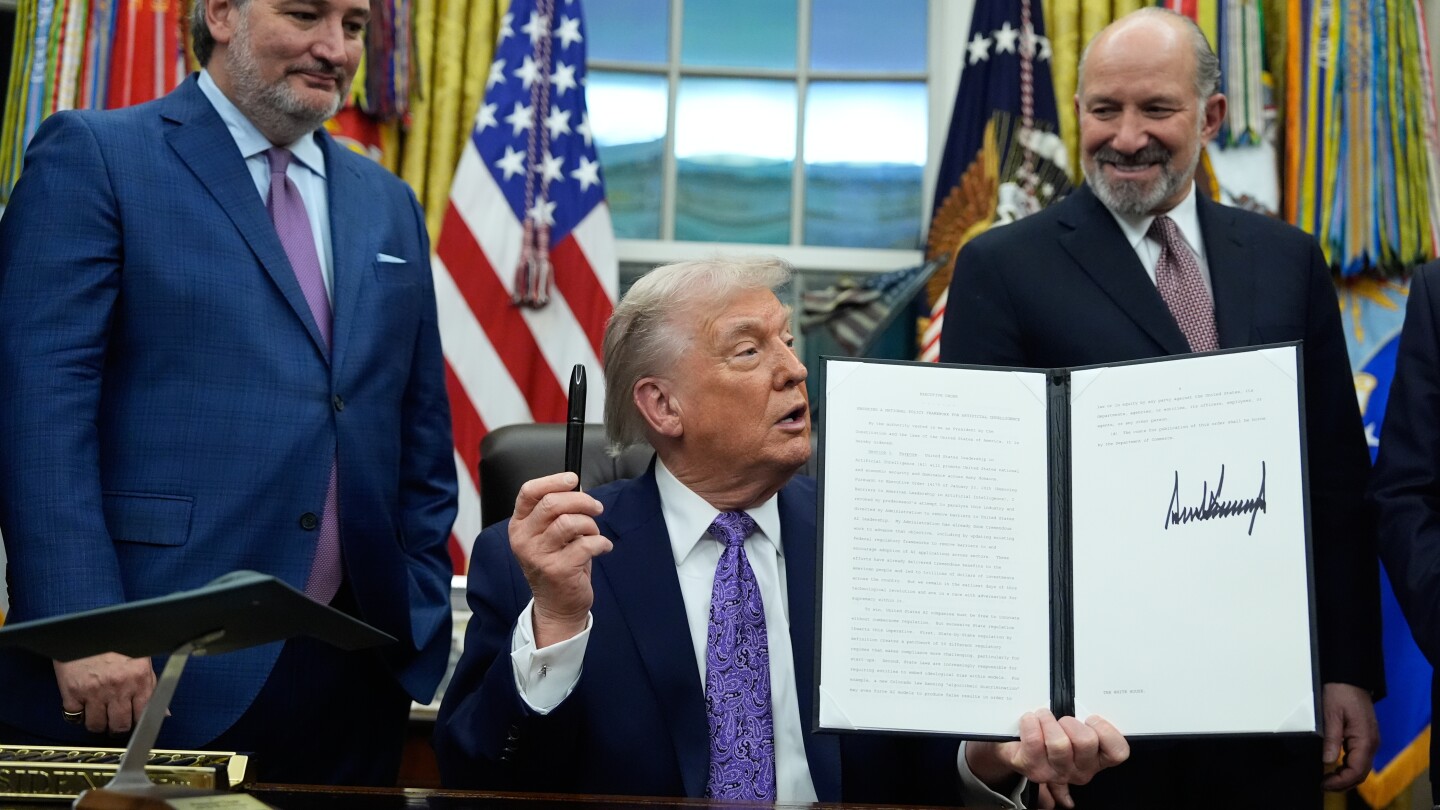
    In a significant move to centralize artificial intelligence governance, President Donald Trump signed an executive order on Thursday establishing federal preemption over state-level AI regulations. The administration contends that fragmented state laws would create compliance obstacles for American companies competing against Chinese rivals in the global AI dominance race.

    During an Oval Office briefing, President Trump emphasized the competitive dimension: ‘There’s only going to be one winner in artificial intelligence. China’s centralized approval system gives their companies a decisive advantage. If our innovators need 50 different state approvals, they cannot compete effectively.’

    The order mandates Attorney General William Barr to establish a task force specifically charged with challenging existing state AI laws through judicial avenues. Concurrently, the Commerce Department will identify regulations deemed detrimental to AI development. States maintaining non-compliant regulations face potential restrictions on federal broadband deployment funds and other grant programs.

    David Sacks, a venture capitalist overseeing Trump’s AI and cryptocurrency policies, clarified the administration’s targeted approach: ‘We will oppose the most burdensome regulatory examples but maintain support for reasonable child safety measures.’

    This federal intervention responds to regulatory actions already implemented by four states—Colorado, California, Utah, and Texas—which have enacted comprehensive AI legislation governing private sector applications. These laws primarily address data collection limitations, algorithmic transparency, and discrimination prevention in consequential decisions affecting employment, housing, lending, and healthcare.

    The state initiatives emerged from documented AI deficiencies, including demonstrated biases in gender and racial preferences within automated decision-making systems. Beyond comprehensive frameworks, numerous states have enacted targeted AI restrictions concerning election deepfakes, nonconsensual pornography, and government AI usage standards.

    Civil liberties organizations and bipartisan congressional members have consistently advocated for stronger AI oversight, arguing current frameworks insufficiently address the technology’s societal impacts. The executive order establishes a clear federalist conflict between state consumer protection objectives and the administration’s national competitiveness agenda.

  • War in Yemen: Who are the Southern Transitional Council? Why are they backed by the UAE?

    War in Yemen: Who are the Southern Transitional Council? Why are they backed by the UAE?

    Yemen’s protracted civil conflict has entered a new phase as forces aligned with the UAE-backed Southern Transitional Council (STC) have consolidated control over the resource-rich Hadhramaut province. The operation, dubbed “The Promising Future,” marks a significant escalation in the southern separatist movement’s campaign for autonomy.

    The STC’s Hadrami Elite Forces captured the strategic city of Seiyun on December 3rd before expanding their territorial gains throughout the governorate. Their advance included seizure of critical oil infrastructure previously controlled by the Hadhramaut Tribal Alliance, with the operation culminating in the raising of the historic South Yemen flag over captured territories.

    This development occurs against the backdrop of Yemen’s complex historical divisions. The nation existed as separate entities for much of the twentieth century, with North Yemen gaining independence from Ottoman rule in 1918 while South Yemen remained under British control until 1967. The Marxist-Leninist People’s Democratic Republic of Yemen maintained tense relations with its northern neighbor throughout the 1970s before unification in 1990.

    The current conflict originated in 2014 when Houthi rebels captured the capital Sanaa, triggering a Saudi-led military intervention. The STC emerged as a powerful southern faction in 2017 with Emirati support, briefly seizing Aden in 2019 before joining the internationally recognized government through Saudi-mediated talks.

    Strategic significance underpins the STC’s offensive. Hadhramaut contains approximately 80% of Yemen’s modest oil reserves and stretches from the Gulf of Aden to the Saudi border. The province has also struggled with influence from Al-Qaeda in the Arabian Peninsula (AQAP), which the STC cites as justification for its intervention.

    Regional powers maintain complex relationships with the conflict. Saudi Arabia prioritizes border security and a political settlement with the Houthis, while the UAE has cultivated the STC as a proxy to advance its security and commercial interests. The UAE has established military bases throughout southern Yemen and seeks to secure maritime routes through strategic partnerships.

    The humanitarian situation remains catastrophic, with over half the population in government-controlled areas facing acute food insecurity according to June 2025 IPC reports. More than 4.5 million people have been displaced by the combined effects of conflict, extreme weather, and economic collapse.

    Analysts suggest the STC’s objectives focus on consolidating control over former South Yemen territories rather than confronting Houthi forces in the north. The group seeks international recognition and has signaled willingness to improve relations with Israel to gain Western acceptance.

    Despite the strategic gains, experts anticipate continued diplomatic maneuvering rather than direct military confrontation between regional powers and the emerging southern authority.

  • Eurovision winner to return award after Israel allowed to participate

    Eurovision winner to return award after Israel allowed to participate

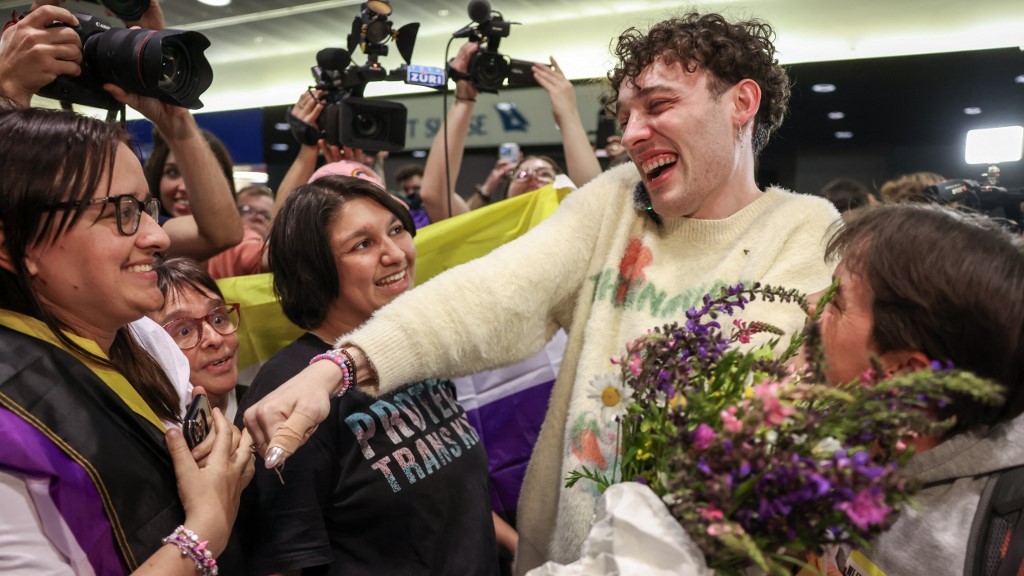
    In an unprecedented move that has sent shockwaves through the international music community, Nemo—the groundbreaking non-binary Swiss artist who triumphed at the 2024 Eurovision Song Contest—has announced the return of their prestigious award. This dramatic protest comes directly in response to the European Broadcasting Union’s (EBU) recent confirmation that Israel will retain its eligibility for the 2026 competition despite ongoing humanitarian concerns.

    The EBU, governing body of the world’s largest live music event, concluded its general assembly last week by upholding Israel’s participation rights while implementing enhanced voting safeguards. This decision directly contradicts the explicit boycott declarations from five national broadcasters—Spain (RTVE), Ireland, Slovenia, Iceland, and the Netherlands—who have withdrawn from the next contest in protest against Israel’s military operations in Gaza.

    Nemo articulated their position through a powerful Instagram statement, acknowledging profound gratitude for the Eurovision experience while condemning the organizational hypocrisy. ‘The contest claims to champion unity, inclusion, and universal dignity,’ the artist wrote, ‘yet Israel’s continued involvement amid UN-recognized genocide investigations creates an irreconcilable moral contradiction.’

    The controversy echoes the EBU’s prior expulsion of Russia following its invasion of Ukraine, a precedent frequently cited by critics including Zoe Lawlor of the Ireland-Palestine Solidarity Campaign, who labeled the discrepancy ‘rank hypocrisy.’

    Additional scrutiny surrounds last year’s voting process, wherein Israeli entrant Yuav Raphael—a survivor of the October 2023 Nova festival attack—secured second place amid allegations of manipulated public voting. These claims prompted Spain’s formal request for vote audit review and ultimately led to the EBU’s November 21 announcement of strengthened anti-fraud mechanisms.

    The 70th anniversary Eurovision Song Contest is scheduled for May 2026 in Vienna, host city of reigning champion JJ’s victory with ‘Wasted Love.’ Meanwhile, the Swiss Broadcasting Corporation maintains its participation commitment despite mounting pressure from pro-Palestine advocates seeking broader European broadcaster boycotts.

  • Thailand’s parliament is dissolved for a new election early next year

    Thailand’s parliament is dissolved for a new election early next year

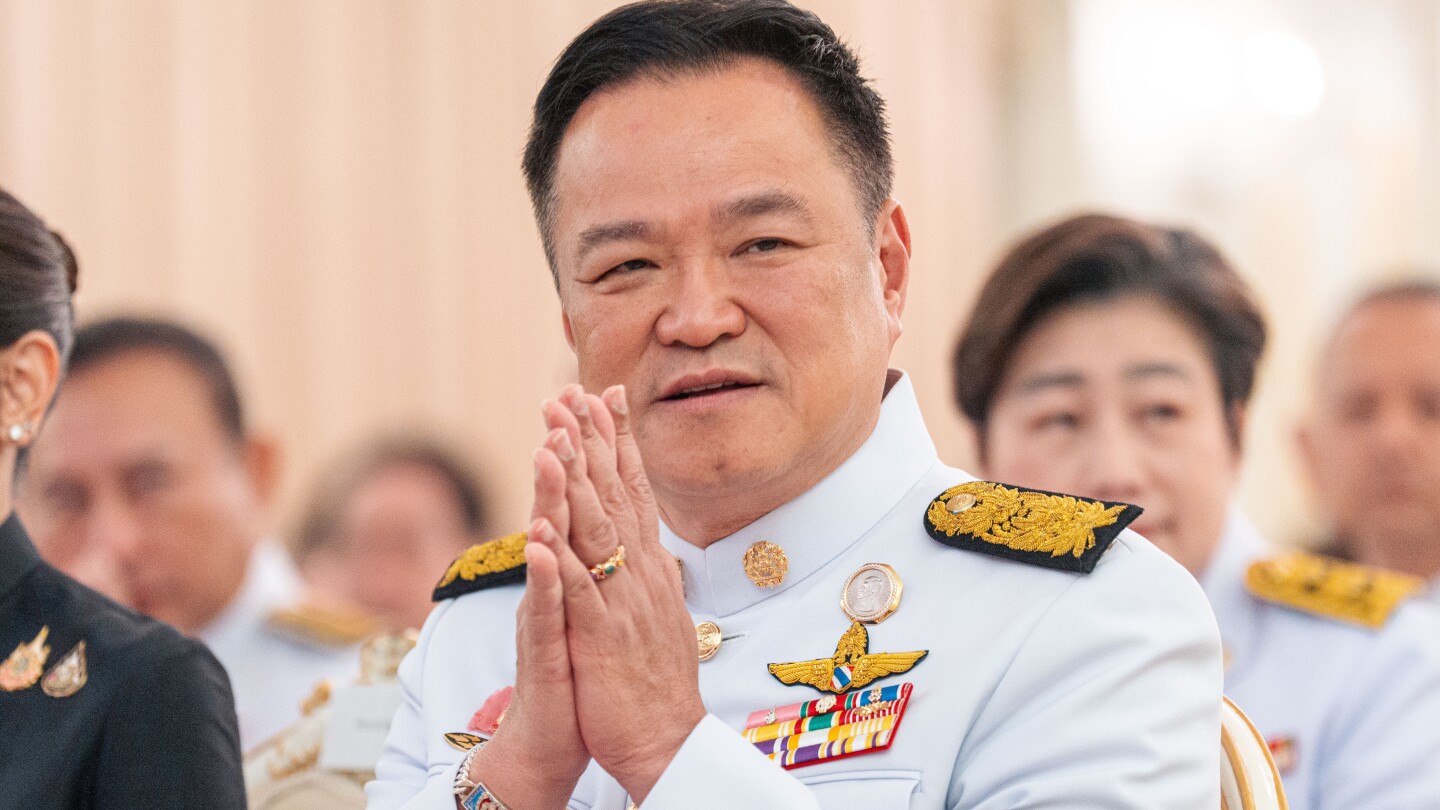
    BANGKOK — Thailand’s political landscape entered a period of heightened uncertainty Friday as Parliament was officially dissolved, triggering snap elections scheduled for early next year. The dissolution comes amid escalating military confrontations with neighboring Cambodia over longstanding border disputes.

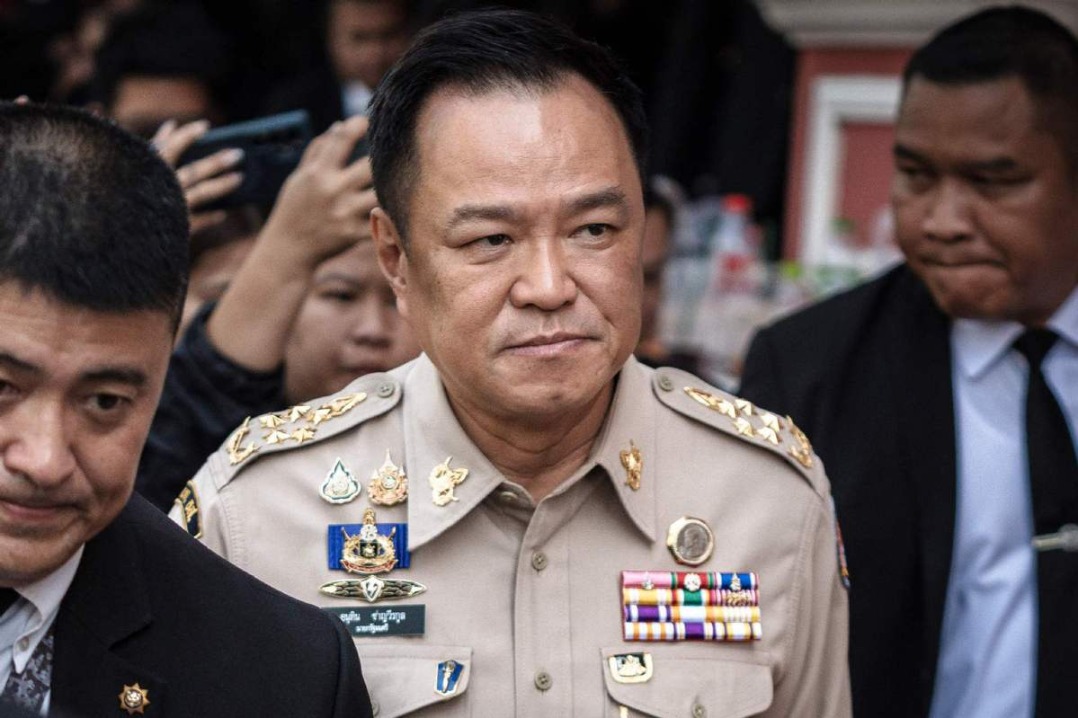
    Prime Minister Anutin Charnvirakul secured royal approval from King Maha Vajiralongkorn before announcing the dissolution, which took effect upon its publication in the Royal Gazette. The move follows Anutin’s social media statement late Thursday declaring his intention to “return power to the people.”

    Under constitutional provisions, elections must occur within 45 to 60 days following royal endorsement. During this interim period, Anutin will lead a caretaker administration with restricted authority, including the inability to approve new budgetary measures.

    The dissolution occurs during a particularly complex geopolitical moment, with Thailand engaged in intensive combat operations along the Cambodian border. The timing reflects both domestic political pressures and external security challenges that have defined Anutin’s brief three-month tenure as premier.

    Political analysts suggest the dissolution was precipitated by deteriorating relations with the opposition People’s Party, which had threatened a no-confidence vote. This development followed disagreements over constitutional amendment procedures that opposition leaders believed violated their September power-sharing agreement.

    Anutin’s administration has adopted an increasingly hawkish military stance regarding the border conflict, positioning itself as defending national sovereignty against Cambodian incursions. This nationalist rhetoric has temporarily overshadowed domestic criticisms regarding the government’s handling of recent southern flooding that claimed over 160 lives and ongoing corruption scandals.

    The renewed fighting has resulted in approximately two dozen confirmed casualties this week alone, with hundreds of thousands displaced on both sides. Thai military sources estimate 165 Cambodian combat fatalities, though Phnom Penh has not officially confirmed these numbers.

    International attention has intensified, with former U.S. President Donald Trump reportedly engaging in diplomatic outreach. Anutin confirmed Friday that he had communicated with Trump, reiterating Thailand’s position of continuing military operations until Cambodian forces no longer threaten Thai sovereignty.

  • Thai PM says ‘to return power to people,’intending to dissolve parliament

    Thai PM says ‘to return power to people,’intending to dissolve parliament

    In a significant political development, Thai Prime Minister Anutin Charnvirakul has indicated plans to dissolve parliament and restore decision-making authority to the Thai electorate. The announcement came through an official social media communication on Thursday, where the premier declared his intention to “request to return power to the people.

    The statement, widely interpreted by political observers as foreshadowing a parliamentary dissolution, suggests Thailand may be approaching a new electoral cycle. Such a move would typically precede the organization of general elections, allowing citizens to determine their political representation anew.

    This development occurs within Thailand’s complex political landscape, where transitions of power have historically carried substantial significance. The Prime Minister’s carefully worded message aligns with constitutional protocols that grant the head of government authority to recommend parliamentary dissolution to the monarchy, a necessary step before elections can be scheduled.

    Political analysts are now examining the potential timing and implications of this move, considering both domestic political dynamics and Thailand’s international relationships. The dissolution of parliament would trigger a formal election process, enabling Thai citizens to participate in shaping their nation’s political direction through democratic means.

  • Crypto fraudster sentenced for ‘epic’ $40bn stablecoin crash

    Crypto fraudster sentenced for ‘epic’ $40bn stablecoin crash

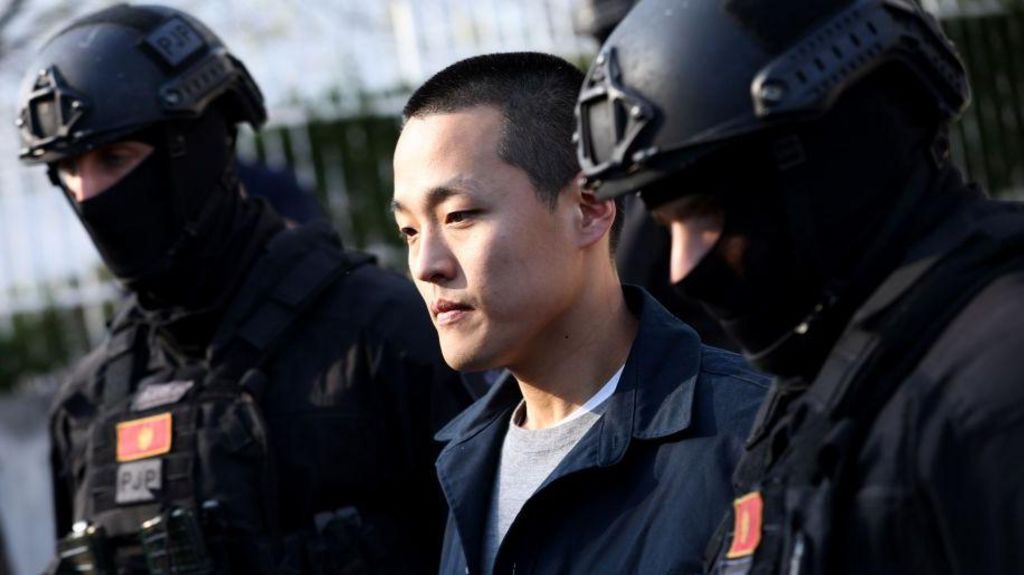
    In a landmark ruling that sends shockwaves through the cryptocurrency industry, former digital currency entrepreneur Do Kwon has been sentenced to 15 years imprisonment for orchestrating what federal prosecutors describe as an “epic, generational” financial fraud. The sentencing by New York District Judge Paul A. Engelmayer concludes a dramatic case involving the catastrophic collapse of two interconnected cryptocurrencies that wiped out approximately $40 billion in investor funds.

    The South Korean national, who co-founded Singapore-based Terraform Labs, admitted to systematically misleading investors about the stability and mechanics of TerraUSD—a so-called stablecoin designed to maintain parity with the US dollar. The sophisticated scheme unraveled in 2022 when both TerraUSD and its sister currency Luna experienced catastrophic failure, triggering widespread repercussions across the cryptocurrency market and contributing to the collapse of several digital asset companies.

    During Thursday’s emotionally charged hearing in Manhattan federal court, Judge Engelmayer delivered scathing remarks about the Stanford-educated entrepreneur’s conduct. “In the annals of federal prosecutions, there are few frauds that have inflicted comparable financial devastation,” the judge stated, emphasizing how Kwon had repeatedly deceived investors who placed their trust in his technological expertise.

    Court documents reveal that when TerraUSD initially dropped below its promised $1 valuation in May 2021, Kwon allegedly instructed a trading firm to secretly purchase massive quantities of the digital coin to artificially inflate its price—while publicly attributing the recovery to sophisticated computer algorithms. This manipulation created a false appearance of stability that prolonged the scheme until its inevitable collapse.

    Kwon, who pleaded guilty in August to conspiracy to defraud and wire fraud charges, expressed contrition during the proceedings. “I have devoted nearly every waking moment of recent years contemplating alternative actions and seeking ways to rectify the damage caused,” the disgraced entrepreneur told the court.

    The case represents one of the most significant prosecutions in the ongoing regulatory crackdown on cryptocurrency misconduct, establishing a crucial legal precedent for holding digital asset creators accountable for fraudulent representations about their products’ stability and underlying technology.