博客

  • South Korea’s Constitutional Court removes police chief over martial law involvement

    South Korea’s Constitutional Court removes police chief over martial law involvement

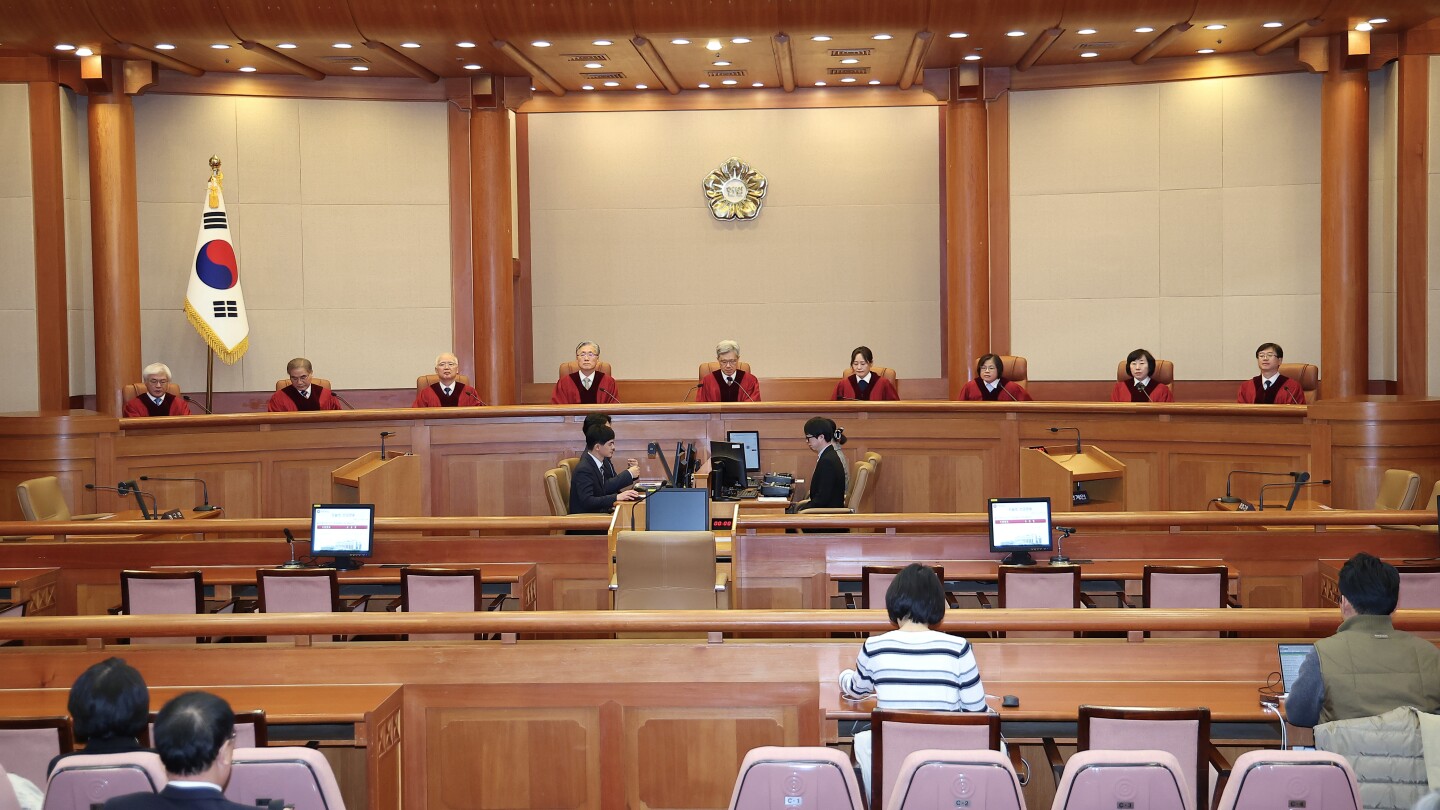
    South Korea’s Constitutional Court has delivered a landmark ruling on Thursday, formally dismissing the nation’s impeached police chief for his instrumental role in supporting former President Yoon Suk Yeol’s short-lived imposition of martial law in December 2024. Commissioner General Cho Ji-ho became the first National Police Agency chief to be removed from office through constitutional proceedings.

    The court determined that Cho actively undermined legislative processes by deploying hundreds of police officers to the National Assembly complex, intentionally obstructing lawmakers from reaching the main chamber to vote on revoking Yoon’s emergency decree. The ruling further condemned Cho’s infringement upon the National Election Commission’s independence by directing police personnel to assist military forces in seizing two NEC offices—actions allegedly justified by unverified claims of electoral fraud.

    Evidence presented revealed that Cho and Seoul’s police commissioner were summoned to a secure location hours before the martial law declaration, where they coordinated implementation strategies with Yoon’s defense minister. Following the decree, approximately 300 officers encircled parliamentary entrances alongside heavily armed special operations units with aerial support, creating an unprecedented blockade against legislative activities.

    Despite the military-police barricade, a determined group of lawmakers including current President Lee Jae Myung scaled perimeter fences to establish quorum and unanimously overturn Yoon’s order within hours. The court rejected Cho’s defense that his deployments aimed to maintain public order, noting that the extreme measures taken by parliamentarians demonstrated the severity of the obstruction.

    Cho, who faced impeachment by legislators and arrest shortly after Yoon’s power grab, was previously granted bail in January due to medical requirements for cancer treatment. He now awaits separate criminal proceedings on rebellion charges, while former President Yoon faces life imprisonment or capital punishment for his central role in the crisis.
  • Farmers block roads in Brussels to protest South American free-trade deal

    Farmers block roads in Brussels to protest South American free-trade deal

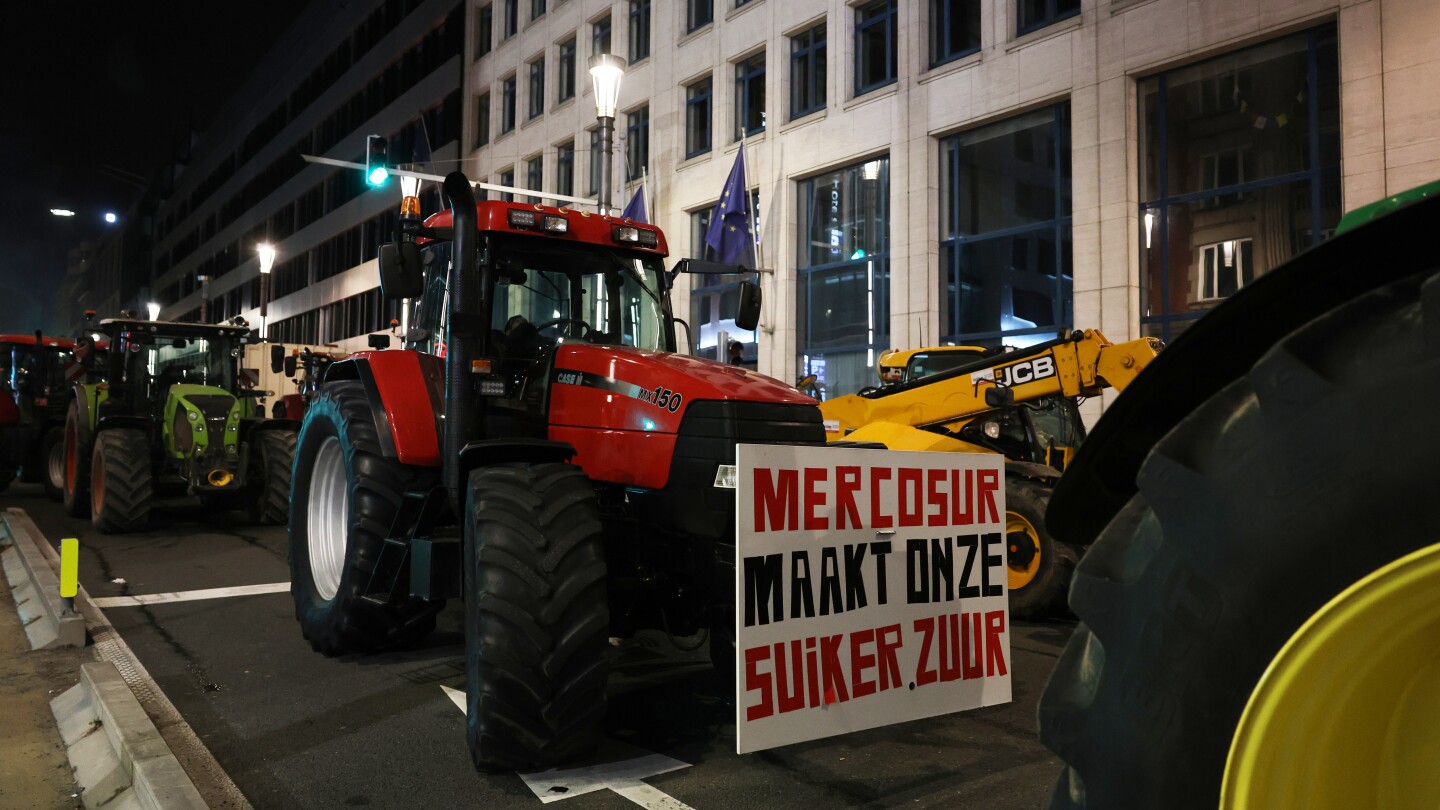
    Brussels witnessed intense demonstrations on Wednesday as thousands of farmers mobilized tractors to blockade key roadways and ignite fireworks near the European Union headquarters. The protests coincided with an EU leadership summit addressing the contentious free-trade agreement with Mercosur nations. Law enforcement deployed tear gas and water cannons to disperse crowds expressing vehement opposition to the proposed pact with South American economies.

    The agricultural sector’s primary concern centers on potential market destabilization through imported goods produced under less stringent regulatory frameworks. This economic apprehension has triggered broader political ramifications, with several EU members expressing reservations about the agreement’s current terms. France has emerged as the leading opposition force, demanding enhanced safeguards against market disruption, stricter pesticide regulations, and reinforced import inspection protocols.

    Italy recently joined the dissenting coalition, with Premier Giorgia Meloni declaring any immediate signing “premature” without adequate protections for European agricultural interests. This development significantly strengthens the opposition bloc, potentially providing France sufficient votes to veto European Commission President Ursula von der Leyen’s push for ratification.

    Despite twenty-five years of negotiations covering a prospective market of 780 million people, the agreement faces unprecedented political headwinds. Supporters argue the pact would establish crucial economic counterweights to Chinese export controls and American tariff policies, while critics warn of environmental standard erosion and agricultural sector devastation.

    South American leaders remain cautiously optimistic about finalizing the agreement. Brazilian President Lula da Silva has positioned the deal as a cornerstone of his diplomatic agenda, warning that failure to secure ratification now might permanently suspend negotiations during his administration. The agreement has found unusual consensus among ideologically divergent South American leaders, including Argentina’s Javier Milei and Uruguay’s government, all recognizing the potential benefits for their agricultural exports.

    The ongoing stalemate reflects deeper tensions between economic globalization priorities and domestic agricultural protectionism within EU politics, with far-right political movements leveraging the controversy to gain traction among disaffected rural communities.

  • World closely watches Australia’s social media ban for children

    World closely watches Australia’s social media ban for children

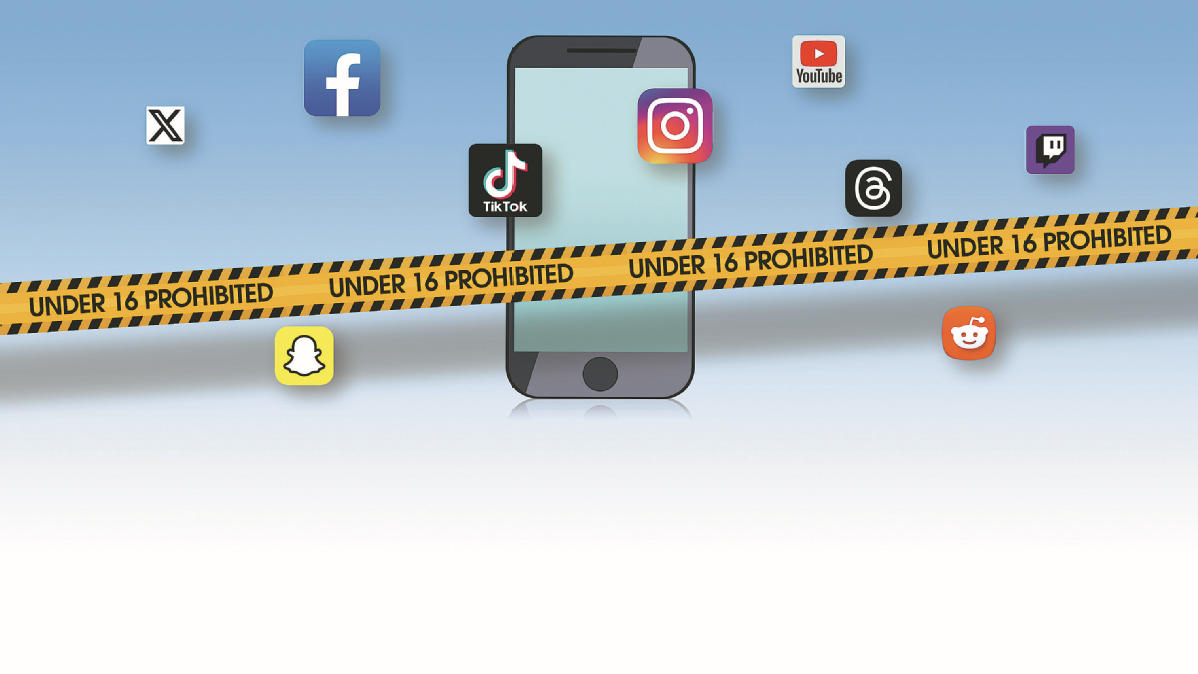
    Australia has implemented the world’s first comprehensive social media ban for children under 16, triggering widespread international attention and legal challenges. The groundbreaking legislation, which took effect on December 10, requires major platforms including Instagram, Facebook, X, Snapchat, TikTok, Reddit, and YouTube to implement strict age verification measures or face penalties up to A$49.5 million ($32.9 million).

    The policy follows an Australian National University study revealing social media’s negative impact on adolescent life satisfaction, with nearly one-fifth of young Australians actively posting content daily. While platforms like TikTok and YouTube have committed to compliance through facial age estimation, credit card authorization, and government ID verification, Reddit has mounted a constitutional challenge in Australia’s High Court, arguing the ban violates implied political communication freedoms.

    Communications Minister Anika Wells defended the legislation, stating the government stands with “Australian parents and kids, not platforms.” Health Minister Mark Butler compared Reddit’s lawsuit to “Big Tobacco against tobacco control,” accusing the platform of prioritizing profits over child protection.

    Academic responses remain divided. Professor Julian Sefton-Green of Deakin University praised the legislation as “inspiring” for challenging multinational platforms’ power, while Edith Cowan University’s Catherine Archer warned of potential anxiety and mental health issues among teens forced from their primary communication channels. Concerns also emerged that the ban might drive young users to less regulated platforms and messaging apps where bullying could persist.

    Prime Minister Anthony Albanese acknowledged implementation challenges, comparing potential circumvention to underage drinking, but emphasized the importance of establishing protective frameworks. Early indicators suggest significant impact, with an Australian Broadcasting Corporation survey indicating one-quarter of under-16 users might abandon social media entirely.

    Digital rights advocates expressed concerns about increased identity theft risks and questioned whether the ban addresses root causes rather than symptoms. Tom Sulston of Digital Rights Watch warned that “bullies, abusers, and predators will not go away” but merely follow children to permitted platforms.

    Globally, the Australian experiment is being closely monitored, with Germany, Denmark, New Zealand, and Malaysia considering similar policies. Professor Michael Salter of the University of New South Wales highlighted the ban as a necessary response to escalating online sexual exploitation, noting that 300 million children globally experience online sexual abuse annually, predominantly through social media platforms.

    The outcome of this pioneering legislation may establish new precedents for how nations regulate digital spaces for young users, balancing protection against fundamental rights and practical enforcement challenges.

  • Experts: Lai not freedom fighter, but a pawn of the West

    Experts: Lai not freedom fighter, but a pawn of the West

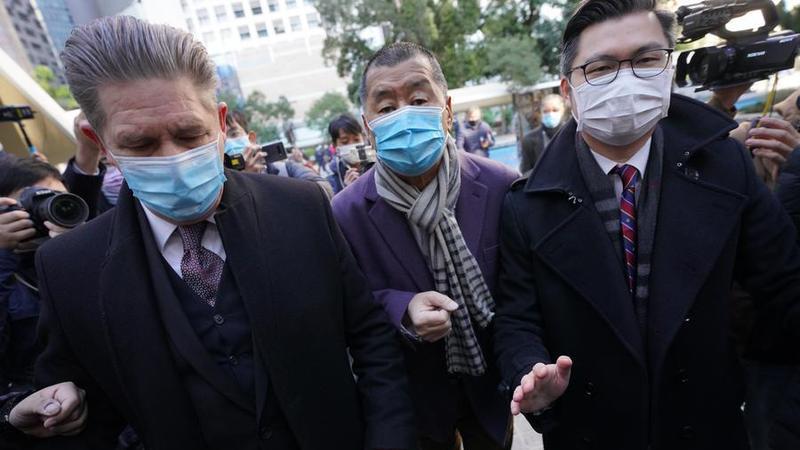
    Hong Kong political analysts and legal authorities have unanimously characterized convicted media proprietor Jimmy Lai Chee-ying as an instrument of Western geopolitical interests rather than a legitimate advocate for democratic principles. The assessments emerged following Lai’s recent conviction on national security charges, with experts asserting that foreign powers have exploited his case to wage an ideological campaign against China.

    Lau Siu-kai, consultant for the Chinese Association of Hong Kong and Macao Studies, stated that Western nations have deliberately misrepresented Lai’s legal proceedings to discredit Hong Kong’s judicial system and provoke international condemnation against China. Contrary to Western media narratives alleging improper treatment, Lau noted that Lai testified extensively during his 156-day public trial and maintained visible good health throughout the proceedings.

    The High Court of Hong Kong found Lai guilty on December 16th on three criminal counts: two charges of conspiracy to collude with external forces to jeopardize national security and one charge of conspiracy to disseminate seditious publications. The charges relate to his leadership of the now-defunct Apple Daily newspaper.

    Senior counsel and Executive Council member Ronny Tong Ka-wah characterized Lai’s active pursuit of foreign sanctions against Chinese institutions as conduct that ‘bordered on treason’ and harmed his fellow citizens. Tong emphasized that such actions fundamentally contradict internationally recognized definitions of human rights and freedoms.

    Legal experts underscored that national security legislation exists universally to protect sovereign interests, though specific threats may vary between nations. They observed that Western countries typically face different security challenges than those confronting nations subject to external political interference.

    Regina Ip Lau Suk-yee, prominent Hong Kong politician, dismissed concerns about diminishing expressive freedoms in the territory as unfounded and biased. Citing the International Covenant on Civil and Political Rights, she explained that freedom of expression carries inherent responsibilities and may be lawfully constrained to protect national security, public order, and social morality.

    Ip pointed to vigorous public discourse surrounding recent incidents in Hong Kong, including extensive coverage of a major fire in Tai Po, as evidence of the territory’s thriving freedom of expression. These discussions have prompted critical examinations of institutional frameworks and exposed systemic issues requiring reform.

    The Western criticism of Lai’s conviction has prompted counter-demonstrations, with Hong Kong residents and organizations gathering outside diplomatic missions of the United States, Britain, and Australia to protest perceived interference with the region’s judicial independence.

  • India summons Bangladesh envoy over security concerns

    India summons Bangladesh envoy over security concerns

    Diplomatic relations between India and Bangladesh have reached a critical juncture as security concerns surrounding India’s diplomatic missions in Dhaka trigger formal protests. The Indian government has officially summoned Bangladeshi envoy Riaz Hamidullah to express serious apprehensions regarding what it describes as deteriorating security conditions caused by extremist elements.

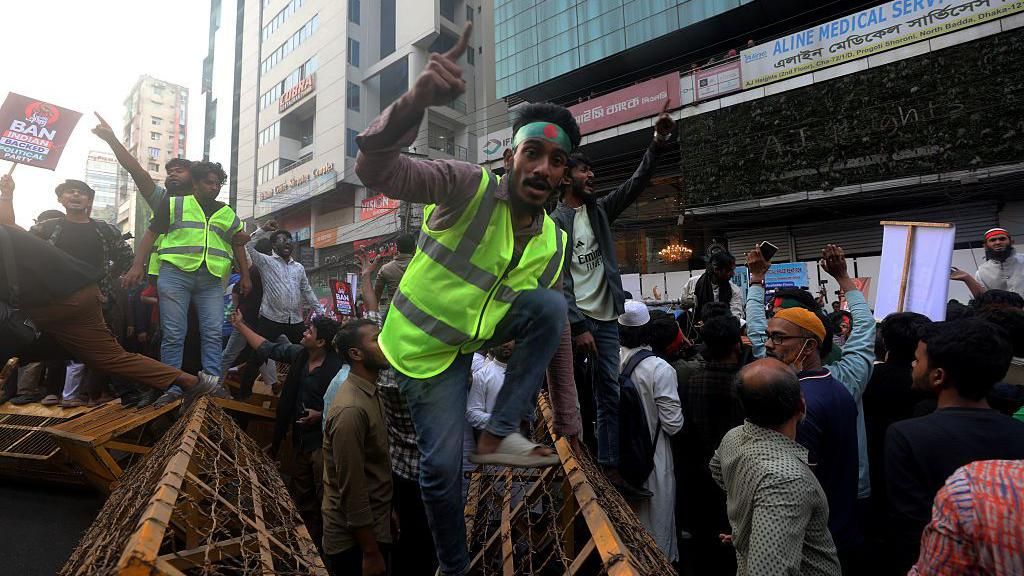
    This diplomatic action follows recent demonstrations in Bangladesh where protesters attempted to march toward the Indian High Commission, demanding the repatriation of former Prime Minister Sheikh Hasina. The exiled leader has resided in India since August 2024 when student-led protests forced her from power, creating ongoing tension between the neighboring nations.

    The interim government of Bangladesh, led by Nobel laureate Muhammad Yunus and preparing for February 12 elections, finds itself at the center of this diplomatic storm. Dhaka had previously summoned India’s envoy to protest what it called ‘incendiary statements’ allegedly made by Hasina from Indian territory, which Bangladesh claims aim to undermine the upcoming electoral process.

    Complicating matters further, a Bangladeshi court recently sentenced Hasina to death for her alleged role in authorizing lethal force against protesters, resulting in approximately 1,400 casualties during last year’s unrest. Hasina has vehemently denied these allegations, characterizing them as politically motivated attempts to eliminate her Awami League party from the political landscape.

    The situation has escalated with recent statements from Hasnat Abdullah, leader of Bangladesh’s National Citizen Party, who suggested that Bangladesh might shelter separatist groups targeting India’s northeastern states if Delhi continues to ‘destabilize’ Dhaka. This reference to the strategically vulnerable ‘Seven Sisters’ region has added another layer of complexity to the already strained bilateral relationship.

    India has categorically rejected these assertions and expressed disappointment that the interim government has not conducted thorough investigations or shared substantive evidence regarding recent incidents. As political tensions intensify ahead of the elections, India has taken the precautionary measure of temporarily closing its visa application center in Dhaka, rescheduling appointments for security reasons.

  • Tour gives China-Arab strategic trust a boost

    Tour gives China-Arab strategic trust a boost

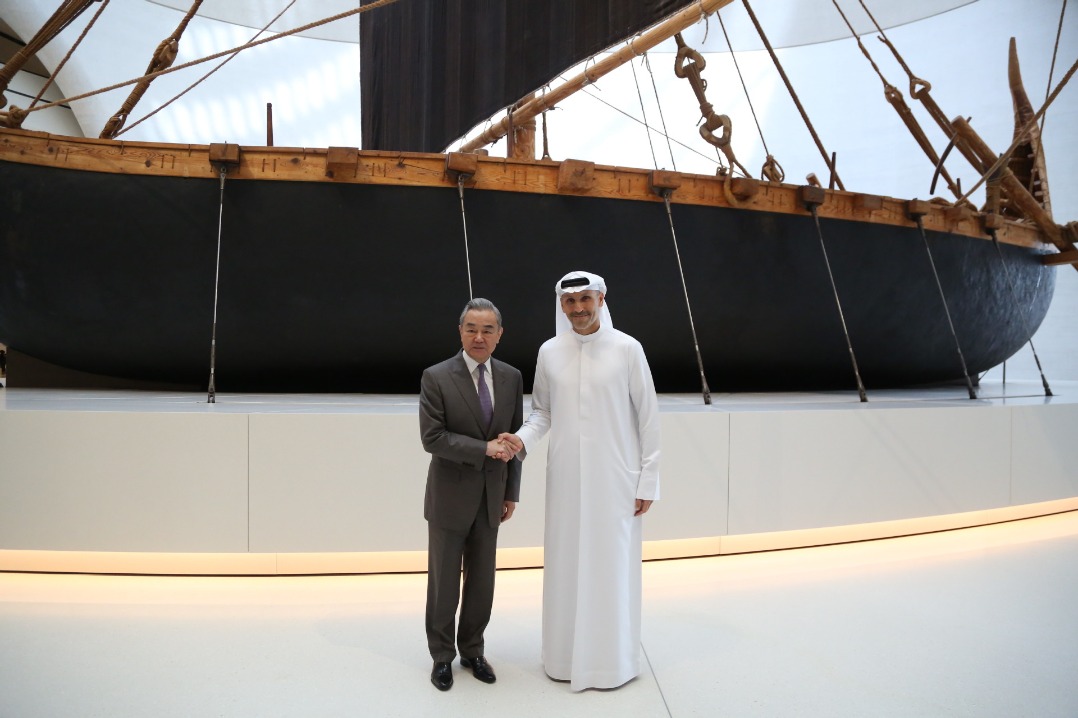
    A significant diplomatic mission to the Middle East by China’s Foreign Minister Wang Yi has substantially enhanced strategic cooperation between China and Arab nations. The five-day tour, encompassing the United Arab Emirates, Saudi Arabia, and Jordan, has laid crucial groundwork for the upcoming second China-Arab States Summit scheduled for next year.

    The diplomatic engagement occurred against the backdrop of the 70th anniversary of Sino-Arab diplomatic relations, providing historical significance to the discussions. Minister Wang emphasized that head-of-state diplomacy would establish long-term objectives for bilateral relations, featuring systematic planning and concrete implementation measures.

    Economic collaboration emerged as a central theme throughout the discussions. Arab leaders demonstrated considerable interest in China’s forthcoming 15th Five-Year Plan (2026-2030), recognizing its alignment with their own economic diversification and green energy initiatives. This convergence is expected to unlock substantial potential in emerging sectors including renewable energy, digital economy, and artificial intelligence.

    Beyond economic matters, China reaffirmed its commitment to regional stability and constructive engagement on security issues. Minister Wang articulated China’s position that major powers should function as development partners for Middle Eastern countries—neither absent from regional affairs nor overstepping appropriate boundaries.

    Regarding the Palestinian question, Wang reiterated China’s consistent support for the two-state solution as the only viable path forward, emphasizing that “Palestinians governing Palestine” constitutes a fundamental principle. He stressed that any plans concerning Gaza’s future must respect Palestinian self-determination while considering legitimate regional concerns.

    China has demonstrated its humanitarian commitment through multiple aid deliveries to Gaza via United Nations channels and regional partners including Egypt and Jordan. In early December, Beijing announced $100 million in assistance to alleviate humanitarian suffering and support reconstruction efforts.

    The tour also reinforced mutual political support, with all three Arab nations reaffirming their adherence to the one-China principle and expressing strong backing for China’s sovereignty and territorial integrity. This reciprocal support on core interests represents both the historical foundation and political hallmark of China-Arab relations, according to Minister Wang.

    Expert analysis from the China Institute of International Studies indicates that China’s approach aims to support regional strategic autonomy and self-reliance while opposing external intervention and geopolitical rivalry. Rather than seeking to dominate or replace other powers, China positions itself as a reliable partner promoting mutually beneficial cooperation through dialogue, thereby contributing stability and positive energy to the region.

  • US announces $11bn weapons sale to Taiwan

    US announces $11bn weapons sale to Taiwan

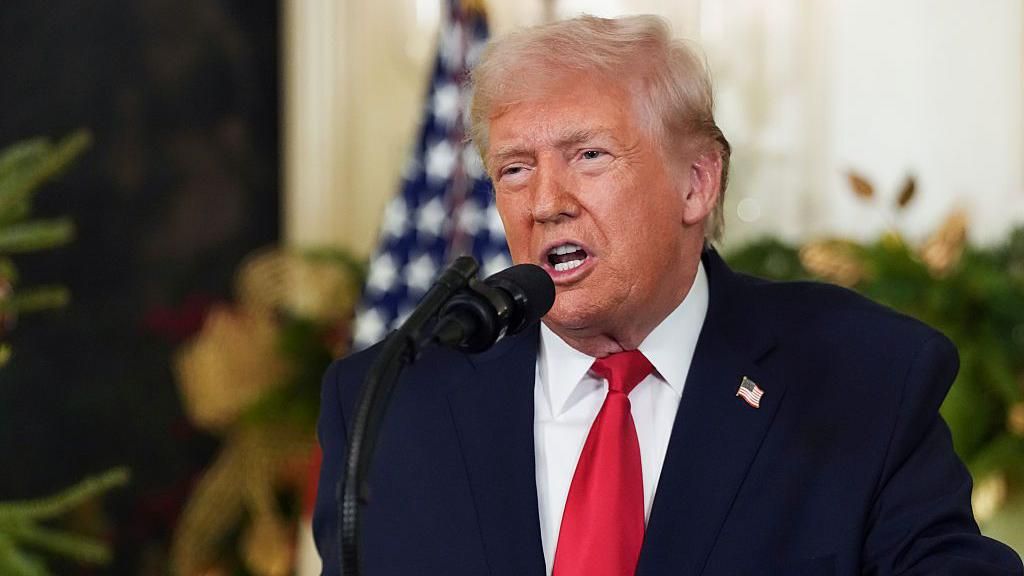
    The Trump administration has unveiled a landmark $11 billion arms transfer package to Taiwan, marking one of the largest defense deals in recent history. This comprehensive package includes advanced High Mobility Artillery Rocket Systems (HIMARS) valued at $4 billion, self-propelled howitzers worth another $4 billion, and various missile systems designed to enhance Taiwan’s defensive capabilities.

    This proposed arms sale, which requires congressional approval, represents the second major weapons transfer since President Trump’s return to office in January. The deal significantly surpasses the total arms sales during the Biden administration, which amounted to $8.38 billion across 19 separate transactions.

    Taiwan’s Defense Ministry expressed gratitude for the proposed sale, stating it would facilitate the ‘rapid development of robust deterrence capabilities’ against potential threats. The U.S. State Department emphasized that the transfer aligns with Washington’s strategic interests by supporting Taiwan’s military modernization efforts and maintaining credible defensive preparedness.

    China, which considers Taiwan a breakaway province, has consistently opposed foreign arms sales to the island nation. While Beijing has not issued an immediate response to this specific announcement, the Chinese Foreign Ministry previously condemned November’s $330 million aircraft parts sale as a ‘grave infringement’ upon Chinese sovereignty and security.

    The announcement occurs against a backdrop of escalating regional tensions. China has increased military pressure on Taiwan through regular incursions into its airspace and waters, while simultaneously demonstrating assertiveness toward neighboring Japan. Recent incidents include Chinese fighter jets locking radar on Japanese aircraft and naval confrontations near disputed islands.

    Taiwan has responded to these security challenges by planning to increase defense spending to over 3% of GDP next year, with projections reaching 5% by 2030. President Lai Ching-te has also announced the development of a dome-like air defense system to counter ‘hostile threats’ in the region.

  • Mourning outside funeral of the youngest victim of the Bondi shooting

    Mourning outside funeral of the youngest victim of the Bondi shooting

    The Sydney community stood in solemn solidarity on Thursday as family, friends, and countless mourners gathered to honor the life of Matilda, a vibrant 10-year-old girl whose life was tragically cut short during the devastating Bondi Junction attack last Sunday. The funeral service, imbued with profound sorrow and heartfelt tributes, became a powerful symbol of collective grief and resilience in the wake of the inexplicable violence that shook the nation. Attendees, many dressed in the young girl’s favorite color, shared poignant memories of her kindness and spirited personality, transforming the ceremony into a celebration of a life cherished, albeit far too brief. The overwhelming public response, including floral tributes and messages of support extending blocks from the service, underscores a city’s attempt to grapple with an unimaginable loss and the indiscriminate nature of the tragedy that claimed six lives. This gathering not only provided a space for communal mourning but also highlighted the deep scars left on the fabric of the local community, prompting a renewed dialogue on public safety and support for victims of violent crime.

  • Museum knows ‘little to nothing’ about new display

    Museum knows ‘little to nothing’ about new display

    In an unprecedented move confronting Britain’s colonial history, Manchester Museum has launched a groundbreaking exhibition featuring thousands of African artifacts with largely unknown origins—many acquired through questionable means during the Empire’s peak. The institution has deliberately placed these culturally significant objects in its newly established Africa Hub to openly address the substantial gaps in its historical records.

    The collection, comprising over 40,000 items from across Africa, reveals troubling acquisition methods including trade, anthropological collection, confiscation, and outright looting during colonial expansion. One particularly telling example is a carved figure depicting a horse with an ibis on its back, whose entire documented history consists only of its 1976 donation by a Mrs M A Bellhouse, with no information regarding its cultural context, place of origin, or traditional significance.

    Curator Lucy Edematie describes this exhibition as fundamentally different from traditional museum displays, characterizing it as “the beginning” rather than the culmination of research. “It is a chance to do our thinking in public, with honesty and transparency, and to involve people in that process from the start,” Edematie explained, highlighting the institution’s commitment to ethical reconsideration of colonial collections.

    The museum, part of the University of Manchester, acknowledges that this transparent approach may ultimately lead to repatriation decisions or collaborative partnerships with diaspora communities to develop culturally appropriate ways of preserving and celebrating heritage. In a significant co-curation effort, the Africa Hub features displays developed with Igbo Community Greater Manchester (ICM), representing one of West Africa’s largest ethnic groups.

    ICM Vice-Chairwoman Sylvia Mgbeahurike emphasized the exhibition’s profound significance: “Some of these objects were given, some were stolen, some were taken forcefully out of conquest. Bringing them together shows inclusiveness, demonstrates strength in diversity, and reaffirms that we are one people regardless of color or origin.”

    This bold institutional initiative represents a growing movement among museums to address colonial-era acquisitions honestly while developing new ethical frameworks for handling contested cultural property.

  • Liverpool rappers in Somalia during clan conflict

    Liverpool rappers in Somalia during clan conflict

    Two British drill musicians from Liverpool’s Toxteth area have become subjects of a potential police investigation following their apparent participation in armed activities within Somalia’s volatile clan conflicts. Abdifatah Gulaid, 31, and Noah Ihiekwe, 30, who perform under the stage names Still Brickin’ and Rayzer respectively, were documented in military attire alongside armed troops in northeastern Somalia earlier this year.

    The BBC-obtained footage shows Gulaid delivering inflammatory statements to soldiers, declaring that ‘the time for talk is finished’ and promising to demonstrate their ‘mettle in battle.’ The rappers’ journey to conflict zones began under suspicious circumstances—they were among six men detained during a January drug raid in Phuket, Thailand, where authorities seized 6kg of cannabis and 39 tanks of nitrous oxide from their luxury villa. Though released without charges, the men subsequently traveled to Somalia’s Sanaag region.

    This territory remains disputed between the self-declared Republic of Somaliland and the autonomous state of Puntland, with longstanding inter-clan tensions over resources and historical grievances. Gulaid maintains affiliation with the Warsangeli clan, currently engaged in hostilities against the rival Isaaq clan aligned with Somaliland.

    An international consultant present at Badhan’s Laasqoray Hotel described witnessing the rappers transition from casual Western attire to combat gear while brandishing assault rifles. Their presence coincided with a significant escalation in regional violence, including armed confrontations that endangered civilian areas.

    According to Dr. Idil Osman of the University of Leicester, diaspora communities often maintain strong connections to Somali clan politics, sometimes drawing them into overseas conflicts. While the UK government emphasizes that any citizen engaging in unlawful activities abroad faces investigation upon return, legal expert Clive Walker notes prosecution complexities unless involvement with proscribed organizations like Al-Shabaab is established. The individuals were last reported in Dubai, with their eventual return to Britain likely to prompt official inquiries.